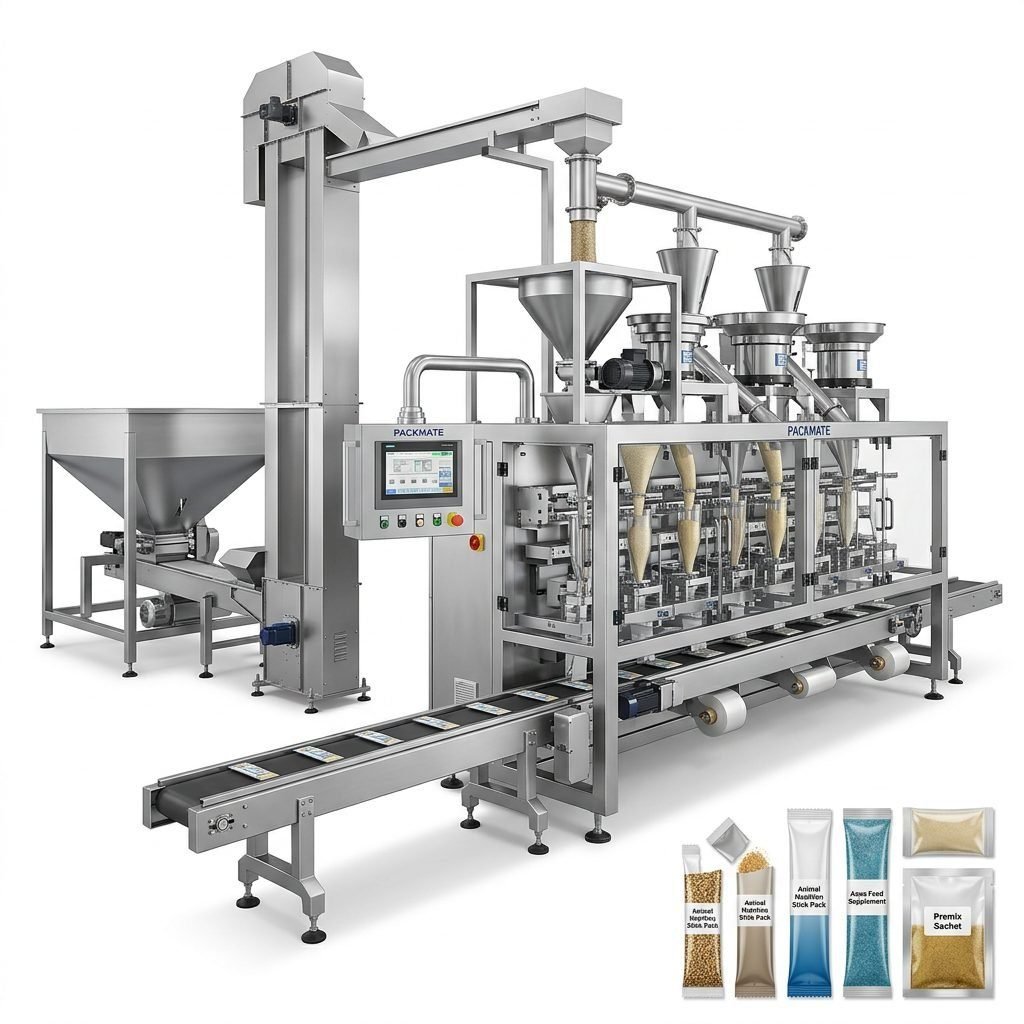
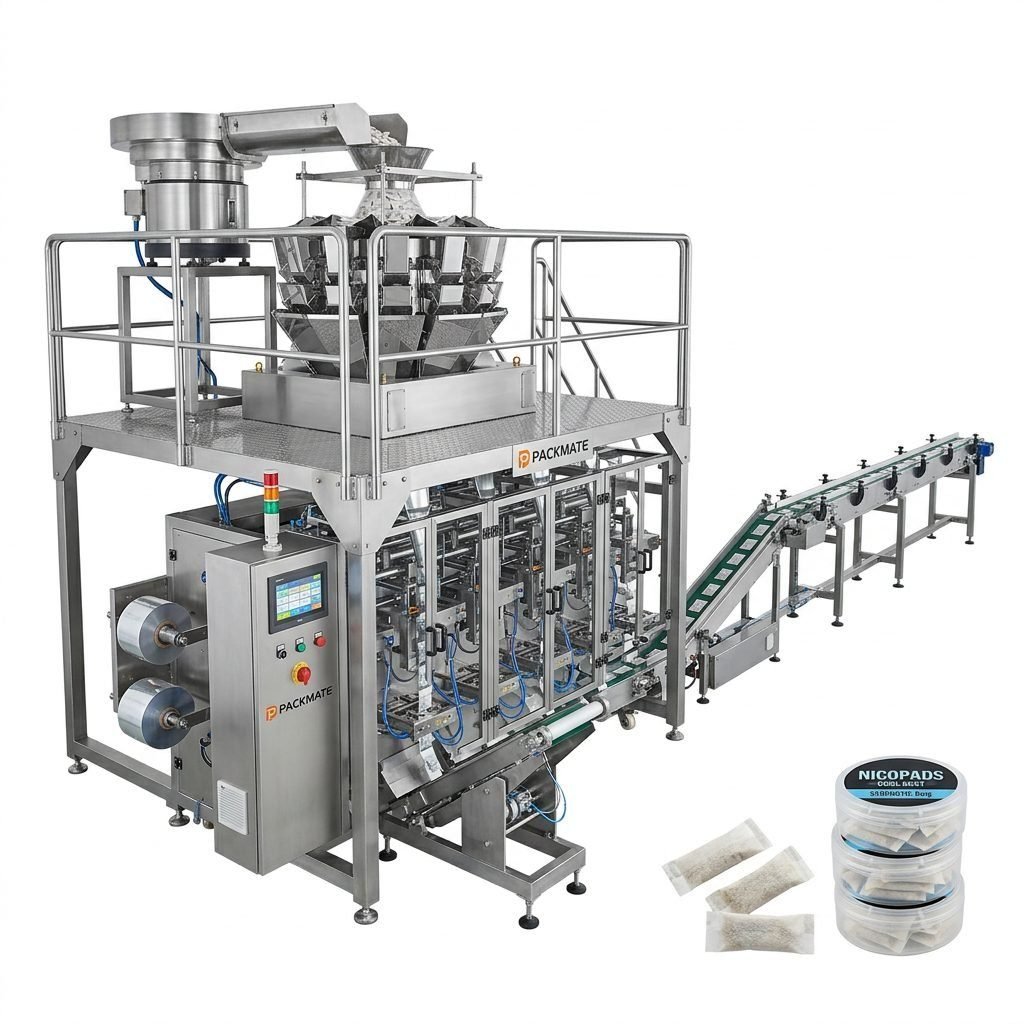
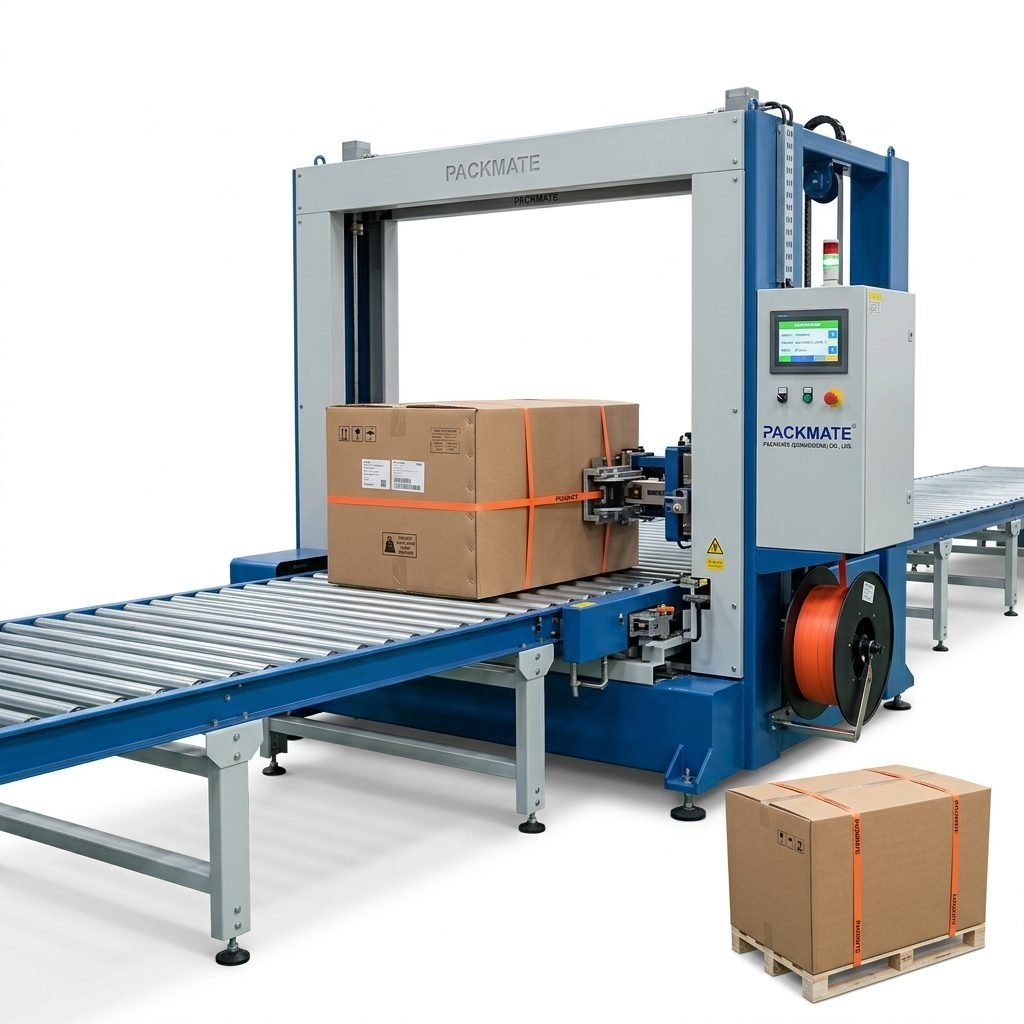
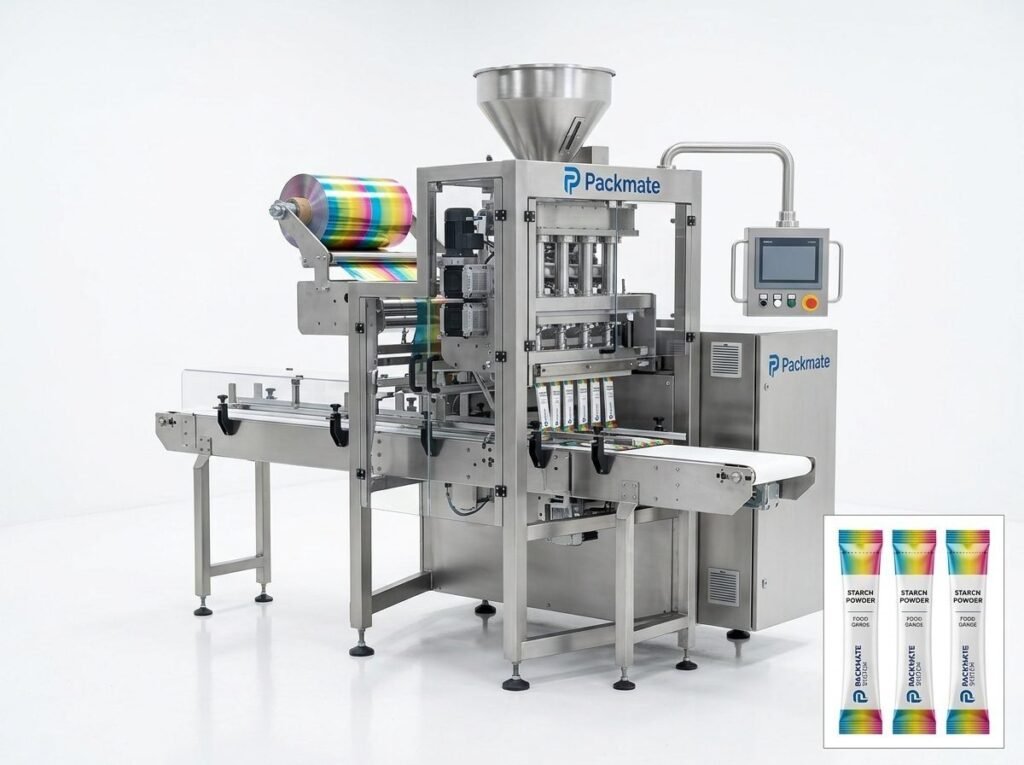
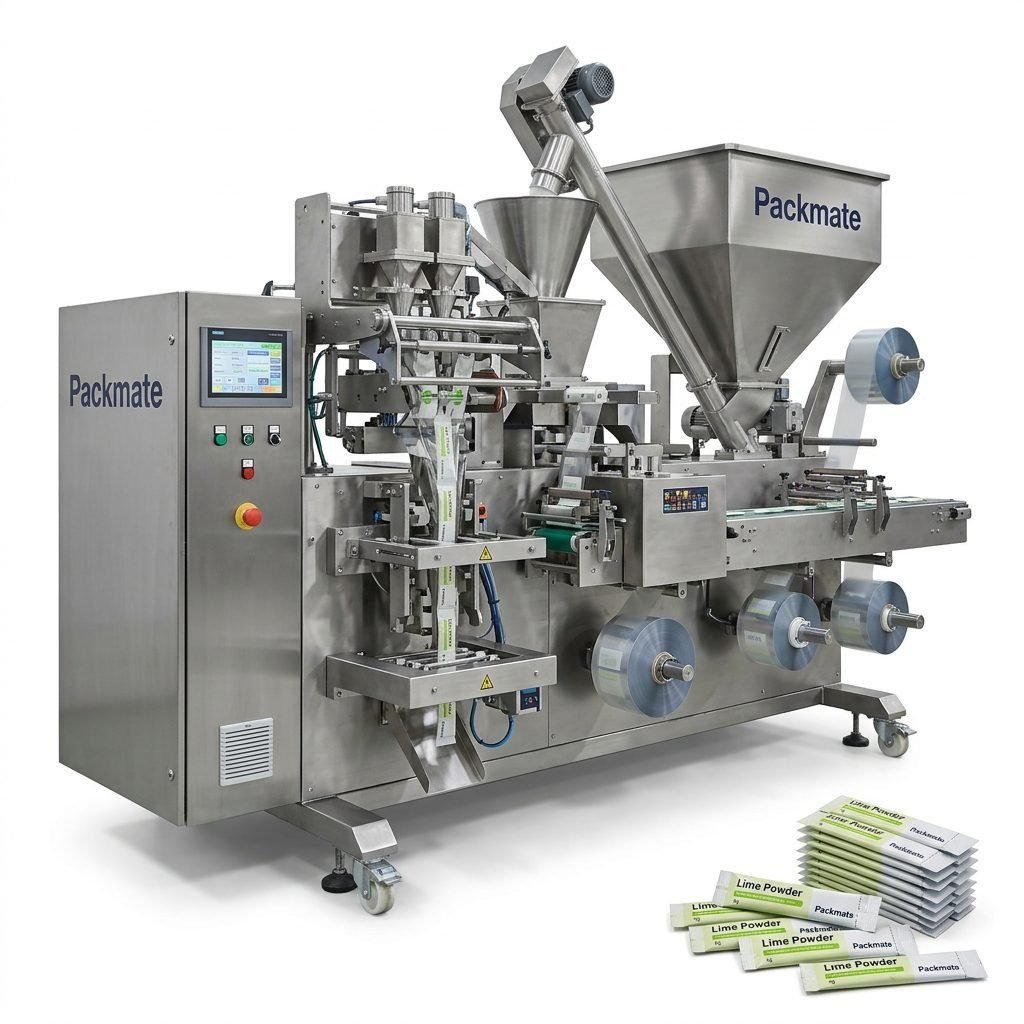
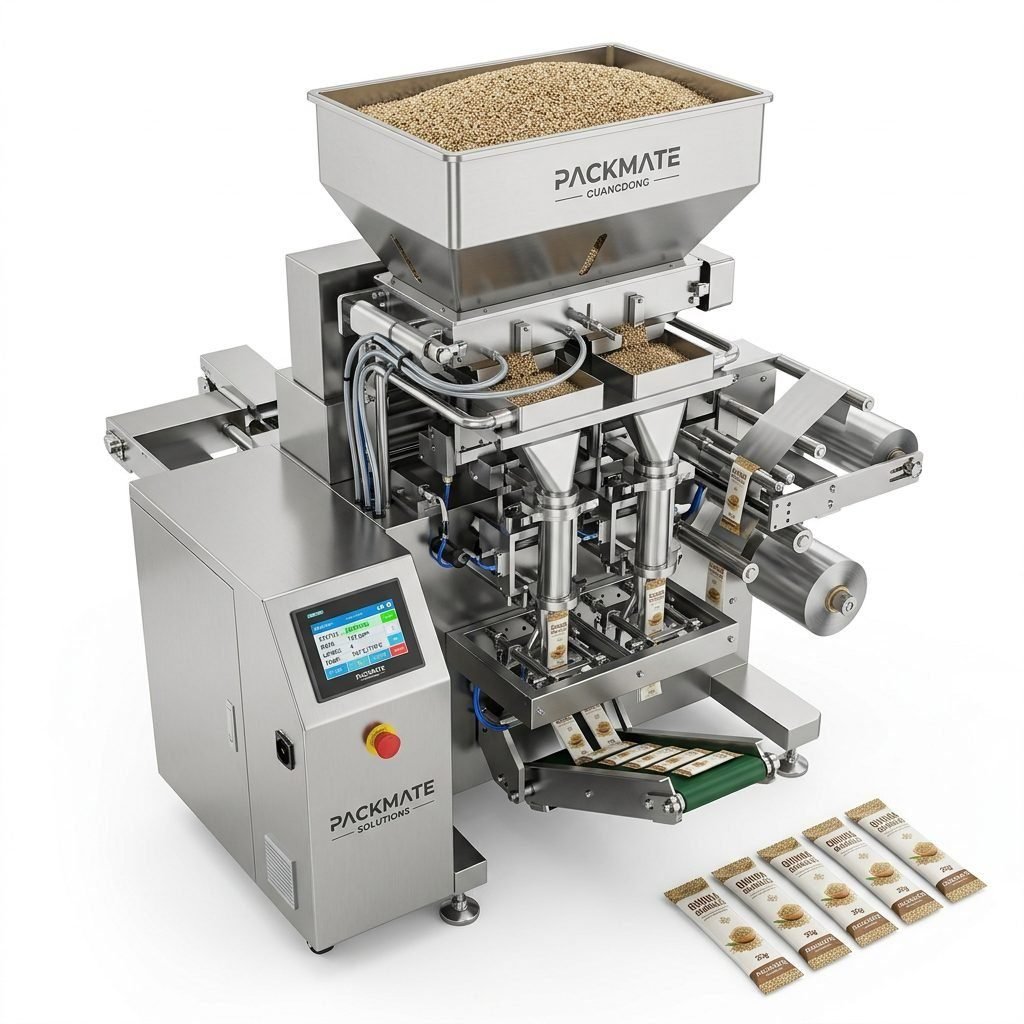
In the competitive world of product presentation, especially for cosmetics, confectionery, and promotional items, glitter packaging is a powerful tool to capture consumer attention and enhance brand perception. A specialized glitter packaging machine is the cornerstone of creating these eye-catching packages efficiently and consistently. Choosing the right machine is not just a purchase; it’s a strategic investment that impacts your production speed, product quality, and ultimately, your bottom line. This guide will walk you through the critical factors to consider to ensure you select the best glitter packaging solution for your unique business needs.
Understanding Glitter Packaging and Its Market Impact
Glitter packaging involves applying fine, reflective particles to packaging materials, creating a sparkling, luxurious effect. This technique is highly popular in industries where visual appeal directly influences purchasing decisions. The right machine automates the application process, ensuring uniformity, reducing waste, and significantly increasing output compared to manual methods.
A high-quality glitter packaging system does more than just apply glitter. It integrates precision, reliability, and flexibility to handle various materials like paper, plastic films, and cartons, adapting to different glitter types and adhesive requirements.
Key Factors to Consider When Choosing Your Machine
Navigating the market for packaging machinery requires a clear understanding of your operational goals. Here are the essential aspects to evaluate.
1. Production Speed and Capacity Requirements
Your required output is the primary driver. Assess your current and projected order volumes. Machines are rated by packages per minute (PPM). A small boutique might manage with a machine capable of 30-50 PPM, while a large-scale manufacturer supplying major retailers may need equipment exceeding 200 PPM. Underestimating capacity can create bottlenecks, while over-specifying leads to unnecessary capital expenditure.
2. Versatility and Material Compatibility
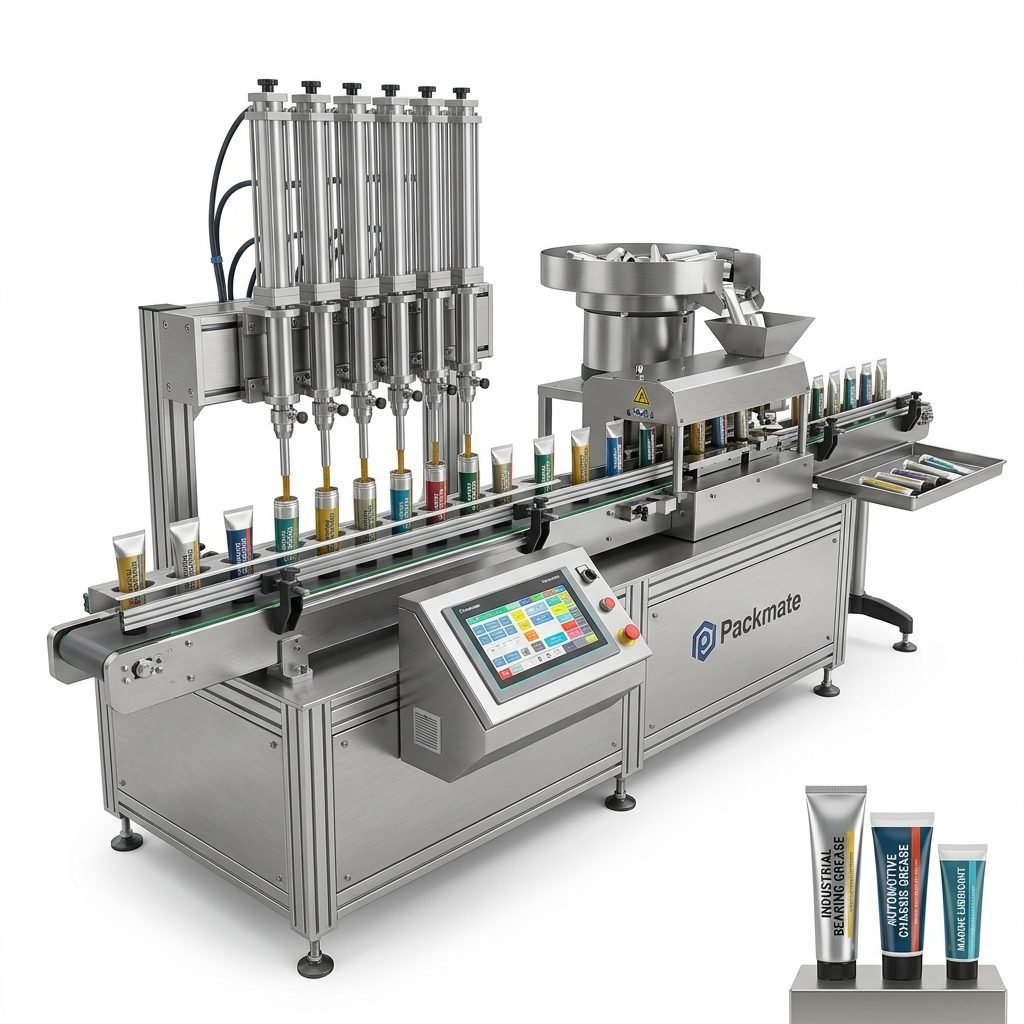
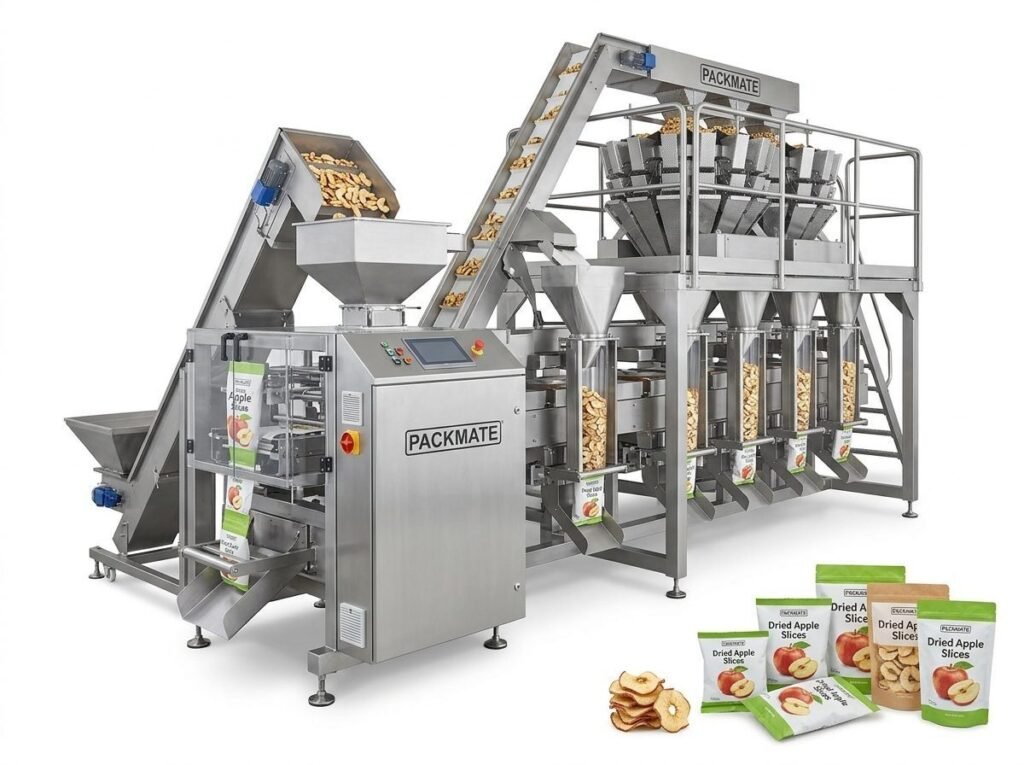
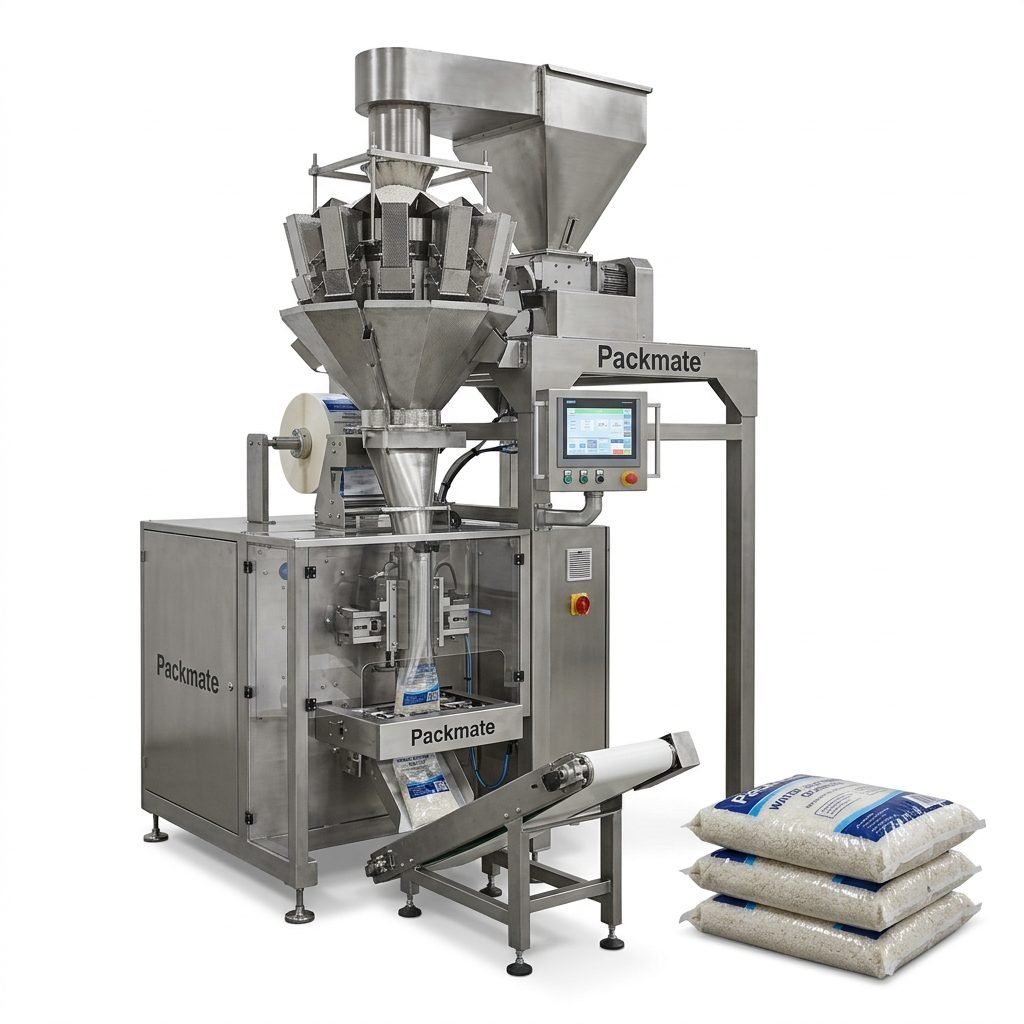
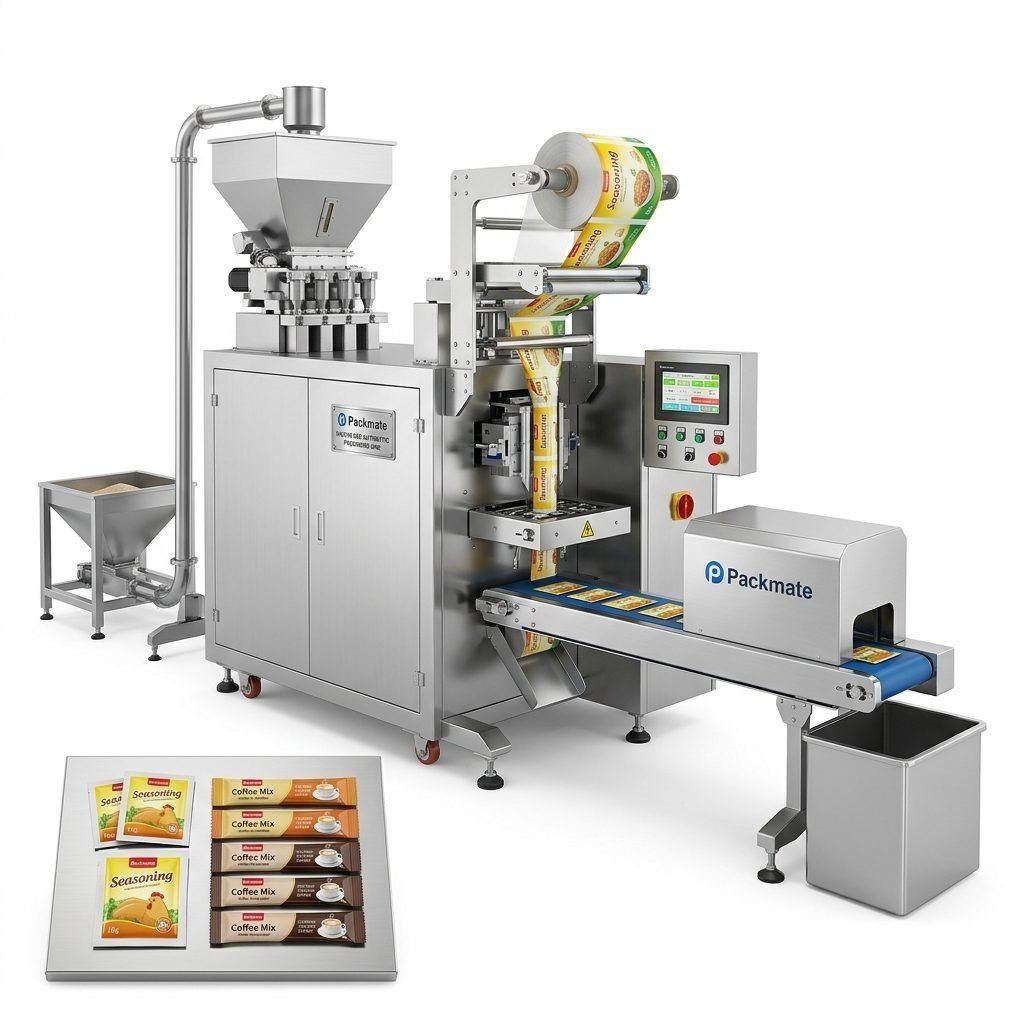
Consider the range of products you package. Does your business focus on rigid boxes, flexible pouches, or both? The best machine offers versatility. Look for features that allow easy changeovers between different package sizes and shapes. Crucially, ensure the machine is compatible with the specific glitter and adhesive types you plan to use, as viscosity and particle size can vary. Exploring a manufacturer’s range of Bag & Pouch Packaging Machines can provide insights into adaptable systems.
3. Precision and Consistency of Application
The hallmark of professional packaging is consistency. The machine must apply glitter evenly across every unit, with precise control over the amount used. Inconsistent application looks unprofessional and leads to material waste. Look for machines with advanced servo-driven mechanisms and precision metering systems for adhesive and glitter dispensing.
Tip: Always request sample packages produced by the machine during a factory test. This is the most reliable way to judge output quality firsthand.
4. Integration with Existing Production Lines
Your new glitter machine shouldn’t operate in isolation. It needs to integrate seamlessly with your upstream and downstream processes, such as printing, filling, and sealing. Check compatibility with conveyors, control systems (like PLCs), and communication protocols. A well-integrated Filling & Packaging Line ensures smooth, continuous production flow.
5. Ease of Operation and Maintenance
Complex machines require skilled operators. Evaluate the user-friendliness of the human-machine interface (HMI). Is it intuitive? How long does it take to train an operator? Similarly, consider maintenance needs. Machines designed with easy access to critical components and supported by clear documentation and readily available spare parts minimize downtime. A manufacturer with a strong Service commitment is invaluable.
The Importance of Manufacturer Reputation and Support
The machine is only as good as the company behind it. Partnering with a reputable manufacturer is critical for long-term success.
Look for a provider with a proven track record and substantial industry experience. For instance, Packmate (GuangDong) Co., Ltd., with over 30 years of expertise in intelligent packaging, exemplifies the stability and innovation you should seek. Their journey from a small workshop in 1993 to a company with a 20,000㎡ modern facility demonstrates a commitment to growth and quality. A manufacturer with a rich Company History often brings deep technical knowledge to solve complex packaging challenges.
Key support aspects include comprehensive after-sales service, availability of technical support (both remote and on-site), warranty terms, and training programs. A reliable partner will help you optimize the machine’s performance throughout its lifecycle. Reviewing their Case studies can reveal their capability to deliver successful turnkey solutions.
Making the Final Decision: A Strategic Checklist
Before finalizing your investment, use this checklist to ensure all bases are covered:
- Define Your Budget: Include not just the machine cost, but also installation, training, and potential facility modifications.
- Request Demos and References: See the machine run, preferably with your own materials. Speak to existing clients about their experience.
- Analyze Total Cost of Ownership (TCO): Factor in energy consumption, maintenance costs, and expected consumable usage (glitter, adhesive).
- Plan for the Future: Choose a machine that can scale or adapt to potential new products or packaging designs.
- Review Contract and Warranty: Understand all terms, delivery timelines, and what the warranty covers explicitly.
Conclusion: Investing in Your Brand’s Shine
Selecting the ideal glitter packaging machine is a multifaceted decision that balances technical specifications with strategic business needs. By thoroughly assessing your production requirements, prioritizing quality and consistency, and partnering with an experienced and supportive manufacturer like Packmate Machinery, you invest in more than just equipment. You invest in a tool that elevates your product’s market presence, enhances operational efficiency, and provides a tangible return through superior, attention-grabbing packaging. The right machine helps your products not just sit on the shelf, but shine and sell.
Frequently Asked Questions (FAQs)
1. What types of glitter can be used with these machines?
Most modern machines are designed to handle a variety of glitter types, including plastic-based, biodegradable, and even metallic flakes. The key factors are particle size and flow characteristics. It’s essential to consult with the machine manufacturer to test your specific glitter material for compatibility with their feeding and application system.
2. How difficult is it to clean the machine when switching glitter colors?
Ease of cleaning is a crucial design feature. High-quality machines have accessible chambers and pathways with minimal dead spots where glitter can accumulate. Look for models with quick-release panels and tool-free access. The changeover time can range from 15 minutes to an hour, depending on the machine’s design and the operator’s experience.
3. Can one machine handle different package sizes, like small sachets and larger boxes?
Versatility varies by model. Many machines offer quick-change tooling or adjustable parts to accommodate a range of sizes within a defined spectrum. However, switching between vastly different formats (e.g., a flat pouch and a 3D rigid box) may require significant re-tooling. Discuss your full product range with the supplier to find a machine that offers the flexibility you need.
4. What is the typical lead time for delivery and installation of a new glitter packaging line?
Lead times depend on the machine’s complexity and whether it’s a standard or custom-built model. For standard machines, delivery can take 8-12 weeks after order confirmation, followed by 1-2 weeks for installation and commissioning by factory engineers. Custom solutions will have longer timelines. Always confirm detailed schedules during the purchasing process.
5. What kind of maintenance schedule should we expect?
Regular maintenance is vital for longevity and consistent performance. A basic daily cleaning routine is standard. Scheduled maintenance, such as lubrication, belt tension checks, and component inspection, is typically required weekly, monthly, and annually. The manufacturer should provide a detailed maintenance checklist and schedule specific to your machine model.