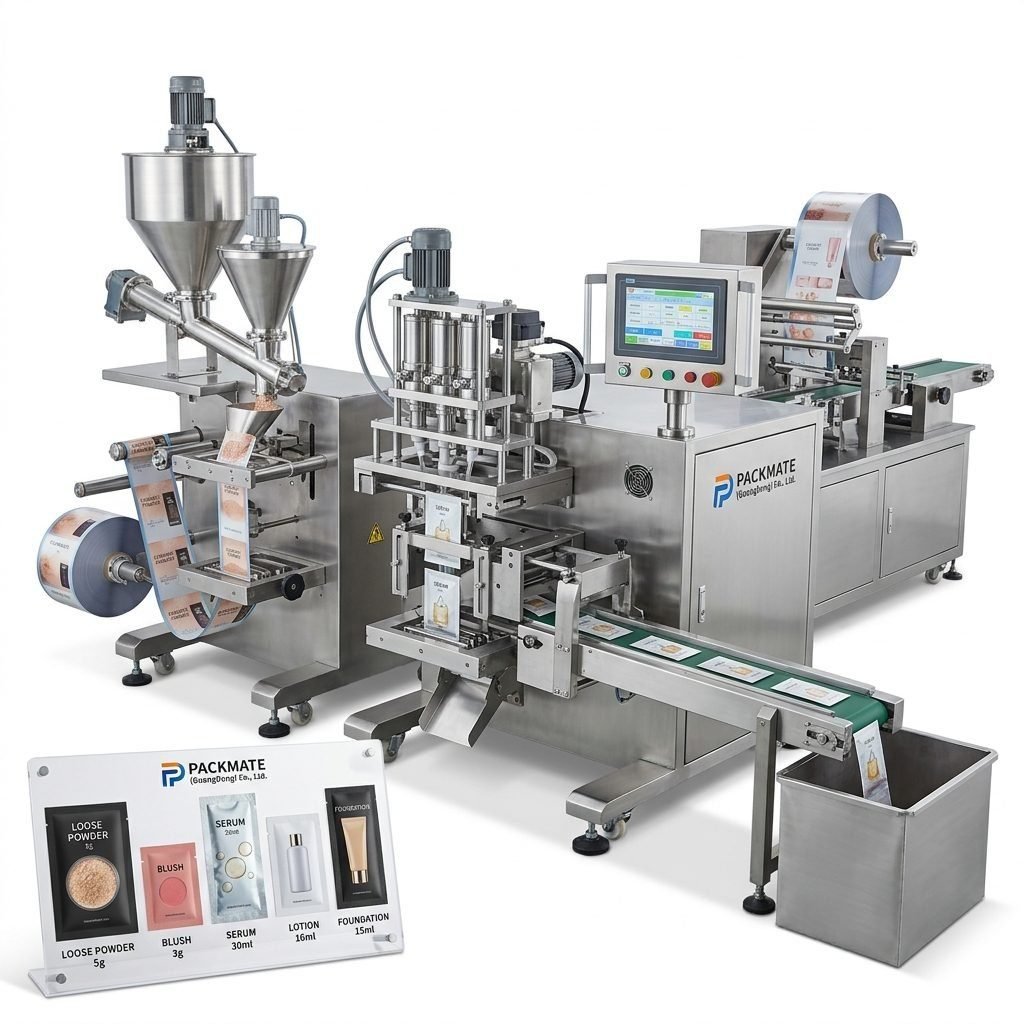
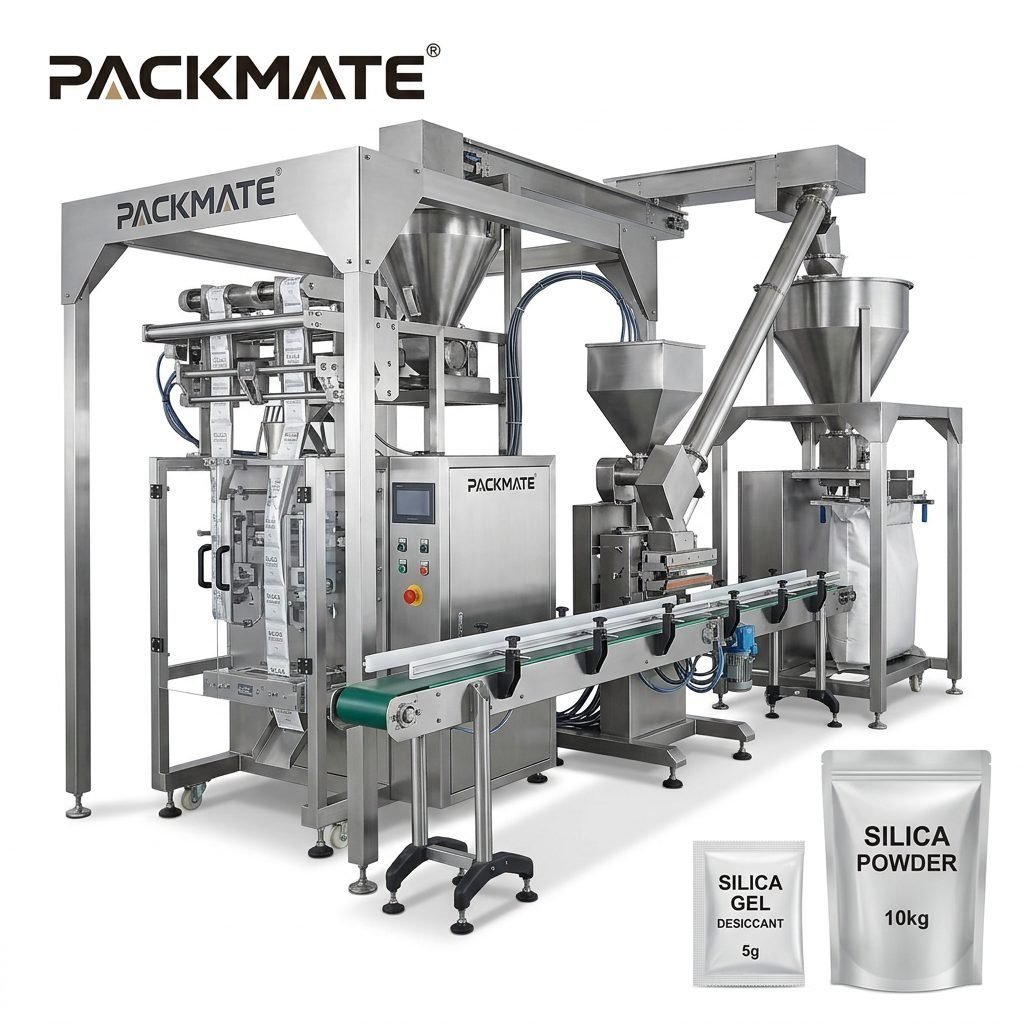
In the dynamic world of manufacturing and product distribution, efficient and reliable packaging is a cornerstone of success. For businesses dealing with granular, powdered, or liquid products, finding the right packaging machine is crucial. This guide delves into the world of packaging machinery, exploring the various types available, their specific applications, and providing a clear framework for making an informed selection. Whether you are scaling up production or automating a manual process, understanding these machines is the first step toward optimizing your packaging line.
Understanding the Core Types of Packaging Machines
The market offers a diverse range of packaging machines, each designed for specific formats and production volumes. The primary categories include sachet machines, stick pack machines, and pouch packaging systems.
Sachet Packaging Machines
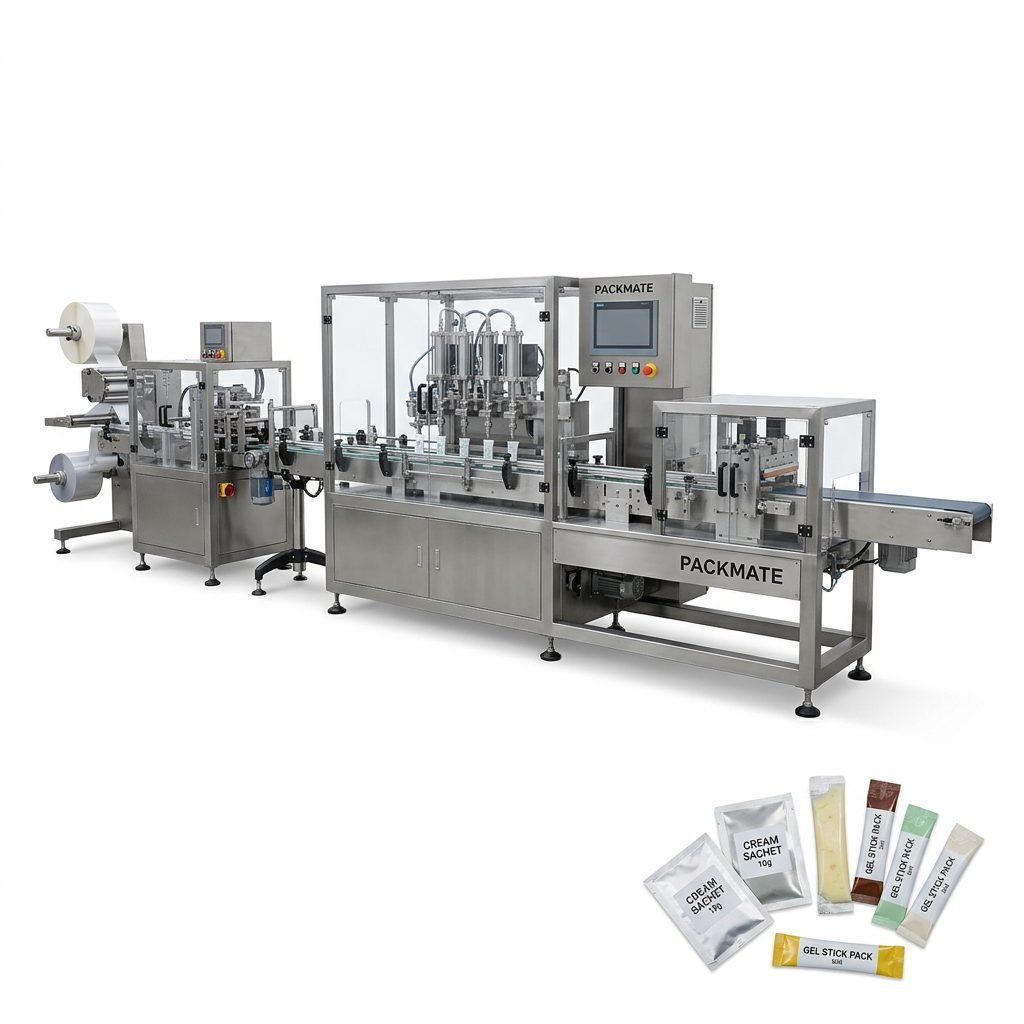
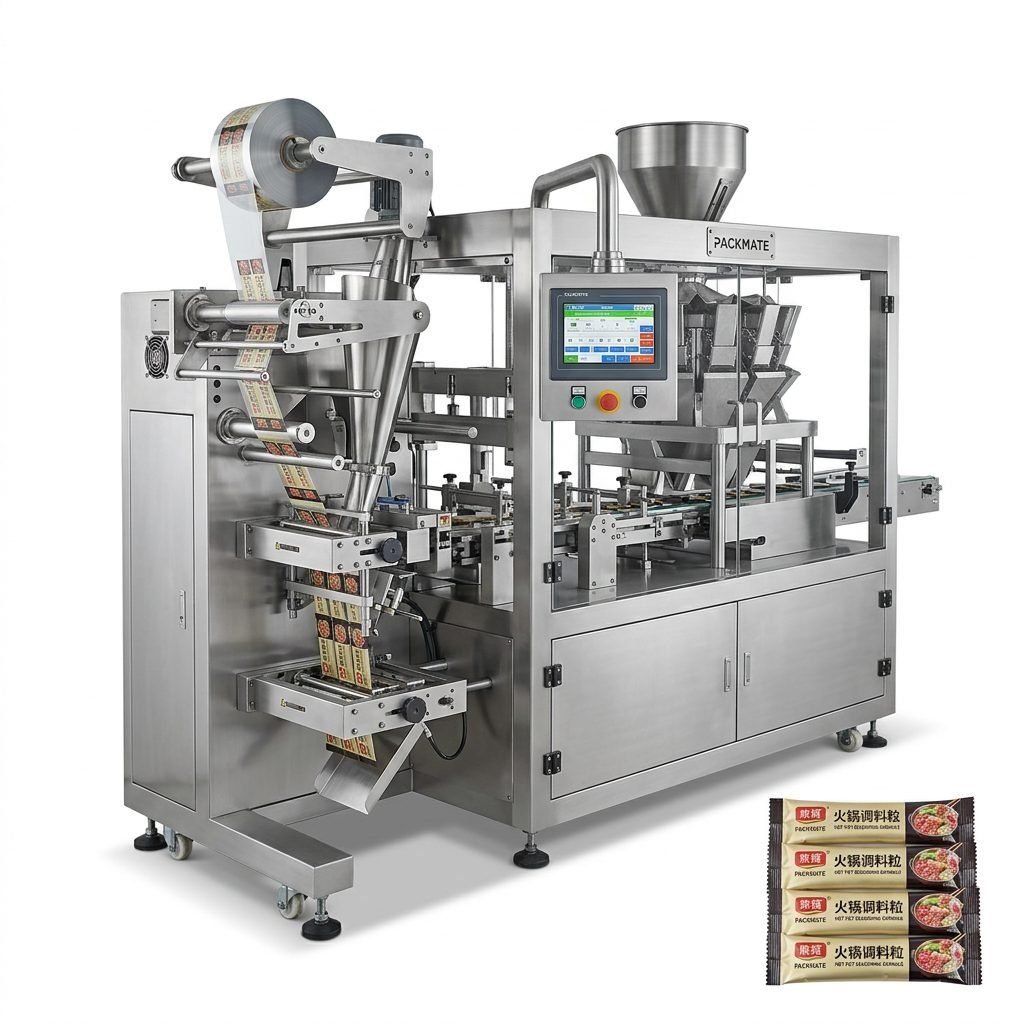
These machines are engineered to create small, sealed packets ideal for single-serve portions. They are exceptionally versatile and can handle a wide array of products, from sauces and condiments to pharmaceutical powders and shampoo samples. Modern sachet machines offer high-speed operation and can produce various sachet styles, such as pillow packs or gusseted packs, with precise filling and sealing.
Stick Pack Machines
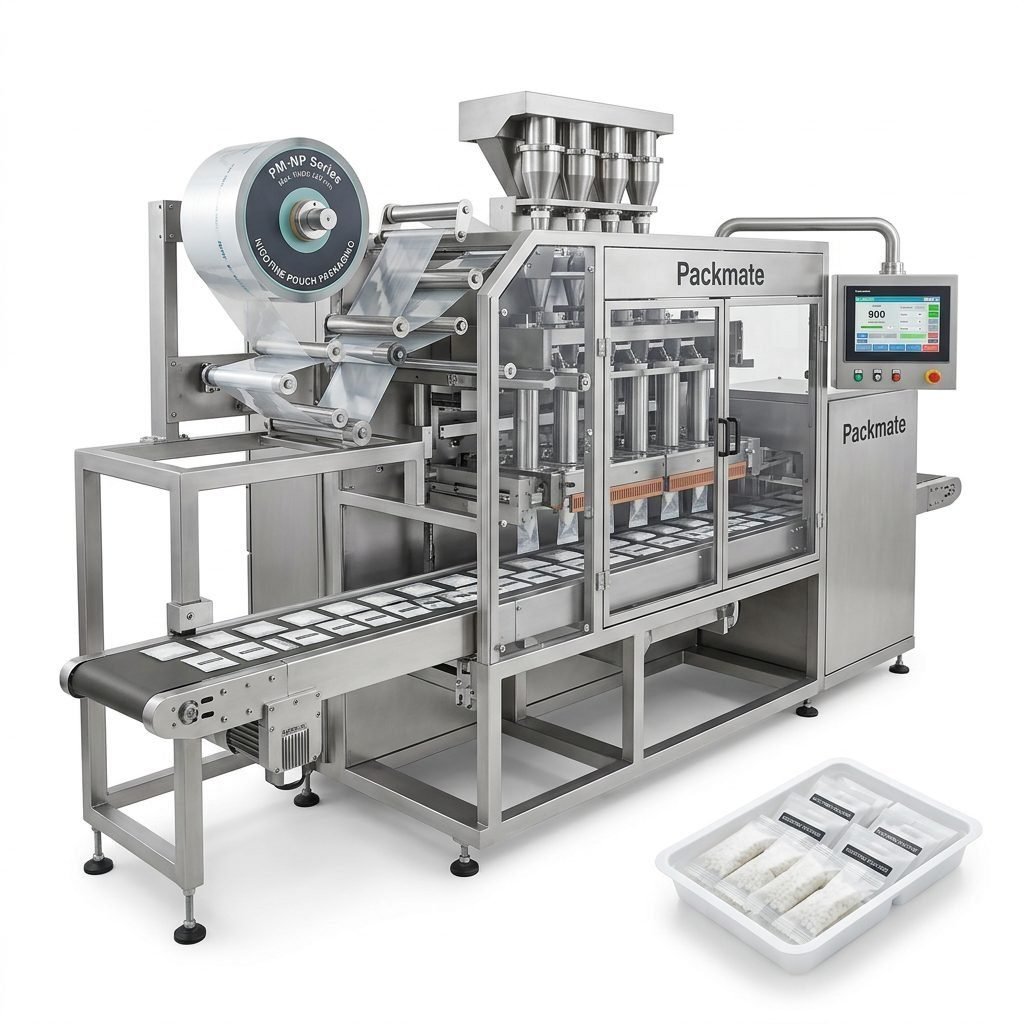
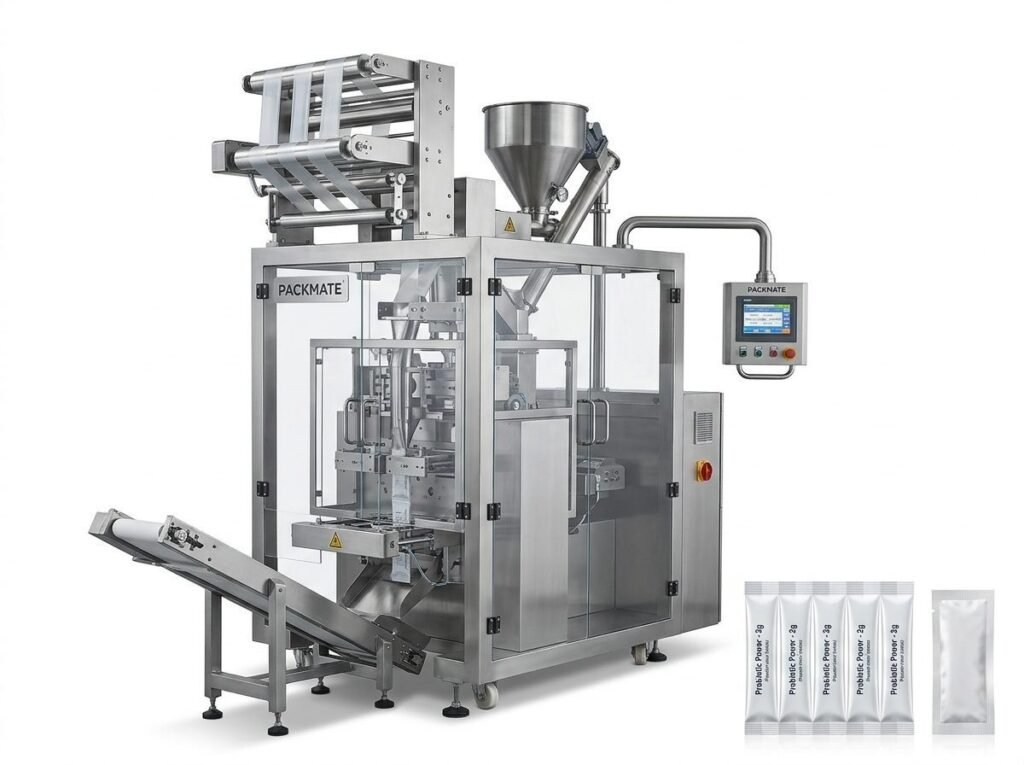
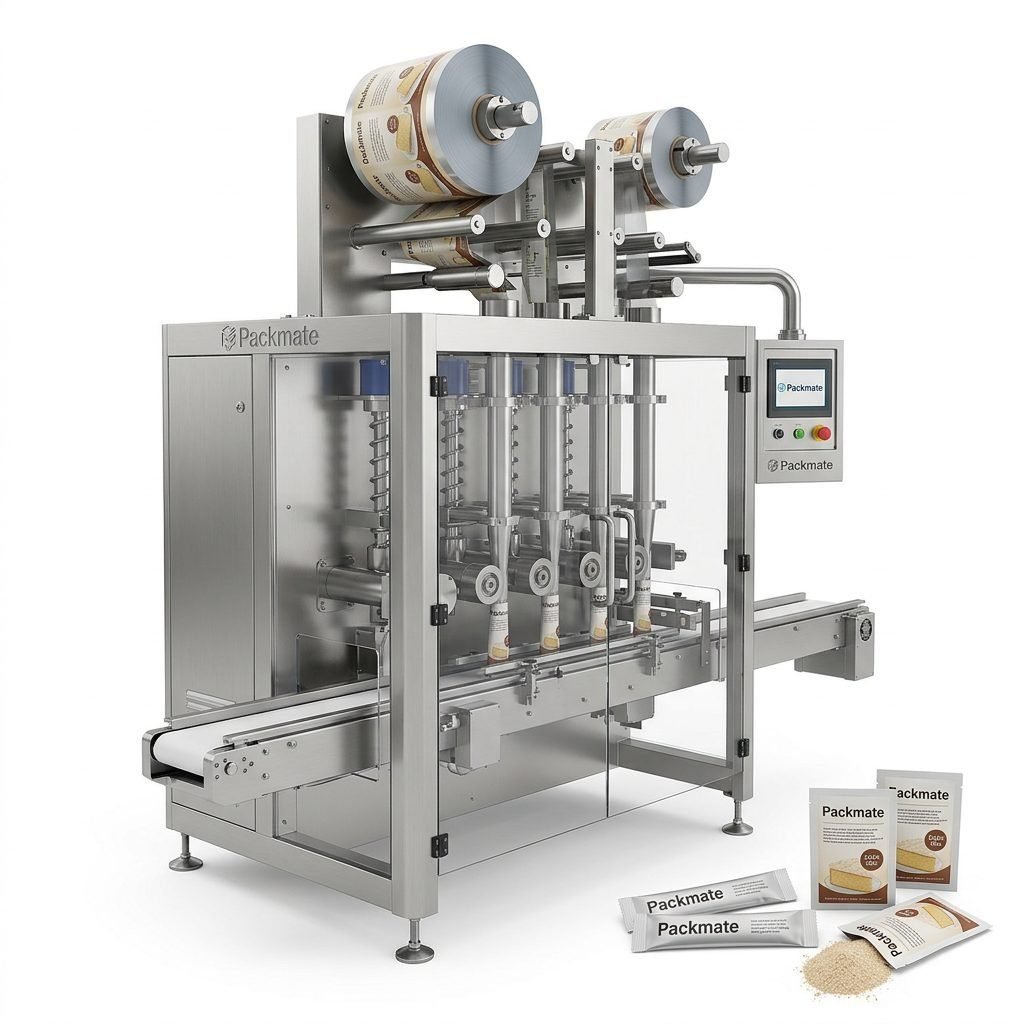
Specializing in creating long, slender packets, stick pack machines are perfect for powders and granules that are poured or dissolved, like instant coffee, protein supplements, or drink mixes. Their slim design is not only space-efficient for storage and shipping but also offers an excellent surface area for branding. Multi-lane stick pack machines significantly boost output by running several production lines simultaneously.
Pouch and Bag Packaging Machines
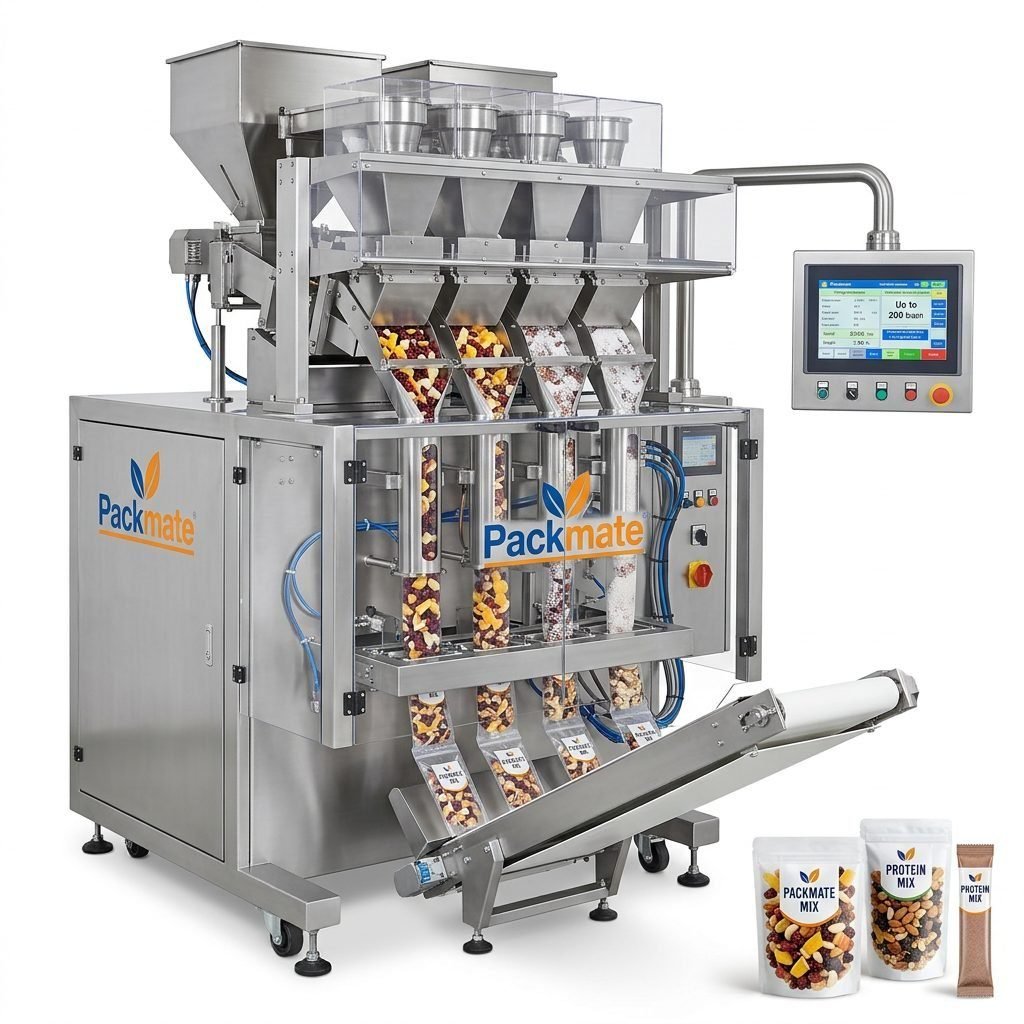
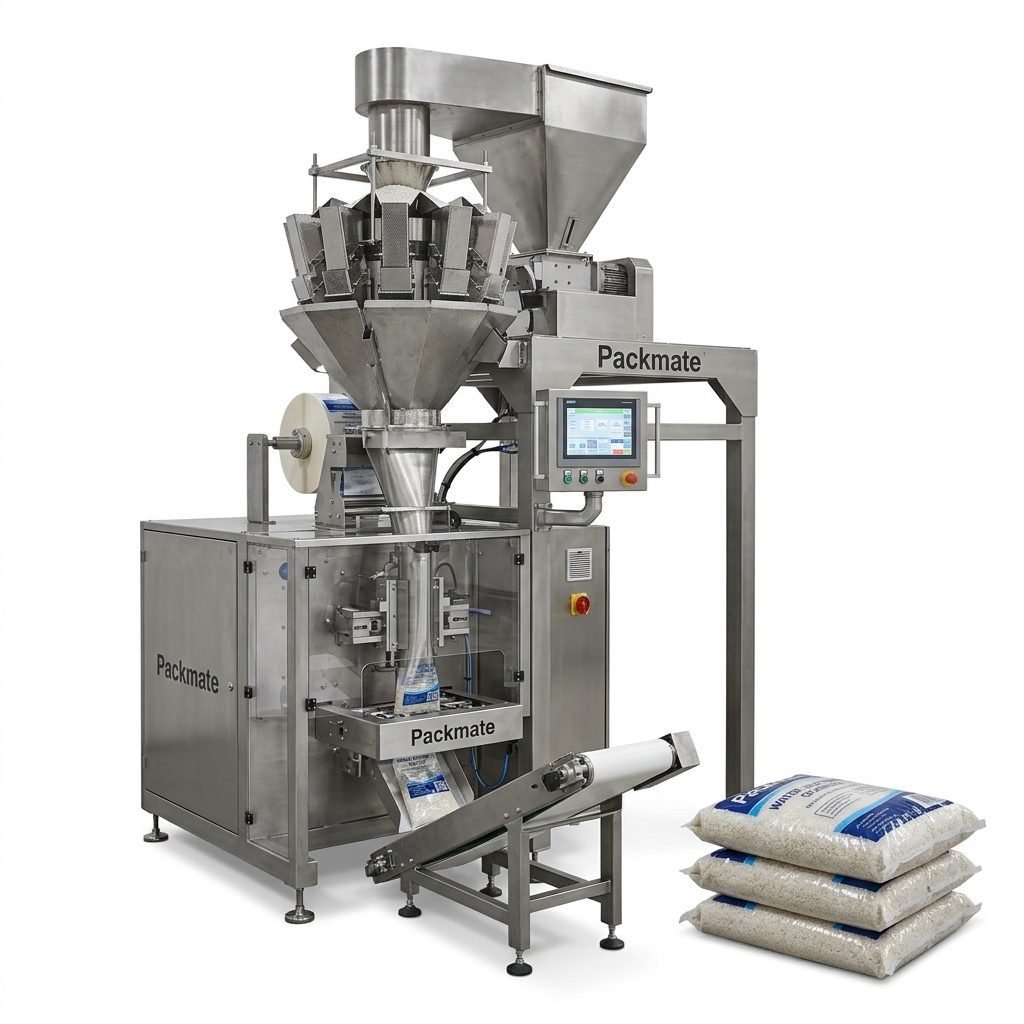
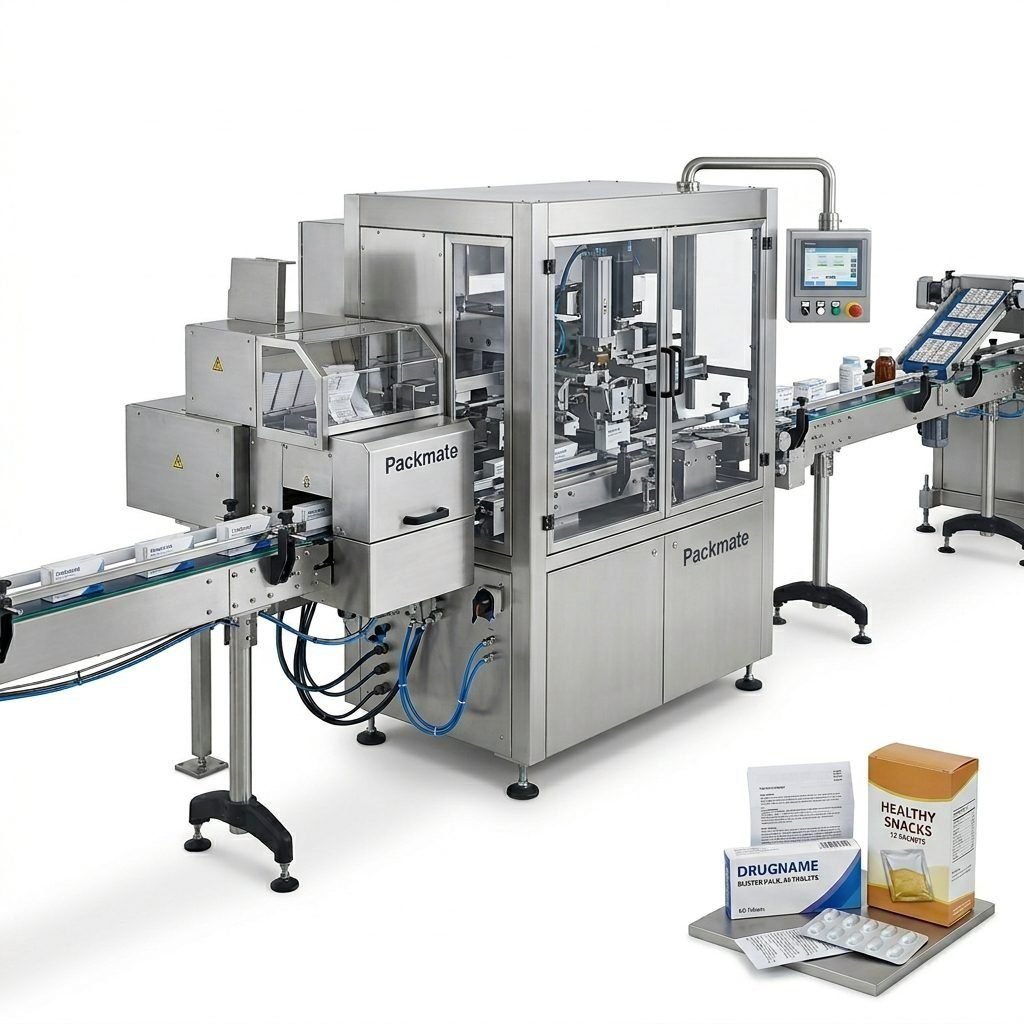
For larger quantities or more robust packaging, pouch packaging machines are the go-to solution. This category includes machines for making stand-up pouches, flat pouches, and three-side seal bags. They are commonly used for snacks, pet food, dried fruits, and hardware items. These systems often integrate weighing, filling, and sealing into one continuous, automated line, ensuring consistency and hygiene.
Primary Uses and Industry Applications
Packaging machines are indispensable across numerous sectors. Their primary function is to protect the product, ensure accurate dosing, extend shelf life, and present the product attractively to consumers.
In the food and beverage industry, they are used for packaging spices, tea, sugar, instant soups, and liquid flavorings. Hygiene and speed are paramount here. The pharmaceutical and nutraceutical sectors rely on them for packaging powders, granules, and liquids with extreme precision and in controlled environments to maintain product integrity. The cosmetic and chemical industries use them for samples, single-use shampoos, detergents, and lubricants.
Key Benefit: Operational Efficiency
Beyond basic packaging, these machines dramatically enhance operational efficiency. They reduce labor costs, minimize product waste through precise filling, and increase overall production throughput. Automated lines ensure a consistent pack quality that is difficult to achieve manually, which strengthens brand reputation and reduces customer complaints.
A Step-by-Step Guide on How to Choose the Right Machine
Selecting the ideal packaging machine is a strategic decision. A methodical approach will ensure your investment meets both current and future needs.
1. Define Your Product and Packaging Specifications
Start with a clear analysis of your product. Is it a free-flowing powder, a cohesive granule, or a viscous liquid? This determines the type of filling system needed (auger, volumetric, liquid pump). Next, define your desired package type, size, and material (e.g., laminated film for moisture barrier). The machine must be compatible with these core specifications.
2. Evaluate Your Production Volume Requirements
Your required output (packs per minute/hour) is a critical driver. For low to medium volumes, a single-lane machine may suffice. For high-volume production, a multi-lane machine or a complete integrated packaging line is necessary to meet demand efficiently. Always consider potential business growth and choose a machine with some capacity headroom.
3. Assess Machine Features and Technology
Look for features that add value: user-friendly PLC touchscreen controls, quick-changeover systems for different package sizes, robust stainless-steel construction for durability and hygiene, and precision weighing systems. Advanced machines may offer IoT connectivity for production monitoring and predictive maintenance.
4. Consider the Supplier’s Expertise and Support
The machine is only as good as the company behind it. Partner with an established manufacturer like Packmate Machinery, which offers over 30 years of experience. Evaluate their after-sales service, availability of spare parts, training programs, and warranty terms. A reliable partner ensures minimal downtime and long-term operational success.
5. Analyze Total Cost of Ownership (TCO)
Look beyond the initial purchase price. Factor in installation costs, energy consumption, maintenance expenses, and the cost of consumables (like film). A slightly higher initial investment in a more efficient, reliable machine often leads to a lower TCO and better return on investment over its lifespan.
Frequently Asked Questions (FAQs)
What is the main difference between a sachet machine and a stick pack machine?
The primary difference lies in the final package shape and typical use. Sachet machines produce small, flat or gusseted packets used for liquids, creams, or thicker powders. Stick pack machines create long, narrow tubes ideal for free-flowing powders or granules meant to be poured out, offering a distinctive and modern look.
Can one machine handle different types of packaging materials?
Many modern machines are designed with flexibility in mind. They often feature quick-changeover mechanisms for different film reels and forming tools. However, the range of compatible materials (like film thickness, composition) depends on the machine’s specific design. It’s essential to discuss your material requirements with the supplier during the selection process.
How important is after-sales service when purchasing a packaging machine?
Extremely important. Technical support, readily available spare parts, and operator training are crucial for minimizing downtime and ensuring smooth, long-term operation. A supplier with a strong global service network, like Packmate, provides peace of mind and protects your investment far into the future.
What are the key maintenance routines for a packaging machine?
Regular maintenance is vital. Daily routines include cleaning product contact parts and checking for loose components. Weekly tasks might involve lubricating moving parts as per the manual and inspecting seals and cutters. Scheduled professional maintenance, as recommended by the manufacturer, is essential for preventing major breakdowns and ensuring consistent performance.
Where can I see these machines in operation or get a custom solution quote?
Reputable manufacturers often have case studies or videos showcasing their machines. You can also visit their project portfolio online. For a custom quote, the best approach is to directly contact the supplier with your detailed product and output specifications so they can recommend the most suitable machine or complete line configuration.