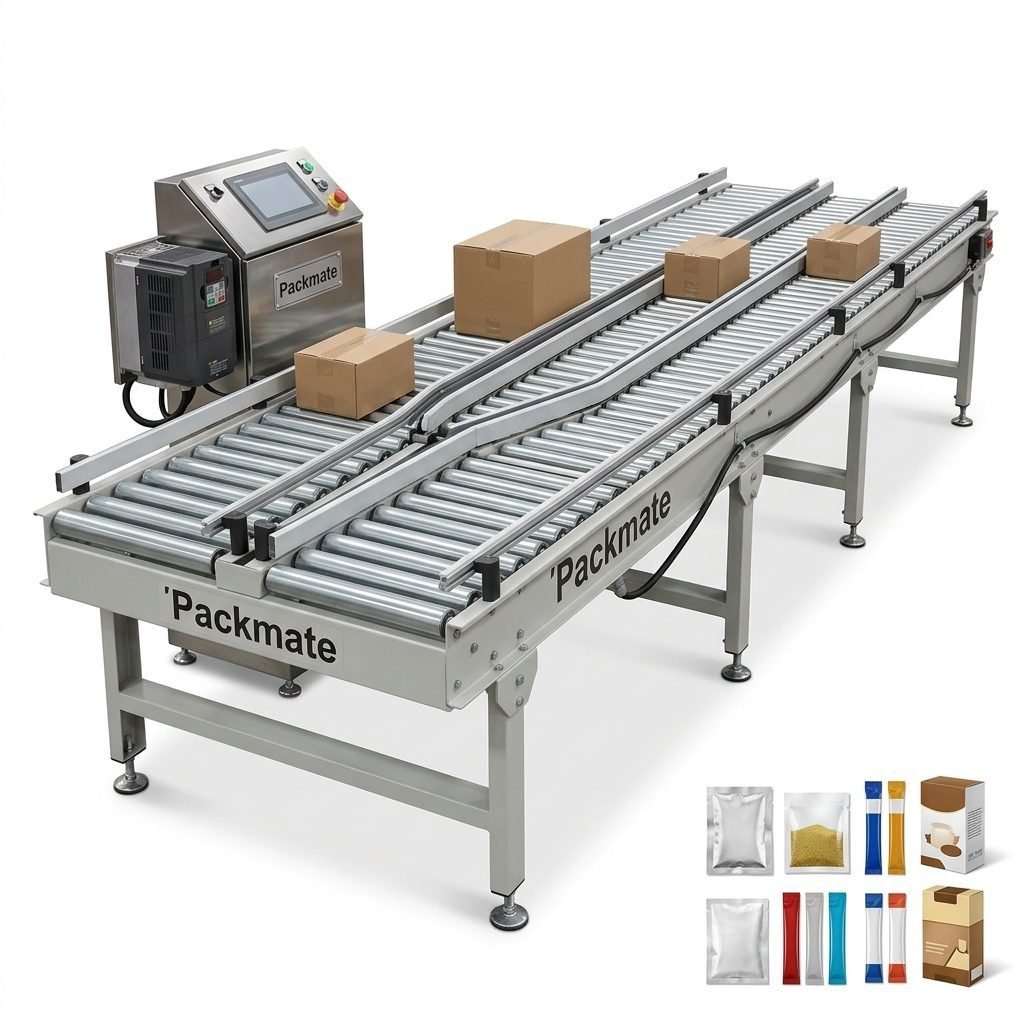
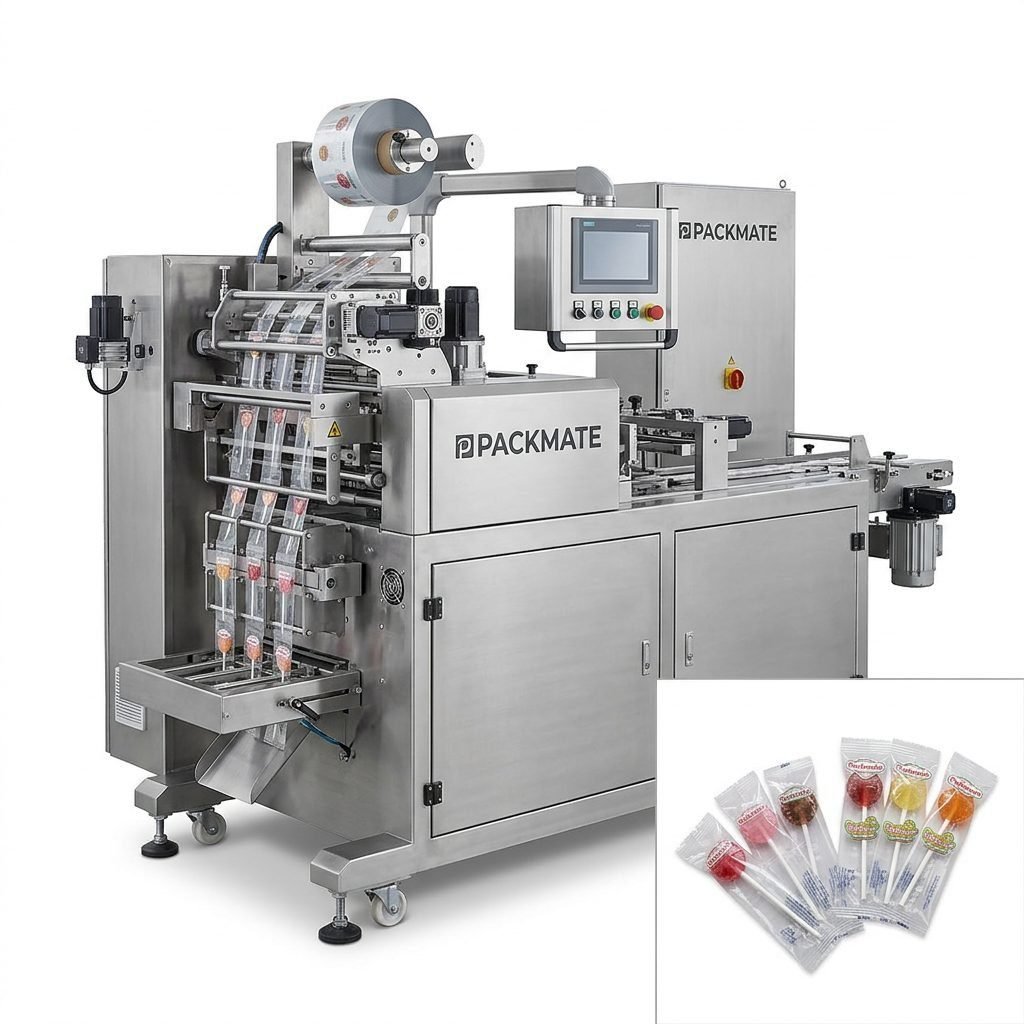
In the dynamic world of industrial packaging, efficiency, reliability, and precision are non-negotiable. Hassia packaging machines have established themselves as a benchmark for excellence in this field. Known for their robust engineering and innovative designs, these machines cater to a wide array of packaging needs across diverse industries. This comprehensive guide delves into the various types of Hassia packaging machines, their practical applications, and provides essential insights for making an informed purchase decision.
Understanding Hassia Packaging Machines
Hassia packaging machines represent a lineage of high-performance equipment designed for speed and accuracy. Originating from a tradition of German engineering, these machines are synonymous with durability and advanced technology. They are built to handle demanding production environments, ensuring consistent output with minimal downtime. The core philosophy behind Hassia machines is to integrate seamless automation with user-friendly operation, making them a preferred choice for businesses looking to scale their packaging operations.
The term “Hassia” is often associated with precision engineering and modular design. This allows for significant customization, enabling the machines to be tailored for specific products, from food items to pharmaceuticals. The flexibility in configuration is a key factor in their widespread adoption.
Core Technologies and Innovations
Modern Hassia machines incorporate several cutting-edge technologies. These include servo-driven systems for precise motion control, advanced weighing and filling mechanisms to ensure accuracy, and sophisticated PLC (Programmable Logic Controller) interfaces for easy programming and monitoring. The integration of IoT capabilities for predictive maintenance and data analytics is also becoming a standard feature, aligning with Industry 4.0 trends.
Primary Types of Hassia Packaging Machines
The Hassia portfolio is diverse, offering solutions for nearly every packaging format. Understanding the different types is crucial for selecting the right machine for your production line.
1. Vertical Form-Fill-Seal (VFFS) Machines
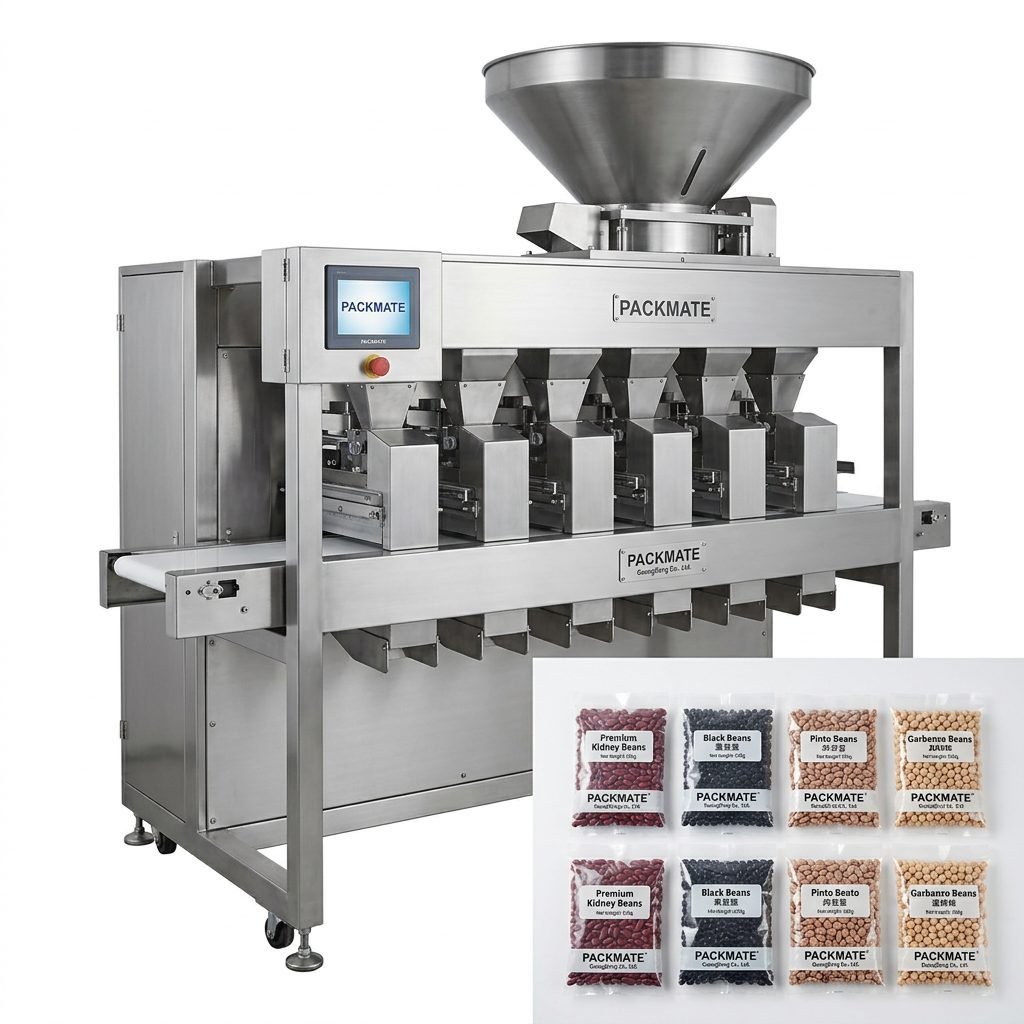
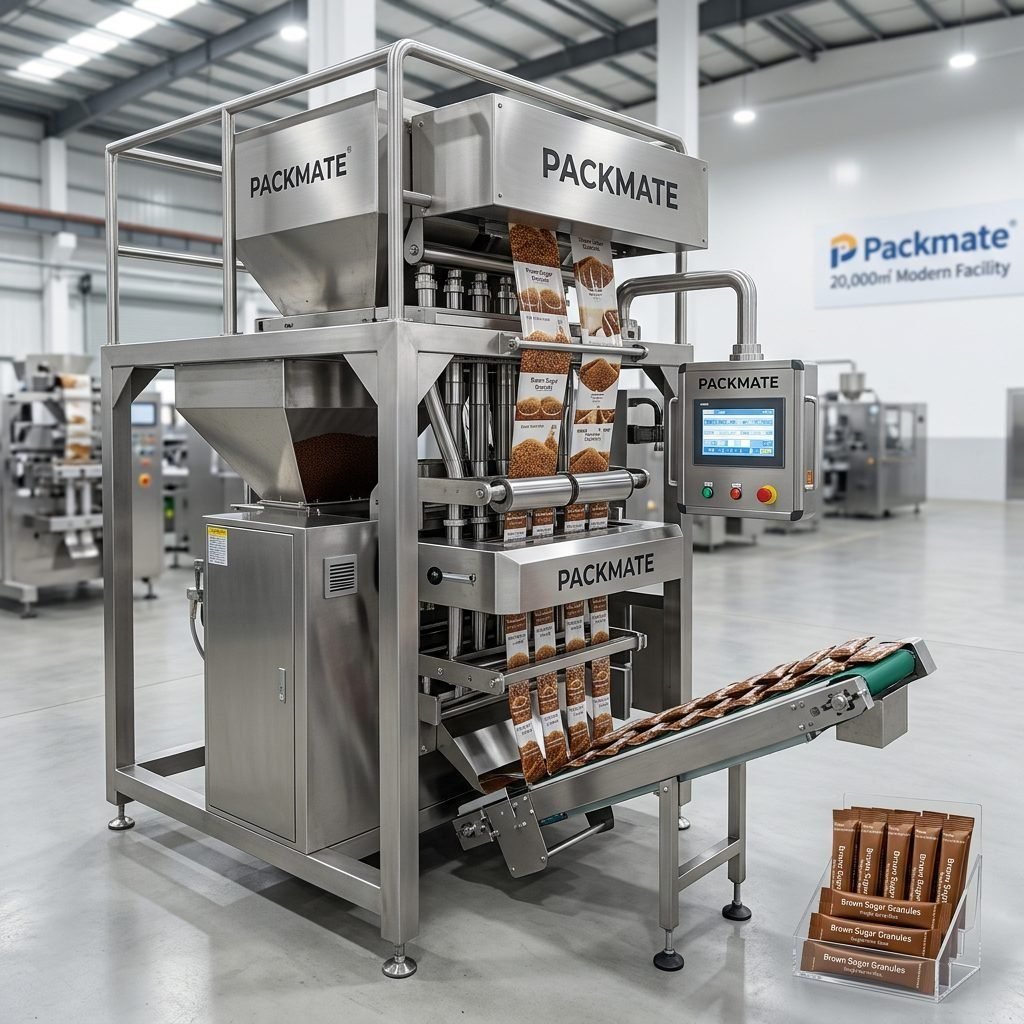
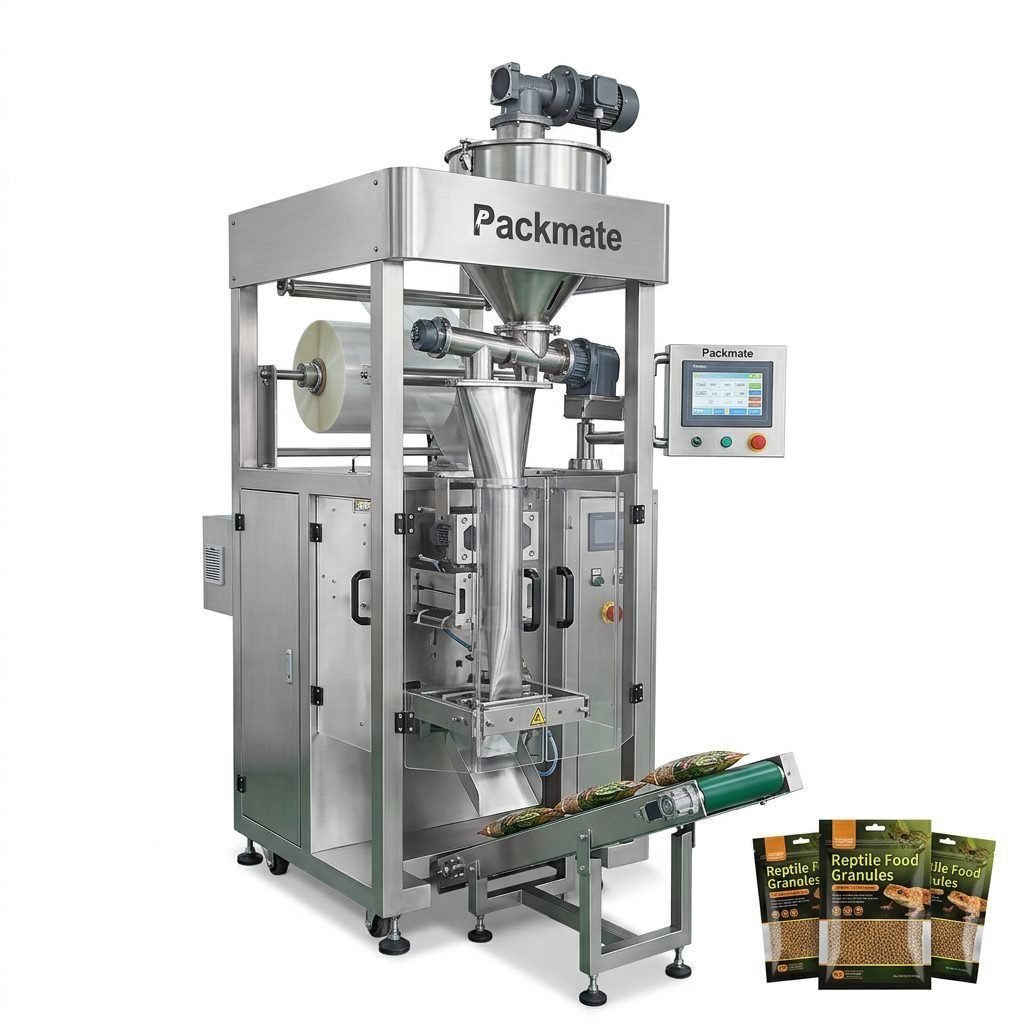
These are the workhorses of the packaging industry. Hassia VFFS machines form bags from a roll of film, fill them with product, and seal them in one continuous, high-speed operation. They are exceptionally versatile and commonly used for packaging granules, powders, snacks, and frozen foods. Their ability to create various bag styles, such as pillow bags, gusseted bags, or stand-up pouches, makes them indispensable.
2. Horizontal Form-Fill-Seal (HFFS) Machines
Ideal for more rigid or delicate products, Hassia HFFS machines form packages in a horizontal plane. They are typically used for biscuits, candy bars, medical devices, and portion-controlled items. These machines often use pre-printed roll stock to create visually appealing packages with excellent graphic registration.
3. Thermoforming Packaging Machines
Hassia’s thermoforming machines are renowned for creating high-integrity packages like blisters and trays. A bottom web is heated and formed into cavities, the product is loaded, and a top lidding material is sealed on. This type is paramount in the pharmaceutical and medical sectors for its superior product protection and tamper-evident features. They are also widely used for packaging fresh produce, dairy products, and hardware items.
Choosing Between VFFS and HFFS
Your choice depends heavily on the product characteristics. VFFS machines are generally better for free-flowing products and offer higher speeds for simple bags. HFFS machines excel with fragile, non-free-flowing items and provide more structural package options. Consulting with an expert from a manufacturer like Packmate Machinery can provide clarity based on your specific needs.
4. Liquid and Pasty Filling Machines
Specifically engineered for viscous products, these Hassia machines handle liquids, pastes, creams, and gels with precision. They employ technologies like piston fillers, peristaltic pumps, or auger fillers to ensure accurate fill volumes and prevent dripping or contamination. They are essential in the food, cosmetic, and chemical industries.
Key Industries and Applications
The versatility of Hassia machines allows them to serve a multitude of sectors. Each industry has unique requirements that these machines are designed to meet.
Food and Beverage Industry
This is the largest application area. Machines package everything from coffee and spices to pasta and soup mixes. Hygiene, speed, and the ability to handle modified atmosphere packaging (MAP) for freshness are critical. For specialized needs like snack packaging, exploring bag and pouch packaging machines can be highly beneficial.
Pharmaceutical and Healthcare
Here, the stakes are incredibly high. Packaging must ensure sterility, precise dosing, and tamper evidence. Hassia thermoforming and blister packing machines are dominant, often operating in cleanroom environments. The demand for unit-dose packaging in this sector continues to grow.
Cosmetics and Personal Care
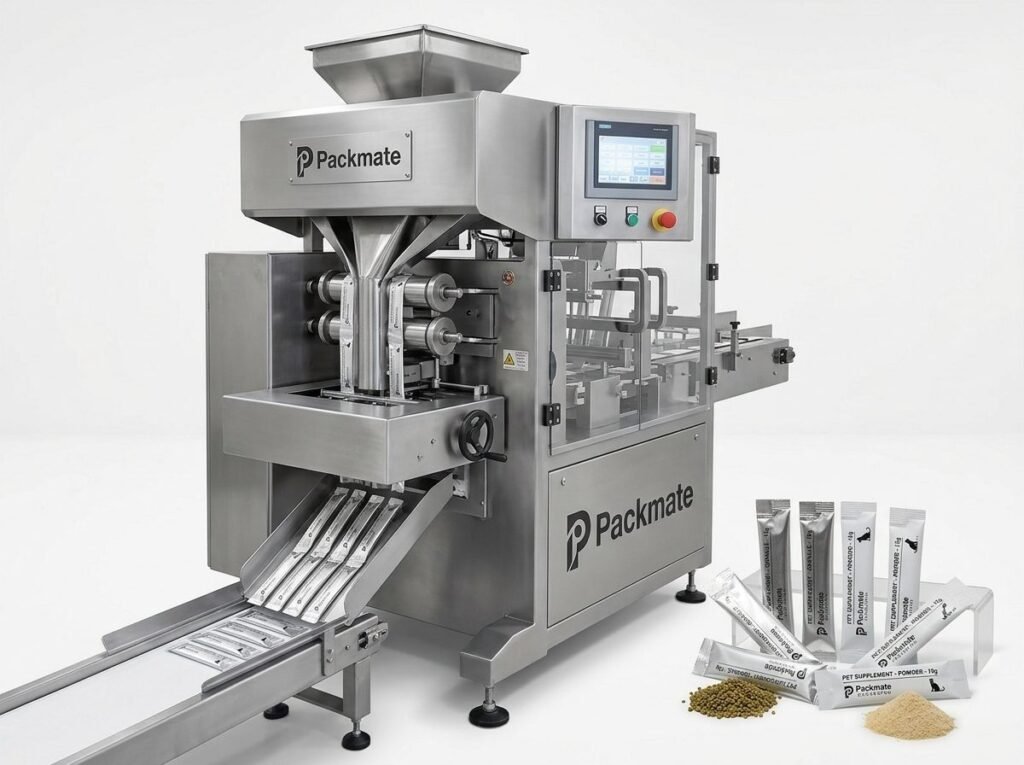
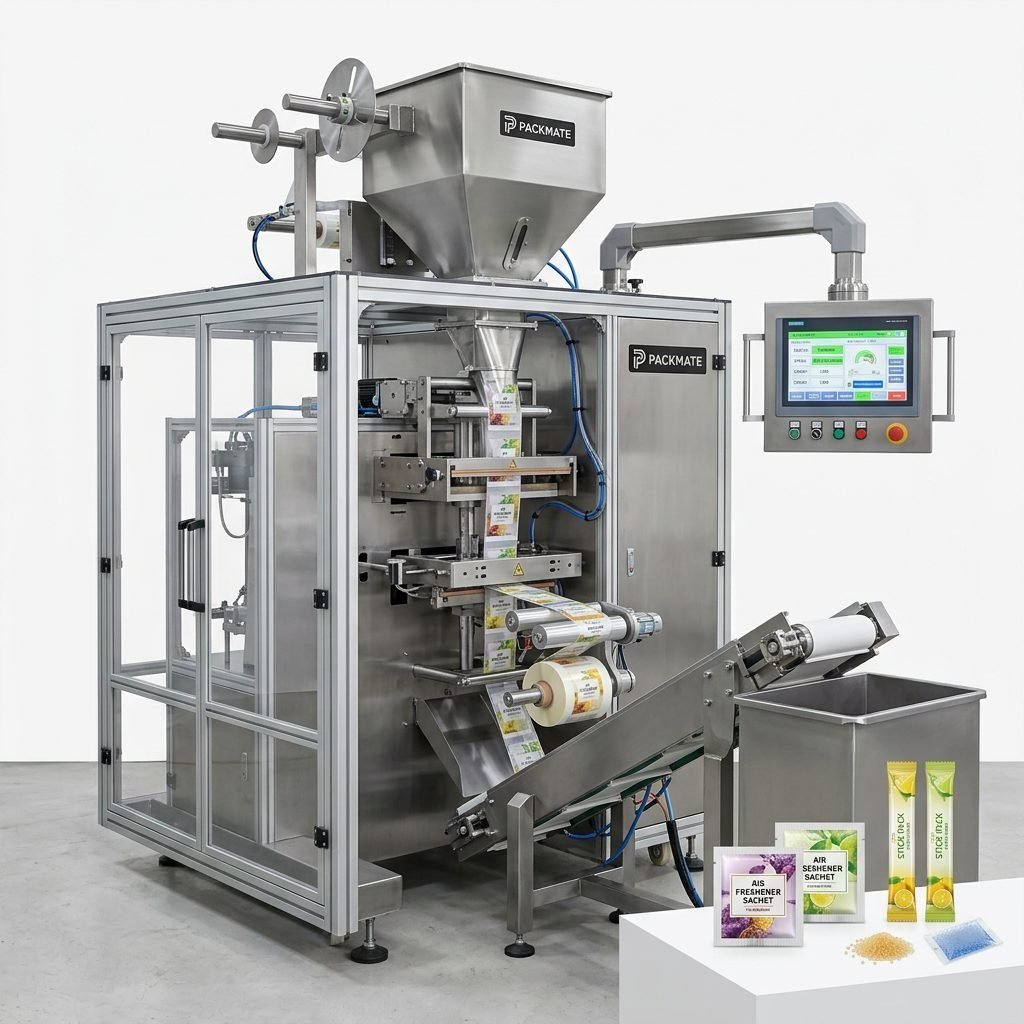
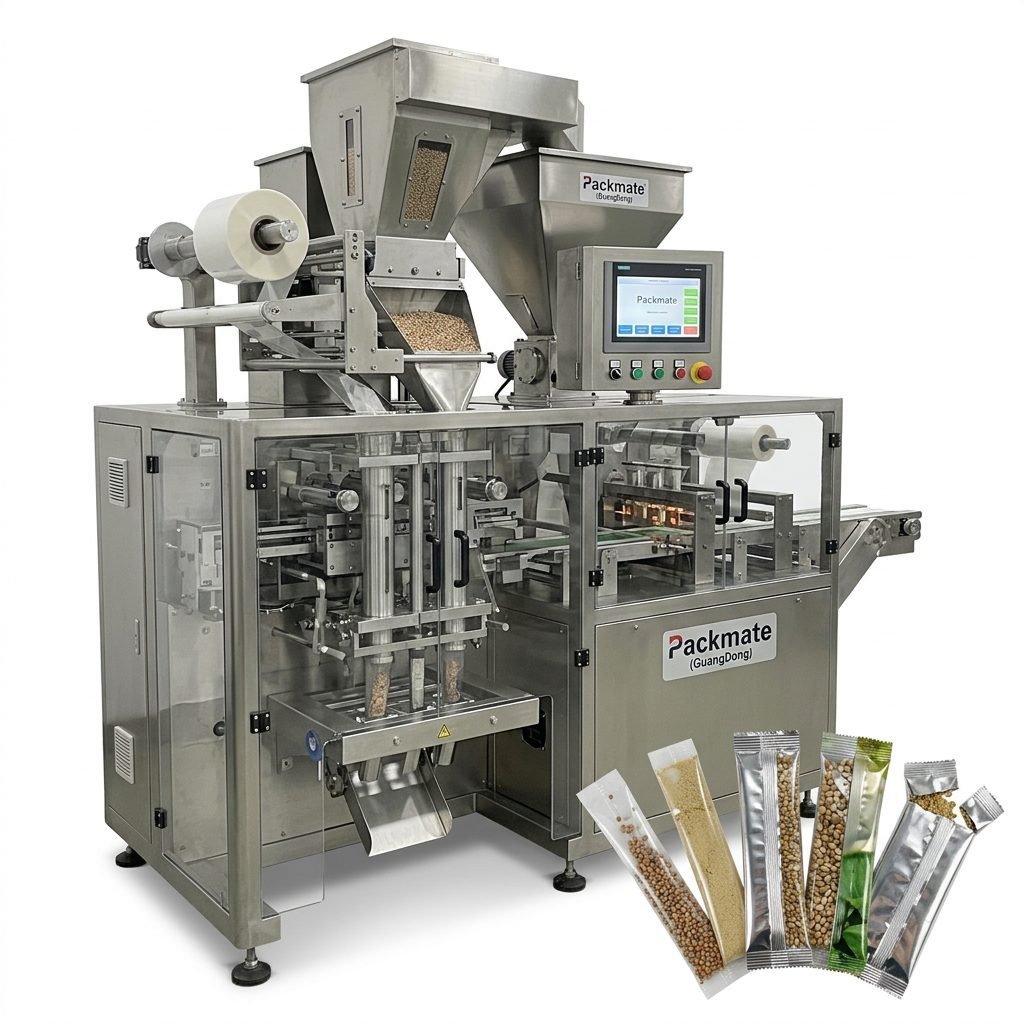
From shampoo sachets to luxury cream jars, packaging needs to be attractive and functional. Hassia machines provide accurate filling for liquids and pastes and can integrate with capping and labeling systems. For small-format packaging like samples or single-use products, sachet and stick pack machines offer an ideal solution.
Chemical and Industrial Products
These applications require machines built with corrosion-resistant materials to handle aggressive chemicals, fertilizers, or hardware items. Durability and safety are the top priorities.
Essential Buying Guide: How to Select the Right Machine
Investing in a Hassia packaging machine is a significant decision. Here are the key factors to consider to ensure you choose equipment that delivers a strong return on investment.
1. Define Your Product and Packaging Specifications
This is the first and most critical step. Be precise about:
Product Type: Is it a powder, granule, liquid, solid, or fragile item?
Package Type: What bag style, pouch, or blister format do you need?
Production Speed: Calculate your required output in packages per minute (PPM).
Materials: Determine the film, foil, or lidding material you will use.
2. Evaluate Machine Features and Technology
Look for features that enhance efficiency and reduce waste:
– Servo Motors: For precision, energy savings, and quieter operation.
– User-Friendly HMI: An intuitive touchscreen interface for easier setup and changeovers.
– Quick-Change Parts: To minimize downtime when switching between products.
– Integrated Checkweighers or Metal Detectors: For quality assurance inline.
The Importance of a Reliable Supplier
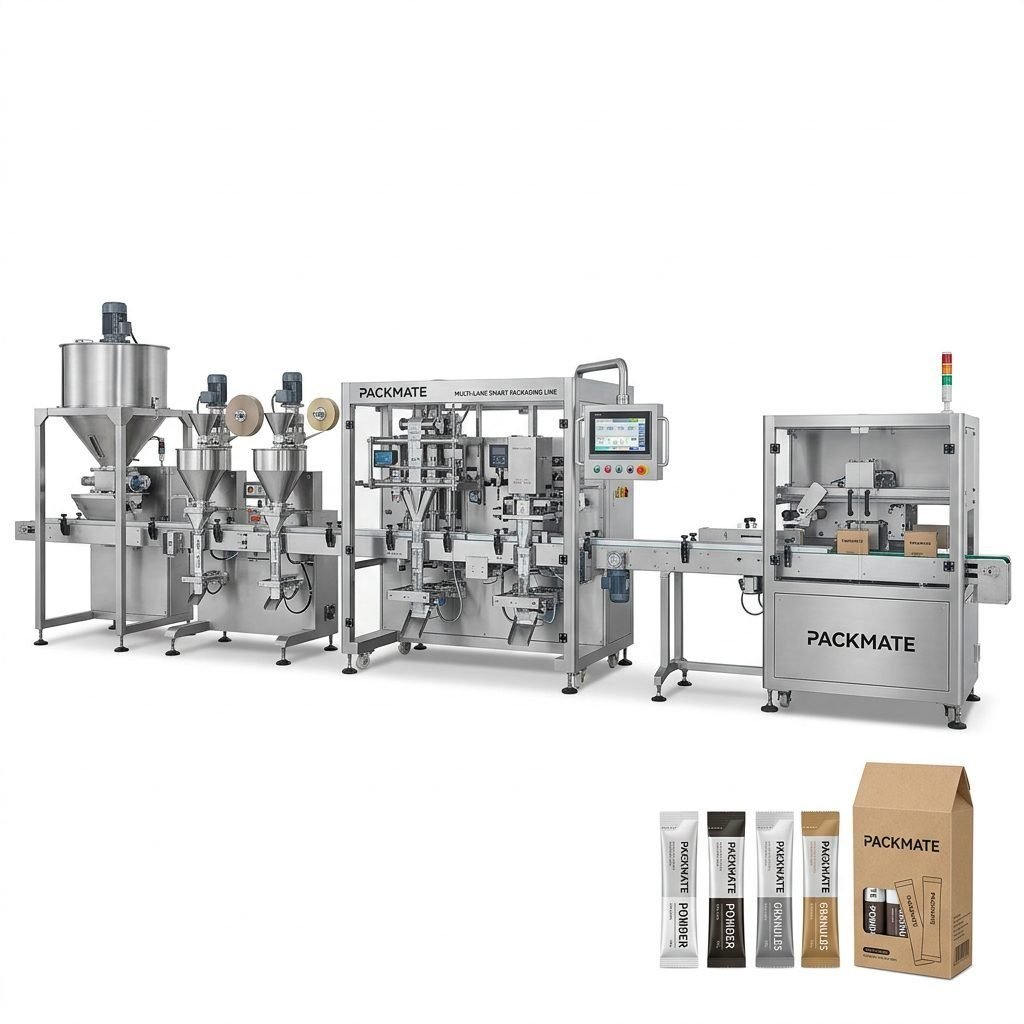
The machine is only part of the equation. Partnering with a reputable manufacturer like Packmate Machinery, which has over 22 years of development and a 20,000㎡ facility, ensures you get not just a machine, but a complete solution. Their expertise in providing complete filling and packaging lines can be invaluable for setting up a new operation.
3. Consider Total Cost of Ownership (TCO)
Look beyond the initial purchase price. Factor in:
– Operating Costs: Energy consumption, compressed air usage, and material waste rates.
– Maintenance Costs: Availability and cost of spare parts.
– Training and Support: Quality of installation, training, and after-sales service.
4. Assess After-Sales Support and Service
Ensure the supplier offers comprehensive support, including technical assistance, readily available spare parts, and field service engineers. A strong global service network is crucial for minimizing production interruptions.
Frequently Asked Questions (FAQs)
What is the typical lifespan of a Hassia packaging machine?
With proper maintenance and operation, a well-built Hassia machine can have a lifespan of 15 to 20 years or more. The key factors are adherence to the maintenance schedule, using recommended consumables, and operating within the machine’s designed parameters.
How difficult is it to change over packaging formats on these machines?
Modern Hassia machines are designed for faster changeovers. Machines with servo drives and digital settings allow recipe storage, enabling operators to recall settings for different products. While changeover time varies, many models can switch formats in under 30 minutes with trained personnel.
Can Hassia machines handle sustainable or biodegradable packaging films?
Yes, many newer models are being adapted to handle bio-based, compostable, or recyclable mono-material films. However, it is essential to consult with the machine manufacturer and the film supplier beforehand, as these materials often have different sealing and forming characteristics than traditional plastics.
What kind of training is provided with the purchase of a new machine?
Reputable suppliers typically provide on-site training during installation and commissioning. This covers machine operation, routine maintenance, troubleshooting, and safety procedures. Additional training manuals and video resources are often supplied. Companies with extensive experience, like Packmate, often have structured training programs.
Is it possible to integrate a Hassia machine into an existing production line?
Absolutely. Hassia machines are designed with integration in mind. They can be connected upstream with product feeders and downstream with cartoners, case packers, or palletizers. Communication is usually via standard industrial protocols (e.g., Ethernet/IP, Profinet). A thorough site audit and planning with your supplier are recommended for seamless integration.