In the dynamic world of product packaging, ensuring the integrity and freshness of contents is paramount. Heat sealing packaging machines stand as the cornerstone of this process, providing a reliable, airtight, and tamper-evident seal for a vast array of products, from food and pharmaceuticals to electronics and industrial goods. Selecting the right machine is not just a purchase; it’s an investment in your product’s quality, shelf life, and brand reputation. This comprehensive guide will navigate you through the different types of heat sealing machines available and provide a detailed buyer’s guide to inform your decision.
Understanding Heat Sealing Technology
At its core, heat sealing uses controlled heat and pressure to melt and fuse the inner thermoplastic layers of packaging films together. This creates a strong, hermetic bond that is often superior to adhesive-based seals. The precision of the temperature, pressure, and dwell time (the duration the heat is applied) are critical factors that determine the seal’s strength and consistency. Modern machines integrate sophisticated controls to manage these variables, ensuring perfect seals every time.
Key Advantage: Unlike glue, a proper heat seal becomes an integral part of the packaging material, offering excellent barrier properties against moisture, oxygen, and contaminants. This is especially crucial for sensitive products like coffee, spices, medical devices, and electronic components.
Primary Types of Heat Sealing Packaging Machines
The market offers a variety of heat sealers, each designed for specific packaging formats, production volumes, and materials. Understanding these types is the first step in identifying the best fit for your operation.
1. Impulse Sealers
These are the most common and economical type, ideal for low to medium-volume operations, startups, and laboratories. An impulse sealer uses a nichrome wire or Teflon-coated heating element that is briefly electrified (impulsed) to generate heat only during the sealing cycle. The sealing jaw then cools rapidly, allowing the seal to set before the film is released.
Best for: Polyethylene, polypropylene bags, and other thermoplastic films. They are perfect for sealing bags of hardware, small parts, food samples, or for repackaging.
2. Constant Heat Sealers
As the name suggests, the sealing jaws on these machines are maintained at a constant, preset temperature. They offer faster cycle times than impulse sealers because there is no waiting for the element to heat up and cool down. They often provide a more consistent seal for certain materials.
Best for: Higher volume applications where speed is a factor, and for sealing materials like foils and laminates that benefit from a sustained heat application.
3. Band Sealers / Conveyor Sealers
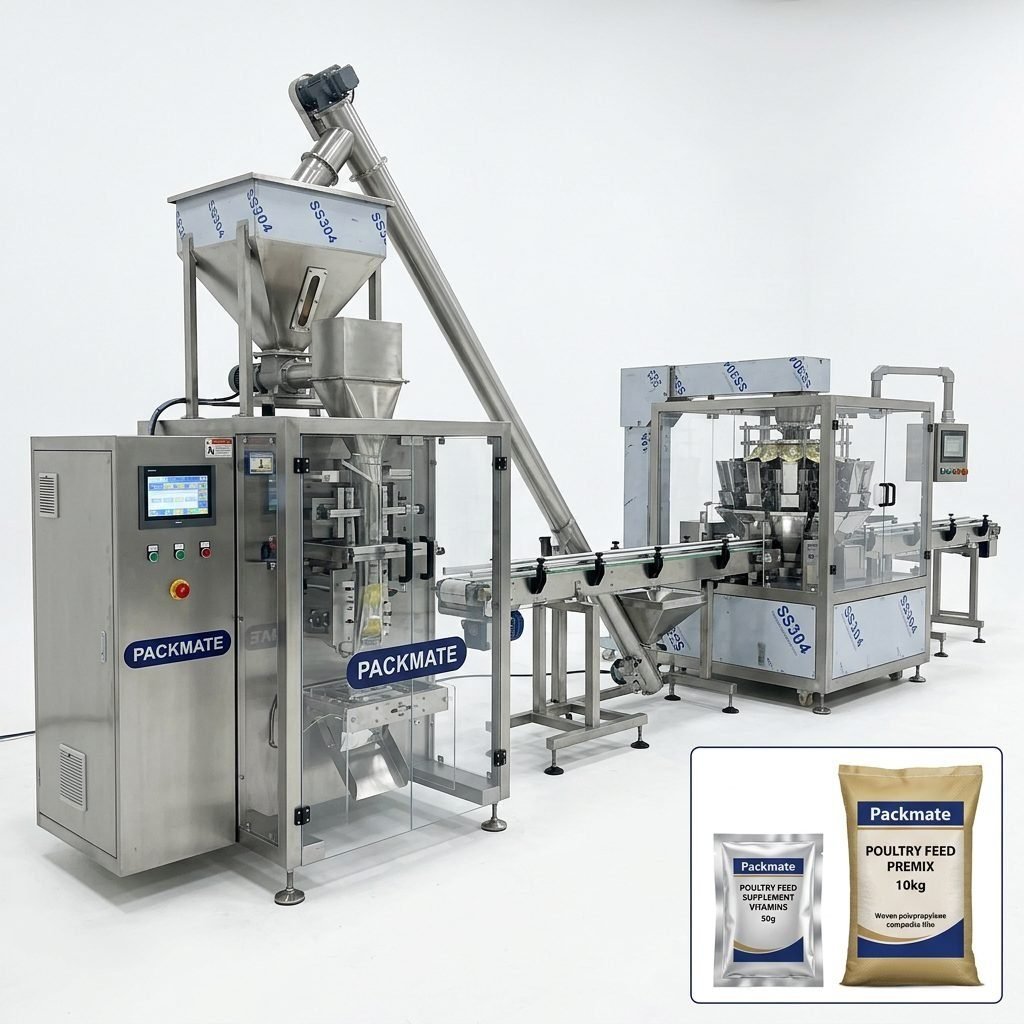
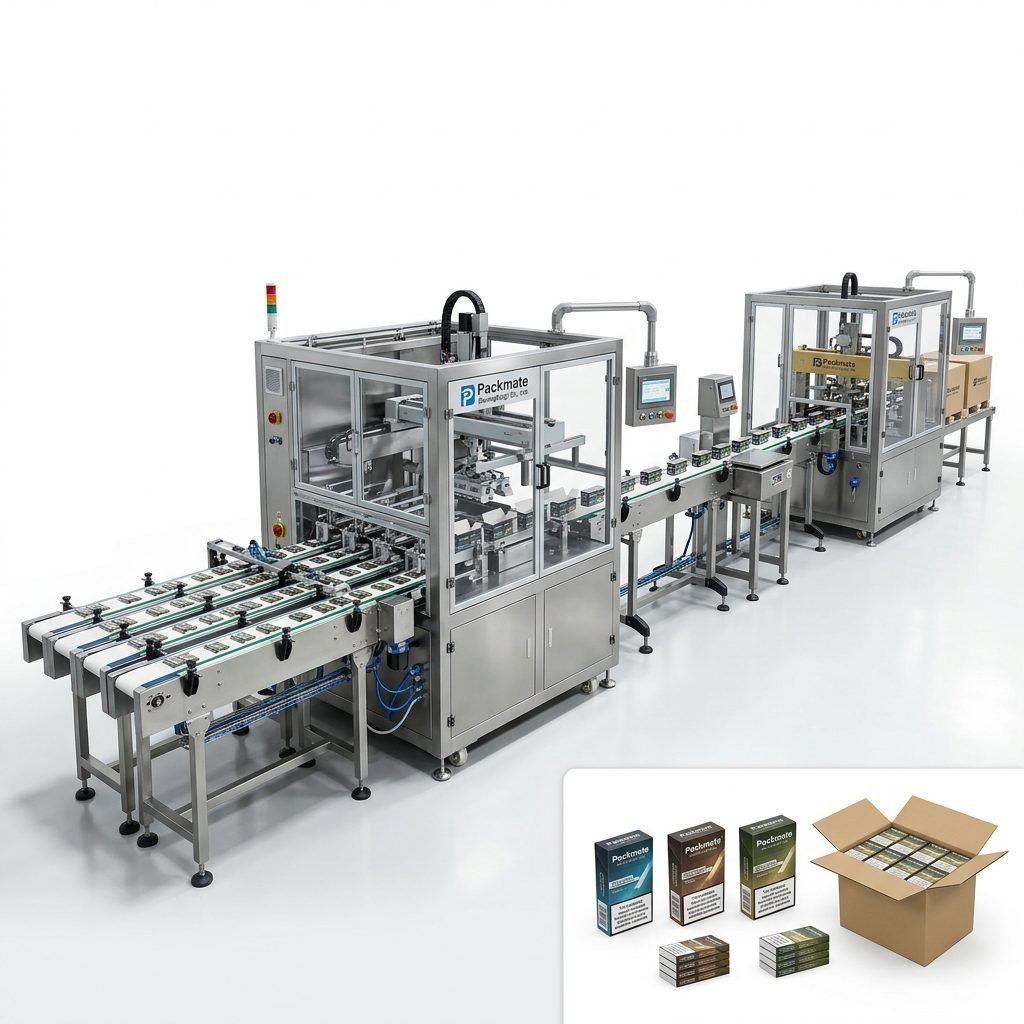
These machines automate the sealing process for filled bags. The bag top is fed between two continuous moving bands (or a band and a roller) that apply heat and pressure. This allows for inline integration with filling stations, dramatically increasing throughput.
Best for: Medium to high-volume production lines for granular, powdered, or solid products. They are a staple in food packaging for items like snacks, pasta, and frozen vegetables.
4. Vacuum Heat Sealers
These advanced machines combine two vital functions: first, they remove air from the package to create a vacuum, and then they apply a heat seal. This process significantly extends shelf life by inhibiting the growth of aerobic bacteria and preventing oxidation.
Best for: Perishable food products (meats, cheeses, prepared meals), industrial parts susceptible to corrosion, and specialty items where product preservation is critical. They are often used with specialized barrier bags.
5. Form-Fill-Seal (FFS) Machines with Heat Sealing
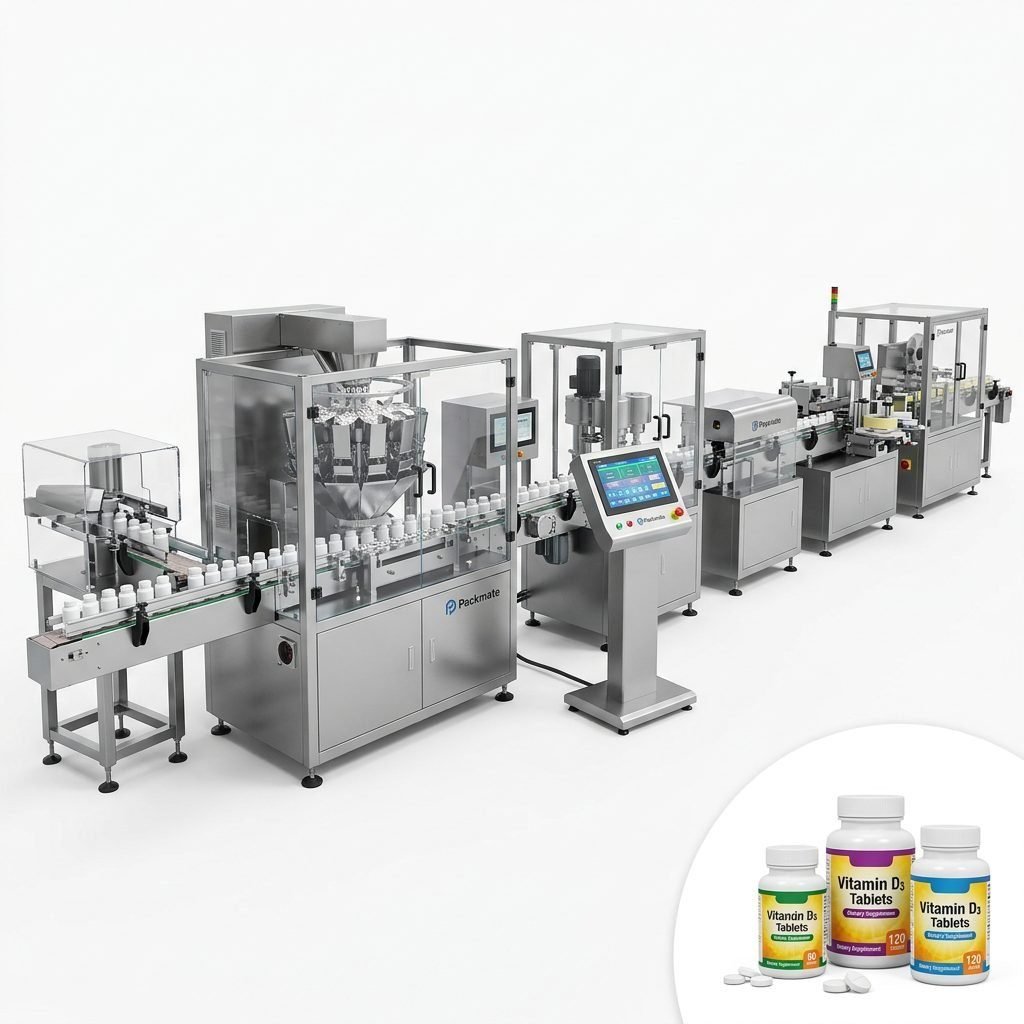
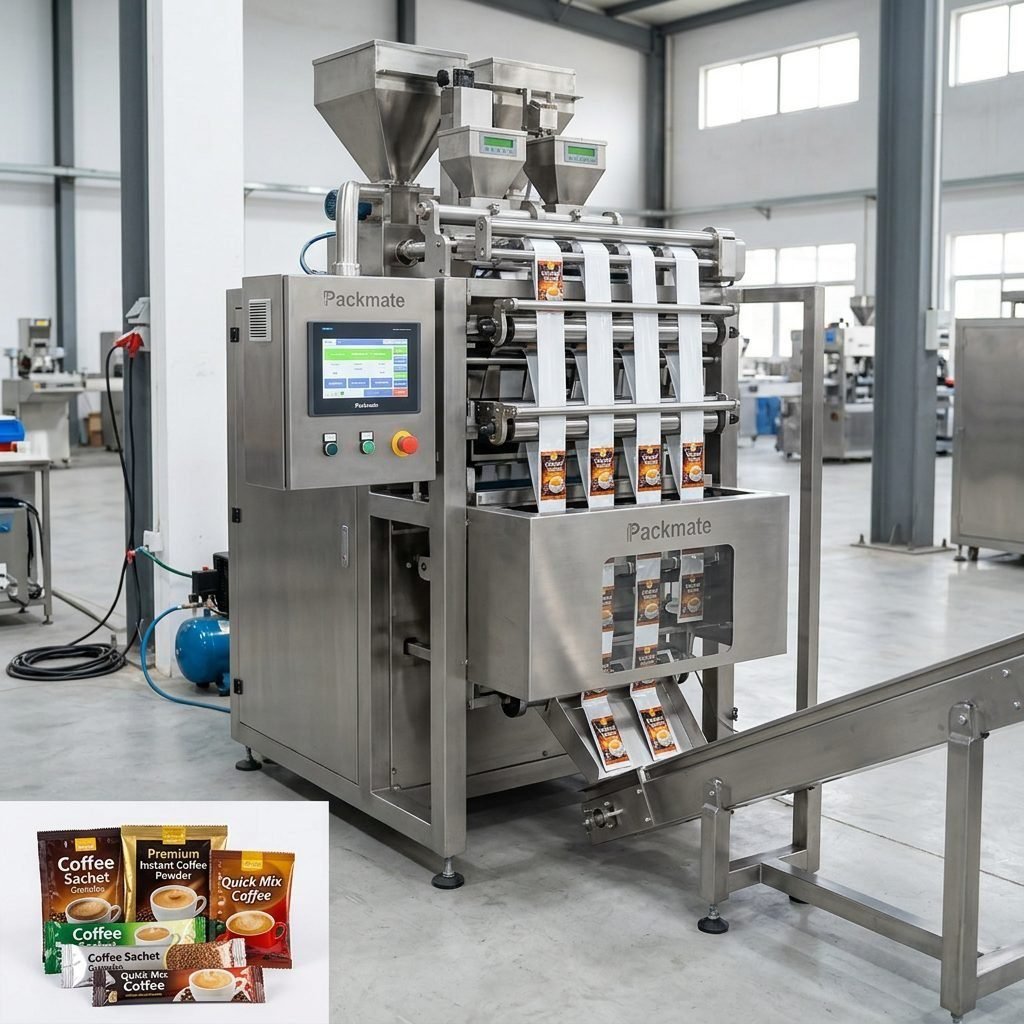
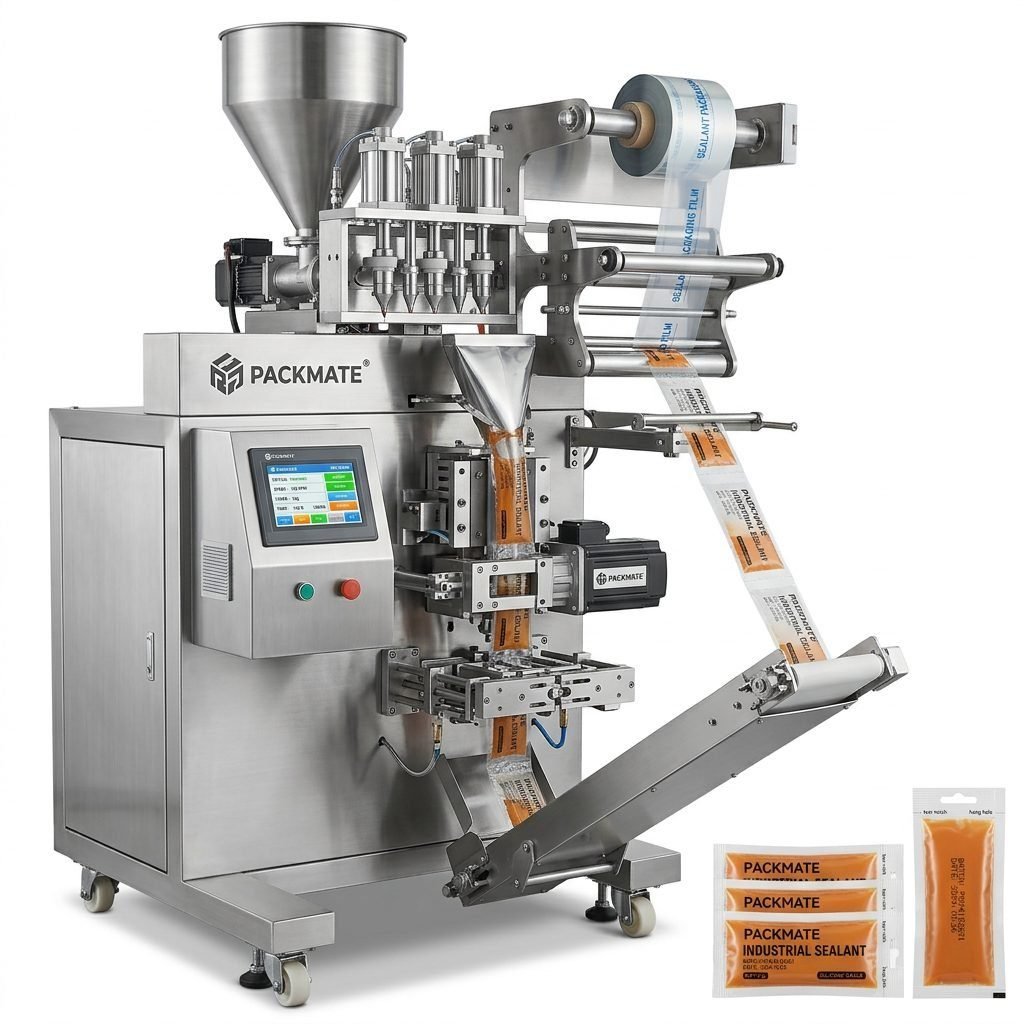
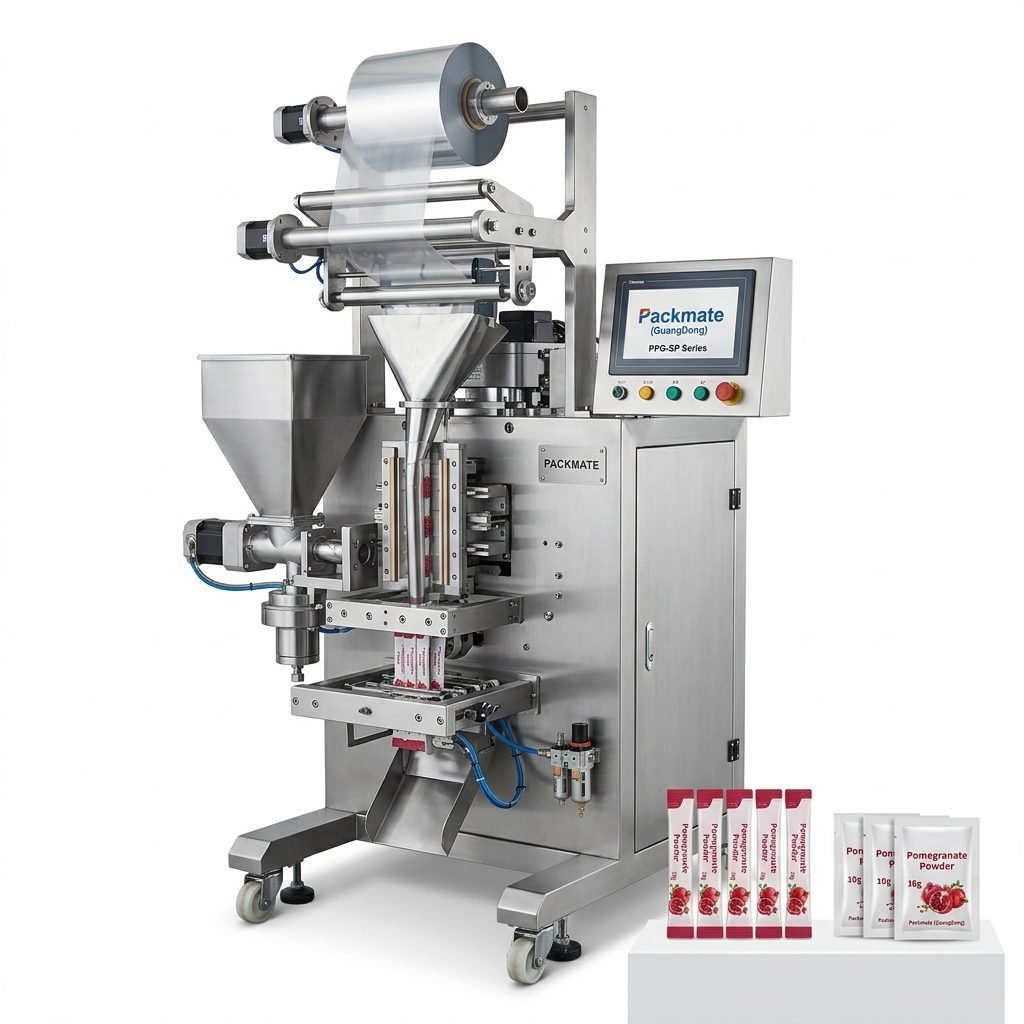
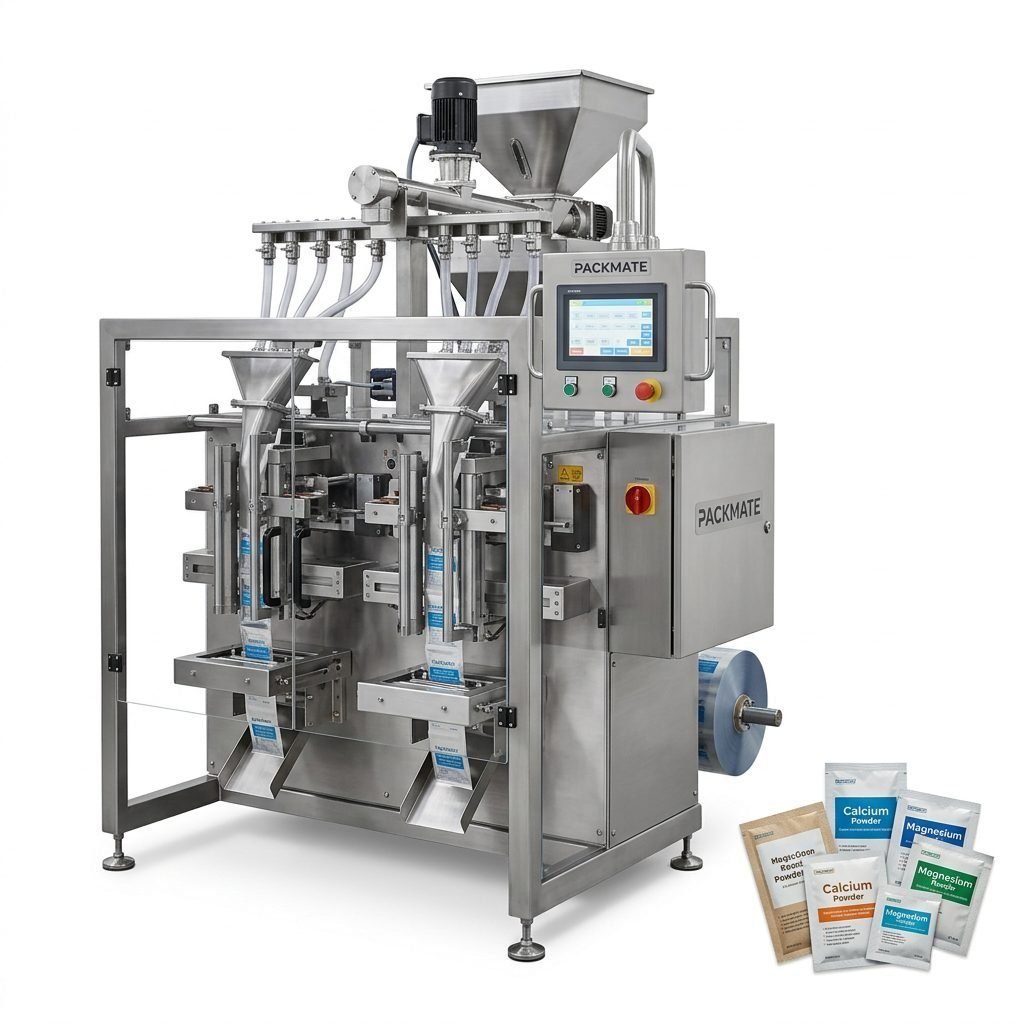
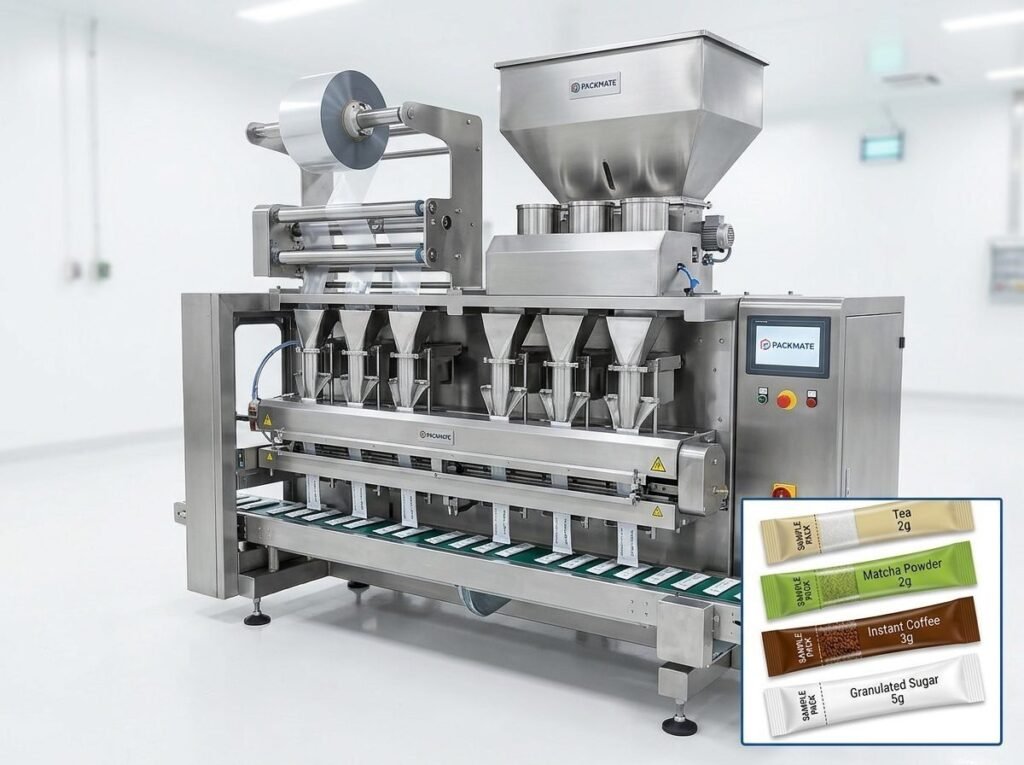
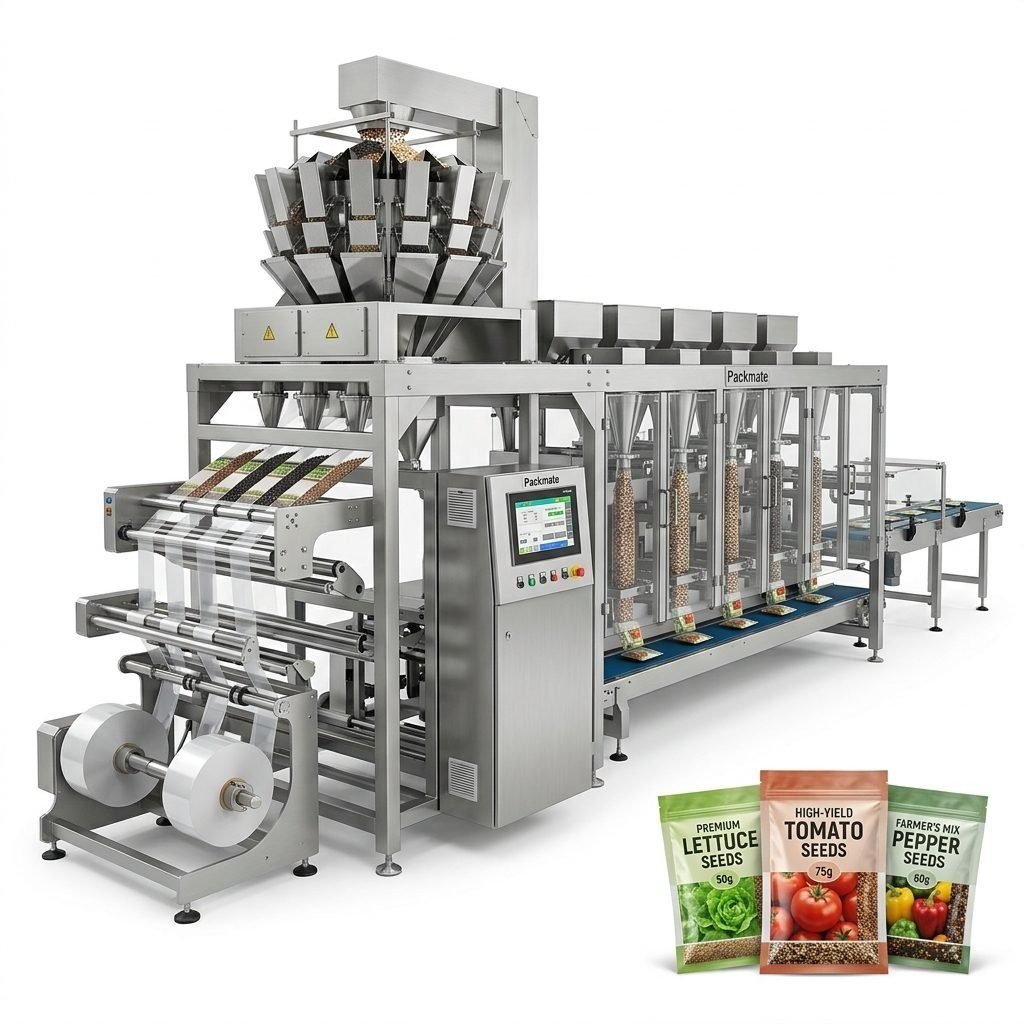
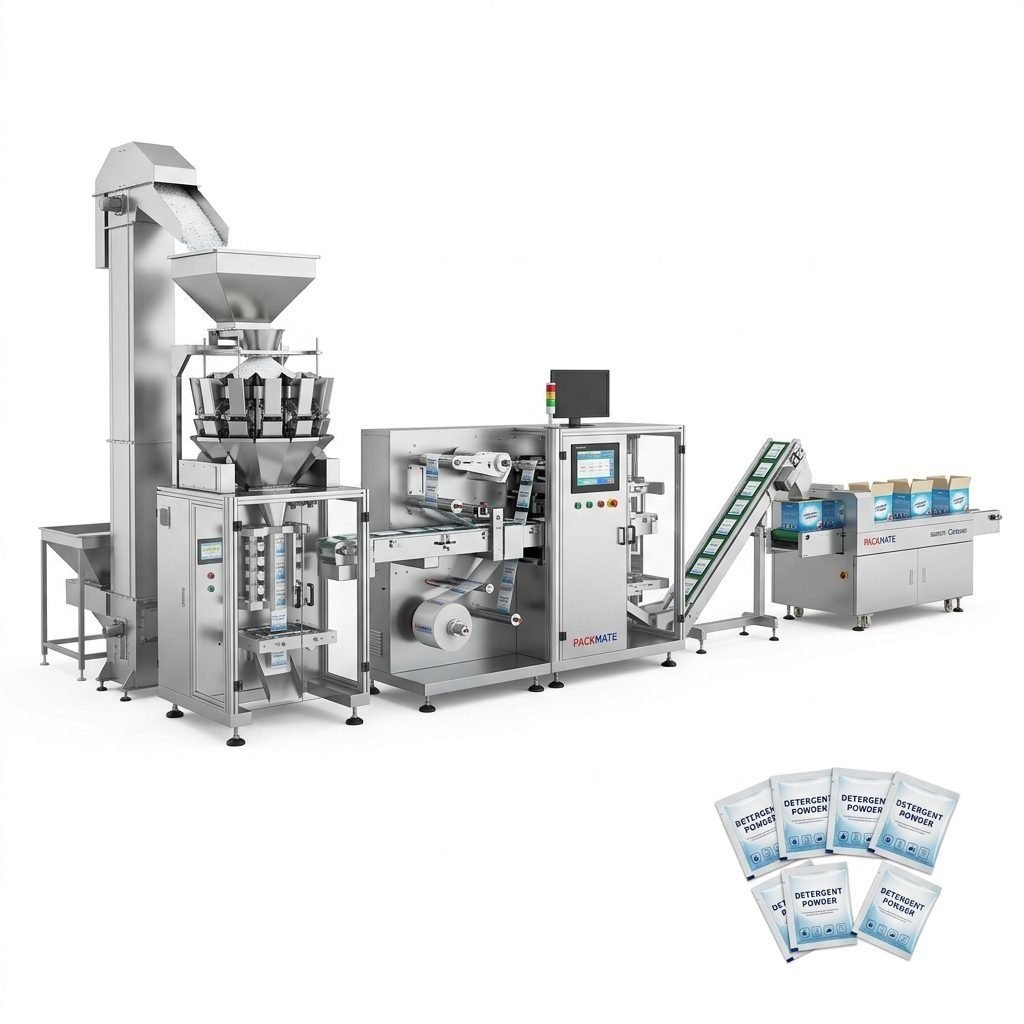
These are fully automated, integrated systems that form the package from a roll of film, fill it with product, and then heat-seal it closed—all in one continuous operation. They represent the pinnacle of packaging automation for high-speed, high-volume production.
Best for: Large-scale production of sachets (for sauces, condiments, shampoo), stick packs (for drink mixes, pharmaceuticals), and pillow bags. Companies like Packmate Machinery specialize in sophisticated multi-lane FFS solutions for these formats.
Comprehensive Buyer’s Guide: Key Factors to Consider
Choosing the best heat sealing machine requires a careful evaluation of your specific needs. Here are the critical factors to guide your selection process.
1. Packaging Material and Film Type
This is the most crucial factor. The machine must be compatible with the melting point and characteristics of your packaging film. Common materials include:
- Polyethylene (LDPE, HDPE): Widely used, easy to seal.
- Polypropylene (PP, OPP): Offers good clarity and stiffness.
- Laminates & Metallized Films: Used for high-barrier needs; may require specific temperature profiles.
Always test your actual film with the machine before purchase. For complex materials, consult with experts like those at Packmate, who have over 30 years of experience with diverse packaging solutions.
2. Production Volume and Speed Requirements
Match the machine’s capacity to your output goals.
Low Volume: Manual or semi-automatic impulse/constant heat sealers.
Medium-High Volume: Automatic band sealers or rotary sealers.
Mass Production: Fully automated Form-Fill-Seal lines. Explore high-speed options in the filling & packaging lines category for integrated solutions.
3. Seal Quality and Consistency
Look for machines with precise digital temperature controls (PID controllers are ideal) and adjustable pressure and dwell time settings. Consistent parameters are non-negotiable for achieving uniform, strong seals that prevent leakers and product waste.
4. Machine Durability and Construction
Industrial packaging is demanding. Invest in a machine built with robust materials like stainless steel or anodized aluminum for critical parts. Quality construction ensures longevity, minimizes downtime, and maintains seal consistency over years of operation. A manufacturer’s history, like Packmate’s 22+ year journey from a small workshop to a 20,000㎡ modern facility, often reflects its commitment to building durable equipment.
5. Safety and Ease of Use
Features like cool-touch jaws, thermal overload protection, and emergency stop buttons are essential for operator safety. An intuitive control panel with clear displays reduces training time and operator error.
6. After-Sales Support and Service
The relationship with your supplier doesn’t end at delivery. Reliable technical support, availability of spare parts, and comprehensive warranty terms are vital. Consider manufacturers who offer global service networks and detailed documentation.
FAQs: Frequently Asked Questions
Q1: Can one heat sealing machine handle all types of plastic films?
A: No. Different films have different melting points and compositions. While some versatile sealers can handle a range, it’s critical to match the machine’s capabilities (especially temperature range and jaw design) to your primary film type. Always conduct a material test.
Q2: What is the main cause of weak or incomplete seals?
A: The most common causes are incorrect temperature (too low), insufficient pressure, dwell time that’s too short, or contamination on the sealing area (like product dust or moisture). Using a film that is not designed for heat sealing will also cause failure.
Q3: How do I choose between an impulse sealer and a constant heat sealer?
A: Choose an impulse sealer for general-purpose use with common poly bags, especially if you seal intermittently. Choose a constant heat sealer for faster, continuous sealing of thicker materials or laminates where consistent heat transfer is key.
Q4: Is a vacuum sealer necessary for food packaging?
A: It is highly recommended for perishable, moist, or oily foods (like meats, fish, and cheeses) to drastically extend shelf life by removing oxygen. For dry goods (crackers, chips) where oxidation or mold is less of a concern, a standard heat seal is often sufficient.
Q5: What maintenance does a heat sealing machine require?
A: Regular maintenance includes cleaning the sealing jaws to remove film residue, checking and calibrating the temperature settings, inspecting the Teflon or non-stick coating on the jaws for wear, and ensuring all moving parts are properly lubricated according to the manufacturer’s manual.