In today’s competitive market, ensuring product freshness, extending shelf life, and presenting a professional appearance are paramount for success. Air seal packaging machines have become an indispensable tool across numerous industries to achieve these goals. This comprehensive guide delves into the world of air seal packaging, exploring the various types available, their diverse applications, and crucial factors to consider when making a purchase. Whether you are a small business owner or managing a large-scale production facility, understanding this technology is key to optimizing your packaging process.
Understanding Air Seal Packaging Technology
At its core, an air seal packaging machine is designed to remove air from a package before sealing it. This process, often involving vacuum sealing or gas flushing, creates a protective environment that significantly slows down product degradation. The primary mechanism involves placing the product in a specialized bag or pouch, evacuating the air (and sometimes replacing it with an inert gas like nitrogen), and then hermetically sealing the package. This barrier protects against oxidation, moisture, dust, and microbial growth, which are the main culprits behind spoilage and quality loss.
The fundamental benefit is preservation. By removing oxygen, the machine inhibits the growth of aerobic bacteria and fungi, drastically extending the product’s usable life. Furthermore, it prevents oxidation, which can cause fats and oils to become rancid and colors to fade. For fragile or crushable items, vacuum sealing can also provide a form-fitting protective layer, reducing movement and potential damage during transit.
Key Industries Relying on Air Seal Solutions
The application of air seal packaging is remarkably broad. In the food industry, it is used for everything from fresh meats, cheeses, and coffee to dried fruits, nuts, and prepared meals. The pharmaceutical and healthcare sectors depend on it to maintain the sterility and potency of medical devices, tablets, and herbal products. Even electronics manufacturers use nitrogen-flushed packaging to protect sensitive components from moisture and corrosion during storage and shipping. The versatility of these machines makes them a critical asset for quality control.
Exploring the Different Types of Air Seal Packaging Machines
Not all air seal packaging machines are created equal. The right choice depends heavily on your product type, production volume, and budget. Here’s a breakdown of the main categories:
1. Chamber Vacuum Sealers
These are the workhorses for liquid, moist, or fine-powder products. The entire product and bag are placed inside a sealed chamber. The machine removes air from the chamber (and thus the bag), then heat-seals the bag before releasing the vacuum. This method is excellent for achieving a high-quality seal without sucking product into the pump. They are ideal for butchers, restaurants, and manufacturers of soups, sauces, or marinated products. For businesses looking to scale, integrating a chamber sealer into a full filling & packaging line can automate the entire process.
2. External (Nozzle) Vacuum Sealers
This type uses a suction nozzle that is inserted into a special bag. The air is drawn out through the nozzle, after which the bag is heat-sealed. These machines are generally more affordable and faster for dry products like nuts, crackers, or hardware items. However, they are not suitable for liquids or fine powders, as these can clog the nozzle. They are a popular choice for retail and light commercial use.
3. Gas Flush Packaging Machines
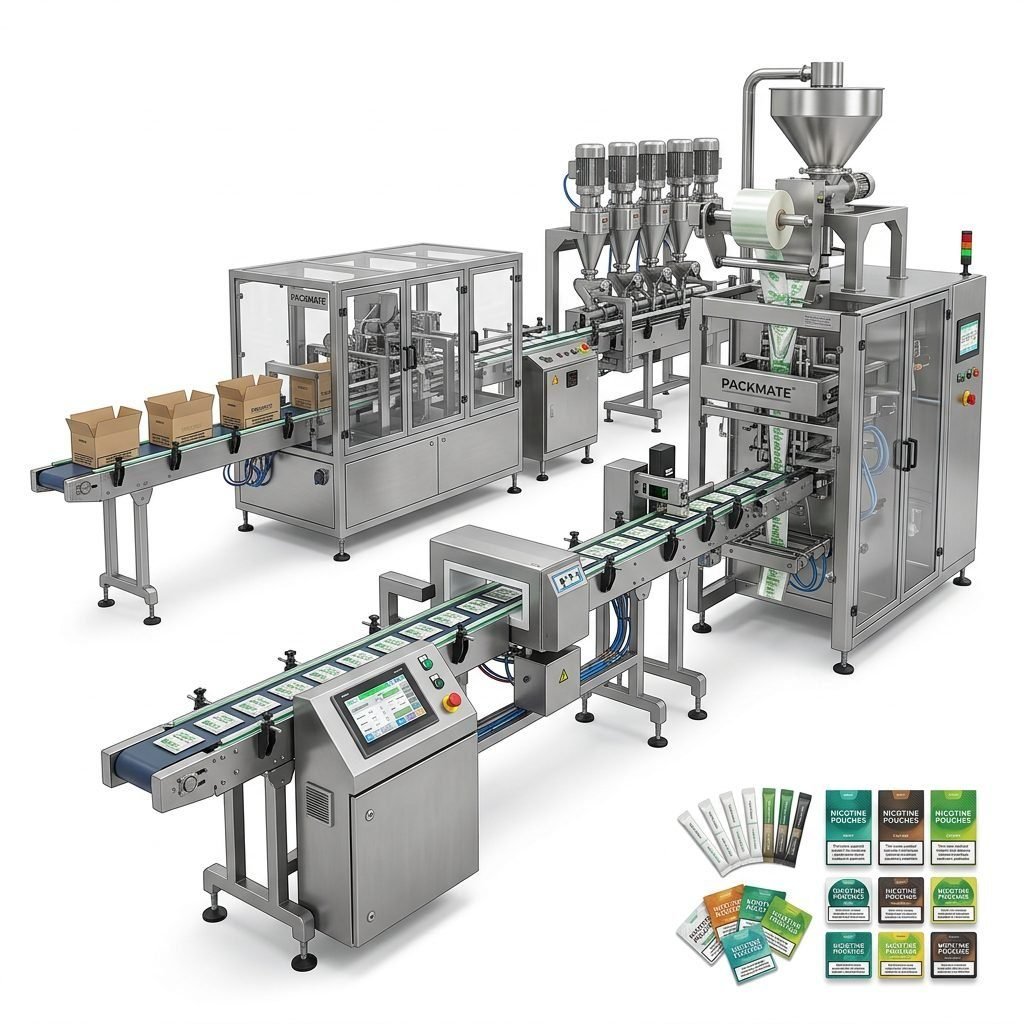
For products that are sensitive to crushing, like potato chips or delicate pastries, simply removing air isn’t enough. Gas flush machines, or Modified Atmosphere Packaging (MAP) machines, evacuate air and then inject a specific mix of gases (commonly nitrogen and carbon dioxide) before sealing. This creates a cushioned, preservative atmosphere inside the package. This technology is central to many snus & nicotine packaging machines to maintain moisture and flavor.
4. Automatic Rollstock & Form-Fill-Seal (FFS) Machines
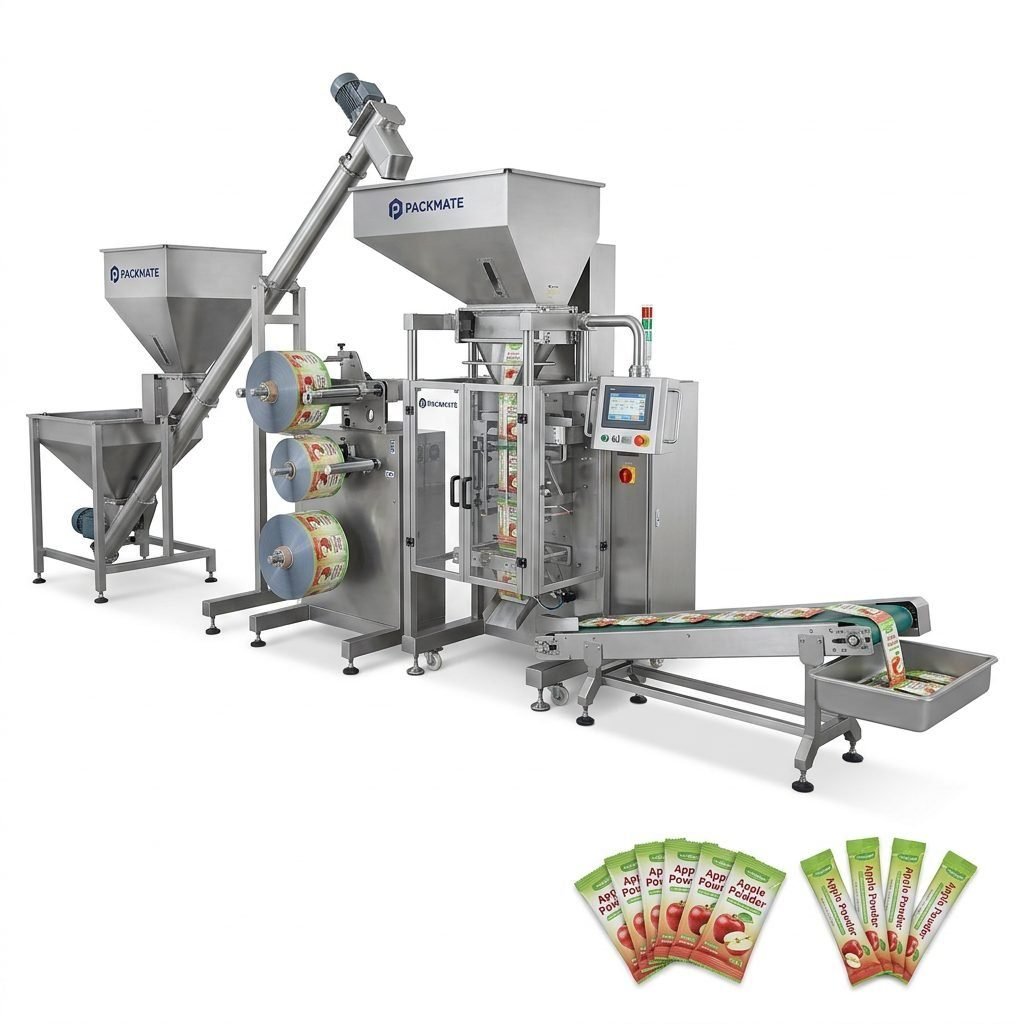
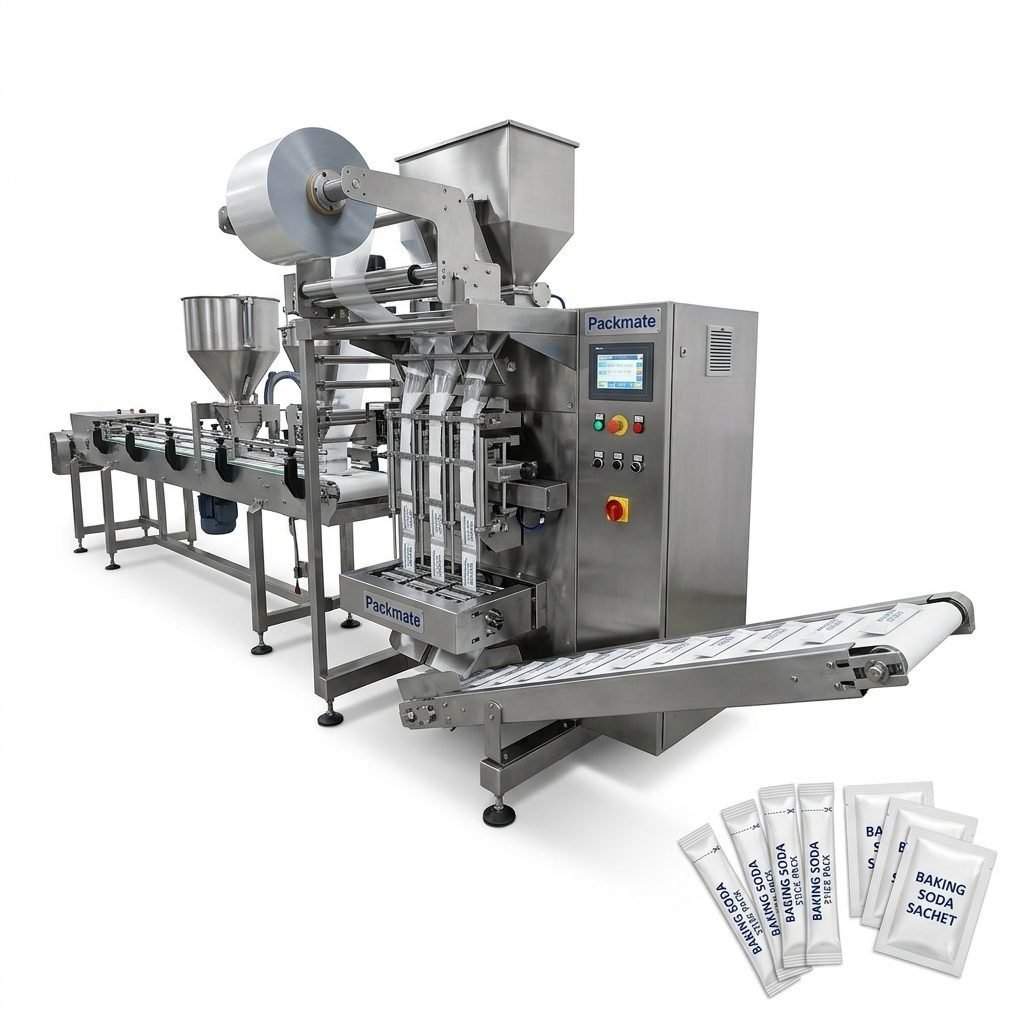
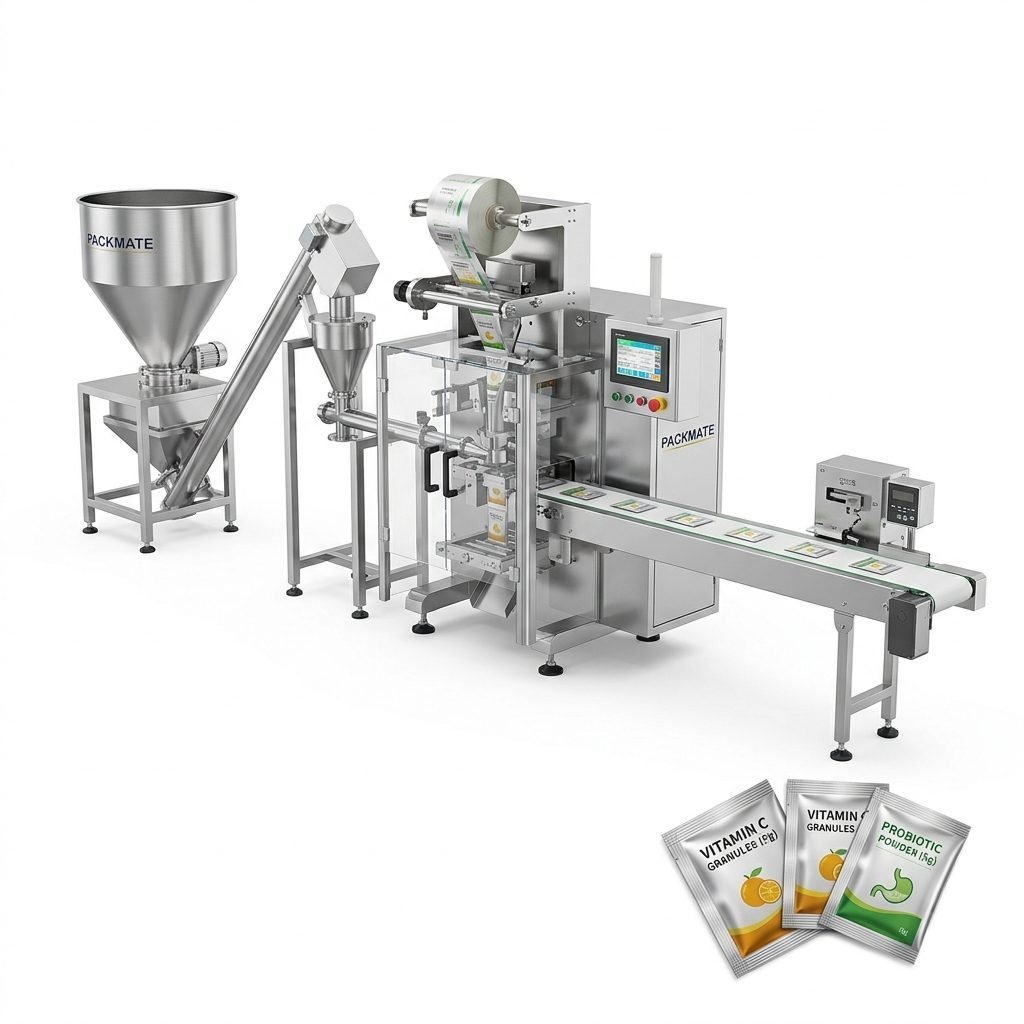
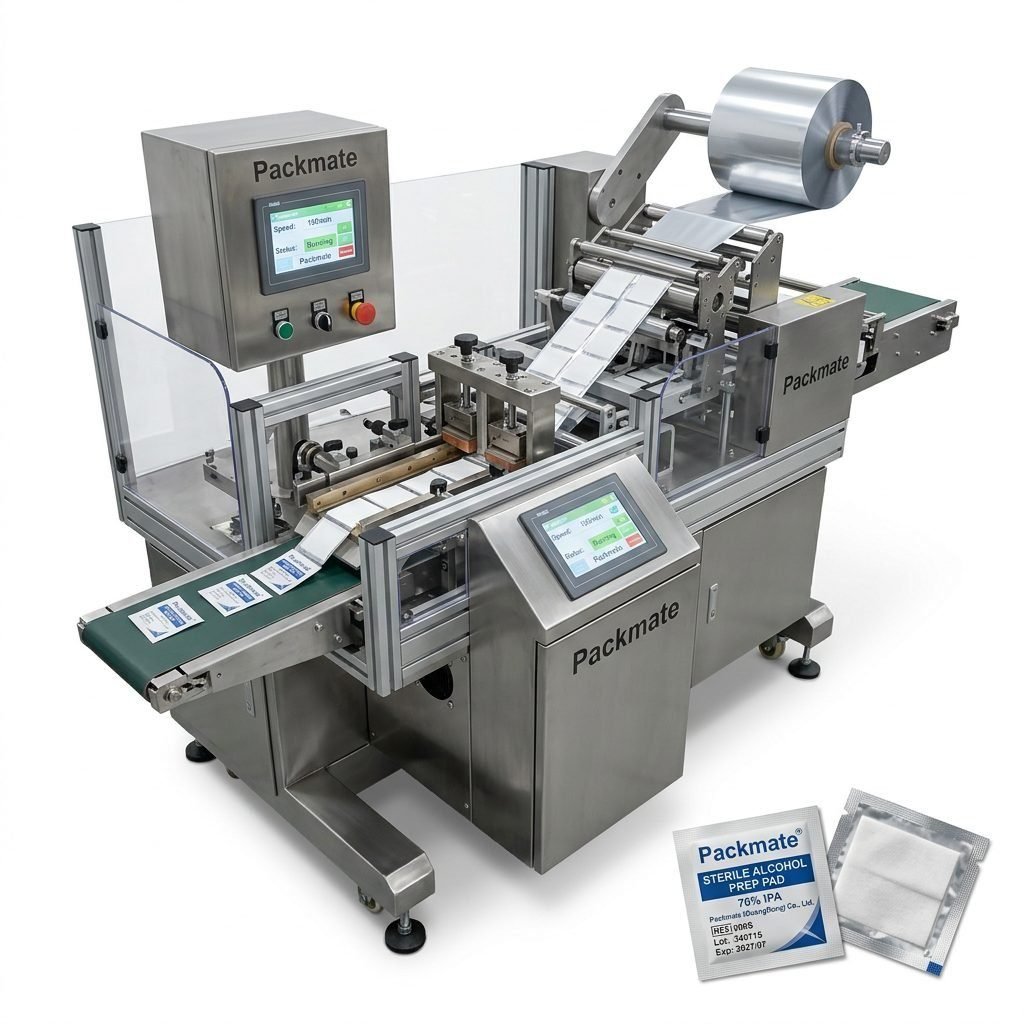
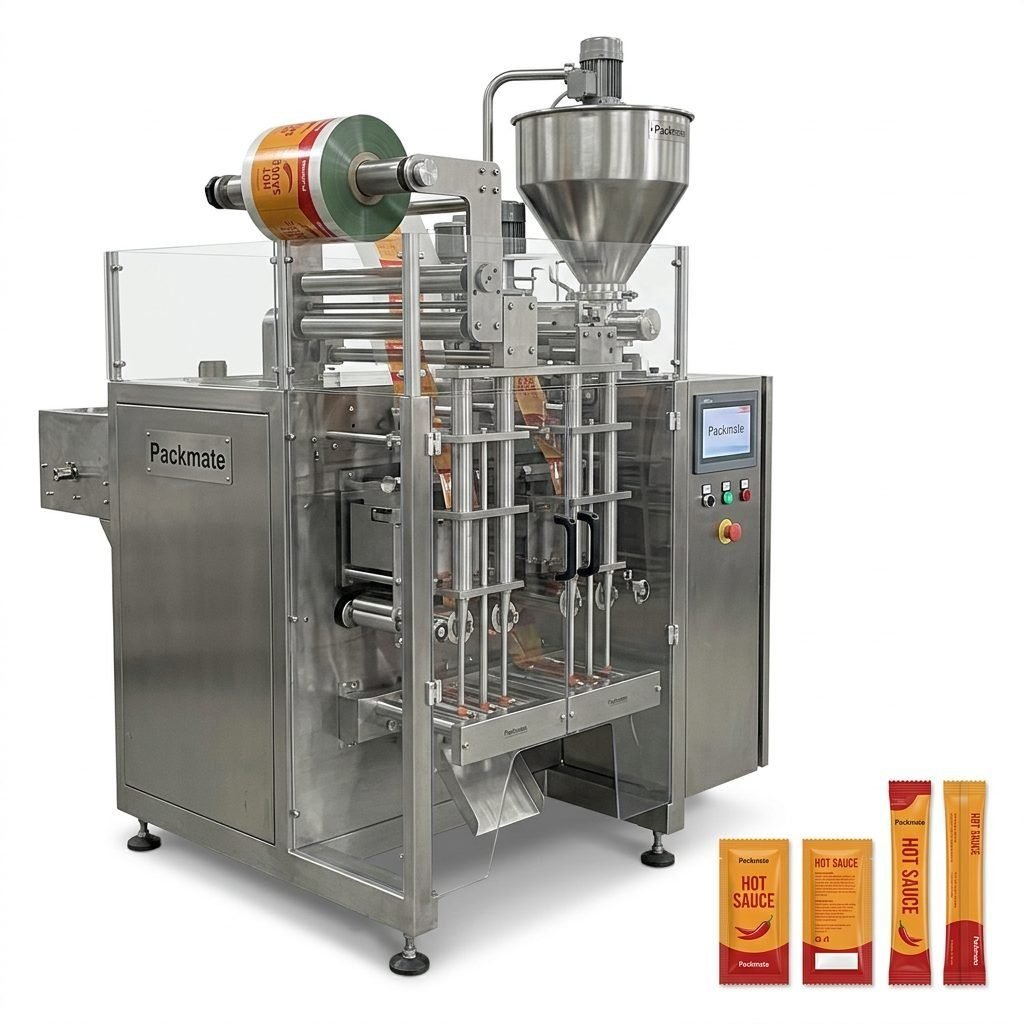
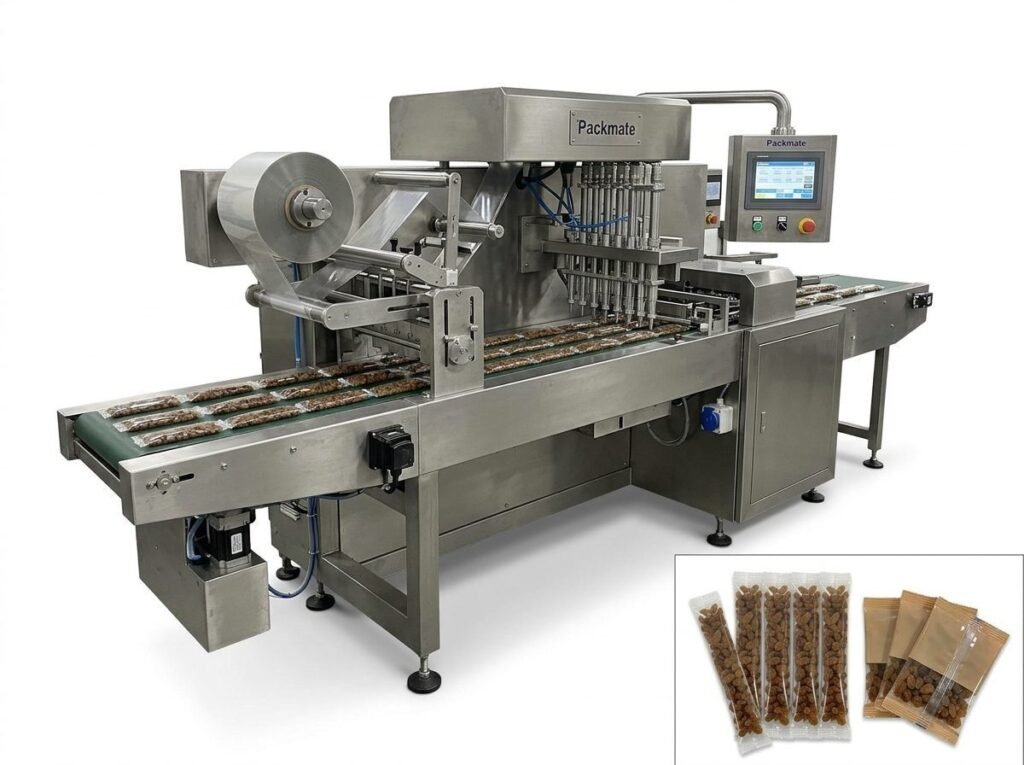
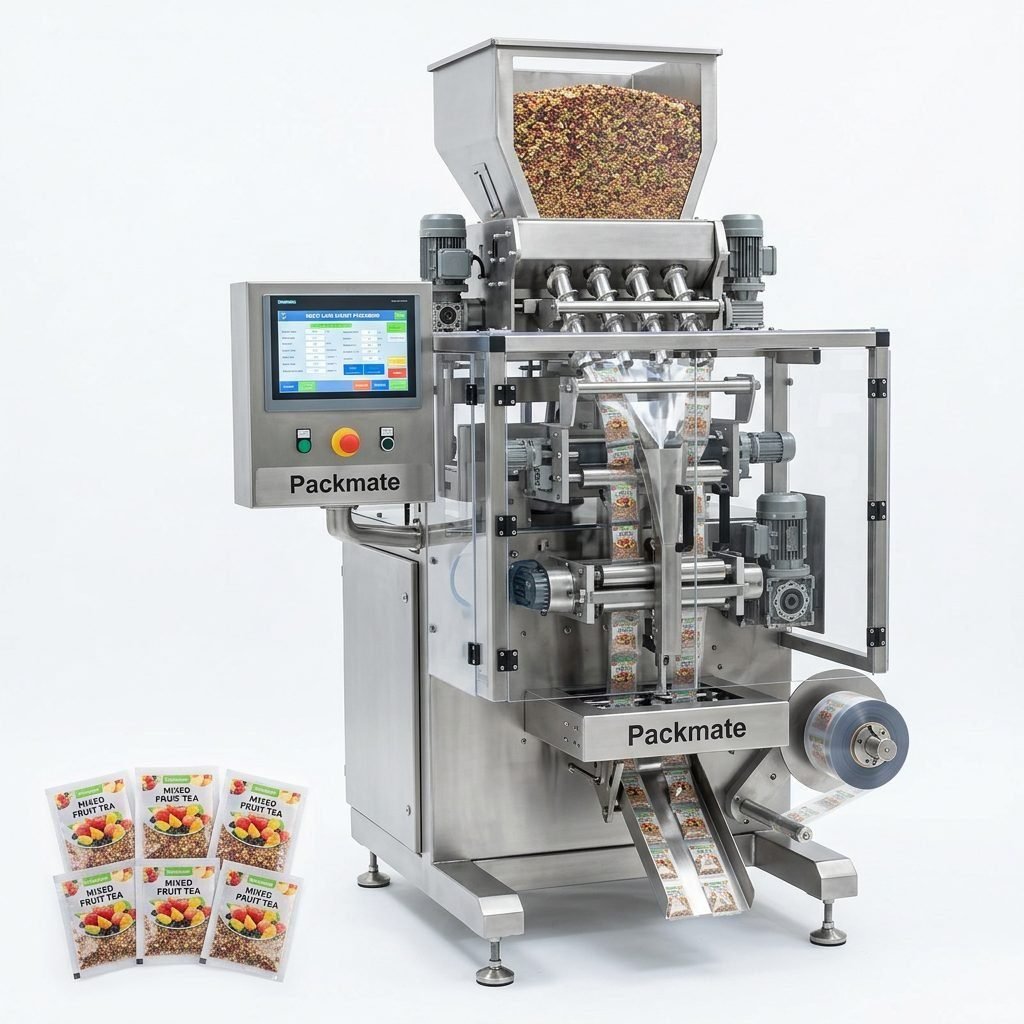
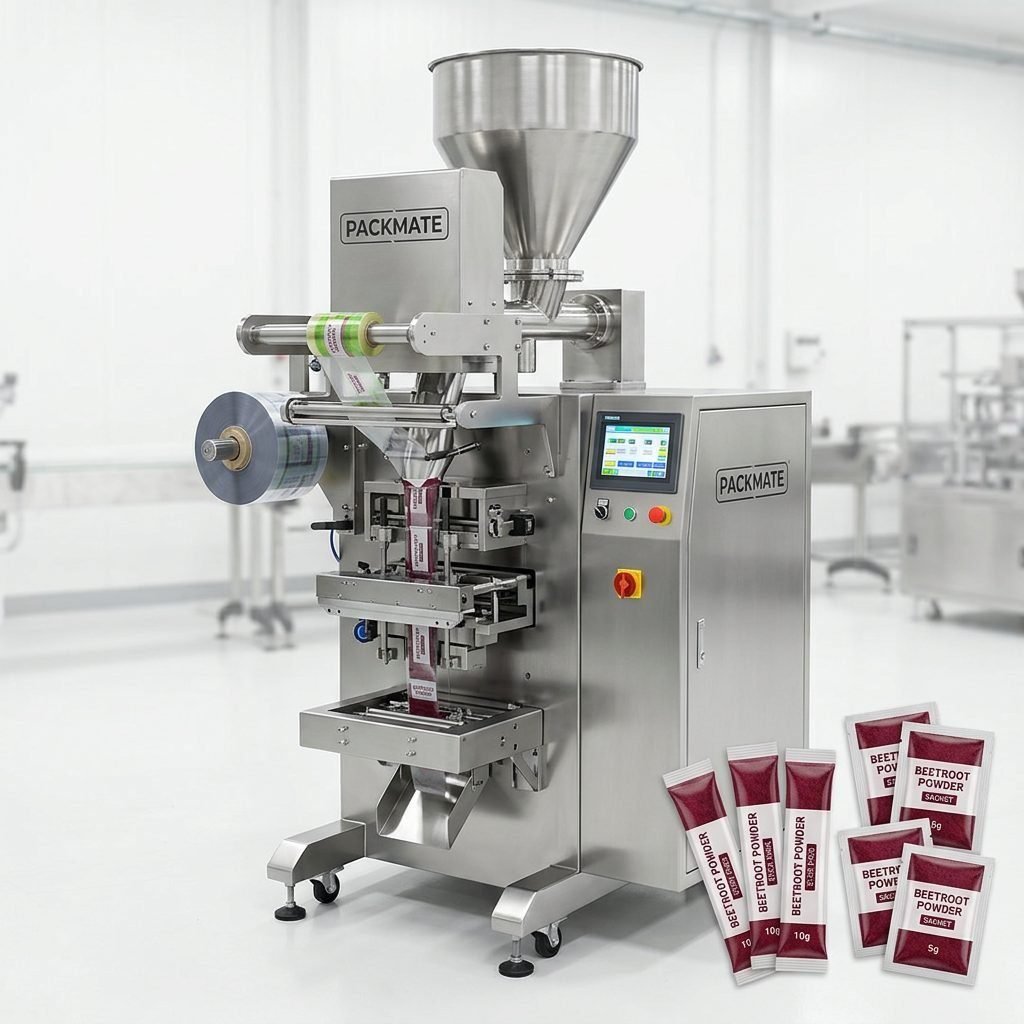
For high-volume production, automatic systems are essential. These machines use a roll of flat packaging film. They form the film into a pouch, fill it with the product, evacuate the air (and/or flush with gas), and then seal and cut the package—all in one continuous, automated operation. This is the technology behind most pre-packaged snacks and frozen foods. Companies like Packmate Machinery specialize in advanced, multi-lane versions of these systems for maximum efficiency.
Choosing Between Single-Chamber and Double-Chamber
Within chamber vacuum sealers, you’ll find single and double-chamber models. A single-chamber machine must complete its cycle (vacuum, seal, release) before the next product can be loaded. A double-chamber machine has two chambers that work alternately: while one is sealing, the other can be loaded and unloaded. This design effectively doubles the output and is crucial for production environments where downtime must be minimized.
Critical Factors for Buying an Air Seal Packaging Machine
Investing in packaging equipment is a significant decision. Beyond the initial type, consider these essential buying tips to ensure you select a machine that meets your long-term needs.
Assess Your Production Volume and Speed Requirements
Your required output per hour or day is the most critical factor. A small external sealer might handle 100 bags per hour, while an automatic FFS line can process thousands. Be realistic about your current needs and future growth. Purchasing a machine that is already at capacity will lead to bottlenecks quickly.
Consider the Product Characteristics
The physical properties of your product dictate the machine type. Ask yourself: Is it dry, moist, or liquid? Is it granular, powdery, or solid? Is it fragile? Answers to these questions will immediately narrow down your options, ensuring you don’t buy a machine that can’t handle your materials effectively.
Evaluate Seal Quality and Bar Integrity
The strength and integrity of the seal are non-negotiable. A failed seal means a spoiled product and a damaged brand reputation. Look for machines with reliable, adjustable heat sealing systems and consistent pressure. For challenging environments, some machines offer double-seal bars for added security. Reviewing a manufacturer’s case studies can provide real-world evidence of seal performance.
Prioritize Ease of Use and Maintenance
Complex machines require trained operators. Look for user-friendly controls, clear diagnostics, and easy access for cleaning and routine maintenance. Machines that are difficult to clean can become hygiene hazards, especially in food and pharmaceutical applications. Simple, tool-free part changes can drastically reduce downtime.
Plan for Packaging Materials
The machine and the packaging materials are a system. Ensure the machine you choose is compatible with the types of bags or films you plan to use (e.g., multilayer barrier films for long shelf-life). Some machines are locked into proprietary bags, while others offer more flexibility. Consider the ongoing cost and availability of these consumables.
Focus on Build Quality and Supplier Support
This is where partnering with a reputable manufacturer pays dividends. A machine built with quality components like stainless steel contact parts and industrial-grade pumps will have a longer lifespan and fewer breakdowns. Crucially, assess the supplier’s after-sales support. Do they offer installation, training, and readily available spare parts? A company with a strong track record, like Packmate Machinery with its over 30 years of expertise and 20,000㎡ modern facility, provides the reliability and comprehensive service needed for industrial operations.
Conclusion: Sealing the Deal on Your Investment
Selecting the right air seal packaging machine is a strategic decision that impacts product quality, operational efficiency, and your bottom line. By thoroughly understanding the different technologies—from basic chamber sealers to fully automated FFS lines—and carefully evaluating your specific product needs, volume, and the supplier’s credibility, you can make an informed investment. The goal is to find a robust, reliable solution that not only preserves your product perfectly but also integrates seamlessly into your workflow, protecting your brand and satisfying your customers for years to come.
Frequently Asked Questions (FAQs)
What is the main difference between vacuum sealing and gas flushing?
Vacuum sealing removes almost all air from the package to prevent oxidation and microbial growth. Gas flushing (MAP) removes air and replaces it with a specific gas mixture, which can both preserve the product and provide a cushion to protect fragile items from being crushed.
Can one machine handle both liquids and dry powders?
Chamber vacuum sealers are generally capable of handling both, as the product is sealed inside a closed chamber. External (nozzle) sealers are not suitable for liquids or fine powders, as they will clog the vacuum channel.
How do I determine the right machine size for my business?
Calculate your current average daily packaging volume and your projected growth for the next 3-5 years. Choose a machine that can comfortably meet your peak future demand without constant overuse, which leads to wear and tear. Consulting with an equipment supplier for a capacity analysis is highly recommended.
What regular maintenance does an air seal machine require?
Common maintenance includes daily cleaning of the sealing bar and chamber to remove debris, periodic lubrication of moving parts as per the manual, checking and replacing the vacuum pump oil (if applicable), and inspecting the sealing gaskets for wear to ensure a consistent vacuum.
Are there special bags required for air seal packaging?
Yes. For vacuum sealing, you need bags with a textured surface (to allow air channels for evacuation) and layers that can bond under heat. For gas flushing or long-term barrier protection, multi-layered films with specific gas and moisture barrier properties are essential. Always use film recommended by or compatible with your machine.