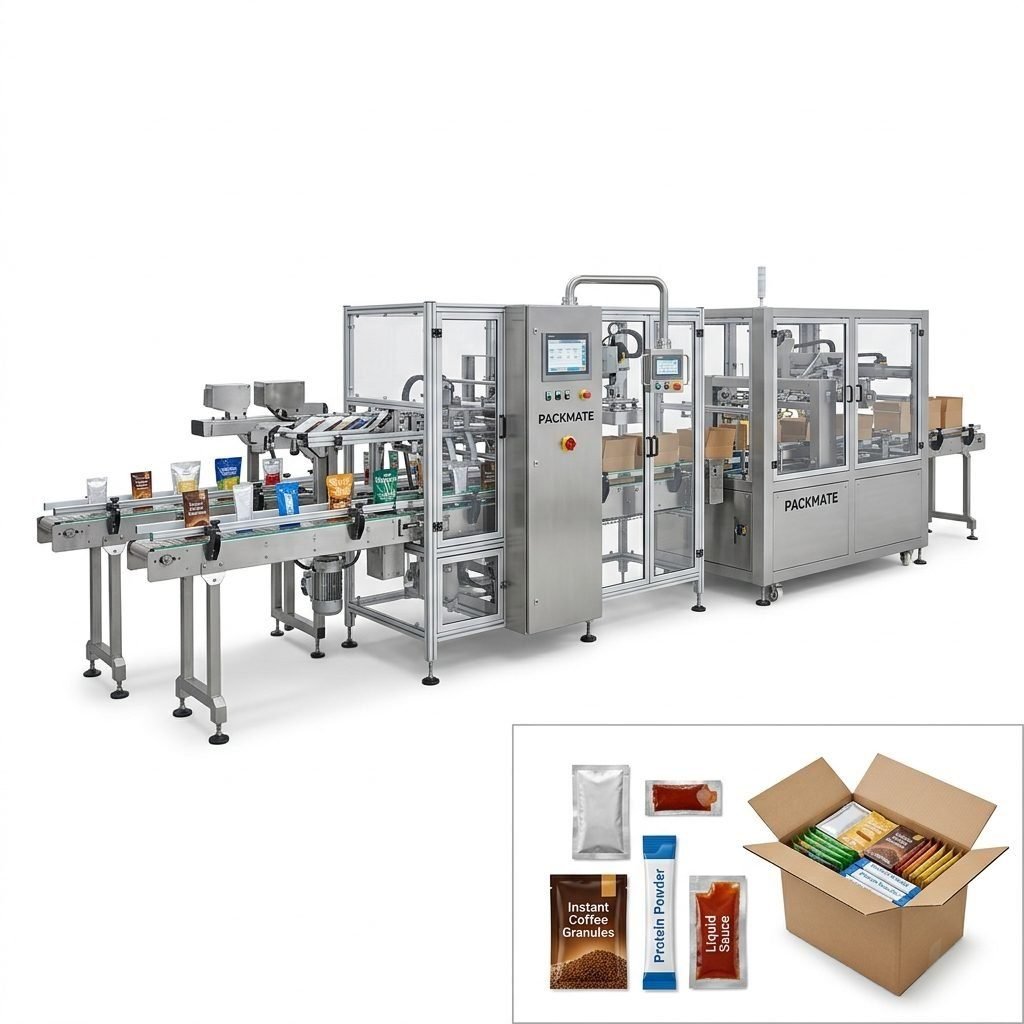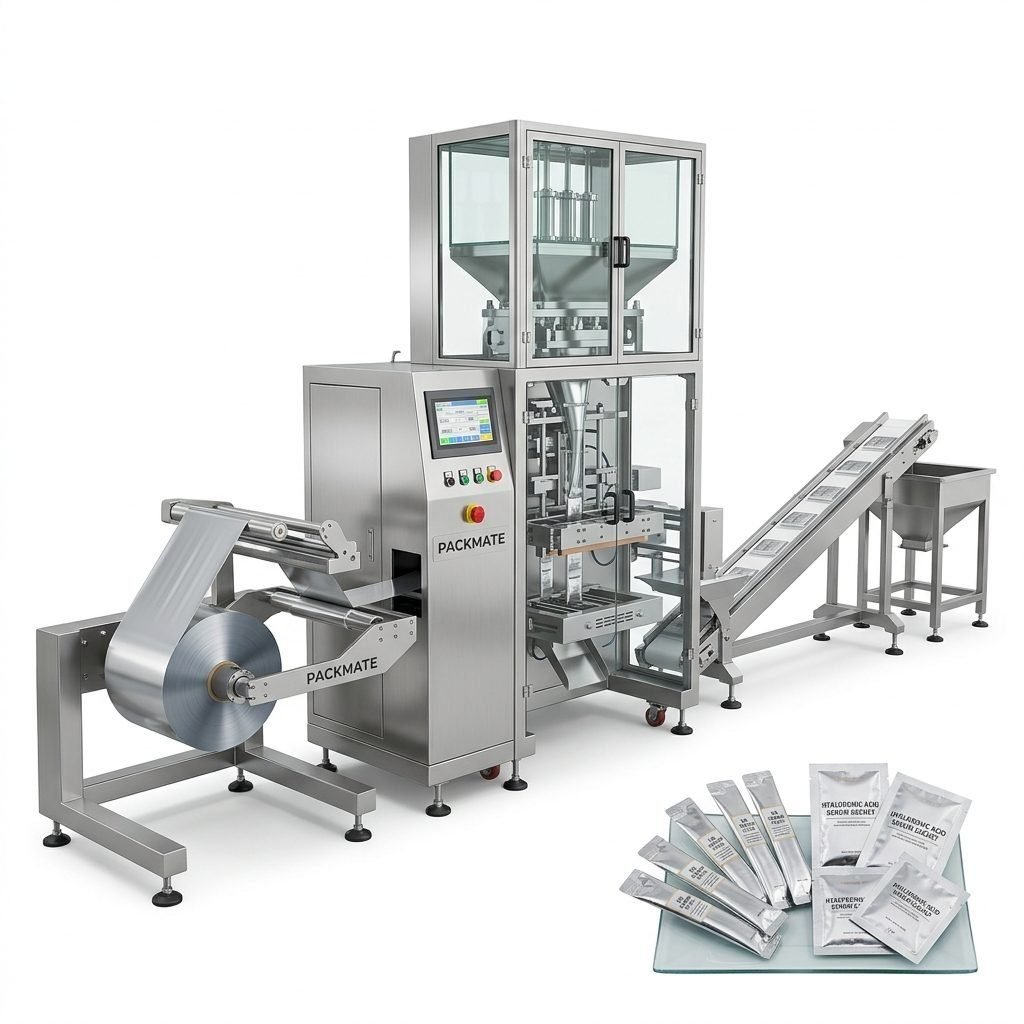
In the dynamic landscape of modern manufacturing, efficiency, precision, and adaptability are paramount. For industries handling liquids, from beverages and pharmaceuticals to chemicals and personal care, the final step of packaging is a critical juncture that can define product integrity, brand perception, and operational throughput. This is where sophisticated bottle packaging equipment becomes the cornerstone of a successful production line. Moving beyond simple filling, today’s solutions integrate a symphony of automated processes—cleaning, filling, capping, sealing, labeling, and inspection—into a seamless, high-speed operation.
The Evolution of Bottle Packaging Lines
The journey from manual bottling to fully automated lines mirrors the broader industrial revolution. Early systems were mechanical, single-task machines prone to inconsistencies. Today, a modern bottle packaging line is a marvel of mechatronic engineering, combining robust mechanics with precise servo motors, sophisticated PLC controls, and vision systems. This evolution is driven by the need for higher speeds to meet global demand, stringent hygiene standards (especially in food and pharma), and the flexibility to handle diverse bottle shapes, sizes, and materials—from glass and PET to HDPE and more.
Core Components of a Modern Bottling Line
A comprehensive bottle packaging solution is not a single machine but an integrated system. Each component plays a vital role:
- Unscrambler: Gently orients and feeds empty bottles from bulk containers onto the conveyor line.
- Air Rinser/Cleaner: Uses jets of filtered air or other media to remove dust and particulates from bottles before filling, crucial for product purity.
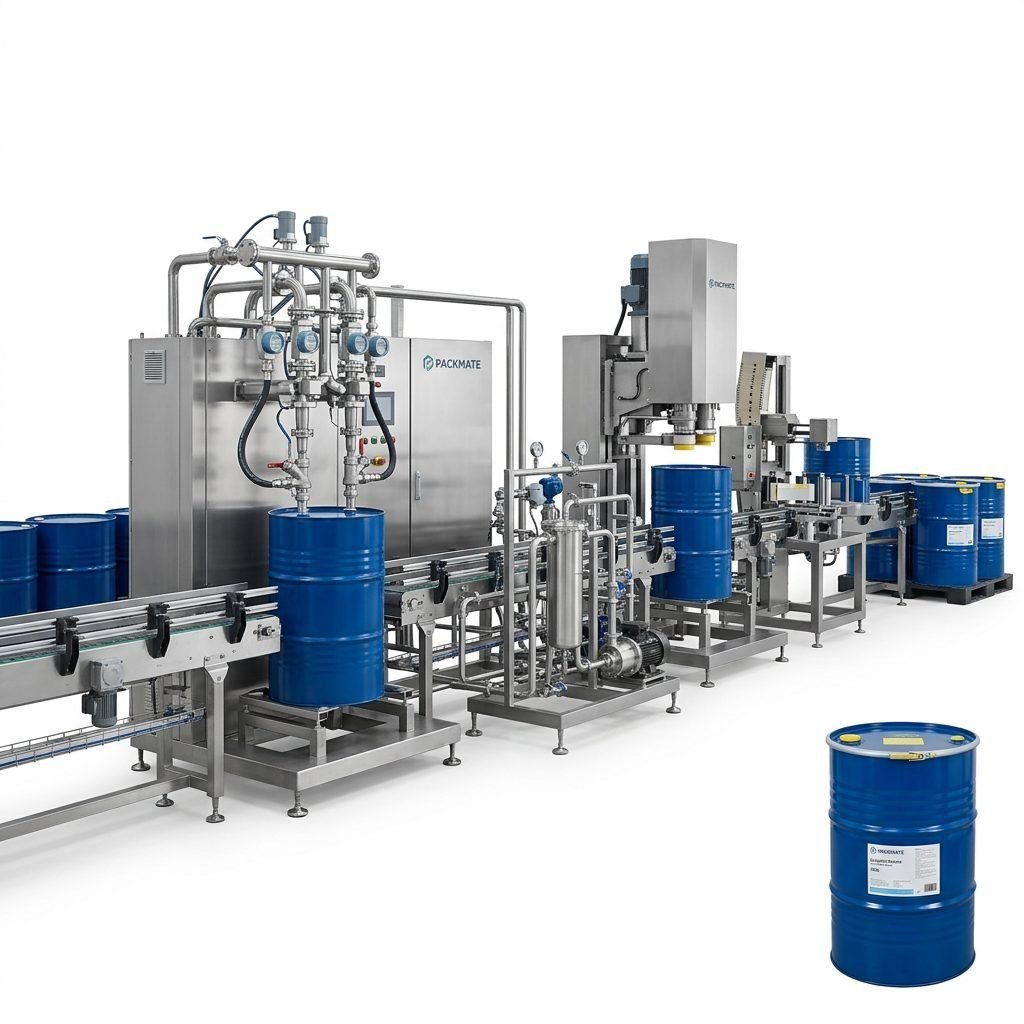
- Filling Machine: The heart of the line. Modern fillers use technologies like gravity, vacuum, piston, or overflow filling to achieve precise volumetric or weight-based filling with near-zero waste.
- Capping or Sealing Machine: Applies screw caps, snap caps, corks, induction seals, or other closures with consistent torque and alignment.
- Labeling Machine: Applies front, back, and wrap-around labels accurately. Options include pressure-sensitive, glue-based, or shrink sleeve labeling.
- Inspection Systems: Vision systems and sensors check for fill level, cap presence, label placement, and container integrity, rejecting any non-conforming products.
- Conveying & Handling Systems: The network that connects all stations, often equipped with accumulation tables and gentle handling features to prevent bottle damage.
Key Considerations for Selecting Equipment
Choosing the right bottle packaging equipment requires a deep analysis of your specific needs. A one-size-fits-all approach does not exist in high-performance manufacturing.
Product Characteristics: The viscosity, foaminess, acidity, and sensitivity (e.g., to oxygen or light) of your liquid dictate the filling technology. For instance, thick pastes require piston fillers, while carbonated beverages need counter-pressure fillers.
Production Speed & Output: Required throughput (bottles per minute/hour) determines the machine’s scale, from semi-automatic benchtop units for startups to high-speed rotary filling lines for large-scale production.
Container Variability: Will you run one bottle type year-round, or do you need quick changeovers for multiple SKUs? Modular equipment with tool-less changeovers is essential for flexibility.
Hygiene & Compliance: Industries like pharmaceuticals, nutraceuticals, and food demand equipment built with sanitary design principles—easy to clean, with polished surfaces and compliance with standards like GMP, FDA, or EHEDG.
Integration & Footprint: The equipment must integrate smoothly with your upstream (production) and downstream (packing/palletizing) processes and fit within your available factory space.
The Role of Automation and Industry 4.0
The modern production line is increasingly intelligent. Industry 4.0 principles are transforming bottle packaging from a purely mechanical process into a data-driven operation. Sensors collect real-time data on OEE (Overall Equipment Effectiveness), downtime causes, and maintenance needs. This data can be accessed via HMIs (Human-Machine Interfaces) or remotely through SCADA systems, enabling predictive maintenance, reducing unplanned stops, and optimizing production schedules. The goal is a “smart factory” where packaging lines communicate with enterprise systems for seamless production management.
Partnering with an Experienced Manufacturer
The complexity of modern lines underscores the importance of partnering with a reliable and experienced equipment manufacturer. A partner like Packmate Machinery brings more than just hardware to the table. With over two decades of specialization in packaging automation, they understand the nuanced challenges of different industries. Their value lies in providing complete turnkey solutions—from initial consultation and factory layout planning to machine design, manufacturing, installation, training, and ongoing technical support.
Their expertise in handling granules, powders, and liquids across food, pharmaceutical, and health industries means they can engineer solutions that meet specific hygiene and accuracy standards. Investing in quality equipment from a proven manufacturer mitigates risk, ensures long-term reliability, and protects your brand by guaranteeing consistent, high-quality packaging for your products. Exploring their range of core packaging machinery is the first step toward building a future-proof production line.
Summary: The Competitive Edge
Implementing advanced bottle packaging equipment solutions is a strategic investment that delivers tangible ROI. It drives down operational costs through reduced labor, minimized product giveaway, and lower utility consumption. It enhances product safety and quality through precise, contaminant-free filling and rigorous inspection. Most importantly, it provides the agility and scalability needed to respond to market trends, launch new products, and meet growing consumer demand efficiently. In a competitive global market, your packaging line is not just a cost center; it’s a critical asset for brand building and business growth.
Frequently Asked Questions (FAQs)
1. What is the main difference between a semi-automatic and a fully automatic bottle filling line?
A semi-automatic line requires significant manual intervention for tasks like bottle placement, cap feeding, or label loading. It’s suitable for low-volume production or pilot batches. A fully automatic line integrates all processes—unscrambling, cleaning, filling, capping, labeling, inspection—into one synchronized system with minimal operator oversight, designed for high-volume, continuous production.
2. How do I determine the right filling technology for my liquid product?
The choice depends on product properties. Gravity fillers work for free-flowing, non-foamy liquids. Piston fillers are ideal for viscous products like sauces, creams, or pastes. Vacuum fillers are excellent for fragile containers or wines. Pressure/gravity fillers handle foamy products well. An experienced supplier like Packmate can conduct product tests to recommend the optimal technology.
3. Can one packaging line handle different bottle shapes and sizes?
Yes, with the right design. Modern modular lines are built for quick changeover. By using interchangeable parts like filling nozzles, cap chucks, and labeler attachments, and often featuring servo-driven adjustments that can be saved as recipes, changeover time between different SKUs can be reduced from hours to minutes.
4. What kind of maintenance do these high-speed lines require?
Preventive maintenance is key. This includes daily cleaning and lubrication of specific points, weekly checks of sensors and mechanical parts, and periodic replacement of wear parts like seals, gaskets, and belts as per the manufacturer’s schedule. Choosing equipment with easy access for maintenance and reliable local service support is crucial for maximizing uptime.
5. How important are inspection systems on a bottling line?
Extremely important. They are your final quality checkpoint. Inspection systems (for fill level, cap torque, label presence/accuracy, and foreign objects) ensure that only perfect products leave your factory. This protects your brand reputation, reduces costly recalls and customer complaints, and is often a mandatory requirement in regulated industries like pharmaceuticals.