French fries, a beloved culinary staple across the globe, require specialized packaging to maintain their crispness, flavor, and safety from production to consumption. For businesses in the food industry, selecting the right french fries packaging machine is a critical decision that impacts efficiency, product quality, and ultimately, customer satisfaction. This guide explores the various types of machines available, their benefits, and provides a detailed framework for making an informed choice.
Primary Types of French Fries Packaging Machines
The market offers several types of packaging machines, each designed for specific production scales and packaging formats.
Vertical Form-Fill-Seal (VFFS) Machines
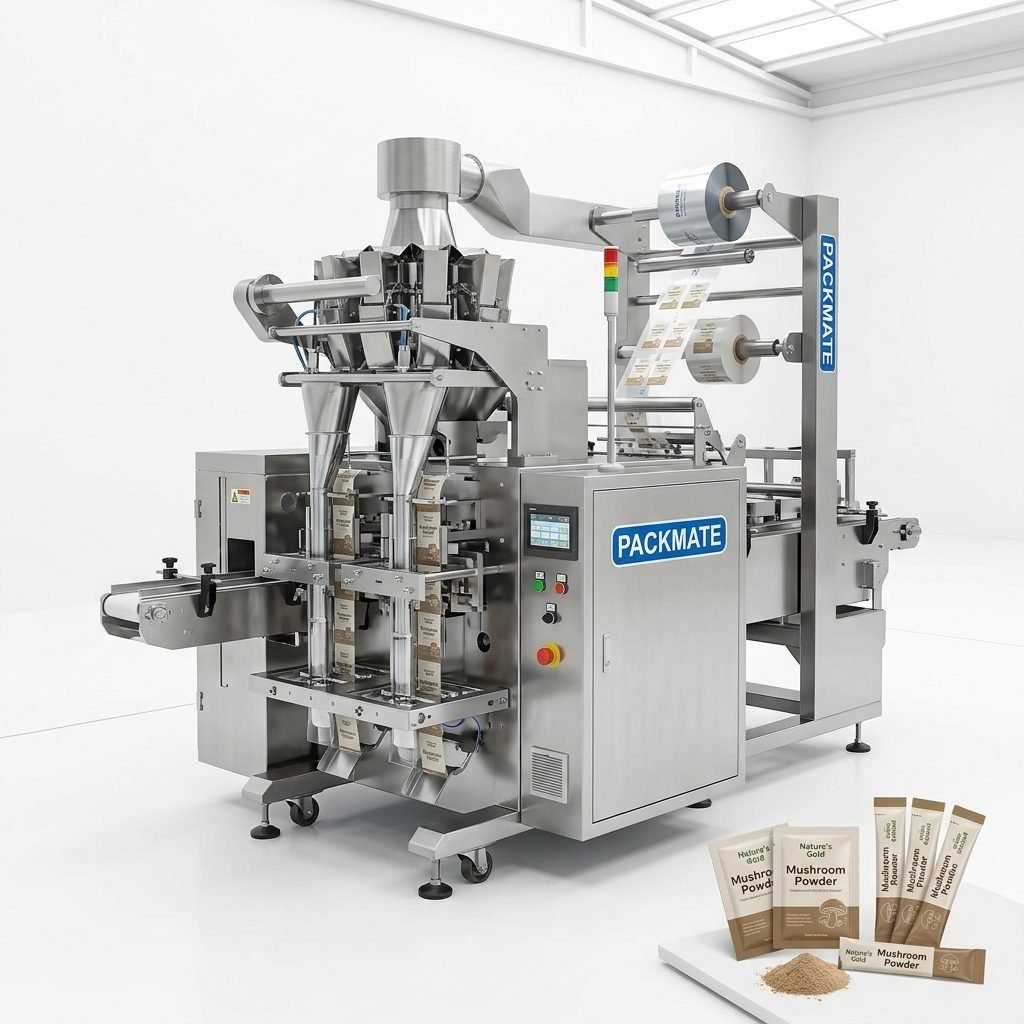
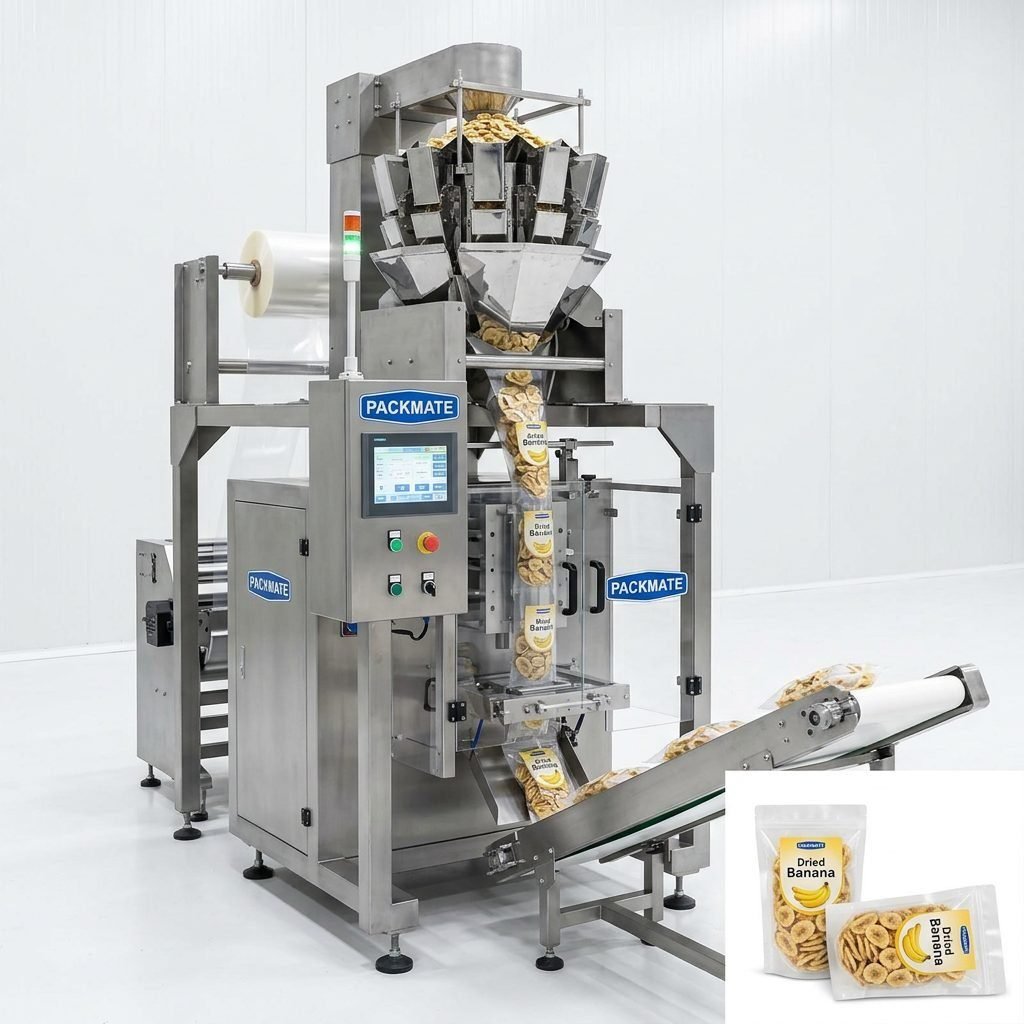
These are the most common machines for packaging free-flowing products like frozen french fries. They form a bag from a roll of film, fill it with a pre-measured volume or weight of product, and then seal it. They are highly versatile and suitable for a range of bag sizes, from small single-serve portions to family-sized packs. Their speed and efficiency make them ideal for high-volume production lines.
Horizontal Form-Fill-Seal (HFFS) Machines
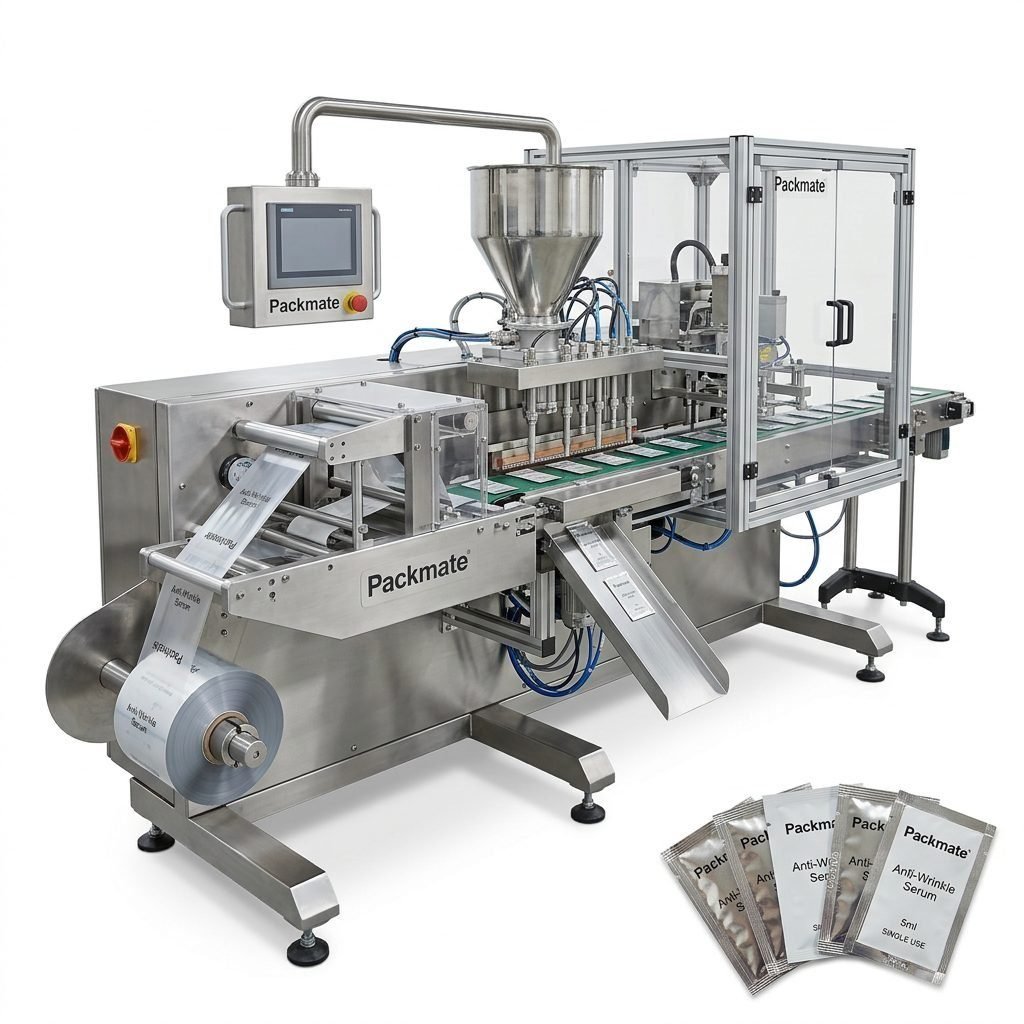
HFFS machines are often used for more rigid or pre-formed packaging structures and can be excellent for creating pillow packs or gusseted bags that offer better presentation on retail shelves. While sometimes used for fries, they are more common for products requiring a specific shape or a more premium look.
Pre-Made Bag Packers
This system uses bags that are already manufactured and simply need to be opened, filled, and sealed. It can be a good choice for businesses that require unique bag designs or materials that are difficult to form from a roll. While generally slower than VFFS, it offers great flexibility in bag style and is often easier to change over between different bag designs.
Multi-Lane Stick Pack Machines
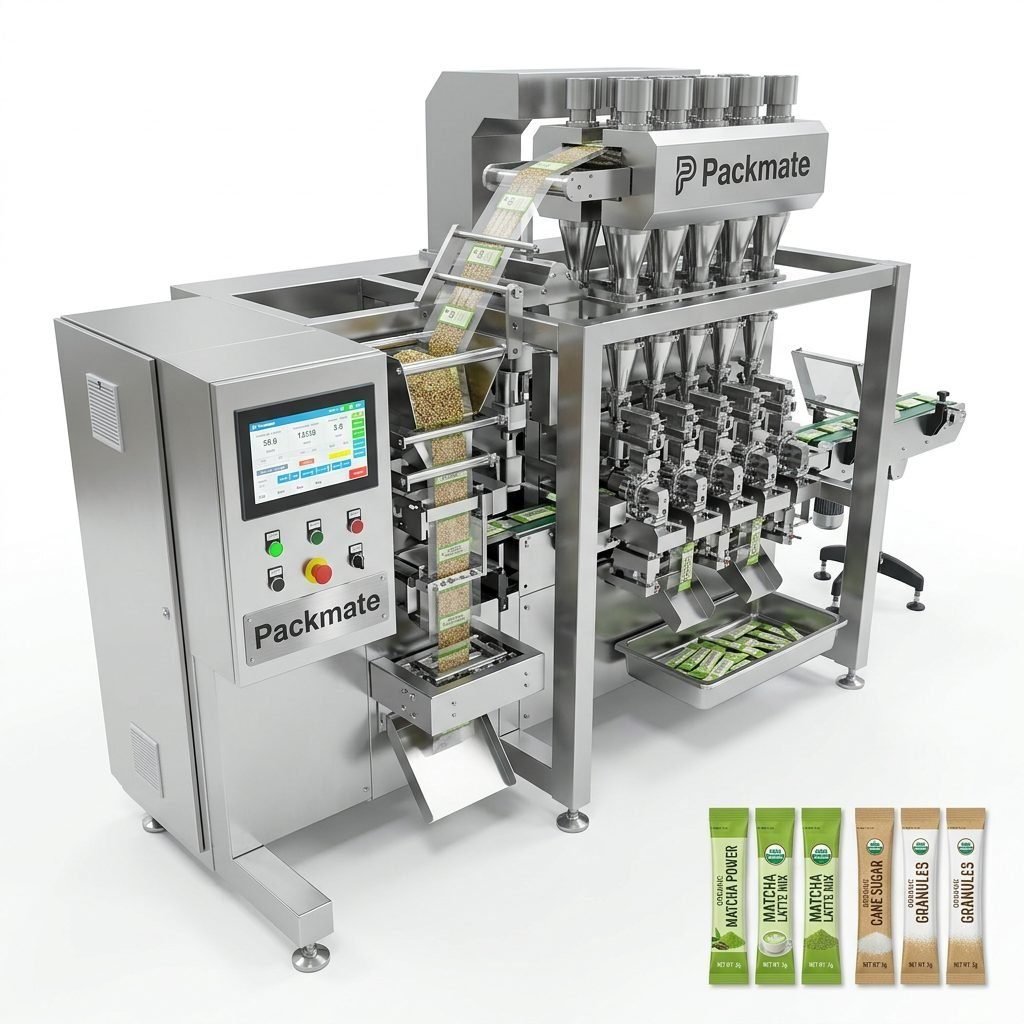
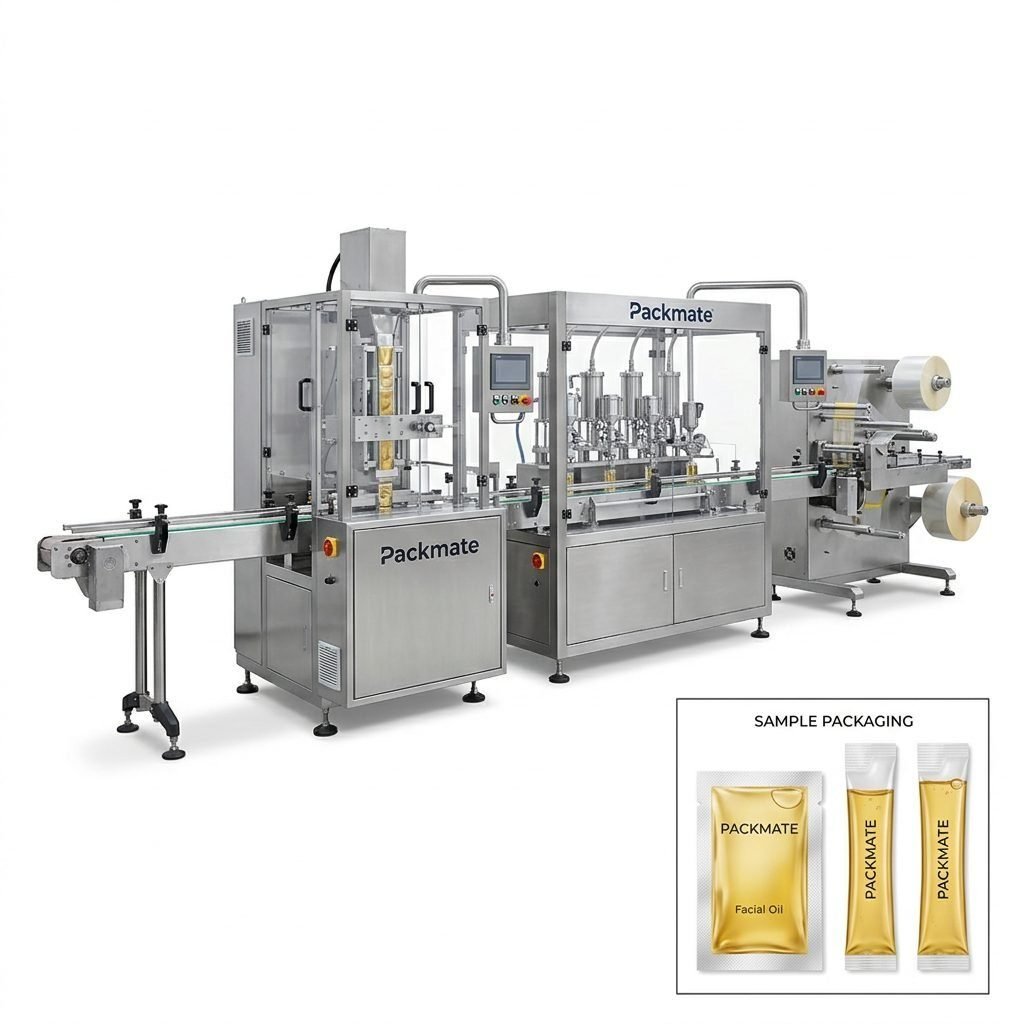
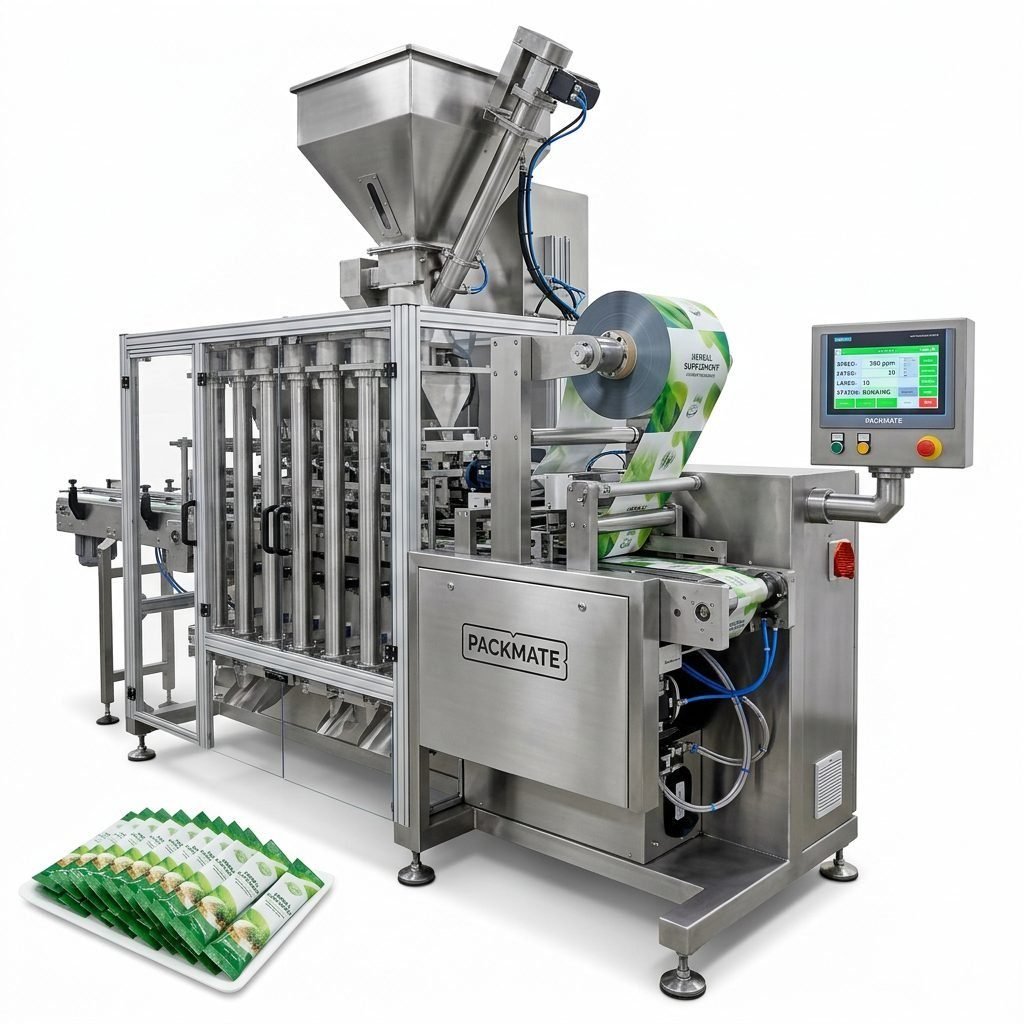
For portion-controlled servings, such as those for fast-food chains, catering, or airline meals, multi-lane stick pack machines are indispensable. They can produce multiple small, narrow packets simultaneously at very high speeds. This format is perfect for condiment-style servings of fries or for small snack packs. Companies like Packmate Machinery specialize in such high-speed, precision equipment.
Key Benefits of Automated Packaging
Investing in a dedicated packaging machine delivers significant advantages beyond just putting product in a bag.
Enhanced Product Freshness and Safety: Automated machines provide consistent, hermetic seals that are crucial for frozen foods. This locks out air and moisture, preventing freezer burn and preserving the taste and texture of the fries. It also maintains hygiene by minimizing human contact with the product.
Dramatically Increased Efficiency and Output: Machines operate at speeds far beyond manual packing. A single VFFS machine can package hundreds of bags per minute, allowing businesses to scale up production to meet market demand, whether for local supermarkets or for international export.
Consistency and Reduced Waste: Every bag is filled and sealed identically. Precise weighing systems ensure each package contains the exact advertised weight, complying with regulations and building consumer trust. Consistent seals reduce the rate of defective packages and product waste.
Labor Savings and Operational Cost Reduction: Automation reduces the reliance on large manual packing teams, lowering long-term labor costs and allowing staff to be reassigned to more skilled tasks like quality control and machine supervision.
Branding and Shelf Appeal: Modern machines can handle high-quality printed films, allowing for vibrant, clear branding and attractive packaging that stands out in a competitive retail environment. This is vital in Western markets where visual appeal heavily influences purchasing decisions at the grocery store.
How to Choose the Right Machine: A Strategic Guide
Selecting a french fries packaging machine is a strategic investment. Here are the critical factors to consider.
1. Assess Your Production Requirements
Begin by quantifying your needs. What is your required output in bags per minute or hour? What bag sizes and styles (pillow bag, gusseted, stand-up pouch) do you need? Will you be packaging frozen, fresh, or seasoned fries? The answers will narrow down the machine type—for high-volume frozen fries, a VFFS machine is typically the starting point.
2. Evaluate Machine Features and Technology
Look beyond the basic function. Key features include:
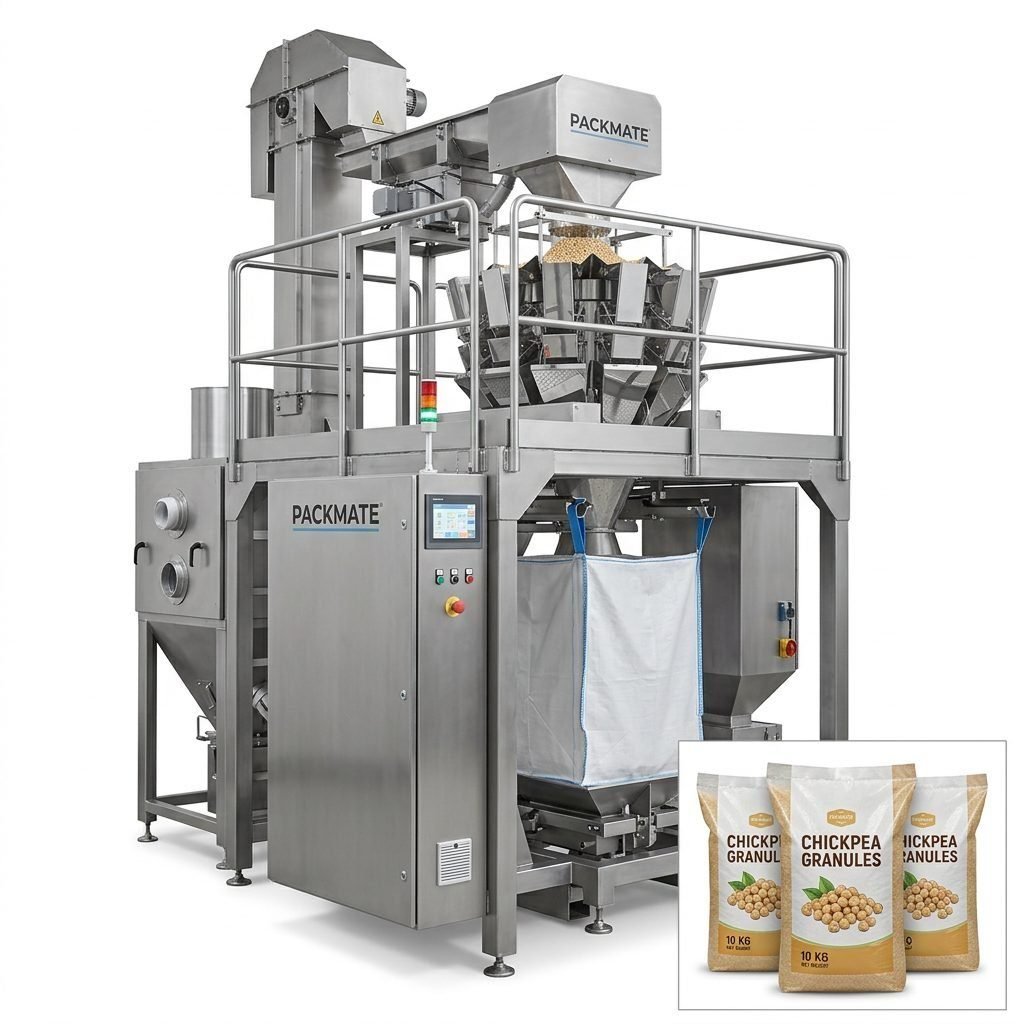
- Weighing System: Choose between volumetric cup fillers for speed or more precise multi-head weighers for accuracy, especially critical for cost control on high-value products.
- Sealing Technology: Ensure the machine provides strong, consistent seals with your chosen packaging film (e.g., polypropylene, polyethylene).
- Changeover Ease: How quickly and easily can you switch between different bag sizes? Quick-change mechanisms minimize downtime.
- Hygienic Design: The machine should have smooth surfaces, be easy to clean, and be made from food-grade materials like stainless steel for critical parts.
3. Consider Integration and Support
The machine is part of a larger system. Consider how it will integrate with your existing filling and packaging lines, fryers, freezers, and conveyors. Furthermore, the manufacturer’s support is crucial. Look for a provider with a strong reputation for reliable service, readily available spare parts, and comprehensive training. A company with a long history, like Packmate with over two decades of development, often signifies stability and expertise.
4. Factor in Total Cost of Ownership (TCO)
The purchase price is just the beginning. Calculate the TCO by including estimated costs for maintenance, energy consumption, required operator skill level, and potential downtime. A slightly more expensive machine from a reputable manufacturer that offers higher reliability and better support often proves more cost-effective in the long run.
5. Understand Regional Market Nuances
Packaging preferences can vary. In North America and Europe, large family-sized bags and oven-ready trays are popular for retail, demanding machines that can handle these formats. For food service in these regions, small, portion-controlled stick packs for ketchup or seasoning, paired with fries, are essential. In contrast, markets in Asia may favor smaller single-serve snack packs. Your machine must be adaptable to these regional format demands.
Conclusion and Next Steps
Choosing the optimal french fries packaging machine requires a careful balance of your production goals, technical requirements, and budgetary considerations. By thoroughly understanding the types of machines, their benefits, and following a structured selection process, you can invest in equipment that boosts your productivity, protects your product quality, and supports your brand’s growth. The right partnership with an experienced manufacturer is key to implementing a successful, future-proof packaging solution. For businesses looking to explore a wide range of reliable options, reviewing the portfolio of a dedicated manufacturer like Packmate Machinery is an excellent starting point.
Frequently Asked Questions (FAQs)
What is the typical speed range for a french fries VFFS packaging machine?
Speeds vary greatly based on bag size and weighing technology. Standard machines can range from 40-80 bags per minute for larger bags, while high-speed models with multi-head weighers can achieve 120+ bags per minute for smaller portions.
Can one machine handle different bag sizes and types of fries?
Yes, most modern machines are designed for changeover. However, the ease and time required for changeover differ. Machines with quick-change features for forming tubes and sealing jaws allow faster switching between bag sizes, minimizing production downtime when moving from, for example, a 200g to a 1kg bag.
How important is the weighing accuracy for french fries packaging?
Extremely important. Under-filling violates trade regulations and damages consumer trust, while over-filling directly erodes profit margins. For frozen fries, a weighing accuracy of ±1-2 grams is typically expected. High-precision multi-head weighers are the best choice for maximizing accuracy at high speeds.
What maintenance does a packaging machine require?
Regular daily cleaning is essential. Periodic maintenance includes lubricating moving parts, checking and replacing worn seals and cutting blades, and calibrating the weighing system. A good supplier will provide a detailed maintenance schedule and training for your operators.
Is it better to buy a standalone machine or a complete integrated line?
It depends on your current setup and goals. If you are adding to an existing line, a standalone machine may suffice. For a new greenfield project or a major upgrade, a complete turnkey line—integrating conveying, weighing, packaging, and case packing—ensures optimal compatibility, efficiency, and single-source accountability from the supplier.