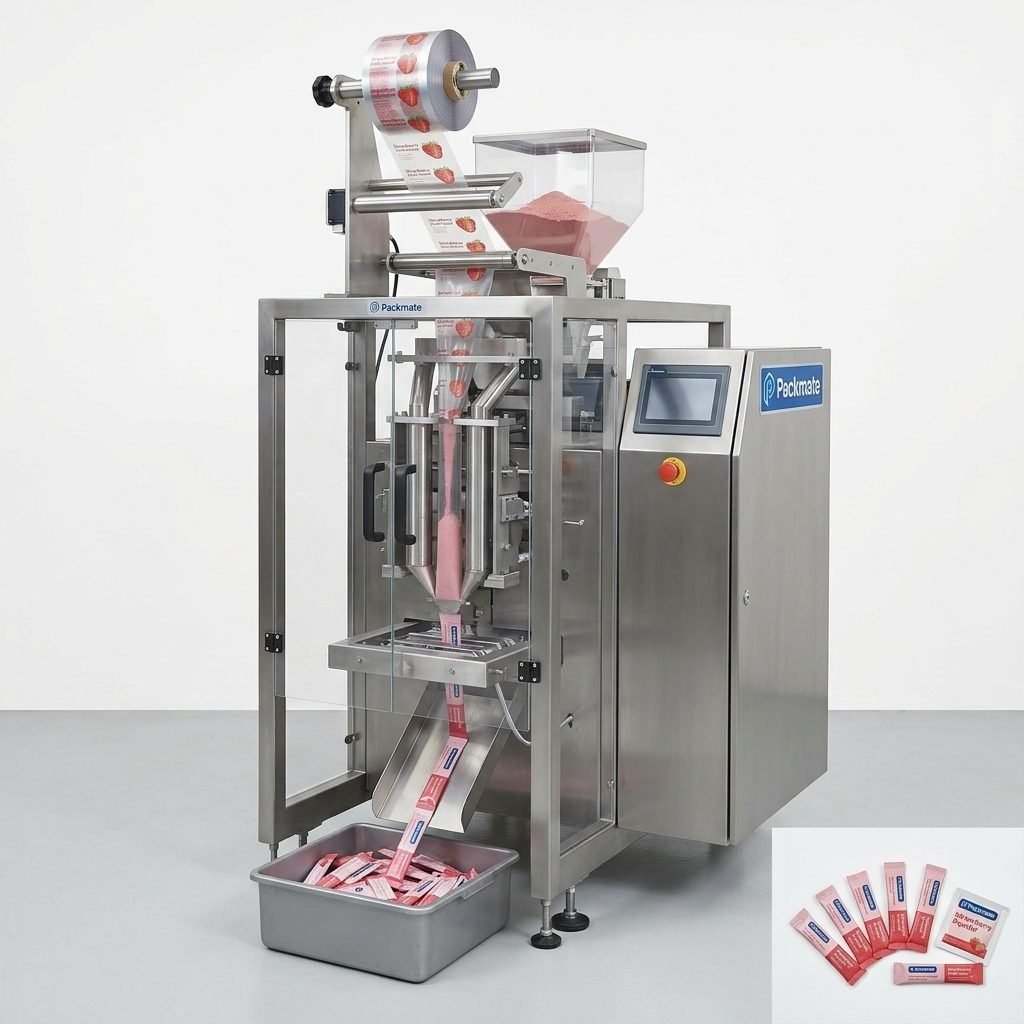
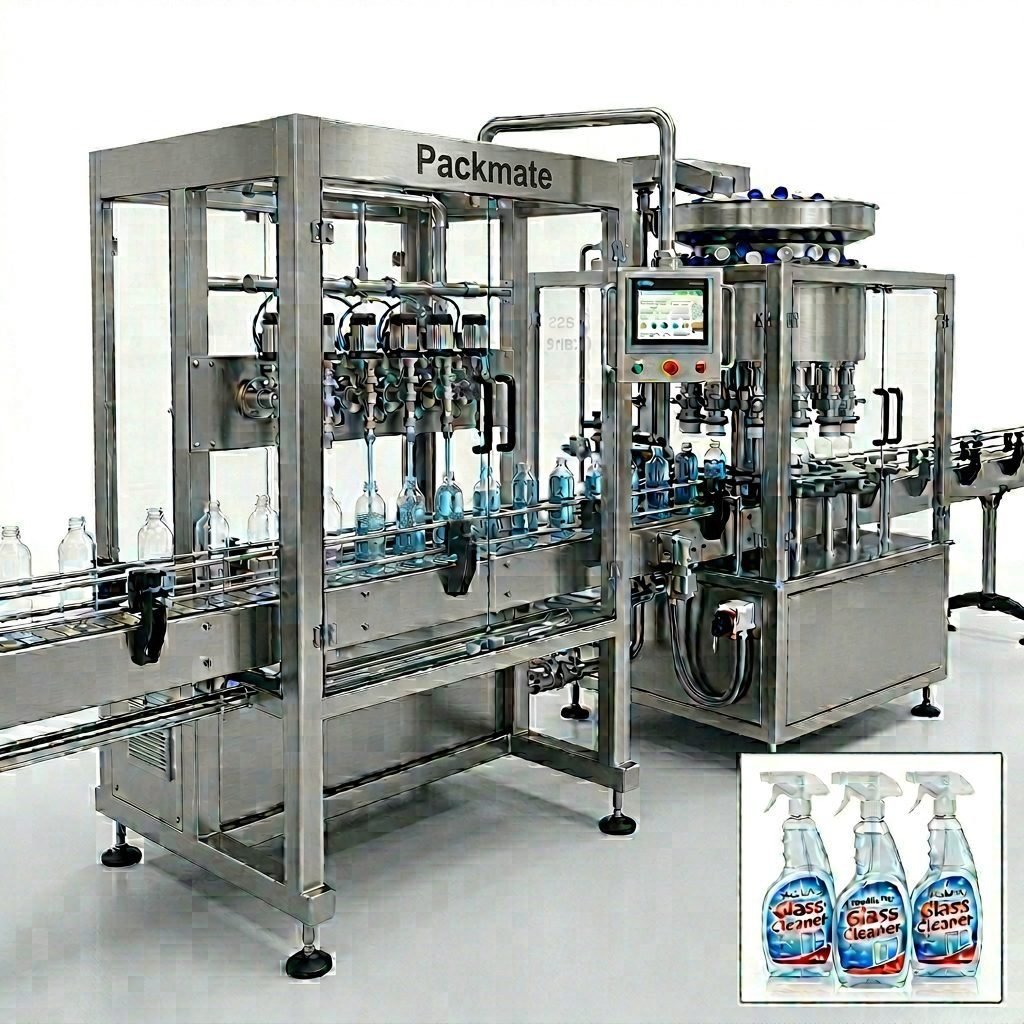
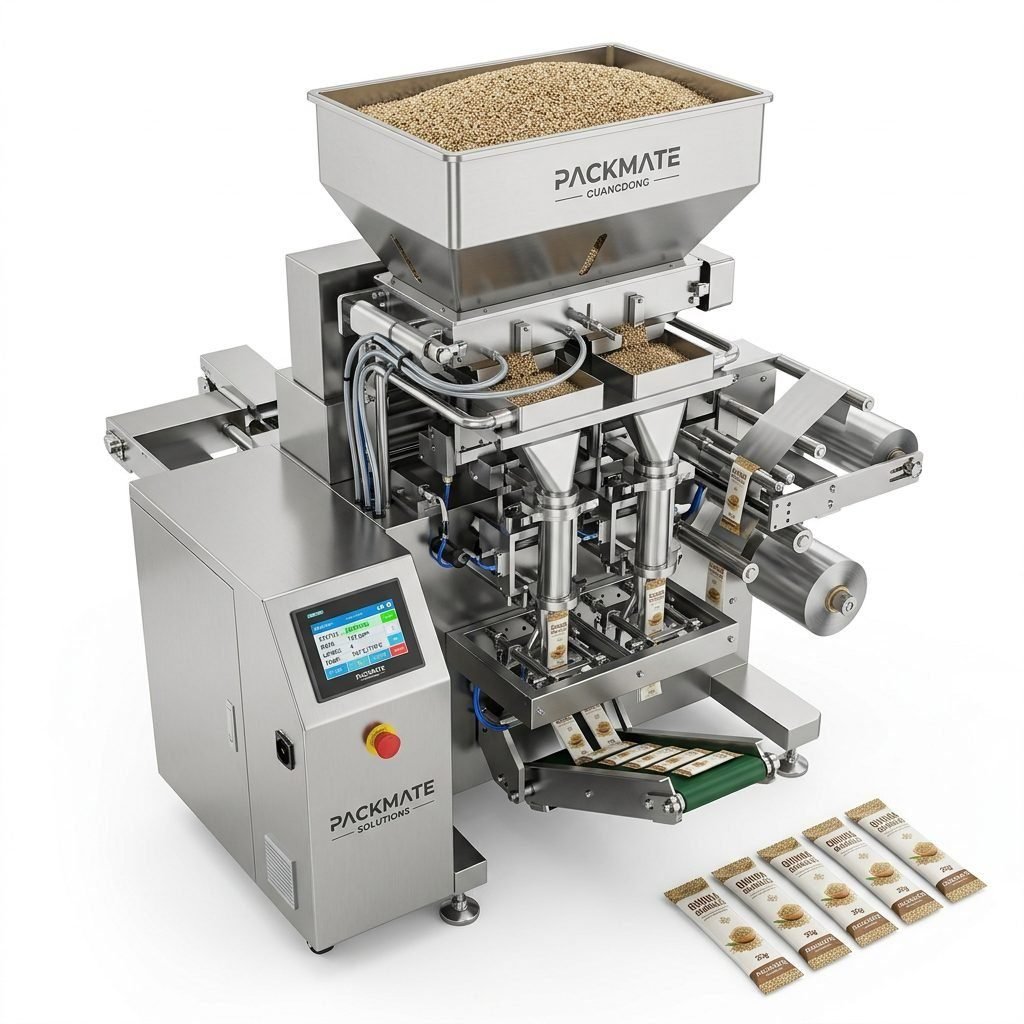
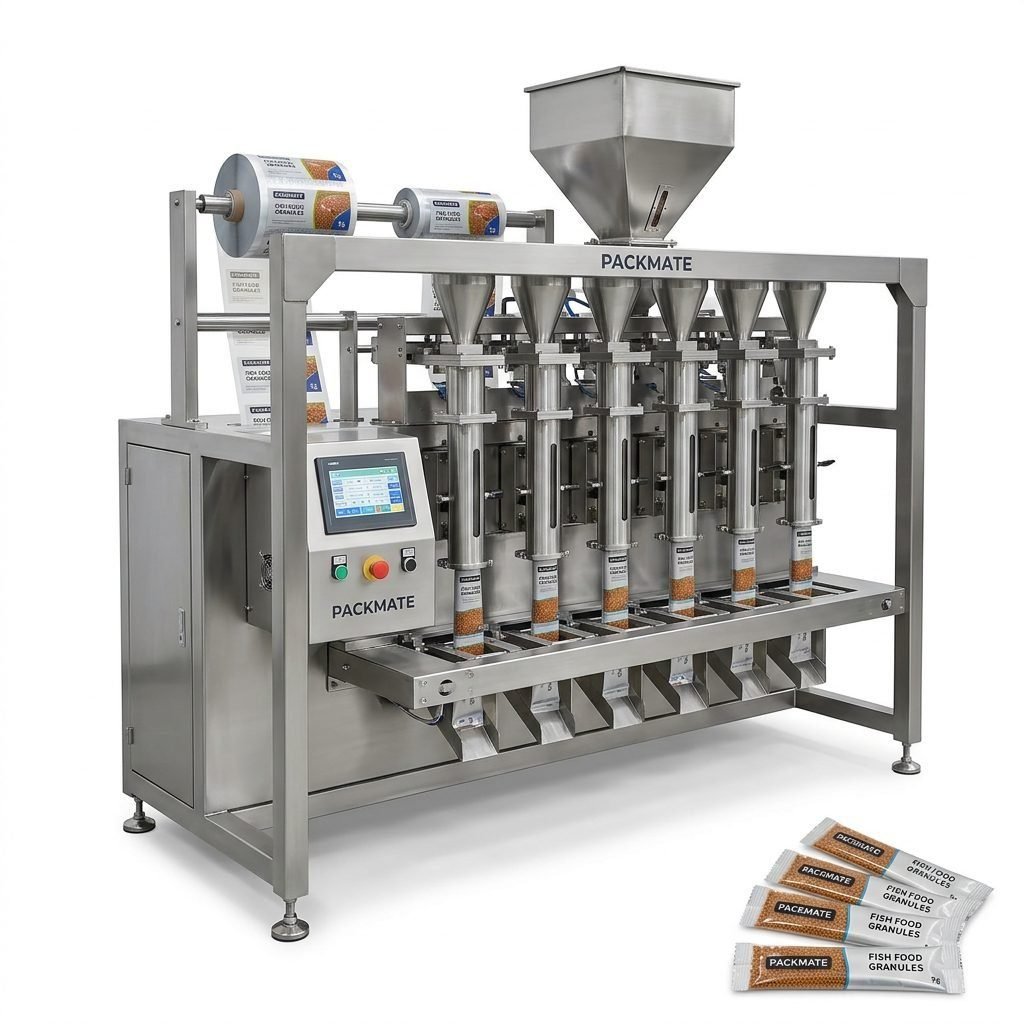
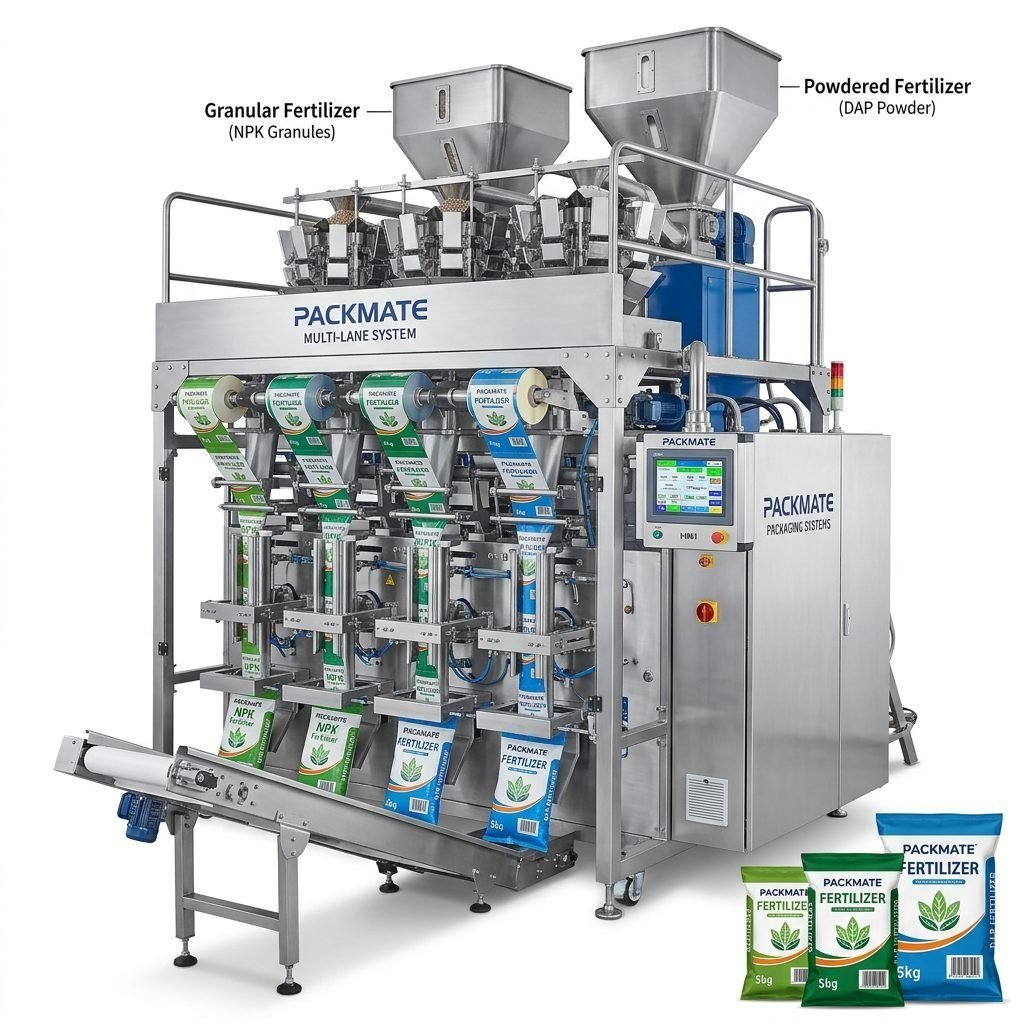
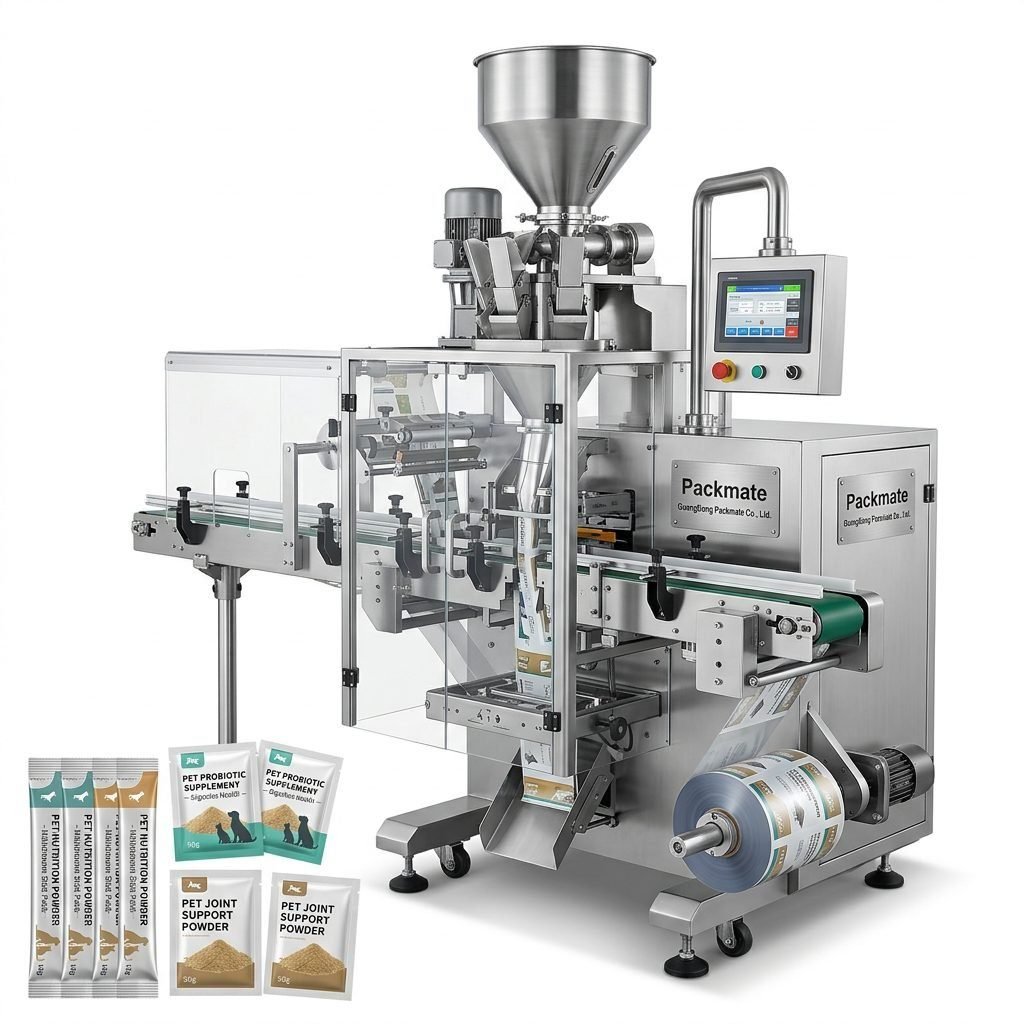
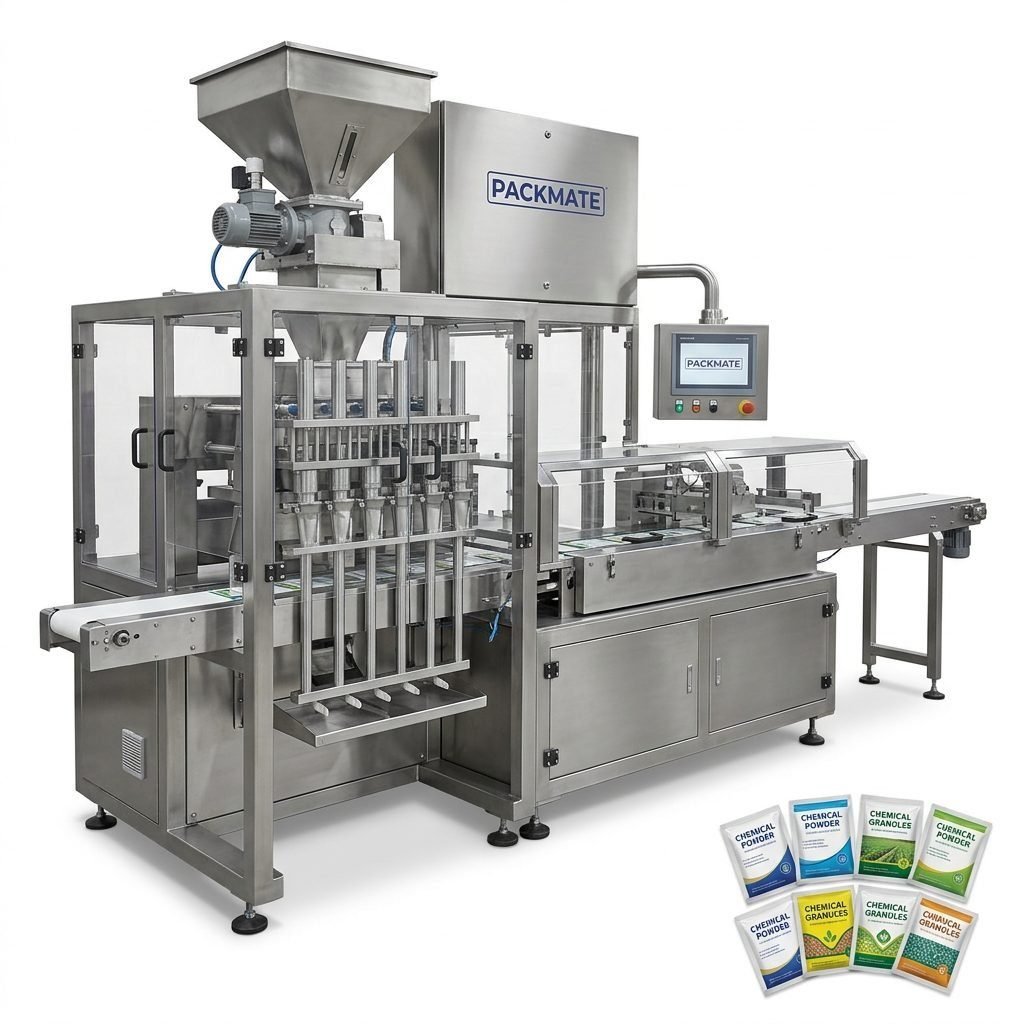
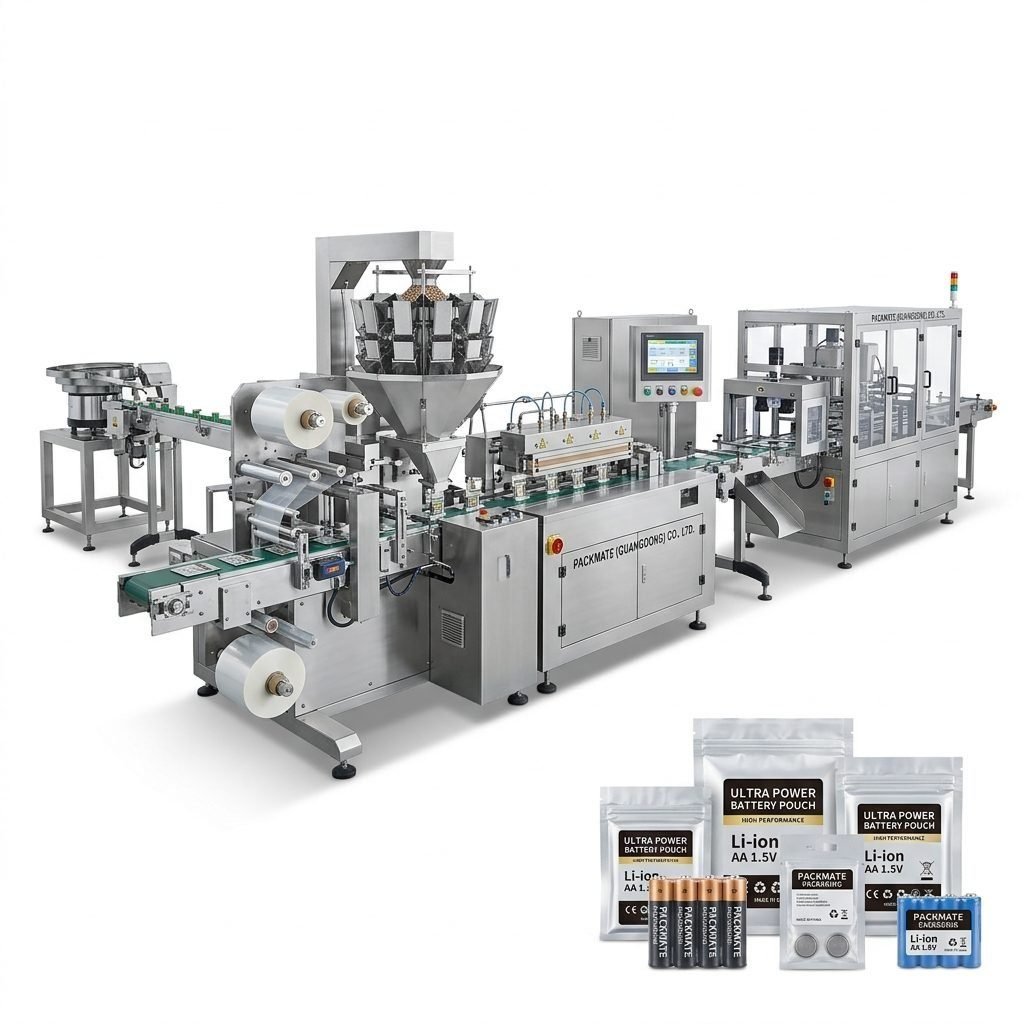
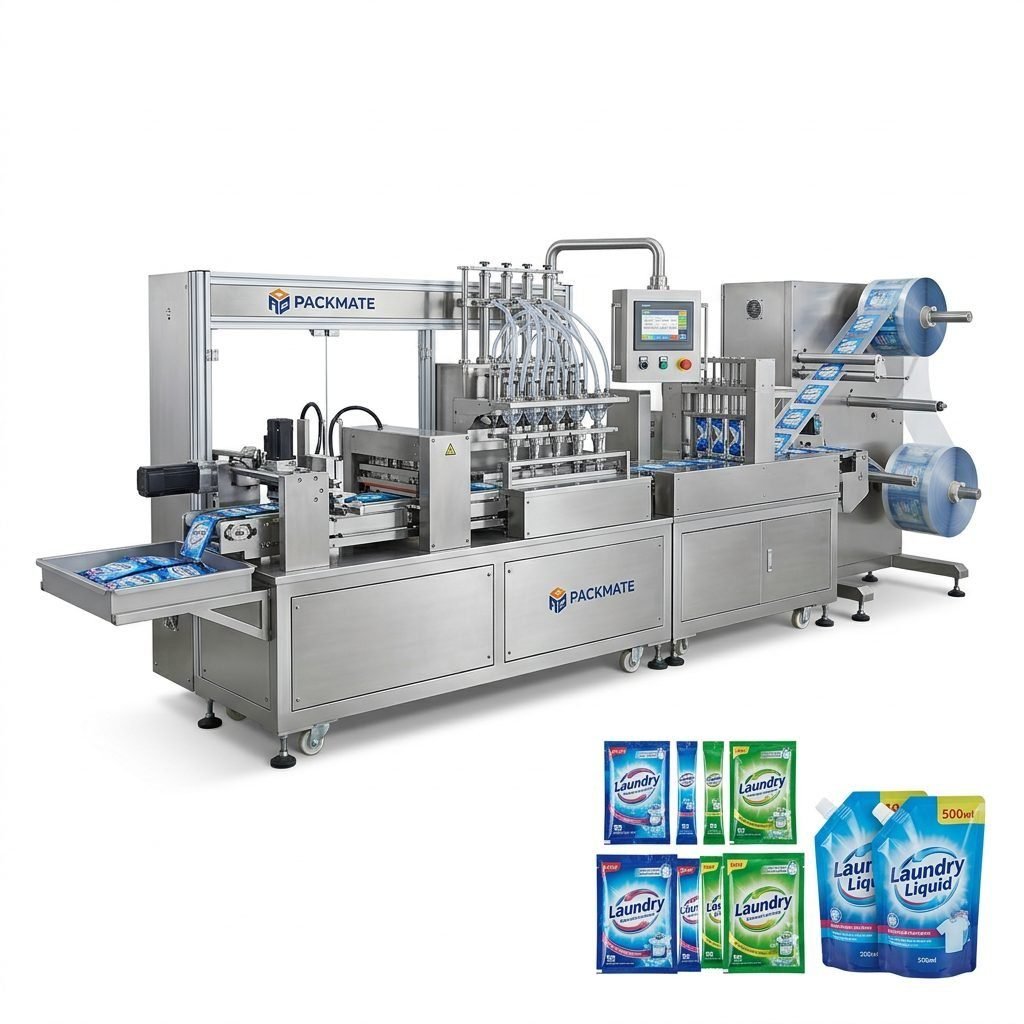
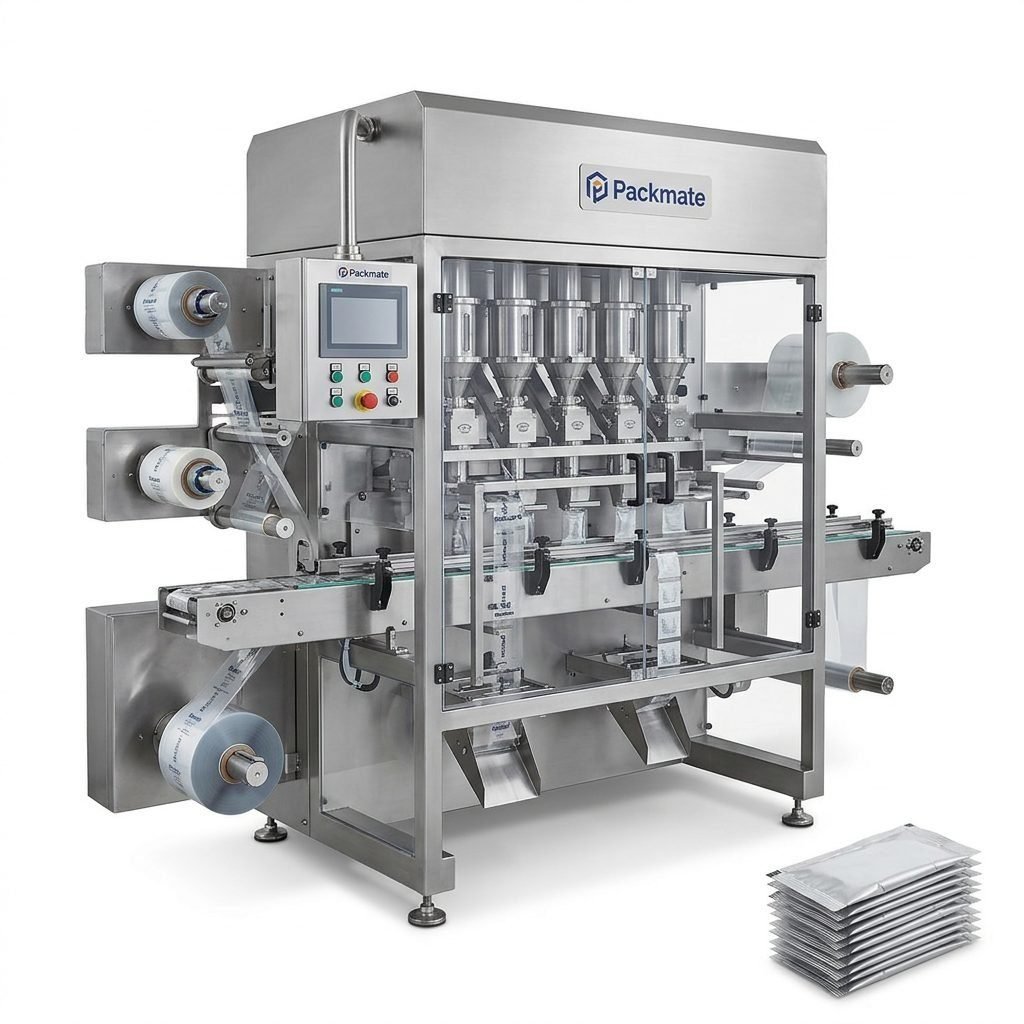
In the dynamic world of industrial packaging, efficiency, reliability, and versatility are paramount. Multivac packaging machines have established themselves as a cornerstone technology for businesses across the globe, from food and pharmaceuticals to consumer goods. This comprehensive guide delves into the various types of Multivac machines, their diverse applications, and essential tips for making an informed purchasing decision to optimize your production line.
Understanding Multivac Packaging Technology
Multivac is a leading brand synonymous with high-quality thermoforming, tray sealing, and vacuum packaging solutions. At its core, the technology involves forming a packaging web from a roll of film, filling the formed cavities with product, and then sealing a lidding material on top under controlled atmospheric conditions. This process is renowned for producing packages with excellent product protection, extended shelf life, and superior presentation. The machines are engineered for high-speed, automated operation, making them ideal for large-scale production environments where consistency and hygiene are critical.
Key Advantages of Multivac Systems
The adoption of Multivac machinery brings several compelling benefits. First and foremost is extended shelf life. By removing oxygen (in vacuum packaging) or replacing it with a protective gas mix (in modified atmosphere packaging – MAP), the growth of spoilage microorganisms is significantly inhibited. Secondly, these machines offer exceptional packaging integrity and leak-proof seals, which is crucial for liquid or semi-solid products. Furthermore, they provide remarkable flexibility in package design, size, and shape, allowing for brand differentiation on the retail shelf. Lastly, their high degree of automation integrates seamlessly with upstream and downstream processes, reducing labor costs and minimizing human contact with the product.
Primary Types of Multivac Packaging Machines
The Multivac portfolio is diverse, catering to different product types, production volumes, and packaging formats. Understanding these categories is the first step in selecting the right equipment.
1. Thermoforming Packaging Machines
These are the most versatile and widely used Multivac machines. They thermoform the base film into precise cavities, fill them, and then apply the top lidding film. They are perfect for a vast array of products including fresh meats, cheeses, ready meals, medical devices, and hardware items. Machines like those in Packmate’s Filling & Packaging Lines category often incorporate similar principles of precision forming and sealing for different formats.
2. Tray Sealing Machines
Designed for pre-formed trays, cups, or bowls, these machines focus on the filling and sealing stages. They are extremely efficient for products that are already portioned or where the container itself is part of the brand identity. The process involves loading the pre-made trays, filling them with product, and then applying a sealed lidding film. This method is prevalent in the dairy, dessert, and prepared fruit sectors.
3. Vacuum Chamber Machines
Ideal for irregularly shaped or bulky products, vacuum chamber machines place the product and packaging film into a chamber. The air is evacuated, and the bag is sealed within the vacuum environment. This type is commonly used for large cuts of meat, whole poultry, or industrial parts requiring corrosion protection.
4. Rollstock Packaging Machines
Utilizing both top and bottom webs from rolls, these machines form, fill, and seal in a continuous process. They are highly efficient for high-volume production of uniform products like sliced meats, cheese slices, or bars. The continuous motion allows for very high output speeds.
Choosing the Right Machine Type: A Quick Reference
For flexible, custom-shaped packages (e.g., cheese, sliced meats): Opt for a Thermoforming Machine.
For products in pre-made containers (e.g., yogurt, dips): A Tray Sealing Machine is optimal.
For large, irregular items (e.g., prime rib, machinery parts): A Vacuum Chamber Machine is the best fit.
For very high-speed, uniform item packaging: Consider a Rollstock Machine.
For specialized needs like granular or powdered goods, exploring dedicated Weighing & Packaging Systems can be more suitable.
Diverse Applications Across Industries
The robustness and adaptability of Multivac technology make it indispensable across numerous sectors.
Food Industry
This is the largest application area. From fresh red meat and poultry to seafood, cheese, and ready-to-eat meals, Multivac packaging preserves freshness, reduces waste, and enhances food safety. Modified Atmosphere Packaging (MAP) is particularly transformative for salads and fresh-cut produce.
Pharmaceutical & Medical
Sterility and tamper-evidence are non-negotiable. Multivac machines package medical devices, surgical kits, and pharmaceuticals in blister packs or sterile pouches, ensuring compliance with stringent regulatory standards like ISO 13485.
Consumer & Industrial Goods
Beyond food and pharma, these machines package batteries, electronic components, tools, and hardware in clamshell or skin packs, providing excellent visibility and protection from dust and moisture.
Essential Buying Tips for Your Multivac Machine
Investing in a packaging machine is a significant decision. Here are key factors to consider to ensure you choose a machine that delivers a strong return on investment.
1. Precisely Define Your Product and Output Needs
Start with a clear analysis. What are the physical characteristics of your product (size, shape, liquid/powder/solid)? What is your required production speed (packages per minute)? What are your target package dimensions and material specifications? Answering these questions will narrow down the machine type and size. For sachet and stick pack formats, reviewing options from a specialized manufacturer like Packmate’s Sachet & Stick Pack Machines range can provide valuable benchmarks.
2. Prioritize Quality and Reliability
Look for a manufacturer with a proven track record. A machine built with high-grade components (e.g., industrial PLCs, precision servo motors, quality stainless steel) will have less downtime and a longer lifespan. Investigate the supplier’s history, like Packmate’s 22+ years of development, which often correlates with refined engineering and reliable performance.
3. Evaluate After-Sales Support and Service
The machine’s value is heavily dependent on the support behind it. Ensure the supplier offers comprehensive training for your operators and maintenance staff, readily available spare parts, and responsive technical support. A global service network is a major advantage for international operations.
4. Consider Flexibility and Future-Proofing
Can the machine handle a range of package sizes with quick changeovers? Is it capable of running different packaging materials? Choosing a machine with some degree of flexibility can save capital in the long run if you plan to expand your product line. Consider if you might need integration with other Auxiliary Packaging Equipment like conveyors or checkweighers.
5. Analyze Total Cost of Ownership (TCO)
Look beyond the initial purchase price. Factor in operational costs like energy consumption, required compressed air, film waste (scrap rate), and maintenance costs. A slightly more expensive but more efficient and reliable machine often has a lower TCO over 5-10 years.
Summary: Making an Informed Choice
Selecting the right Multivac packaging machine is a strategic decision that impacts your productivity, product quality, and bottom line. By thoroughly understanding your product requirements, prioritizing machine reliability from a reputable manufacturer, and planning for strong after-sales support, you can invest in a solution that will drive efficiency and growth for years to come. Partnering with an experienced provider ensures you get not just a machine, but a complete packaging solution tailored to your needs.
Frequently Asked Questions (FAQs)
What is the main difference between vacuum packaging and modified atmosphere packaging (MAP)?
Vacuum packaging removes almost all air from the package, which is ideal for products where oxidation is the main spoilage concern (e.g., red meat). MAP replaces the air inside the package with a specific gas mixture (like nitrogen and carbon dioxide) designed to slow down microbial growth while maintaining the product’s shape, which is better for delicate items like salads or baked goods.
How often does a Multivac machine require maintenance?
Regular preventative maintenance is crucial. Daily cleaning and basic checks are required. More thorough servicing, such as lubrication, seal inspections, and part calibration, should be performed weekly, monthly, and annually as per the manufacturer’s schedule. This prevents unexpected breakdowns and maintains consistent seal quality.
Can one machine handle multiple, very different package sizes?
While many machines offer “quick changeover” capabilities, switching between vastly different sizes (e.g., a small condiment sachet and a large meal tray) typically requires changing critical components like forming dies, sealing dies, and film feed systems. True universal machines are rare; it’s more practical to define a reasonable size range for your needs.
What packaging films are compatible with thermoforming machines?
These machines can run a wide variety of multilayer barrier films, including PP/EVOH/PP, PET/PE, and PA/PE laminates. The choice depends on the required barrier properties (against oxygen, moisture, light), seal strength, clarity, and compliance (e.g., for direct food contact). Your machine supplier and film vendor can recommend the optimal material.
Is operator training difficult for these automated machines?
Modern machines with intuitive Human-Machine Interface (HMI) touchscreens are designed for easier operation. However, comprehensive training is essential for safe operation, basic troubleshooting, performing changeovers, and understanding maintenance routines. A good supplier will provide thorough on-site training to ensure your team is confident and competent.