In today’s fast-paced manufacturing landscape, achieving high efficiency and consistent quality in blister packaging is a critical goal for producers across the food, pharmaceutical, and health industries. Selecting the right blister packaging equipment is not just a purchase; it’s a strategic investment in your production line’s future. This article explores top-tier solutions and key considerations to help you streamline operations, minimize waste, and maximize output.
Core Components of a Modern Blister Packaging Line
A fully integrated blister packaging system is more than a single machine. It’s a synchronized orchestra of specialized equipment, each playing a vital role. Understanding these components is the first step toward building an efficient production line.
1. The Forming Machine
This is where the process begins. The forming machine heats a roll of thermoplastic film (like PVC, Aclar, or PVC/PVDC) and uses a mold to create the cavities or “blisters” that will hold the product. Modern machines offer precise temperature control and rapid forming cycles, which are essential for maintaining speed and ensuring blister integrity.
2. The Product Loading System
Efficiency hinges on how products are placed into the formed blisters. Solutions range from manual loading stations for low-volume or complex items to fully automated systems. High-speed automated feeders, vibratory bowls, and robotic pick-and-place units can dramatically increase output and reduce labor costs while improving placement accuracy.
3. The Sealing Machine
Once the blisters are filled, a lidding material—typically a foil or paper/foil laminate—is applied and sealed over the cavity. Advanced sealing machines ensure a hermetic and tamper-evident closure through precise control of heat, pressure, and dwell time. This step is critical for product protection, especially in moisture- or oxygen-sensitive applications common in pharmaceuticals.
4. The Cutting and Perforation Unit
The final web of sealed blisters is then cut into individual units or strips. Modern equipment uses precision dies or servo-driven cutting mechanisms to create clean, consistent edges. Perforation between blisters allows for easy patient access in pharmaceutical applications. The accuracy of this stage directly impacts the final product’s professional appearance.
Additional Auxiliary Equipment
To achieve a complete turnkey solution, consider integrating auxiliary systems. Weighing systems ensure precise product dosing. Vision inspection systems automatically check for missing products, sealing defects, or incorrect labeling. Finally, cartoning and bundling equipment handles the secondary packaging, getting your blisters ready for shipment.
Key Factors for Selecting Efficient Equipment
Choosing the right machinery requires a careful analysis of your specific needs. Here are the pivotal factors that will determine your production efficiency.
Production Speed and Output Requirements
Match the machine’s cycles-per-minute (CPM) rating to your current and projected output needs. Over-specifying can lead to unnecessary capital expenditure, while under-specifying creates a bottleneck. Consider machines with modular designs that allow for future speed upgrades as your business grows.
Material Compatibility and Flexibility
Can the machine handle the specific film and lidding materials you require? More importantly, does it offer quick changeover capabilities? Equipment that allows for rapid mold and tooling changes enables you to run multiple product types or blister sizes on the same line, maximizing asset utilization and responding swiftly to market demands.
Automation and Integration Level
The degree of automation directly impacts labor costs, consistency, and throughput. Evaluate the potential return on investment (ROI) for automated loading, inspection, and packaging stages. Seamless integration between different machines (forming, filling, sealing) via programmable logic controllers (PLCs) ensures smooth material flow and reduces downtime.
Machine Robustness and Reliability
Efficiency is meaningless without uptime. Investigate the build quality, the reputation of the manufacturer, and the availability of spare parts and service. A machine built with high-grade components and backed by strong technical support, like those from established manufacturers such as Packmate Machinery, minimizes unexpected breakdowns and ensures long-term productivity.
Regulatory and Quality Compliance
For industries like pharmaceuticals and medical devices, compliance with standards such as cGMP (current Good Manufacturing Practice) is non-negotiable. Equipment should be designed for easy cleaning and validation, with documentation to support qualification protocols. Features like data logging for critical process parameters are increasingly important.
Benefits of Optimizing Your Blister Packaging Line
Investing in top blister packaging equipment solutions yields tangible returns that go beyond simple speed.
Enhanced Product Protection & Shelf Life: Precise sealing technology creates a superior barrier against environmental factors, crucial for sensitive products.
Significant Reduction in Material Waste: Advanced controls and accurate cutting minimize film and lidding material waste, lowering your cost per unit.
Improved Operational Efficiency: Automated systems reduce manual handling, decrease changeover times, and allow your workforce to focus on higher-value tasks like quality control and supervision.
Scalability for Business Growth: A well-chosen, modular system can grow with your business, accommodating new products and higher volumes without requiring a complete line replacement.
Partnering with an Experienced Manufacturer
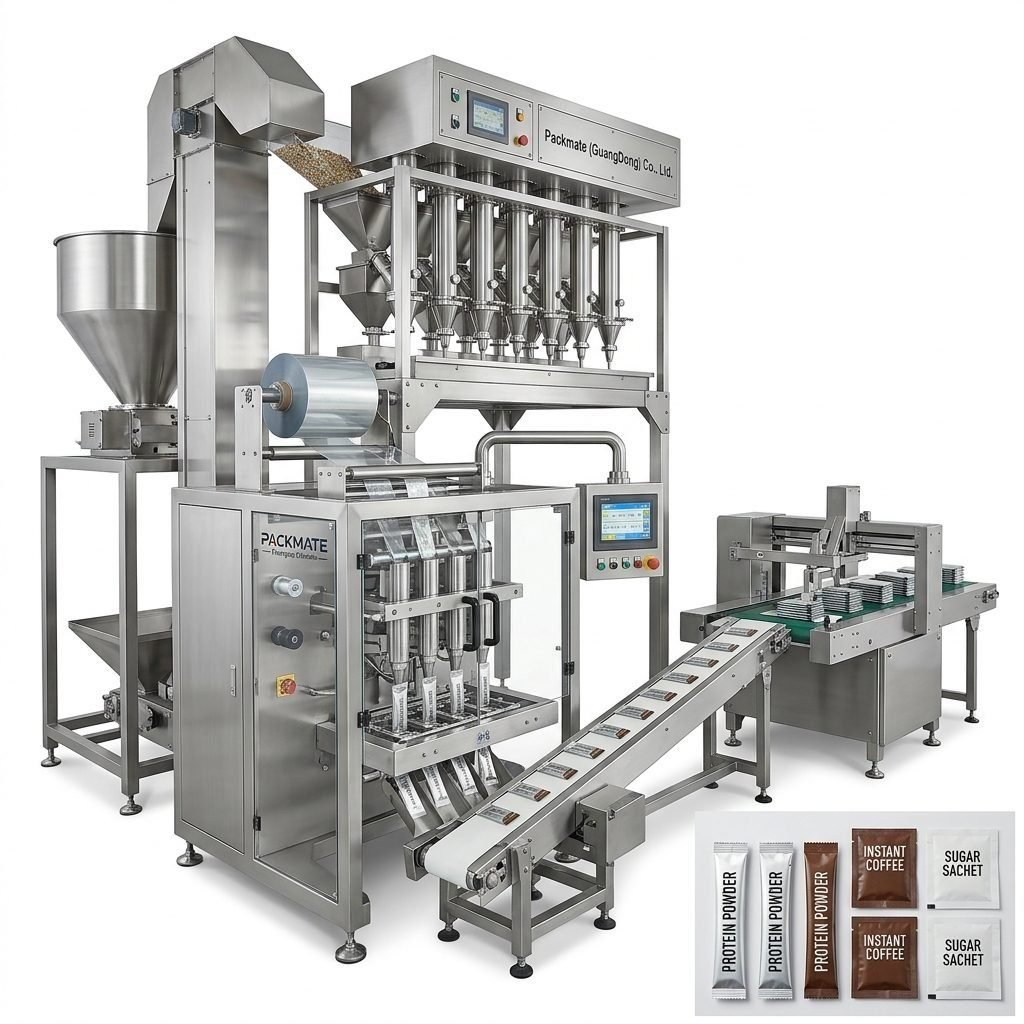
The journey to an efficient blister packaging line is best undertaken with a reliable partner. A manufacturer with deep industry experience, like Packmate (GuangDong) Co., Ltd., brings invaluable expertise. With over 30 years in designing intelligent packaging solutions, they understand the nuanced challenges of different industries. Their complete filling and packaging lines are engineered for reliability and can be customized to meet specific production goals. Choosing a partner committed to innovation and quality ensures your equipment remains a competitive asset for years to come.
Frequently Asked Questions (FAQs)
What is the typical lead time for a new blister packaging line?
Lead times vary significantly based on the complexity, customization level, and manufacturer’s backlog. For standard models, it can range from 12 to 20 weeks. For highly customized or fully integrated turnkey lines, planning for 6 months or more is advisable. Always discuss timelines in detail with your supplier during the quotation process.
How can I reduce changeover time between different blister sizes or products?
Invest in equipment designed for quick changeovers. Look for features like tool-less adjustments, digital settings recall for different product recipes, and quick-release mechanisms for molds and forming plates. Proper training for operators on changeover procedures is equally critical to minimize downtime.
What kind of maintenance schedule does blister packaging equipment require?
Maintenance is split into daily, weekly, and periodic schedules. Daily tasks include cleaning and visual inspections. Weekly checks might involve lubricating moving parts and checking seal integrity. Periodic maintenance (quarterly or annually) should be performed by qualified technicians and involves in-depth calibration and wear-part replacement, as outlined in the machine’s manual.
Can existing packaging lines be upgraded or retrofitted for higher efficiency?
Yes, in many cases. Upgrades such as adding automated vision inspection systems, integrating robotic loaders, or updating the PLC for better synchronization can enhance an existing line’s performance. Consult with the original equipment manufacturer or a specialist to assess the feasibility and ROI of retrofitting your specific machinery.
What are the most common causes of defects in blister packaging, and how can they be prevented?
Common defects include weak seals, deformed blisters, and product misplacement. Prevention starts with machine calibration: ensure proper heat, pressure, and timing for sealing; verify forming temperature and vacuum; and calibrate feeding systems. Implementing automated inspection equipment can catch defects in real-time, preventing waste and ensuring consistent quality.