In the fast-paced world of manufacturing, efficiency is the cornerstone of profitability and competitiveness. A well-optimized production line hinges on the performance of its core components, with packaging machines playing a pivotal role. Selecting the right equipment can dramatically increase output, reduce waste, and ensure product integrity. This guide explores the top 10 packaging machines that are essential for building or upgrading an efficient production line, focusing on versatility, speed, and reliability.
1. Multi-Lane Stick Pack Machines
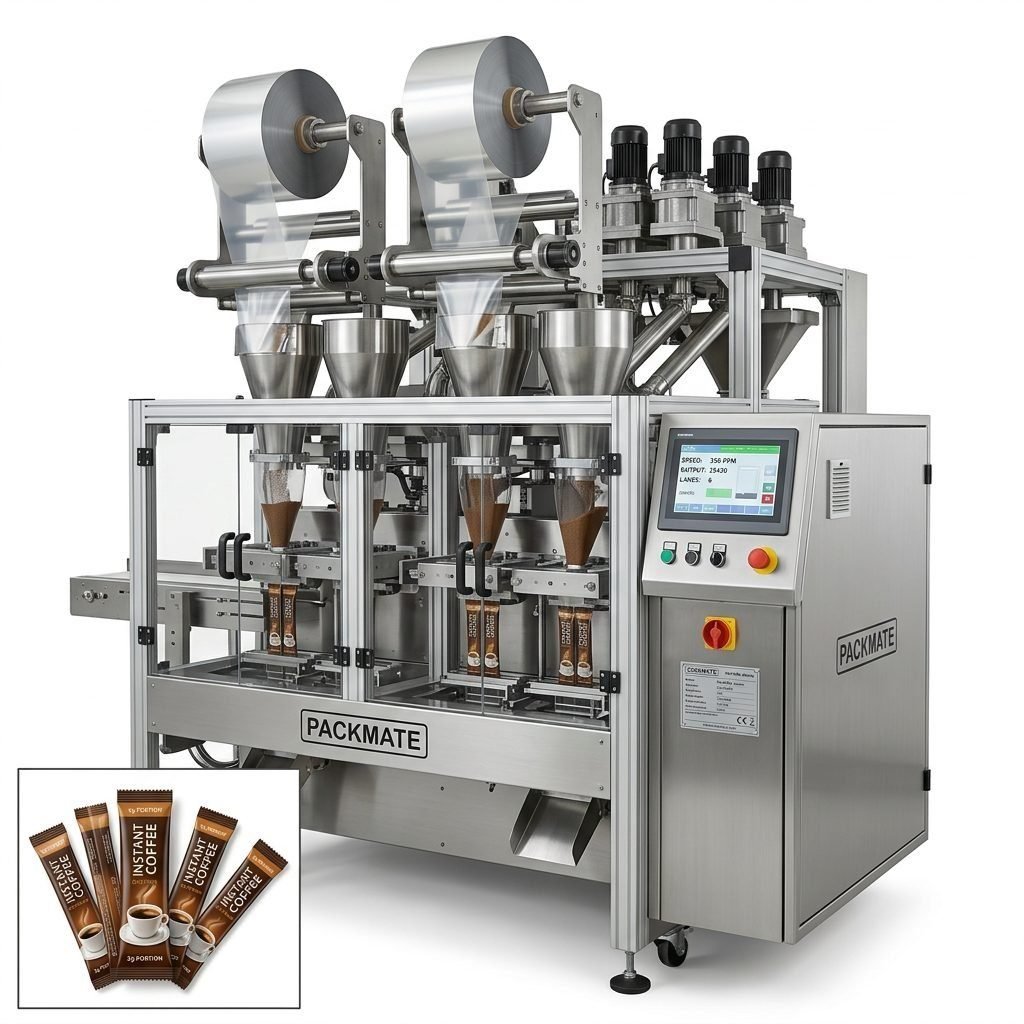
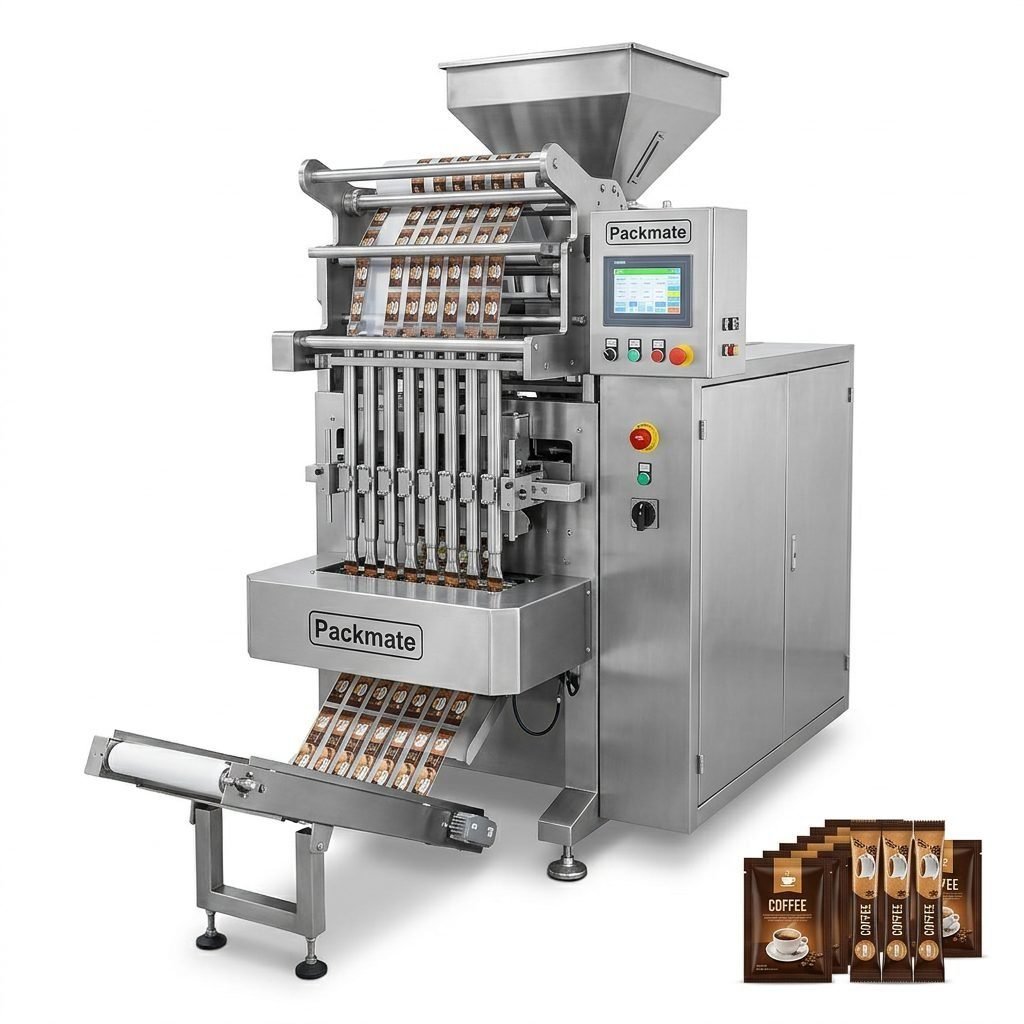
For high-volume production of granular products like instant coffee, sugar, or supplements, multi-lane stick pack machines are unparalleled. These systems operate multiple lanes simultaneously, dramatically boosting output. Modern versions offer precise weight control and integrated sealing technology, minimizing product giveaway and ensuring consistent pouch quality. Their compact, linear design makes them ideal for integration into continuous production flows.
2. High-Speed Sachet Packaging Machines
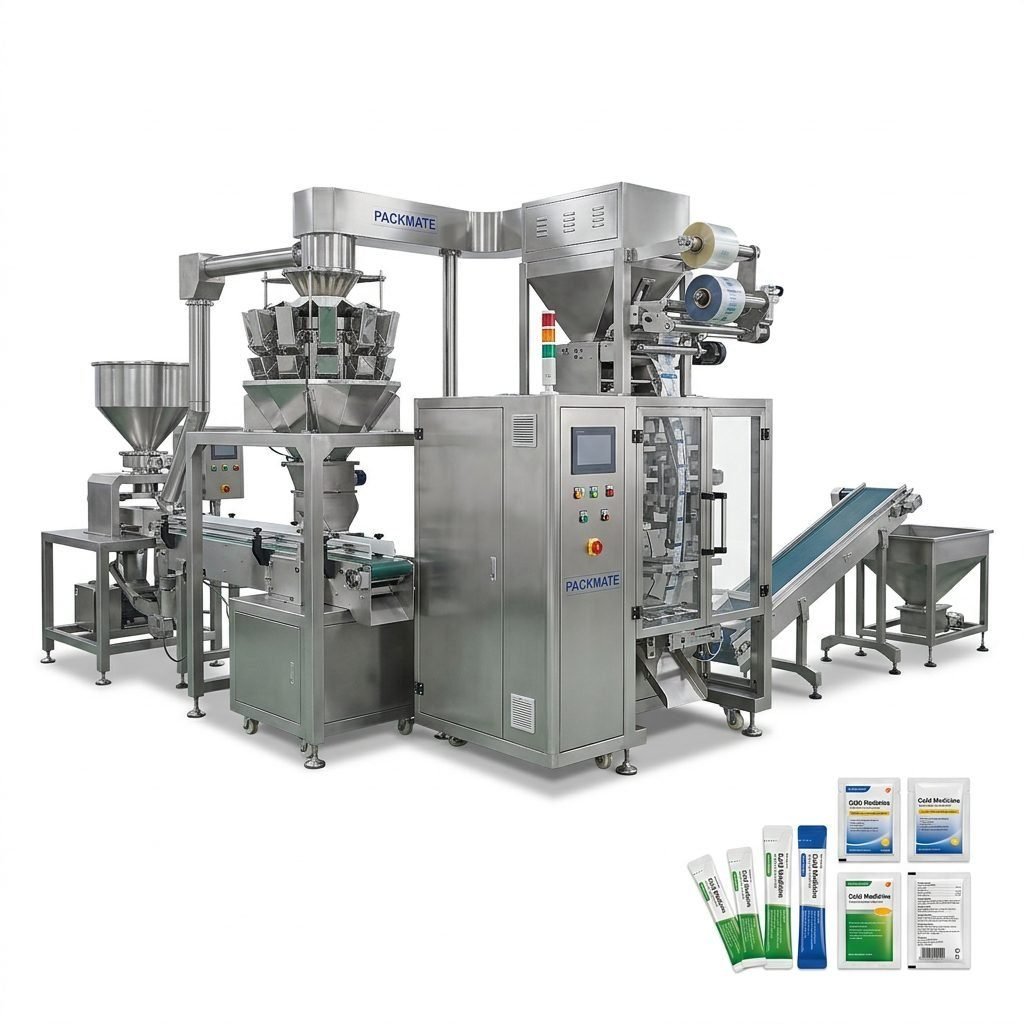
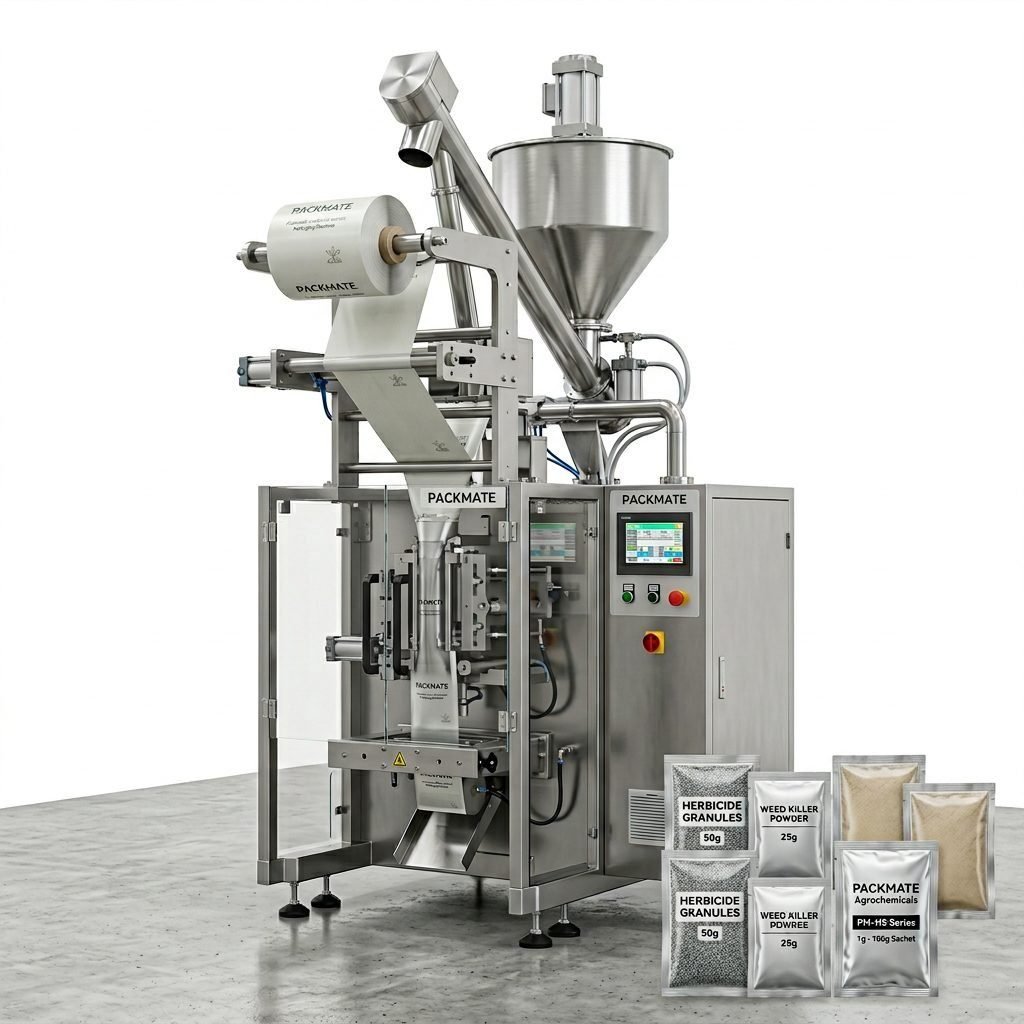
Sachets are ubiquitous for single-serve portions of powders, liquids, and creams. High-speed sachet machines are engineered for rapid, reliable forming, filling, and sealing. Key features to look for include servo-driven precision for accurate dosing and the ability to handle a variety of materials, from laminated films to recyclable paper composites. This versatility is crucial for brands adapting to changing consumer preferences and sustainability goals.
3. Vertical Form-Fill-Seal (VFFS) Machines
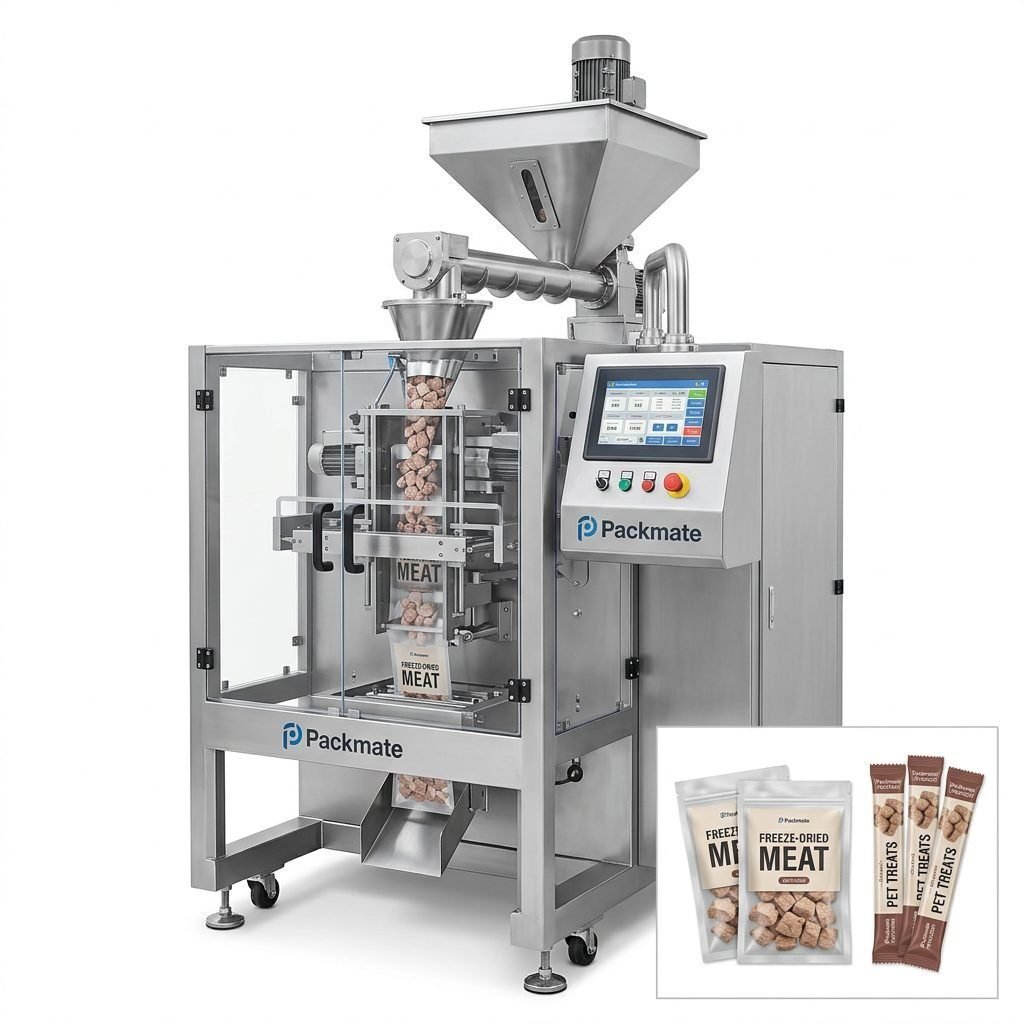
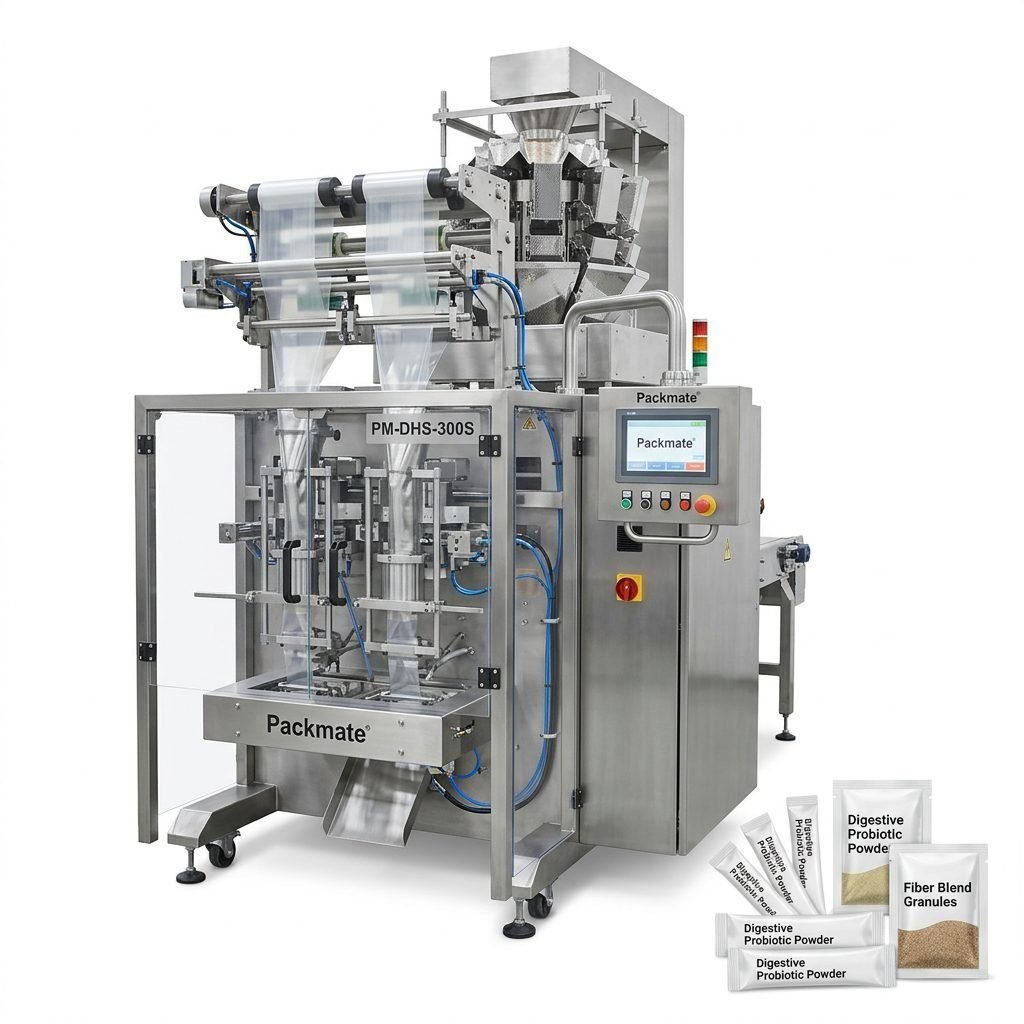
The workhorse of the packaging industry, VFFS machines are incredibly versatile. They form bags from a roll of film, fill them with product—be it snacks, hardware, or frozen foods—and seal them in one continuous operation. For efficient lines, look for models with advanced weighing systems and quick changeover capabilities to reduce downtime between production runs. Their adaptability makes them a fundamental asset.
4. Liquid & Paste Filling Lines
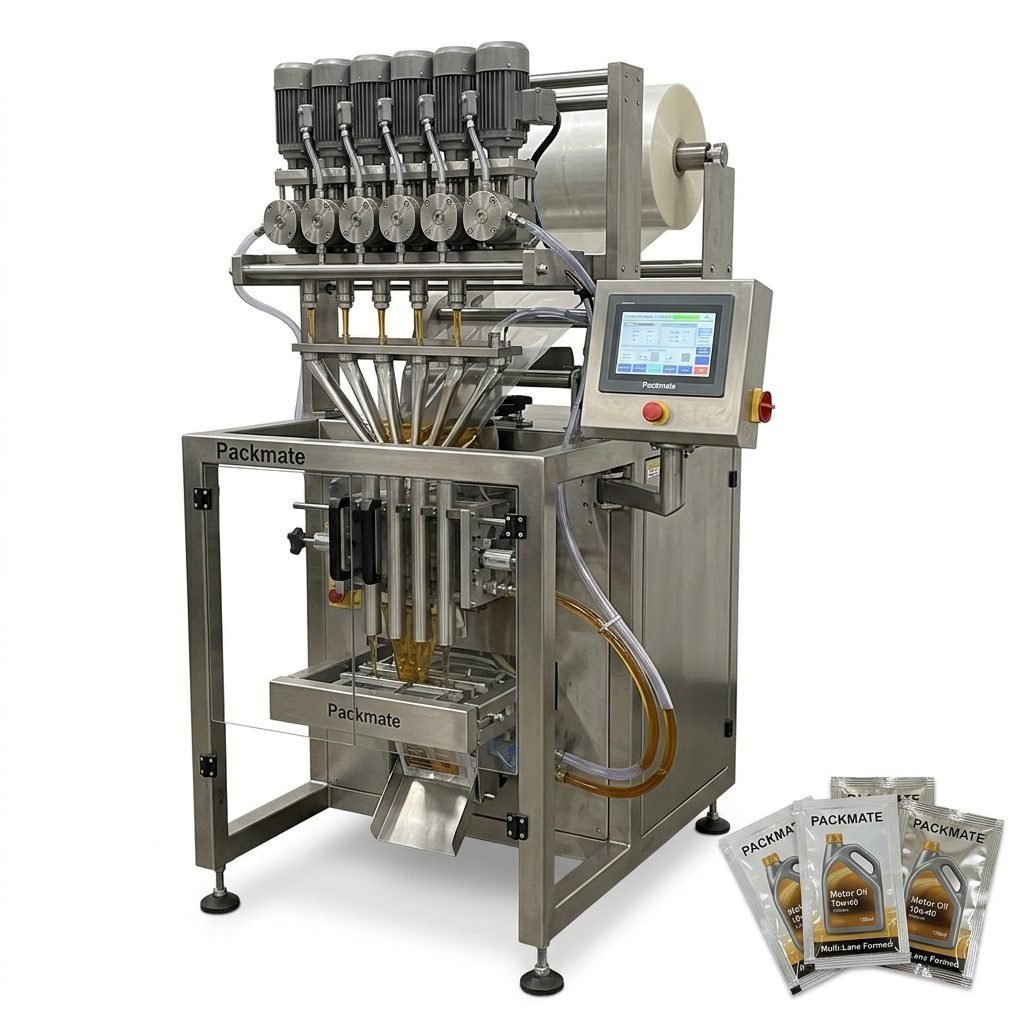
Packaging viscous products like sauces, cosmetics, or pharmaceuticals requires specialized equipment. Automated liquid filling lines combine precision piston or pump fillers with capping and labeling stations. Efficiency is gained through leak-proof sealing, minimal drip technology, and high-speed rotary systems that maintain hygiene and accuracy at elevated production rates.
5. Granule & Powder Weighing Systems
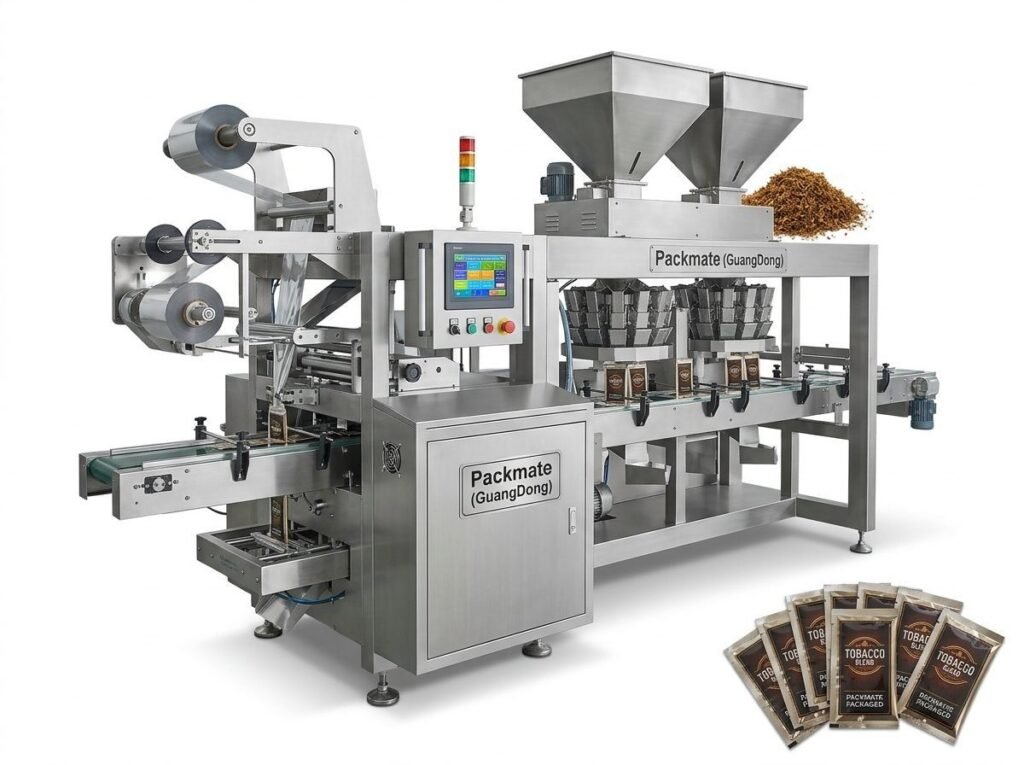
Accuracy is non-negotiable when packaging dry goods. Automated multi-head weighers and auger filler systems ensure each bag meets exact weight specifications, complying with regulations and controlling costs. Integrating these with downstream baggers creates a seamless, efficient segment of your production line, crucial for products like stick pack tea or protein powder.
6. Bag-in-Box Packaging Systems
For bulk liquid or semi-liquid products, bag-in-box systems offer efficient, space-saving, and hygienic packaging. These machines automatically form a plastic bag, fill it, seal it, and place it into a corrugated box. They are essential for industries like foodservice and industrial chemicals, where efficient handling and extended shelf life are paramount.
7. Cartoning Machines
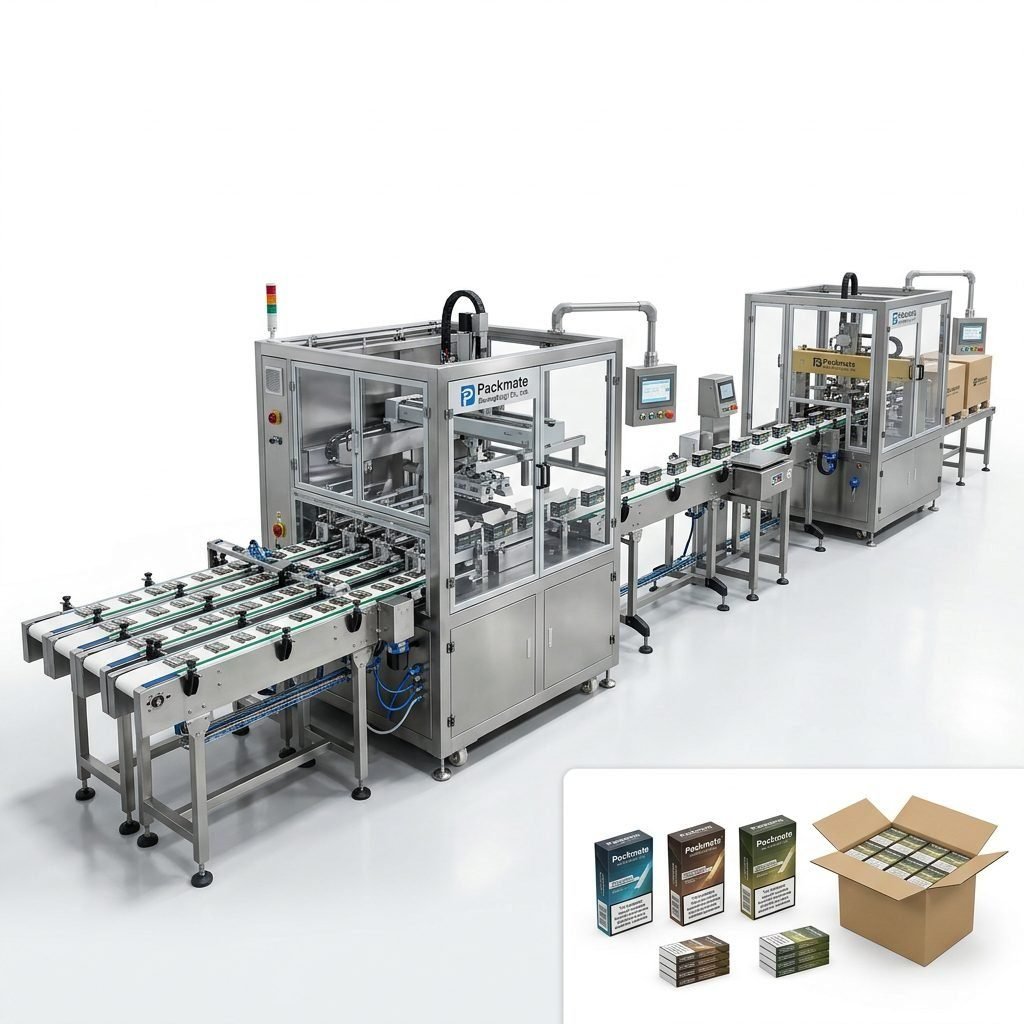
Efficiency isn’t just about primary packaging. Automatic cartoning machines erect, load, and seal folding cartons at high speeds. Whether loading sachets, bottles, or blister packs, they streamline the secondary packaging process. Look for models with robotic loading arms and vision systems for inspection to ensure zero-defect packaging and smooth line integration.
8. Tray Sealing & Skin Packaging Machines
For premium product presentation and extended freshness, tray sealing and skin packaging are highly effective. These machines efficiently seal a lidding film over a pre-formed tray, creating a tamper-evident and visually appealing package. They are widely used for fresh produce, meats, and electronics, enhancing both shelf appeal and protection.
9. Case Packing & Palletizing Systems
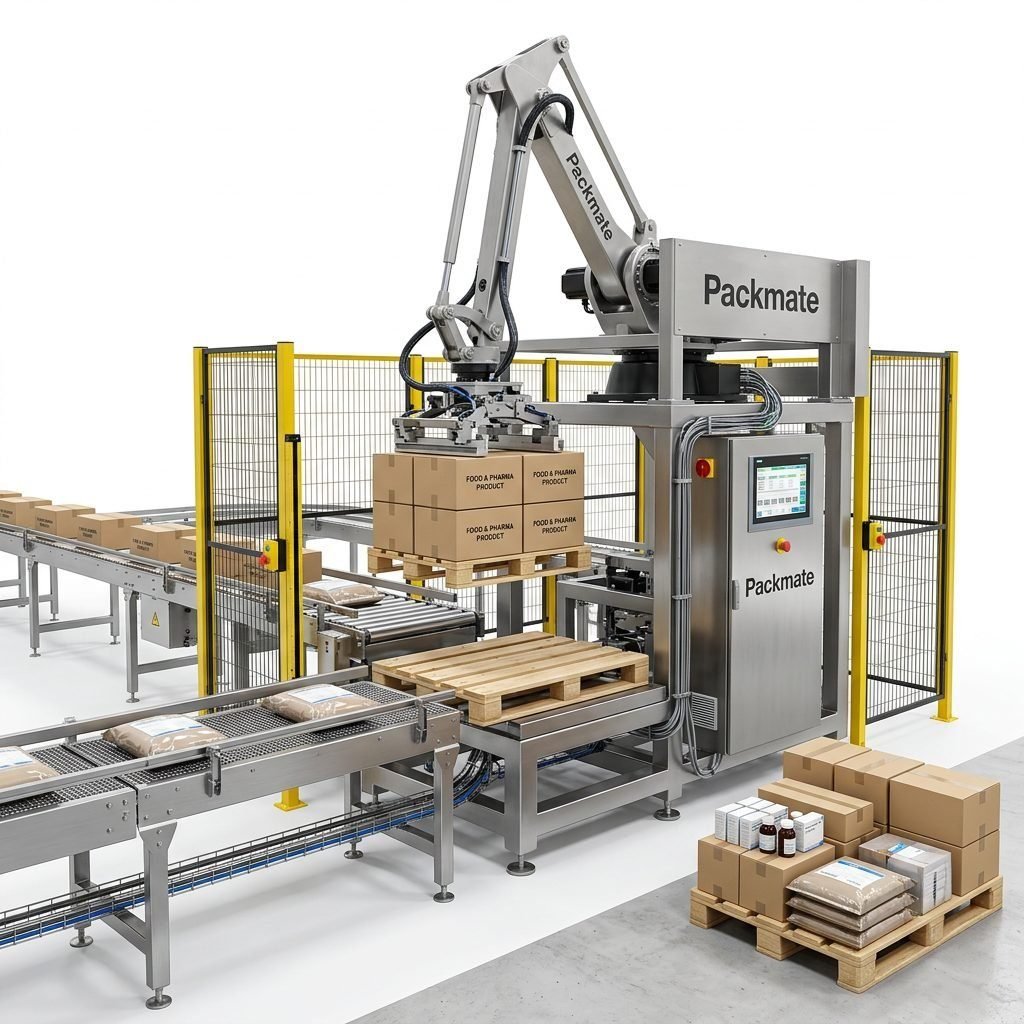
The end of the line demands efficiency too. Robotic case packers and palletizers automate the final steps of grouping products into shipping cases and stacking them onto pallets. This not only speeds up operations but also reduces labor costs and physical strain, creating a safer and more consistent output for warehouse and logistics.
10. Integrated Turnkey Packaging Lines
The ultimate in efficiency is a fully synchronized system. Turnkey lines combine multiple machines—from feeding and weighing to primary packaging and boxing—into one cohesive, computer-controlled unit. Companies like Packmate Machinery specialize in designing these custom solutions, ensuring all components communicate flawlessly for maximum throughput and minimal operational complexity.
Investing in the right packaging technology is an investment in your production line’s future. From the high-speed precision of a bag packaging machine to the holistic integration of a turnkey line, each machine plays a critical role in driving efficiency, reducing waste, and maintaining product quality. By understanding the capabilities of these top 10 machine categories, you can make informed decisions that bolster your competitiveness and operational excellence.
Frequently Asked Questions (FAQs)
1. How do I choose between a stick pack and a sachet machine for my product?
The choice often depends on product form and dosing. Stick packs are typically ideal for free-flowing granules and powders in slender, portable formats. Sachets offer more surface area and are better suited for finer powders, liquids, pastes, or products requiring larger single-serve portions.
2. What is the most important factor for ensuring packaging line efficiency?
While machine speed is important, reliability and minimal changeover time are often more critical for overall efficiency. A slightly slower machine that runs consistently with less downtime and faster product switchovers will usually yield higher net output than a faster but less reliable one.
3. Can I upgrade my existing packaging machine to make it more efficient?
Yes, many machines can be retrofitted with upgrades. Common efficiency upgrades include adding more accurate digital weighing systems, implementing servo motors for better motion control, or integrating auxiliary equipment like automated product feeders or checkweighers to create a smoother flow.
4. How does a turnkey packaging line differ from buying individual machines?
Individual machines require you to handle integration, synchronization, and communication between units. A turnkey line is supplied as a complete, tested system from a single provider like Packmate. It’s designed to work harmoniously from start to finish, reducing engineering burden, startup time, and potential compatibility issues.
5. What maintenance is required to keep packaging machines running efficiently?
Regular preventive maintenance is key. This includes daily cleaning to prevent product buildup, periodic lubrication of moving parts, inspection and replacement of wear items like sealing jaws and cutter blades, and keeping software/firmware updated. A well-maintained machine prevents unplanned stoppages and maintains consistent quality.