Finding the perfect sealer vacuum packaging machine can transform how you preserve food, whether you’re a home cook looking to extend freshness or a business owner needing efficient commercial packaging. The right machine not only protects your products from air and moisture but also enhances shelf life and maintains quality. This guide explores the best options for both home and commercial use, helping you make an informed decision based on your specific needs.
Why Vacuum Sealing is Essential
Vacuum sealing removes air from the packaging, creating an airtight environment that significantly slows down food spoilage. This process inhibits the growth of bacteria, mold, and yeast, which require oxygen to thrive. For households, this means less food waste and the ability to buy in bulk. For commercial operations, it ensures product consistency, safety, and longer distribution windows. The technology is now accessible and affordable, making it a staple in modern kitchens and industries alike.
Key Benefits at a Glance
Extended Freshness: Vacuum-sealed food can last 3 to 5 times longer than conventional storage methods.
Prevents Freezer Burn: By eliminating air, it protects frozen goods from dehydration and ice crystals.
Saves Space: Removes air to create compact, stackable packages, optimizing storage.
Marinates Faster: Vacuum pressure pulls marinades deep into food, reducing marinating time.
Protects Non-Food Items: Ideal for preserving documents, electronics, or collectibles from moisture and oxidation.
Choosing a Machine for Home Use
Home vacuum sealers are designed for ease of use, compact storage, and handling moderate volumes. They typically fall into two categories: external suction sealers and chamber vacuum sealers. External sealers are more common and affordable, using a handheld hose or a sealing bar. They are perfect for sealing bags of dry goods, meats, and leftovers. Look for features like a pulse function for delicate items, an integrated bag cutter, and a roll storage compartment for convenience. For serious home cooks or those who preserve large quantities, a small chamber vacuum sealer offers more power and can handle liquids, but requires more counter space and a higher investment.
Top Home Use Considerations
When selecting a machine for your kitchen, prioritize ease of cleaning, noise level, and bag compatibility. Some models only work with proprietary bags, which can become expensive over time. Opt for a machine that uses standard, readily available vacuum bags or rolls. Also, consider the sealing speed and whether it has a manual mode for customizing vacuum strength. A good home sealer should be a reliable partner in reducing waste and organizing your pantry and freezer efficiently.
Selecting a Machine for Commercial Use
Commercial vacuum packaging machines are built for durability, high-speed operation, and continuous use in demanding environments like restaurants, butcher shops, food processing plants, and laboratories. The primary types are single-chamber vacuum sealers, double-chamber vacuum sealers, and belt-chamber or rotary-chamber systems for very high throughput. These machines often feature stainless steel construction, programmable settings, gas flushing capabilities (for Modified Atmosphere Packaging – MAP), and stronger vacuum pumps. The choice depends entirely on your production volume, package size, and whether you need to seal liquids or powders.
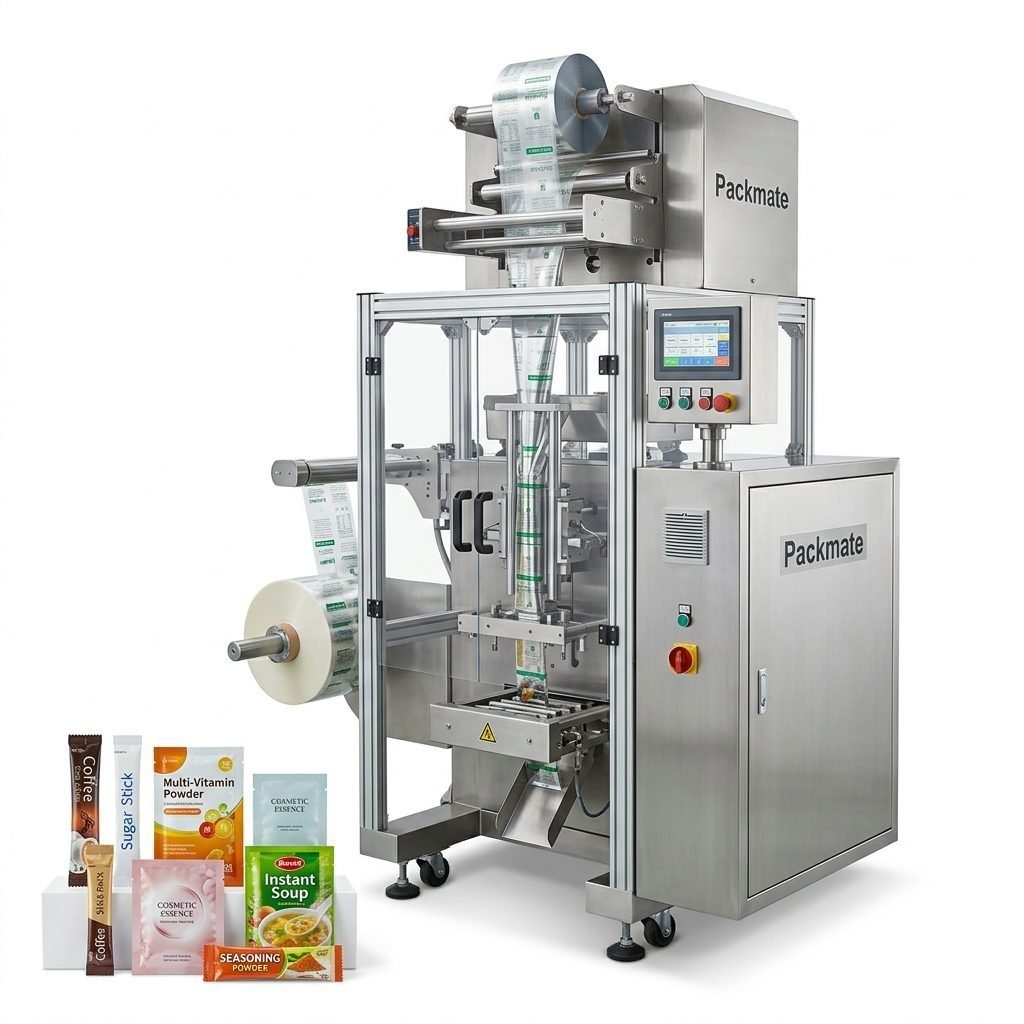
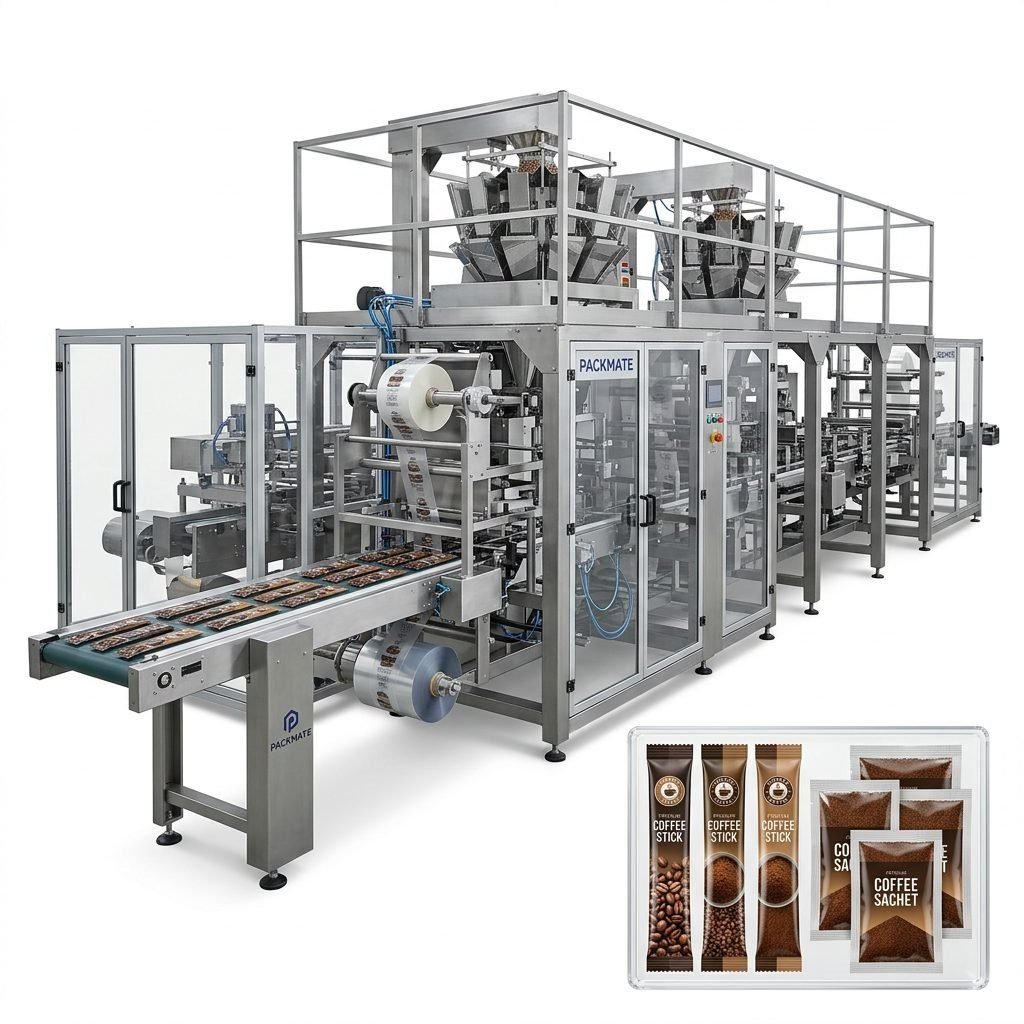
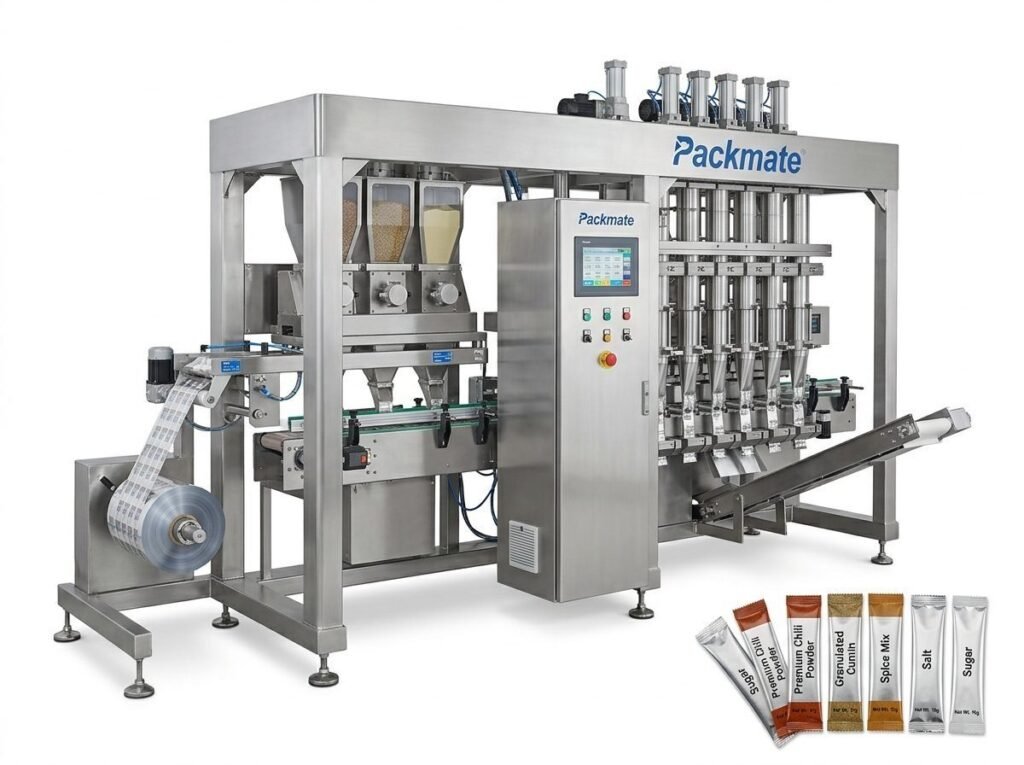
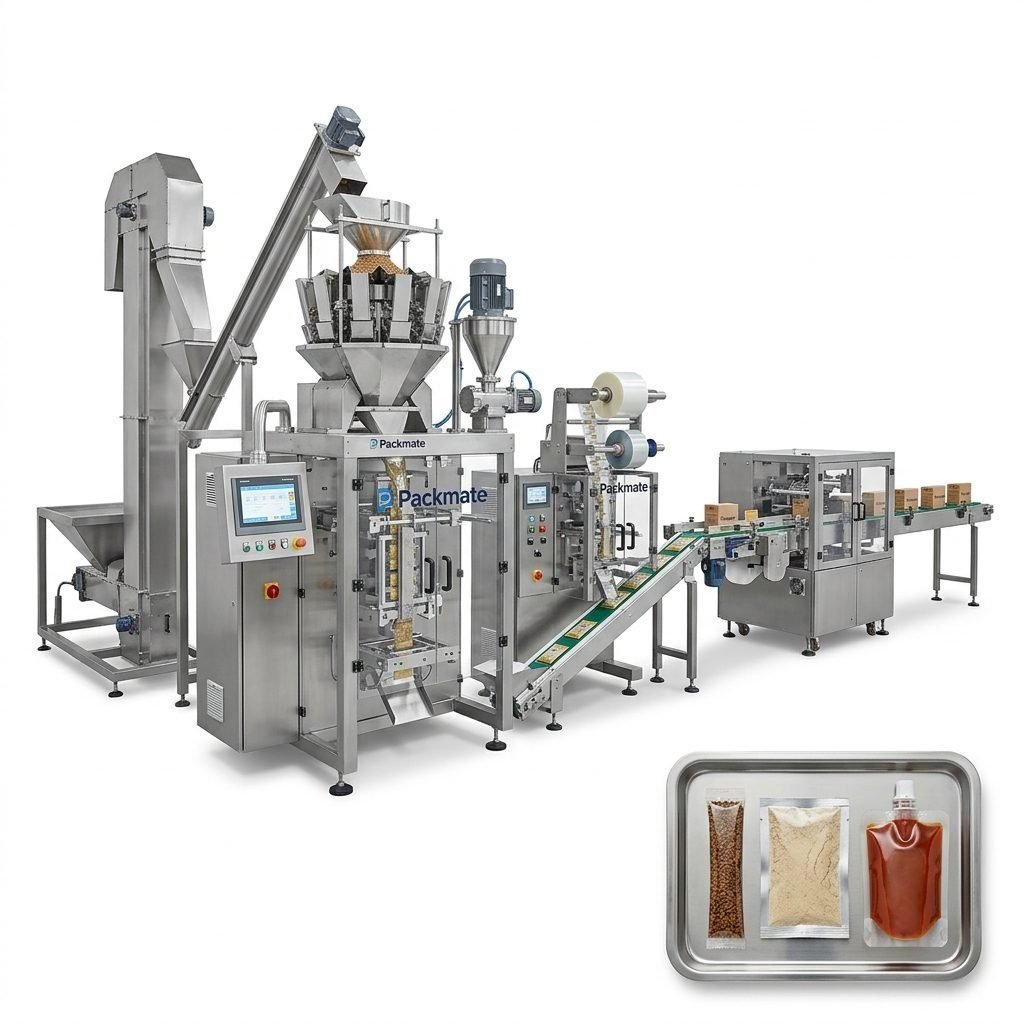
For businesses, the return on investment is calculated not just by the machine’s price, but by its impact on labor costs, packaging material efficiency, and product shelf life. A robust commercial sealer from a reputable manufacturer like Packmate Machinery ensures reliability and consistent output, which is critical for maintaining supply chains and customer trust. Exploring their range of bag and pouch packaging machines can provide solutions tailored to specific commercial needs.
Commercial vs. Home Machines: A Quick Comparison
Build & Durability: Commercial machines use industrial-grade materials (e.g., stainless steel) for 24/7 operation, while home models use more plastics for lighter, intermittent use.
Speed & Automation: Commercial sealers can process hundreds of packages per hour, often with automatic bag feeding and cutting. Home sealers are manual or semi-automatic.
Vacuum Power: Measured in cubic feet per minute (CFM) or by ultimate vacuum level (mbar), commercial pumps are significantly more powerful, creating a deeper vacuum faster.
Features: Commercial units may include gas flush, steam flush, coding/printing integration, and network connectivity for data tracking.
Cost: Commercial machines represent a major capital investment but are essential for business operations, whereas home models are a consumer appliance.
Key Features to Evaluate
Regardless of your use case, several core features determine a machine’s performance and suitability. The vacuum pump is the heart of the system. Oil-lubricated rotary vane pumps are powerful and durable for commercial use, while oil-free diaphragm pumps are quieter and require less maintenance, making them suitable for home and light commercial settings. The sealing bar quality dictates seal integrity. Look for wide, double-seal wires and adjustable heat settings to handle different bag materials. Other vital features include an easy-to-use control panel, safety interlocks, and accessible service points.
Material and Bag Compatibility
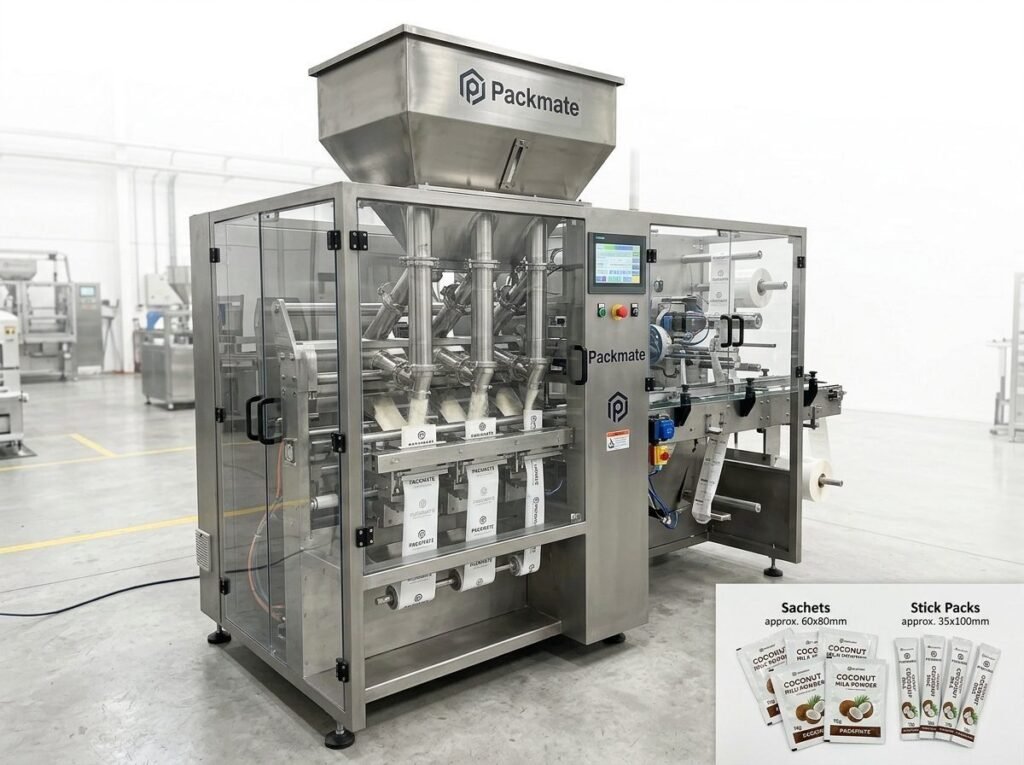
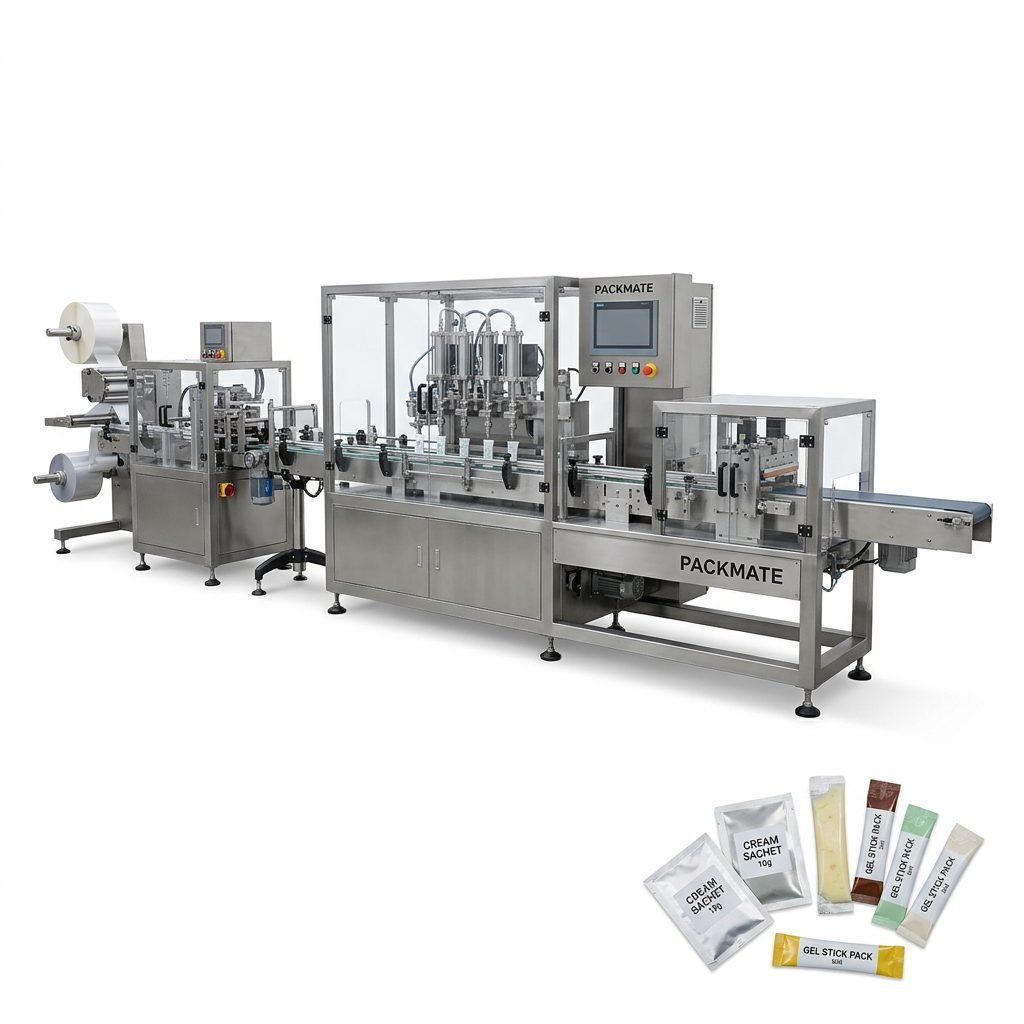
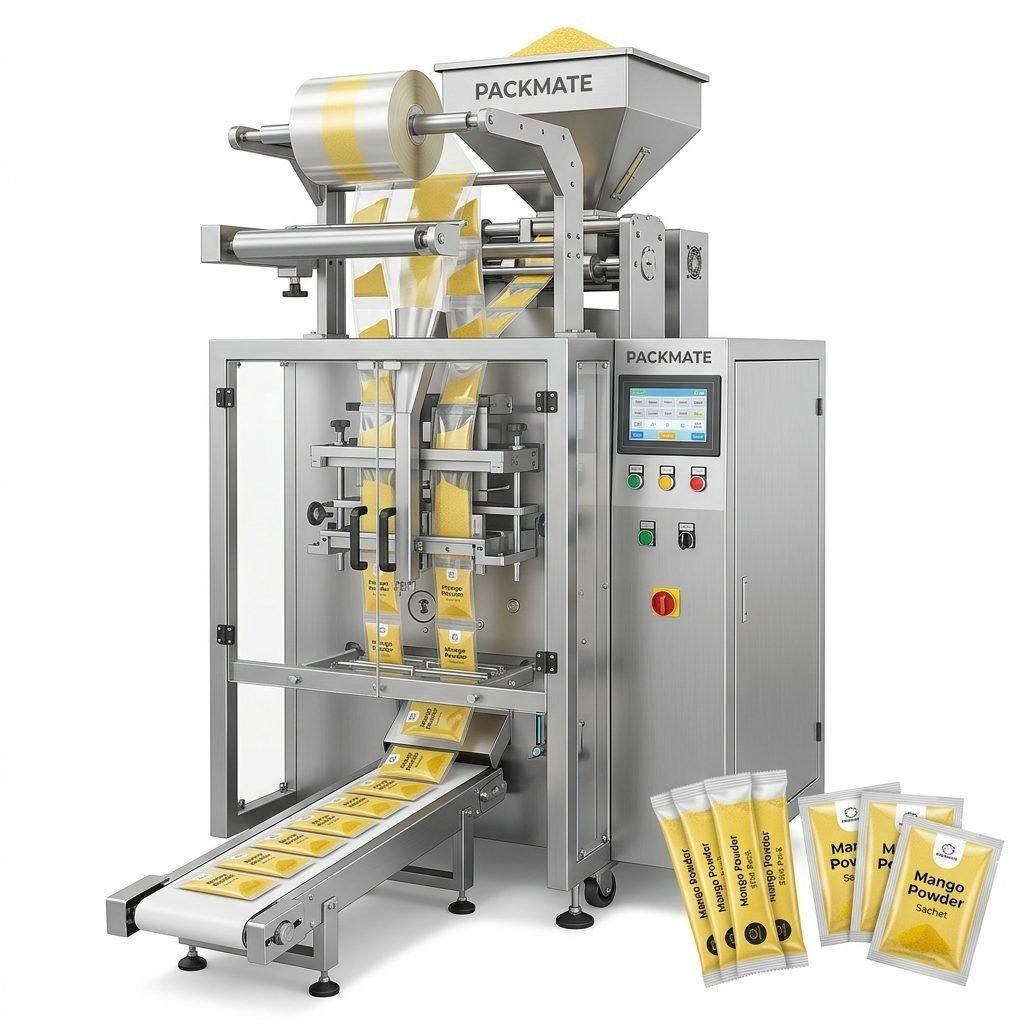
Not all bags are created equal. The machine must be compatible with the type of bags you plan to use—typically multilayer plastic films like PA/PE or PET/PE. For commercial applications involving sharp bones or dense products, puncture-resistant barrier bags are necessary. Some advanced commercial machines can also handle rigid containers and trays with special lids. Always check the manufacturer’s specifications for recommended bag types and sizes to avoid poor seals or machine damage. For specialized needs like small-format packaging, sachet and stick pack machines offer precise solutions.
Maintenance and Operational Tips
Proper maintenance ensures longevity and consistent performance. For home users, this primarily means keeping the sealing bar clean from any residue or liquid spills and occasionally checking the foam gasket on external sealers. For commercial machines, a regular maintenance schedule is non-negotiable. This includes checking and changing pump oil (if applicable), cleaning and lubricating moving parts, inspecting the sealing wire for wear, and testing vacuum levels. Always follow the manufacturer’s guidelines. Using high-quality, recommended consumables like bags and oil will prevent most common operational issues and protect your warranty.
Pro Tip for Optimal Seals
Ensure the bag mouth is clean, dry, and completely flat across the entire width of the sealing bar. Even a small fold or droplet of liquid can cause a leak. For moist products, use bags with a textured inner surface (channel bags) that allows air and moisture to be drawn away from the seal area, or pre-freeze items like soups and stews before sealing.
Making the Final Decision
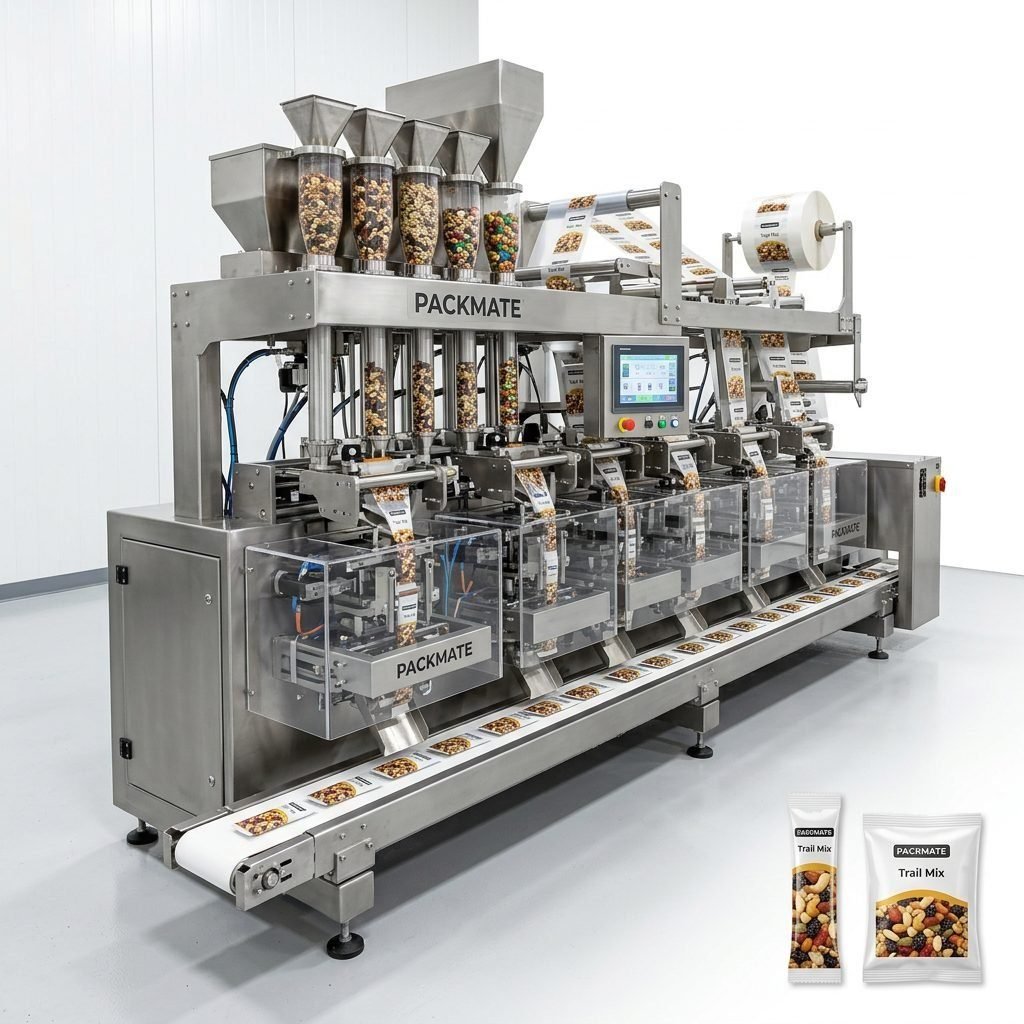
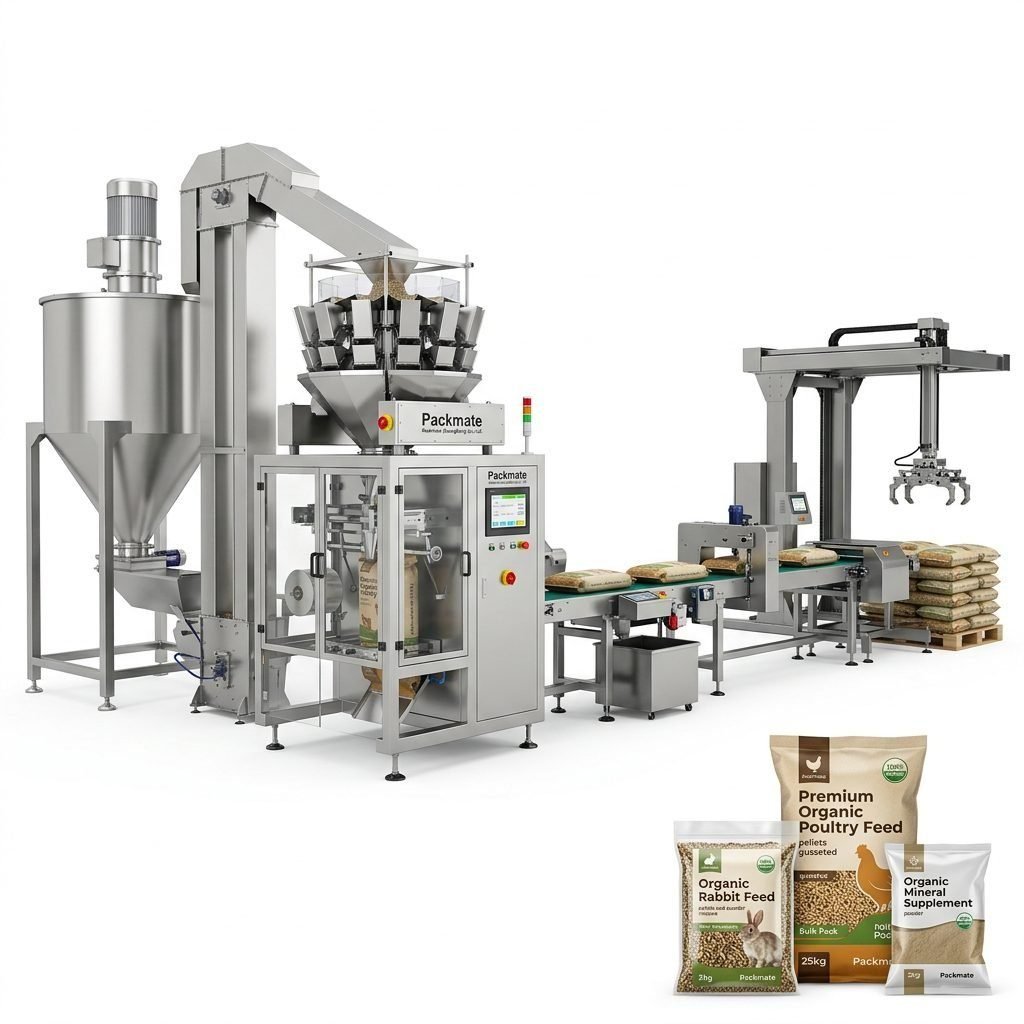
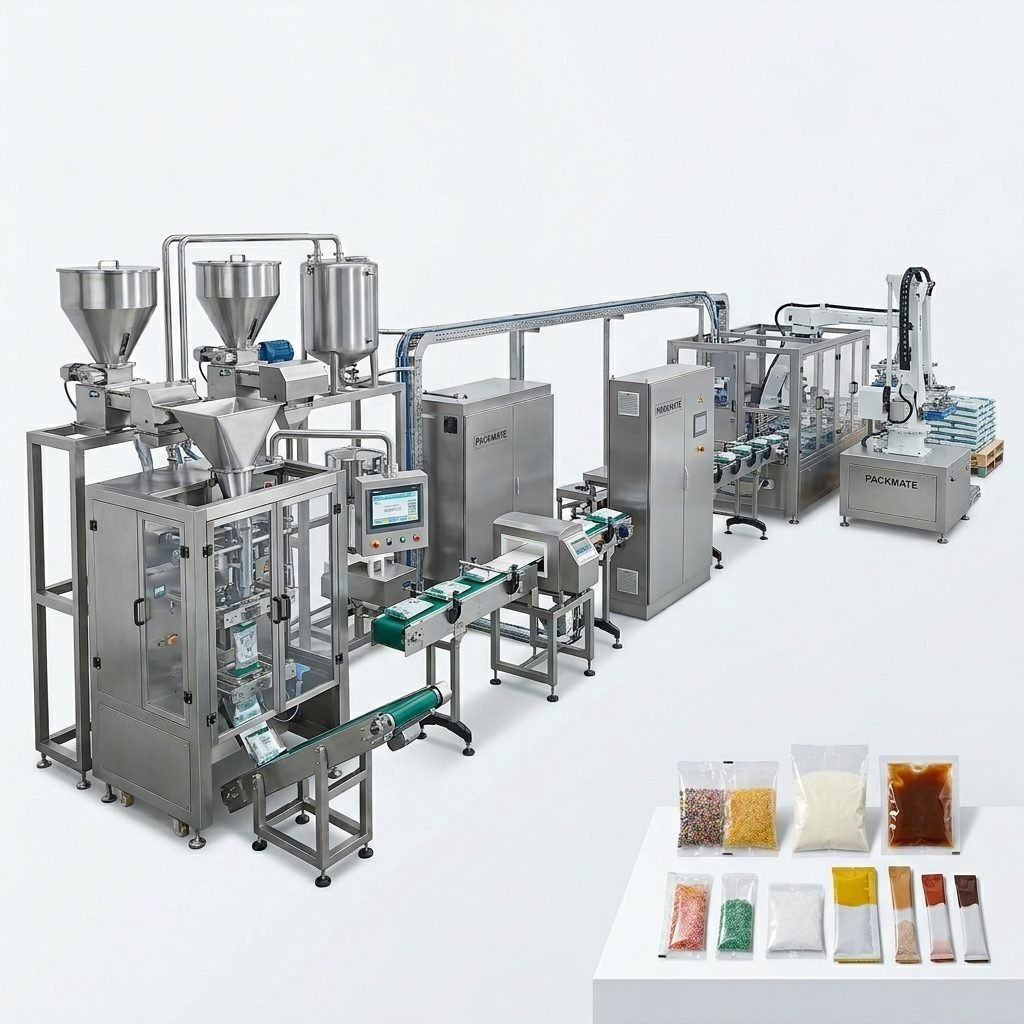
Your choice ultimately hinges on your volume, budget, and specific application. For a home kitchen preserving garden harvests or meal prepping, a mid-range external sealer with good reviews is sufficient. For a small café or catering business, a robust single-chamber commercial sealer is a wise investment. Large-scale food production requires consulting with experts to design a complete filling and packaging line. Remember to factor in the long-term cost of bags and maintenance, not just the initial machine price. A reliable machine from an established company with strong support saves time and money in the long run.
Frequently Asked Questions (FAQs)
1. Can a vacuum sealer handle liquids?
Standard external vacuum sealers struggle with pure liquids, which can be sucked into the pump. The solution is to pre-freeze the liquid or use a chamber vacuum sealer. Chamber machines remove air from the entire chamber, not by suction through the bag, so liquids are sealed without being drawn out.
2. How long do vacuum-sealed foods last?
In the refrigerator, vacuum-sealed raw meat can last 1-2 weeks (vs. 3-5 days normally). In the freezer, most foods can last 2-3 years without freezer burn. Dry goods like grains or coffee can last over a year. Always start with fresh, high-quality food and follow safe handling and storage temperatures.
3. Are generic vacuum bags safe to use?
Yes, but with caution. Ensure the generic bags are the correct thickness (mil rating) and material type (e.g., PA/PE) specified for your machine. Very cheap bags may have poor barrier properties or inconsistent seals. It’s often worth using the manufacturer’s recommended bags for critical applications to guarantee performance and avoid voiding warranties.
4. What is the difference between a vacuum sealer and a heat sealer?
A heat sealer only melts the plastic layers of a bag to create a closed seal. A vacuum sealer first removes the air from the bag and then heat seals it, providing the oxygen-free environment that is key to preservation. Some vacuum sealers have a “seal only” mode that functions as a basic heat sealer.
5. My commercial sealer is not pulling a strong vacuum. What should I check?
First, check for simple issues: a worn or dirty sealing gasket, a clogged air filter, or a tear in the vacuum hose. Ensure you are using appropriate bags. If problems persist, the vacuum pump oil may need changing, or the pump itself may require servicing. Always refer to the machine’s manual and contact the supplier or a qualified technician for repairs.