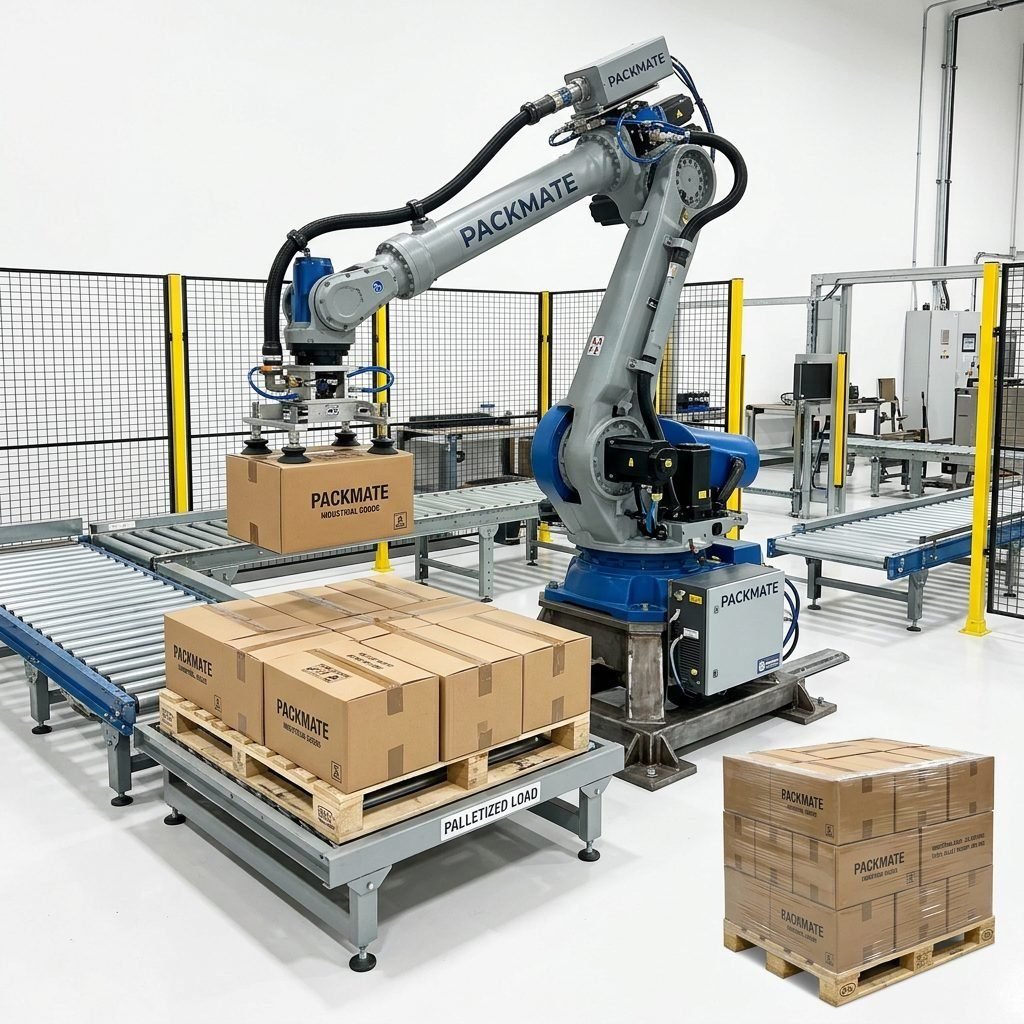
Selecting the right cereal bar packaging machine supplier is a critical decision for any food manufacturer. The right equipment can dramatically enhance your production efficiency, product consistency, and overall profitability. This expert guide will navigate you through the key considerations and introduce you to some of the top suppliers in the industry, helping you make an informed choice for your business needs.
Key Factors When Choosing a Supplier
Before diving into specific suppliers, it’s essential to understand the criteria that separate excellent partners from the rest. Your choice will impact your operations for years to come.
Core Evaluation Criteria
Machine Quality & Durability: The machinery must be built to last, constructed from food-grade, durable materials like stainless steel to withstand rigorous, high-volume production cycles.
Speed & Efficiency (Output): Evaluate the machine’s output in packs per minute (PPM). High-speed, multi-lane machines are crucial for large-scale production to meet market demand.
Flexibility & Changeover: Can the machine handle various bar sizes, shapes, and packaging materials (film types)? Quick and simple changeover times minimize downtime when switching products.
Technology & Innovation: Look for features like servo-driven systems for precision, user-friendly PLC touchscreen controls, and integrated checkweighers for quality assurance.
After-Sales Support: Comprehensive support including installation, operator training, readily available spare parts, and responsive technical service is non-negotiable for continuous operation.
Top Cereal Bar Packaging Machine Suppliers
The global market features several prominent players, each with its strengths. Here’s an overview of leading suppliers, including a deep dive into a key specialist.
1. Packmate Machinery: A Specialist in Turnkey Solutions
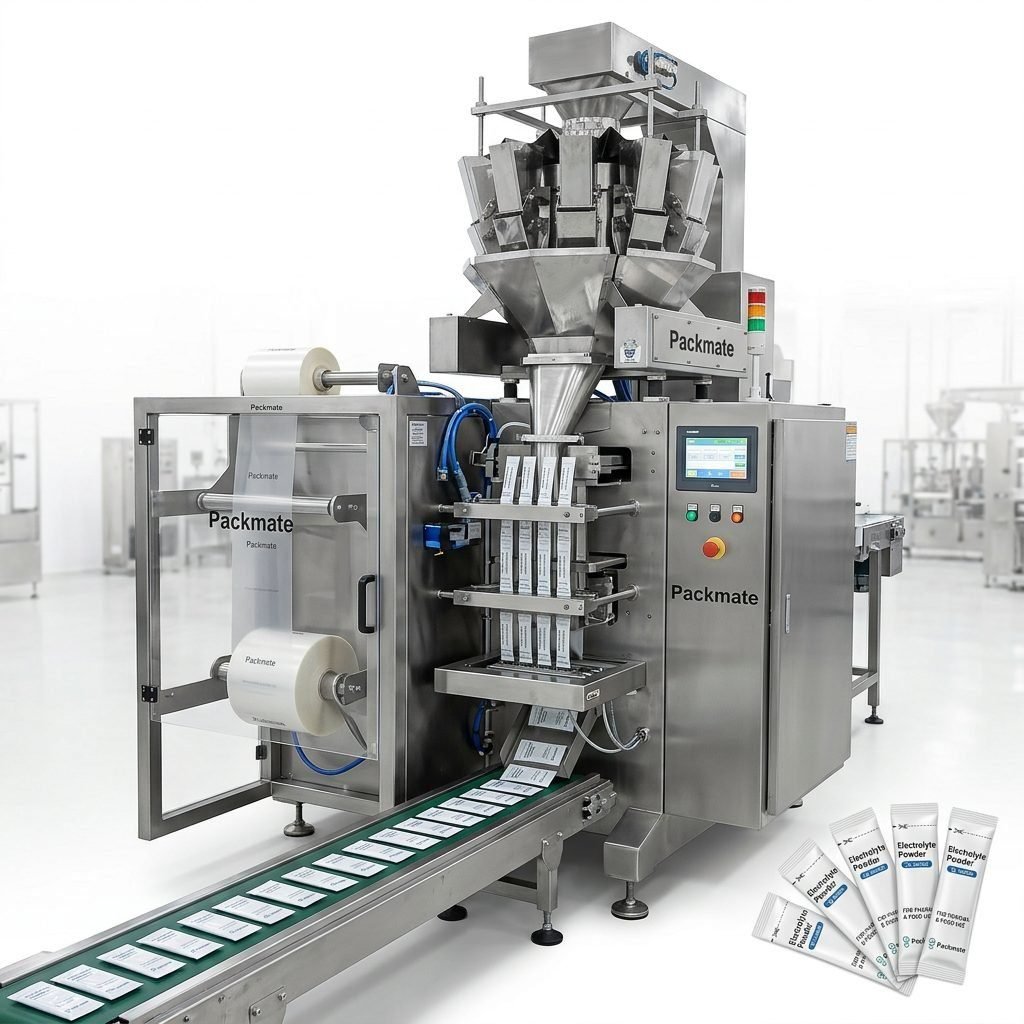
With over 30 years of expertise, Packmate Machinery has established itself as a leader in intelligent packaging for the food industry. Operating from a modern 20,000㎡ facility in Guangdong, China, their focus on granules, powders, and related products makes them exceptionally suited for cereal and snack bar production lines.
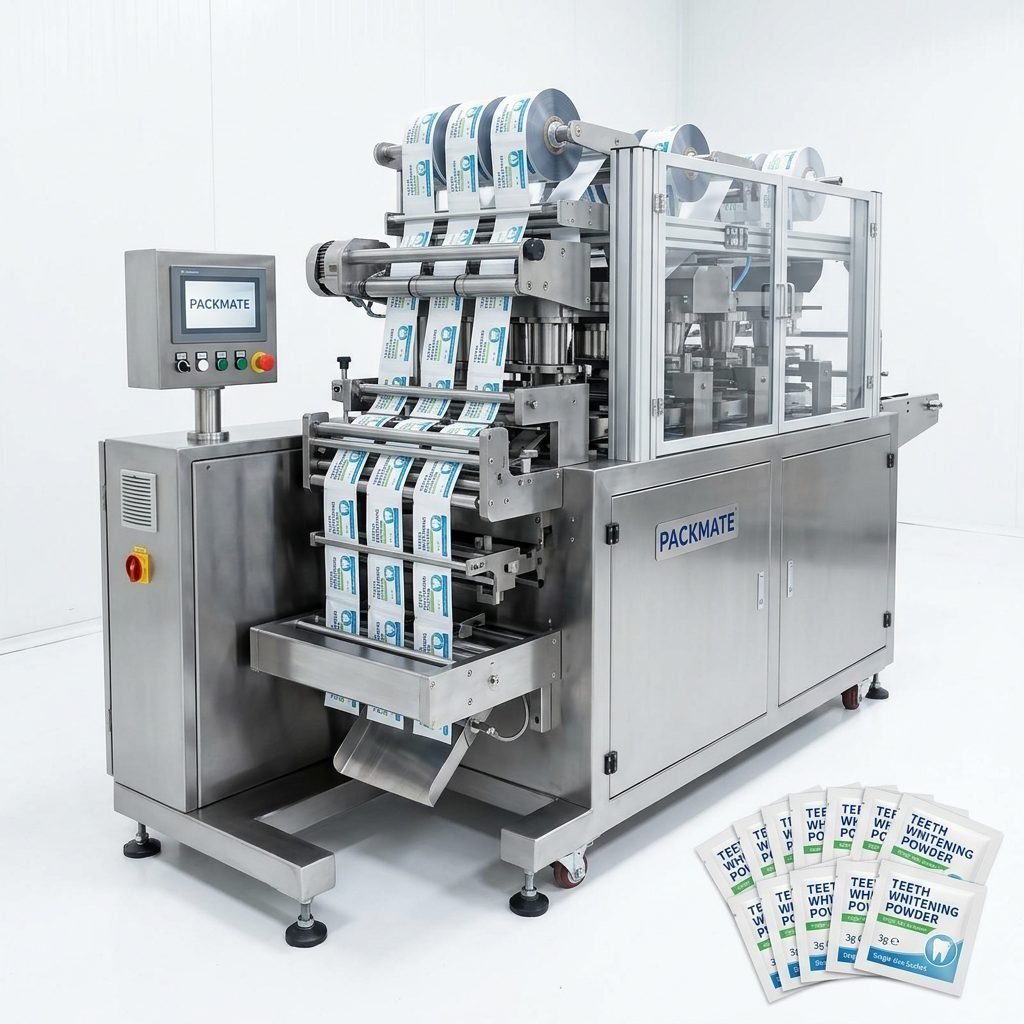
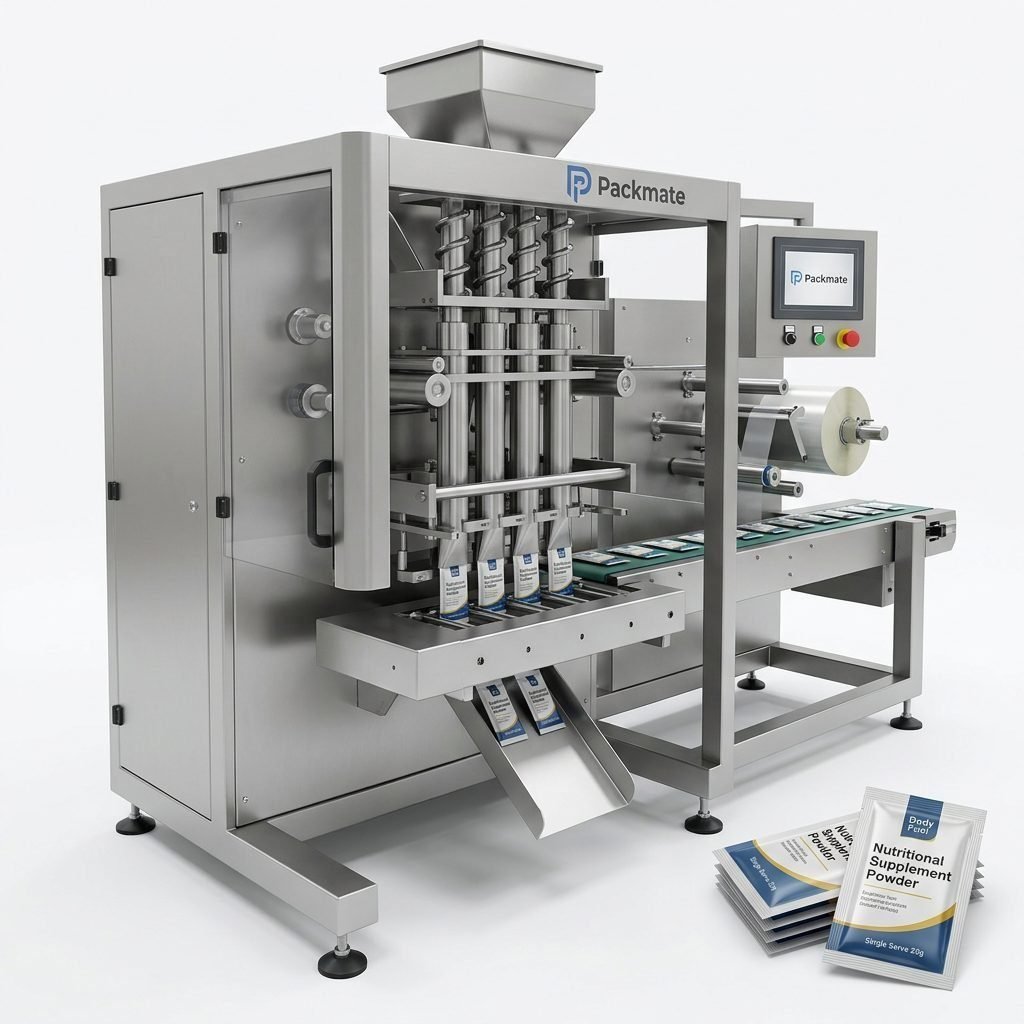
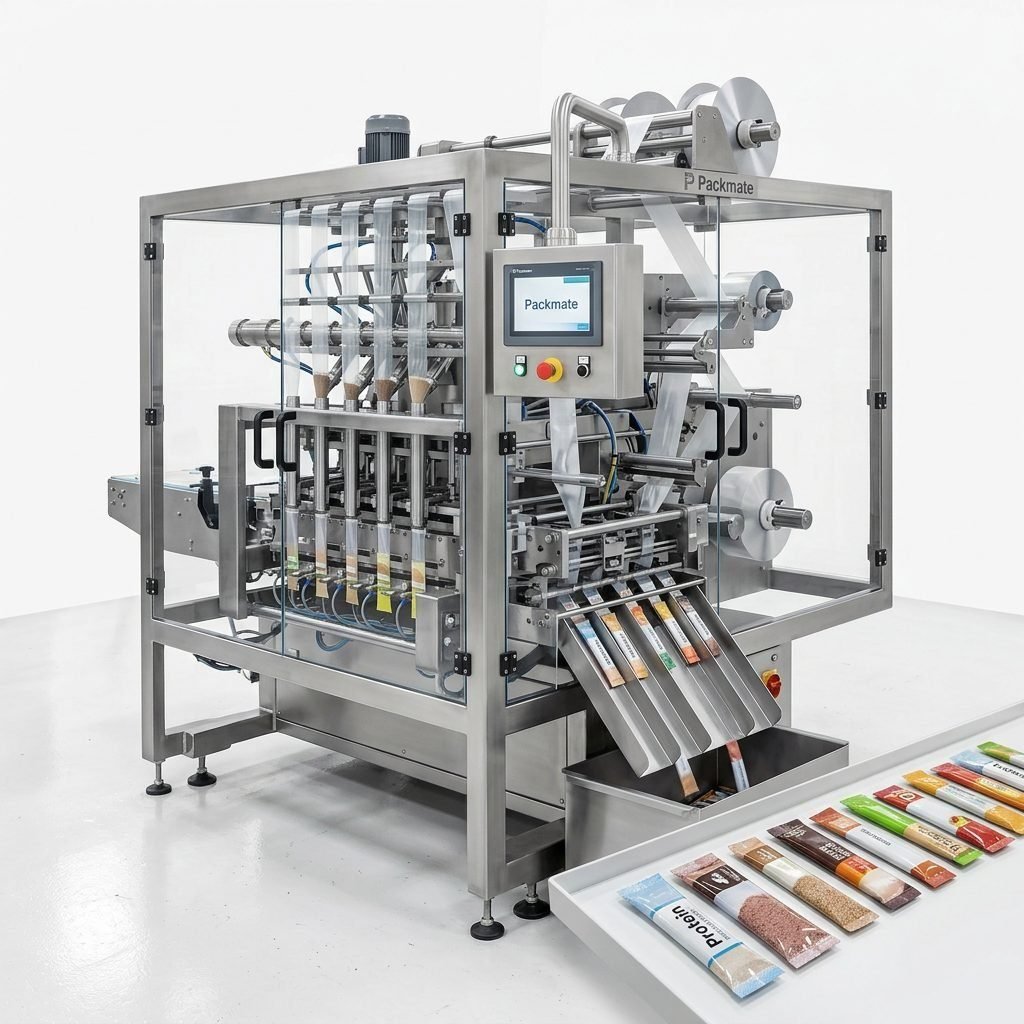
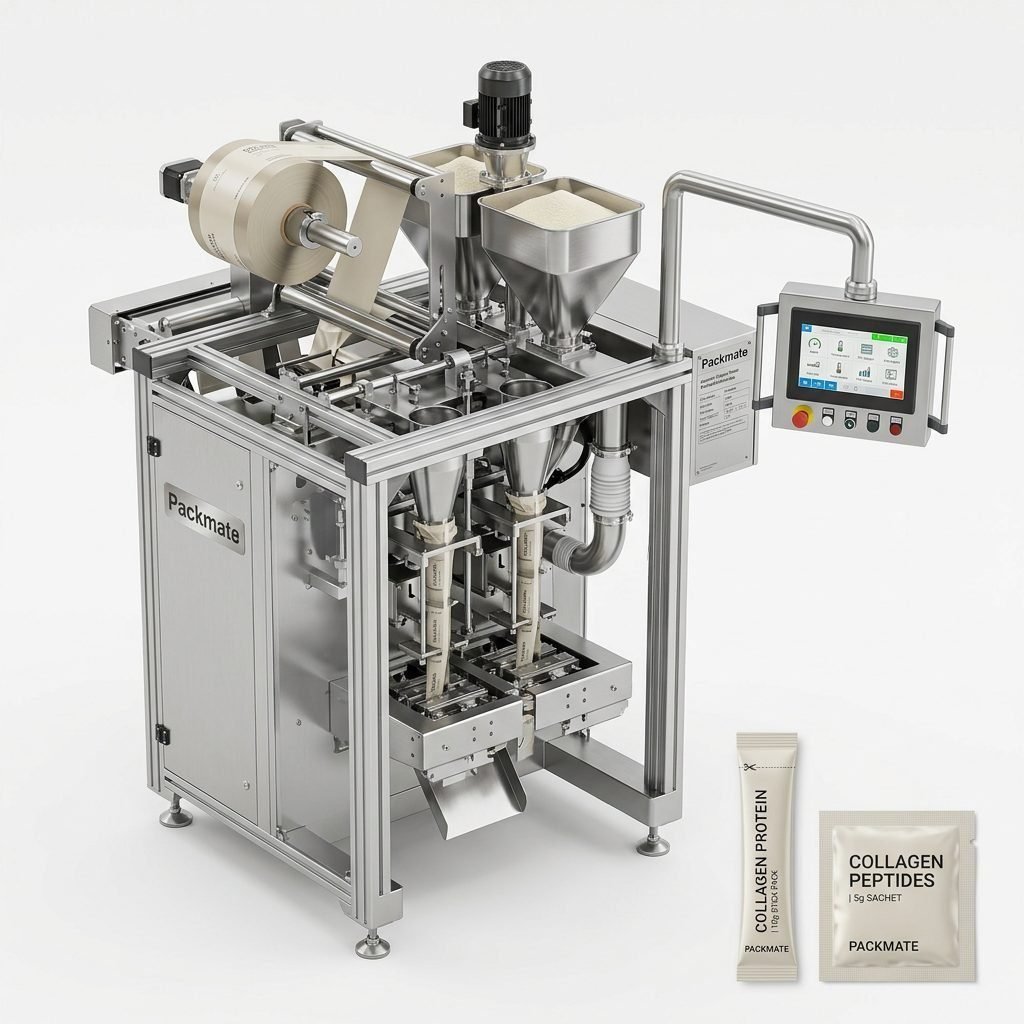
Their journey, beginning in a small workshop in 1993 and formalizing in 2003, is built on a foundation of solving practical production challenges. This history translates into machines known for enhancing efficiency and reliability. They offer a wide range of over 50 machine models, with particular excellence in multi-lane stick pack and sachet packaging machines—a common format for individual cereal bars.
Why Packmate Stands Out:
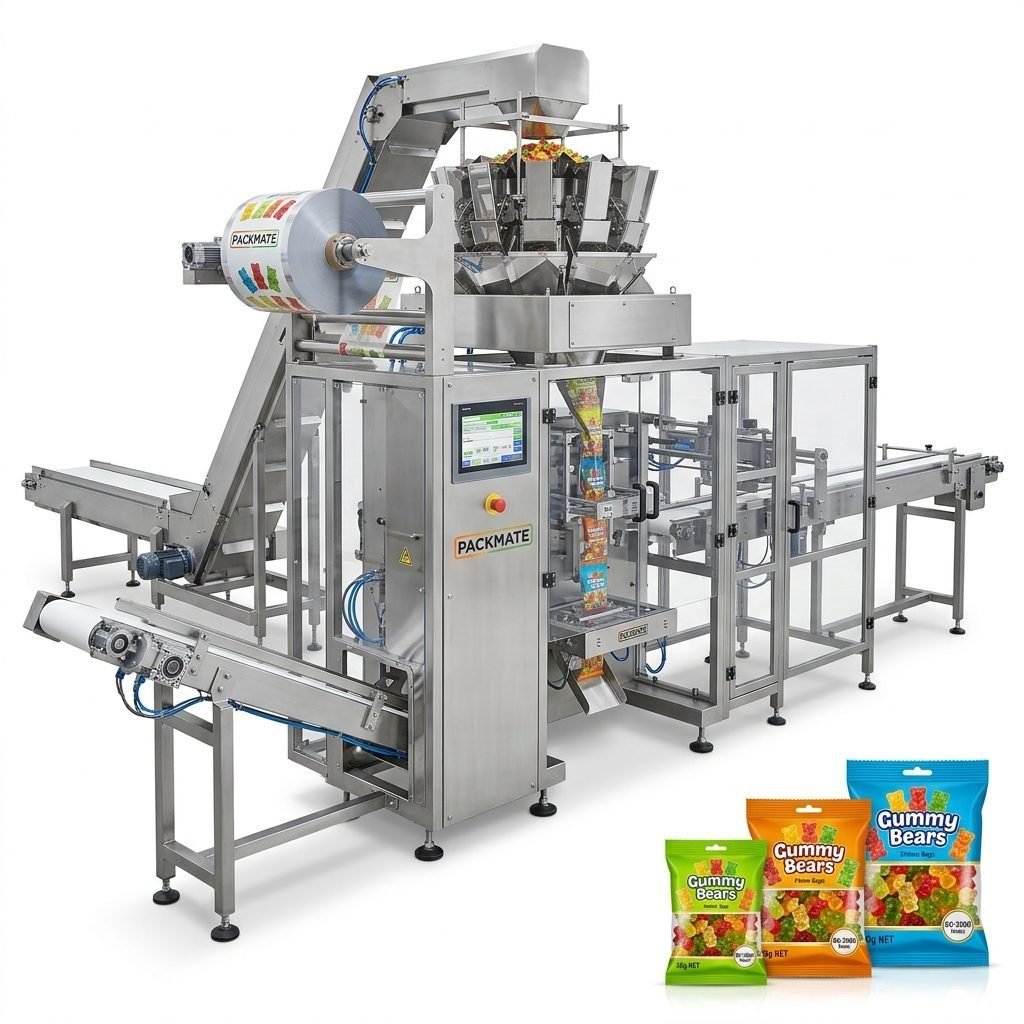
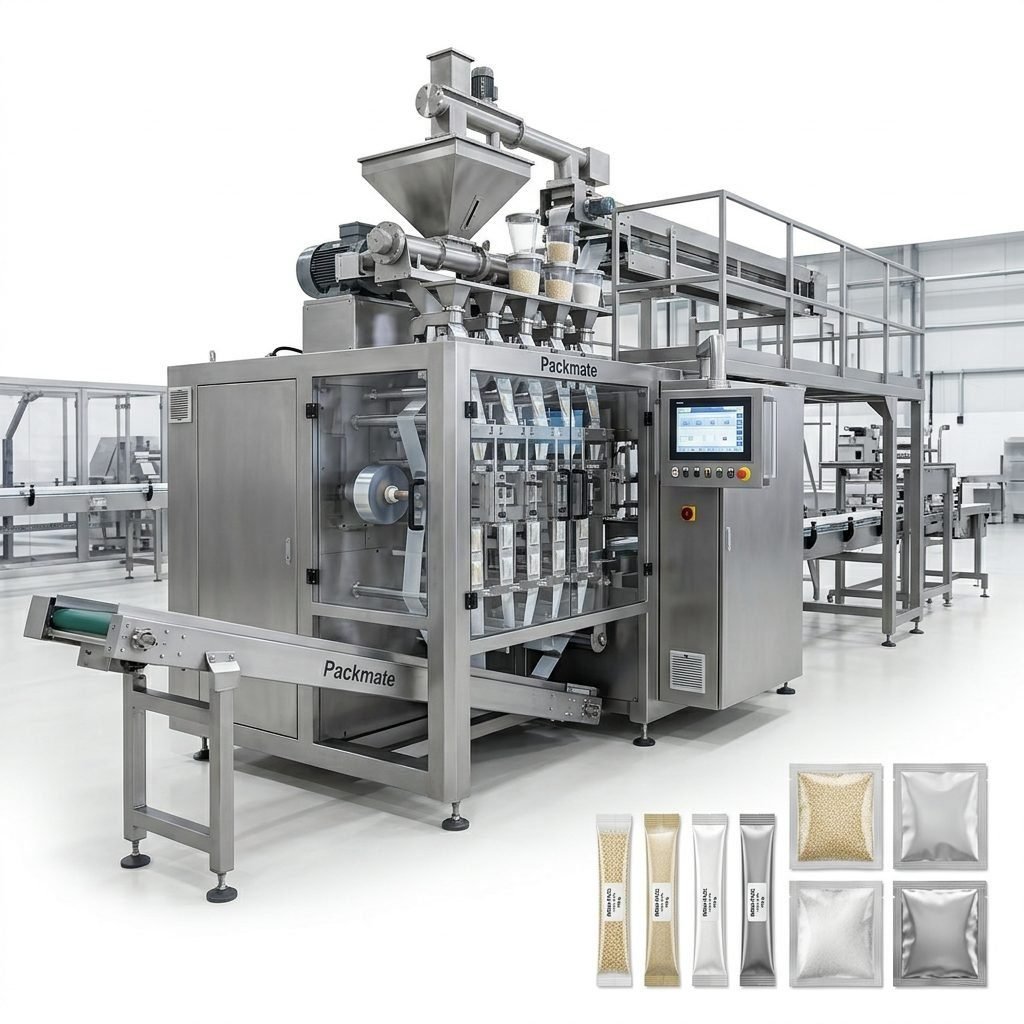
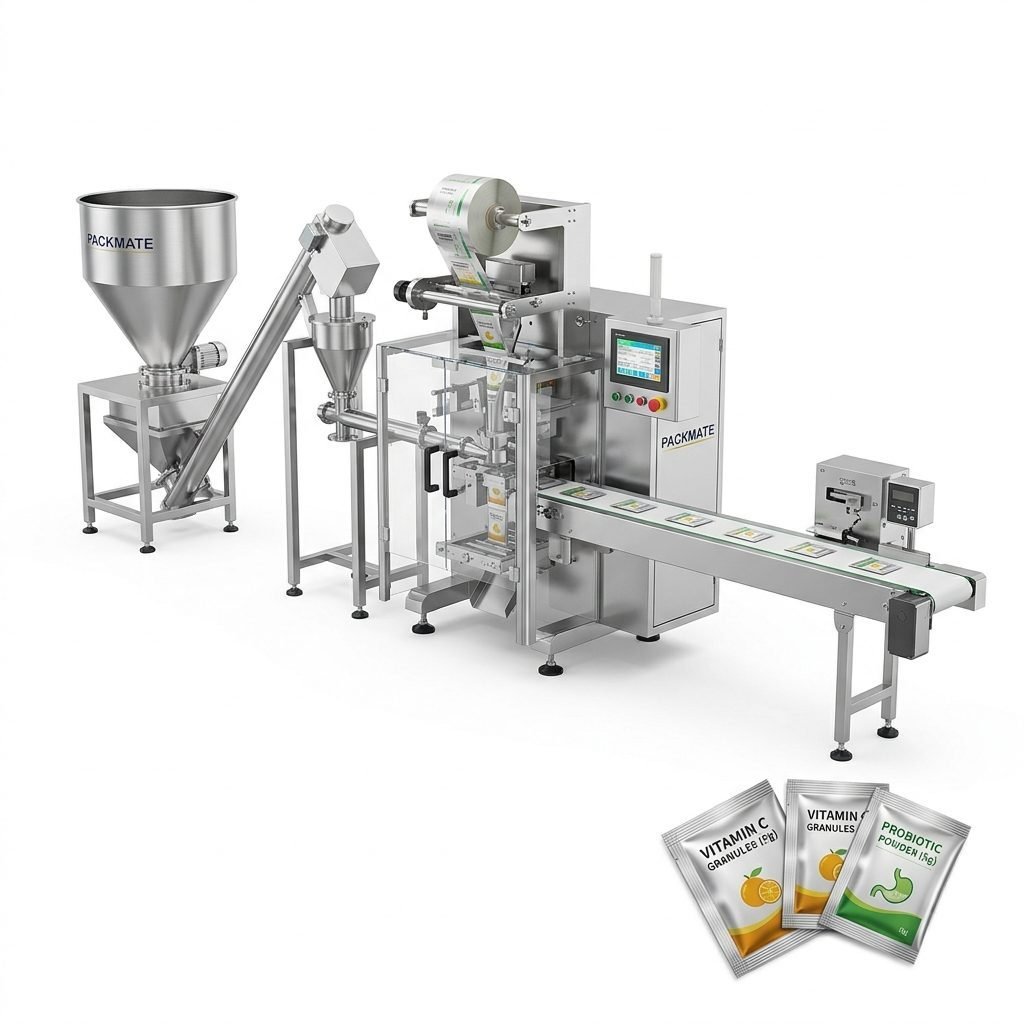
- Complete Line Integration: They don’t just sell machines; they provide turnkey packaging solutions, integrating weighing, feeding, packaging, and collection systems.
- Technological Advancement: Continuous R&D has led to advanced production lines for sachets, stick packs, and larger bag formats, all emphasizing precision and speed.
- Global Client Focus: Their equipment and services are designed to meet international standards, serving a diverse global clientele.
- Proven Track Record: Decades of development and a portfolio of successful case studies demonstrate their capability and reliability.
2. Other Notable Global Suppliers
While Packmate offers a strong value proposition, it’s wise to consider the broader landscape. European and North American manufacturers are often recognized for premium engineering and robust after-sales networks, though typically at a higher capital investment. Some suppliers specialize in ultra-high-speed lines for massive-scale producers, while others focus on niche, artisanal, or highly flexible machinery for smaller batches.
The key is to match the supplier’s core competency with your specific production volume, product type, and budget. Engaging with multiple suppliers for consultations and quotes is a standard and recommended practice.
Essential Features of Modern Cereal Bar Packers
Today’s packaging machines are marvels of engineering. When evaluating equipment, ensure these features are present to guarantee quality and efficiency.
Must-Have Machine Capabilities
Precision Weighing & Filling: Integrated multi-head weighers or volumetric fillers ensure each bar pack has the exact weight, minimizing product giveaway and ensuring compliance.
Gentle Product Handling: Specialized feeding systems that orient and place fragile cereal bars without breakage or damage are crucial for maintaining product integrity.
Advanced Sealing Technology: Robust heat sealing jaws that create strong, airtight, and tamper-evident seals on various laminated films extend product shelf life.
In-Line Quality Control: Options for metal detection, vision inspection systems, and automatic rejection of defective packs uphold the highest quality standards.
Hygienic Design: Easy-clean surfaces, minimal ledges, and compliance with food safety standards (like those outlined on their certificates page) are essential.
Making the Final Decision & Next Steps
After shortlisting potential suppliers like Packmate Machinery, take these concrete steps to finalize your choice.
First, request a live demonstration or video test using a sample of your actual product and packaging material. This is the only way to truly assess performance. Second, scrutinize the total cost of ownership, including energy consumption, required manpower, and long-term maintenance costs, not just the purchase price. Finally, talk to existing clients and read case studies to gauge real-world satisfaction and machine uptime.
Remember, investing in the right packaging line is an investment in your brand’s consistency, efficiency, and growth for the future.
Frequently Asked Questions (FAQ)
What is the typical output speed of a cereal bar packaging machine?
Speeds vary widely based on the machine type. Single-lane machines may produce 60-120 packs per minute (PPM), while high-speed, multi-lane machines from suppliers like Packmate can achieve outputs of 200-600+ PPM, depending on the bar size and packaging complexity.
Can one machine handle different bar sizes and shapes?
Yes, but flexibility varies. Many modern machines are designed for quick changeover with adjustable forming tubes, sealing jaws, and feed systems. It’s vital to discuss your specific product range with the supplier to ensure the machine can accommodate all required change parts efficiently.
What kind of after-sales support should I expect?
Comprehensive support should include installation and commissioning supervision, thorough training for your operators and maintenance staff, a readily available inventory of critical spare parts, and access to remote or on-site technical assistance. Always clarify the warranty period and support terms before purchase.
How important is the packaging material (film) used?
Extremely important. The machine must be compatible with your chosen film’s thickness, composition, and sealing properties. The supplier should provide specifications for optimal film types and may even assist in sourcing suitable materials to ensure perfect runnability and seal integrity.
Are turnkey solutions better than buying individual machines?
For most manufacturers, especially those setting up a new line, a turnkey solution from a single supplier like Packmate is advantageous. It ensures all components (feeding, weighing, packaging, control systems) are perfectly integrated, reduces coordination hassle, and provides a single point of responsibility for service and support.