Selecting the right chemical packaging equipment is a critical decision that impacts operational efficiency, product integrity, safety, and cost-effectiveness. The chemical industry presents unique challenges, from handling corrosive substances and volatile powders to ensuring precise dosing and maintaining stringent hygiene standards. This comprehensive guide will explore the primary types of chemical packaging machinery, their specific applications, and provide actionable tips to help you make an informed selection for your production line.
Understanding the Landscape of Chemical Packaging
The chemical sector encompasses a vast range of products, including industrial chemicals, agricultural fertilizers, cleaning agents, adhesives, resins, and specialty compounds. Each category demands specific packaging considerations. For instance, powders like dyes or cement additives require excellent dust containment, while corrosive liquids need equipment constructed from specialized, resistant materials. The packaging format—be it bags, pouches, drums, or intermediate bulk containers (IBCs)—is equally diverse. Understanding your product’s physical state, hazard classification, shelf-life requirements, and end-use is the foundational step before evaluating machinery.
Core Types of Chemical Packaging Equipment
Modern packaging lines are often a combination of integrated systems. Here’s a breakdown of the core equipment types:
1. Filling Machines
These are the heart of any packaging line, responsible for accurately dispensing the chemical product into its container.
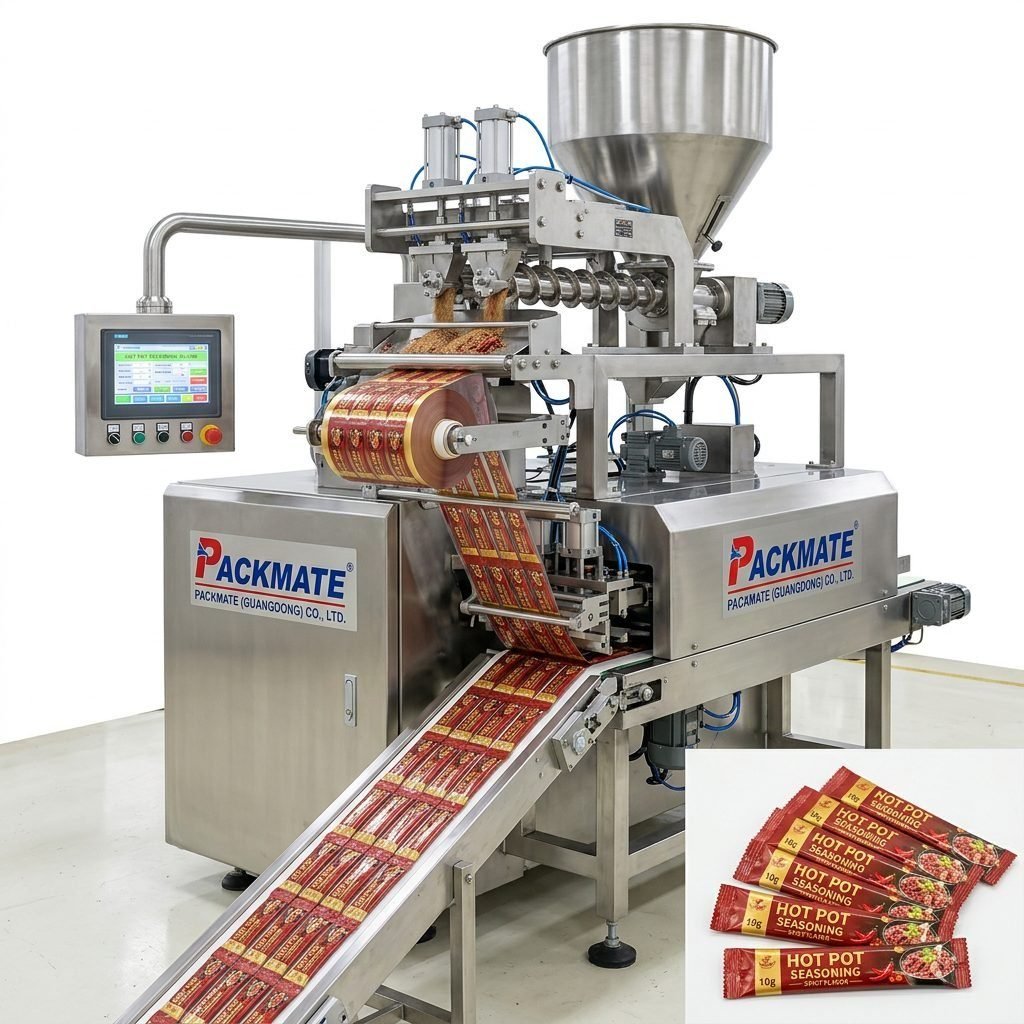
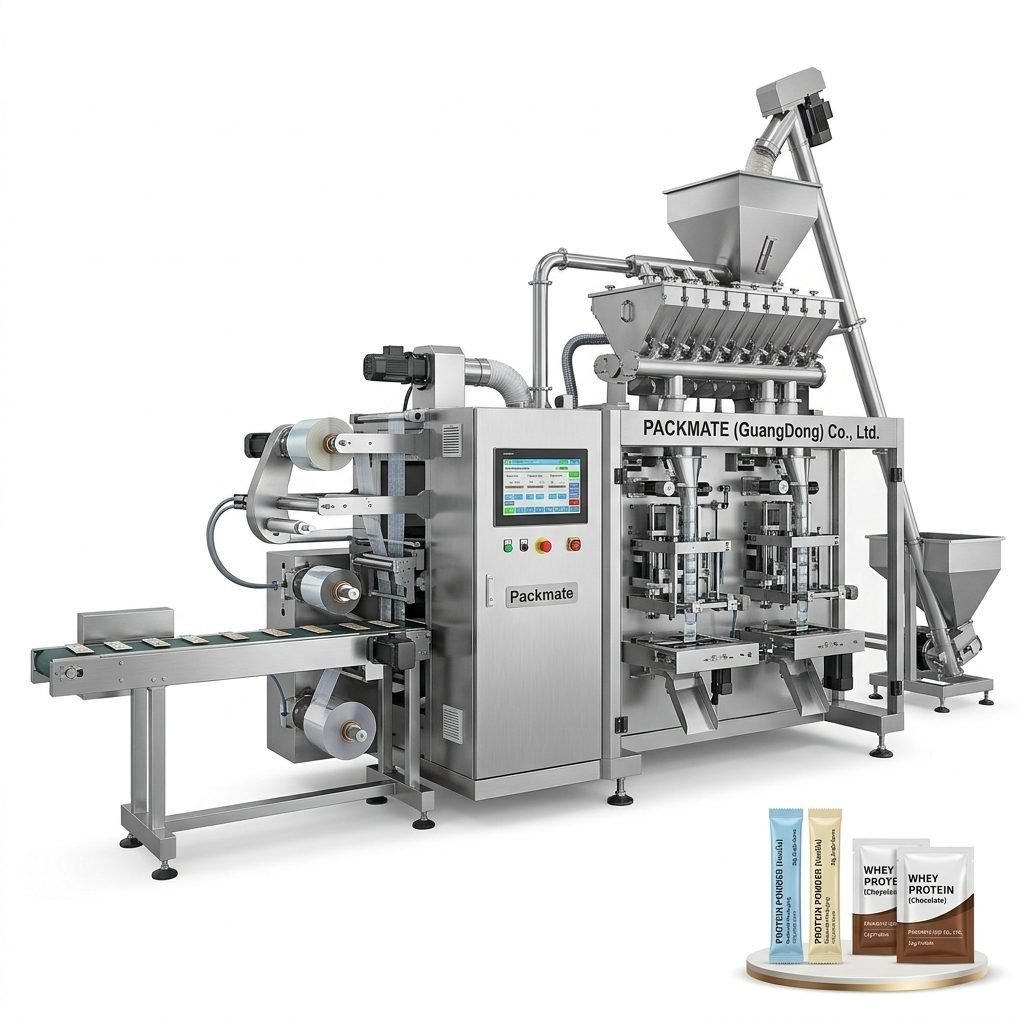
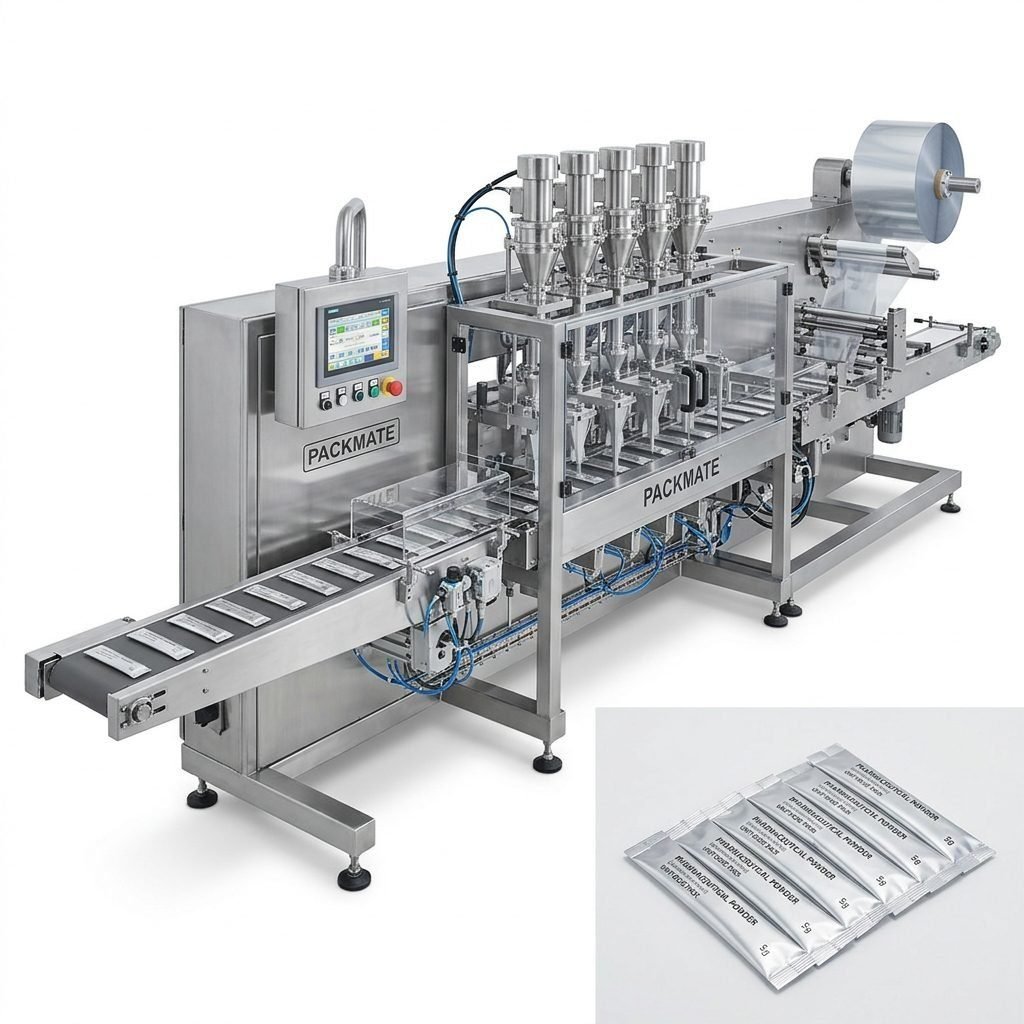
- Auger Fillers: The industry standard for powders and granular materials. They use a rotating screw (auger) within a hopper to deliver a highly precise volume. Modern auger fillers feature touch-screen controls for recipe management and are ideal for products ranging from fine pigments to coarse granules.
- Liquid Fillers: This category includes piston fillers, gravity fillers, and pressure fillers. For viscous chemicals like adhesives or sealants, piston fillers offer superb accuracy. For volatile or foaming liquids, pressure-assisted filling systems are often necessary to maintain speed and prevent oxidation.
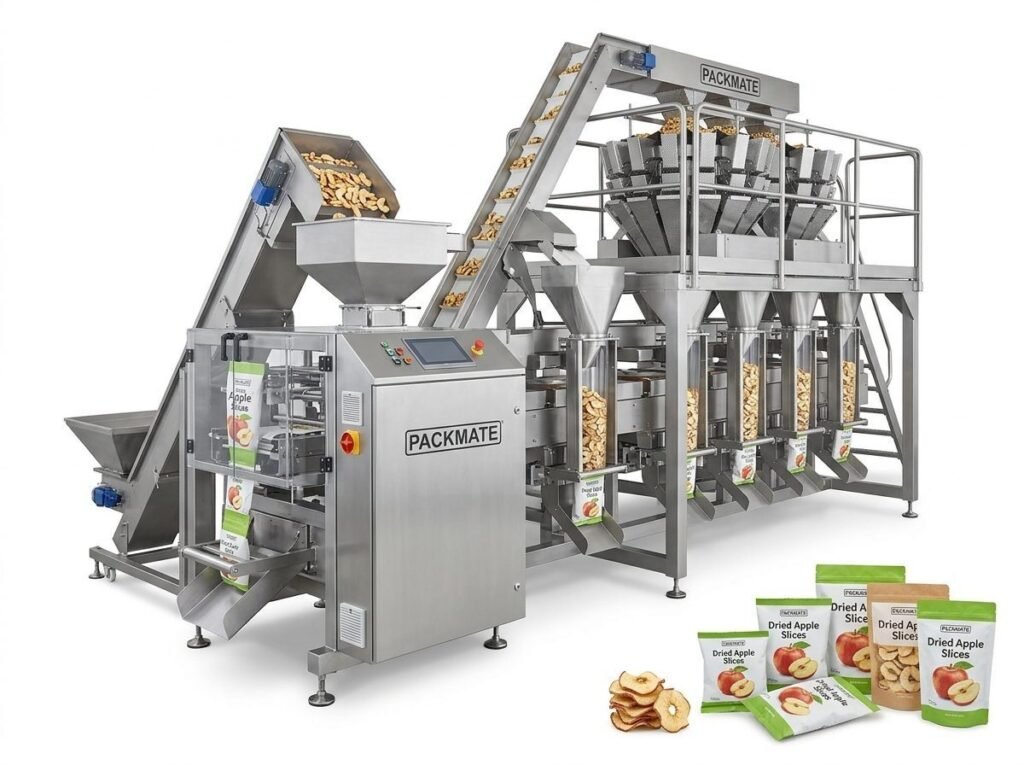
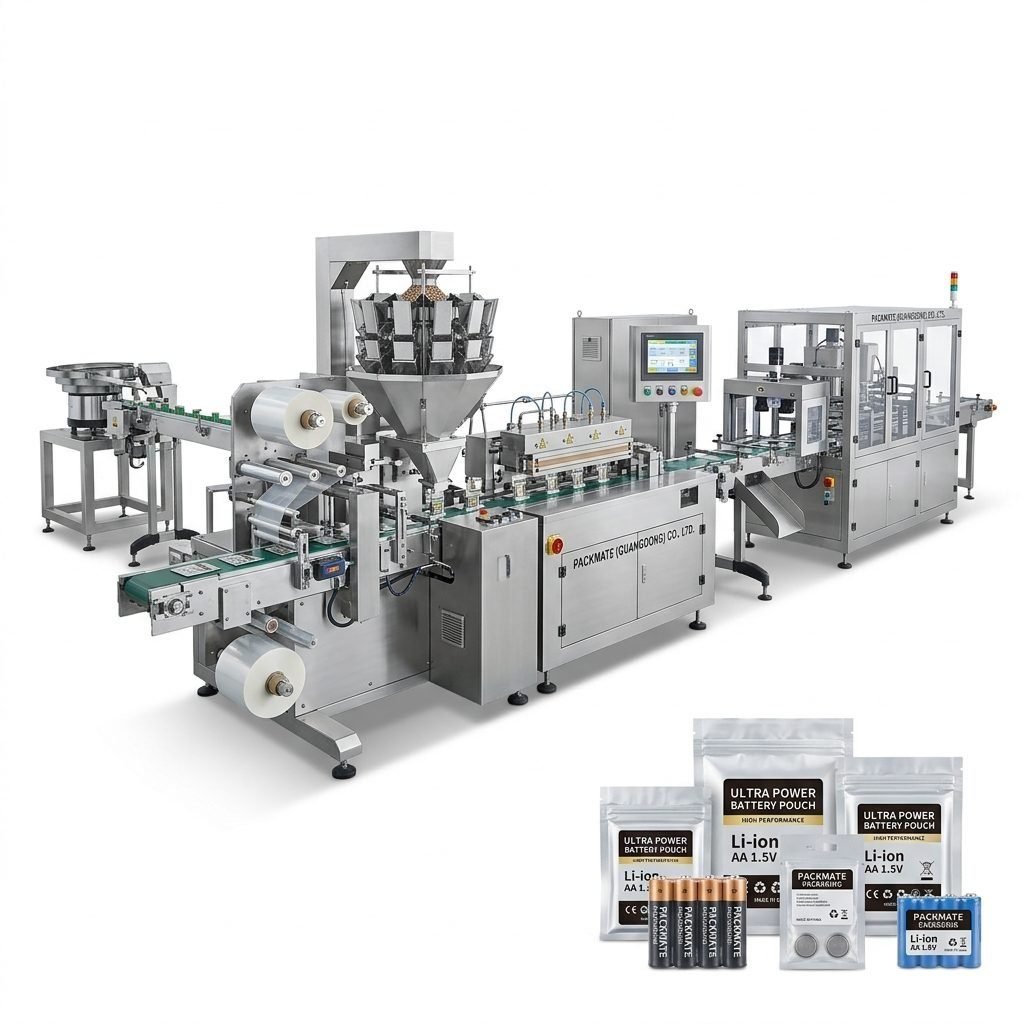
- Weighing Fillers (Net Weighing Systems): These systems fill by weight rather than volume, providing the highest possible accuracy for high-value or precisely formulated chemicals. They are commonly used in multi-head configurations for fast filling of bags or pouches.
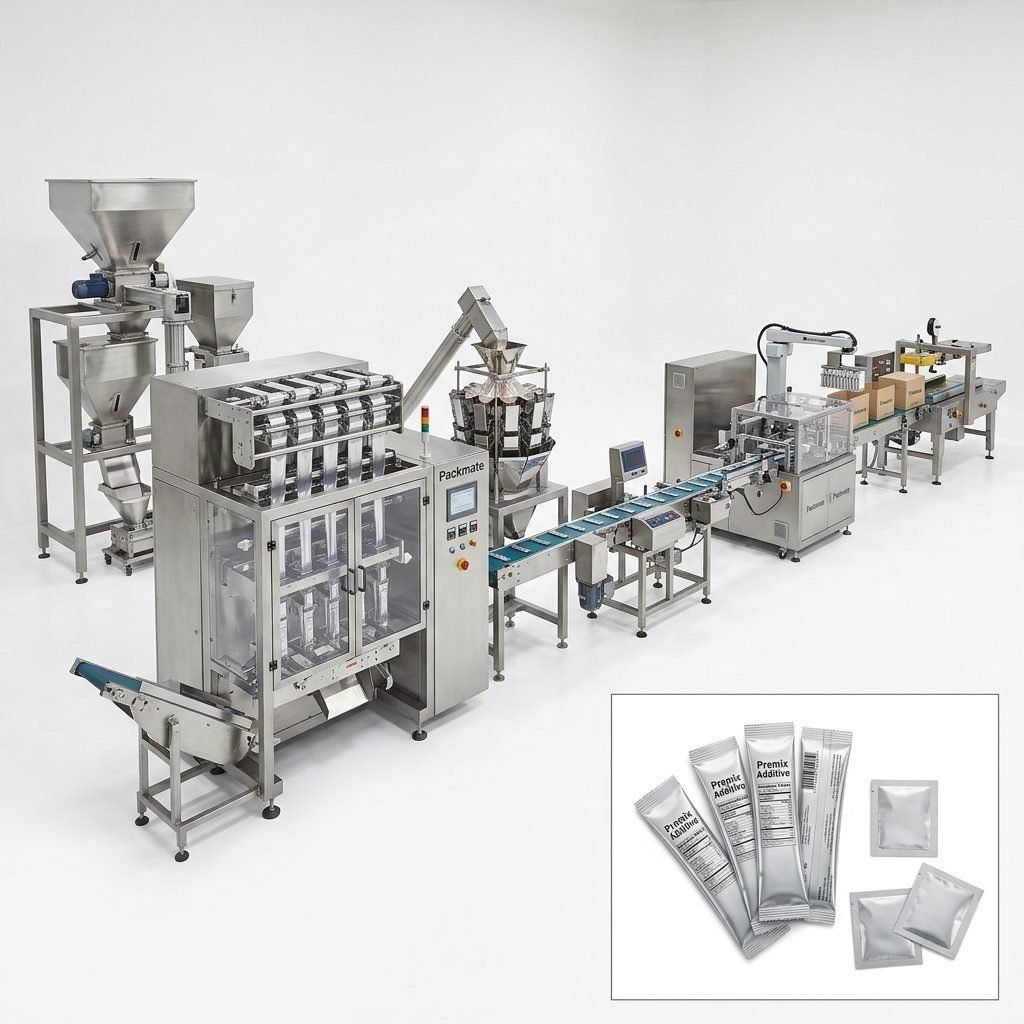
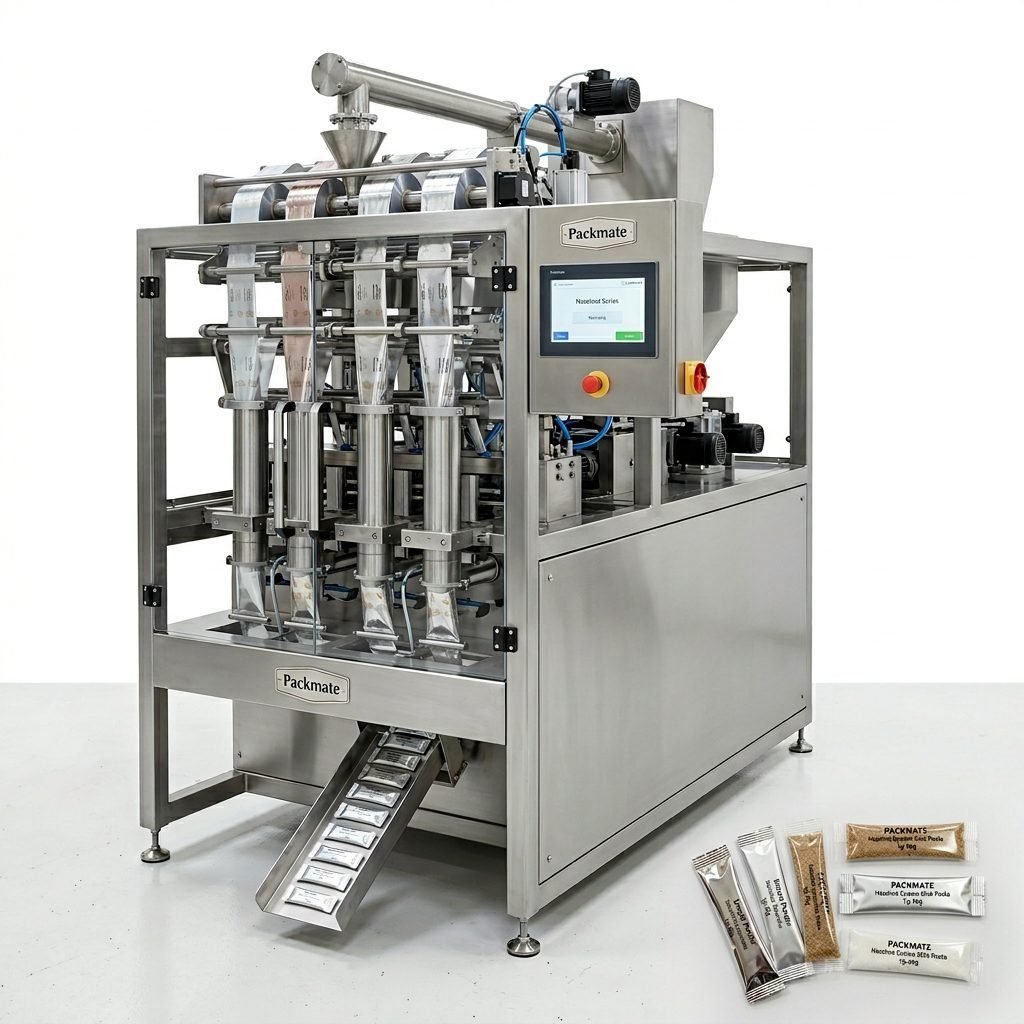
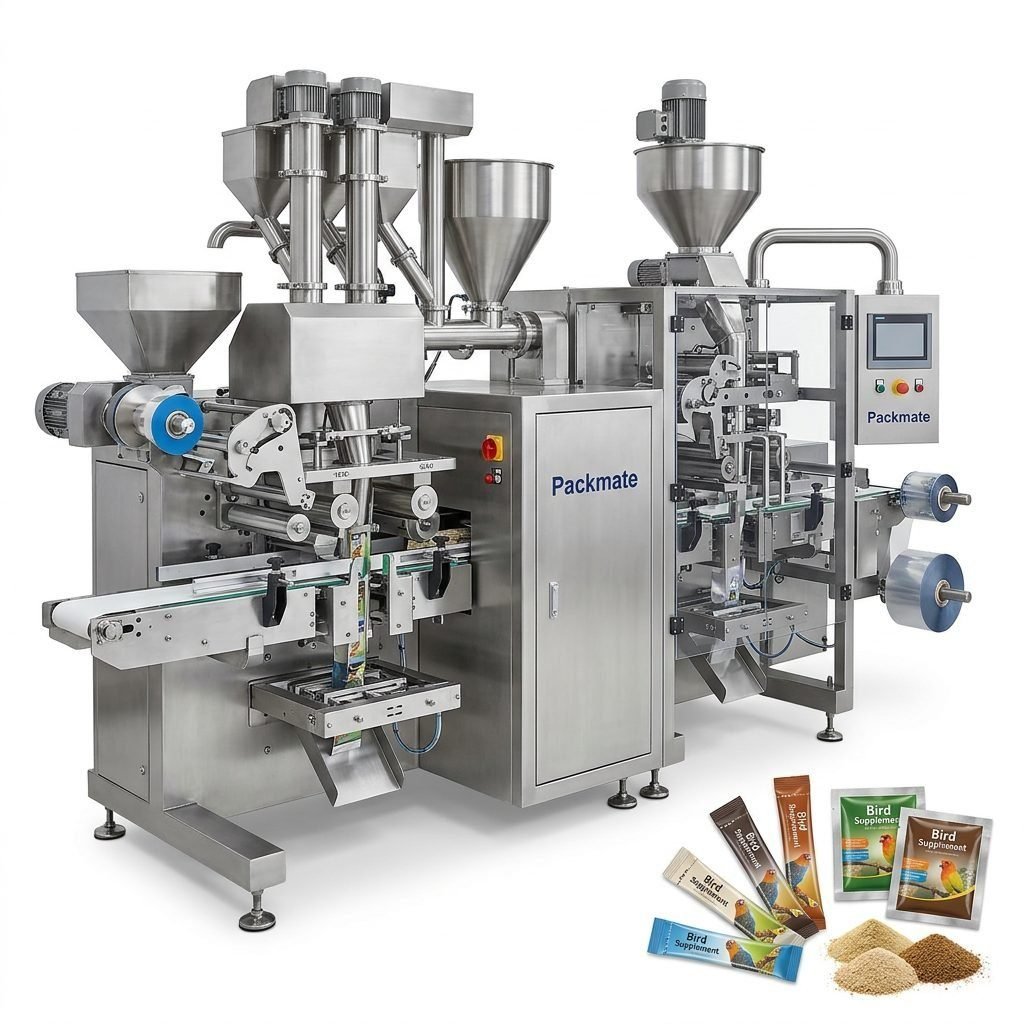
Companies like Packmate Machinery specialize in designing such integrated filling and packaging lines that can be tailored to specific chemical applications.
2. Bagging and Pouching Machines
For smaller retail or sample-sized quantities, bagging machines are prevalent.
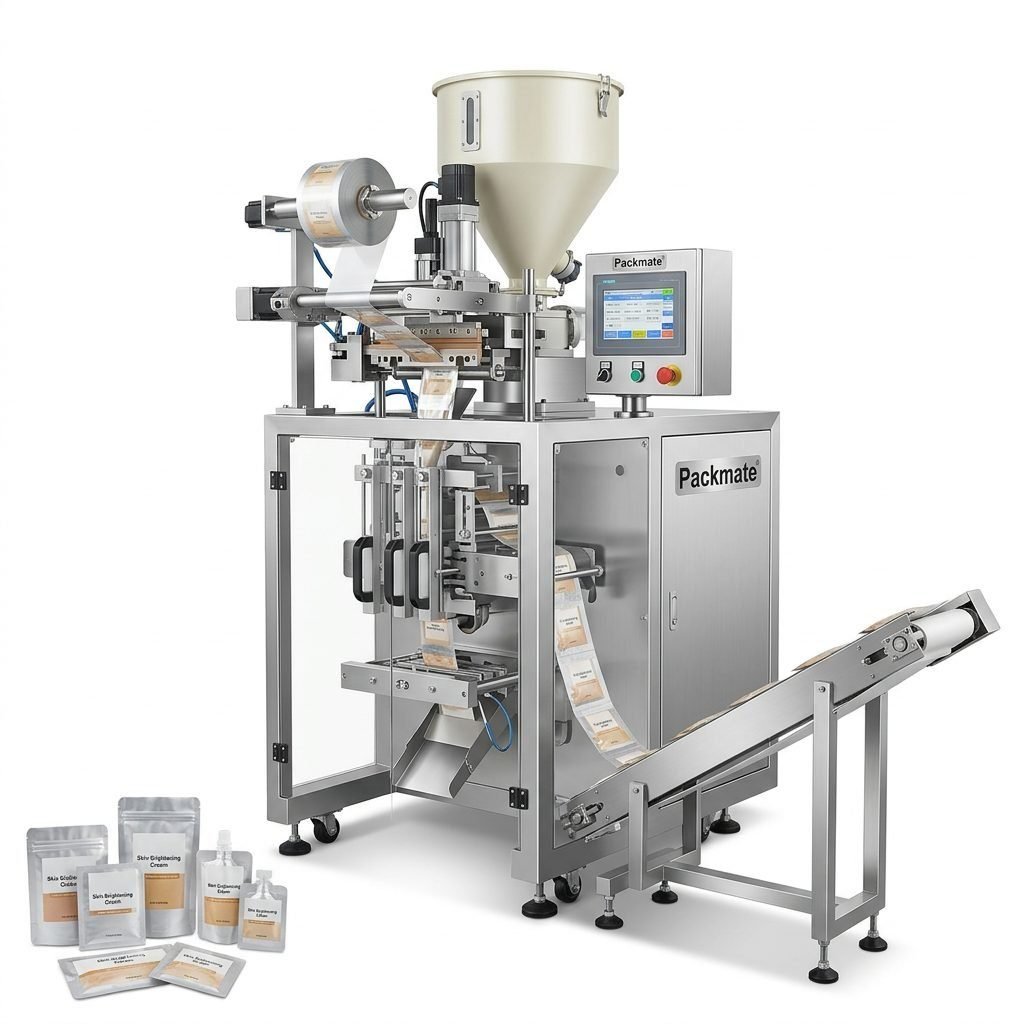
- Vertical Form-Fill-Seal (VFFS) Machines: These versatile machines form a bag from a roll of film, fill it with product, and seal it in one continuous operation. They are perfect for packaging detergent powders, pool chemicals, or desiccants into stand-up pouches or flat bags with high efficiency.
- Pre-Made Pouch Machines: These systems handle already-formed pouches, which is advantageous when using specialized barrier films or laminated structures required for certain aggressive chemicals that need extra protection from moisture or oxygen.
Exploring options such as bag & pouch packaging machines can reveal solutions tailored for chemical products requiring specific seal integrity and material compatibility.
3. Capping, Sealing, and Labeling Equipment
Once filled, containers must be securely closed and identified.
- Cappers and Lidders: Apply screw caps, snap lids, or press-on closures to bottles, jars, and pails. Torque control is crucial to ensure a consistent, leak-proof seal without damaging the container or threads.
- Induction Sealers: Apply an airtight foil liner under a plastic cap, providing a tamper-evident and leak-proof secondary seal essential for hazardous or sensitive liquid chemicals.
- Labelers: Apply warning labels, ingredient lists, barcodes, and branding. Chemical packaging often requires durable, smudge-proof labels that can withstand potential exposure to fumes or minor spills.
4. End-of-Line and Palletizing Systems
This equipment handles the packaged units for shipping and storage.
- Case Packers and Cartoners: Automatically load bags, bottles, or pouches into shipping cases or cartons.
- Palletizers: Robotically or mechanically stack cases onto pallets in a stable, interlocking pattern, which is critical for the safe transport of heavy chemical loads.
Key Selection Criteria for Your Operation
Choosing equipment is more than just matching it to your product. Consider these essential factors:
1. Material Compatibility and Safety
This is the non-negotiable priority. The machine’s product-contact parts must be constructed from materials resistant to corrosion, abrasion, or chemical reaction. Common choices include 316L stainless steel for most applications, specialized coatings (e.g., PTFE, Hastelloy), or ceramic components for highly abrasive products. The design must also facilitate easy cleaning and prevent cross-contamination.
2. Accuracy and Speed (Throughput)
Define your required accuracy (e.g., ±0.5% of target weight) and desired output in units per minute (UPM). High-speed lines for commodity chemicals will differ vastly from slower, precision lines for pharmaceutical-grade reagents. Remember, optimizing for both often requires a balanced investment.
3. Flexibility and Changeover
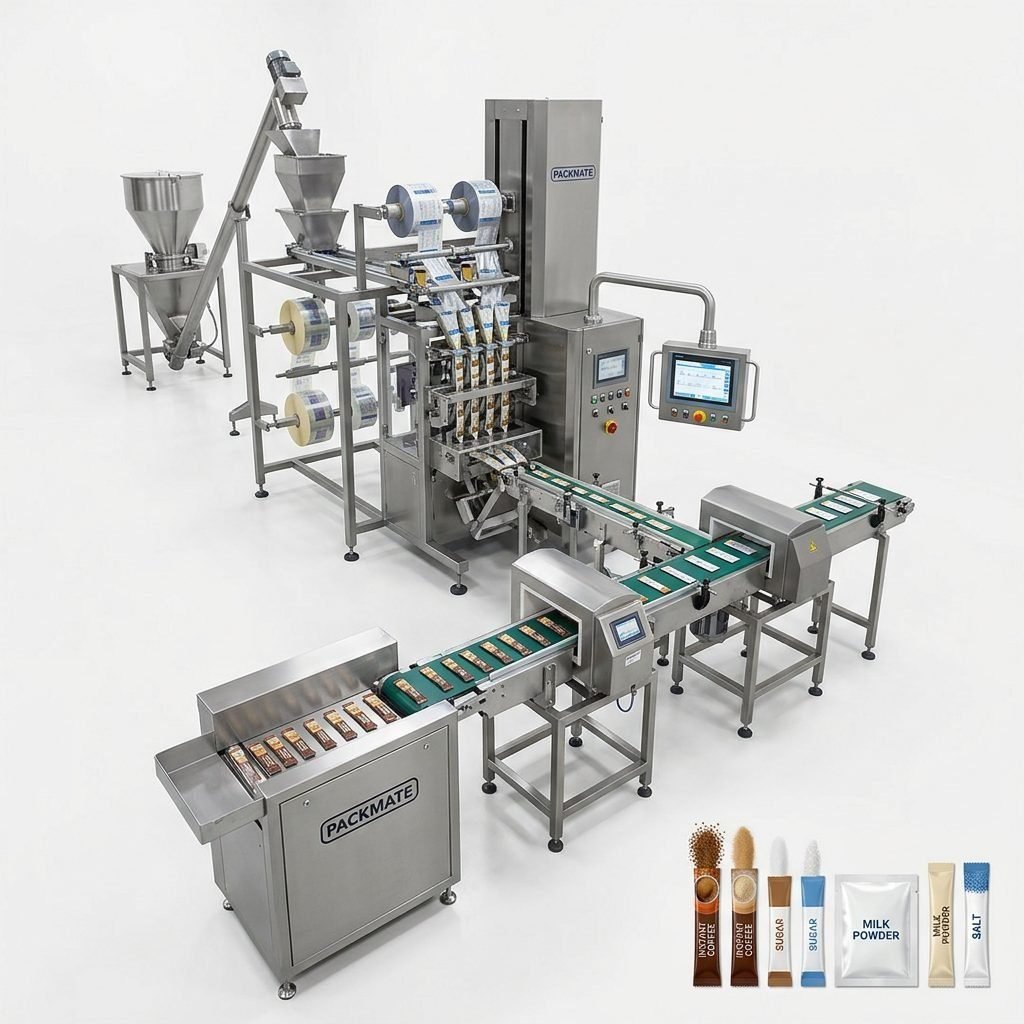
If you run multiple products or various package sizes, evaluate how quickly and easily the machine can be adjusted. Look for features like tool-less changeovers, digital size adjustments, and saved product recipes. For example, a versatile sachet machine might handle different powder volumes with simple parameter changes.
4. Integration and Automation Level
Will the machine stand alone or integrate into a full line? Consider future needs. Modern equipment with PLC controls and Industry 4.0 capabilities (IoT connectivity, data logging) can provide valuable insights into production efficiency, predictive maintenance needs, and overall equipment effectiveness (OEE).
5. Supplier Expertise and Support
The manufacturer’s experience in the chemical industry is invaluable. A supplier with a proven track record, like Packmate Machinery with over two decades of development, will understand the regulatory and practical challenges. Assess their after-sales service, availability of spare parts, and technical support capabilities. Reviewing their project cases can offer concrete evidence of their expertise.
Optimizing for Specific Chemical Forms
Powder & Granule Packaging
Focus on dust containment systems, anti-bridging hopper designs, and filling systems that handle variations in product density. Vacuum systems around the filling head can be crucial for operator safety and plant cleanliness.
Liquid & Viscous Chemical Packaging
Prioritize leak-proof connections, pumps compatible with the fluid’s viscosity and corrosiveness, and drip-free nozzles. For foaming products, filling technology that minimizes agitation is essential.
Hazardous & Flammable Material Packaging
Equipment may require explosion-proof (EX-rated) motors and electrical components, inert gas (nitrogen) purging systems, and enhanced safety interlocks. Compliance with standards like ATEX is mandatory.
Conclusion and Final Recommendations
Investing in the right chemical packaging equipment is a strategic decision that safeguards your product, personnel, and productivity. Start with a thorough analysis of your product characteristics and operational goals. Prioritize material compatibility and safety above all else. Seek out suppliers with demonstrable chemical industry experience who can offer not just a machine, but a reliable, support-backed solution. By carefully weighing the types, uses, and selection tips outlined here, you can build a packaging line that is efficient, compliant, and scalable for future growth.
Frequently Asked Questions (FAQs)
1. What is the most important factor when choosing equipment for corrosive chemicals?
The single most critical factor is material compatibility. All product-contact surfaces must be constructed from alloys, plastics, or coatings specifically resistant to the chemical being packaged (e.g., 316L stainless, PTFE, PVDF). Failure in this area leads to rapid equipment degradation, product contamination, and serious safety risks.
2. Can one machine handle both powders and liquids?
Generally, no. The fundamental mechanics for handling these states are different. An auger system is for powders, while a piston or pump system is for liquids. Some manufacturers offer modular platforms where the core filling mechanism can be swapped, but a single, universal mechanism for both is not standard due to accuracy and hygiene compromises.
3. How do I ensure accurate filling for powders that vary in density?
For powders with inconsistent bulk density, a net weighing filling system is superior to a volumetric (auger) filler. It fills based on weight, compensating for density variations in real-time to maintain consistent fill weight per container. Many modern auger fillers also have weight-feedback systems to adjust for minor drift.
4. What level of automation is right for a mid-sized chemical producer?
A semi-automated line is often the ideal balance. This might involve an automated filler and sealer fed by manual container loading, or an automated bagger with manual case packing. This approach increases output and consistency over fully manual lines while keeping capital costs and complexity lower than a fully robotic line. It also allows for scalability.
5. Why is supplier after-sales support so critical for chemical packaging equipment?
Chemical production downtime is extremely costly. A supplier with strong local or responsive support ensures minimized downtime through quick access to genuine spare parts, expert troubleshooting, and preventive maintenance services. Their deep knowledge of the machine’s interaction with chemicals can also help optimize performance and longevity.