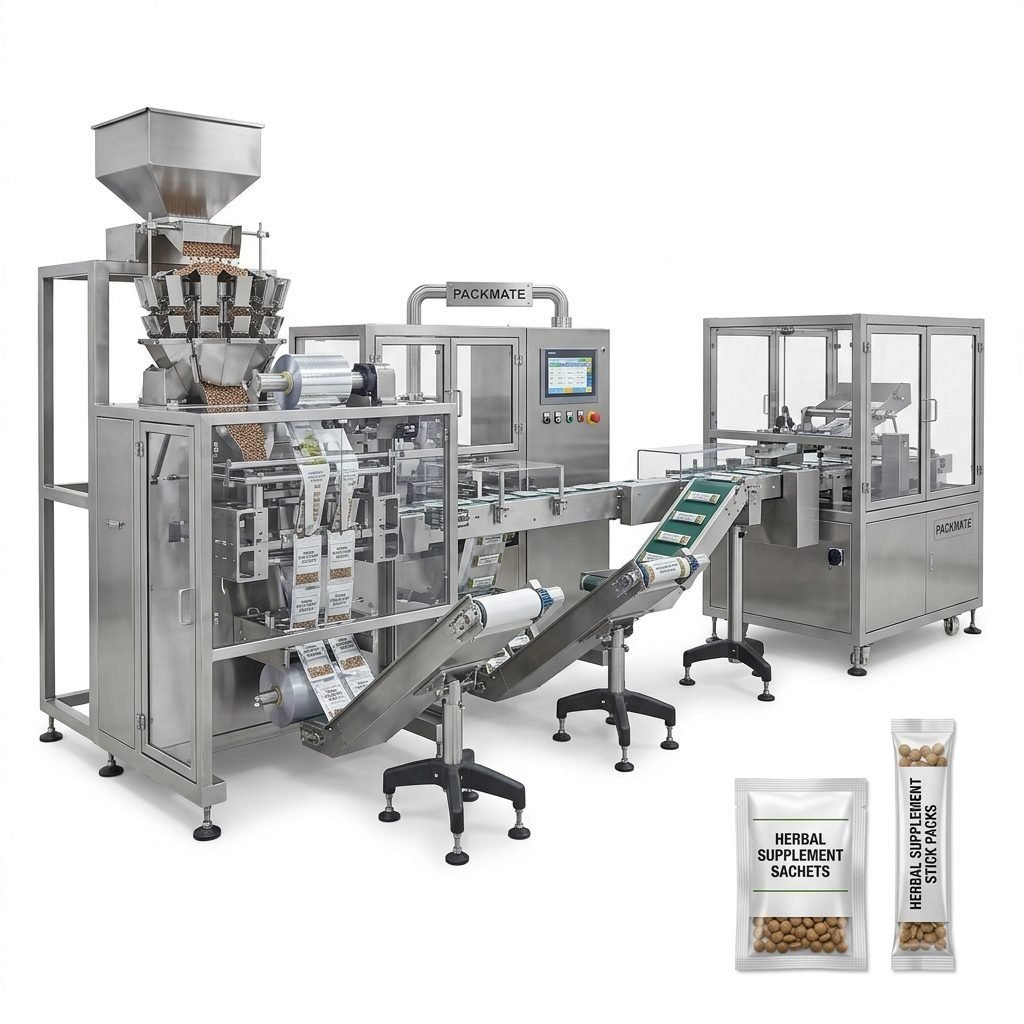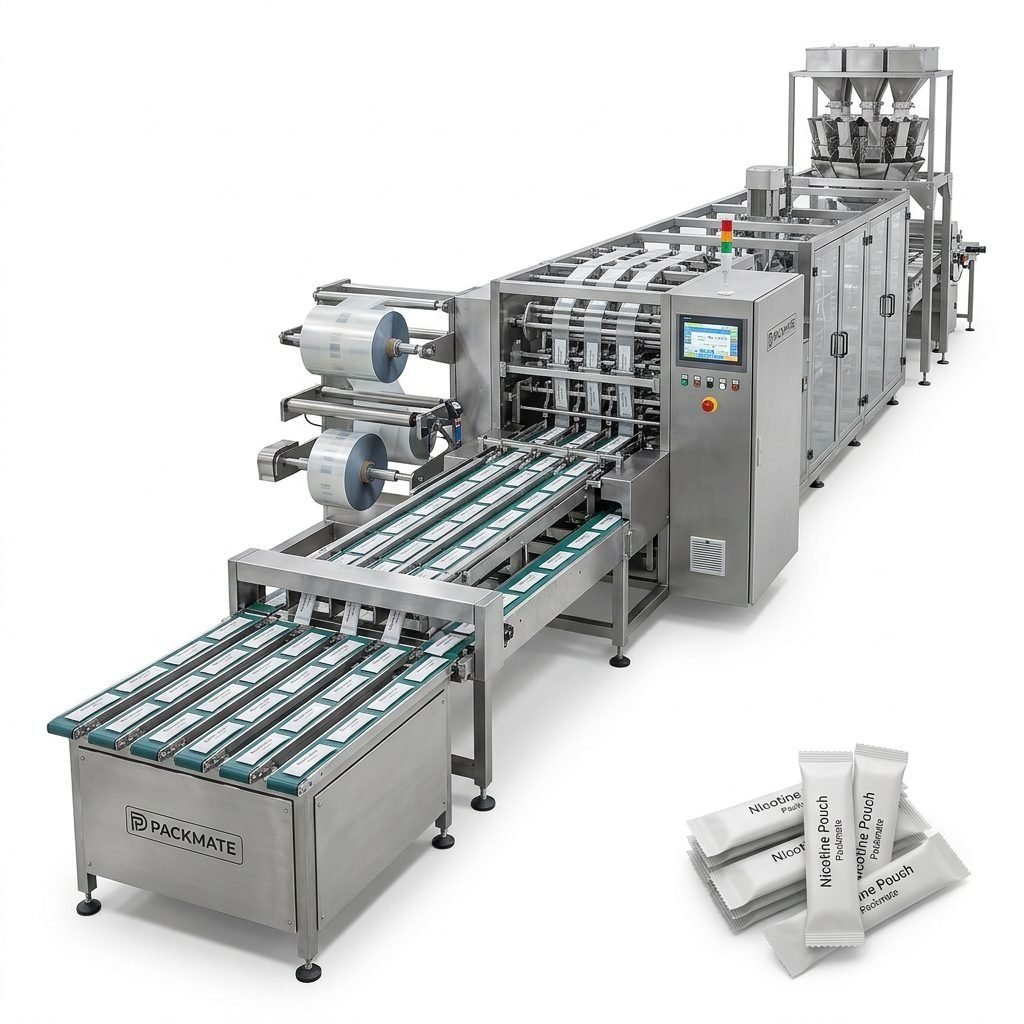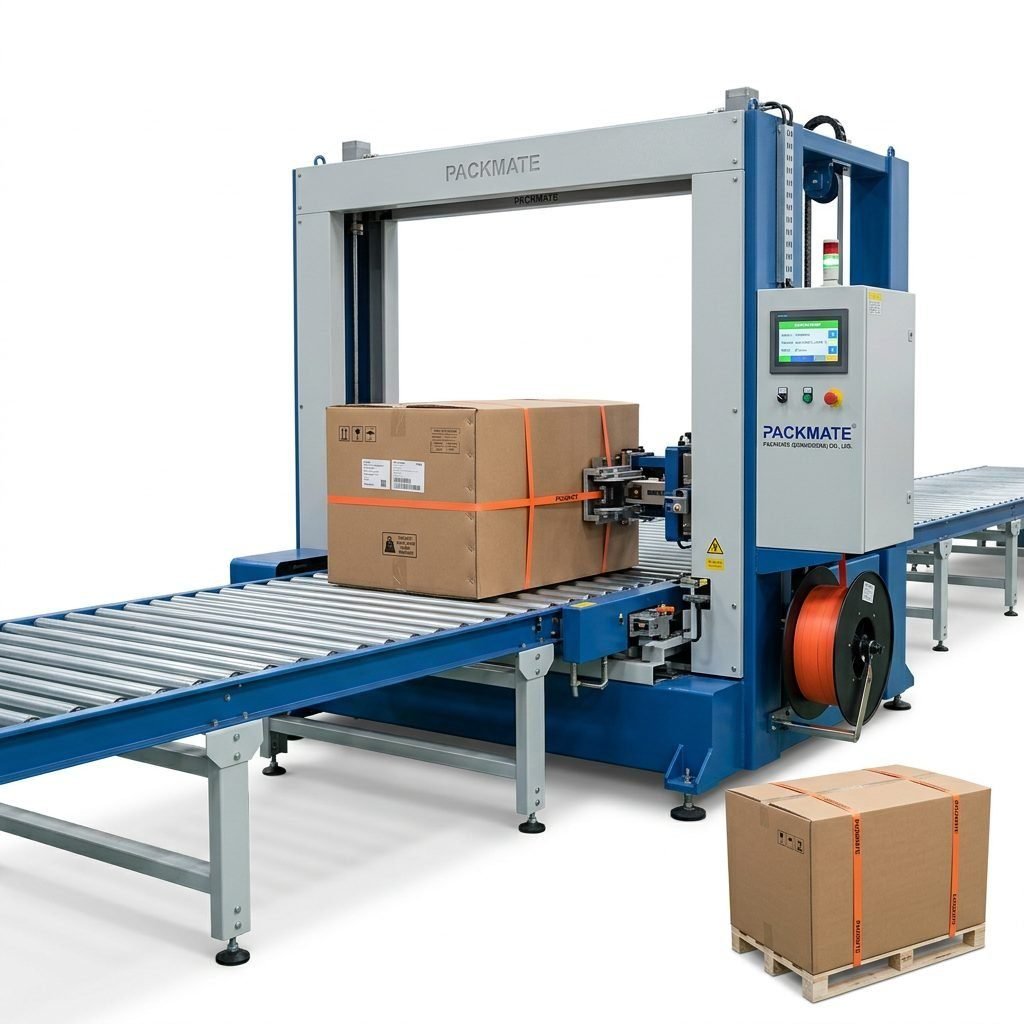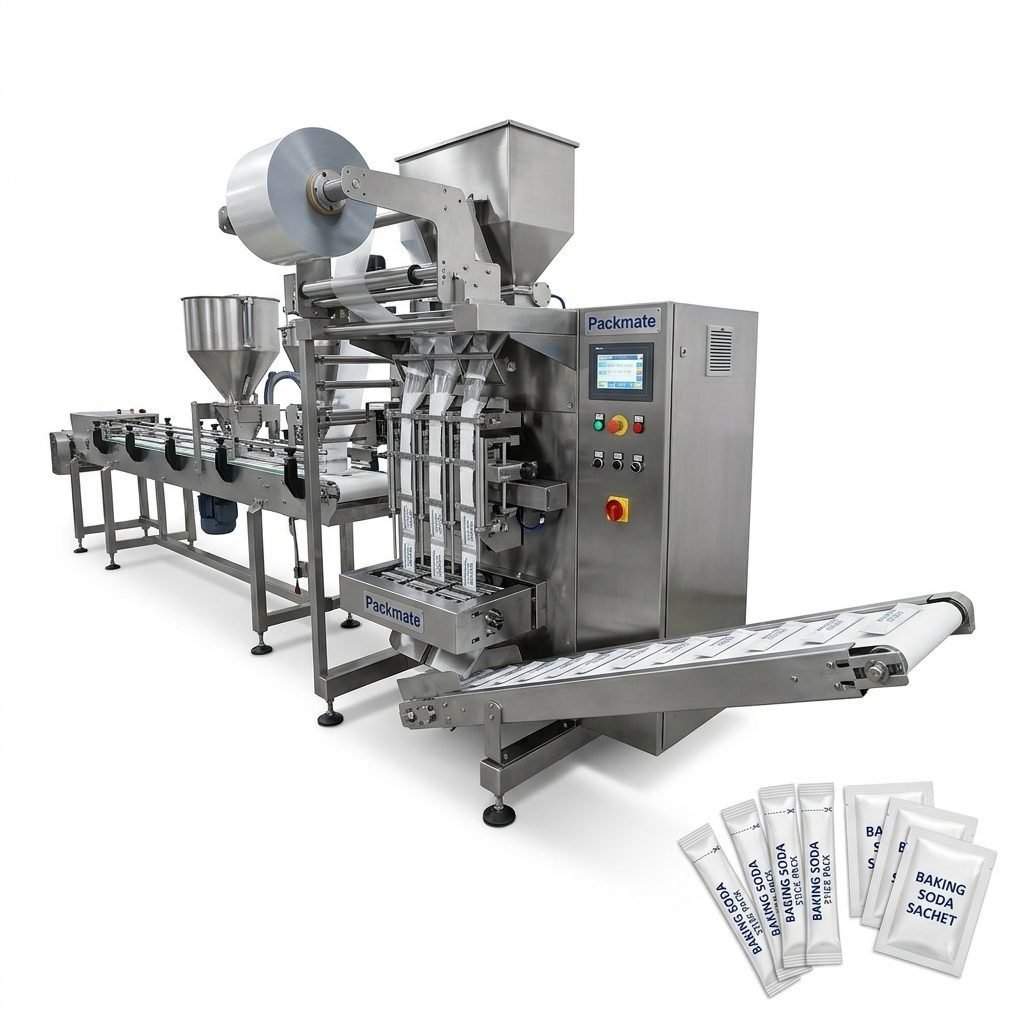
Selecting the ideal vacuum packaging equipment is a critical decision that impacts product quality, shelf life, and operational efficiency. This comprehensive guide will navigate you through the key factors, technologies, and considerations to ensure you make an informed investment that aligns with your specific production needs.
Understanding Vacuum Packaging Technology
Vacuum packaging works by removing air from a package prior to sealing. This process dramatically reduces the oxygen level inside, inhibiting the growth of aerobic bacteria and fungi, which are primary causes of food spoilage. The result is significantly extended shelf life, preserved freshness, and enhanced product presentation. Modern systems go beyond simple air removal, often incorporating gas flushing (Modified Atmosphere Packaging or MAP) to replace oxygen with inert gases like nitrogen or carbon dioxide for even greater preservation of sensitive products.
Key Benefit: The primary advantage of vacuum packaging is the drastic reduction of oxidation and microbial growth. This is not just about preservation; it’s about maintaining flavor, texture, color, and nutritional value, which directly translates to higher customer satisfaction and reduced waste.
Core Components of a Vacuum Packaging System
A typical industrial vacuum packaging machine consists of several integrated components. The vacuum chamber is the heart of the system, where the product is placed for air extraction. The vacuum pump creates the negative pressure, and its power and efficiency are crucial for cycle speed and ultimate vacuum level. The sealing mechanism, often a heated impulse sealer, creates a hermetic seal on the packaging film once the air is removed. Advanced systems may include gas flush injectors, conveyor belts for automation, and sophisticated programmable logic controllers (PLCs) for precise operation.
Key Factors for Choosing Your Equipment
Your choice must be driven by a detailed analysis of your operational requirements. A mismatch between machine capability and production demand can lead to bottlenecks or underutilized capital.
1. Production Volume and Speed Requirements
Assess your current and projected output. For low to medium volumes, single-chamber or double-chamber vacuum sealers might suffice. For high-speed, continuous production lines, you will need automated rotary or inline vacuum packaging systems that can handle dozens of cycles per minute. Consider not just the sealing speed, but also the loading and unloading time.
2. Product Characteristics
The nature of your product dictates the machine specifications. Powders and fine granules require gentle handling and specialized nozzles to prevent product ingress into the vacuum system. Liquids need spill-proof trays or pre-frozen solid-state packaging. Sharp or irregularly shaped products demand durable, puncture-resistant film and carefully designed chamber shapes. Always provide product samples to the equipment supplier for testing.
3. Packaging Materials and Film Compatibility
Not all vacuum sealers work with all films. You must choose equipment compatible with your desired barrier films, such as multi-layered laminates of PET/PE, NY/PE, or EVOH-based films. The sealing temperature, pressure, and dwell time must be adjustable to suit different material thicknesses and compositions to ensure a perfect, leak-proof seal every time.
Critical Consideration: Hygiene and Construction
For food and pharmaceutical applications, machine construction is paramount. Look for models with frames and surfaces made from food-grade stainless steel (e.g., SS304 or SS316), which is corrosion-resistant and easy to sanitize. Sealing elements should be easily accessible for cleaning. Machines designed with smooth, rounded corners and minimal crevices prevent bacterial harborage and comply with stringent industry standards like HACCP and GMP.
Types of Vacuum Packaging Machines
The market offers a range of machines, each suited to different scales of operation. External Vacuum Sealers are economical and use specially designed bags with a textured surface for air channels. Single-Chamber Vacuum Machines are versatile workhorses for small to medium businesses, where the product and bag are placed inside a chamber. Double-Chamber Vacuum Machines dramatically increase output by allowing one chamber to seal while the other is being loaded. For the highest efficiency, Automatic Belt Chamber Machines and Rotary Vacuum Chambers offer continuous, automated processing, often integrated into complete weighing and packaging lines.
The Importance of Reliability and Supplier Support
An equipment breakdown can halt your entire production. Therefore, evaluating the manufacturer’s reputation is as important as evaluating the machine. A supplier with a long history, like Packmate Machinery, brings decades of engineering expertise to the table. They understand the stresses of industrial environments and build machines for durability.
Investigate the availability of spare parts, the responsiveness of technical support, and the comprehensiveness of after-sales service. Does the supplier offer installation, training, and maintenance contracts? Reliable support minimizes downtime and protects your investment over the machine’s entire lifecycle, which can be 10-15 years or more with proper care.
Future-Proofing Your Investment
Consider not only your needs today but also your growth trajectory. Can the machine’s speed be upgraded? Is the control system capable of integrating with factory automation software (Industry 4.0)? Choosing a modular or scalable system from a forward-thinking manufacturer allows you to adapt to increased demand or new product lines without replacing the entire unit. This strategic approach maximizes your return on investment.
Final Checklist Before Purchase
- Request a Live Product Test: Never buy based on specifications alone. Send your actual product and packaging material to the supplier for a performance demonstration.
- Verify Certifications: Ensure the equipment carries necessary safety (CE, UL) and hygiene certifications for your target markets.
- Analyze Total Cost of Ownership: Factor in energy consumption, maintenance costs, and expected consumable (like sealing wire) life, not just the purchase price.
- Review the Warranty: Understand exactly what is covered, for how long, and the process for claiming service.
Frequently Asked Questions (FAQs)
1. What is the main difference between a vacuum sealer and a chamber vacuum machine?
External vacuum sealers are typically for lower-volume, irregular use with specially textured bags. Chamber machines are for professional, high-quality packaging. They place the entire bag (smooth or textured) inside a chamber, achieving a stronger vacuum and allowing for liquid packaging, making them far more versatile and robust for commercial use.
2. How do I know what strength of vacuum (measured in bar or mbar) I need?
The required vacuum level depends on your product. Delicate products like soft cheeses or bakery items may only need a moderate vacuum (e.g., 500-800 mbar) to avoid crushing. For long-term preservation of meats or to prevent freezer burn, a deep vacuum (e.g., below 10 mbar) is essential. Your supplier should advise based on your product test.
3. Can one machine handle both vacuum packaging and gas flushing (MAP)?
Yes, many modern chamber vacuum machines are equipped as combination vacuum/MAP machines. They first evacuate the air and then inject a precise mixture of gases before the final seal. This is the standard for packaging products like fresh salads, cured meats, and snack nuts where oxygen removal alone is not sufficient.
4. What regular maintenance does a vacuum packaging machine require?
Daily cleaning of the sealing bar and chamber is crucial. Regularly check and clean the vacuum pump oil filter (for oil-lubricated pumps) or filters (for dry pumps). Inspect the sealing gasket for wear and tear, and replace the Teflon coating on the sealing bar when it becomes scratched or damaged to ensure consistent seal quality.
5. Is it worth investing in a fully automated line?
Automation, from auxiliary equipment like conveyors to robotic loaders, becomes cost-effective at high volumes. It reduces labor costs, minimizes human error, increases consistency and hygiene, and provides a much higher and predictable output. The ROI should be calculated based on your labor costs and production targets.