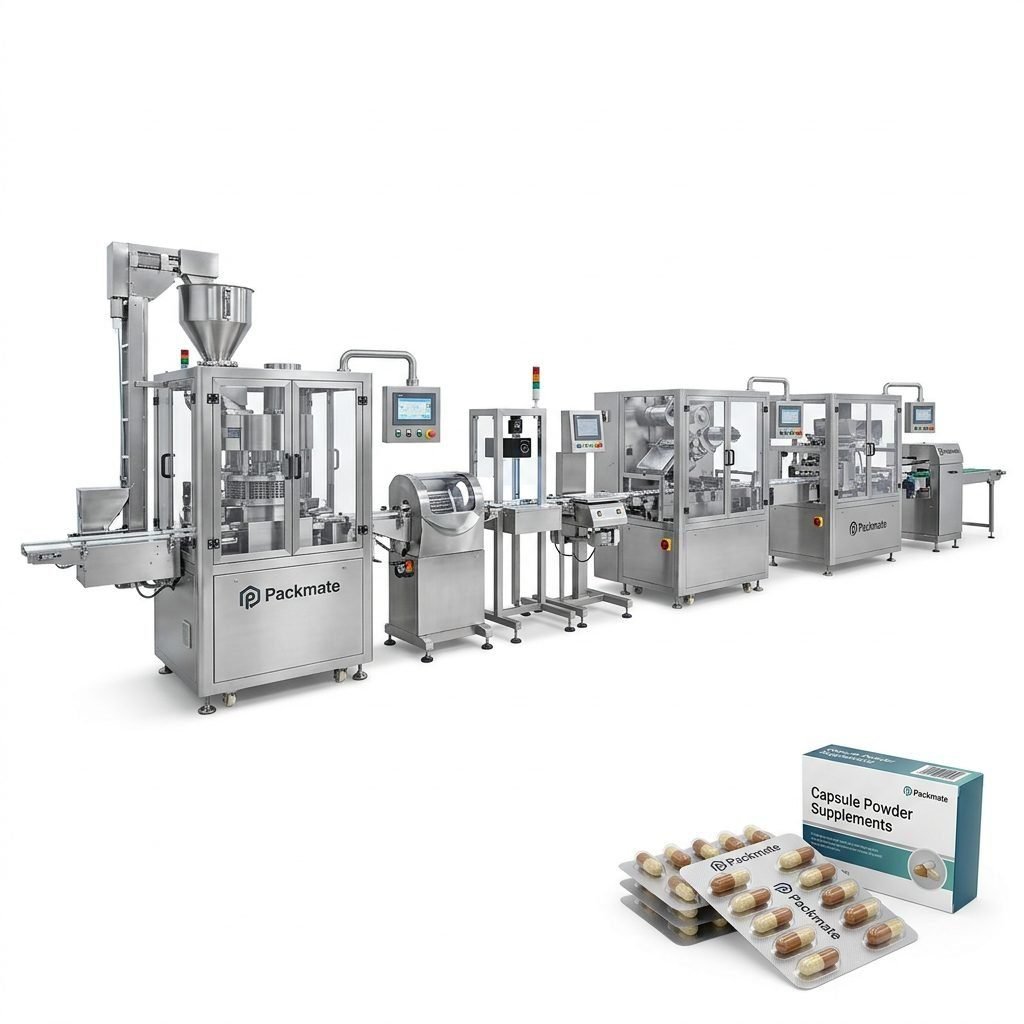
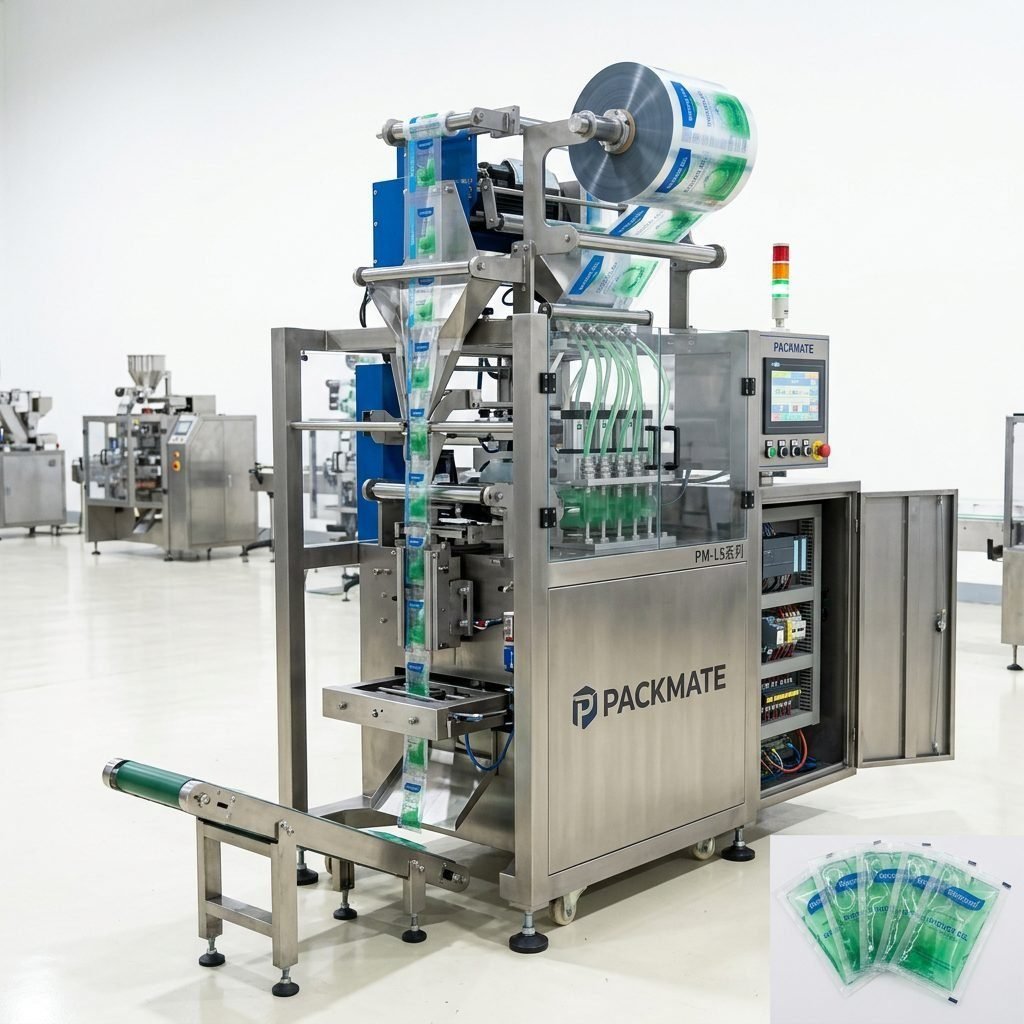
In the fast-paced world of product packaging, efficiency, hygiene, and consumer appeal are paramount. For countless industries—from food and beverage to pharmaceuticals and dietary supplements—the stick pack has emerged as a superior format for delivering single-serve portions of powders, granules, and liquids. At the heart of producing these convenient, portable packets is the stick pack packaging machine. This guide delves into the different types of machines available, their extensive uses across sectors, and crucial buying tips to help you make an informed investment for your production line.
Understanding Stick Pack Packaging Machines
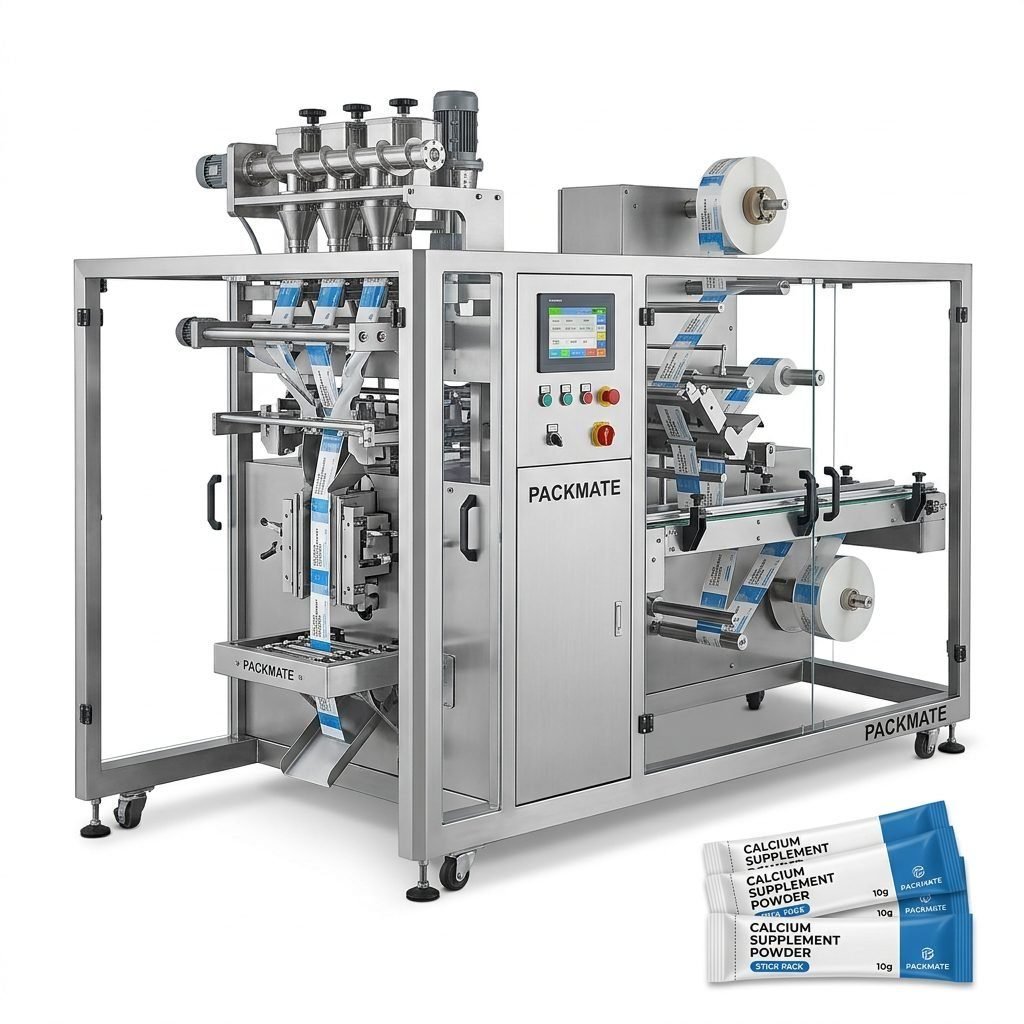
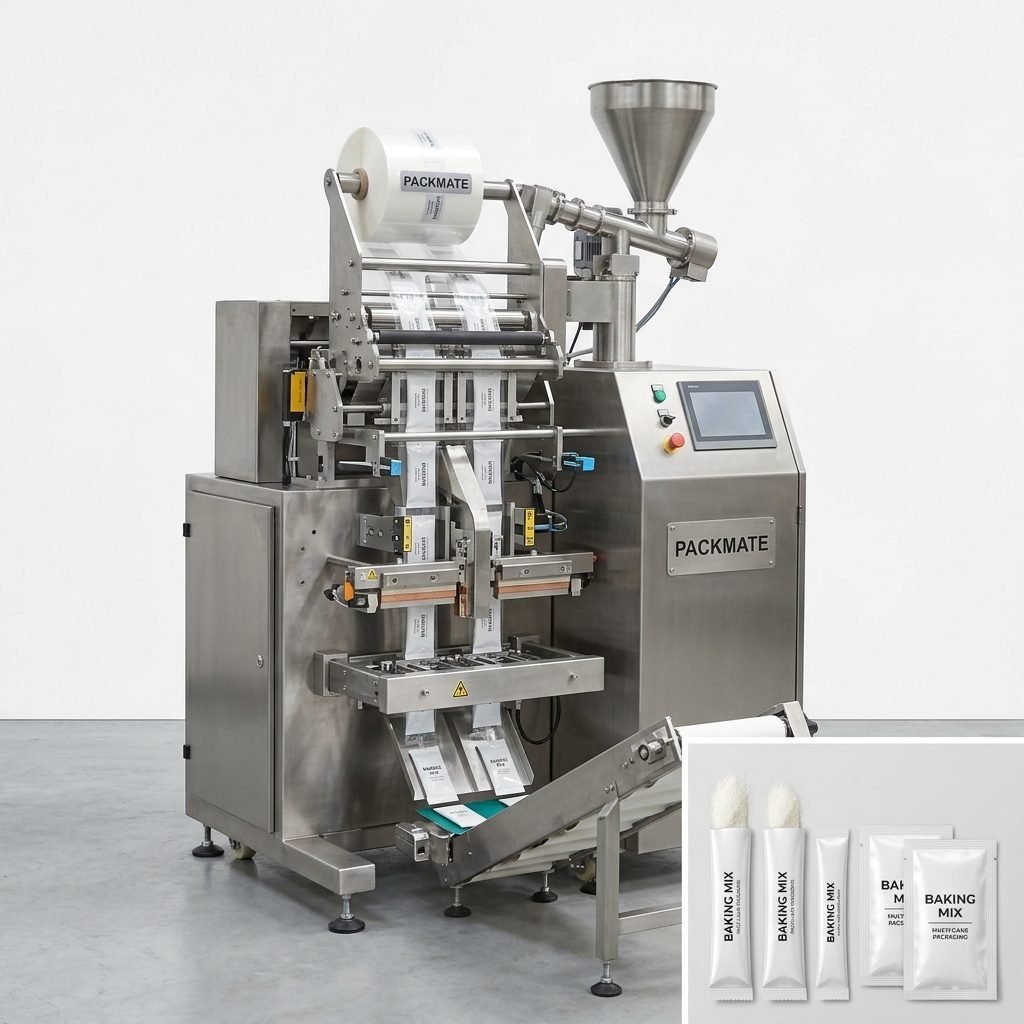
A stick pack packaging machine is a specialized form of vertical form-fill-seal (VFFS) equipment. It creates long, narrow, tube-like packages from a roll of film, forming the pouch, precisely measuring and filling the product, and then sealing it on both ends and along the back seam. The result is a sleek, space-efficient pack that stands upright, perfect for retail displays and consumer use. Modern machines are highly automated, integrating functions like film unwinding, date coding, and precision weighing systems to ensure consistent, high-speed output.
Key Takeaway:
The core function of these machines is to automate the entire process of creating a sealed, filled stick pack from roll stock, dramatically increasing production speed and consistency while reducing labor costs and material waste compared to manual methods.
Primary Components and Workflow
The typical workflow of a stick pack machine involves several integrated stations. A film roll holder feeds the packaging material—often a multi-layered laminate for barrier properties—into a forming collar. This collar shapes the flat film into a tube. The vertical back seal is created, and the product is dispensed into the tube from a filling system above. Finally, horizontal jaws seal the top of the filled pouch and the bottom of the next pouch simultaneously, cutting them apart. Advanced models may include nitrogen flushing for preservation, checkweighers for quality control, and vision systems for print registration.
Types of Stick Pack Packaging Machines
Not all stick pack machines are created equal. The right choice depends heavily on your production volume, product characteristics, and required flexibility. Here’s a breakdown of the main categories.
Single-Lane vs. Multi-Lane Machines
The most fundamental distinction is the number of lanes, or production lines, running in parallel on a single machine frame.
Single-Lane Machines: Ideal for lower to medium production requirements, pilot projects, or products with a high degree of customization. They offer simpler operation and maintenance and are generally more affordable as an entry point. Their output typically ranges from 40 to 120 packs per minute.
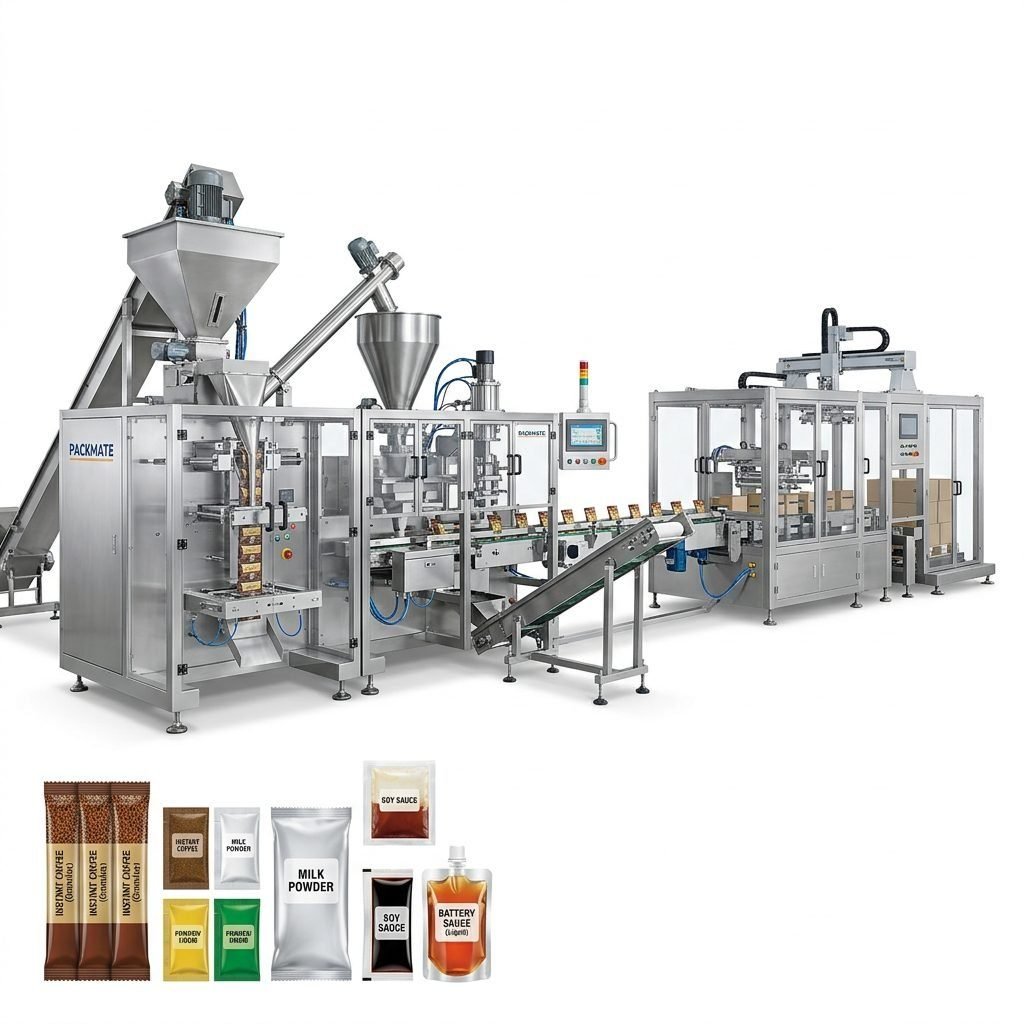
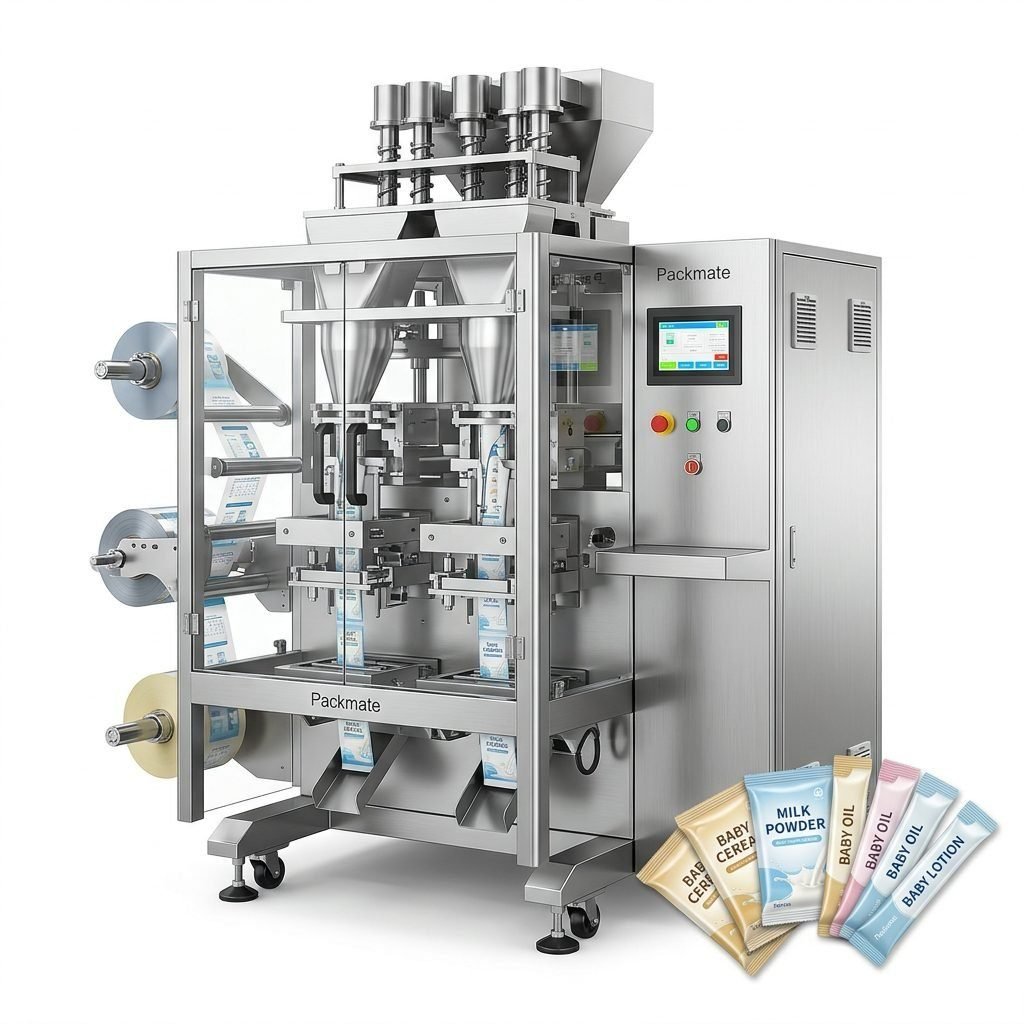
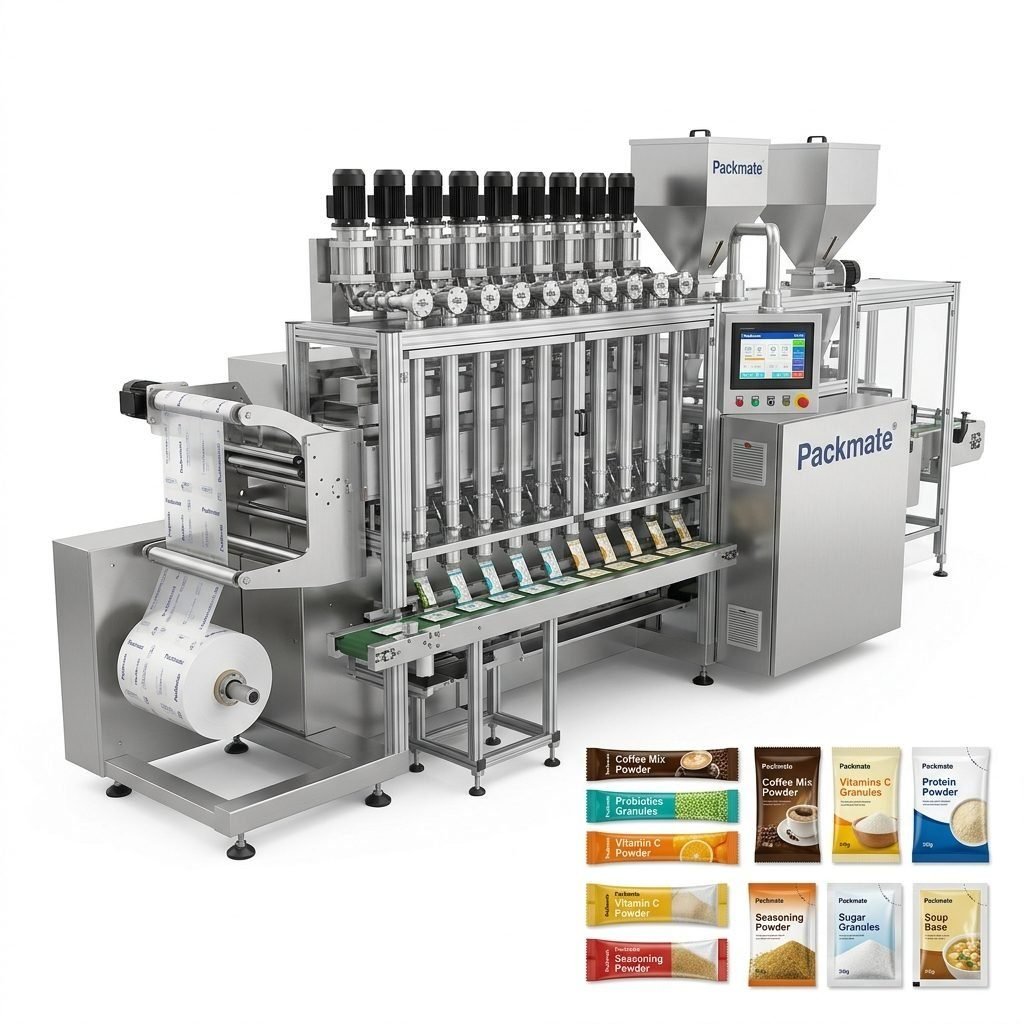
Multi-Lane Machines: Designed for high-volume production, these machines feature multiple forming tubes and filling heads operating simultaneously. A 4-lane machine, for example, can produce four stick packs with every cycle, multiplying output exponentially. Brands like Packmate Machinery offer robust multi-lane solutions capable of speeds exceeding 400 packs per minute, making them essential for large-scale manufacturers in the coffee, sugar, or pharmaceutical industries.
Machine Configurations by Product Type
Machines are also engineered to handle specific product forms efficiently.
- Powder Stick Pack Machines: Equipped with auger filler systems for precise volumetric dosing of fine powders like protein supplements, instant drink mixes, or spices. Anti-bridging mechanisms and vibration aids ensure consistent flow.
- Granule Stick Pack Machines: Use cup or linear weigh fillers to handle small granules, such as instant coffee, sugar, or seeds. They focus on accuracy to maintain portion control.
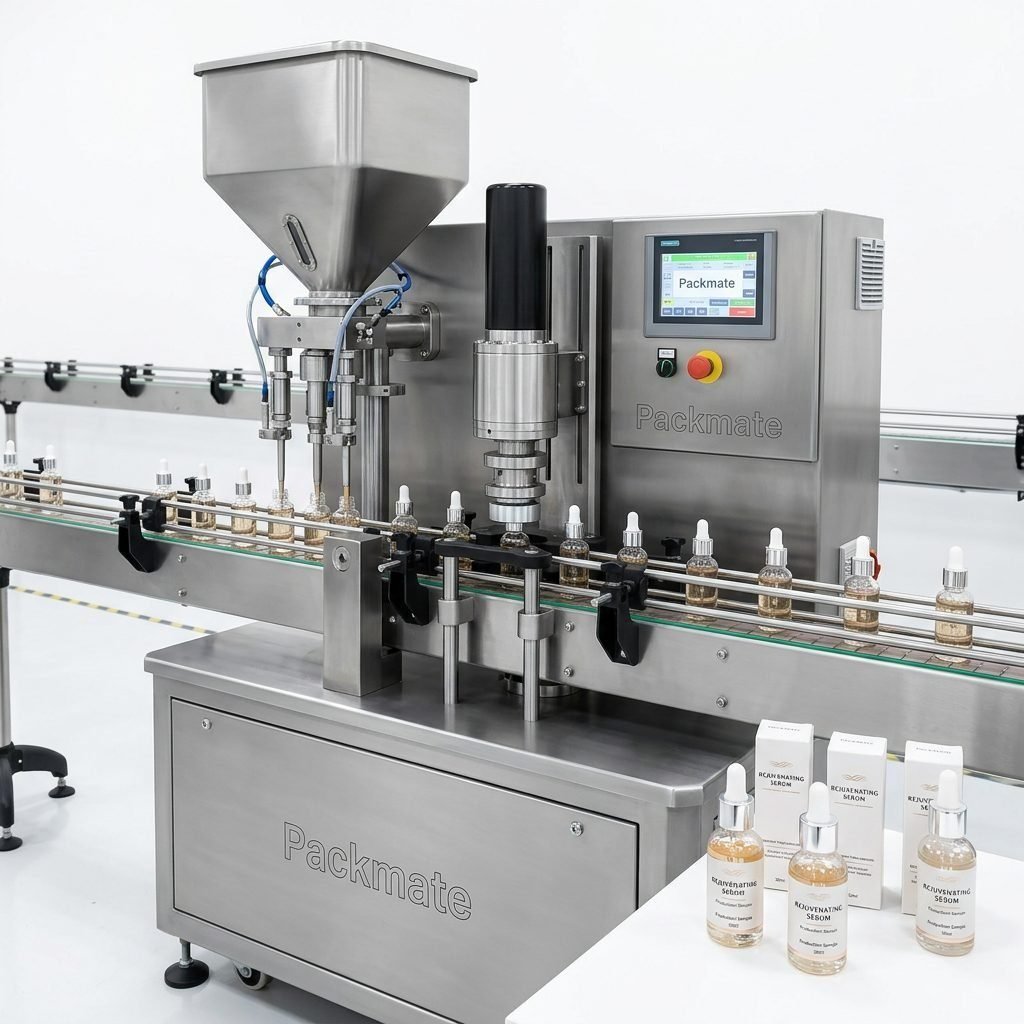
- Liquid & Viscous Product Machines: Feature piston pump or timed-flow fillers for liquids, oils, sauces, or gels. They require special sealing considerations to prevent leakage and often use thicker, high-barrier films.
Wide-Ranging Uses and Applications
The versatility of the stick pack format has led to its adoption across a diverse spectrum of industries. Its benefits—portability, precise dosing, extended shelf life, and reduced packaging material—resonate strongly with both B2B and B2C markets.
Food & Beverage Industry
This is the largest application sector. Stick packs are ubiquitous for single-serve portions of:
- Instant coffee, tea, and cocoa mixes.
- Sweeteners (sugar, stevia), salt, and pepper.
- Condiments like ketchup, mayonnaise, and soy sauce.
- Drink powders for sports nutrition, weight loss, and meal replacements.
- Spices, seasoning blends, and gravy mixes.
The format minimizes waste, preserves freshness, and offers excellent branding space on the film.
Pharmaceutical & Nutraceutical Industry
Here, precision and hygiene are non-negotiable. Stick packs are used for:
- Over-the-counter (OTC) powders (pain relievers, cold & flu remedies).
- Electrolyte replacement powders.
- Single-dose dietary supplements (vitamin C, collagen peptides).
- Probiotic formulations.
Machines for this sector often require GMP-compliant design, easy-clean surfaces, and the ability to handle nitrogen flushing to displace oxygen and protect sensitive active ingredients.
Other Growing Applications
The application list continues to expand:
- Cosmetics & Personal Care: Single-use samples of facial masks, shampoo, lotion, or sunscreen.
- Agrochemicals: Precise doses of water-soluble fertilizers or pesticides for professional or home gardening.
- Industrial Chemicals: Additives, dyes, or cleaning agents where exact measurement is critical.
Why Choose Packmate for Your Stick Pack Needs?
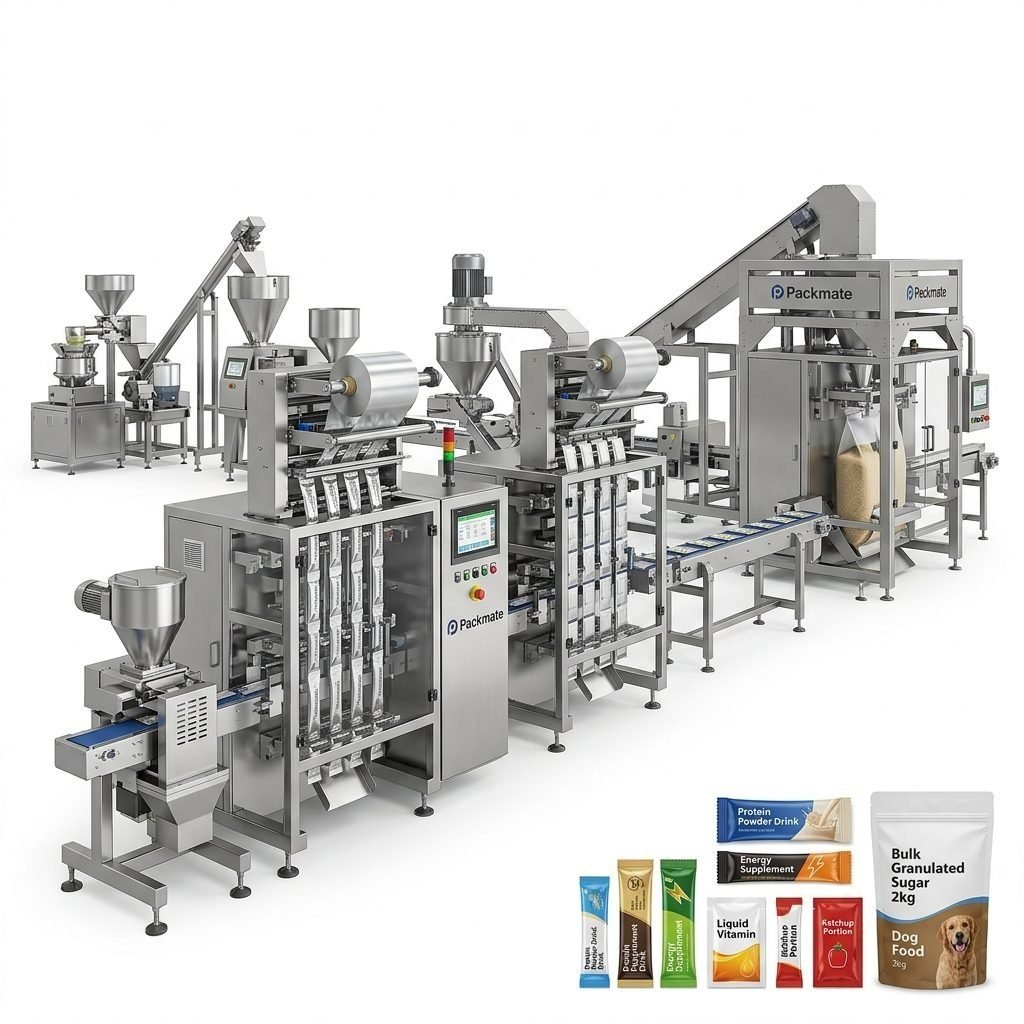
With over 30 years of expertise in intelligent packaging, Packmate (GuangDong) Co., Ltd. stands as a leader in this field. Operating from a modern 20,000㎡ facility, the company has evolved from a small workshop in 1993 to a provider of complete turnkey solutions. Their journey, formalized in 2003, reflects a deep commitment to innovation and quality. Today, they offer a comprehensive range of sachet and stick pack machines, including high-speed multi-lane models developed to meet surging global demand. Their machines are engineered for reliability, ease of operation, and seamless integration into full production lines, backed by a professional team dedicated to client success.
Essential Buying Tips for Your Machine
Investing in a stick pack machine is a significant decision. Here are key factors to consider to ensure you select the right equipment for your long-term success.
1. Define Your Production Requirements
Start with a clear analysis of your needs:
- Output Speed (Packs Per Minute): Calculate your current and projected future demand. Don’t just buy for today; allow for growth.
- Product Characteristics: Is it a free-flowing powder, abrasive granule, or viscous liquid? This determines the filler type and machine material (e.g., food-grade stainless steel).
- Packaging Material: What type of film will you use? Ensure the machine can handle its thickness, width, and sealing properties.
2. Prioritize Machine Flexibility and Changeover
If you plan to run multiple products or different pack sizes, quick changeover capability is vital. Look for machines with tool-less adjustments, digital settings memory, and easily interchangeable forming collars and filling heads. This minimizes downtime between production runs and maximizes overall equipment effectiveness (OEE).
3. Evaluate Automation and Integration Level
Consider how the machine will fit into your existing or planned line. Does it need to integrate with upstream mixers or downstream cartoners? Key features to look for include:
- PLC control with user-friendly touchscreen HMI.
- Precision servo motors for accurate film feeding and sealing.
- Options for automatic film splicing, batch coding, and vision inspection systems.
4. Assess Build Quality and Supplier Support
The machine’s construction dictates its longevity and reliability. Inspect the frame rigidity, quality of components (like seals and servos), and overall finish. Crucially, evaluate the manufacturer’s support:
- Availability of installation, training, and commissioning services.
- Warranty terms and the responsiveness of the technical support team.
- Access to spare parts and preventive maintenance programs.
A partner like Packmate, with a long company history and a focus on complete solutions, can provide invaluable peace of mind beyond the initial sale.
5. Consider Total Cost of Ownership (TCO)
Look beyond the initial purchase price. Factor in operational costs like energy consumption, required operator skill level, maintenance schedules, and potential for future upgrades. A slightly higher initial investment in a robust, efficient, and reliable machine from a reputable supplier often leads to a lower TCO and higher ROI over its lifespan.
Frequently Asked Questions (FAQs)
What is the typical speed range for a stick pack machine?
Speeds vary widely based on the machine type. Single-lane machines typically produce 40-120 packs per minute (PPM). Multi-lane machines, with 2 to 8 lanes, can achieve outputs from 200 to over 600 PPM, depending on the product and configuration.
Can one machine handle both powders and liquids?
While some machines are marketed as “multi-purpose,” optimal performance usually requires a machine configured for a specific product type. The filling system for powders (auger) is fundamentally different from that for liquids (piston pump). For frequent switching between vastly different products, investing in interchangeable filling systems for a flexible machine platform is recommended.
How important is the packaging film material?
Extremely important. The film must have the correct sealant layer to bond with the machine’s heat sealing jaws. It also needs appropriate barrier properties (against moisture, oxygen, light) to protect the product’s shelf life. Always test your chosen film on the machine during trials.
What are the key maintenance requirements?
Daily cleaning of product contact parts, regular lubrication of moving components as per the manual, and periodic inspection of sealing jaws, cutting blades, and wear parts are essential. Proper maintenance is the single biggest factor in ensuring consistent seal integrity, machine uptime, and longevity.
What training is required for operators?
Basic machine operation, film loading, product filling system setup, routine cleaning procedures, and understanding of the control panel are standard training points. Reputable suppliers like Packmate provide comprehensive training during installation to ensure your team can run the machine safely and efficiently from day one.