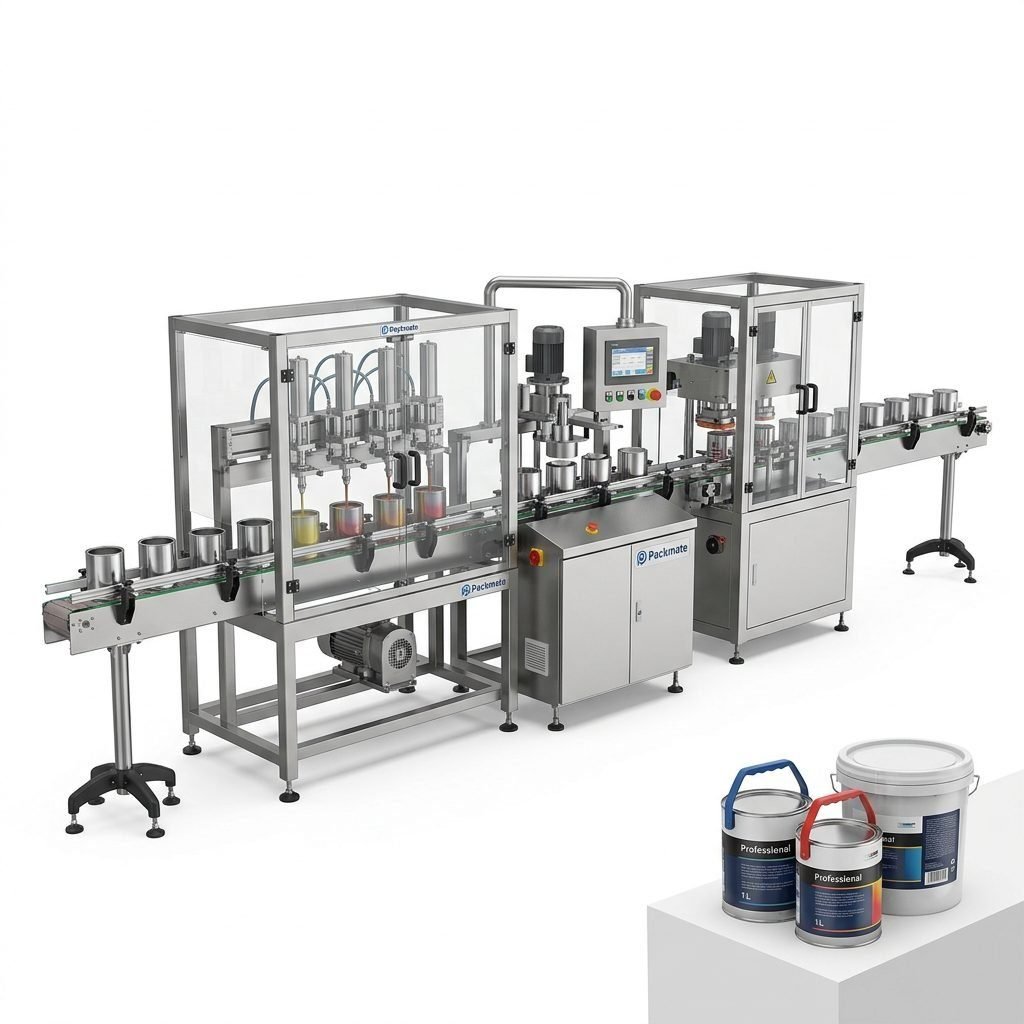
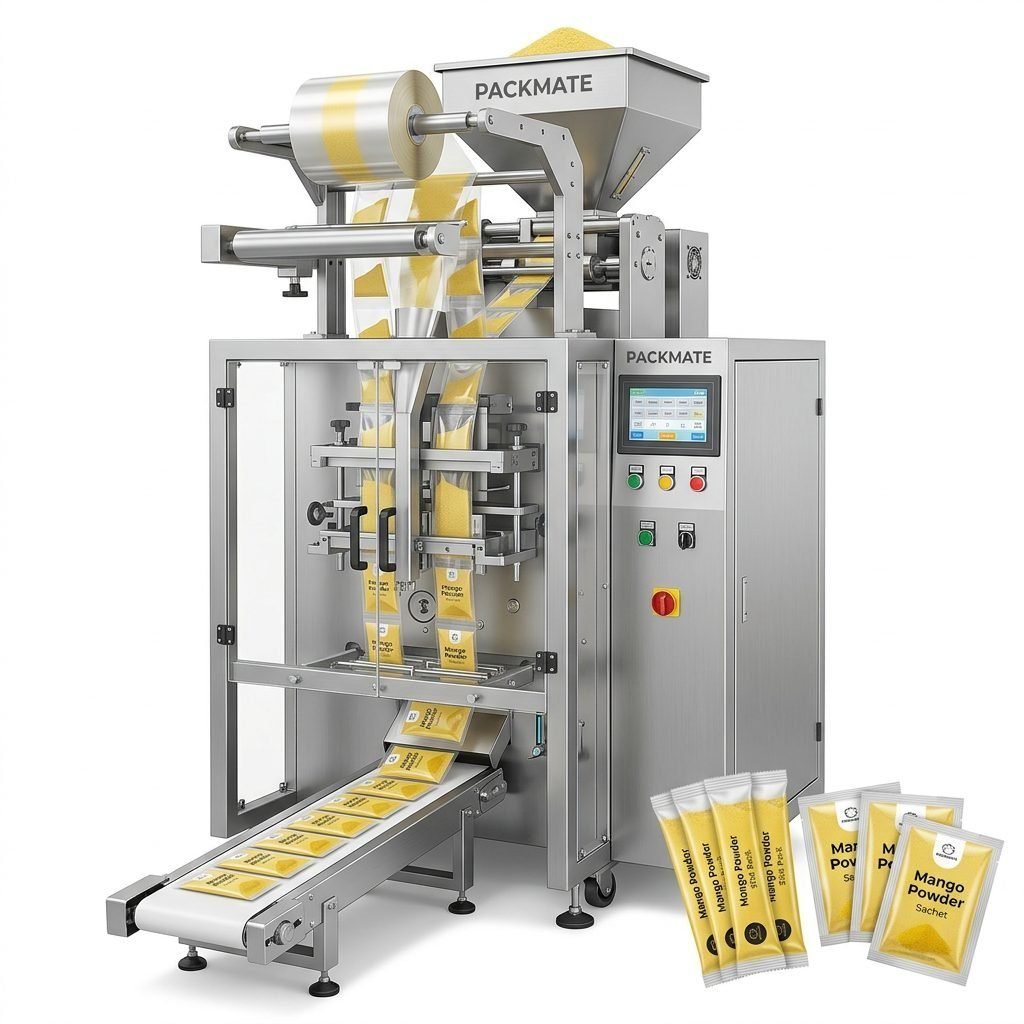
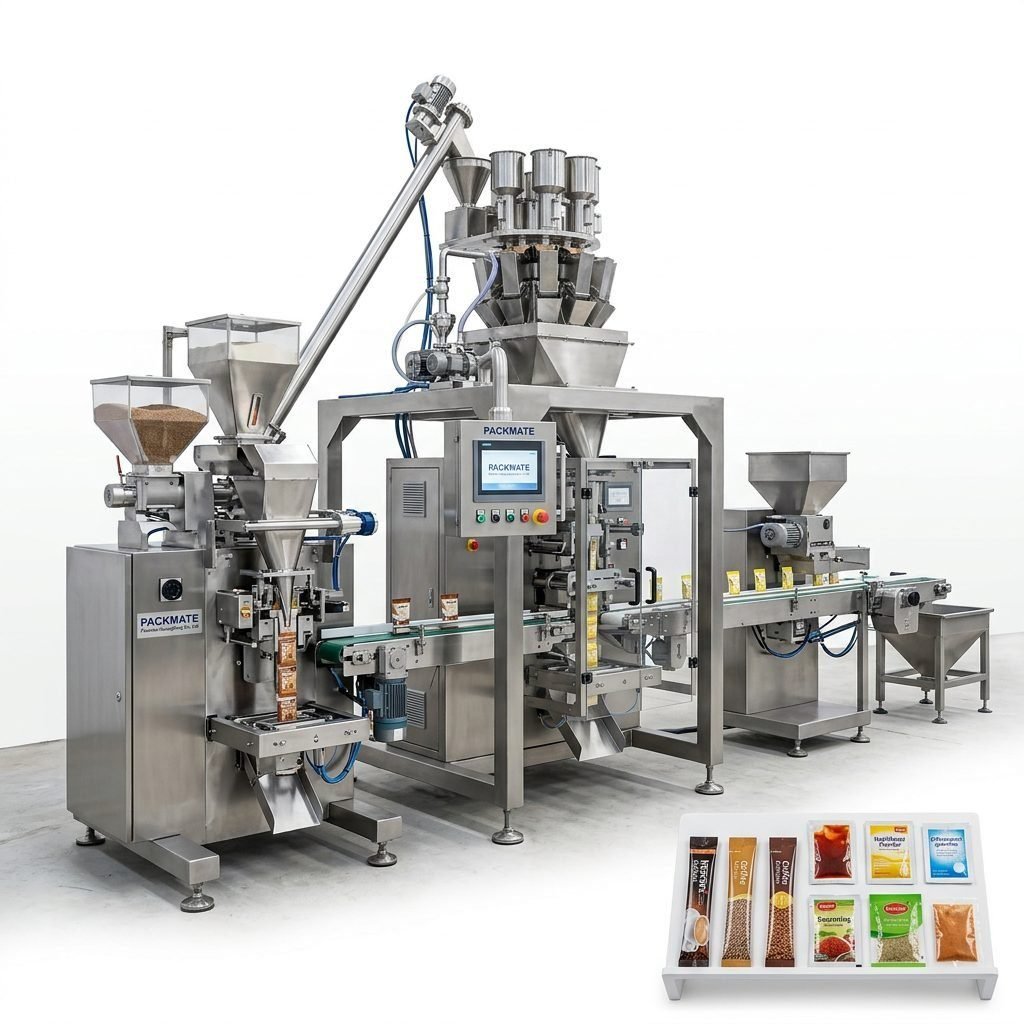
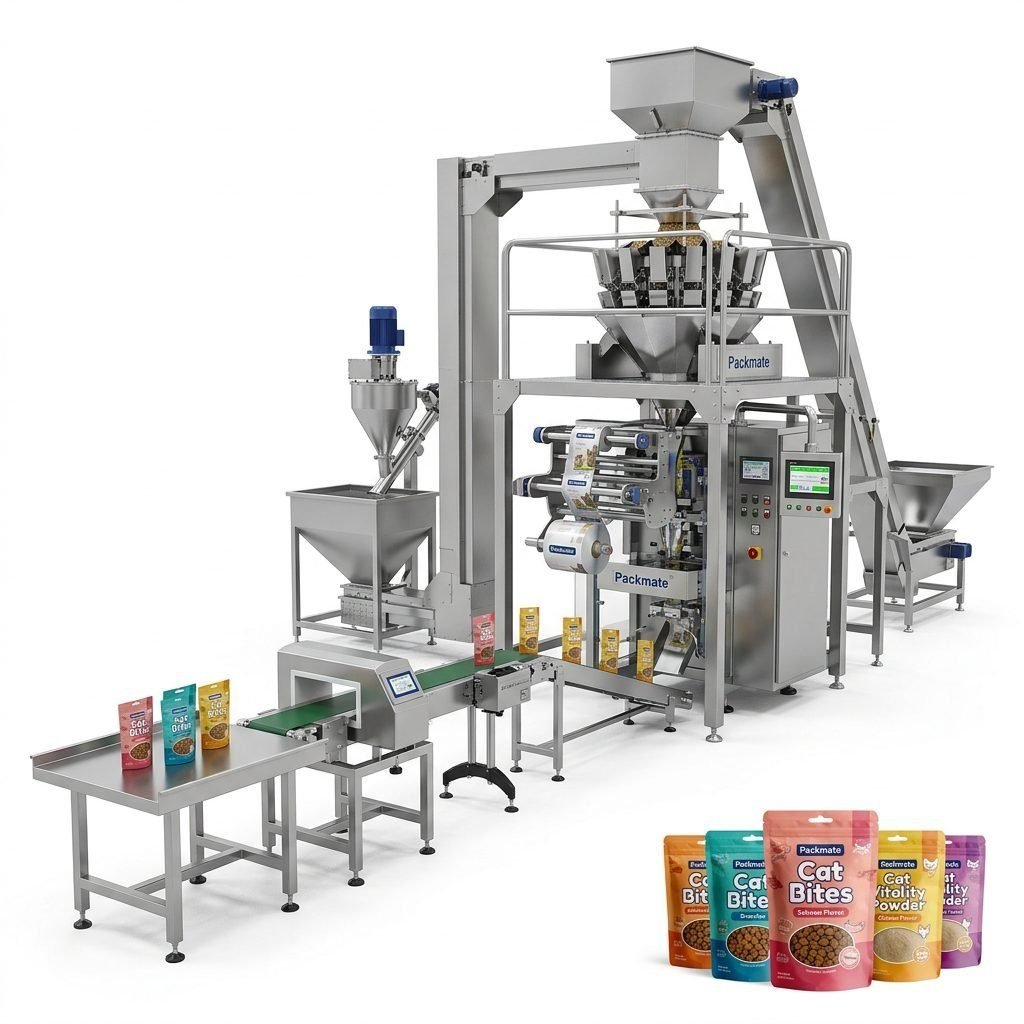
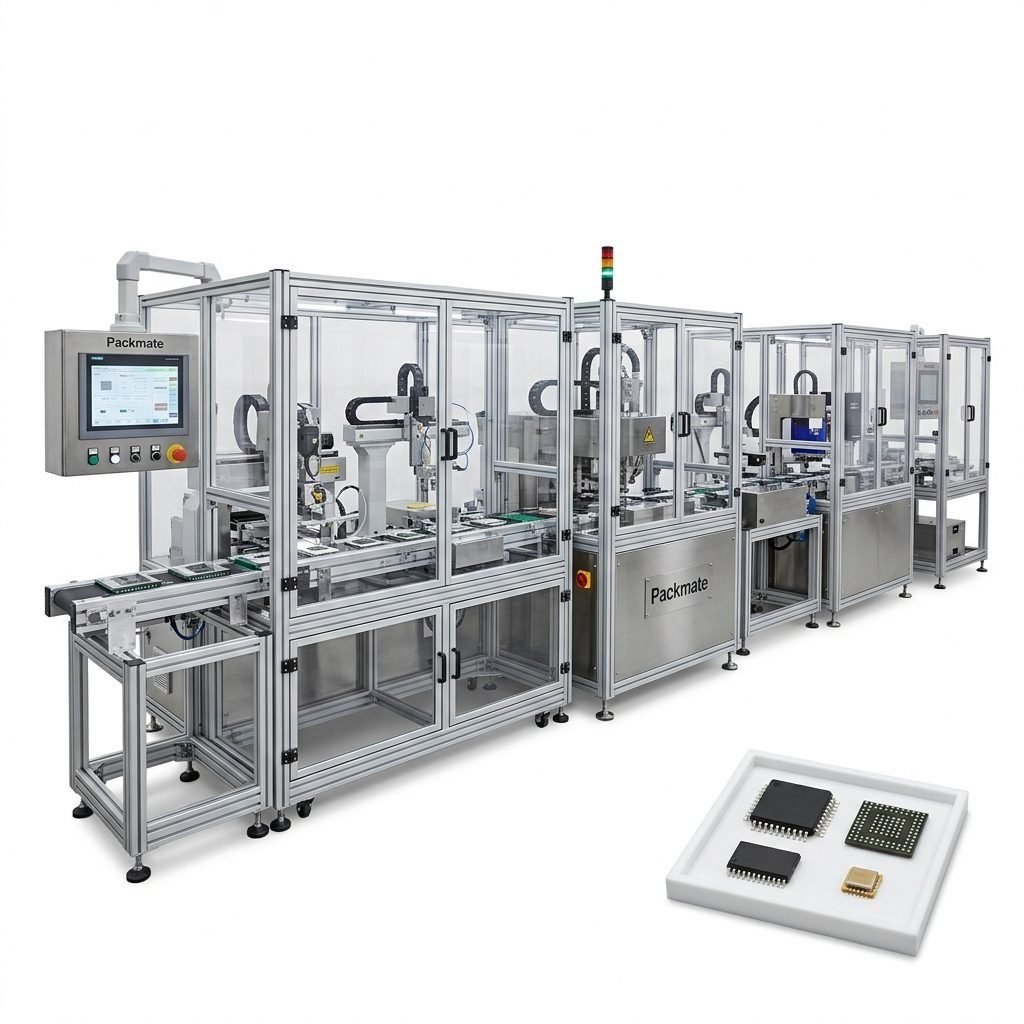
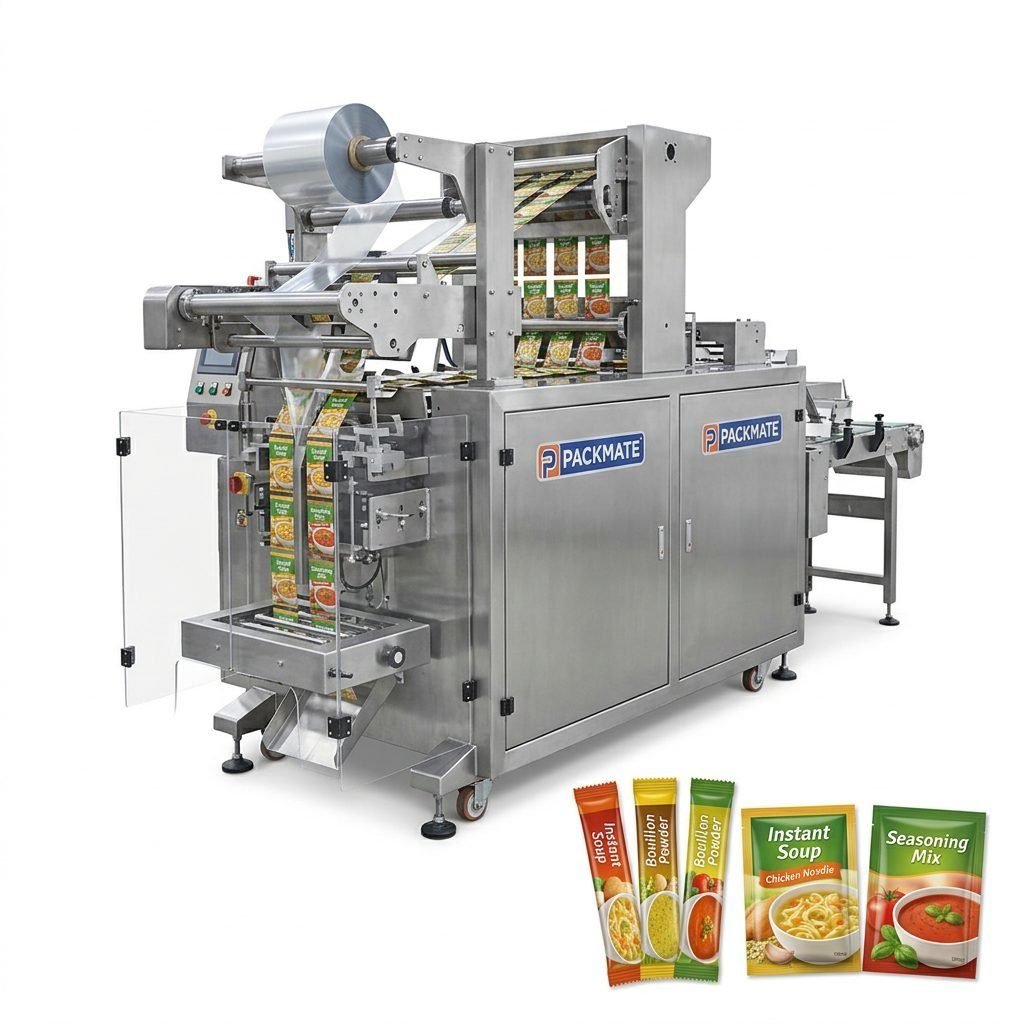
In the competitive world of food production and industrial manufacturing, product preservation and presentation are paramount. A commercial vacuum packaging machine is no longer a luxury but a necessity for businesses looking to extend shelf life, maintain product quality, and enhance safety. Selecting the right machine can be a complex decision, influenced by factors like production volume, product type, and budget. This guide delves into the world of commercial vacuum packaging, helping you identify the best solutions for both food and broader industrial applications.
Understanding Vacuum Packaging Technology
At its core, vacuum packaging removes air from a package before sealing it. This process significantly reduces the oxygen level inside, which is the primary catalyst for oxidation and microbial growth (like bacteria and mold). The benefits are substantial: extended shelf life, prevention of freezer burn, retention of flavor and moisture, and improved product integrity during transport. For industrial applications beyond food, such as electronics or medical components, vacuum sealing protects against moisture, dust, and corrosion.
Key Takeaway: The fundamental principle is oxygen removal. The efficiency and consistency of this process define the quality of the vacuum seal and the resulting product preservation.
Types of Commercial Vacuum Packaging Machines
The market offers several types of machines, each suited to different operational scales and needs.
Chamber Vacuum Machines
These are the workhorses for medium to high-volume food processing. Products are placed inside a sealed chamber. The machine removes air from the entire chamber before heat-sealing the bag. They are excellent for packaging liquids, moist products, and powders, as they prevent liquid from being sucked into the pump. Ideal for integrated filling and packaging lines in food processing plants.
External (Nozzle) Vacuum Sealers
Common in retail settings like butcher shops or delis, these machines use a suction nozzle inserted into the bag. Air is extracted through the nozzle before sealing. They are more affordable and suitable for dry or semi-dry products but are less effective with liquids.
Rollstock or Form-Fill-Seal (FFS) Vacuum Machines
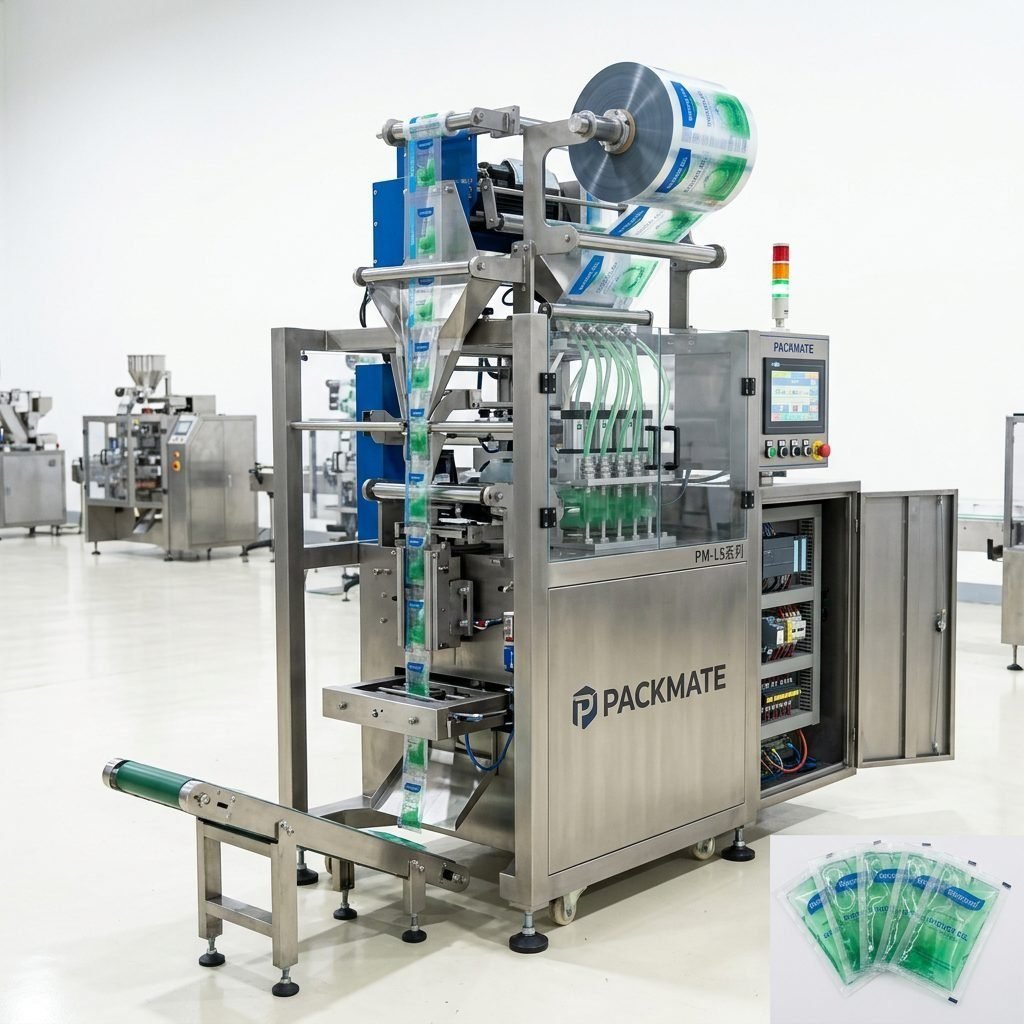
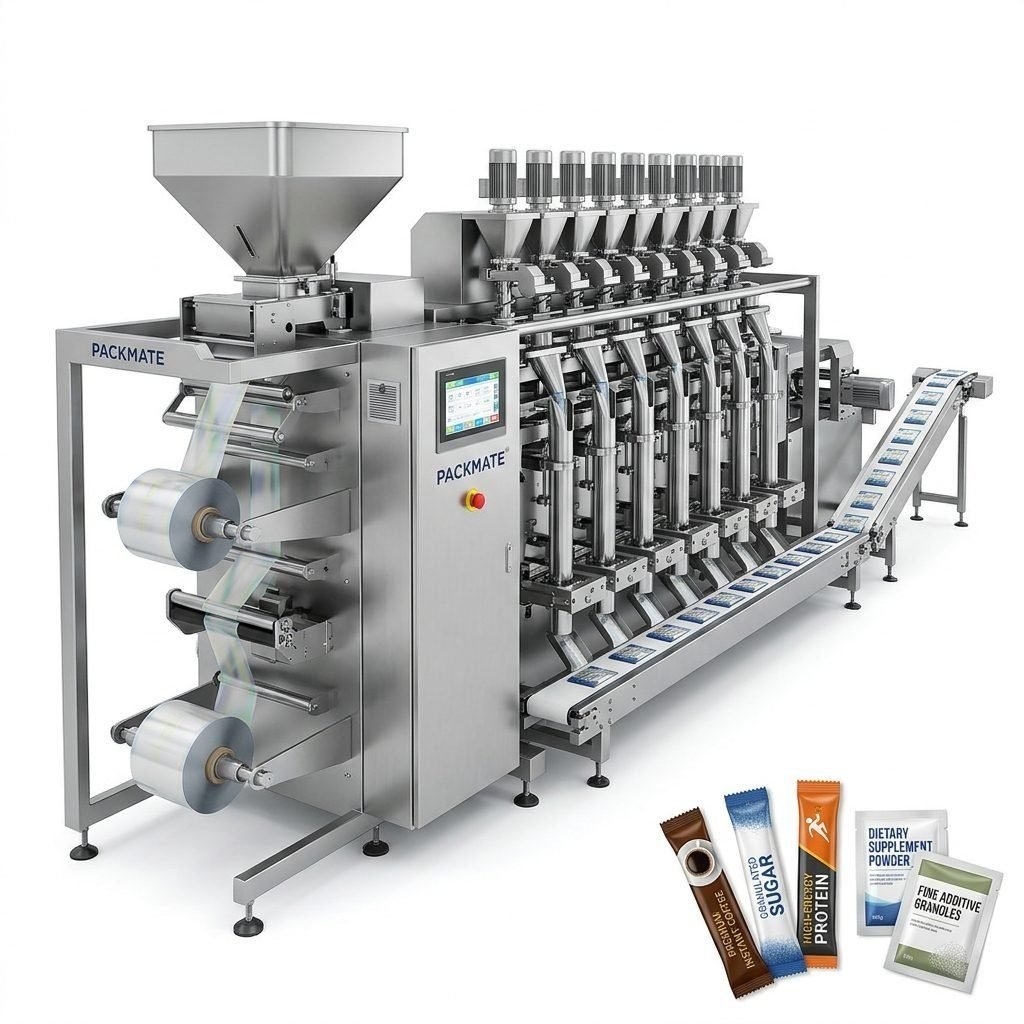
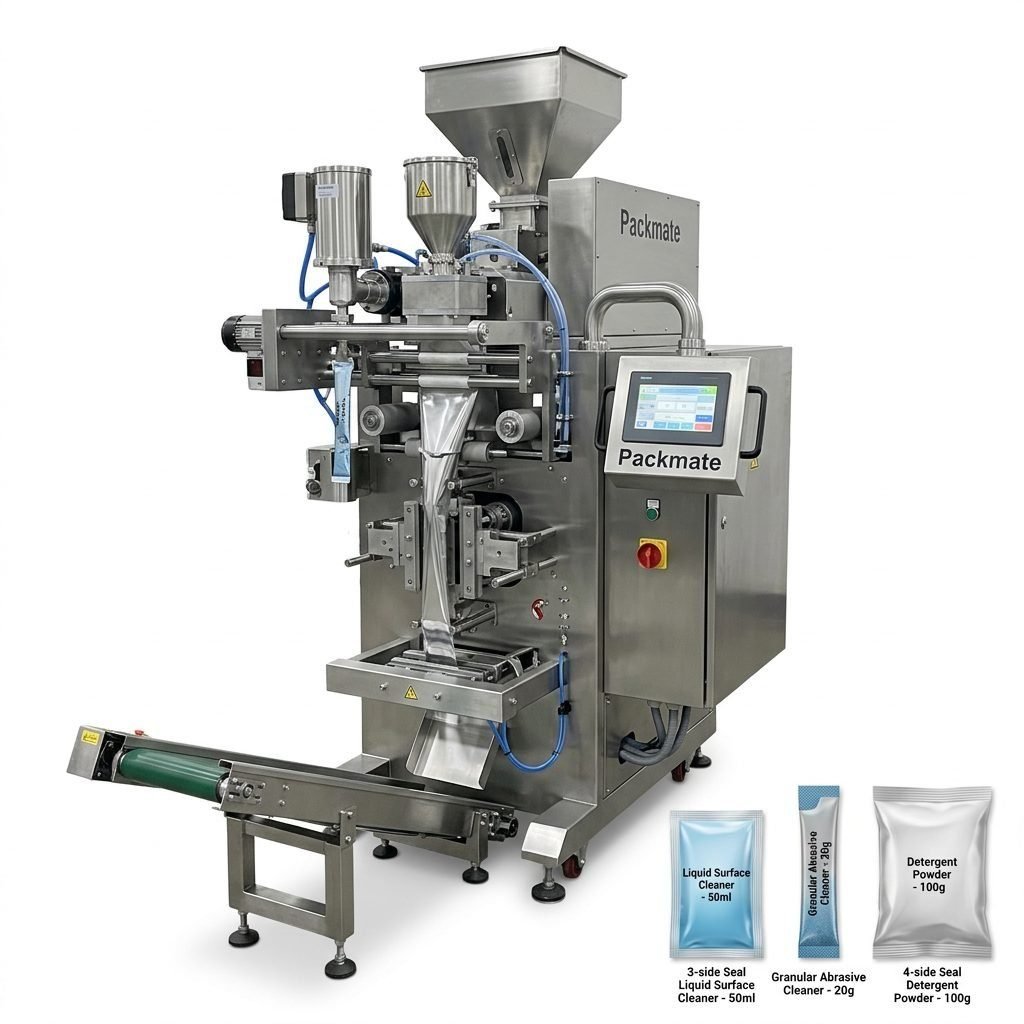
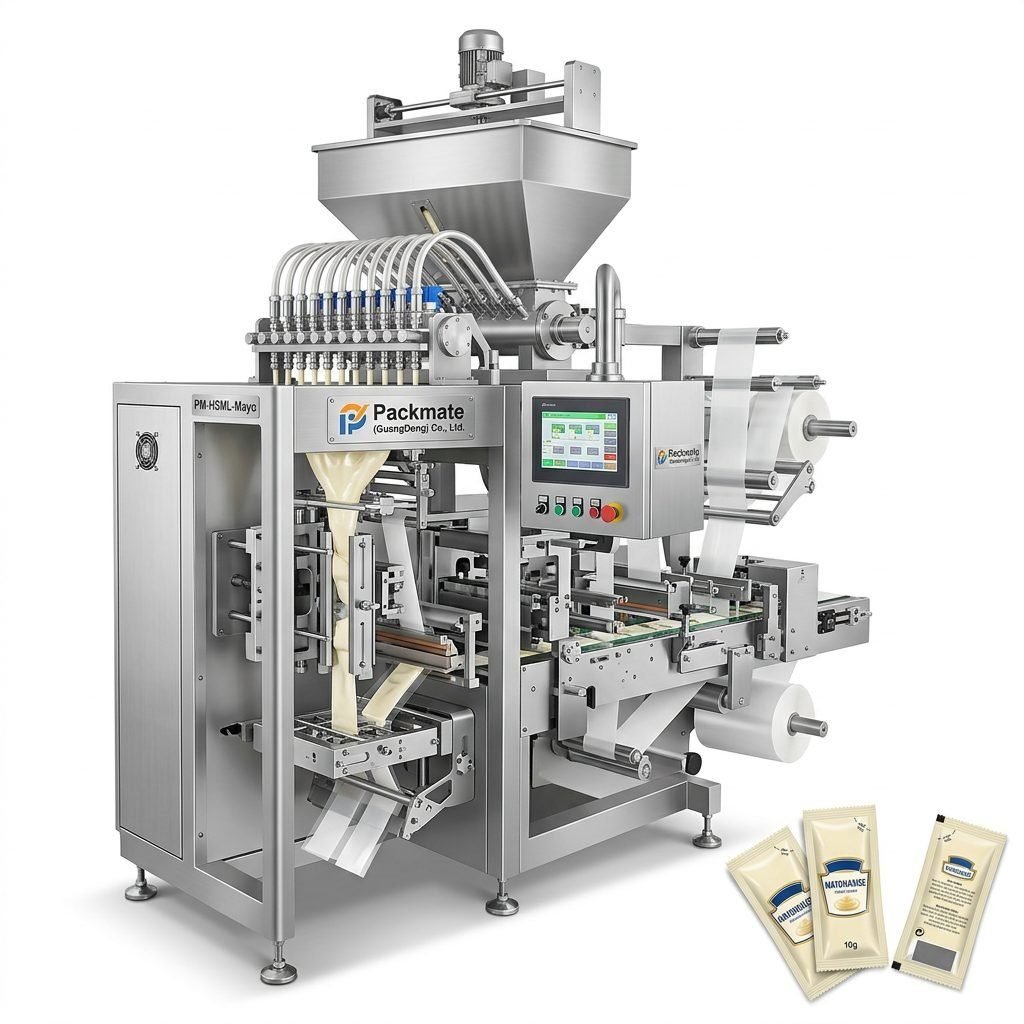
This is the pinnacle of automated, high-speed packaging. Machines form pouches from a roll of film, fill them with product, vacuum out the air, and then seal them—all in one continuous operation. They are the backbone of large-scale production for items like coffee, nuts, and pharmaceutical sachets.
Tray Sealing Machines
Predominantly used in the food industry for ready meals, fresh meat, and produce. A pre-formed tray is filled, a lidding film is placed on top, and the machine evacuates air from the headspace before sealing the film to the tray. This method offers excellent product presentation.
Critical Features for Food & Industrial Applications
Choosing the best machine requires evaluating specific features against your operational demands.
Pump Type and Power: The vacuum pump is the heart of the machine. Oil rotary vane pumps are durable and powerful for heavy-duty use but require maintenance. Oil-less pumps are cleaner and lower maintenance, suitable for environments where contamination is a concern. The pump’s power (measured in cubic meters per hour, m³/h) determines evacuation speed.
Chamber Size and Seal Bar Length: Dictates the maximum bag or product size you can process. For industrial parts, a large, deep chamber might be necessary.
Seal Quality and Programmability: Look for robust, double-seal bars for reliability. Programmable controls allow saving settings for different products, ensuring consistency and reducing operator error—a feature highly valued in automated weighing and packaging systems.
Construction and Hygiene: For food applications, stainless steel construction is essential for durability and ease of cleaning. Industrial-grade machines need robust frames to withstand harsh environments.
Gas Flushing (Modified Atmosphere Packaging – MAP): An advanced feature where the evacuated air is replaced with a protective gas mix (like nitrogen or CO2). This is crucial for preserving the color and texture of sensitive products like red meat or snack foods.
Selecting the Right Machine for Your Business
Your choice should be a strategic investment. Start by analyzing your average and peak production volumes. A small café might manage with a single-chamber machine, while a meat processor needs a double-chamber or automatic belt-chamber system for continuous flow. Consider the diversity of your products—packaging nuts, ground coffee, and industrial seals may require different machine capabilities or accessories.
Don’t overlook the total cost of ownership. This includes the initial purchase price, maintenance costs, energy consumption, and the price of consumables like bags and film. A machine from a reputable manufacturer like Packmate Machinery, with over 30 years of expertise, often offers better long-term reliability and support, reducing downtime. Finally, ensure the supplier offers comprehensive training, technical support, and readily available spare parts.
Industry-Specific Considerations
Food Industry: Hygiene is non-negotiable. Machines must be easy to clean, often requiring CIP (Clean-in-Place) capabilities. Compliance with food safety standards (like FDA, EU regulations) is mandatory. Features like drip trays and liquid management systems are vital for packaging marinated or moist products.
Industrial & Pharmaceutical: The focus shifts to precision and protection. Machines may need to handle static-sensitive electronics or create a sterile barrier for medical devices. Consistency in vacuum level is critical. For powders and granules, integration with precision auxiliary equipment is key.
FAQs: Common Questions About Commercial Vacuum Packaging
What is the main difference between a chamber sealer and an external sealer?
Chamber sealers are better for liquids and moist products, offer a stronger vacuum, and are faster for batch processing. External sealers are more affordable and portable but are best for dry products and lower-volume applications.
How often does a commercial vacuum sealer need maintenance?
It depends on usage and pump type. Oil-based pumps require regular oil changes (every 3-6 months with heavy use). Oil-less pumps and seal bars need regular cleaning and inspection for wear. Always follow the manufacturer’s maintenance schedule.
Can I use any plastic bag with a vacuum sealer?
No. You must use bags specifically designed for vacuum sealing. They are made from multi-layer materials with a texture that allows air channels for evacuation and are heat-sealable. Using improper bags will result in poor seals and machine damage.
Is Modified Atmosphere Packaging (MAP) worth the extra investment?
For products where appearance and very long shelf life are critical (e.g., fresh red meat, prepared salads, certain cheeses), MAP is highly valuable. It can dramatically reduce food waste and open up longer distribution channels.
What safety features should I look for?
Key features include thermal protection to prevent seal bar overheating, safety interlocks that stop operation if the chamber lid is opened, and emergency stop buttons. Proper operator training is also a crucial safety component.