In the fast-paced world of manufacturing, efficiency is the cornerstone of profitability and competitiveness. Production lines that can adapt quickly to changing market demands, product variations, and batch sizes hold a significant advantage. At the heart of such adaptable operations are flexible packaging machines. These systems are engineered to handle a variety of packaging formats, materials, and products with minimal downtime for changeovers, making them indispensable for modern, efficient production lines.
The Core Advantages of Flexible Packaging Machinery
Investing in flexible packaging equipment goes beyond mere convenience; it’s a strategic decision that impacts the entire supply chain. The primary benefits include:
Reduced Changeover Time: Traditional machines often require hours of manual adjustment and calibration to switch between products. Modern flexible machines utilize quick-change parts, digital settings, and automated adjustments, slashing changeover times to minutes. This maximizes machine uptime and allows for smaller, more economical production runs.
Enhanced Production Scalability: Whether you need to ramp up production for a seasonal surge or test a new product in the market, flexible machines can scale output efficiently. Their modular design often allows for the addition of more lanes or integration with other auxiliary packaging equipment to increase capacity without replacing the entire line.
Future-Proofing Your Investment: Market trends evolve, and consumer preferences shift. A machine that can package powders today might need to handle liquid sachets tomorrow. Flexible packaging machines are designed with adaptability in mind, protecting your capital investment from obsolescence and enabling you to pivot with market opportunities.
Key Types of Flexible Packaging Machines for Diverse Needs
The term “flexible packaging machine” encompasses several specialized types, each excelling in different applications. Understanding these is crucial for selecting the right equipment for your line.
1. Multi-Lane Vertical Form-Fill-Seal (VFFS) Machines
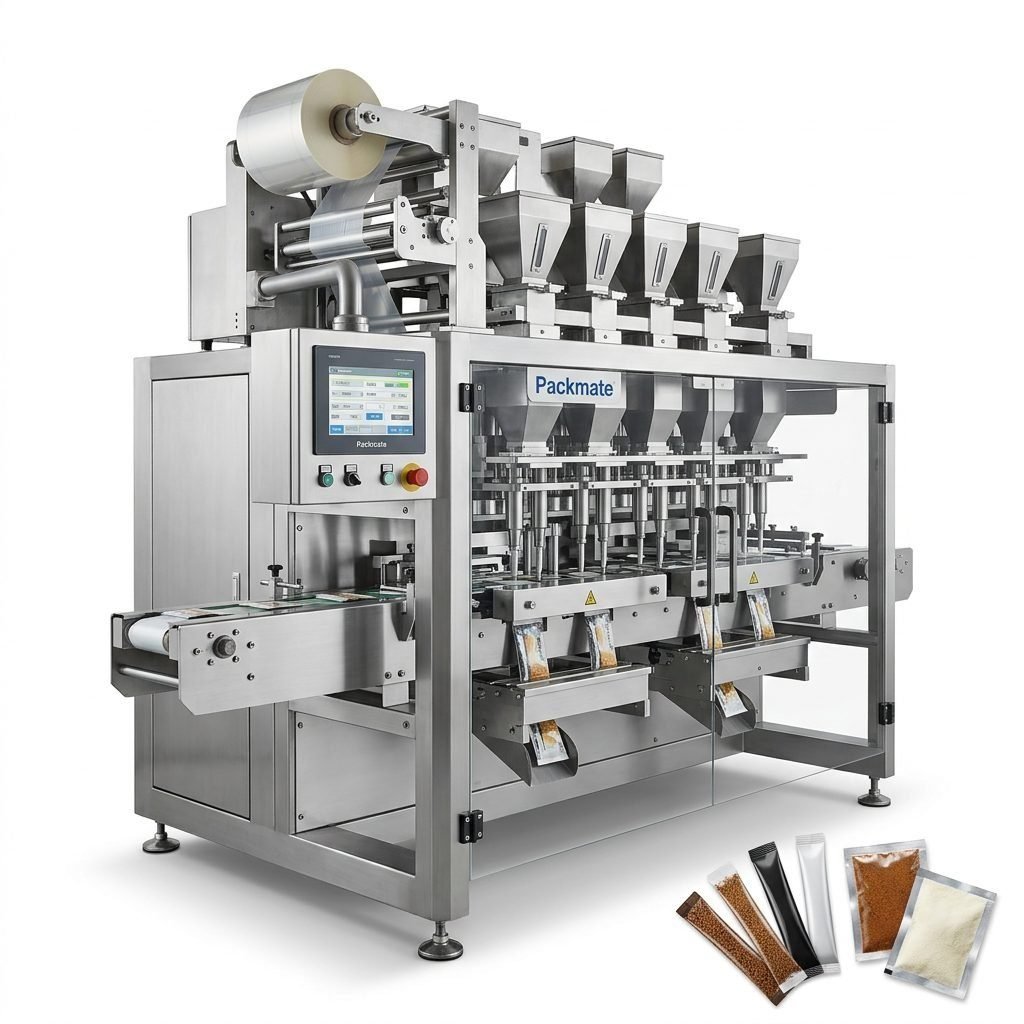
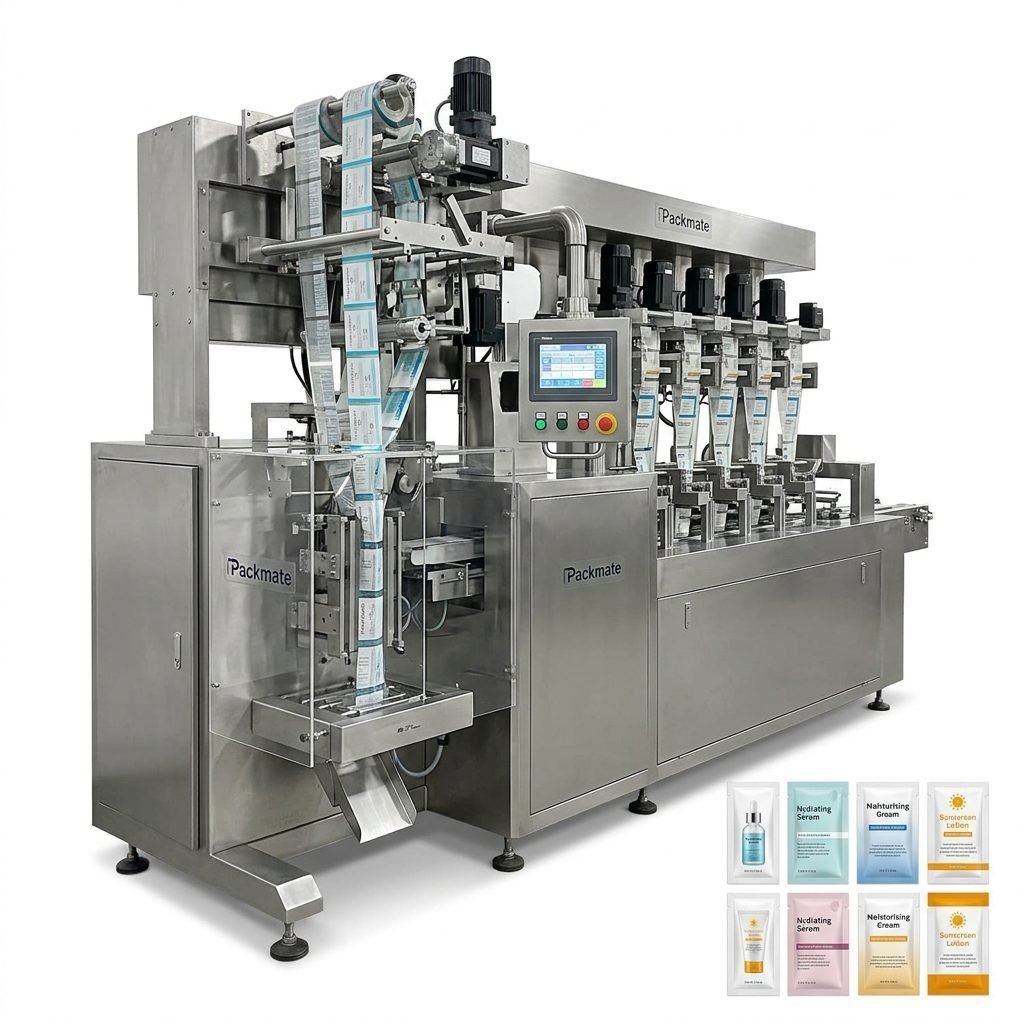
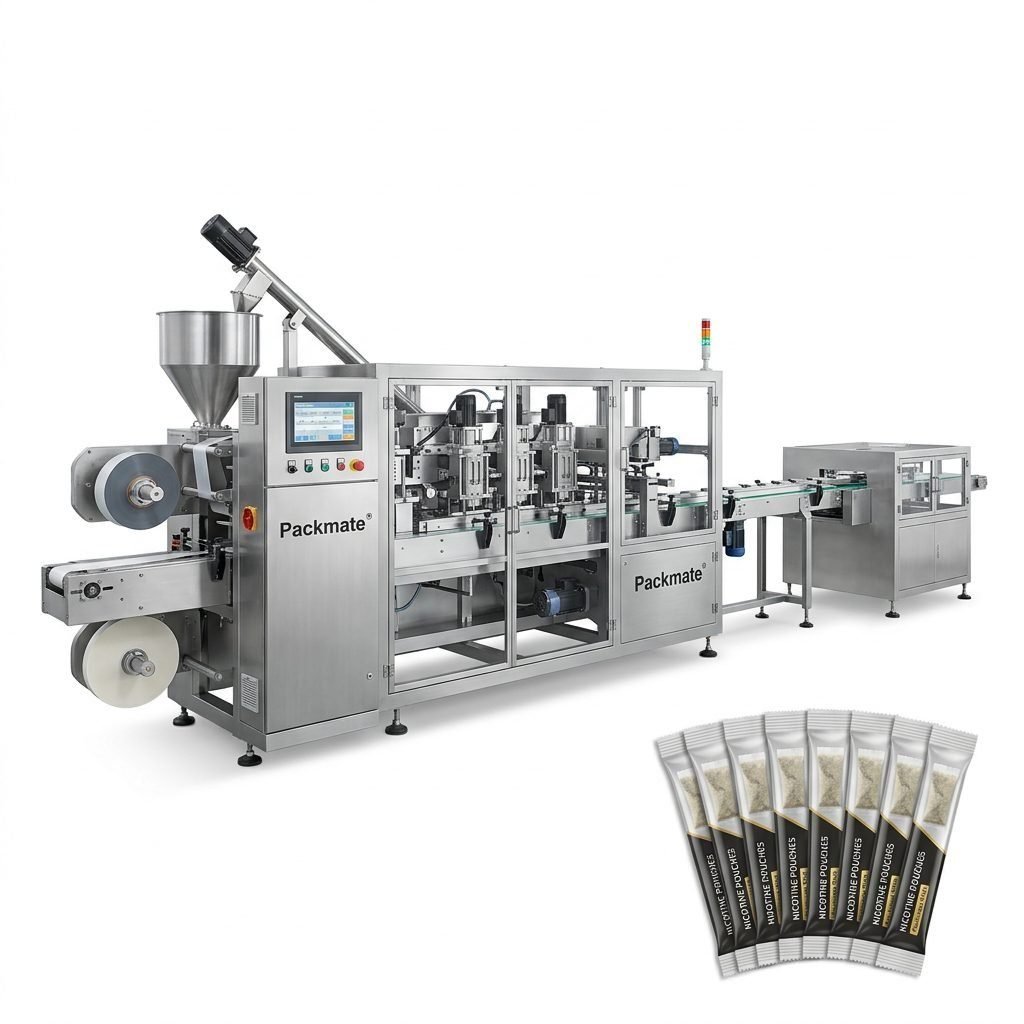
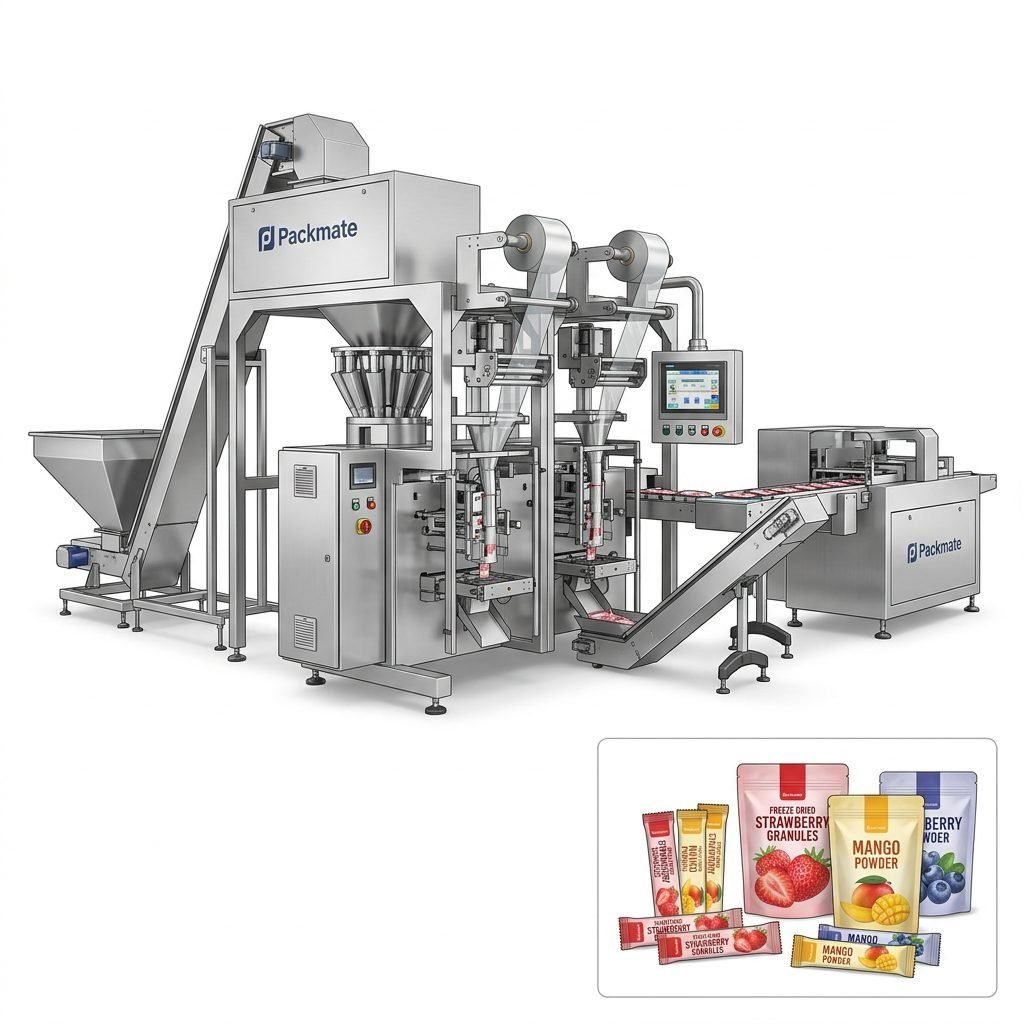
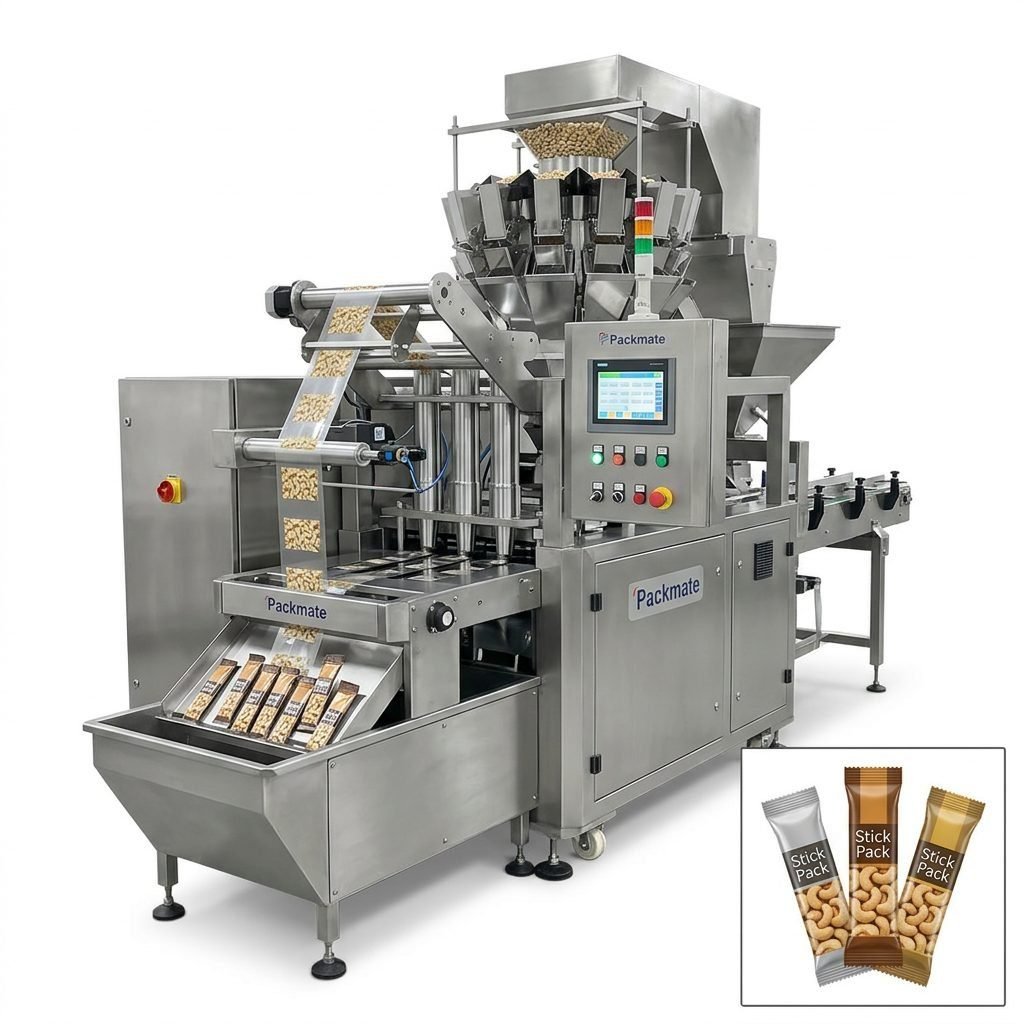
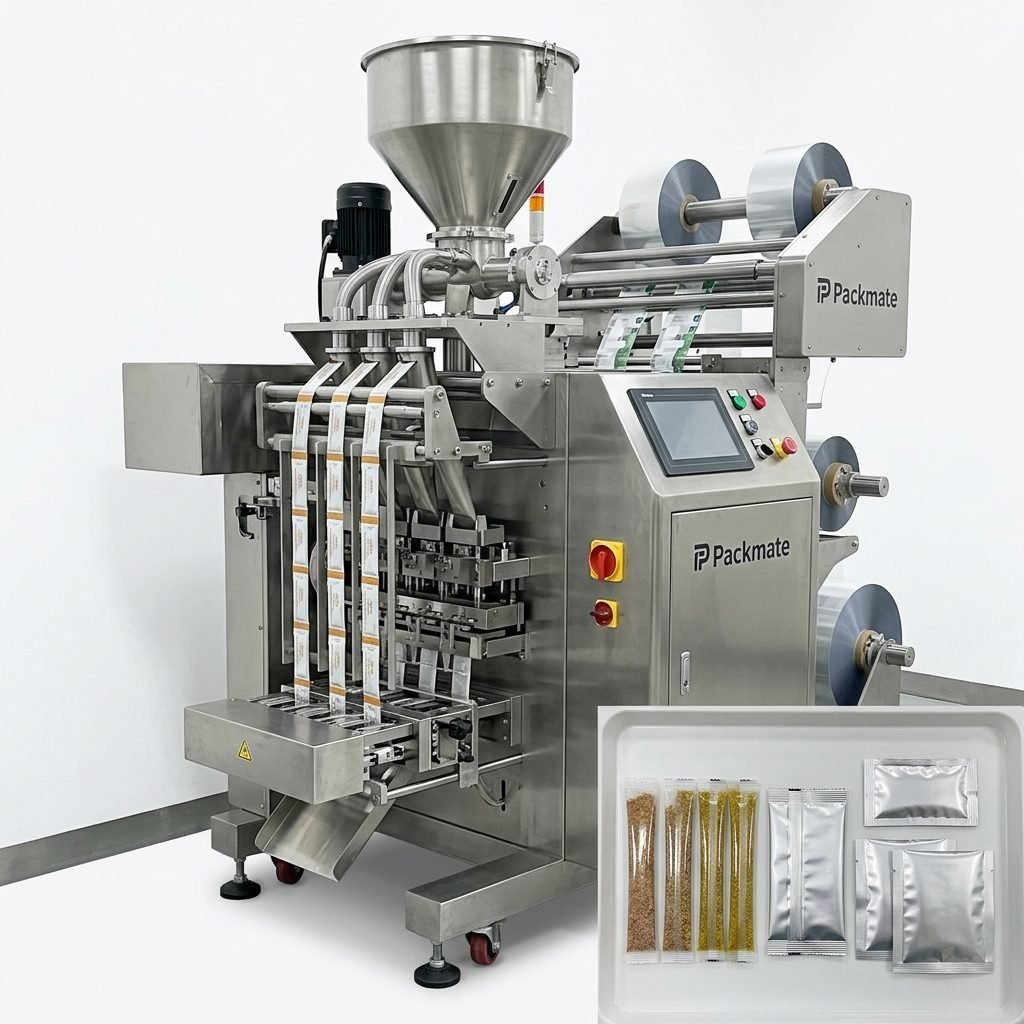
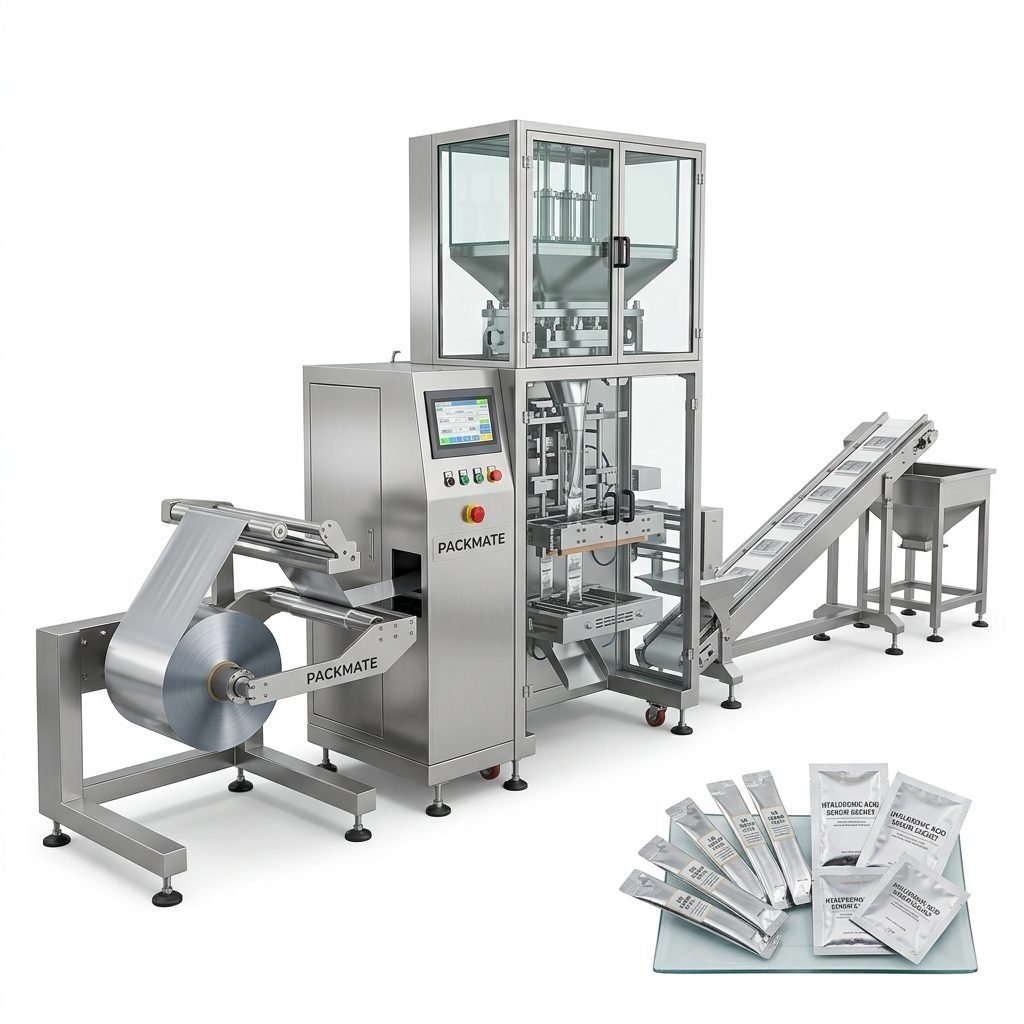
These are the workhorses of high-speed, flexible packaging. They form bags from a roll of film, fill them with product, and seal them in a continuous vertical motion. Modern multi-lane VFFS machines, like advanced sachet & stick pack machines, can operate multiple lanes simultaneously, dramatically increasing output for small-portion items like condiments, sugar, or pharmaceutical powders. Their flexibility lies in the ability to handle different film types and easily adjust bag sizes.
2. Pouch Packaging Machines with Quick-Change Tooling
For stand-up pouches, spouted pouches, or flat pouches, dedicated pouch machines offer exceptional versatility. The key to their flexibility is quick-change tooling systems. By simply swapping out the forming collar, sealing jaws, or filler heads, the same machine base can produce a wide array of pouch styles and sizes. This is ideal for brands with a diverse product portfolio or contract packagers serving multiple clients. Explore our range of bag & pouch packaging machines to see this technology in action.
3. Integrated Weighing and Filling Systems
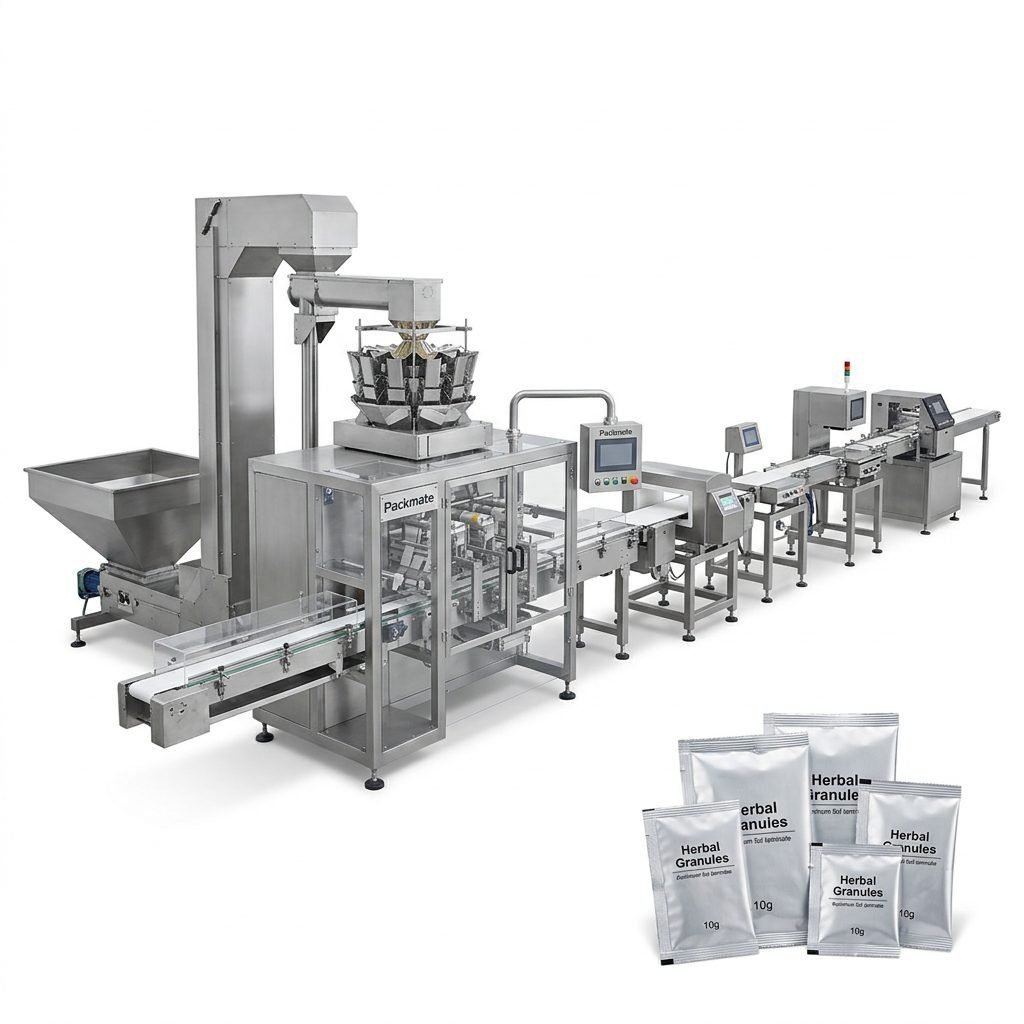
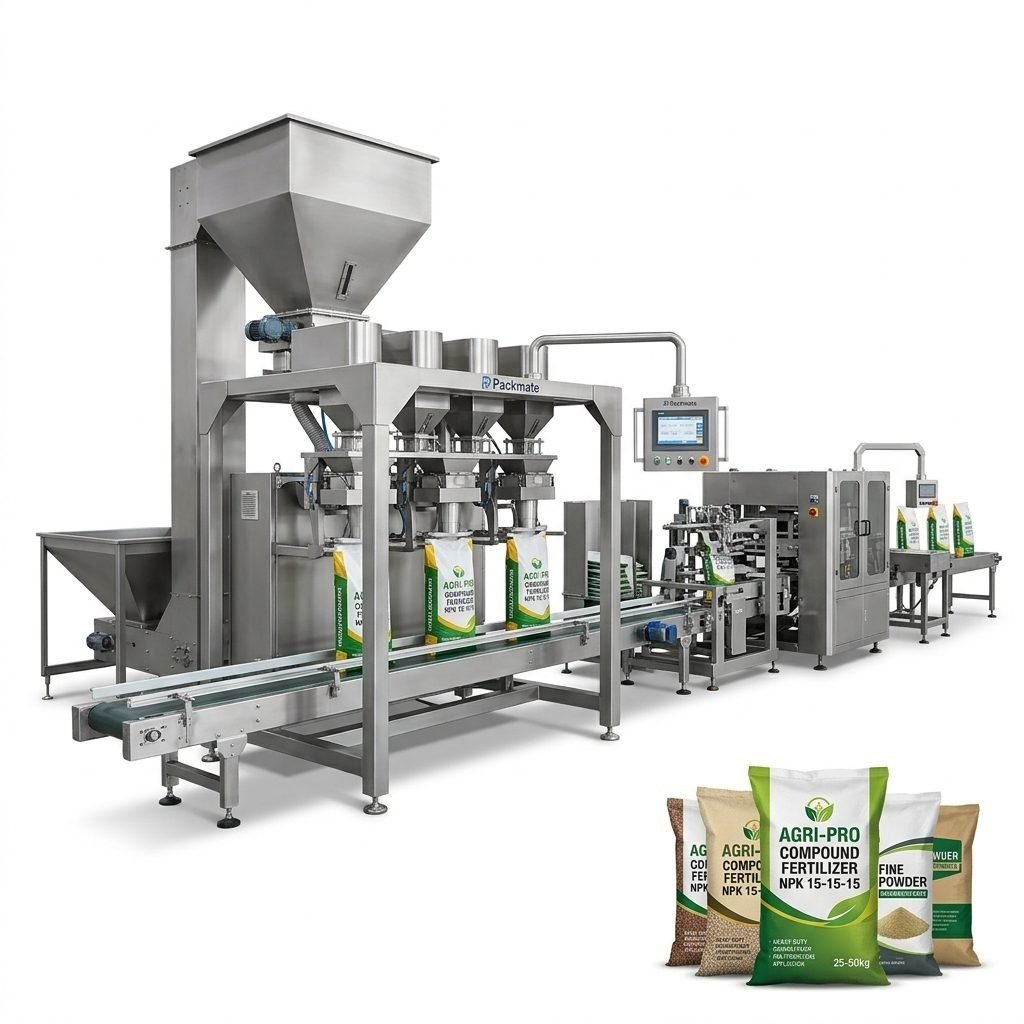
True production line efficiency requires seamless integration. Flexible weighing systems, such as multi-head weighers or auger fillers, can be paired with various packaging machines. A single, precise weighing system can feed different VFFS or pouch machines based on the production schedule. This decouples the filling accuracy from the packaging format, offering immense flexibility. Learn more about integrated solutions in our weighing & packaging systems section.
Integrating Flexibility into Your Production Line
Choosing the right machine is only the first step. To fully leverage flexibility, consider these integration principles:
Modular Design Philosophy: Opt for machines built on a modular platform. This allows you to start with a core system and add capabilities—like a capper, labeler, or checkweigher—as your needs grow. A modular approach, as seen in complete filling & packaging lines, ensures your line evolves with your business.
Centralized Control and HMI: A user-friendly, centralized Human-Machine Interface (HMI) is critical. It should store recipes for different products, allowing operators to switch production by loading a pre-set program that automatically adjusts machine parameters, drastically reducing human error and setup time.
Emphasis on Connectivity (Industry 4.0): The most advanced flexible machines offer connectivity for data collection and analysis. Monitoring Overall Equipment Effectiveness (OEE), tracking changeover times, and predicting maintenance needs are all part of creating a truly smart and responsive production line.
The Packmate Machinery Commitment to Flexible Solutions
With over 30 years of expertise in the packaging industry, Packmate Machinery understands the critical need for adaptable production technology. Our journey, from a focused workshop to a leading manufacturer with a 20,000㎡ facility, has been driven by solving real-world production challenges. We design our machines—from simple sachet packers to complex multi-lane systems—with operational flexibility as a core principle.
Our team of over 125 professionals is dedicated to innovation, ensuring that each machine model in our portfolio of 50+ solutions not only meets today’s standards but is also ready for tomorrow’s demands. We provide more than just equipment; we offer complete turnkey packaging solutions tailored to ensure your production line remains efficient, scalable, and competitive in a dynamic global market. Discover our full capability and company ethos on our About Us page.
Frequently Asked Questions (FAQs)
1. What is the typical changeover time for a flexible packaging machine?
Changeover time varies by machine type and complexity. However, modern flexible machines with digital controls and quick-change parts can often switch between similar products in 15 to 30 minutes, compared to several hours for less adaptable equipment. The key is in the design and tooling.
2. Can one flexible machine handle both powders and liquids?
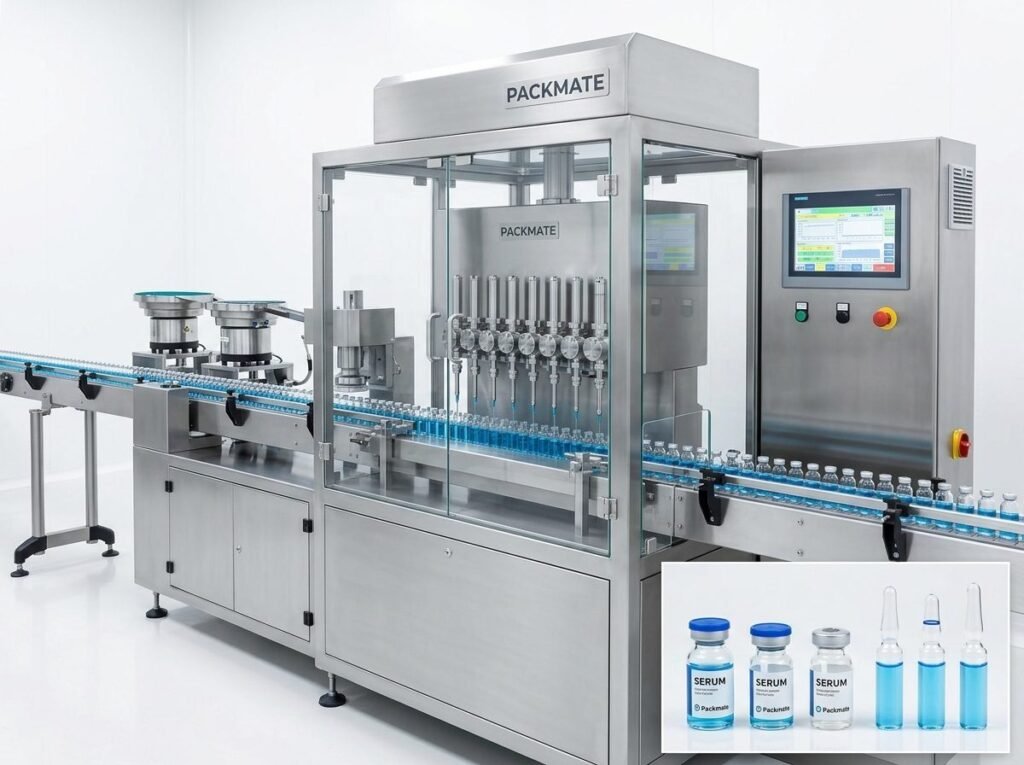
While some machines have a broad range, typically, a machine is optimized for a specific product type (e.g., granules/powders or liquids) due to different filling technology requirements (auger vs. pump). True flexibility is achieved within a category—for instance, a powder machine that can handle various densities and weights, or a liquid machine for different viscosities. A systems integrator can advise on the best configuration.
3. How does a flexible packaging machine impact my return on investment (ROI)?
Flexible machines improve ROI by increasing overall equipment effectiveness (OEE) through less downtime, enabling profitable small-batch production, reducing inventory of pre-formed packages, and future-proofing your capital expenditure against product line changes. The ROI is realized in operational agility and long-term asset utility.
4. Are flexible machines more difficult to operate and maintain?
Not necessarily. While they are more sophisticated, a well-designed flexible machine focuses on user-friendly operation through intuitive HMIs and automated sequences. Maintenance might require more specialized knowledge for the advanced systems, but this is offset by better diagnostic tools and often more reliable, service-friendly designs. Comprehensive training and support are essential.
5. How do I know if my production line needs flexible packaging machines?
Consider flexible machinery if you: frequently run short batches, plan to introduce new product variants, experience seasonal demand spikes, operate in a fast-changing market, or are a contract packager serving diverse clients. If changeovers are a major bottleneck in your current operation, it’s a strong indicator that flexible technology is needed.