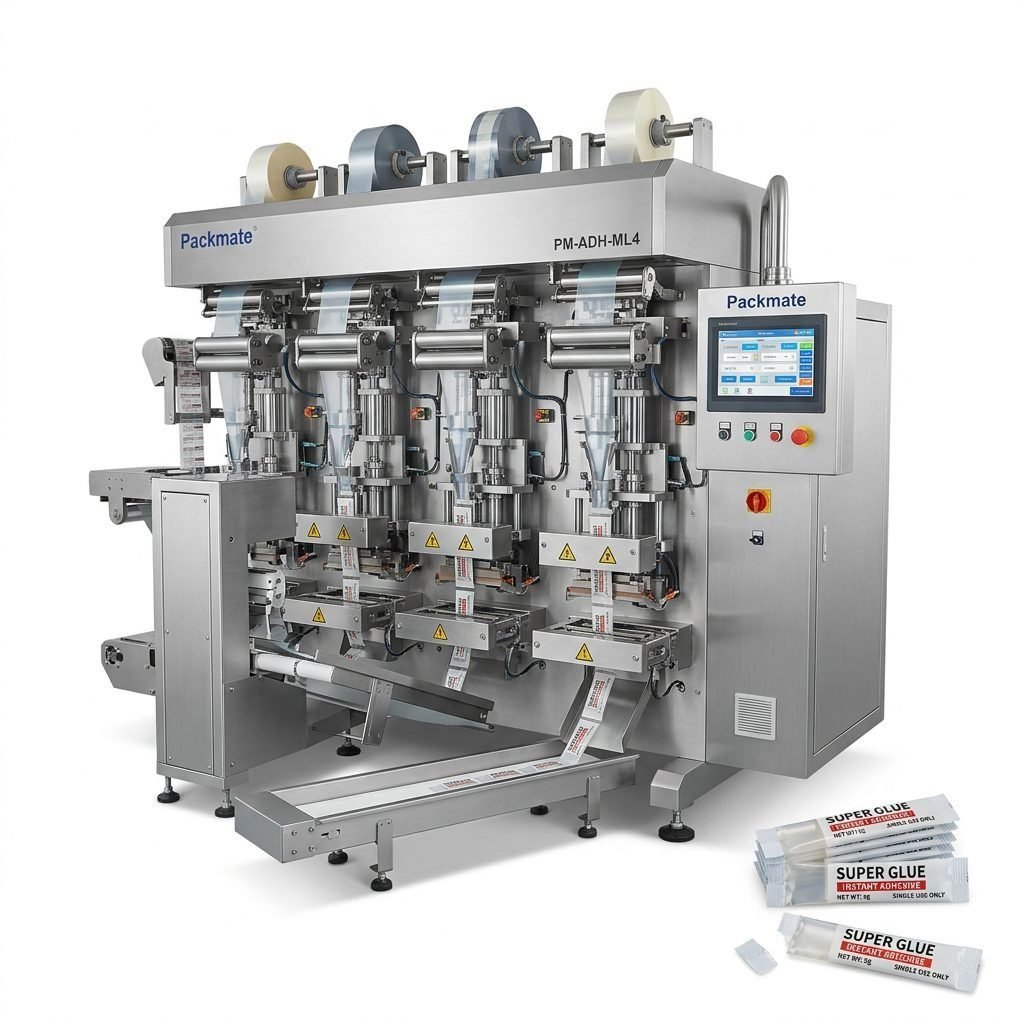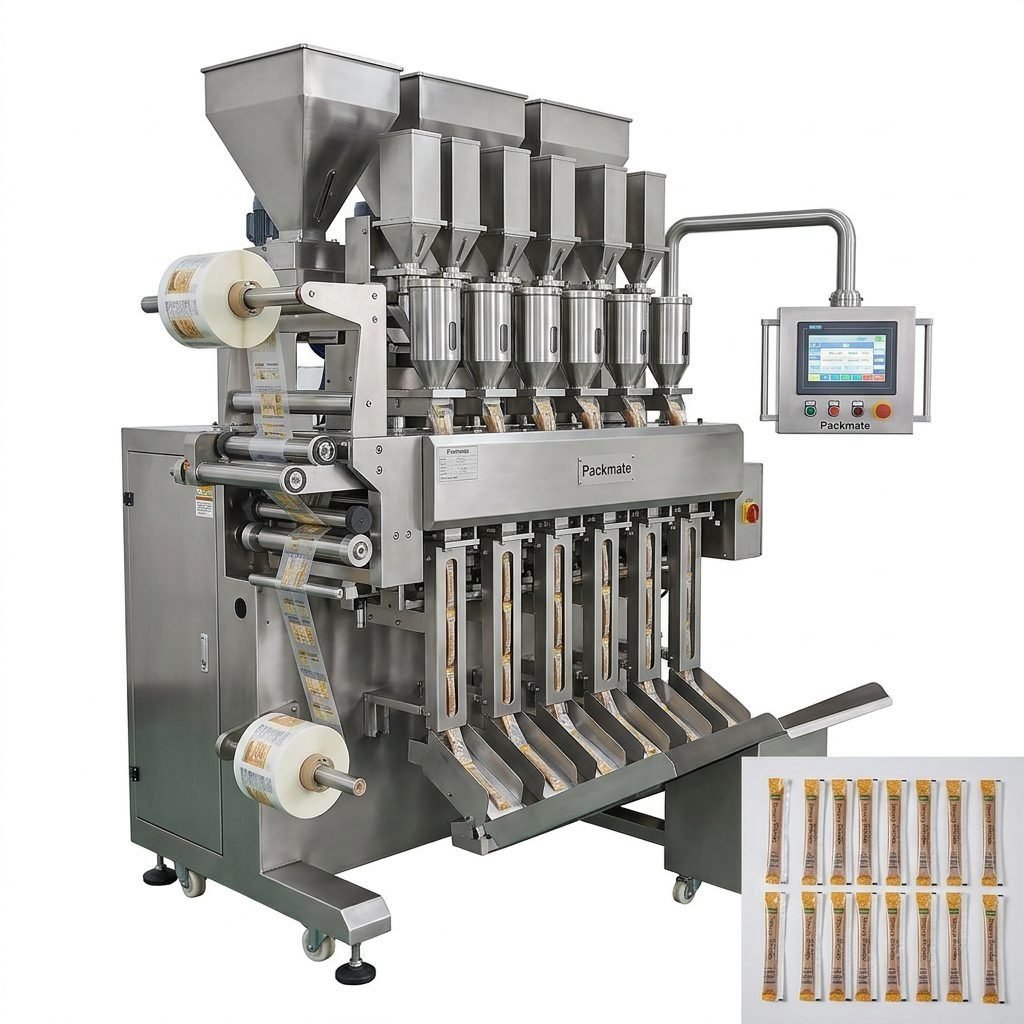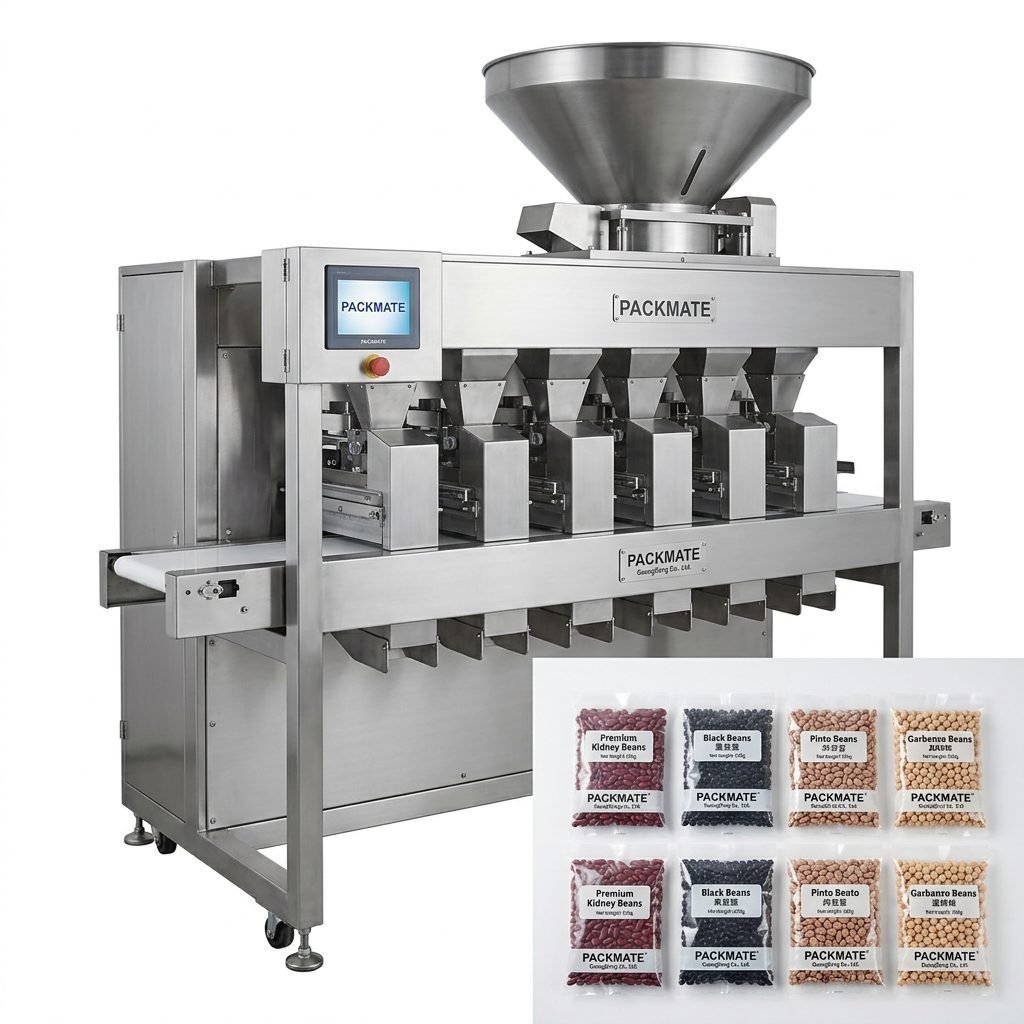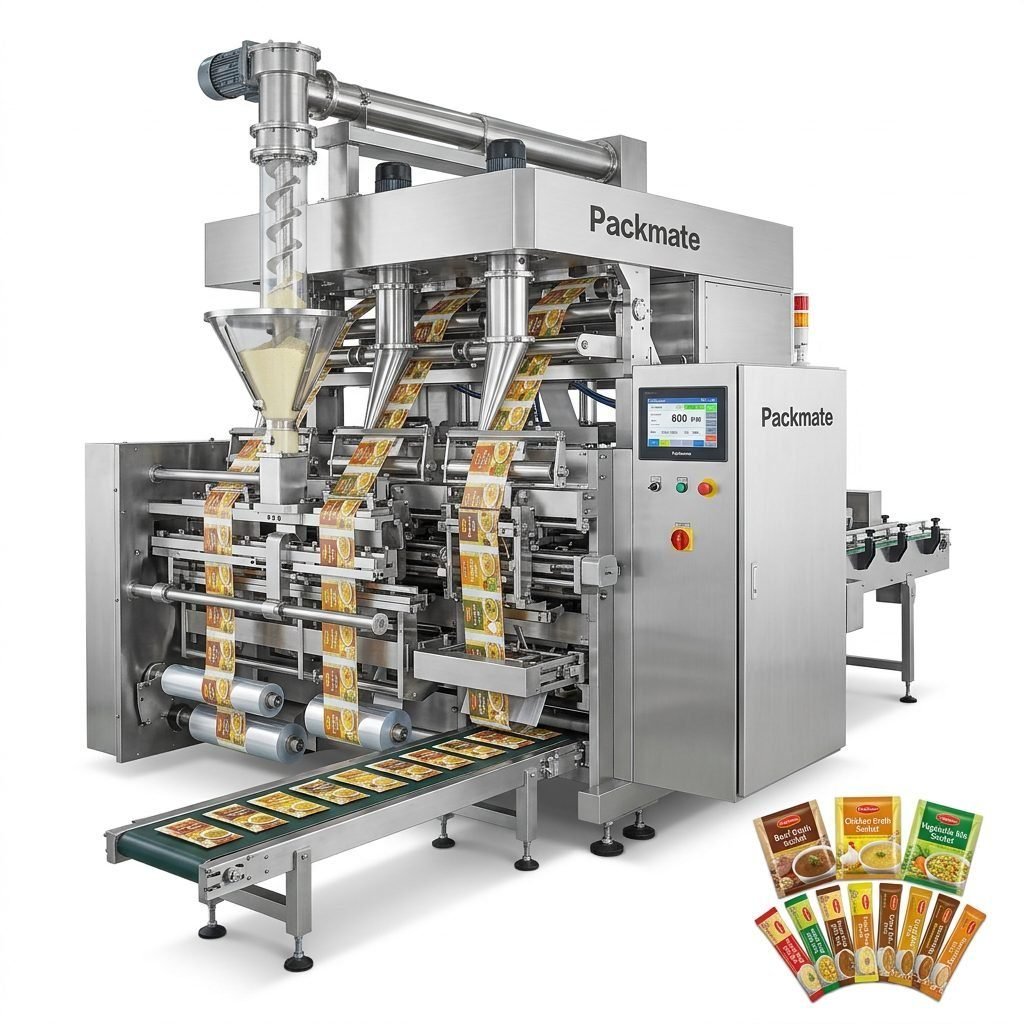
In the fast-paced world of manufacturing and product distribution, efficiency is the cornerstone of profitability and market competitiveness. For businesses dealing with a wide array of products—from food items and pharmaceuticals to health supplements and granular materials—the packaging process is a critical juncture. Selecting the right packaging machinery is not merely an operational decision; it’s a strategic investment that impacts throughput, product integrity, and overall brand presentation. Thermoform packaging machines have emerged as a premier solution for creating secure, visually appealing, and efficient packages. This article delves into the top thermoform packaging machines and explores how they drive efficient product packaging, with insights from industry leaders like Packmate Machinery.
Understanding Thermoform Packaging Technology
Thermoform packaging is a process where a plastic film or sheet is heated to a pliable forming temperature, formed to a specific shape in a mold, and trimmed to create a usable product. This technology is renowned for producing blister packs, clamshells, trays, and other custom-shaped containers. The machines that facilitate this process are integral to industries requiring high hygiene standards, excellent product visibility, and robust protection.
The core advantage lies in its versatility and speed. Modern thermoform machines can handle various materials, including PVC, PET, PP, and APET, and are often integrated with filling and sealing systems to create a complete packaging line. This seamless integration is crucial for achieving the high efficiency that modern production demands.
Key Components of an Efficient Thermoform Line
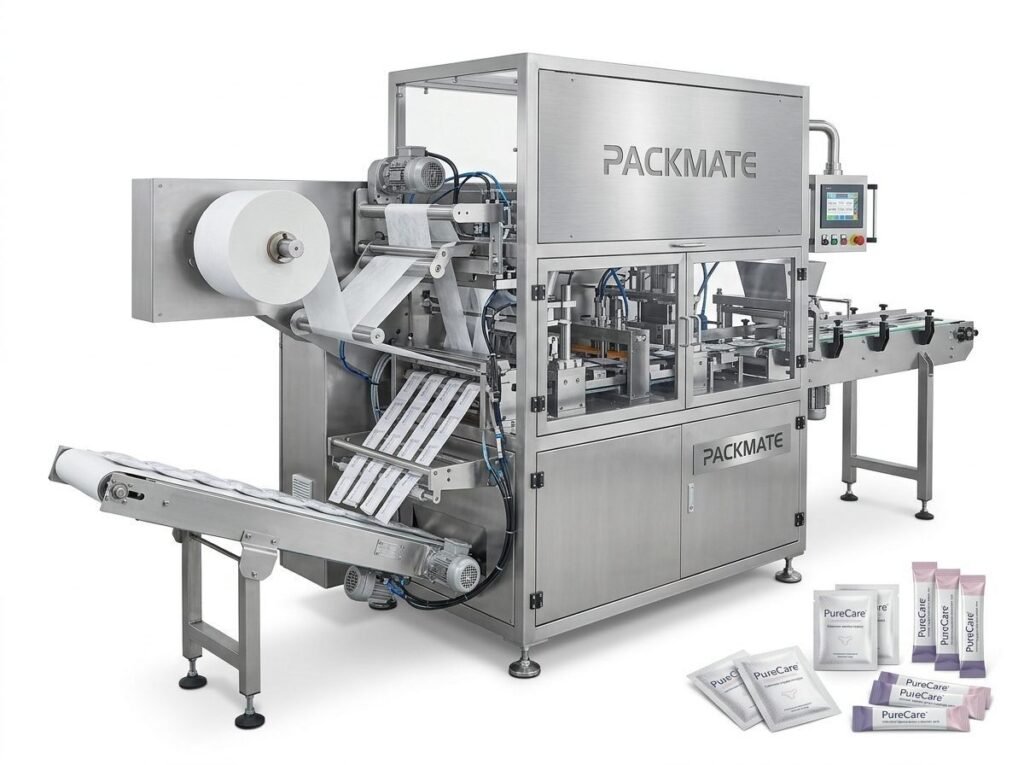
An efficient thermoform packaging system is more than just the forming unit. It typically comprises several synchronized components:
Unwinding & Heating Station: This section feeds the plastic film and heats it precisely to the optimal forming temperature.
Forming Station: Using a mold and vacuum/air pressure, the heated film is shaped into cavities.
Product Loading/Filling Zone: Products are accurately placed into the formed cavities. This can be manual, semi-automatic, or fully automatic using robotic arms or multi-head weighers.
Lidding & Sealing Station: A top lidding material (often a foil or film) is applied and heat-sealed onto the formed base.
Punching & Cutting Unit: The sealed blister sheets are die-cut into individual packs or strips.
Control System: The brain of the operation, often a PLC with an HMI, ensures precision, monitors parameters, and facilitates quick changeovers.
Top Features to Look for in Thermoform Machines
When evaluating thermoform packaging machines for efficiency, several features stand out as critical differentiators. Investing in equipment with these capabilities can significantly reduce waste, minimize downtime, and maximize output.
1. High-Speed Operation with Precision
Speed is a direct contributor to efficiency. Top-tier machines offer high cycle rates, producing hundreds of packs per minute. However, speed must not compromise accuracy. Look for machines with servo-driven technology for precise film indexing, forming, and cutting. This ensures consistent package quality at high velocities, reducing material waste and rejected products.
2. Quick Changeover Systems
Market demands require flexibility. The ability to switch between different product formats or pack sizes quickly is vital for manufacturers running short batches or a diverse product portfolio. Machines with tool-less changeover features, digital recipe storage, and easy-access mold frames can reduce changeover time from hours to minutes, dramatically improving overall equipment effectiveness (OEE).
3. Advanced Material Handling & Sustainability
Efficiency also encompasses material usage. Modern machines are designed to minimize film scrap through optimized web layouts and precise cutting. Furthermore, with growing environmental concerns, the ability to process recyclable and mono-material films is a major advantage. This aligns with global sustainability goals and can be a strong selling point for eco-conscious brands.
4. Integrated Smart Controls & Industry 4.0 Connectivity
The most efficient machines are intelligent. A user-friendly Human-Machine Interface (HMI) allows for easy parameter setting and monitoring. Beyond that, connectivity for data collection, predictive maintenance, and integration into factory-wide MES/ERP systems is becoming standard. This digital layer enables proactive management, reduces unplanned stops, and provides valuable insights for continuous process improvement.
The Role of Complete System Integration
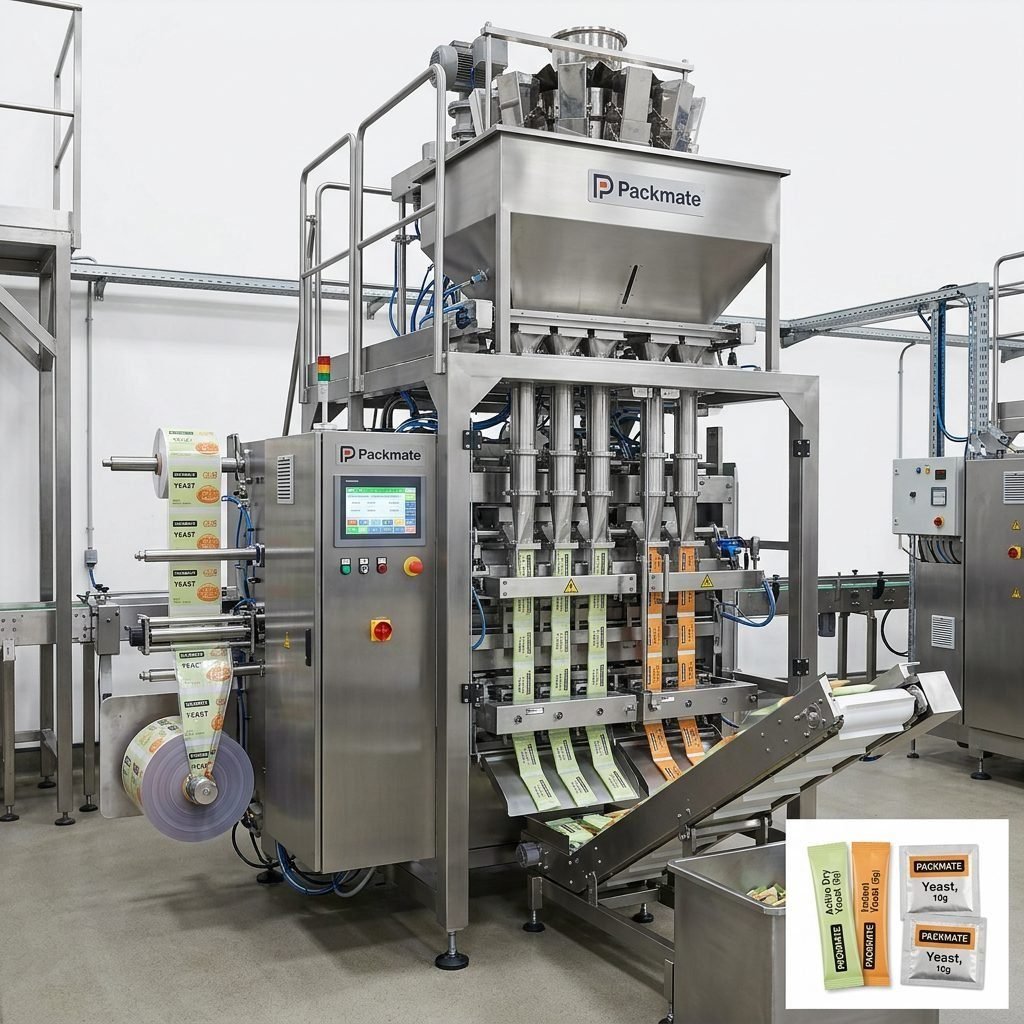
Efficiency peaks when the thermoformer is part of a harmonized system. Standalone machines are powerful, but their true potential is unlocked when integrated with upstream and downstream equipment. For instance, pairing a thermoformer with an automatic weighing and filling system creates a continuous, high-speed packaging line. This eliminates bottlenecks and manual handling, ensuring a smooth flow from product to final pack.
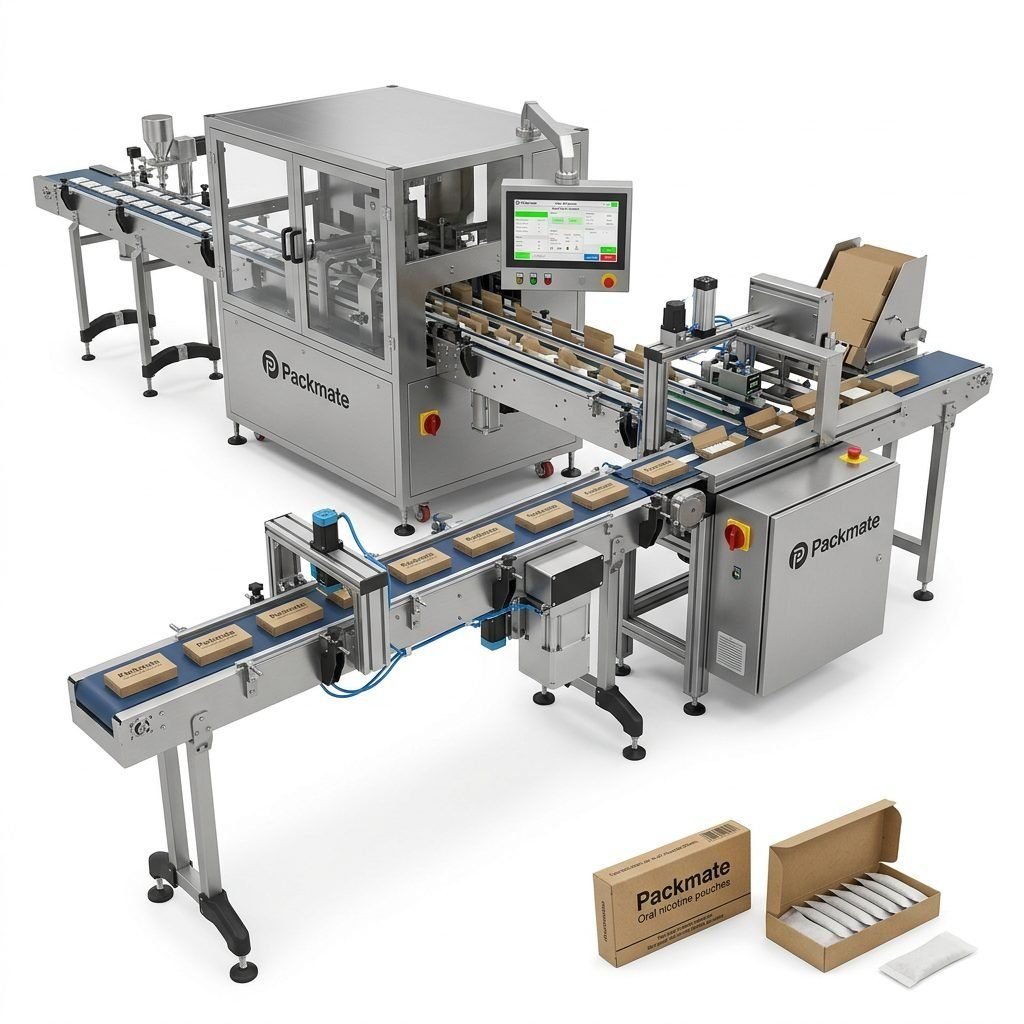
Companies like Packmate Machinery excel in providing such turnkey packaging solutions. With over 30 years of expertise and a portfolio of more than 50 machine models, they understand how to synchronize thermoforming with other processes like cartoning or case packing to deliver maximum throughput for their clients in the food, pharmaceutical, and health industries.
Selecting the Right Machine for Your Product
The “top” machine is subjective and depends entirely on your specific product and production goals. Here’s a brief guide to matching machine types with common applications:
For Pharmaceuticals & Medical Devices: Prioritize machines built with GMP standards in mind. Features like clean design, easy sterilization, and impeccable sealing integrity are non-negotiable. High precision in cavity forming and filling is critical for dosage accuracy.
For Food Items (Snacks, Confectionery, Fresh Produce): Look for machines capable of handling modified atmosphere packaging (MAP) or vacuum skin packaging (VSP) to extend shelf life. Speed and the ability to handle various tray depths are key. Integration with checkweighers and metal detectors is also common.
For Hardware & Industrial Parts: Durability and the ability to form deep-draw, robust blisters or clamshells are important. Machines with strong forming pressure and the capability to use thicker gauge films will be necessary to protect heavier items.
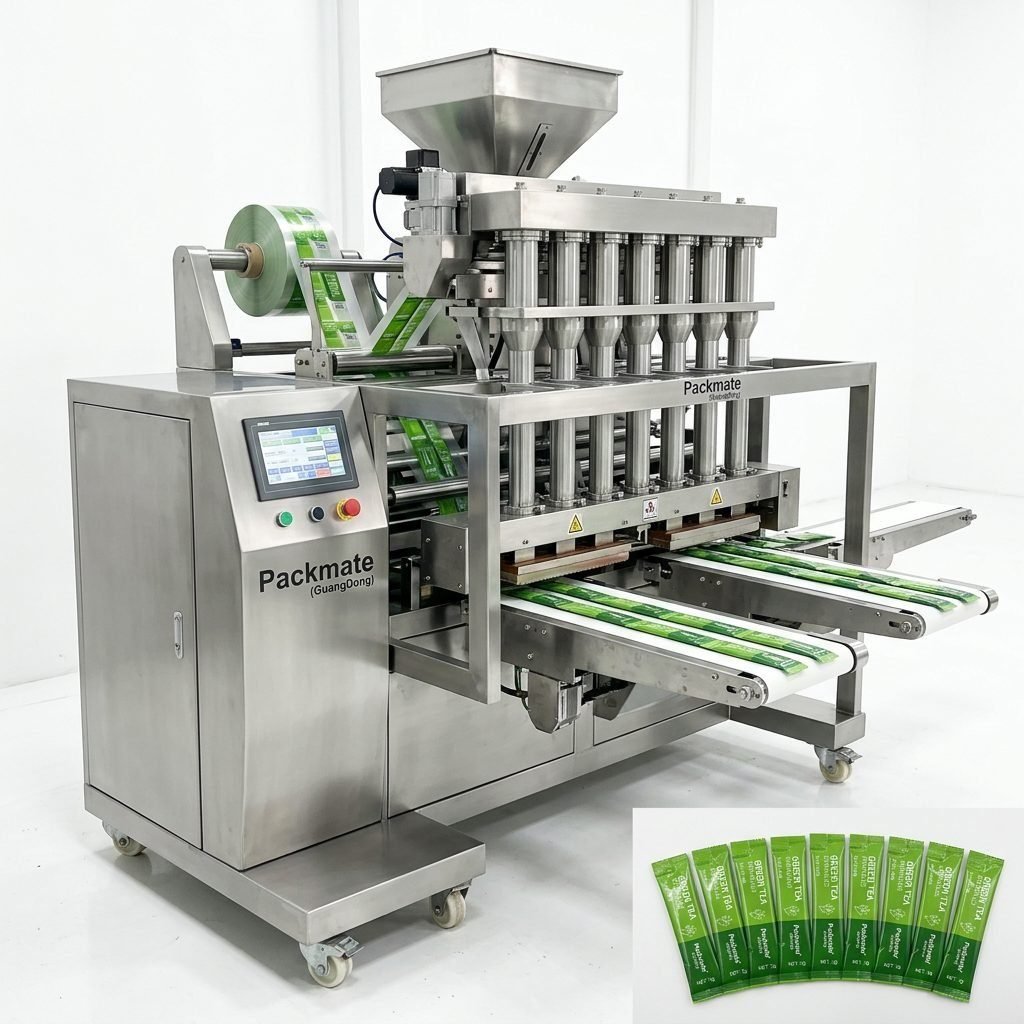
Exploring a manufacturer’s range, such as their filling and packaging lines, can provide concrete examples of how thermoform technology is adapted for different sectors.
The Future of Efficient Packaging
The trajectory for thermoform packaging machines points toward greater automation, intelligence, and sustainability. We are seeing the rise of AI-powered vision systems for 100% inline quality inspection, identifying and rejecting defective packs without slowing down the line. Energy-efficient heating systems and drives are reducing the total cost of ownership. Furthermore, the development of new, sustainable barrier films will push machine design to adapt, ensuring that efficiency is achieved without ecological compromise.
Choosing a partner with a commitment to innovation and quality is crucial for staying ahead. A company’s history, like Packmate’s journey from a small workshop to a 20,000㎡ modern facility, often reflects its dedication to evolving with market and technological trends, ensuring their clients always have access to cutting-edge, efficient packaging solutions.
Frequently Asked Questions (FAQs)
1. What is the main difference between thermoform and blister packaging?
Blister packaging is a specific, common type of thermoform packaging. “Thermoform” describes the overall process of heating and forming plastic. A blister pack is the result of that process where a product is sealed between a pre-formed plastic cavity (the blister) and a backing material. So, all blister packs are made by thermoforming, but not all thermoformed packages are blisters (e.g., trays, clamshells).
2. How do I determine the right machine speed for my production needs?
Calculate your required output in packs per minute or hour based on your annual volume, shifts, and desired efficiency (OEE). Add a buffer for future growth. A reliable supplier can then recommend a machine model that meets or slightly exceeds this speed requirement while ensuring reliability and quality at that pace.
3. Can thermoform machines handle liquid or powder products?
Yes, absolutely. For liquids, creams, or powders, the machine design includes specialized filling systems integrated into the line. The formed cavities must have a design that prevents leakage, and the sealing process must be exceptionally reliable. These are common requirements in the pharmaceutical and food industries.
4. What are the biggest maintenance concerns for a thermoform machine?
Regular maintenance focuses on the heating elements, sealing jaws, cutting dies, and the vacuum/air pressure system. Keeping molds clean and ensuring all moving parts are properly lubricated is essential. The best practice is to follow the manufacturer’s maintenance schedule and use genuine spare parts to prevent unexpected downtime.
5. Is it better to buy a standalone machine or a complete integrated line?
This depends on your current setup and long-term goals. A standalone thermoformer is suitable if you have existing manual or semi-automatic filling stations you wish to upgrade. For new facilities or major capacity expansions, an integrated turnkey line is almost always more efficient. It is designed for synergy, reduces labor, minimizes transfer points (and potential contamination), and is optimized for a single, high-output workflow from the start.