In today’s fast-paced manufacturing world, efficiency is not just a goal—it’s a necessity. For businesses handling powders, granules, and liquids, from food and pharmaceuticals to health supplements, the packaging process can be a significant bottleneck. This is where advanced tray packaging equipment comes into play, transforming manual, error-prone tasks into seamless, automated workflows. The right automation solution doesn’t just speed up production; it enhances accuracy, ensures consistency, and provides a substantial return on investment by reducing labor costs and material waste.
The Critical Role of Automation in Modern Packaging
The shift towards automation is driven by more than just speed. Consumer demand for perfect, hygienic, and consistent products is higher than ever. Manual packaging is vulnerable to human error, contamination risks, and variable output speeds. Automated tray packaging systems eliminate these concerns by performing precise weighing, filling, sealing, and coding operations with robotic consistency. For industries with strict regulatory standards, like pharmaceuticals, this reliability is non-negotiable. Automation ensures every single unit meets the exact specifications, safeguarding both product integrity and brand reputation.
Key Benefits of Automated Tray Systems:
Unmatched Speed & Output: Capable of handling hundreds, even thousands, of units per minute, far surpassing manual lines.
Pinpoint Accuracy: Advanced weighing systems ensure each tray contains the precise product weight, minimizing giveaways.
Enhanced Hygiene & Safety: Closed systems reduce human contact, crucial for food and pharmaceutical safety compliance.
Operational Cost Savings: Significant reduction in labor costs and material waste through optimized processes.
Selecting the Right Tray Packaging Solution for Your Line
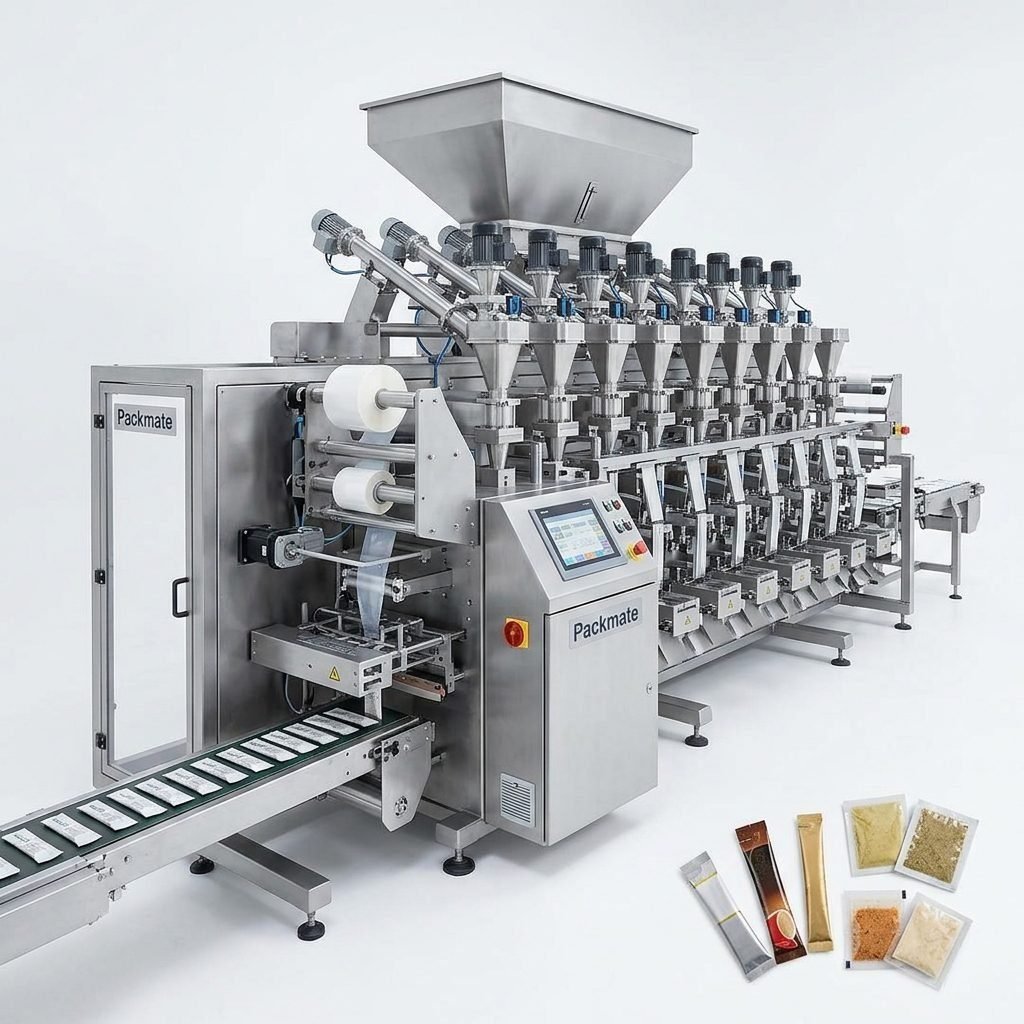
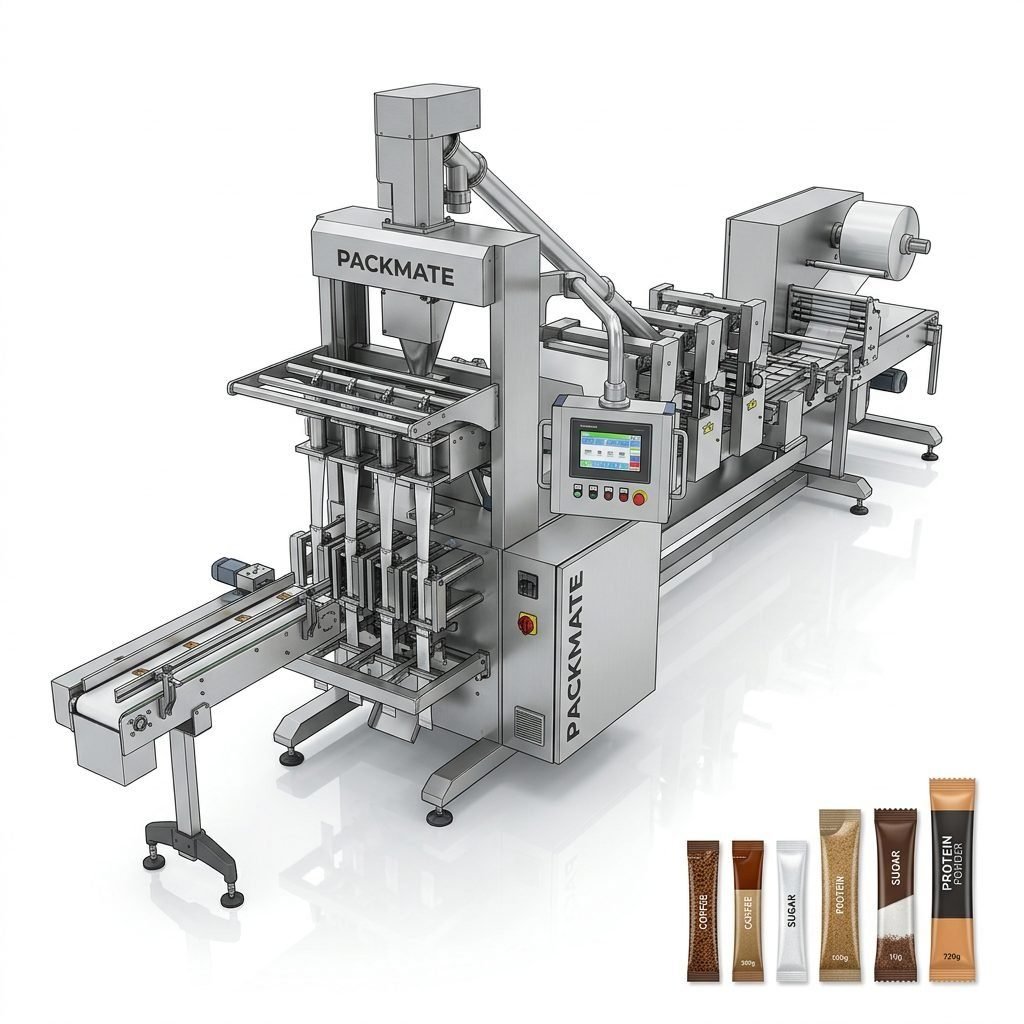
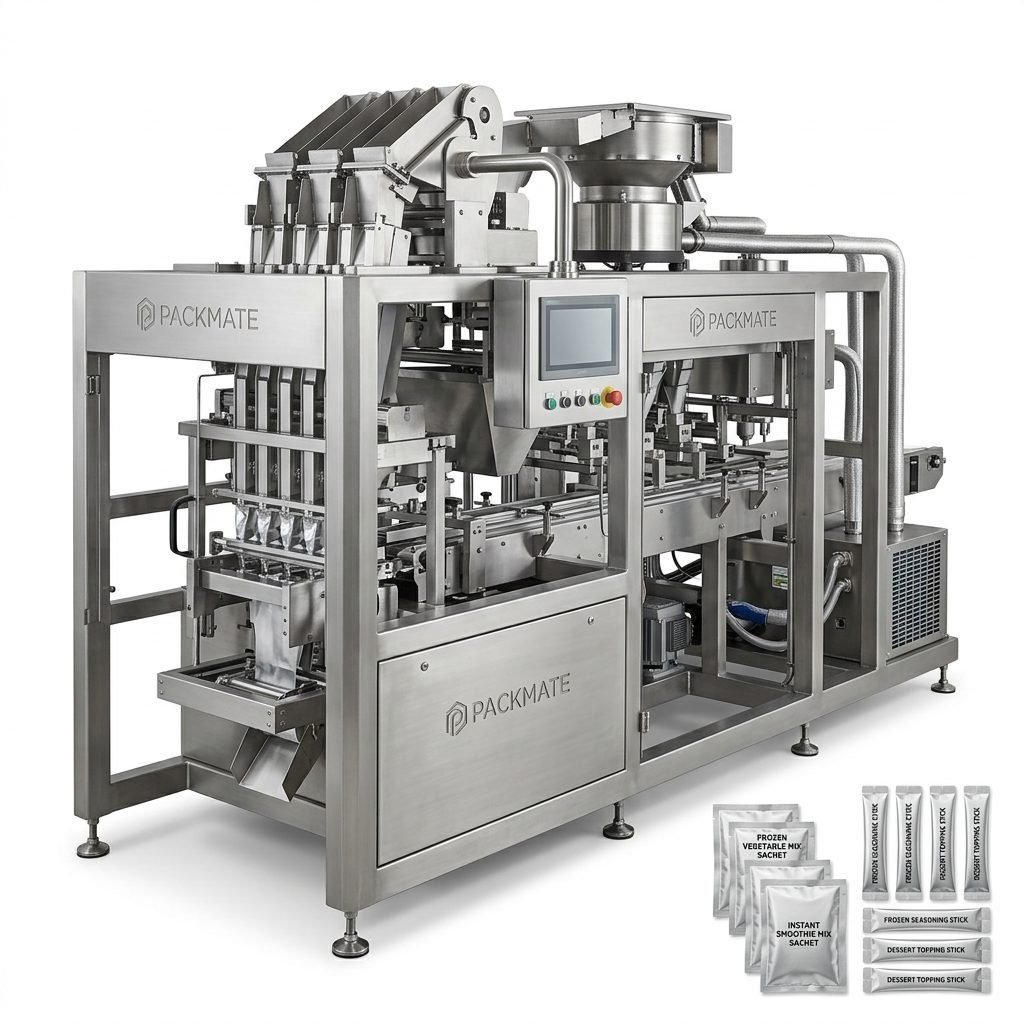
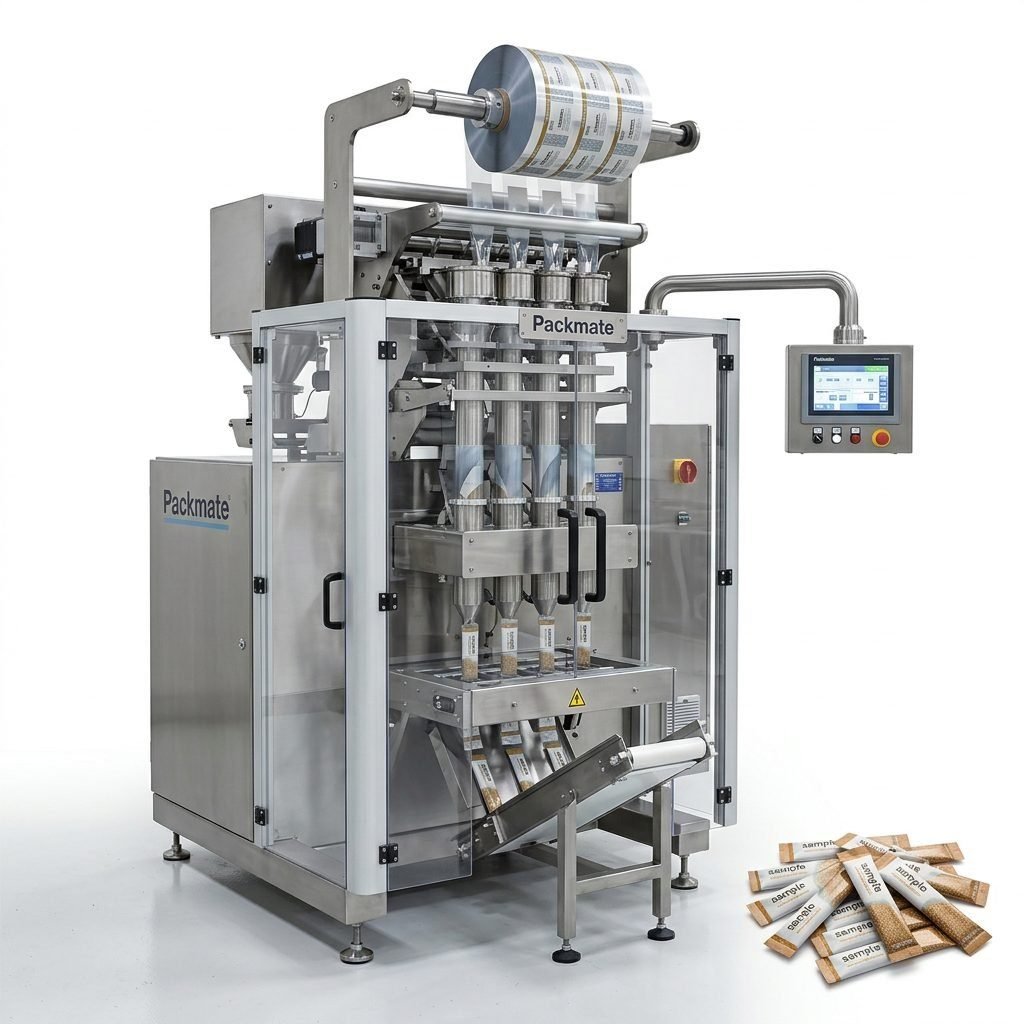
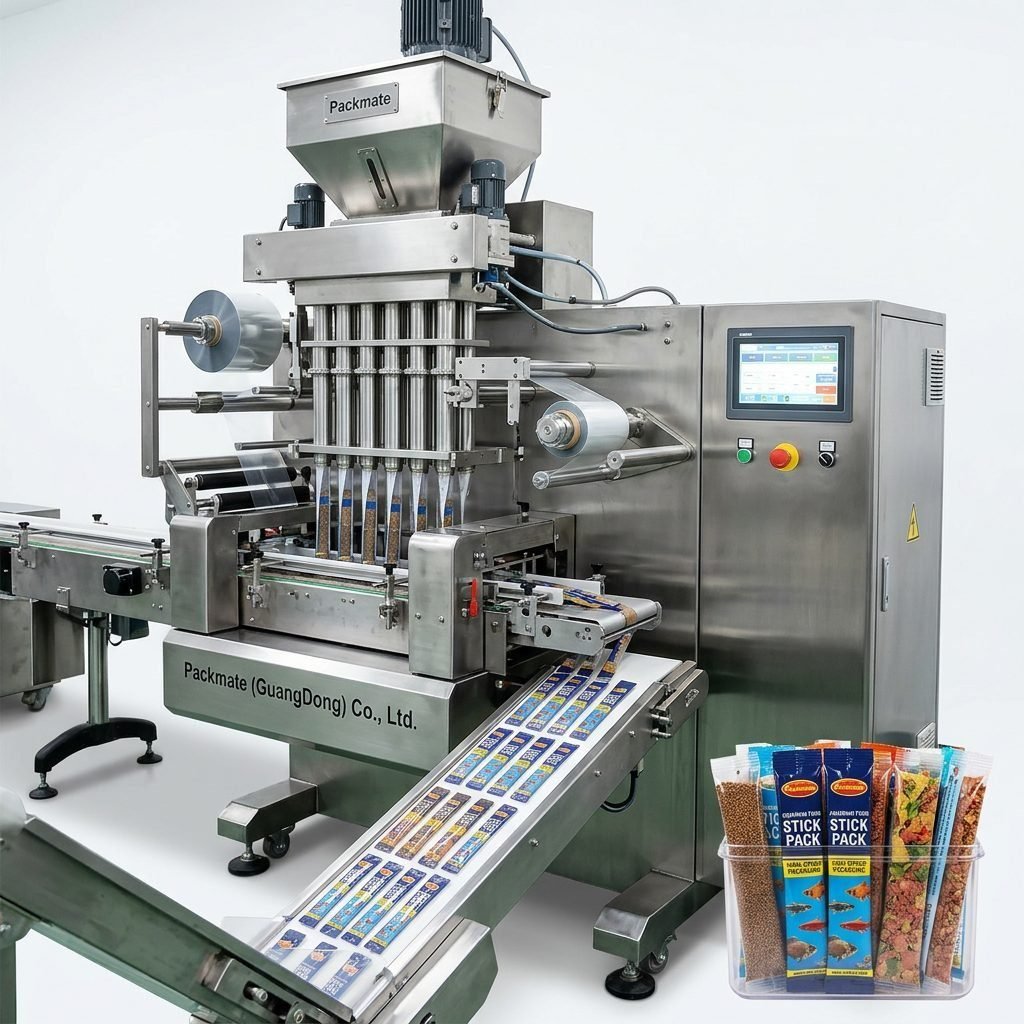
Not all tray packaging equipment is created equal. The optimal solution depends on your specific product type, production volume, and integration needs. For high-volume operations packaging items like soup sachets, seasoning sticks, or pharmaceutical powders, a multi-lane, continuous motion system is ideal. These systems, such as advanced sachet and stick pack machines, can feed, form, fill, and seal multiple trays simultaneously on a single production line, maximizing throughput.
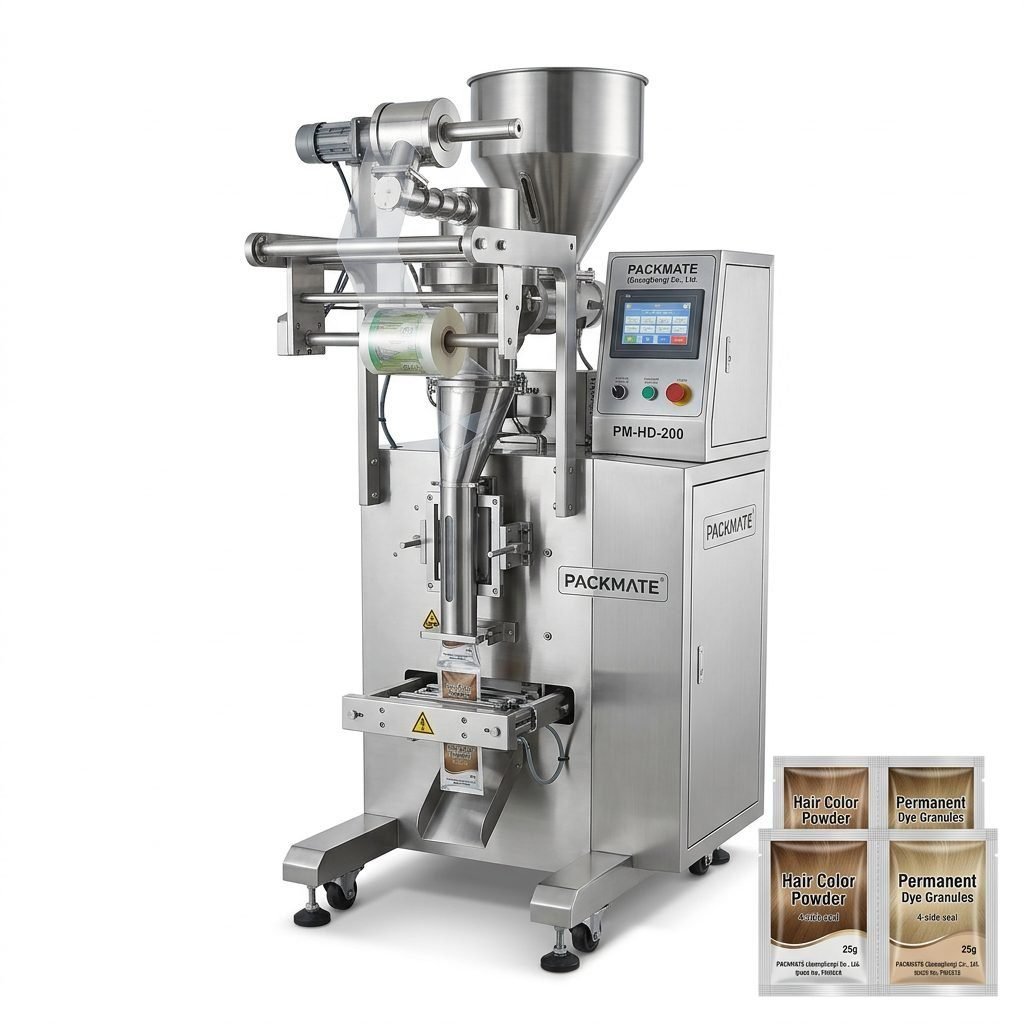
For more delicate or irregularly shaped products, intermittent motion machines might be preferable, offering gentle handling. Furthermore, the choice between pre-formed tray loading and in-line tray forming is critical. In-line forming from a roll of film is often more cost-effective and space-efficient for long runs, while pre-formed trays might suit premium products or specific retail requirements. Partnering with an experienced manufacturer like Packmate Machinery ensures you get a system tailored to your unique challenges, not an off-the-shelf compromise.
Integration: The Heart of a Turnkey Solution
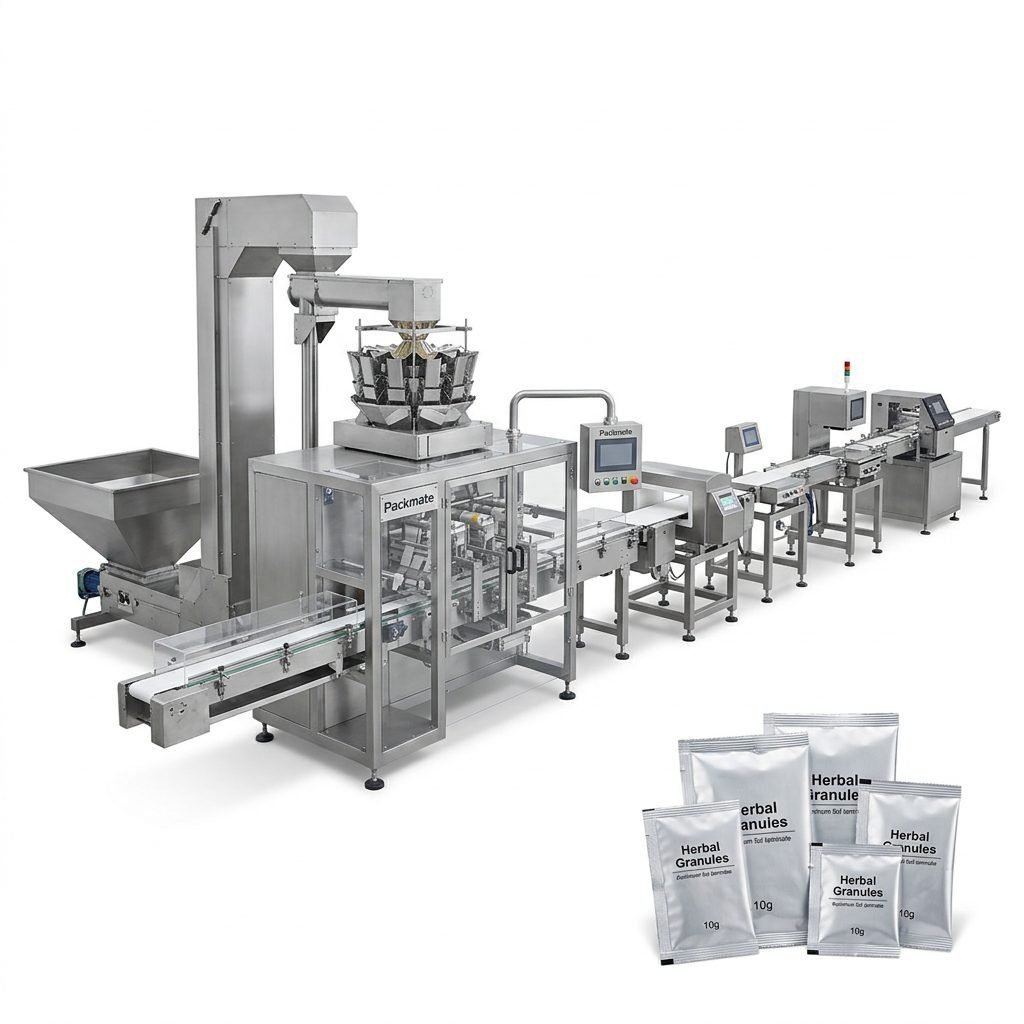
The true power of automation is realized when equipment works in perfect harmony. A standalone tray packer is just one piece of the puzzle. A complete turnkey packaging line integrates several key components:
- Product Feeding & Conveying: Smoothly transports product from upstream processes.
- Precision Weighing/Filling: The core of accuracy, often using multi-head weighers or volumetric fillers.
- Tray Forming & Sealing: The main tray packaging unit that forms, fills, and hermetically seals.
- Secondary Packaging: Automatically collates and boxes sealed trays for shipping.
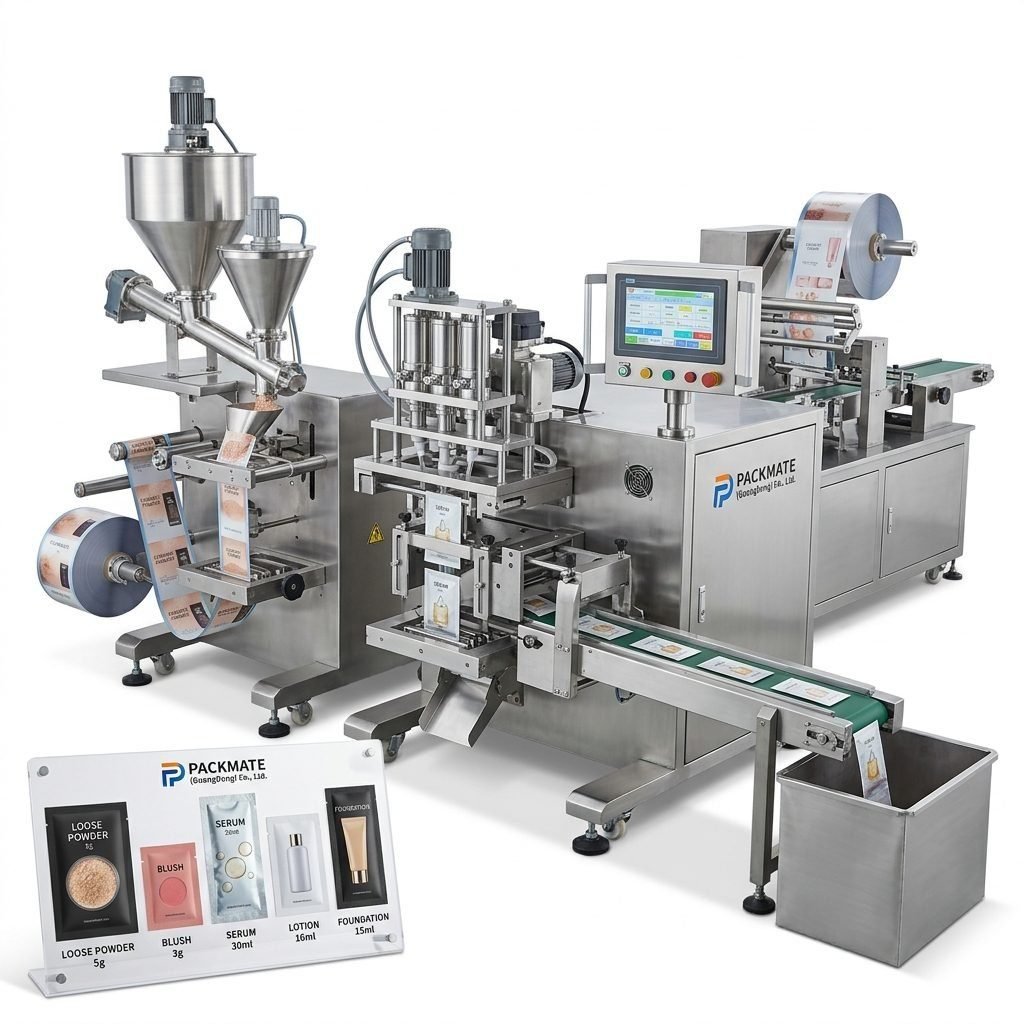
Leading providers design these components to communicate seamlessly, often controlled by a central PLC or HMI. This integrated approach, as seen in Packmate’s complete filling and packaging lines, minimizes downtime, simplifies operation, and creates a single point of responsibility for service and support.
Technological Innovations Driving Efficiency
The frontier of tray packaging is defined by smart technology. Modern systems are equipped with Industry 4.0 capabilities, including IoT sensors for real-time monitoring of machine health, production speed, and error rates. Predictive maintenance algorithms analyze this data to schedule service before a breakdown occurs, preventing costly unplanned downtime. Furthermore, advanced vision inspection systems can now check every tray for seal integrity, fill level, and correct labeling, automatically rejecting any faulty packages. This level of quality control was unimaginable in manual operations and is now a standard expectation in automated lines.
Case in Point: Scalability for Growth
Consider a mid-sized health supplement company experiencing rapid growth. Starting with a semi-automatic system may seem cost-effective, but it quickly becomes a constraint. Investing in a modular, automated tray packaging line from the outset allows for scalable growth. You can begin with a core system and easily add modules—like an extra sealing head, a higher-speed conveyor, or an additional coding station—as demand increases. This future-proofs your investment and avoids the disruptive and costly process of completely replacing your packaging line every few years.
Partnering with an Expert Manufacturer
The success of your automation project hinges on your equipment partner. Look for a manufacturer with deep industry expertise, a proven track record, and a commitment to innovation. Packmate (GuangDong) Co., Ltd., with over 22 years of development, exemplifies this ideal. Operating from a modern 20,000㎡ facility, they combine extensive R&D with rigorous testing to deliver over 50 models of reliable machinery. Their journey, from a small workshop in 1993 to a global supplier today, is built on solving real-world packaging challenges. Choosing a partner with this level of experience and dedication ensures you receive not just a machine, but a comprehensive solution backed by reliable support.
Frequently Asked Questions (FAQs)
1. What types of products are best suited for automated tray packaging?
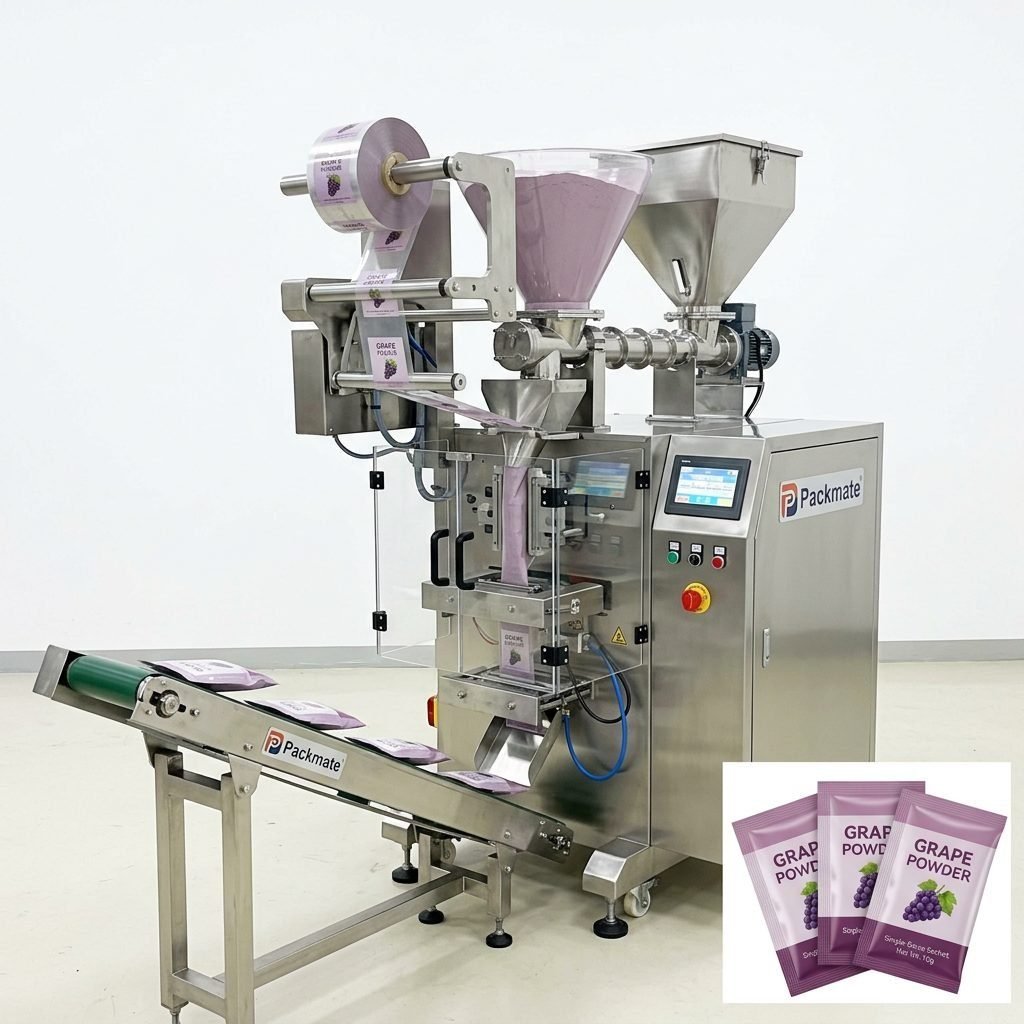
Automated tray packaging is exceptionally versatile. It is ideal for free-flowing and non-free-flowing powders (like protein powder, spices, instant coffee), granules (salt, sugar, seeds), and small liquid doses (sauce packets, pharmaceutical syrups, oil samples). The system can be customized with different filling mechanisms to handle a wide range of product characteristics.
2. How does automated tray packaging improve hygiene and compliance?
Automated systems minimize human contact with the product. They often feature stainless-steel construction, easy-clean designs, and can operate in controlled environments. This is critical for meeting stringent food safety (HACCP, FDA) and pharmaceutical (GMP) standards, reducing the risk of contamination and ensuring consistent product quality.
3. What is the typical ROI for investing in this kind of equipment?
Return on Investment (ROI) varies but is often achieved within 12-24 months. Savings come from dramatically reduced labor costs, lower material waste due to precise filling, increased production output, and fewer product recalls from improved quality control. A detailed analysis with your equipment provider can project a specific ROI based on your current operational costs.
4. Can an automated line handle different tray sizes and materials?
Yes, most modern automated tray packers are designed for quick changeover. With simple adjustments or change parts, the same machine can often switch between different tray dimensions and sealing films. This flexibility is key for manufacturers who produce multiple product lines or need to adapt to different retail packaging requirements without major downtime.
5. What support can I expect after purchasing the equipment?
Reputable manufacturers offer comprehensive after-sales support. This should include on-site installation and commissioning, thorough operator and maintenance training, a clear warranty, and access to responsive technical support and spare parts. A partner like Packmate Machinery provides ongoing service to ensure your line operates at peak efficiency throughout its lifecycle.