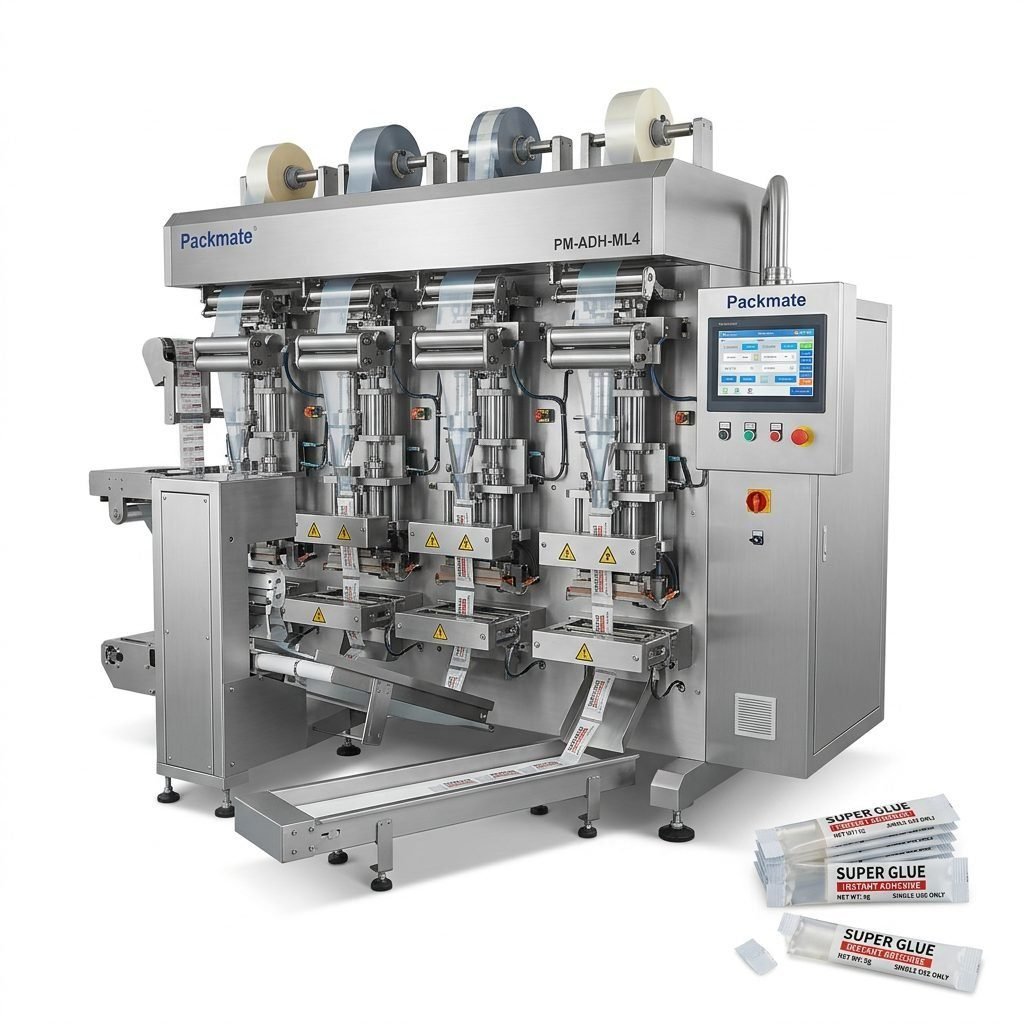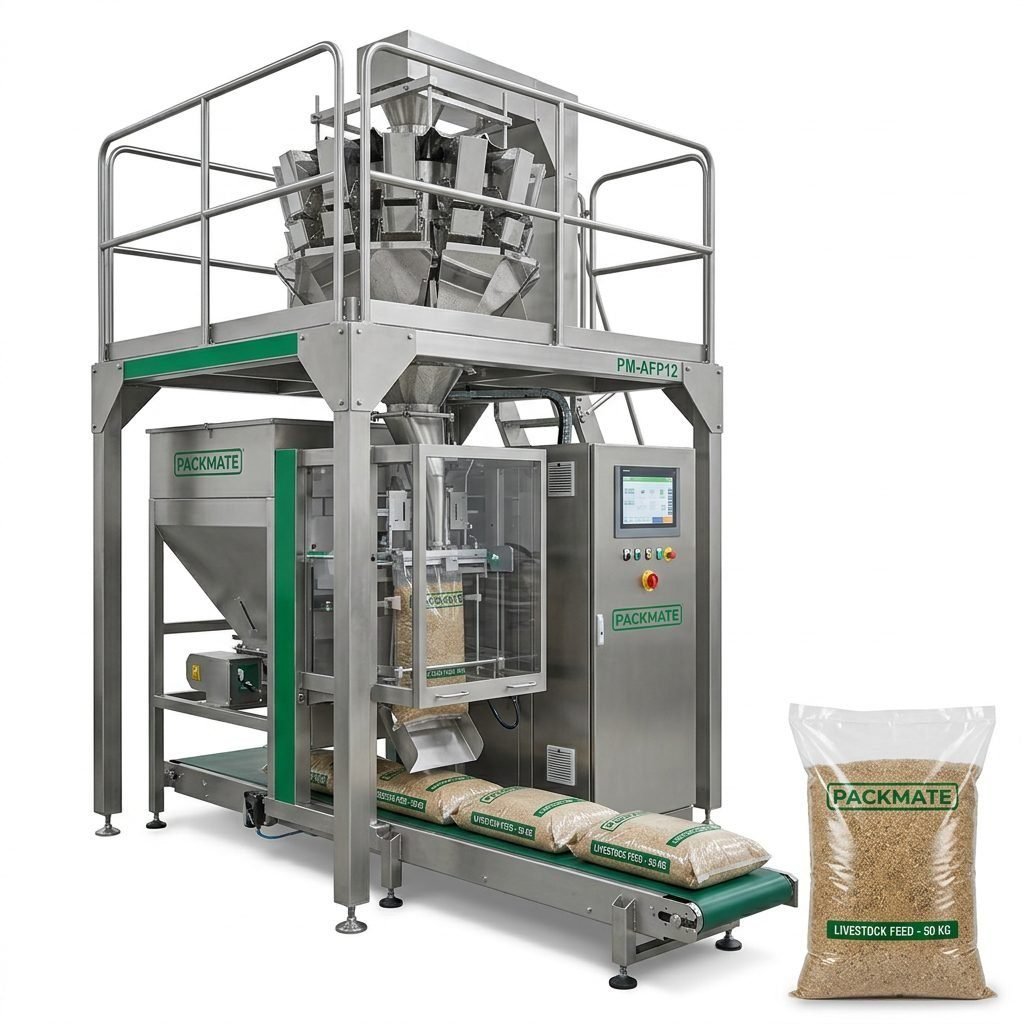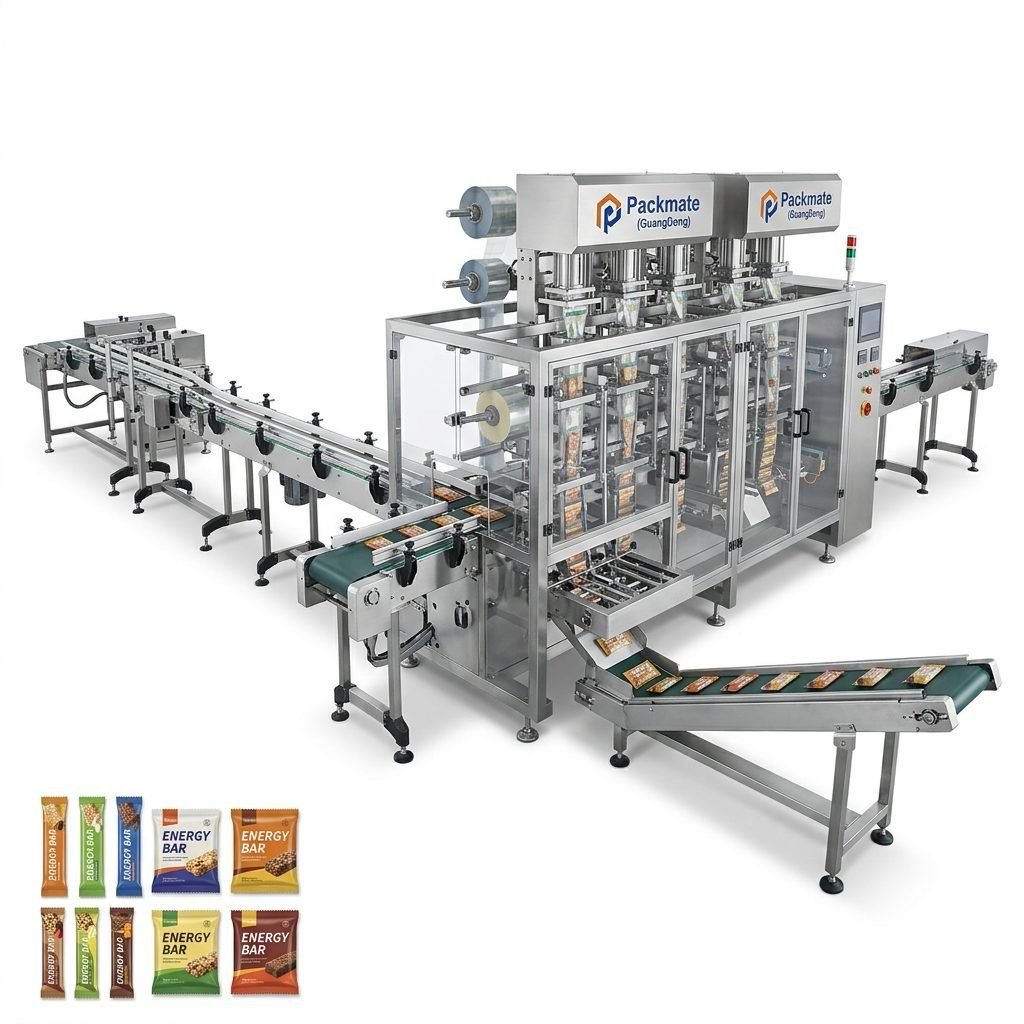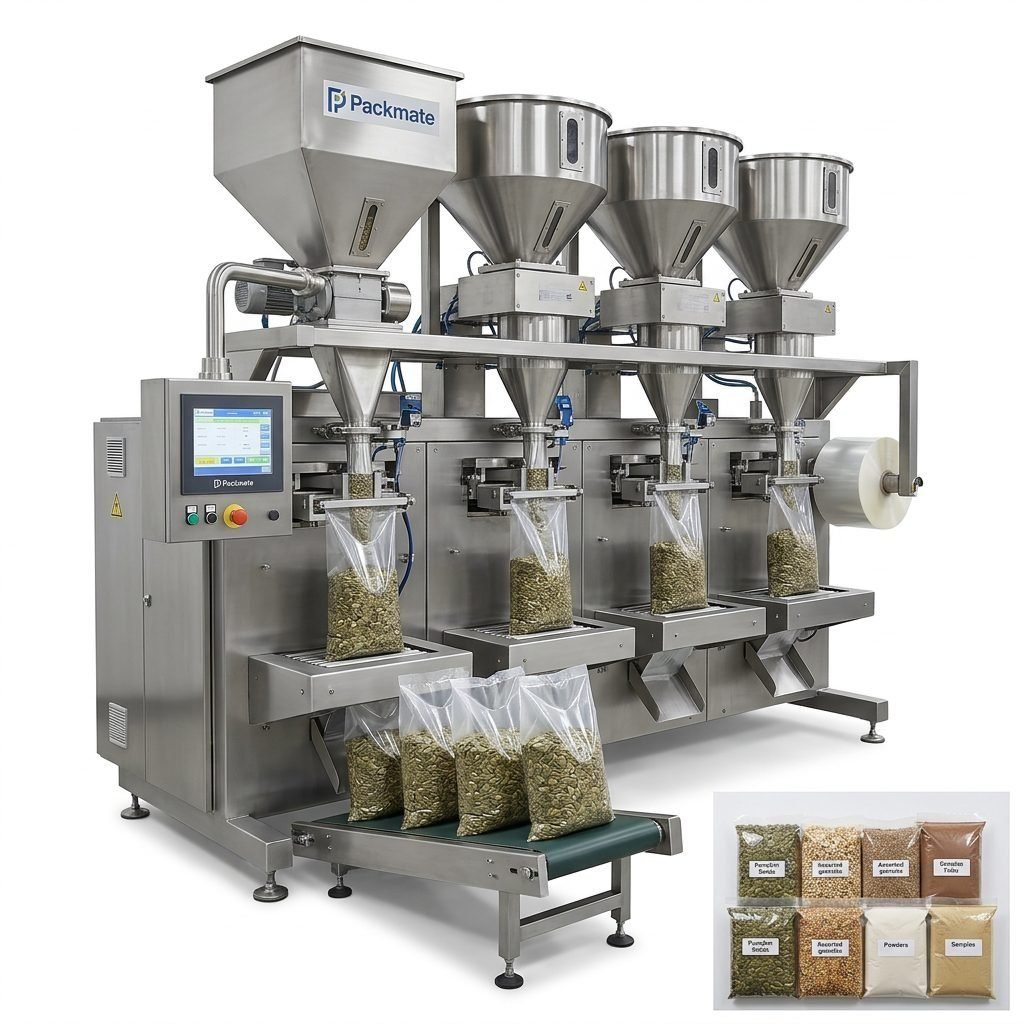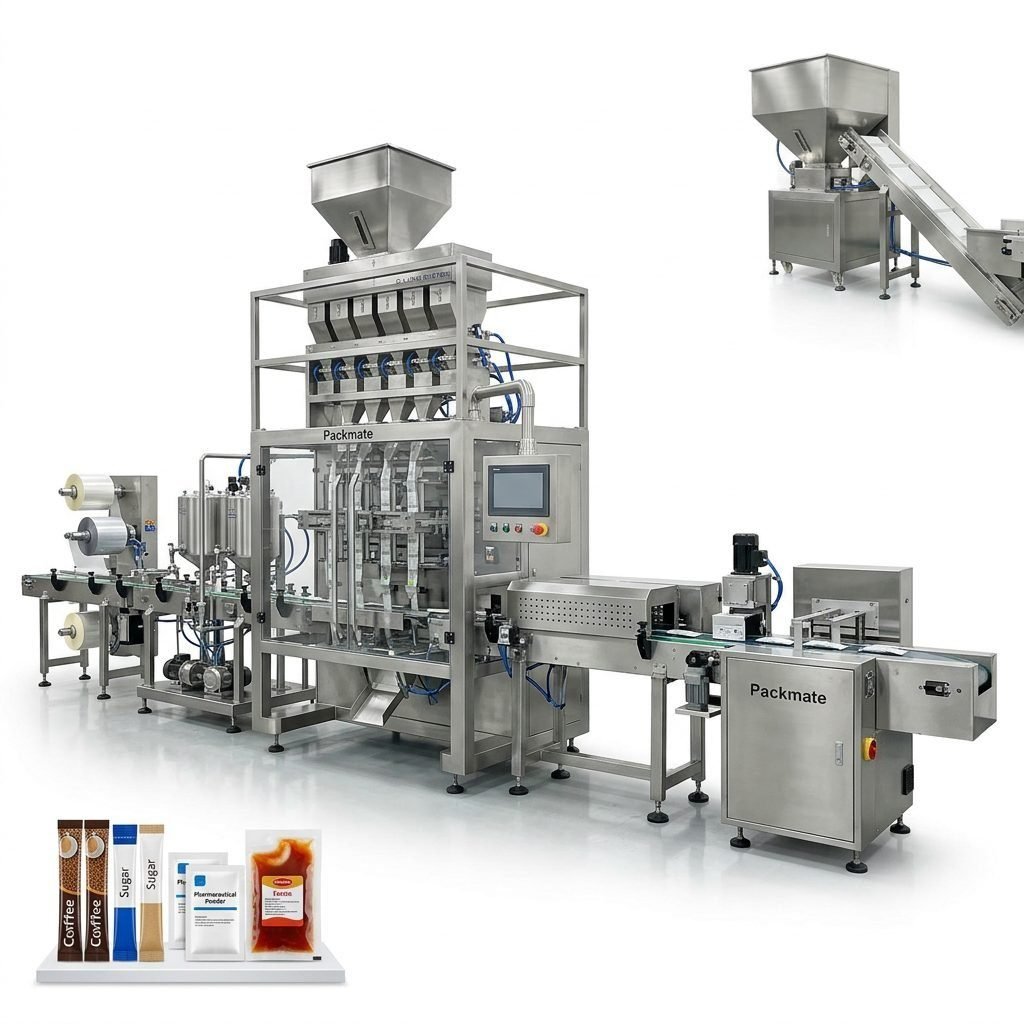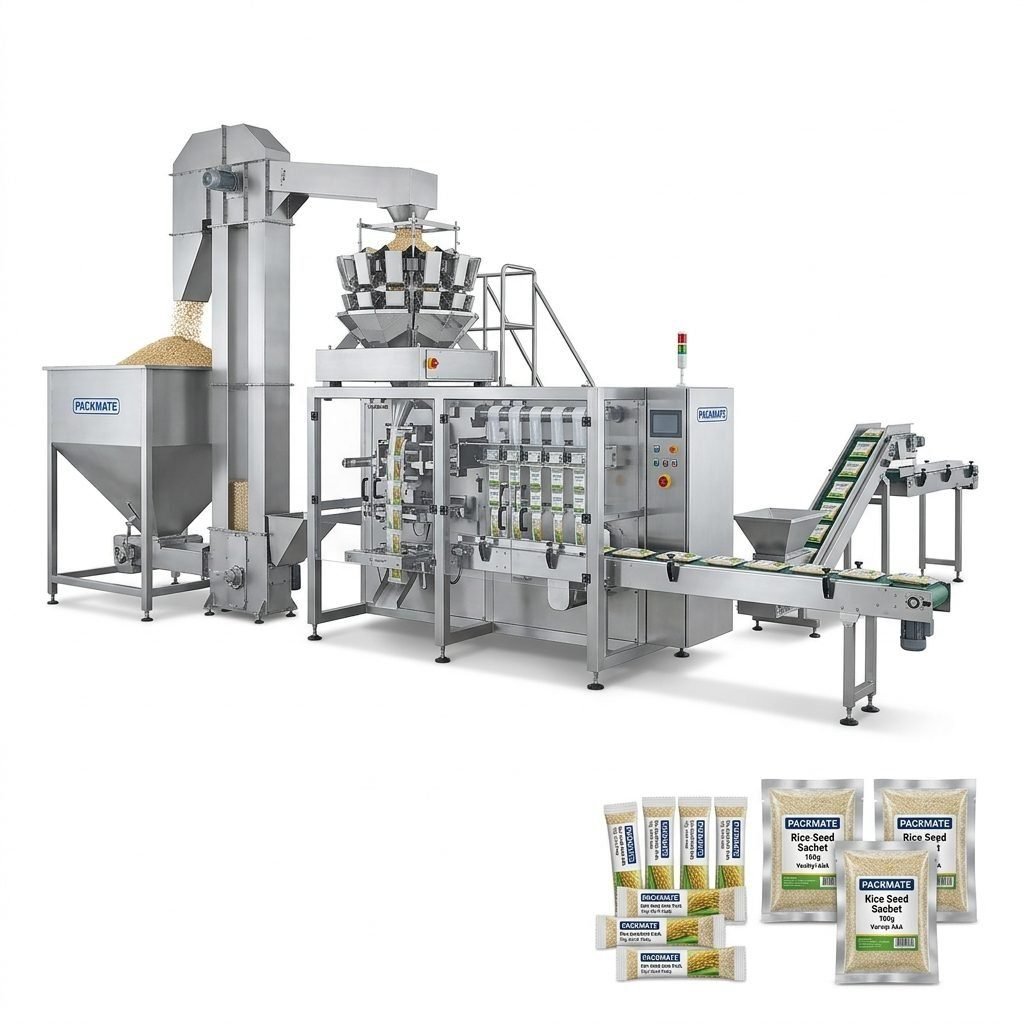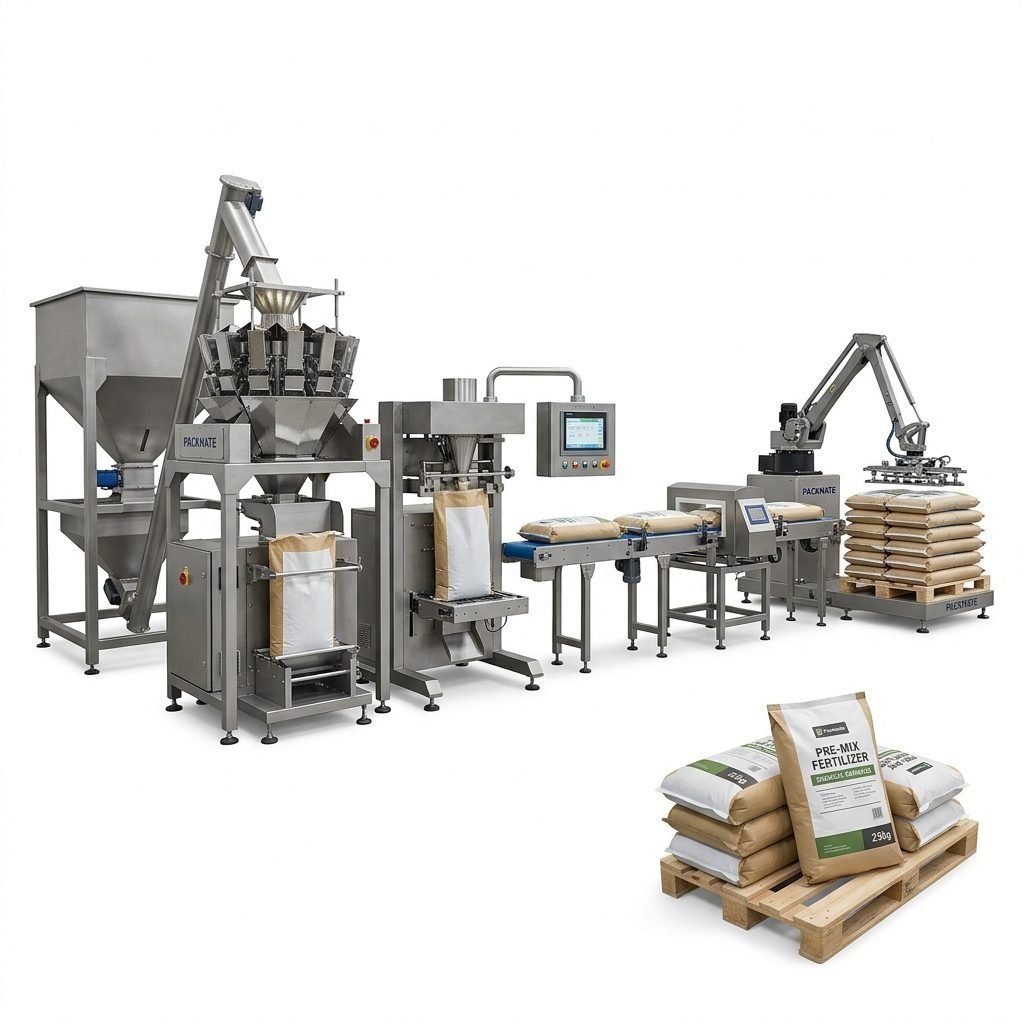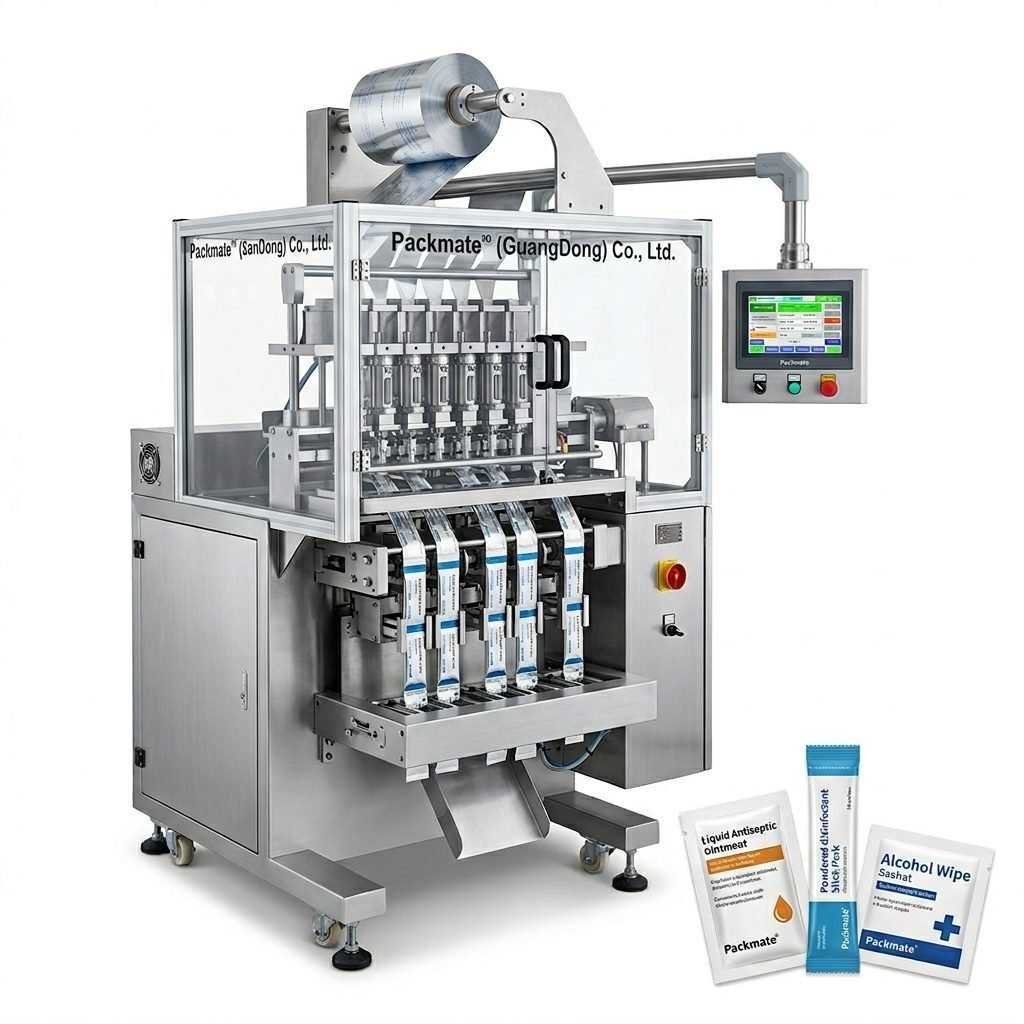
In the highly regulated pharmaceutical industry, packaging is far more than just a container—it is a critical component of product safety, efficacy, and patient compliance. Pharmaceutical packaging machines are engineered to meet stringent standards, ensuring that medications are protected from contamination, moisture, and light while maintaining precise dosing and clear labeling. For manufacturers, selecting the right equipment is a strategic decision that impacts production efficiency, regulatory compliance, and overall product quality.
Core Types of Pharmaceutical Packaging Machines
The packaging process for pharmaceuticals is multi-stage, requiring specialized machines for each step. Understanding the primary types is the first step in building an efficient line.
1. Primary Packaging Equipment
This category handles the direct contact between the product and its immediate container. It is the most critical for maintaining product integrity.
Blistering Machines: These form, fill, and seal tablets or capsules into blister packs. They are essential for unit-dose packaging, providing excellent barrier properties and patient convenience. Modern machines offer high-speed operation with precise cavity alignment.
Bottle Filling and Capping Lines: Used for liquid syrups, suspensions, and solid-dose forms like capsules. These integrated lines typically include a bottle unscrambler, filler, cottoner (if required), capper, and labeler, ensuring a sterile and tamper-evident seal.
Ampoule and Vial Filling & Sealing Machines: Designed for sterile injectable products. They operate in controlled environments (often integrated with isolators or RABS) to fill liquid or lyophilized powder into glass containers before hermetically sealing them.
2. Secondary Packaging Equipment
Once the primary package is complete, secondary equipment adds layers of protection, information, and readiness for distribution.
Cartoning Machines: Automatically erect cartons, insert primary packages (like blister strips or bottles), along with leaflets, and close them. They are vital for adding product information and creating a retail-ready box.
Case Packers and Palletizers: These handle the bulk packaging for shipping. Case packers load multiple cartons into corrugated cases, which are then sealed and palletized for stable transport.
3. Labeling and Serialization Systems
With global track-and-trace regulations, these systems have become non-negotiable.
Print & Apply Labelers: Accurately place product labels with dosage, expiry, and batch information on primary or secondary packages.
Serialization and Aggregation Equipment: These systems print unique serial numbers (like 2D data matrix codes) on each saleable unit, then aggregate those numbers to case and pallet levels. This creates a digital trail for supply chain security and anti-counterfeiting, a key concern for regulators worldwide.
Key Applications and Uses in Pharma Production
Pharmaceutical packaging machines are deployed across various product types, each with unique requirements.
Solid Oral Dosages (Tablets & Capsules): Primarily use blister packing or bottle filling lines. The choice often depends on dose quantity, patient demographics, and market preferences (e.g., unit-dose vs. bulk).
Liquid Formulations (Syrups, Injectables): Require precise liquid filling machines, often with peristaltic or piston pumps for accuracy, coupled with stringent sealing technology to prevent leakage and contamination.
Sterile and Aseptic Products: Demand the highest level of machine integrity. Filling and sealing machines for vials, syringes, and IV bags are designed for cleanroom compatibility and often feature sterile barrier systems.
Medical Devices and Kits: Machines that handle combination products, such as drug-device combinations, often involve custom tray loading, thermoforming, and specialized sealing to keep components together and sterile.
Comprehensive Buying Guide: How to Choose the Right Machine
Investing in pharmaceutical packaging machinery is a significant decision. Here are the critical factors to consider.
1. Regulatory Compliance and Validation
This is the foremost priority. The machine must be designed and constructed to facilitate compliance with regulations like FDA 21 CFR Part 211, EU GMP Annex 1, and other regional standards.
Key Questions: Does the machine use compliant materials (e.g., 316L stainless steel, FDA-approved seals)? Does it have a cleanable design with minimal dead legs? Can it be easily integrated into a validation protocol (IQ/OQ/PQ)? Documentation from the supplier, including a Factory Acceptance Test (FAT) and detailed design specifications, is crucial.
2. Machine Flexibility and Changeover
Pharmaceutical lines often run multiple products with different package sizes. Look for machines with quick-change parts and recipe management systems stored in the PLC. This minimizes downtime and enhances overall equipment effectiveness (OEE).
3. Speed, Output, and Scalability
Match the machine’s output (e.g., packs per minute) to your current and projected production volumes. Consider future growth—can the line be easily upgraded or integrated with additional modules? Partnering with an experienced manufacturer like Packmate Machinery, which offers scalable solutions, can future-proof your investment.
4. Integration and Line Compatibility
The machine should seamlessly integrate with your existing upstream (production) and downstream (packaging) equipment. Consider communication protocols (e.g., OPC-UA, Ethernet/IP) and physical interfacing. A full turnkey packaging line from a single supplier often ensures better synchronization and fewer integration headaches.
5. Supplier Support and Service
The relationship with your machine supplier extends far beyond the sale. Evaluate their global service network, availability of spare parts, training programs, and technical support responsiveness. A supplier’s history, like Packmate’s 22+ years of development, can be a strong indicator of stability and commitment to after-sales service.
Exploring a supplier’s full product portfolio can also reveal their depth of expertise and ability to provide complementary equipment.
Trends Shaping the Future
The industry is moving towards greater intelligence, flexibility, and sustainability.
Industry 4.0 and IoT: Modern machines are equipped with sensors and connectivity for real-time monitoring of OEE, predictive maintenance, and data collection for continuous improvement.
Advanced Materials: Machines are adapting to handle sustainable and novel packaging materials, such as mono-material plastics for better recyclability.
Robotics and AI: Collaborative robots (cobots) are being used for delicate tasks like loading nested components, while AI vision systems enhance quality inspection for defects like missing tablets or misprints.
Frequently Asked Questions (FAQs)
Q1: What is the most critical feature to look for in a pharmaceutical blister machine?
The most critical feature is its ability to maintain consistent seal integrity under validated parameters. This, along with easy changeover for different blister formats and compliance with GMP requirements for cleanability, forms the core of a reliable machine.
Q2: How important is serialization, and is it a global requirement?
Serialization is extremely important for supply chain security and is mandated in major markets like the EU (FMD), USA (DSCSA), China, and others. When buying new equipment, ensuring it can be integrated with or has built-in serialization capabilities is essential for market access.
Q3: Can one machine handle both pharmaceutical and nutraceutical products?
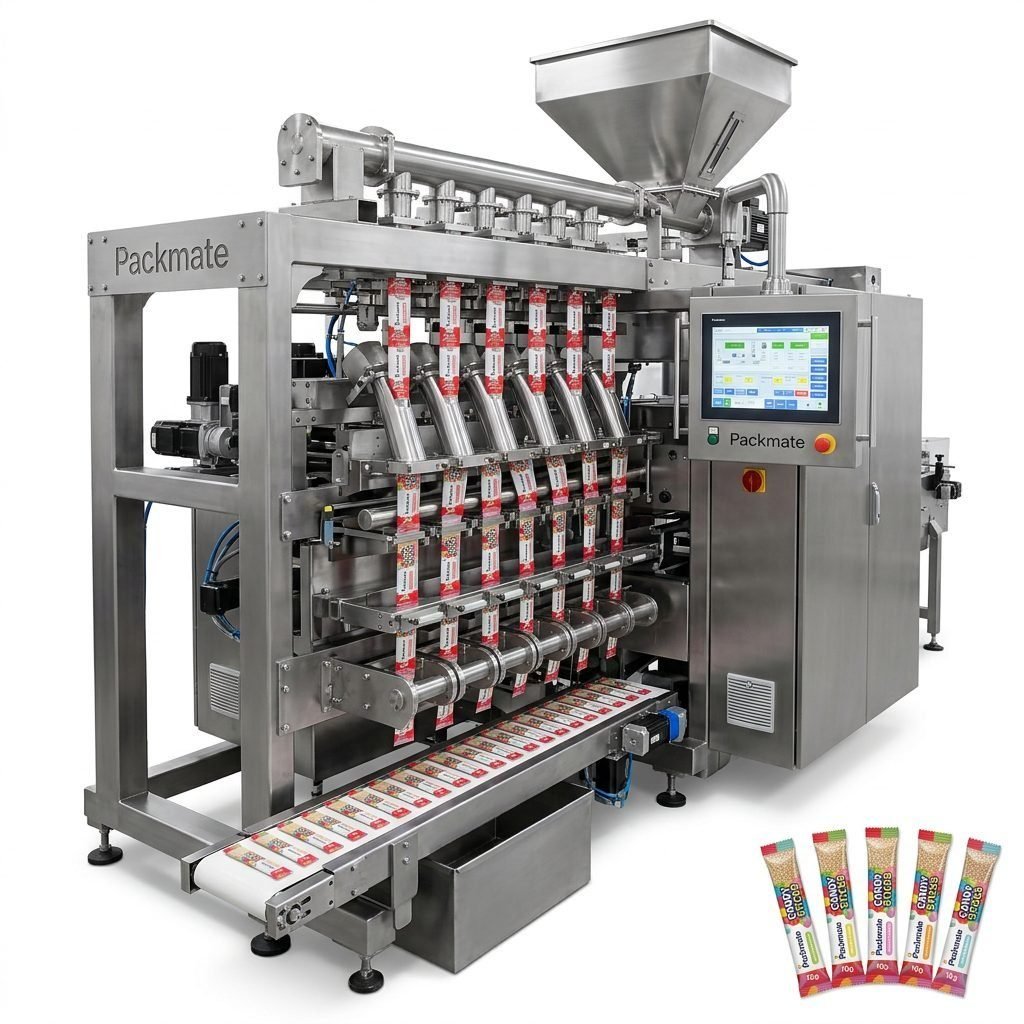
Potentially, yes, but with caveats. The machine must be thoroughly cleaned and validated between product changeovers to prevent cross-contamination. It’s often more efficient to have dedicated lines or use highly flexible machines designed for such changeovers, like some versatile sachet and stick pack machines adapted for different industries.
Q4: What is the typical lead time for a custom pharmaceutical packaging line?
Lead times vary significantly based on complexity, customization, and supplier capacity. For a standard machine, it might be 3-6 months. For a fully customized, validated turnkey line, it can take 8-18 months from order to installation. Clear communication with your supplier during the planning phase is key.
Q5: How do I ensure the machine meets my local regulatory standards?
Work closely with your supplier from the design phase. Provide them with your specific regulatory requirements. Reputable suppliers will have experience with international standards and can provide documentation (e.g., risk assessments, material certifications) and support during your site’s validation process to ensure compliance.