The world of salsa is vibrant, diverse, and full of flavor, and its packaging needs to be just as dynamic. For manufacturers, choosing the right salsa packaging machine is a critical decision that impacts product quality, shelf appeal, and operational efficiency. This guide delves into the various types of machines available, their key features, and essential factors to consider before making a purchase, ensuring your salsa brand stands out on the shelf.
Understanding the Different Types of Salsa Packaging Machines
Salsa can vary from chunky pico de gallo to smooth, liquid-based sauces, and packaging technology has evolved to handle this variety. The primary machine types are defined by the package format they produce.
Vertical Form Fill Seal (VFFS) Machines
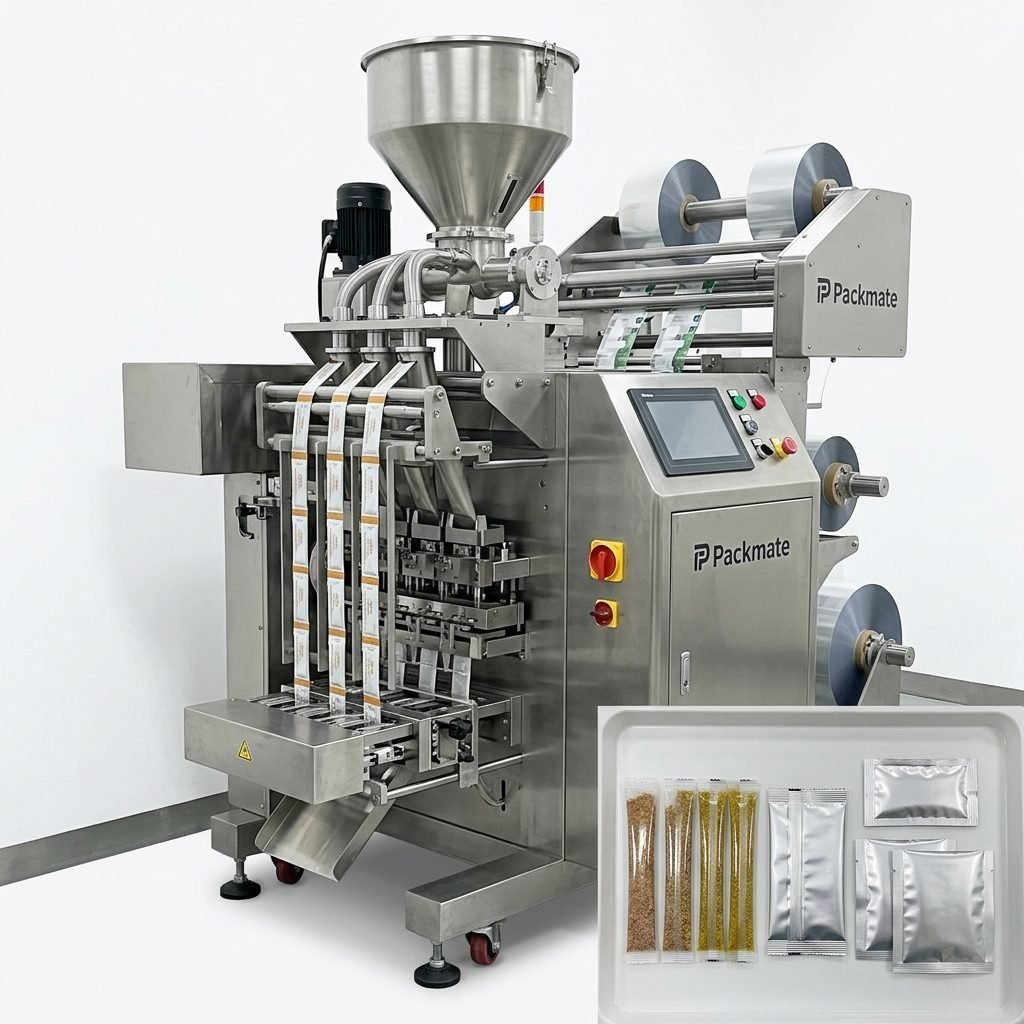
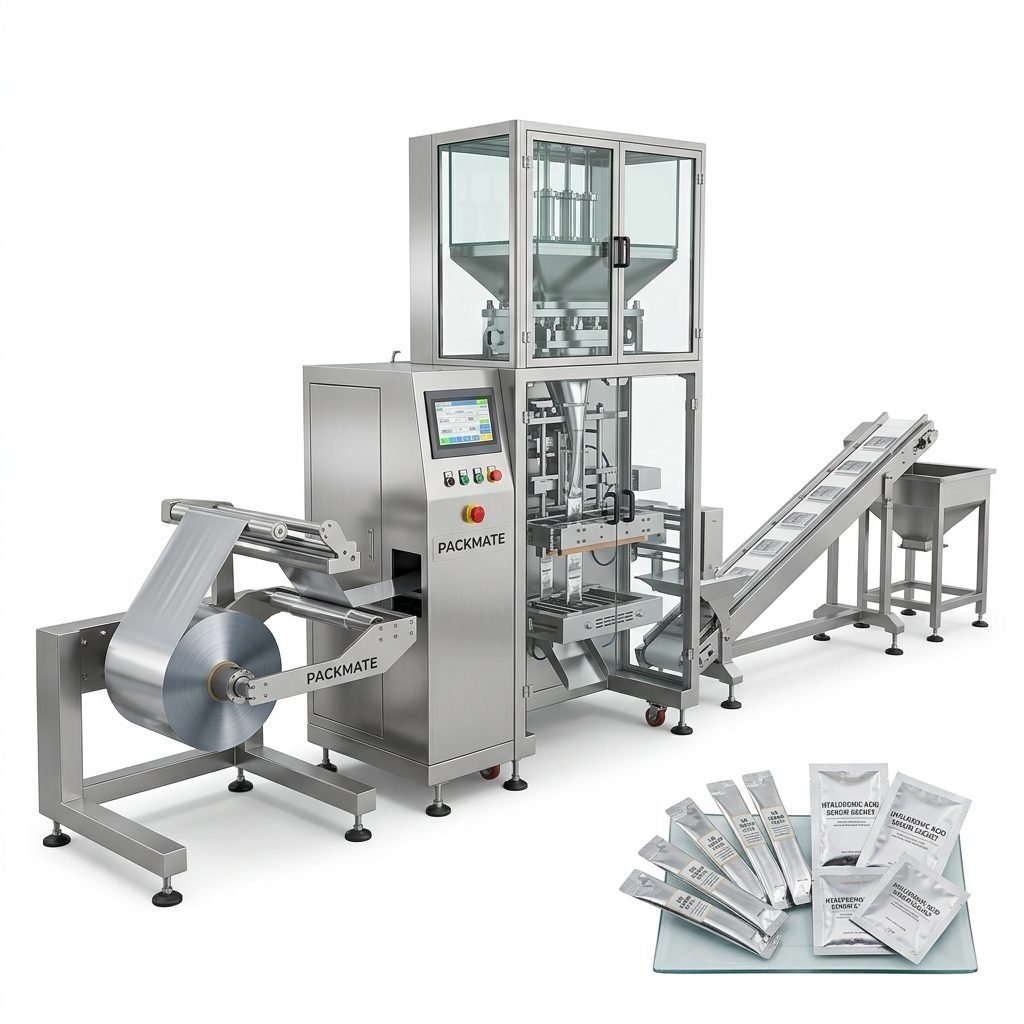
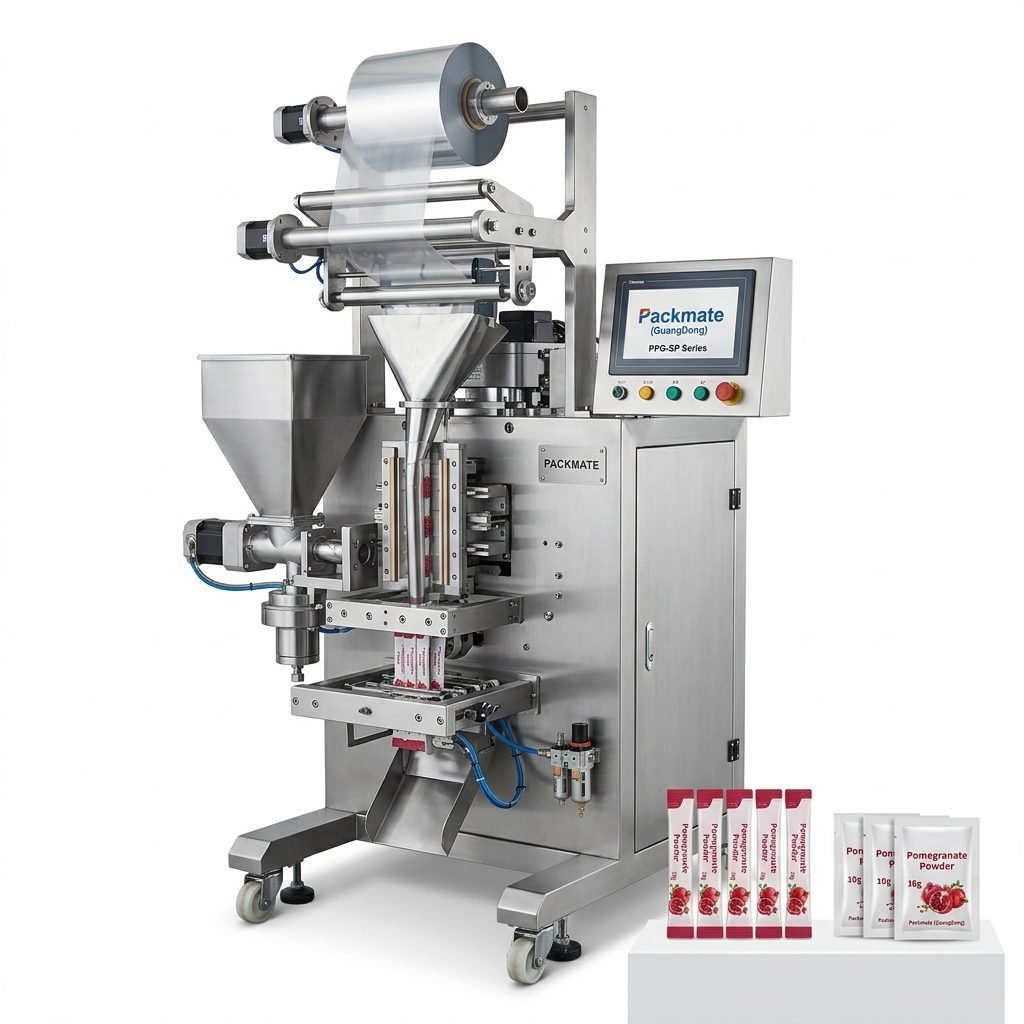
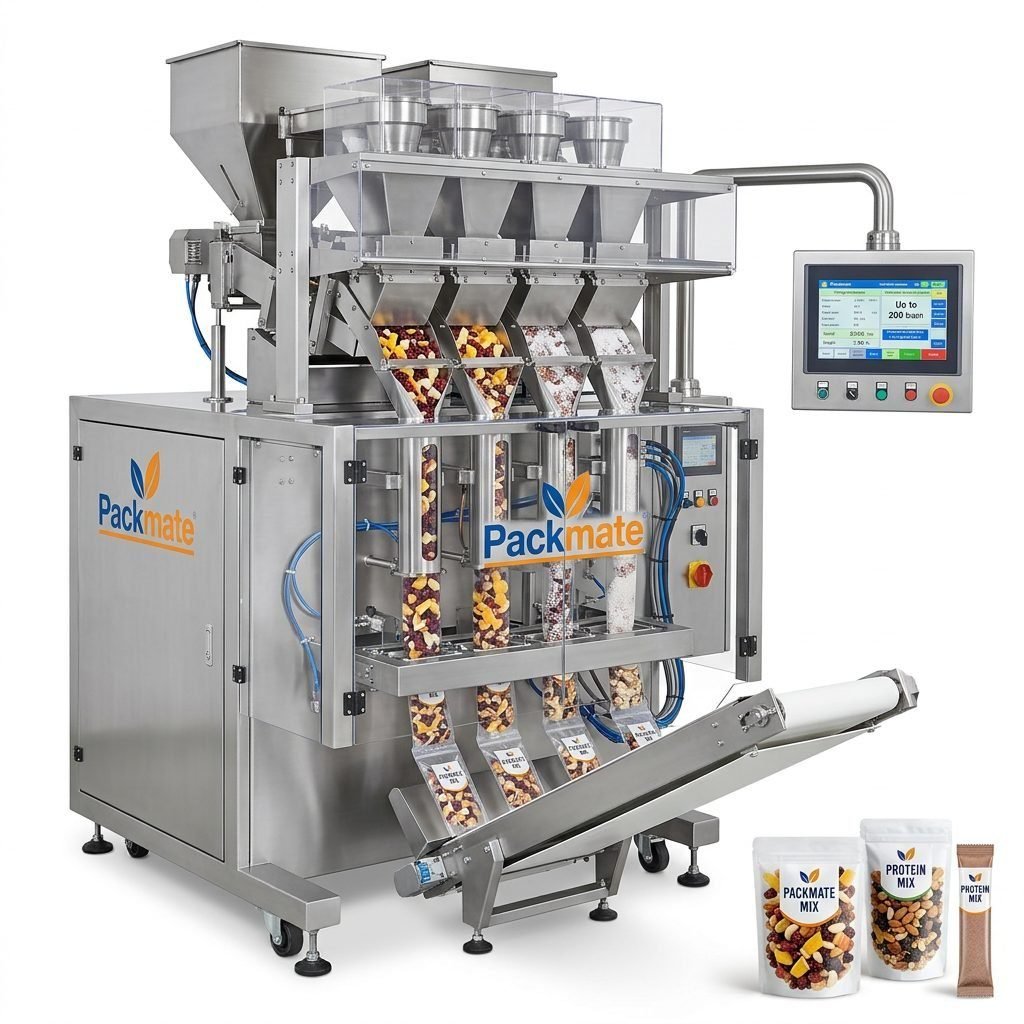
These are the workhorses of the industry for producing stand-up pouches and flat bottom bags. A VFFS machine forms the bag from a roll of film, fills it with salsa, and then seals it—all in one continuous vertical process. They are highly versatile and efficient for medium to high-volume production runs. For brands looking to package salsa in convenient, shelf-stable pouches, a vertical pouch packaging machine is often the ideal solution.
Horizontal Form Fill Seal (HFFS) Machines
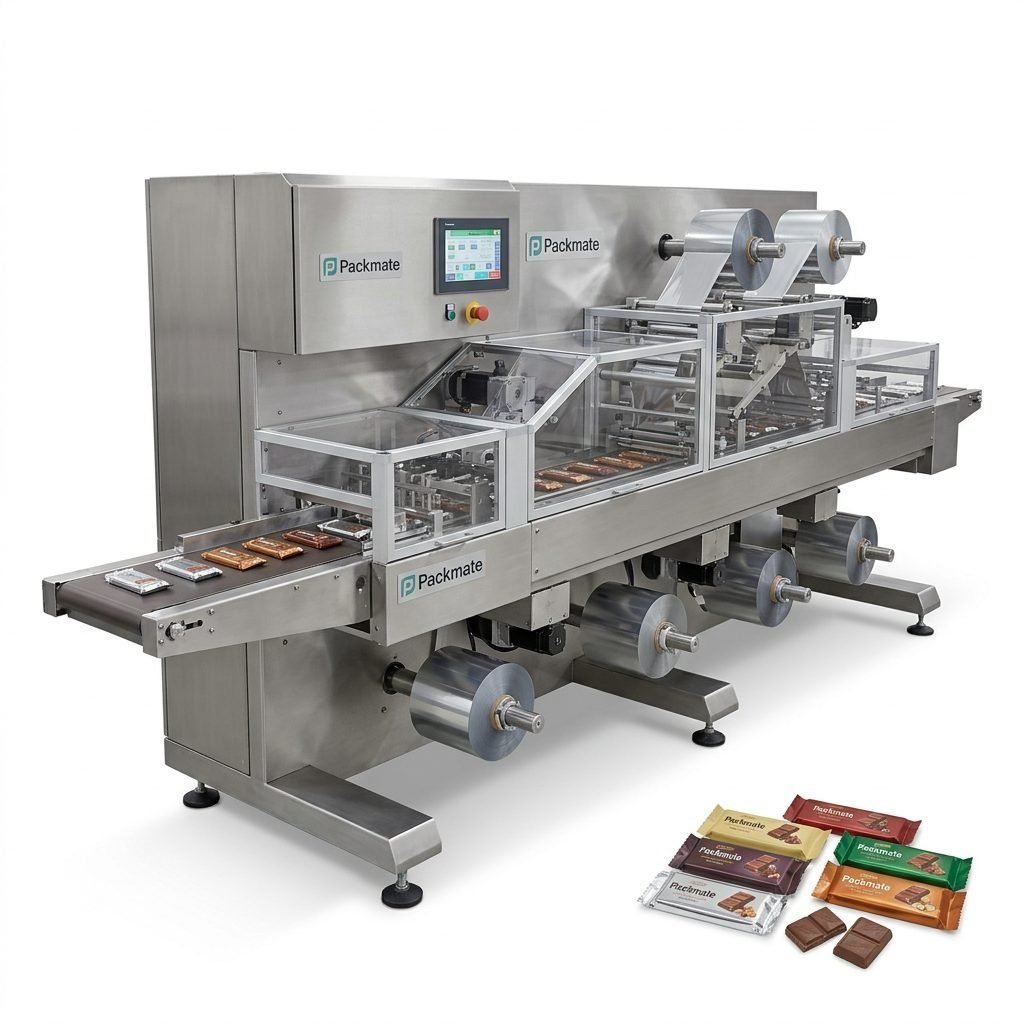
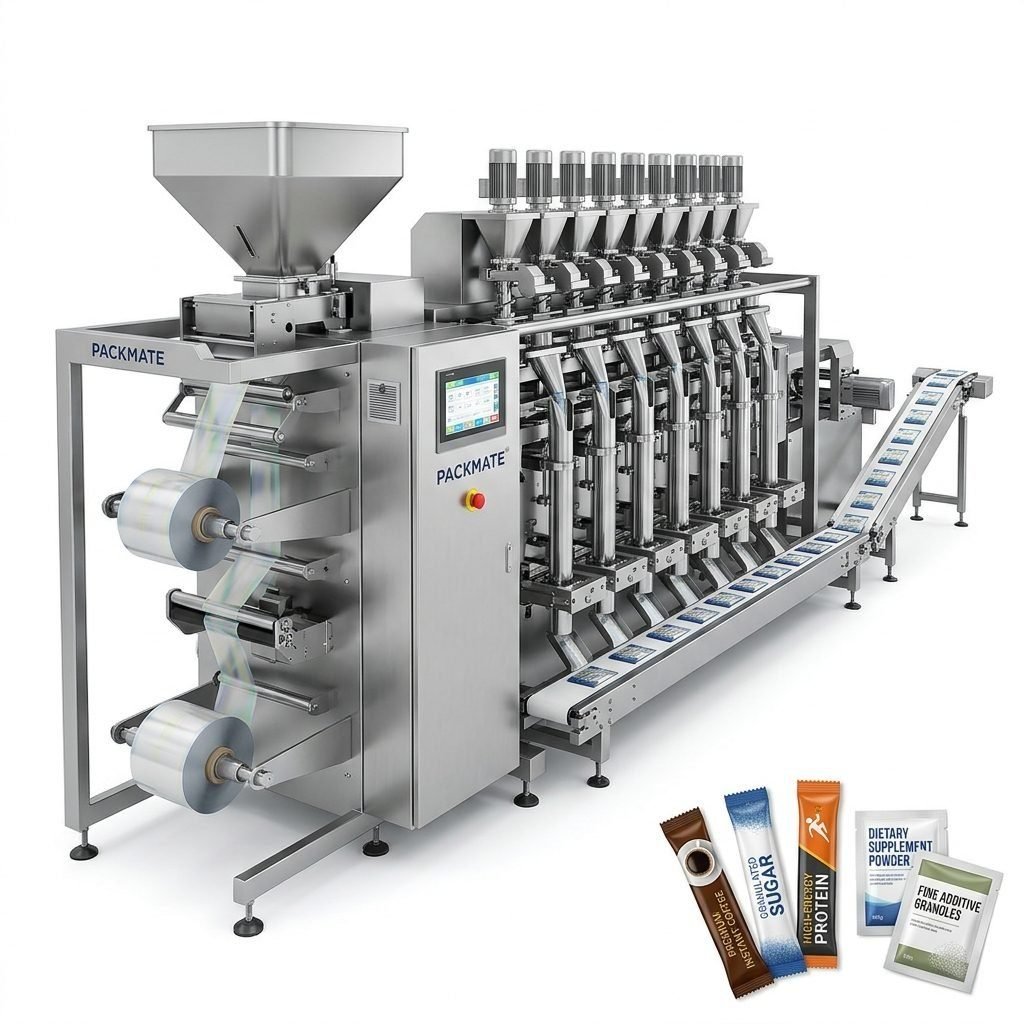
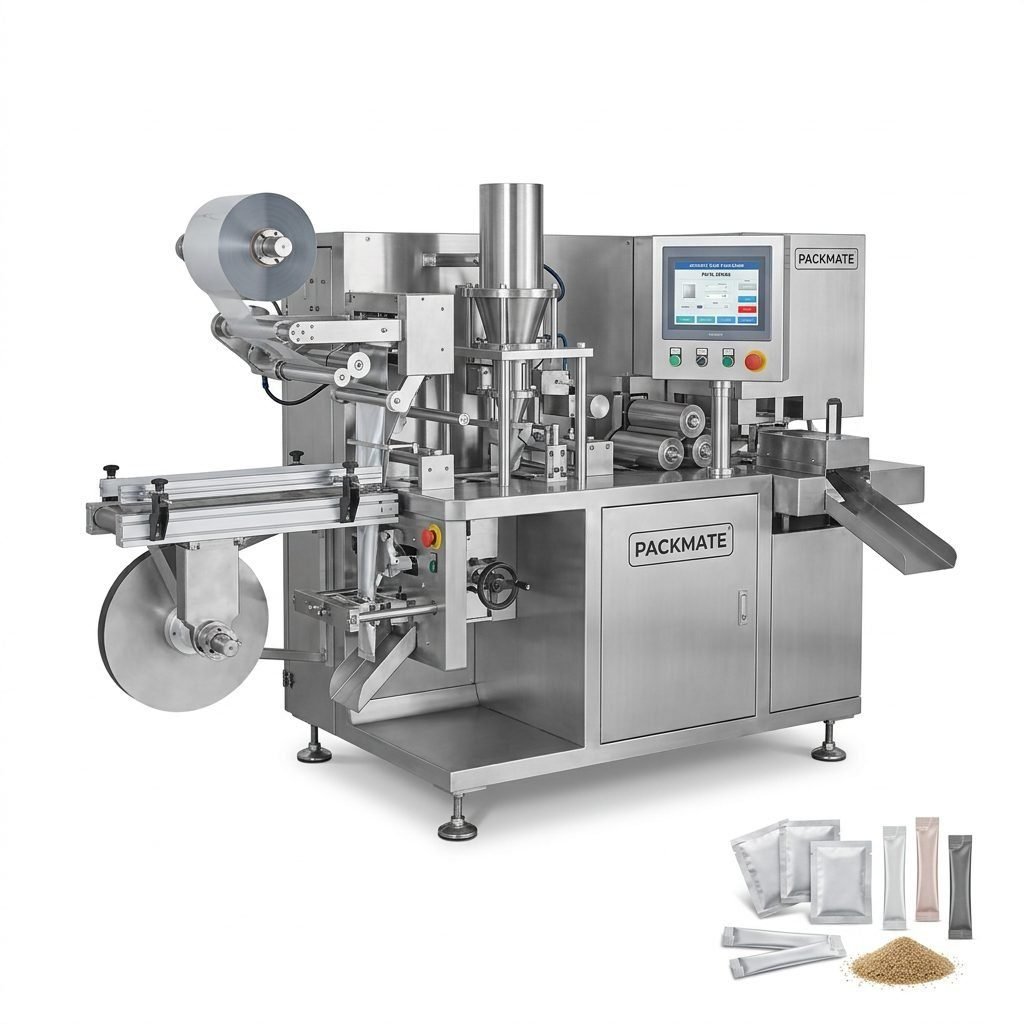
Ideal for creating pillow-style sachets or stick packs, HFFS machines are perfect for single-serve portions of salsa, often seen in takeout or food service settings. The film moves horizontally, and the product is placed into the formed cavity before sealing. This method is excellent for maintaining portion control and is typically faster for small, precise packages.
Piston Filling Machines
When dealing with thick, chunky salsa where preserving particle integrity is paramount, piston fillers excel. They use a piston and cylinder mechanism to draw a precise volume of product and dispense it into pre-made containers like jars, tubs, or cups. This gentle filling action minimizes damage to solid ingredients. These are often integrated into complete filling and packaging lines that include capping and labeling.
Liquid Filling Machines
For smoother, more liquid-based salsas, gravity, pressure, or volumetric liquid fillers are used. They offer high-speed, accurate filling into bottles or jars. The choice between piston and liquid filling often comes down to the product’s viscosity and particulate content.
Key Features to Look for in a Salsa Packaging Machine
Beyond the basic type, several features are non-negotiable for ensuring product quality and line efficiency.
Material Compatibility & Seal Integrity
The machine must be compatible with high-barrier, food-grade laminates that protect salsa from oxygen and moisture, preserving freshness and color. A robust and consistently reliable sealing system is the most critical feature, as any leak compromises the entire product.
Accuracy and Speed
Filling accuracy ensures consistent portion sizes and cost control, while speed (measured in packages per minute) determines your output capacity. The right balance depends on your production volume. Advanced machines incorporate sophisticated weighing and control systems for precision.
Hygienic Design and Easy Cleaning
Salsa is a food product, so the machine must have a sanitary design with smooth, accessible surfaces and be constructed from stainless steel (especially contact parts). Quick disassembly for cleaning and sanitation (CIP/SIP capabilities in some models) drastically reduces downtime and ensures food safety compliance.
Flexibility and Changeover
If you plan to produce multiple salsa varieties or package sizes, look for machines with quick-change parts and recipe memory. This minimizes the time and labor required to switch between production runs, boosting overall equipment effectiveness (OEE).
Automation and Integration
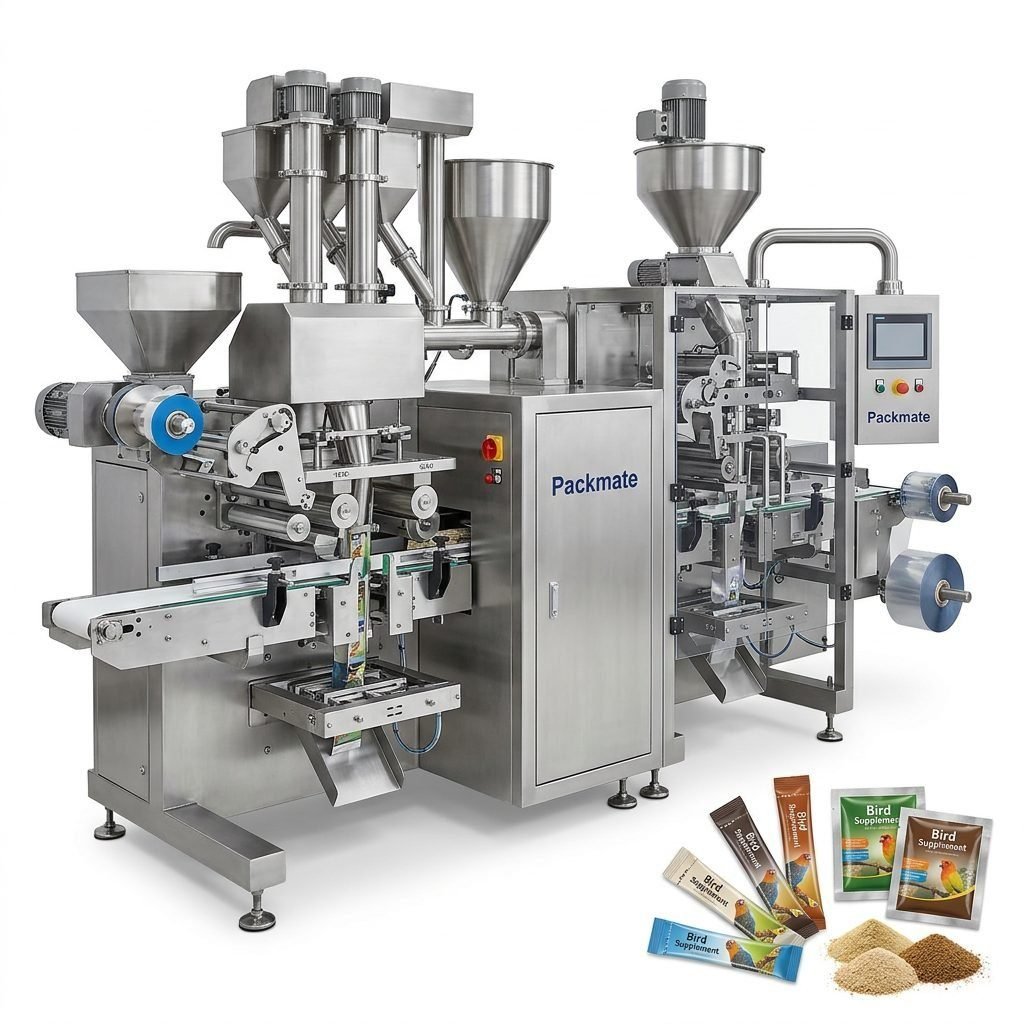
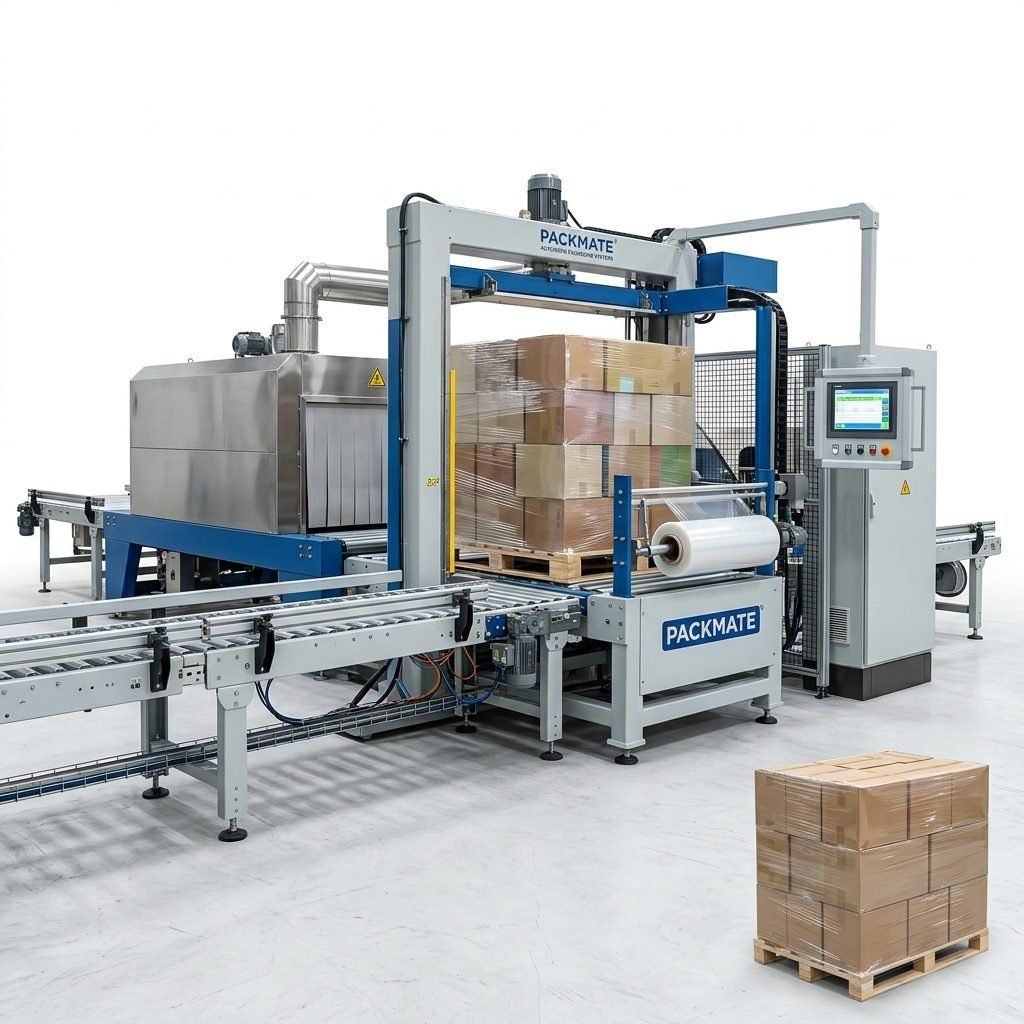
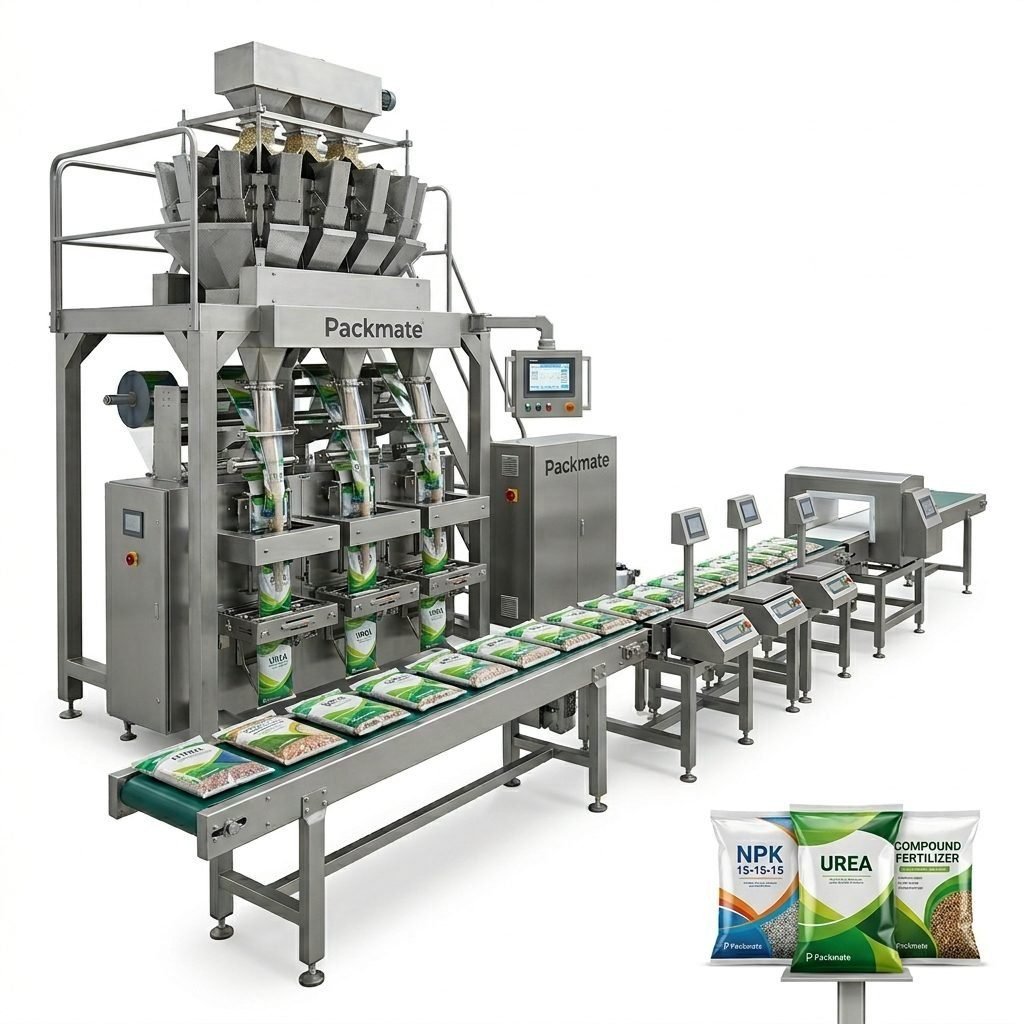
Modern packaging lines are highly automated. Consider machines that can easily integrate with upstream equipment (like mixers) and downstream systems (like case packers or cartoners). Automation reduces manual handling, increases consistency, and lowers long-term labor costs.
The Essential Buying Guide: Making the Right Investment
Selecting a machine is a significant capital expenditure. A structured evaluation process is crucial.
1. Define Your Product and Production Requirements
Start with the basics: What is your salsa’s viscosity and particulate size? What is your target package type and material? Most importantly, what are your current and projected production volumes (shifts per day, packages per minute)? This foundation narrows down the machine type immediately.
2. Evaluate Machine Suppliers Thoroughly
Not all manufacturers are created equal. Look for a supplier with proven experience in food packaging, particularly with similar viscous or particulate products. A strong track record, like that of Packmate Machinery with over two decades in the industry, indicates reliability. Review their client portfolio and ask for references.
3. Consider Total Cost of Ownership (TCO)
The purchase price is just the beginning. Factor in installation costs, anticipated maintenance, spare parts availability, energy consumption, and the cost of operator training. A slightly more expensive machine with higher efficiency and lower maintenance can offer a better return on investment over its lifespan.
4. Prioritize After-Sales Support and Service
This cannot be overstated. Ensure the supplier offers comprehensive technical support, readily available spare parts, and qualified service engineers. Downtime is lost revenue. A global service network or responsive remote support is invaluable for maintaining continuous production.
5. Request a Product Test Run
Before finalizing any purchase, always insist on a live test using your actual salsa product and packaging materials. This is the only way to verify the machine’s performance regarding filling accuracy, seal quality, speed, and gentle handling of your product.
Conclusion
Investing in the right salsa packaging machine is a strategic decision that directly affects your product’s market success. By understanding the different machine types—from VFFS for pouches to piston fillers for chunky recipes—and prioritizing features like seal integrity, hygiene, and flexibility, you can make an informed choice. Partnering with an experienced and reliable manufacturer ensures you get a solution tailored to your needs, backed by the support necessary for long-term, profitable operation.
Frequently Asked Questions (FAQs)
What type of packaging machine is best for chunky salsa?
For chunky salsa where you need to preserve the integrity of tomato, onion, and pepper pieces, a piston filling machine is typically the best choice. Its gentle volumetric displacement action minimizes shear and crushing of solid ingredients compared to pump-based systems.
Can one machine handle both liquid and chunky salsa?
Some machines offer a degree of flexibility, but it’s challenging to find one optimized for both extremes. A machine set up for a thin, liquid sauce may struggle with particulates, leading to clogging or inaccurate fills. It’s often more effective to choose a machine configured for your primary product type or consider a model with easily interchangeable filling systems.
How important is the sealing system for salsa packaging?
It is the single most critical component. Salsa is an acidic, moisture-rich product. A weak or inconsistent seal will lead to leakage, spoilage, and product recalls. Look for machines with robust, temperature-controlled sealing jaws and a proven track record of producing hermetic seals on your chosen packaging material.
What maintenance does a salsa packaging machine require?
Daily cleaning and sanitization are mandatory. Regular maintenance includes lubricating moving parts (with food-grade lubricants), inspecting and replacing wear parts like sealing jaws or gaskets, and calibrating the filling and weighing systems. A preventive maintenance schedule provided by your supplier is essential.
Where can I get professional advice on choosing a salsa packaging line?
Contacting established packaging machinery manufacturers with food industry expertise is the best approach. Companies like Packmate Machinery offer consultations and can analyze your specific product and production goals to recommend the most suitable packaging machine solution, often including a live product test to validate performance.