In the fast-paced world of industrial production, efficiency is the cornerstone of profitability and competitiveness. For businesses handling granules, powders, and liquids, the right bulk packaging machinery is not just a purchase; it’s a strategic investment in streamlined operations. This article explores the top solutions in bulk packaging machines, highlighting how they drive efficiency, reduce waste, and enhance overall productivity for modern enterprises.
The Critical Role of Bulk Packaging in Modern Operations
Bulk packaging systems form the backbone of supply chains for countless industries, from food and pharmaceuticals to chemicals and agriculture. The primary goal is to protect products during storage and transit while optimizing the speed and cost of the packaging process itself. An efficient bulk packaging line minimizes downtime, ensures consistent weight and fill accuracy, and adapts to varying production demands. In today’s market, where margins are tight and consumer expectations are high, deploying advanced packing machines is essential for maintaining a competitive edge and scaling operations effectively.
Key Efficiency Drivers in Packaging
When evaluating bulk packaging solutions, several factors directly impact operational efficiency:
Speed and Throughput: High-speed machines that can handle large volumes per minute are fundamental for meeting high-demand schedules.
Accuracy and Consistency: Precision in weighing and filling reduces product giveaway and ensures every unit meets quality standards, crucial for industries like pharmaceuticals and premium food items.
Flexibility and Changeover Time: The ability to quickly switch between different bag sizes, pouch styles, or product types without lengthy downtime is vital for manufacturers with diverse product lines.
Automation and Integration: Machines that integrate seamlessly with upstream and downstream equipment, such as conveyors and palletizers, create a smooth, continuous flow, minimizing manual intervention.
Top Bulk Packaging Machine Solutions for Enhanced Efficiency
The market offers a variety of machinery designed to tackle specific packaging challenges. Here are some of the most effective solutions for boosting operational efficiency.
1. Automated Weighing and Filling Systems
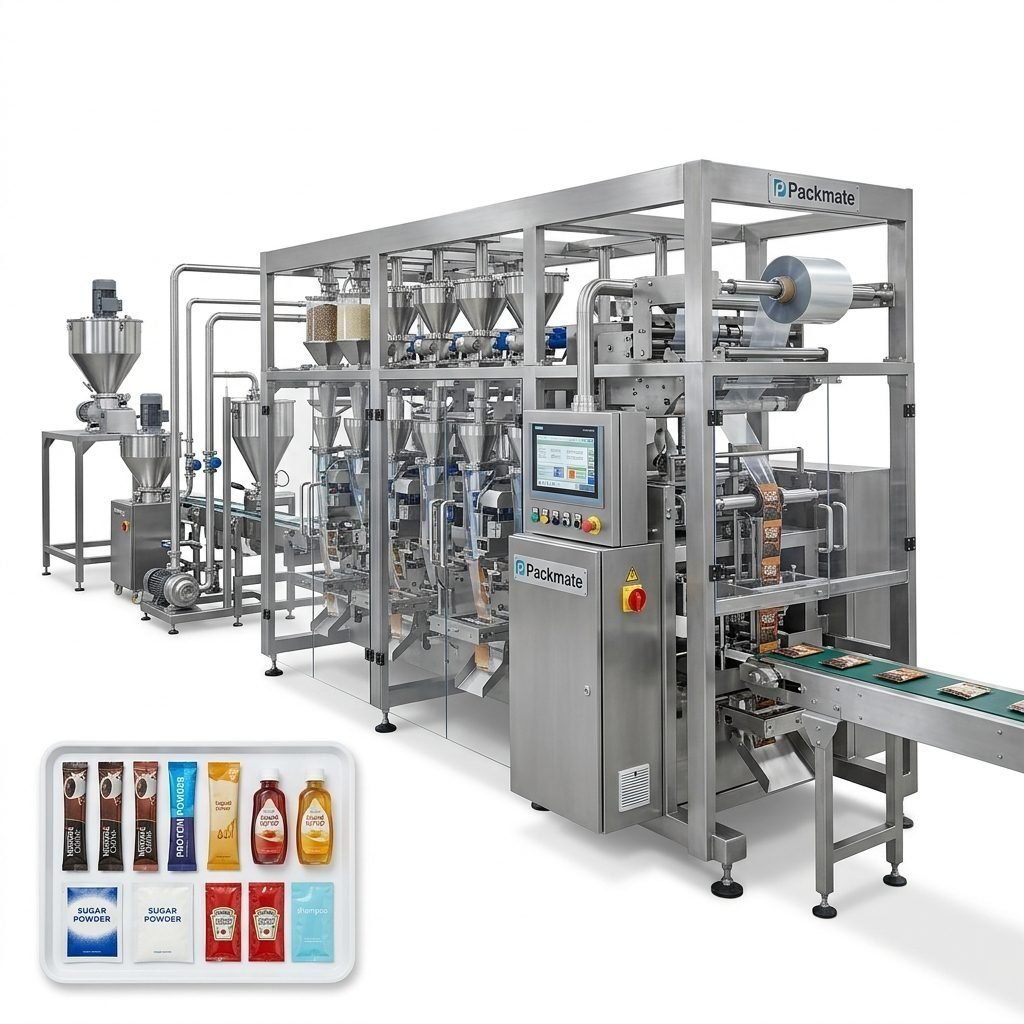
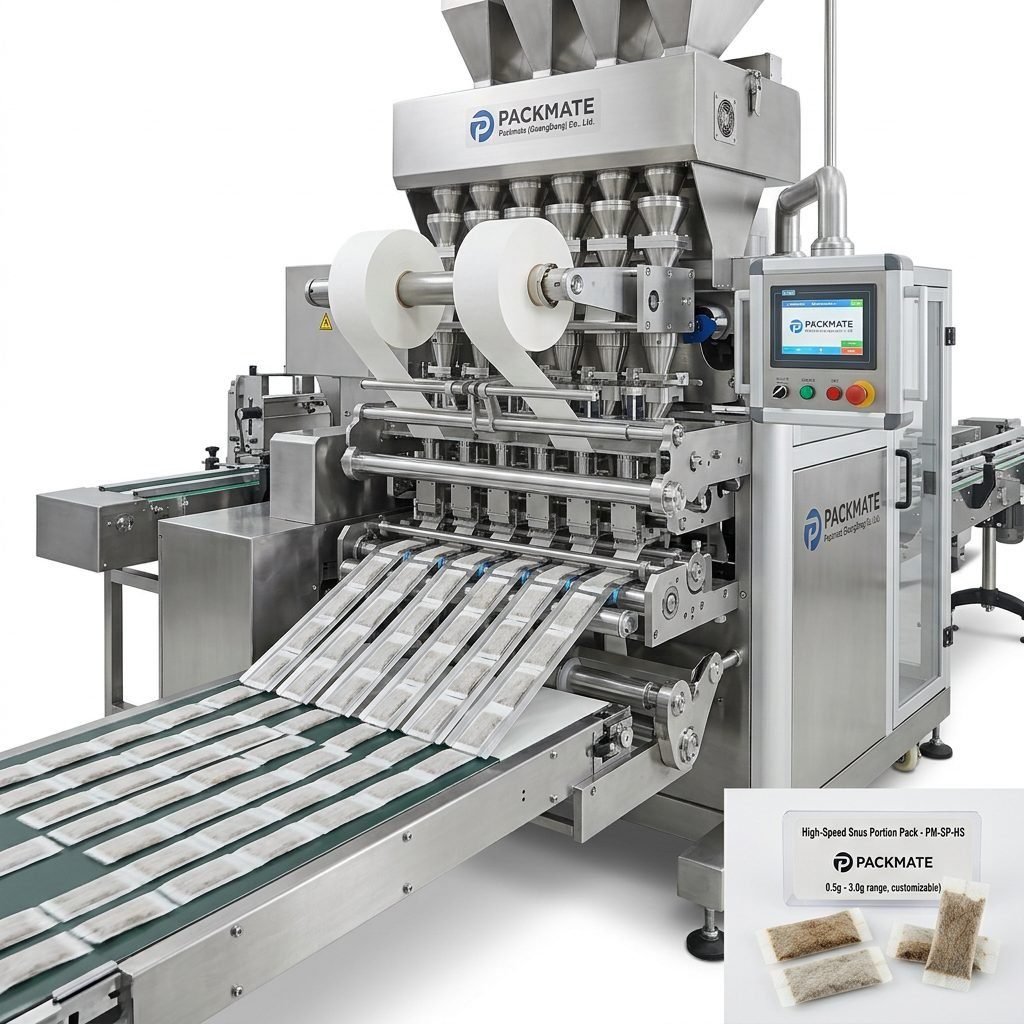
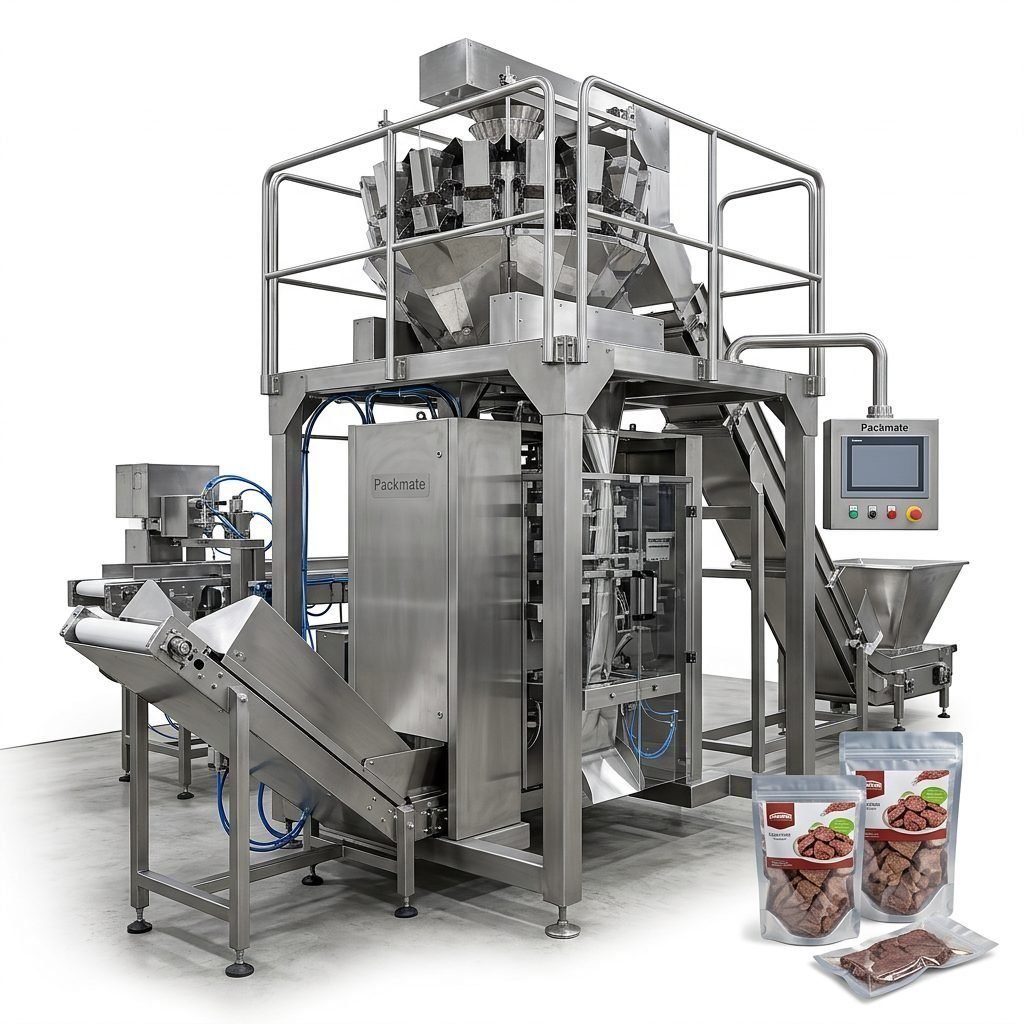
At the heart of any bulk packaging operation is the filling process. Modern weighing and packaging systems utilize multi-head weighers and auger fillers to achieve remarkable speed and accuracy. These systems are ideal for free-flowing products like snacks, grains, and powders. By automating the portioning process, they eliminate human error, ensure compliance with net content regulations, and significantly increase output rates. Look for systems with user-friendly touchscreen interfaces that allow for easy recipe management and real-time production data monitoring.
2. High-Speed Bag and Pouch Packaging Machines
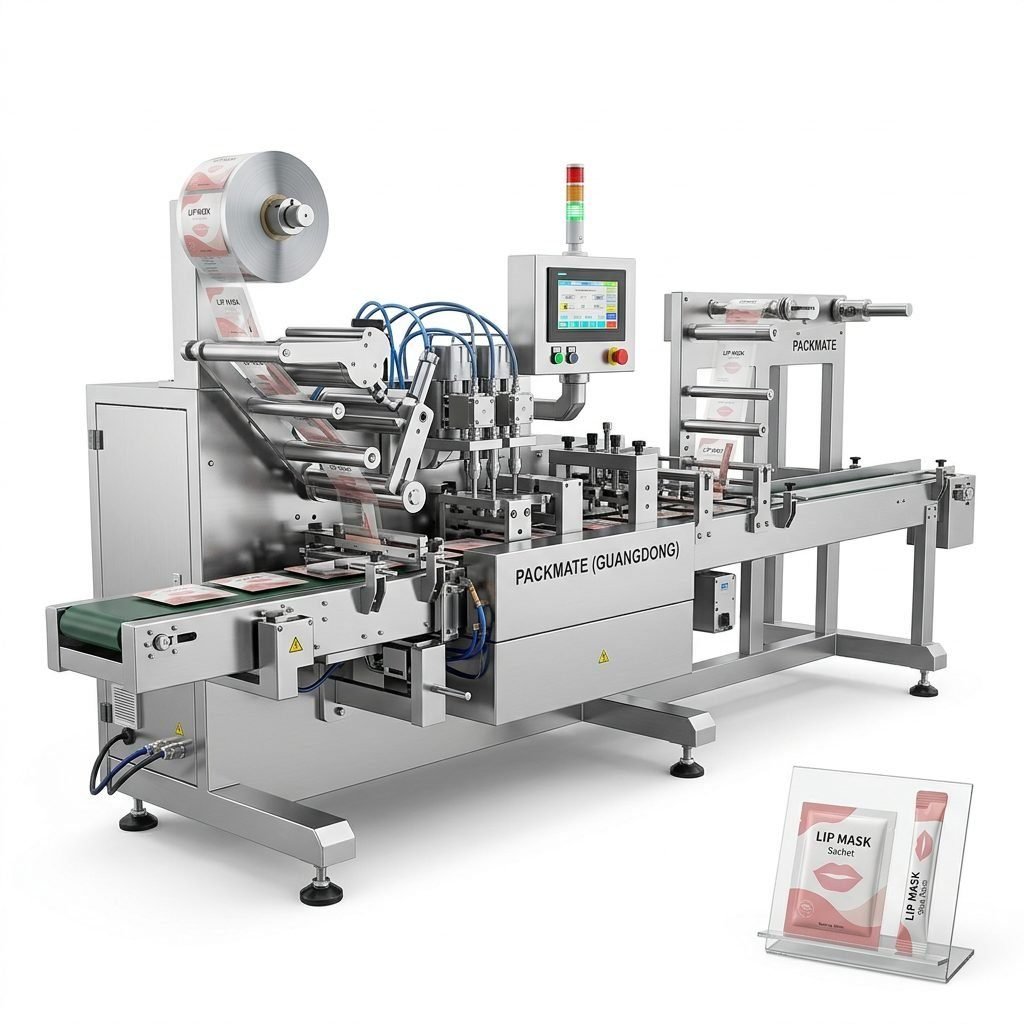
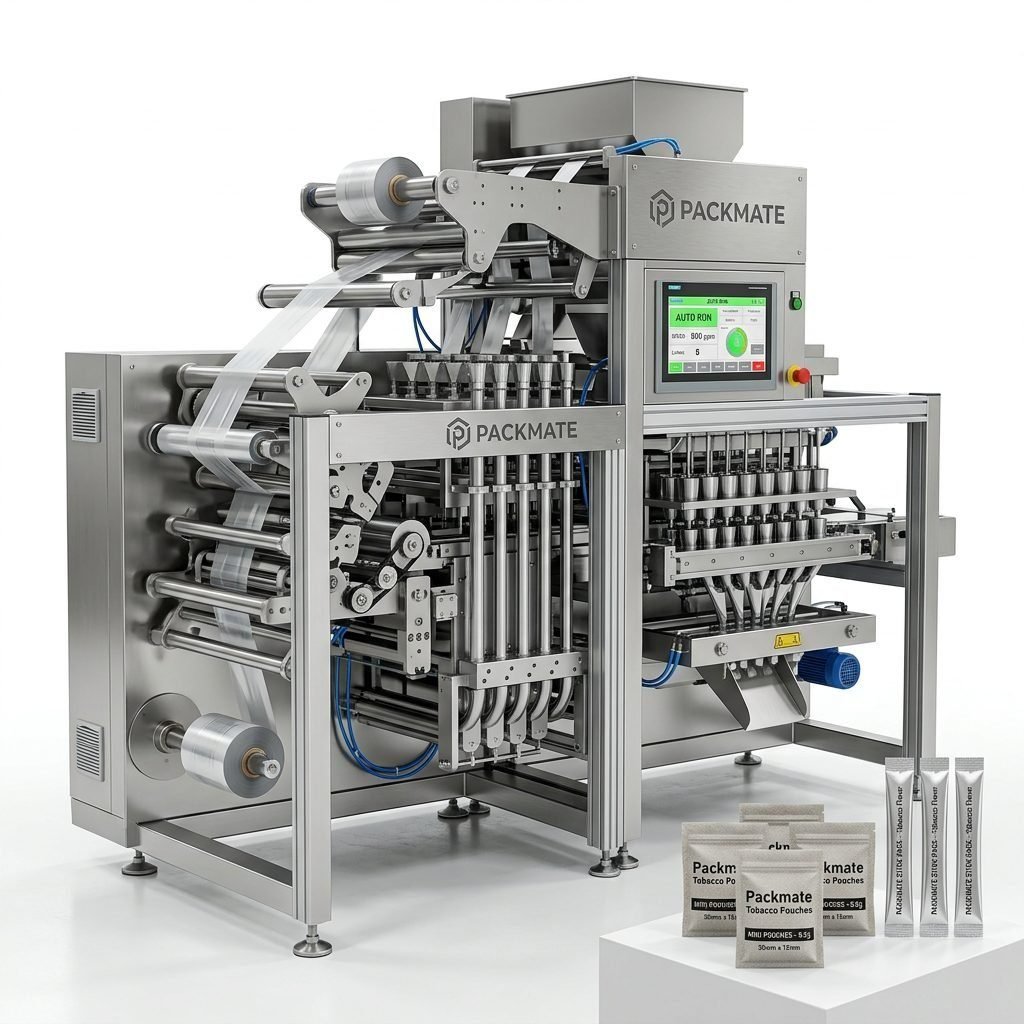
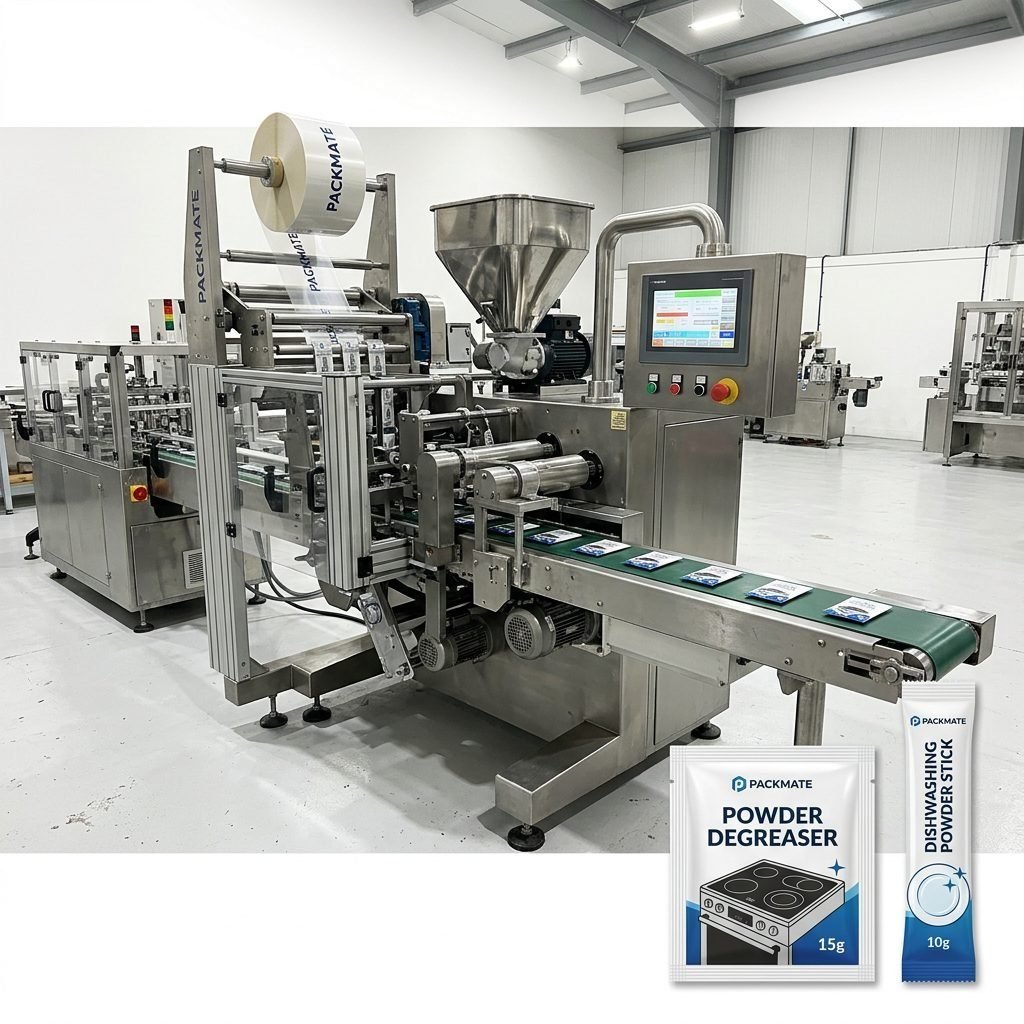
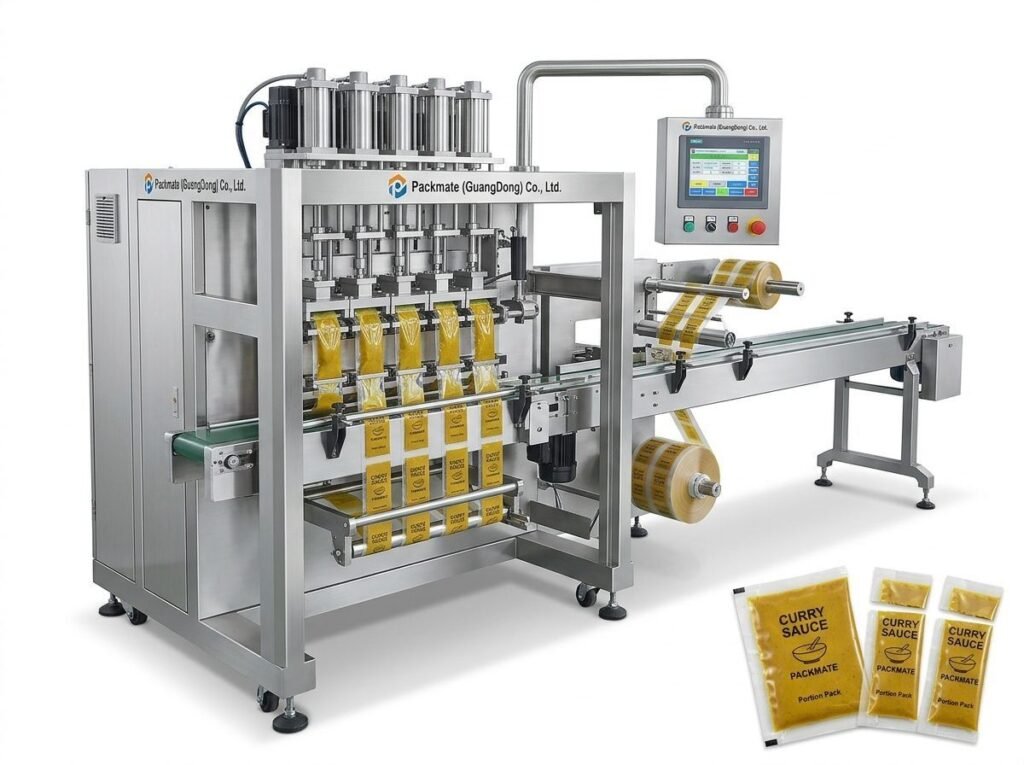
For packaging into bags, sacks, or flexible pouches, form-fill-seal (FFS) machines are the industry standard for efficiency. These machines form the package from a roll of film, fill it with the product, and seal it in one continuous, automated cycle. Vertical form-fill-seal (VFFS) machines are exceptionally popular for bulk items due to their compact footprint and high speed. They are perfect for creating pillow bags, gusseted bags, or stand-up pouches. Investing in a robust bag and pouch packaging machine translates to lower film waste, consistent seal integrity, and the ability to run 24/7 with minimal supervision.
Operational Advantage Spotlight: Reduced Downtime
One of the biggest hidden costs in manufacturing is unplanned downtime. Top-tier bulk packaging solutions are engineered for reliability and easy maintenance. Features like tool-less changeover parts, accessible service points, and robust construction with high-quality components ensure the machine spends more time producing and less time being repaired. This reliability is a direct contributor to overall equipment effectiveness (OEE), a key metric for any efficient operation.
3. Integrated Filling and Packaging Lines
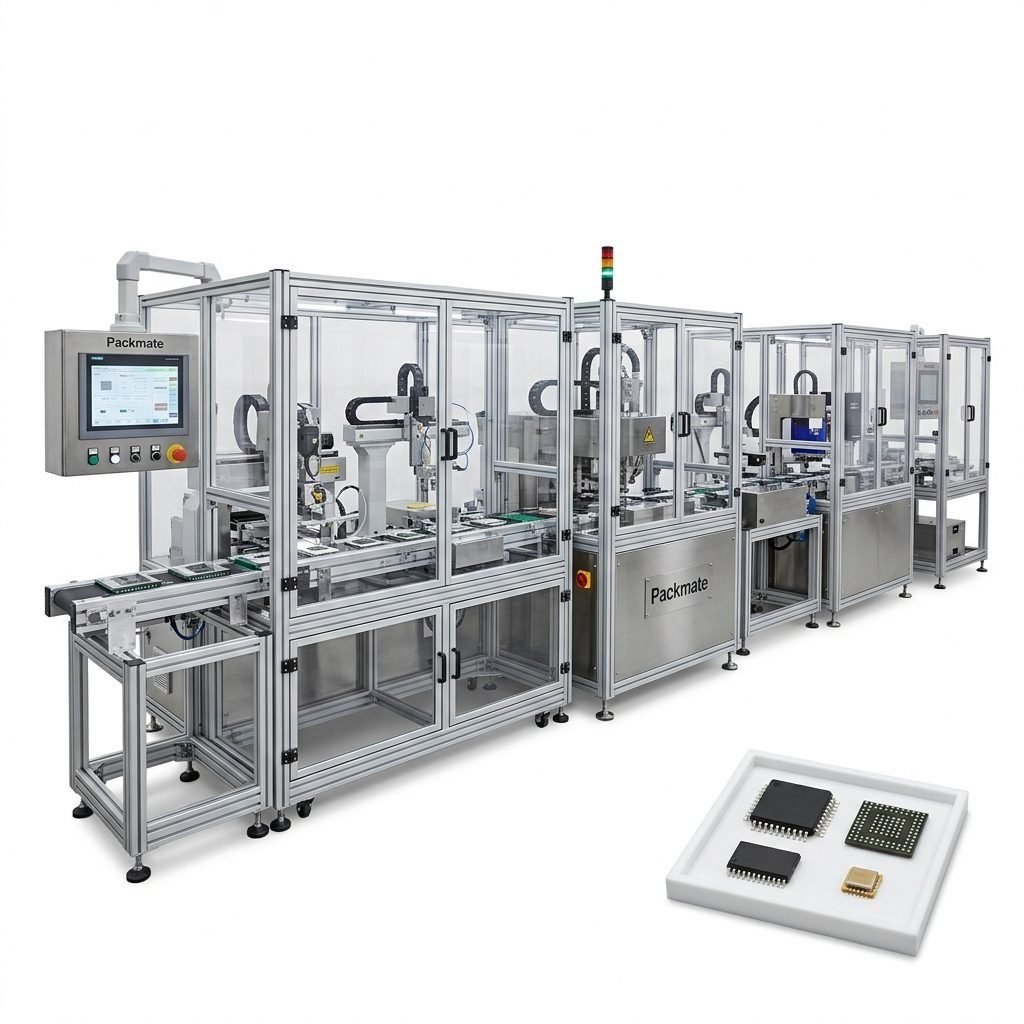
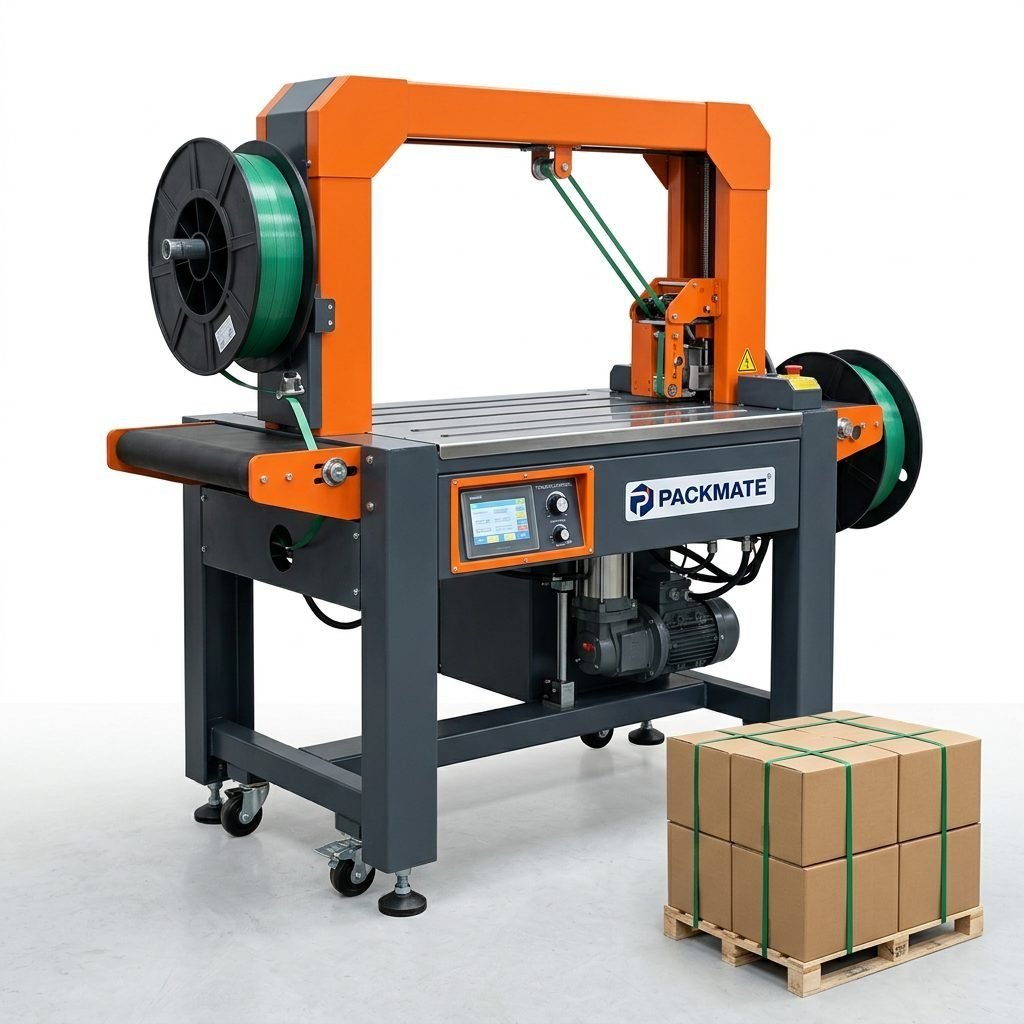
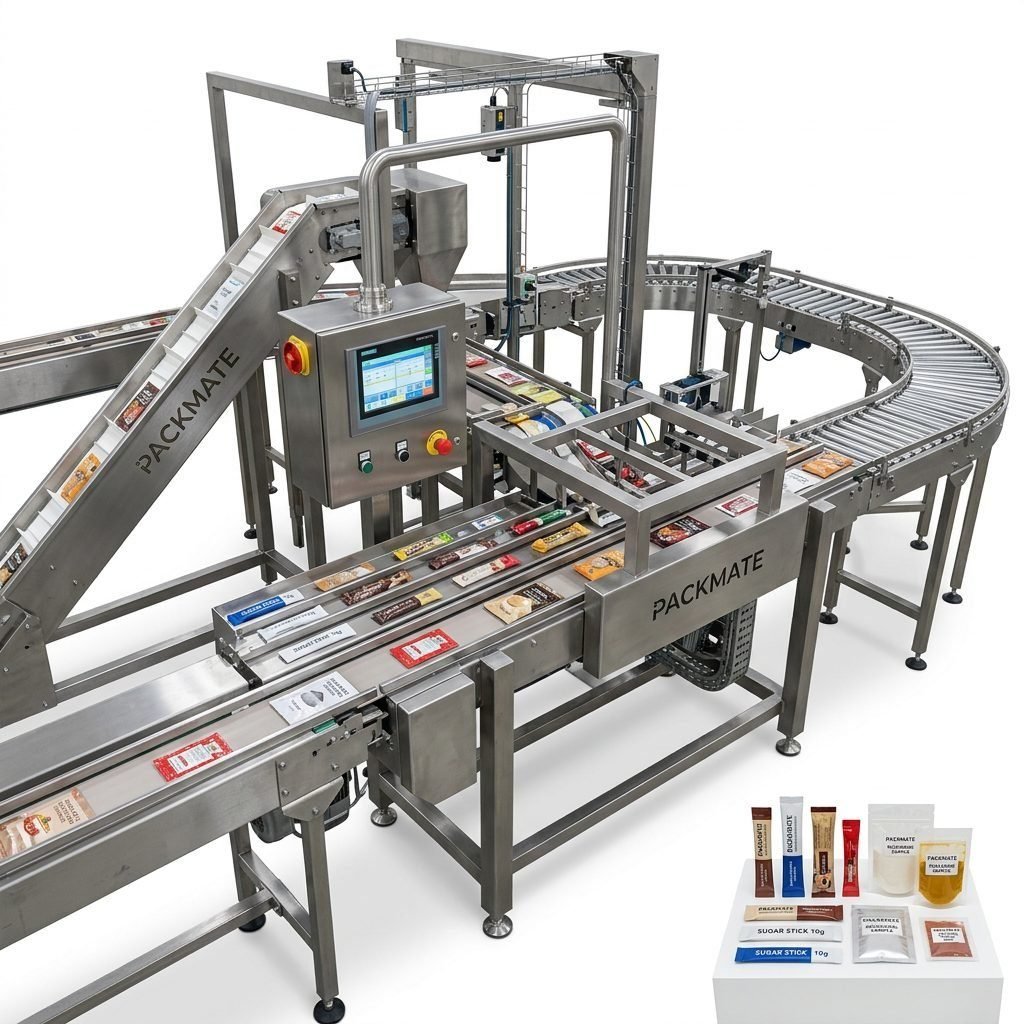
The highest level of efficiency is achieved not by standalone machines, but by fully integrated lines. A complete filling and packaging line might include a bulk feeder, a precision weigher, a VFFS machine, a checkweigher, a metal detector, and a case packer—all synchronized and controlled from a central panel. This turnkey approach minimizes handling, reduces labor costs, and creates a seamless production flow from raw material to palletized shipment. For businesses looking to scale or build a new facility, partnering with a manufacturer that provides complete line solutions ensures compatibility and optimizes performance from day one.
Choosing the Right Partner for Your Packaging Needs
Selecting the right machinery is only half the battle; choosing the right manufacturer is equally critical. A partner with deep industry expertise, like Packmate Machinery, brings invaluable benefits. With over 30 years of experience, such a partner understands the nuanced challenges of different industries—whether it’s the hygiene standards required for food and pharma or the precision needed for high-value additives. They offer more than just a machine; they provide a solution tailored to your specific products, output goals, and factory layout. Comprehensive after-sales support, including training, spare parts, and technical service, is essential for maintaining peak efficiency throughout the machine’s lifecycle.
The Future: Smart and Sustainable Packaging
The evolution of bulk packaging is moving towards smarter, more sustainable systems. Industry 4.0 technologies enable machines to communicate data for predictive maintenance, quality analytics, and production optimization. Furthermore, there is a growing demand for machines that can handle recyclable or compostable films efficiently, helping companies meet their environmental, social, and governance (ESG) goals. Investing in a forward-thinking solution today prepares your operation for the regulatory and market demands of tomorrow.
Implementing top bulk packaging machine solutions is a definitive step toward building a more resilient, profitable, and efficient operation. By focusing on speed, accuracy, integration, and reliability, businesses can transform their packaging process from a cost center into a strategic asset that drives growth and customer satisfaction.
Frequently Asked Questions (FAQs)
1. What is the main benefit of a multi-head weigher in bulk packaging?
The primary benefit is exceptional speed combined with high accuracy. By using multiple weighing heads that work in combination, the system can make rapid weight calculations to achieve the target fill weight much faster than a single-head scale, dramatically increasing throughput for granular and free-flowing products.
2. How can I reduce packaging material waste with a form-fill-seal machine?
Modern VFFS machines offer several features to minimize waste. These include precise film tension control, servo-driven film feed for accurate bag length, and advanced sealing technology that ensures strong seals on the first attempt, reducing reject bags. Choosing the right film specification for your product also plays a crucial role.
3. What should I consider when planning an integrated packaging line?
Key considerations are product characteristics, desired output rate, available factory space, and future scalability. It’s highly recommended to work with an experienced supplier who can conduct tests with your actual product and design a line where all components (feeders, fillers, sealers, conveyors) are perfectly matched for synchronized operation.
4. How important is after-sales service for packaging equipment?
Extremely important. Reliable technical support, readily available spare parts, and operator training are critical for minimizing downtime and ensuring your investment delivers long-term value. A manufacturer with a strong global service network provides peace of mind and protects your production continuity.
5. Can bulk packaging machines handle both food and non-food products?
Yes, but the machine construction and materials must be appropriate. For food, pharmaceutical, or cosmetic applications, machines require food-grade stainless steel contact parts, easy-clean designs, and sometimes specific certifications. Always specify your industry and any compliance requirements (like FDA, GMP) when consulting with a manufacturer.