Selecting the right meat packaging equipment is a critical decision for any processor, butcher shop, or food producer. The right machinery not only preserves product quality and safety but also drives operational efficiency and profitability. This comprehensive guide will explore the various types of meat packaging equipment, their specific uses, and provide essential buying tips to help you make an informed investment.
Primary Types of Meat Packaging Equipment
The market offers a diverse range of equipment, each designed for specific packaging formats and production scales. Understanding these types is the first step.
Vacuum Packaging Machines
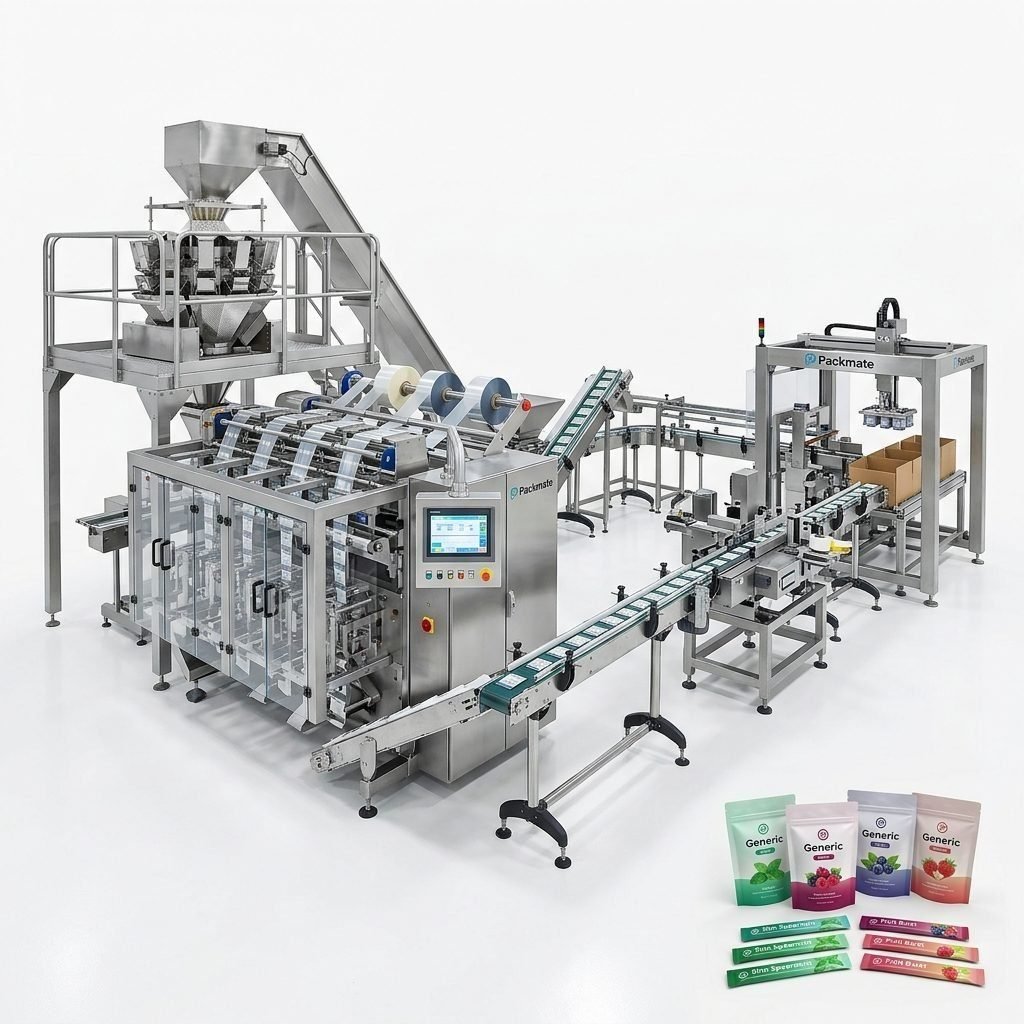
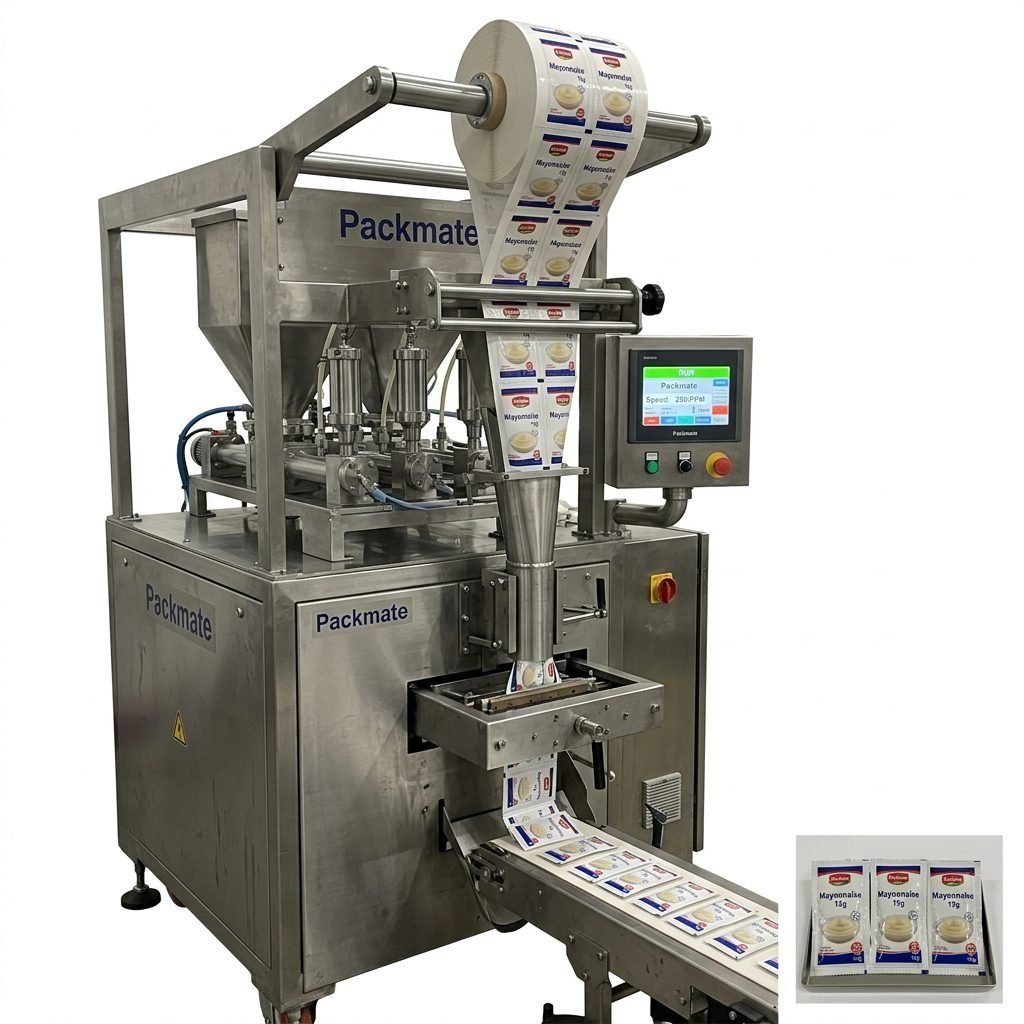
Vacuum packaging is fundamental in the meat industry for extending shelf life. It works by removing air from the package before sealing, which inhibits the growth of aerobic bacteria and prevents freezer burn. Machines range from single-chamber models ideal for small-scale operations to automatic rotary chamber systems for high-volume production. For businesses looking to integrate such solutions, exploring a complete filling and packaging line can streamline the entire process from portioning to final sealing.
Modified Atmosphere Packaging (MAP) Machines
MAP machines replace the air inside a package with a protective gas mix (usually a combination of oxygen, carbon dioxide, and nitrogen). This technique is excellent for fresh meat displayed in retail cases, as it maintains the appealing red color of the meat (via a controlled oxygen level) while drastically slowing spoilage. These systems often include a gas flushing station and a precision sealing mechanism.
Shrink Packaging Systems
Shrink packaging involves placing meat products in a loose bag or film and then applying heat, causing the film to tightly conform to the product’s shape. This creates a tamper-evident, professional-looking package that is resistant to moisture and punctures. It’s commonly used for trayed products, primal cuts, and multi-packs. Systems include L-sealers, sleeve wrappers, and heat tunnels.
Thermoforming Packaging Machines
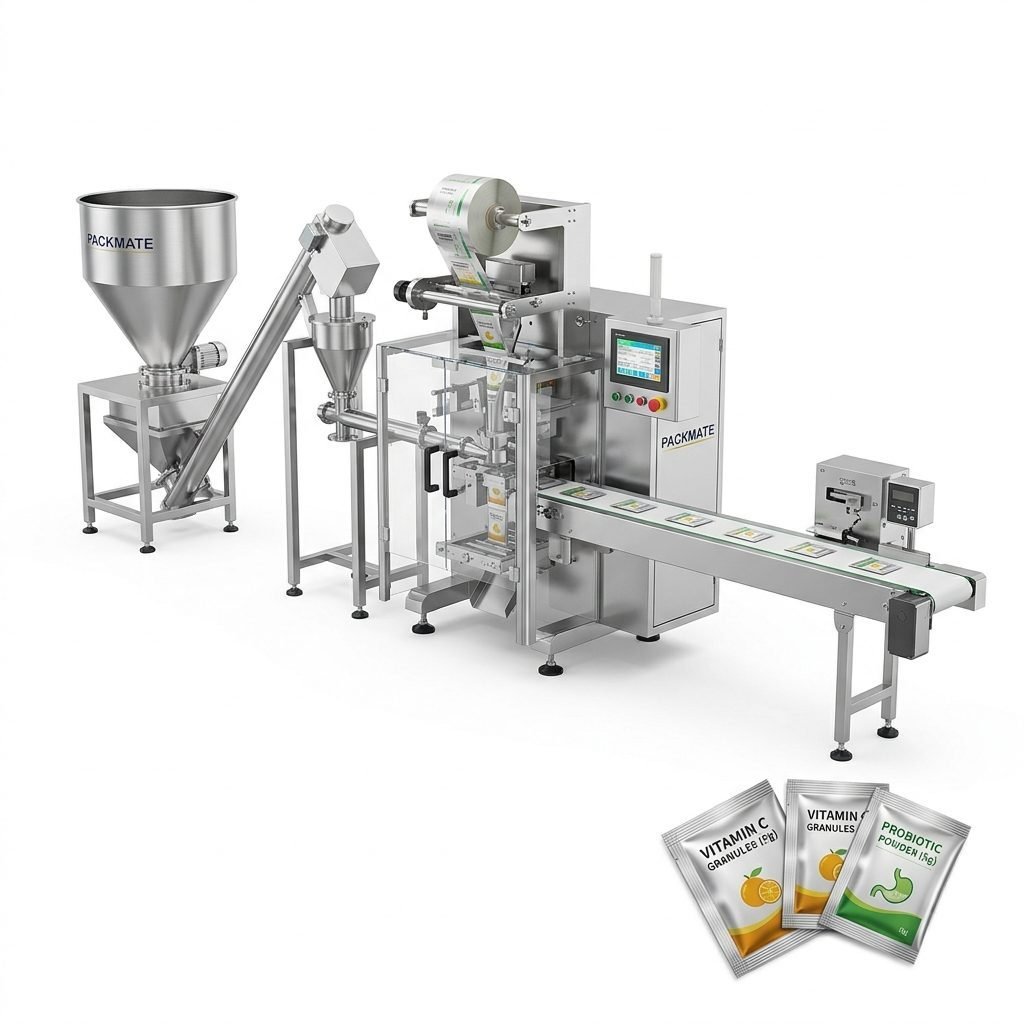
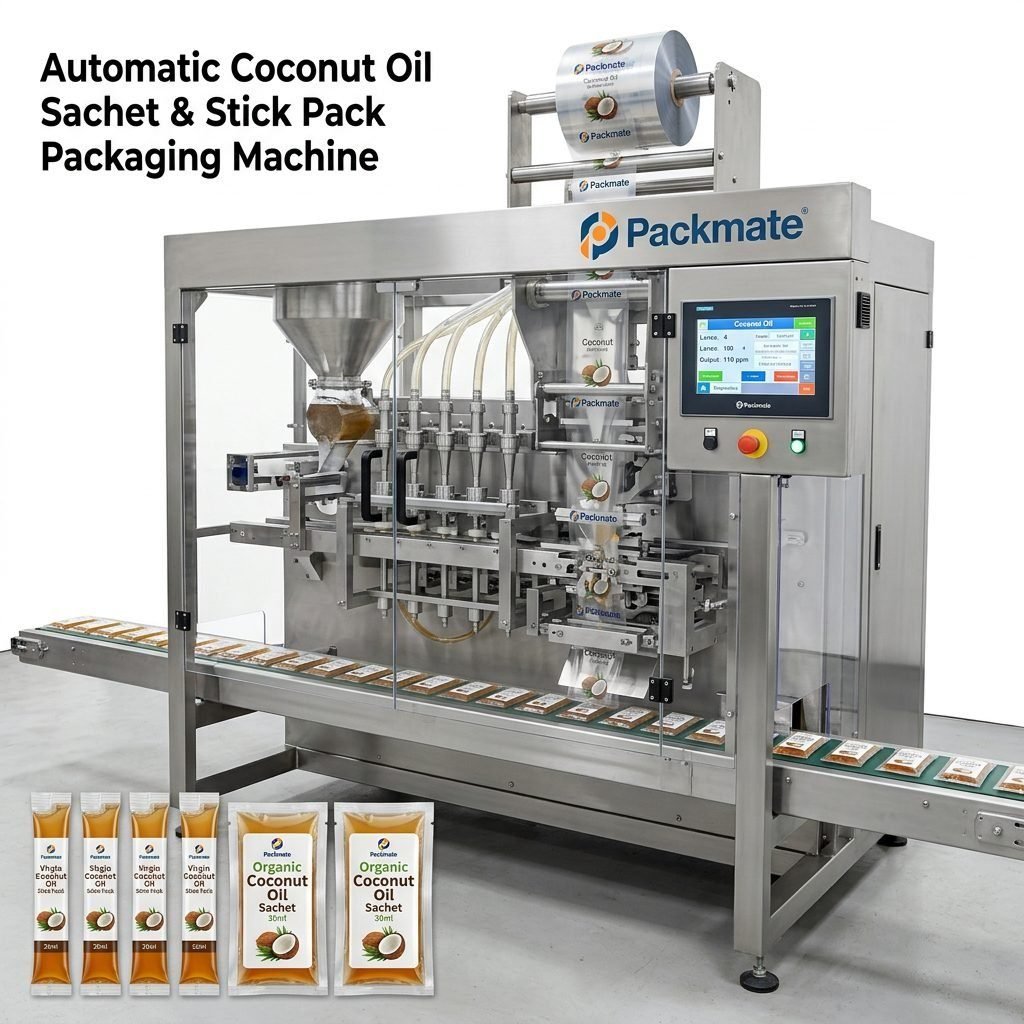
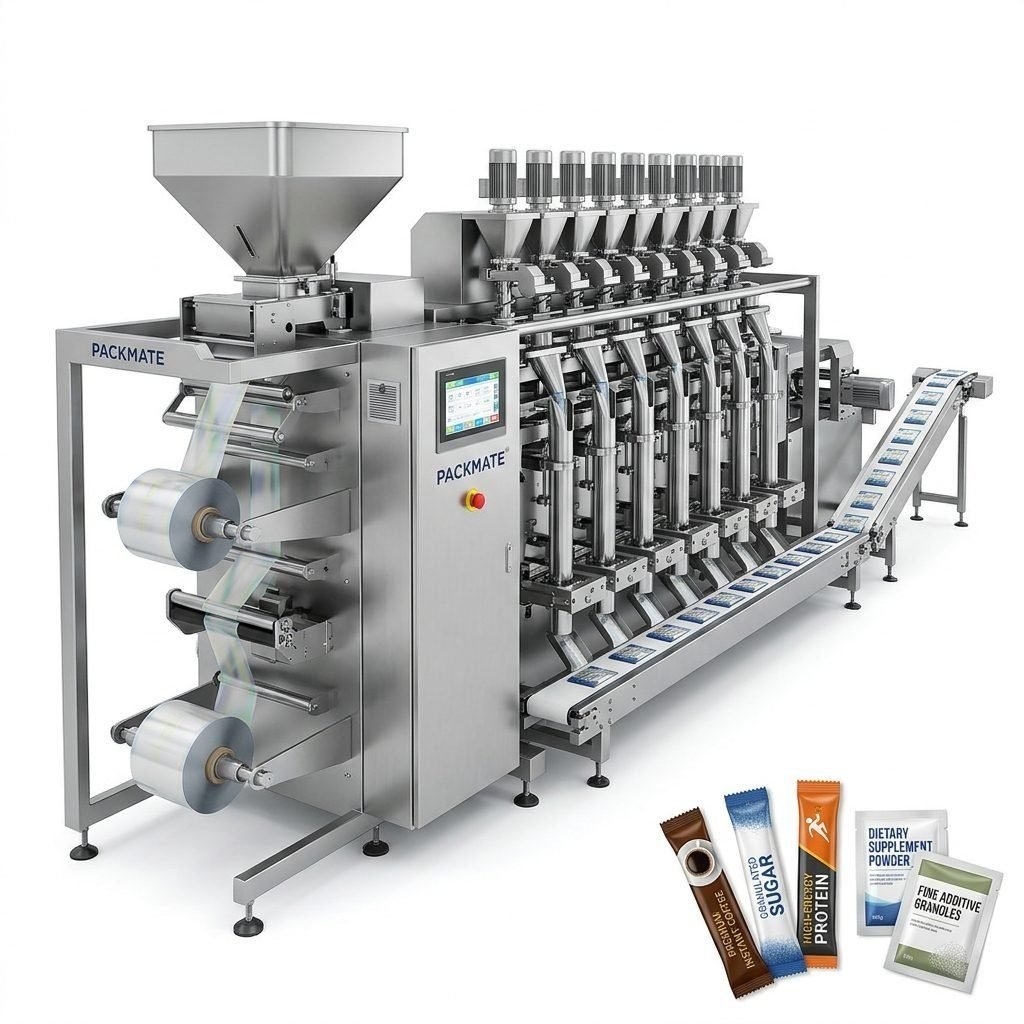
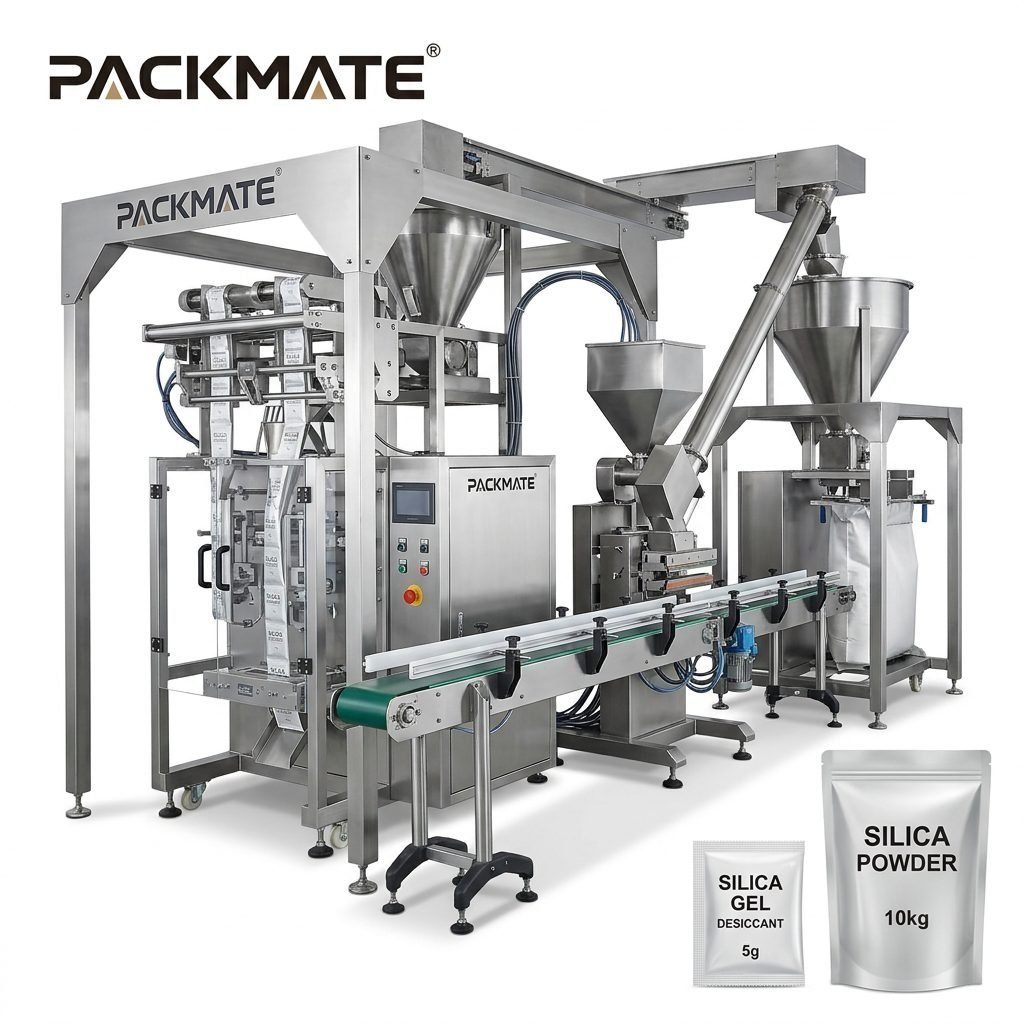
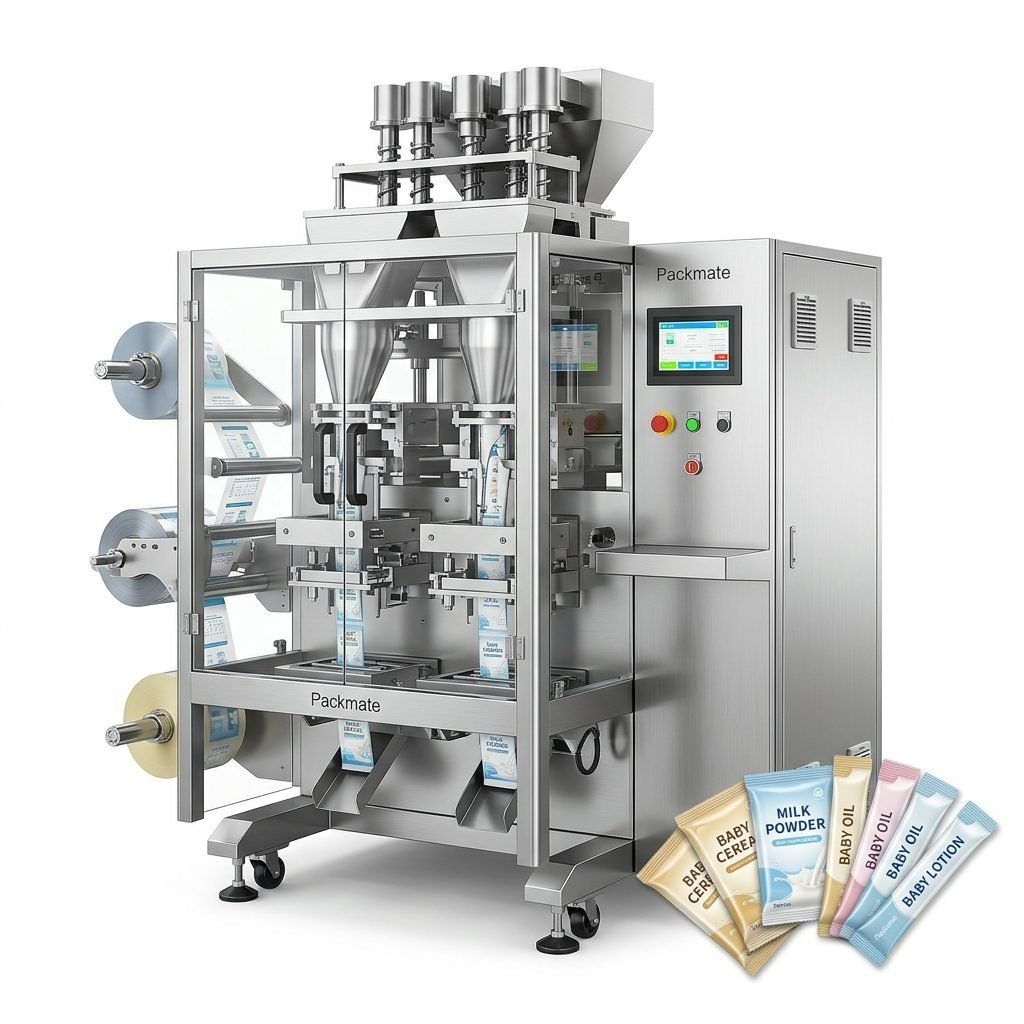
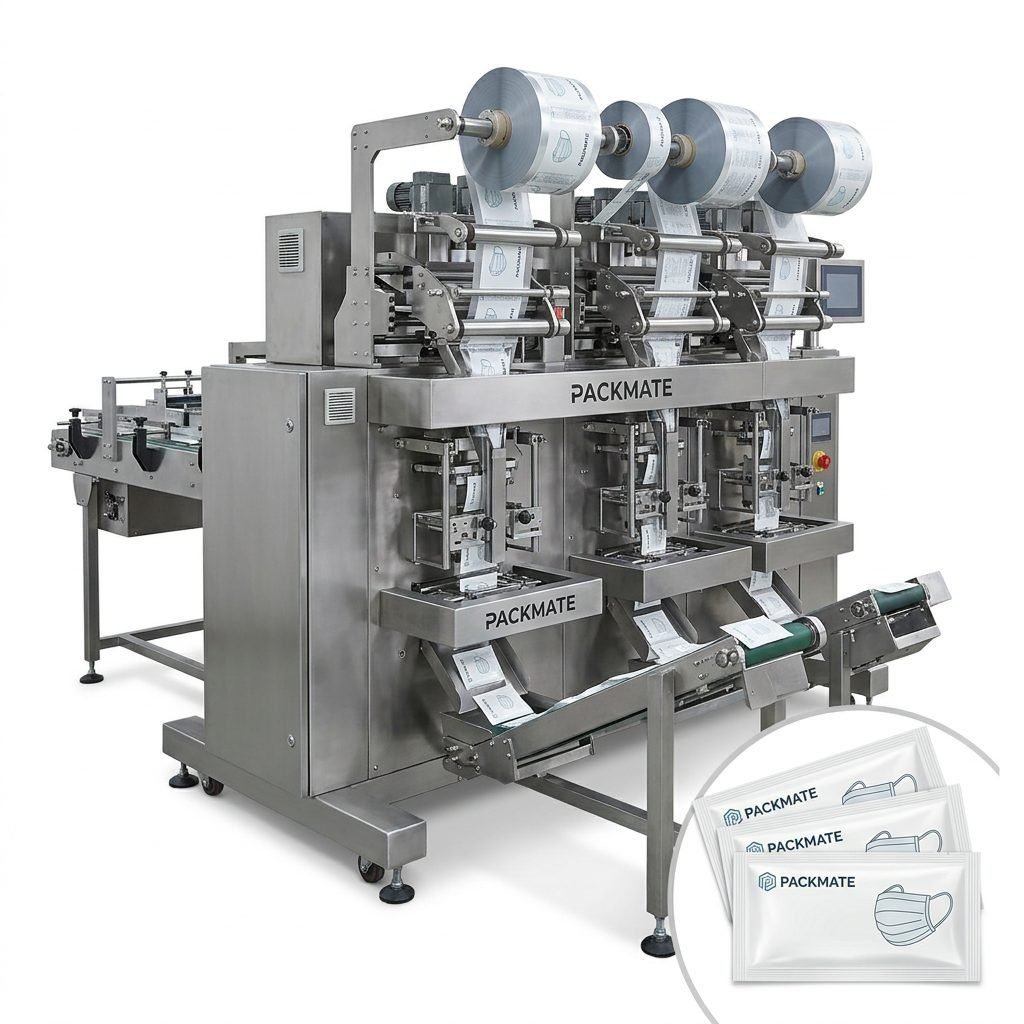
These are highly automated systems where a bottom film is heated and formed into cavities (trays). The product is loaded, a top film is applied, and the package is sealed and cut. This method is prevalent for pre-sliced meats, sausages, and ready-to-eat products. It offers excellent presentation, strong seals, and high-speed capabilities. For specialized needs like packaging powders or granules that might be part of seasoning or processed meat mixes, sachet and stick pack machines offer complementary solutions.
Tray Sealing Machines
Simpler than thermoformers, tray sealers are designed to apply a lidding film to pre-formed trays or containers. They can operate with or without gas flushing (for MAP). They are versatile, relatively affordable, and perfect for small to medium-sized operations packaging fresh cuts, ground meat, or value-added products.
Key Uses and Applications in the Meat Industry
Each packaging type serves distinct purposes along the supply chain, from processor to consumer.
Fresh Meat Retail Packaging: MAP and tray sealing are dominant here, focusing on product appeal, color retention, and short-to-medium shelf life extension in refrigerated displays.
Frozen Meat Packaging: Vacuum packaging is the gold standard. It prevents dehydration (freezer burn) and is space-efficient. Heavy-duty shrink bags are also frequently used for bulk frozen items.
Processed and Cured Meats: Sliced deli meats, sausages, and hams often use vacuum skin packaging (VSP) or thermoforming. These methods provide a tight, “second-skin” fit that minimizes purge loss and maximizes shelf life.
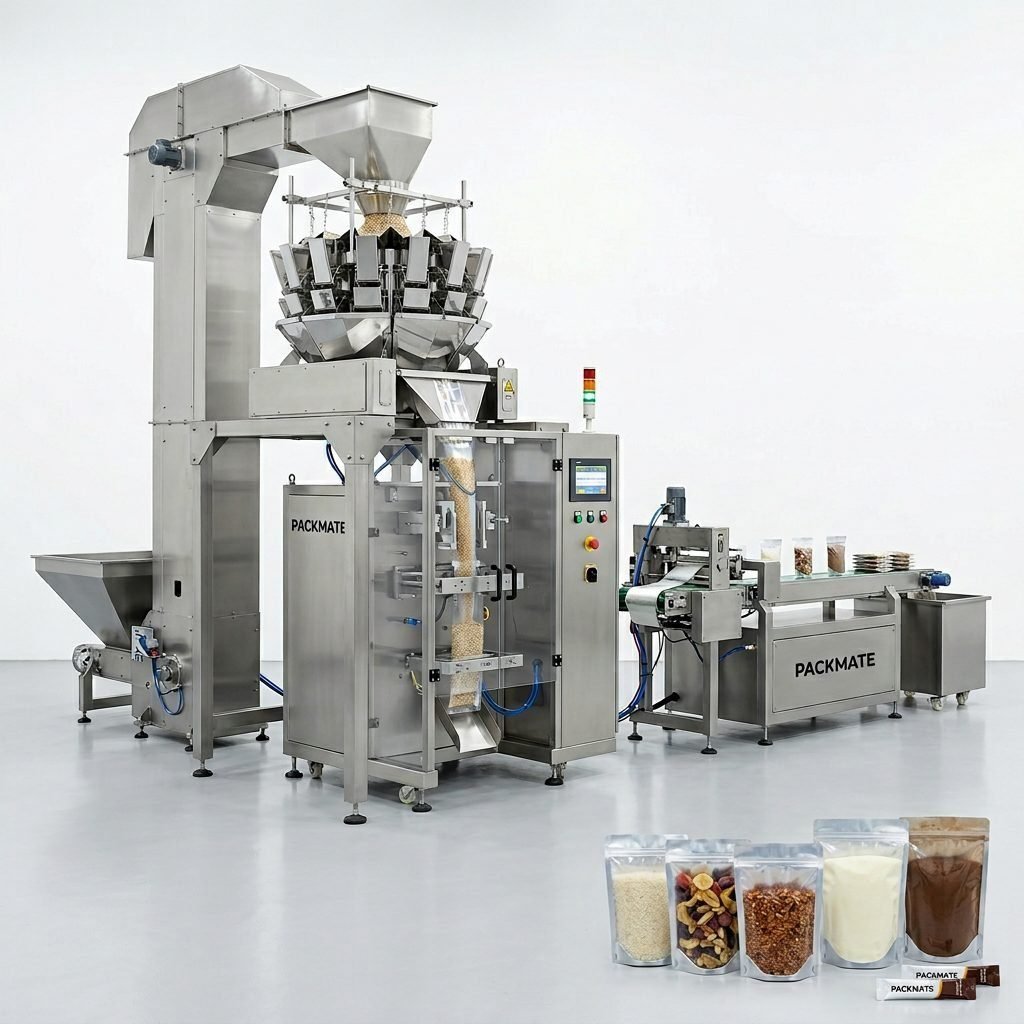
Bulk and Case-Ready Packaging: For shipping primals or sub-primals to retailers, vacuum packaging in barrier bags is standard. Larger operations may utilize automated weighing and packaging systems to ensure precise weight control and high throughput.
Essential Buying Tips for Your Investment
Purchasing packaging machinery is a significant capital expenditure. Here are crucial factors to consider.
1. Assess Your Production Volume and Speed Requirements
Match the machine’s output (packages per minute/hour) to your current and projected needs. Under-sizing creates bottlenecks, while over-sizing leads to unnecessary energy and financial costs. Consider not just peak times but also average daily output.
2. Define Your Product Range and Package Specifications
What types and sizes of meat will you package? What package dimensions and materials (film type, thickness) are required? Ensure the machine can handle the size range and is compatible with your chosen packaging materials. Flexibility for future product changes is a valuable feature.
3. Prioritize Hygiene and Ease of Cleaning
Meat processing demands the highest hygiene standards. Look for equipment with stainless steel food-contact surfaces, smooth welds, and minimal crevices. Machines designed for easy disassembly and cleaning (CIP – Clean-in-Place where possible) will save significant labor time and reduce contamination risks.
4. Evaluate Automation and Integration Potential
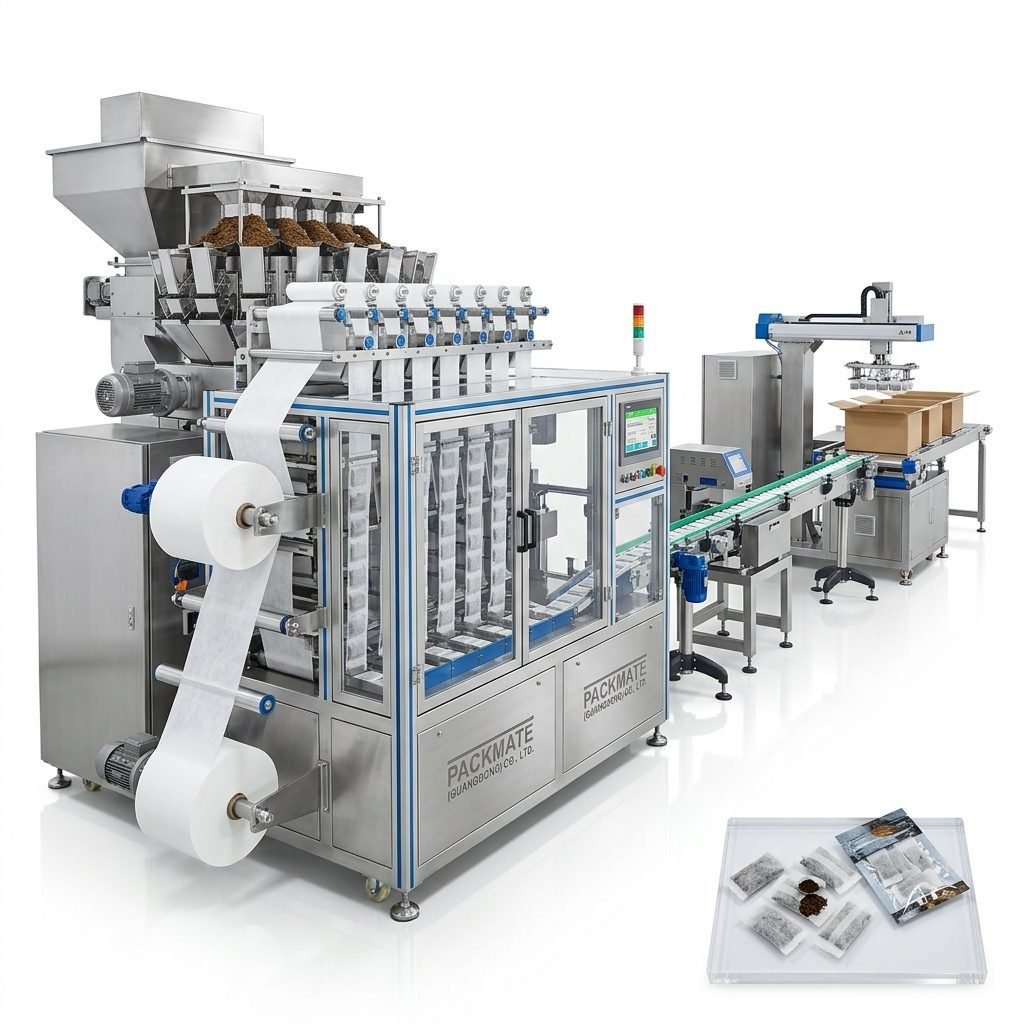
From automatic film feeding and product loading to weight checkers and date coders, automation boosts consistency and reduces labor. Consider how the machine will integrate into your existing line. Will you need auxiliary equipment like conveyors or checkweighers? Planning for integration upfront prevents costly retrofits later.
5. Consider Total Cost of Ownership (TCO)
Look beyond the initial purchase price. Factor in:
• Operating Costs: Energy consumption, compressed air usage, and film waste.
• Maintenance: Availability and cost of spare parts, recommended service intervals.
• Supplier Support: Quality of installation, training, and after-sales service is paramount. A reliable partner with a strong track record, like Packmate Machinery, which brings over 30 years of expertise in building reliable packaging solutions, can ensure your investment pays off long-term.
6. Compliance and Safety Standards
Ensure the equipment complies with relevant food safety regulations (e.g., FDA, USDA, EU standards) and local electrical/mechanical safety codes. Certifications from the manufacturer are a key indicator of quality and compliance.
Conclusion
Investing in the right meat packaging equipment is a strategic decision that impacts product quality, shelf life, operational efficiency, and your bottom line. By thoroughly understanding the different equipment types—from vacuum and MAP machines to thermoformers and tray sealers—and carefully evaluating your specific needs against the critical buying factors of volume, hygiene, automation, and total cost, you can select a system that will serve your business reliably for years to come. Partnering with an experienced and reputable manufacturer provides not just a machine, but a comprehensive solution for your packaging challenges.
Frequently Asked Questions (FAQs)
What is the main difference between vacuum packaging and MAP for fresh meat?
Vacuum packaging removes almost all air, ideal for freezing and long storage but can compress the product and doesn’t preserve the bright red color (oxymyoglobin) of fresh meat. MAP replaces air with a gas mix, preserving color and extending shelf life for refrigerated retail display, but the package is not tightly vacuumed to the product.
How often does meat packaging equipment require maintenance?
Regular daily cleaning is essential. Professional maintenance (lubrication, seal inspection, calibration) should be performed according to the manufacturer’s schedule, typically every 3-6 months for moderate use, or more frequently for high-volume operations. A good preventive maintenance plan prevents unexpected downtime.
Can one machine handle different package sizes and meat types?
Many machines offer quick-change features for different film widths, tray sizes, or sealing dies. However, significant changes (e.g., from small sausages to large primal cuts) may require different machine models or extensive conversion kits. Discuss flexibility needs with your supplier upfront.
What are the most common causes of seal failures in meat packaging?
Seal failures often stem from: 1) Contamination of the sealing area by product juices or fat, 2) Incorrect temperature, pressure, or dwell time settings on the sealer, 3) Using film that is incompatible with the machine or product, or 4) Worn or damaged sealing elements.
Is it better to buy a standalone machine or a fully integrated line?
For startups or low-volume shops, a standalone machine is cost-effective. For medium to high-volume processors, an integrated line (combining filling, weighing, packaging, and labeling) dramatically increases efficiency, consistency, and reduces manual handling. The choice depends entirely on your scale, budget, and growth plans.