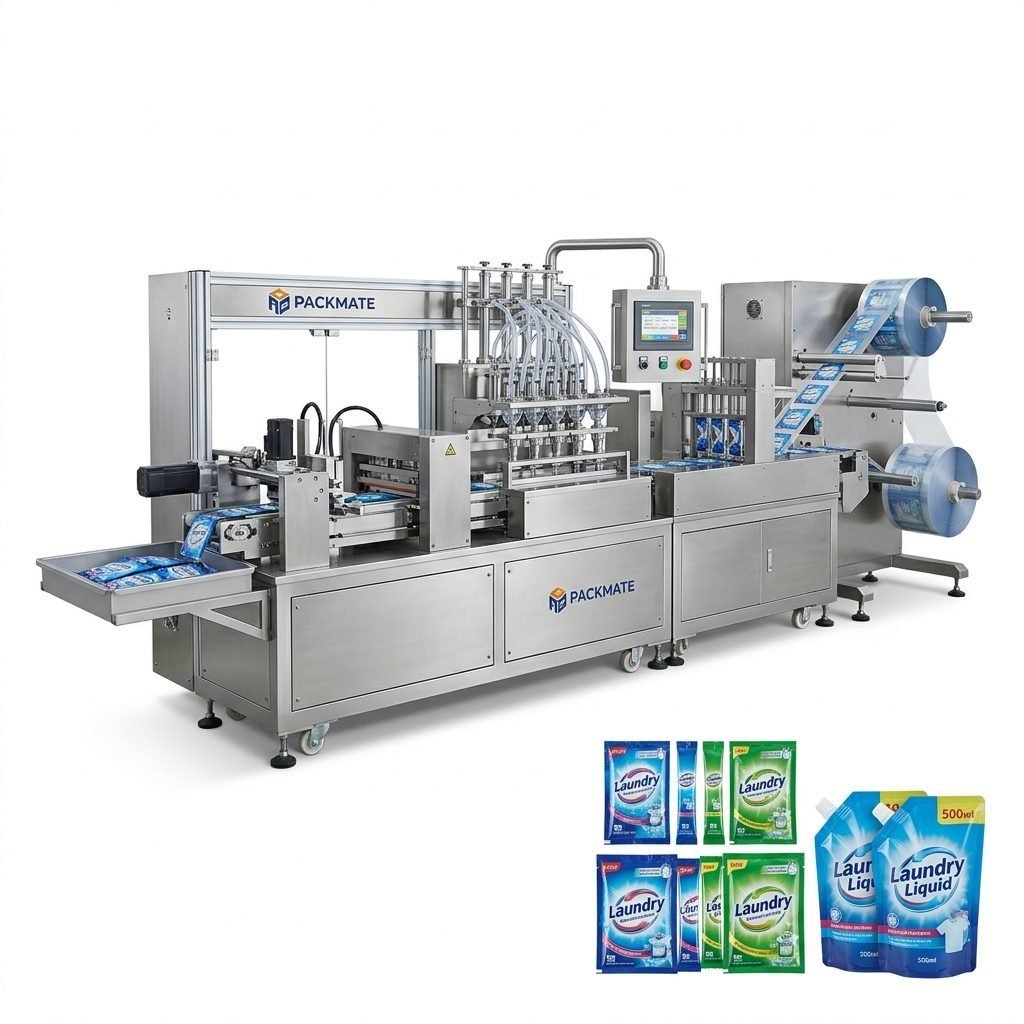
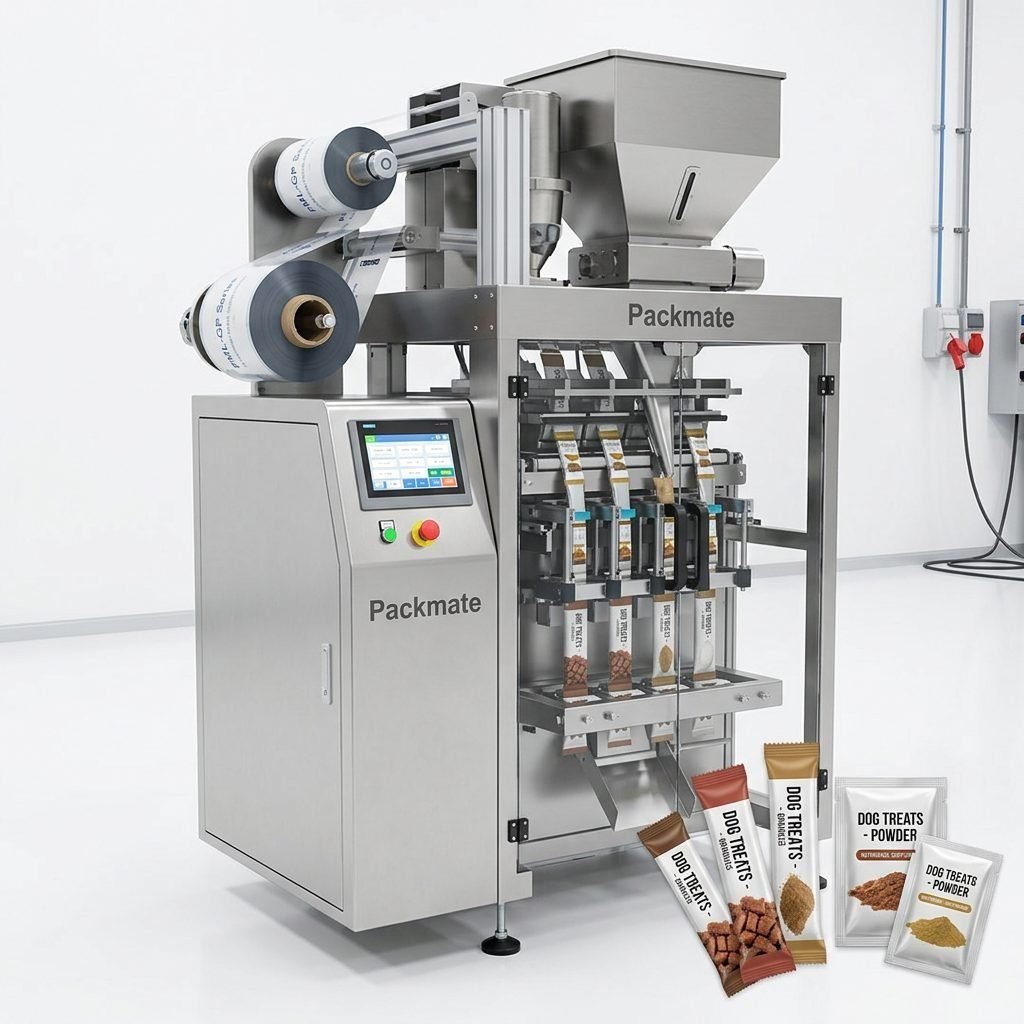
In today’s fast-paced commercial landscape, efficiency is not just a goal—it’s a necessity. For businesses involved in packaging powders, granules, liquids, and other products, the right machinery is the cornerstone of operational success. Selecting top-tier commercial packaging machines can dramatically enhance throughput, ensure product consistency, and improve your bottom line. This article explores the key categories of high-performance packaging equipment essential for building efficient, reliable, and scalable operations.
The Engine of Efficiency: Core Packaging Machine Categories
Modern packaging lines are complex ecosystems. Understanding the primary machine types is the first step toward optimization.
1. High-Speed Sachet & Stick Pack Machines
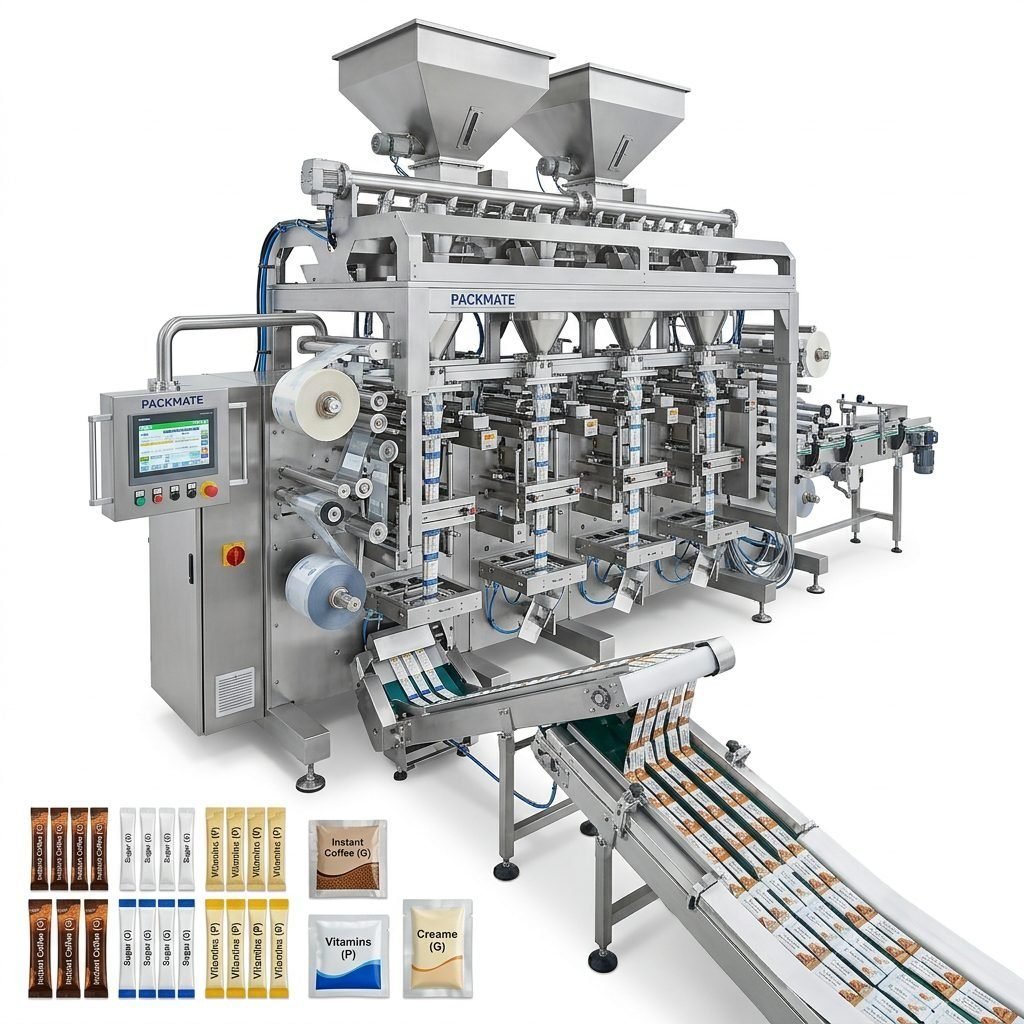
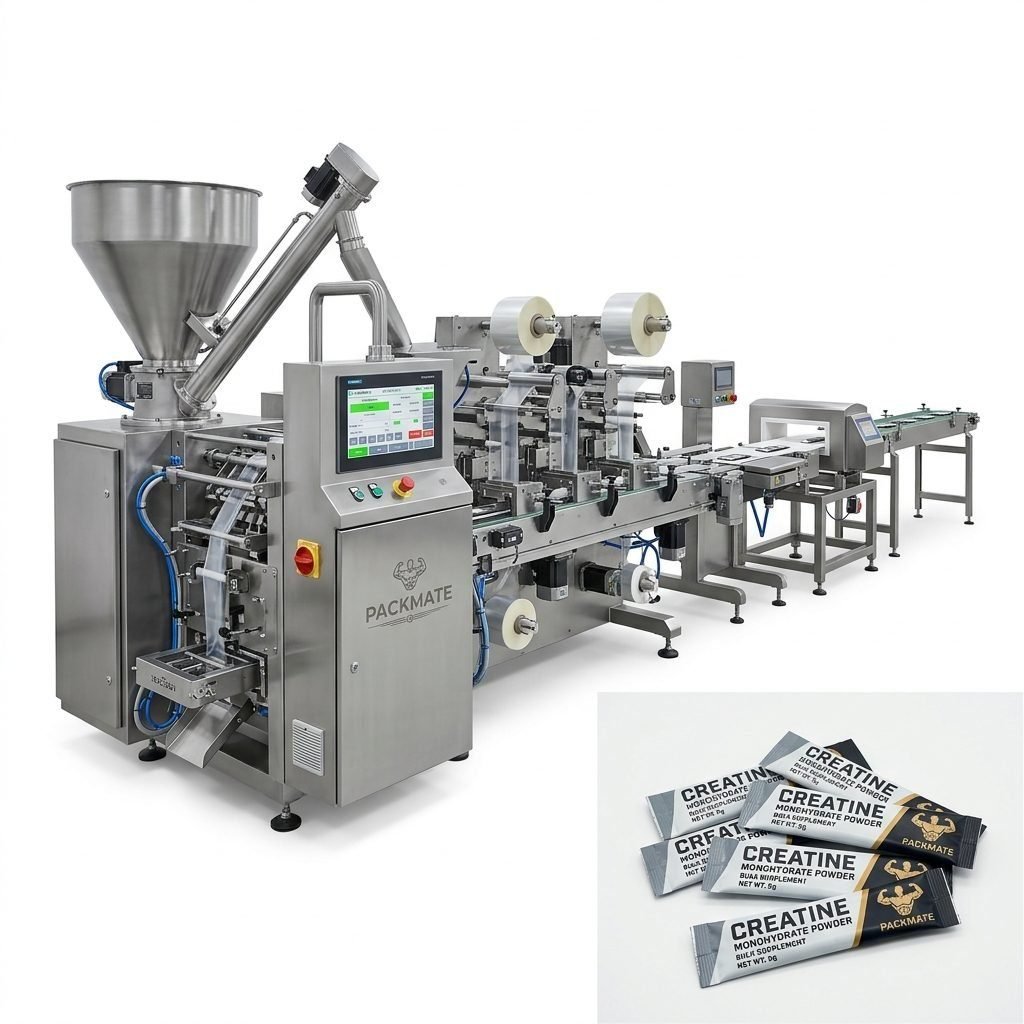
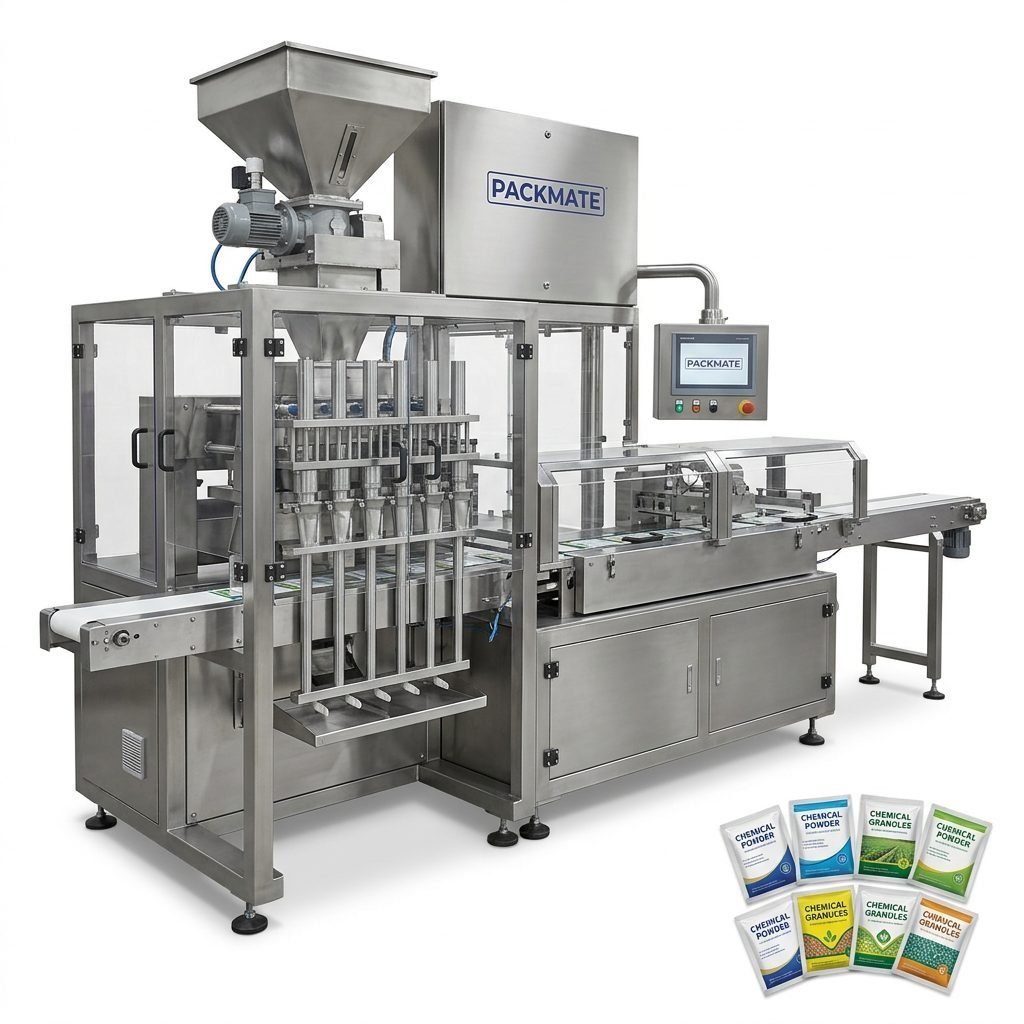
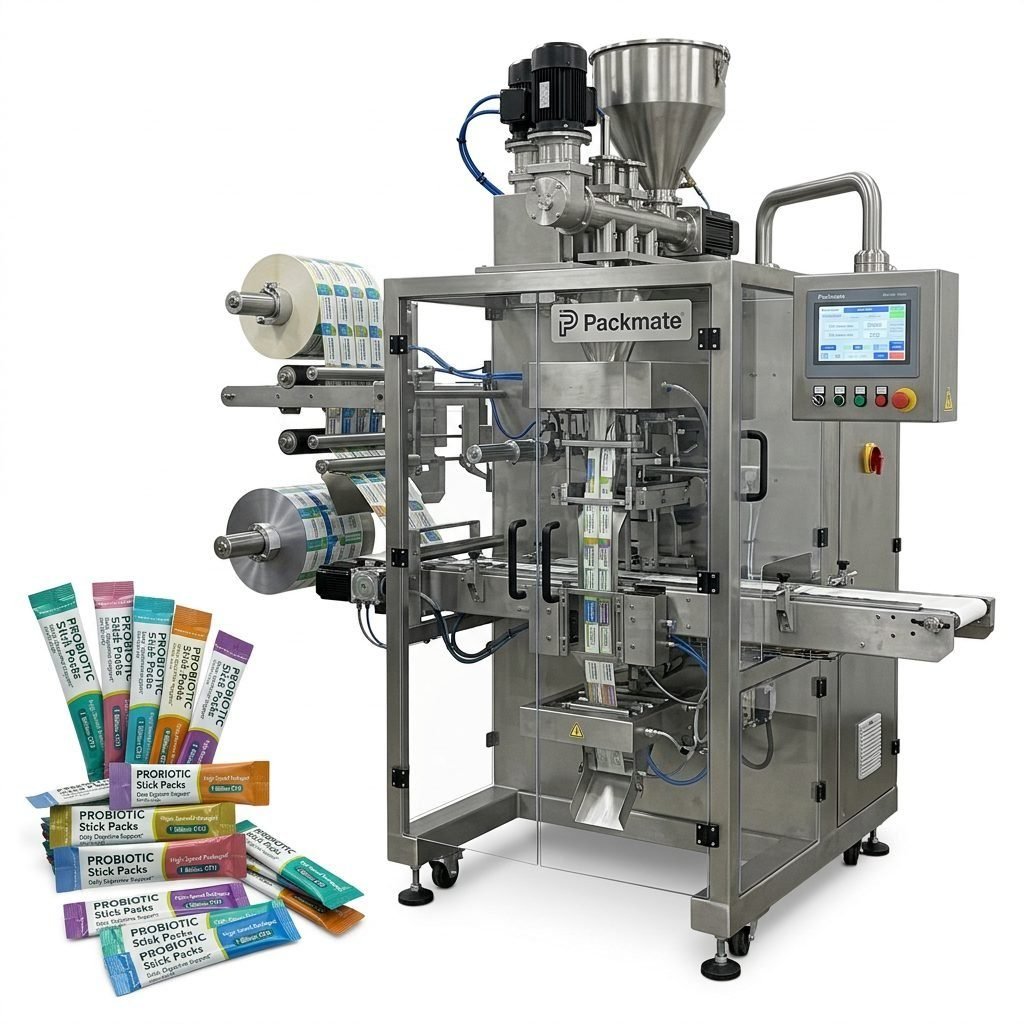
For single-serve portions, powders, and liquid condiments, sachet and stick pack machines are indispensable. The latest multi-lane models offer unparalleled speed and precision. These systems are ideal for industries like food, pharmaceuticals, and dietary supplements, where hygienic sealing and accurate dosing are critical. Leading manufacturers, such as Packmate Machinery, have evolved from simple sachet machines to sophisticated multi-lane lines that can handle diverse materials and complex filling tasks.
2. Versatile Bag & Pouch Packaging Systems
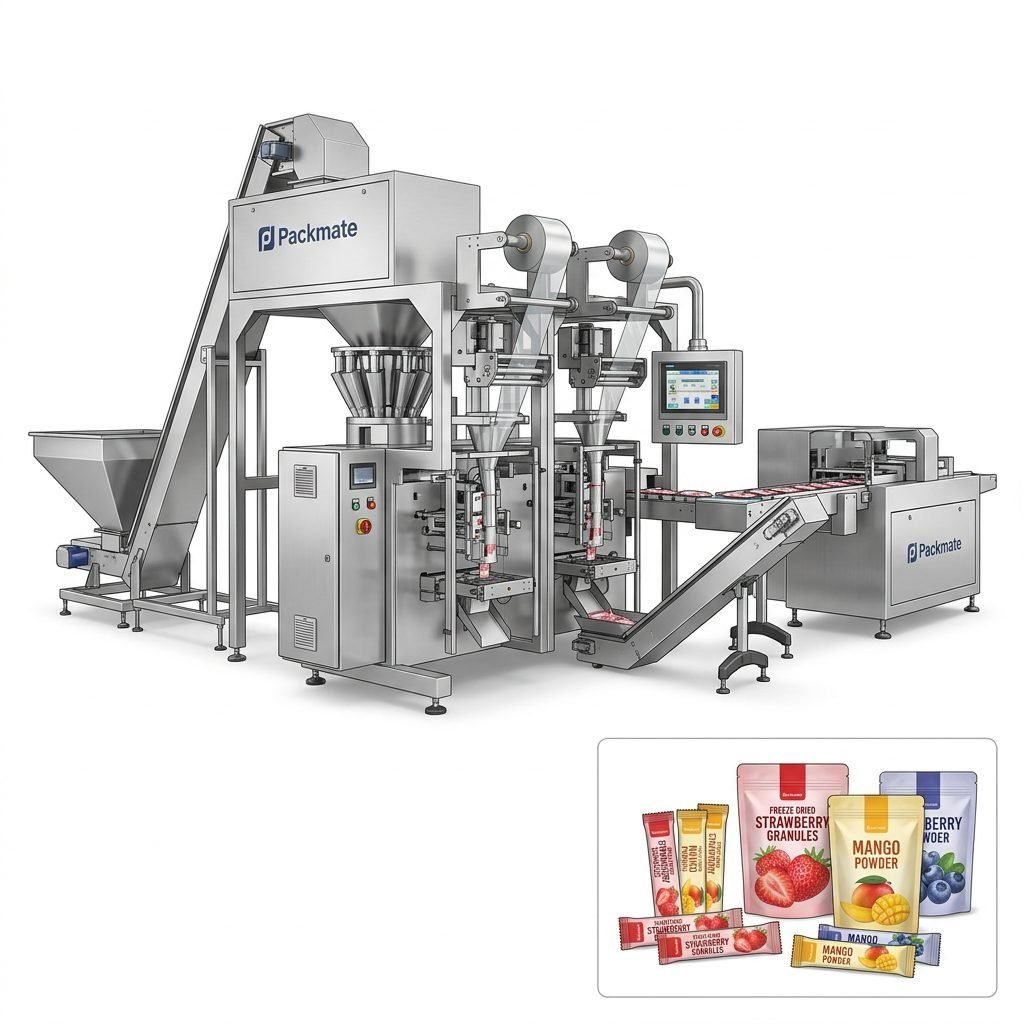
When flexibility is key, bag and pouch packaging systems provide the answer. From stand-up pouches to flat-bottom bags, these machines handle a wide range of product forms and sizes. Key features to look for include advanced servo-driven technology for film control, integrated checkweighers, and easy changeover capabilities. This versatility makes them perfect for snacks, coffee, pet food, and hardware items. Exploring a comprehensive range of bag and pouch packaging machines is crucial for finding the right fit for your product portfolio.
Beyond the Primary Packer: Integrating Complete Lines
True operational efficiency is achieved not by a single machine, but by a seamlessly integrated line.
Weighing and Feeding Systems: Accuracy begins here. Modern multi-head weighers and volumetric feeders ensure precise product measurement, minimizing giveaway and ensuring compliance. This is the non-negotiable first step for any high-quality packaging process.
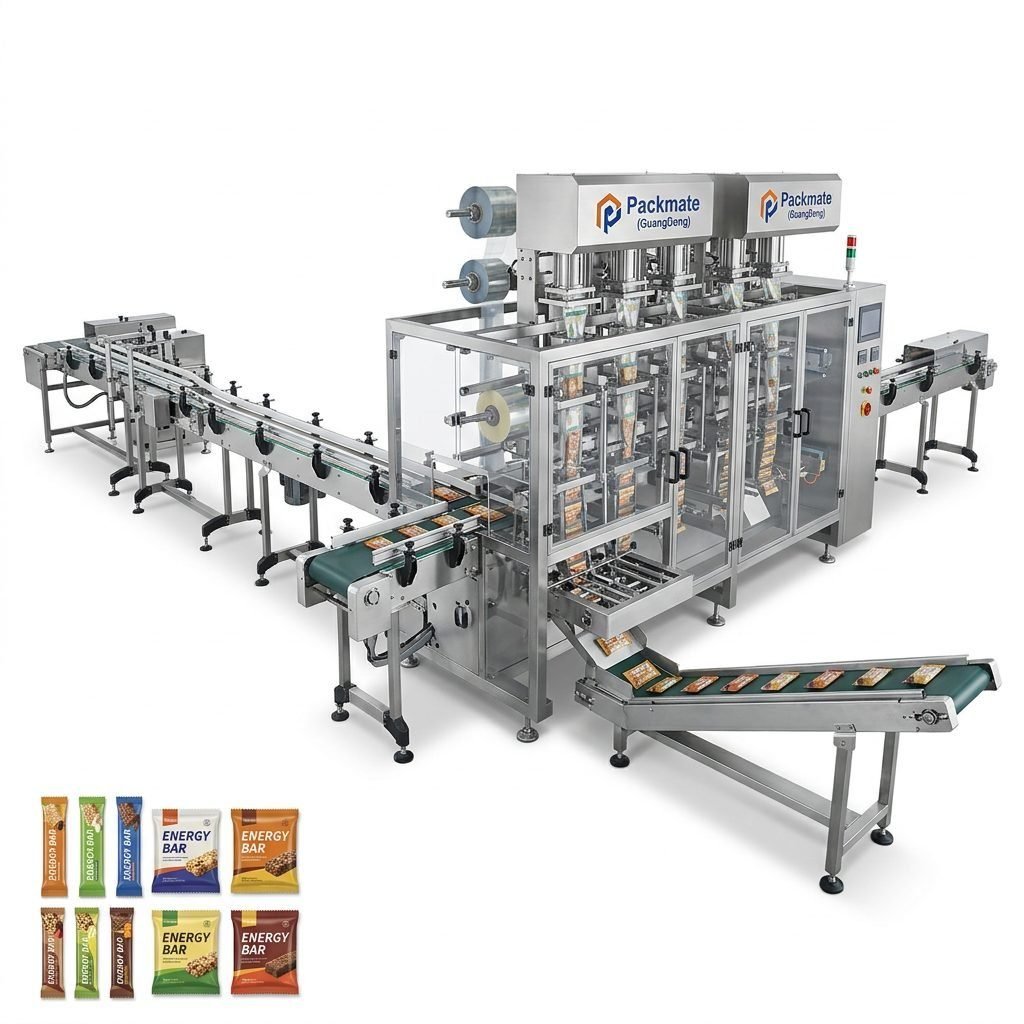
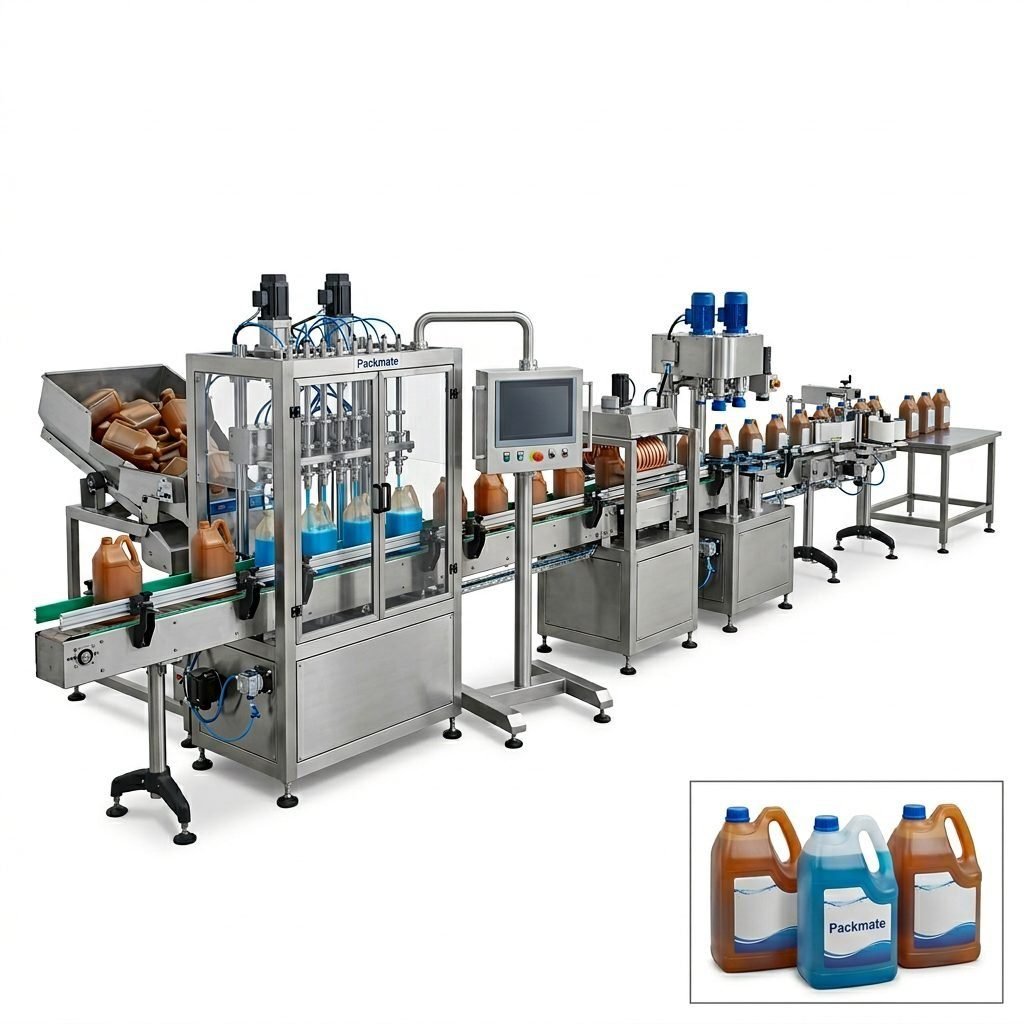
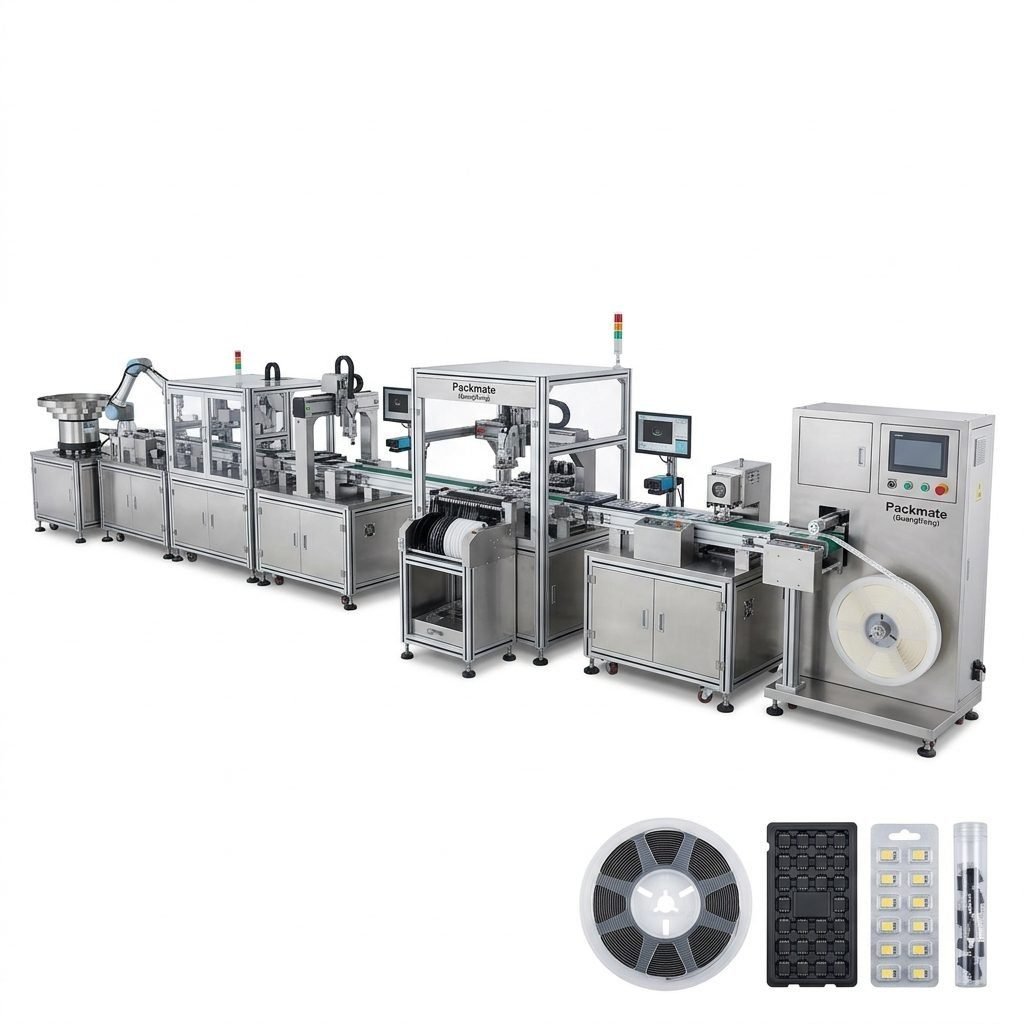
A robust filling and packaging line combines these elements. It starts with product feeding and weighing, moves to the primary bag-making and filling machine, and is often followed by secondary packaging like cartoning or case packing. The synergy between these components, supported by reliable auxiliary packaging equipment (like coders, conveyors, and metal detectors), creates a continuous flow that maximizes output and minimizes downtime.
Key Technological Drivers for Modern Operations
What separates top commercial machines from the rest? Several technological advancements are now standard for efficient operations.
- Servo Motor Dominance: Replacing mechanical cams and gears, servo motors provide unparalleled control over motion. This results in higher precision, quieter operation, easier maintenance, and significantly faster changeovers between product sizes.
- Intelligent HMI (Human-Machine Interface): Modern touch-screen panels offer intuitive control. Operators can store recipes, monitor real-time production data (OEE, speed, waste), and diagnose issues quickly, empowering frontline staff and reducing reliance on specialized engineers.
- Hygienic & Sustainable Design: Machines with easy-clean surfaces, minimal crevices, and compatibility with recyclable or compostable films are increasingly important. This meets both regulatory demands in sectors like pharmaceuticals and the growing consumer preference for sustainable packaging.
Selecting Your Partner: Beyond the Machine Spec Sheet
Choosing equipment is also about choosing a manufacturer. A partner with deep expertise, like one with over 30 years in intelligent packaging, brings more than just hardware. They offer turnkey solutions, from factory layout planning to after-sales support and spare parts logistics. A manufacturer with a 20,000㎡ modern facility and rigorous testing protocols demonstrates a commitment to quality and reliability that protects your investment. Reviewing a manufacturer’s project case studies can provide tangible proof of their capability to deliver efficient solutions.
Conclusion: Investing in Operational Flow
Investing in top commercial packaging machines is an investment in the smooth, predictable, and profitable flow of your operation. By focusing on integrated systems powered by servo technology and smart controls, and by partnering with an experienced manufacturer, businesses can build packaging lines that are not just fast, but also agile, reliable, and future-proof. The ultimate goal is a packaging operation that acts as a seamless, efficient engine for business growth.
Frequently Asked Questions (FAQs)
Q1: What is the most important factor when choosing a packaging machine for efficiency?
A: While speed is often the first metric, Overall Equipment Effectiveness (OEE) is more critical. A machine with a slightly lower maximum speed but higher reliability (less downtime), excellent changeover speed, and consistent quality output will often be more efficient in the long run.
Q2: How can I reduce material waste with a new packaging machine?
A: Look for machines with precise servo-driven film feeding systems and integrated checkweighers. Advanced models allow for trim waste optimization and real-time weight feedback to the filler, ensuring each pouch uses the minimum required film and product while still meeting weight specifications.
Q3: Are modern packaging machines difficult for operators to learn?
A: Quite the opposite. Modern machines with intuitive touch-screen HMIs and recipe storage are designed for ease of use. Operators can recall settings for different products with a single tap, and guided troubleshooting menus help resolve common issues without expert intervention, reducing training time and skill dependency.
Q4: Can one machine handle multiple, very different product types?
A: Versatility varies. While some bag and pouch machines offer wide size ranges and quick changeover for similar products, switching between vastly different formats (e.g., from a fine powder to a viscous liquid) may require significant part changes. Discuss your specific product mix with the manufacturer to assess the machine’s flexibility.
Q5: What does a “turnkey packaging solution” include?
A: A true turnkey solution goes beyond selling a machine. It encompasses consultation, production line design, machine supply, installation, commissioning, comprehensive operator training, and ongoing technical support. The provider acts as a single point of responsibility to deliver a fully operational production line ready to run at specified parameters.