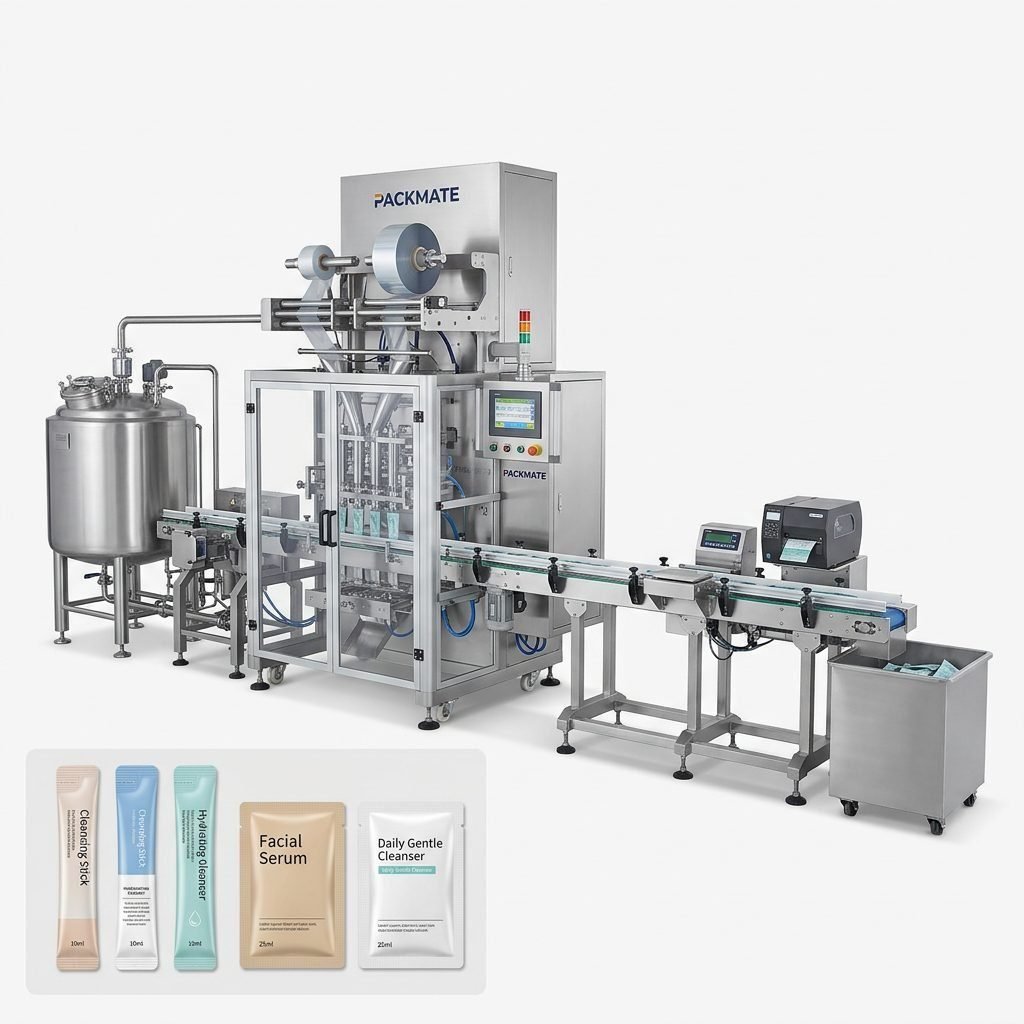
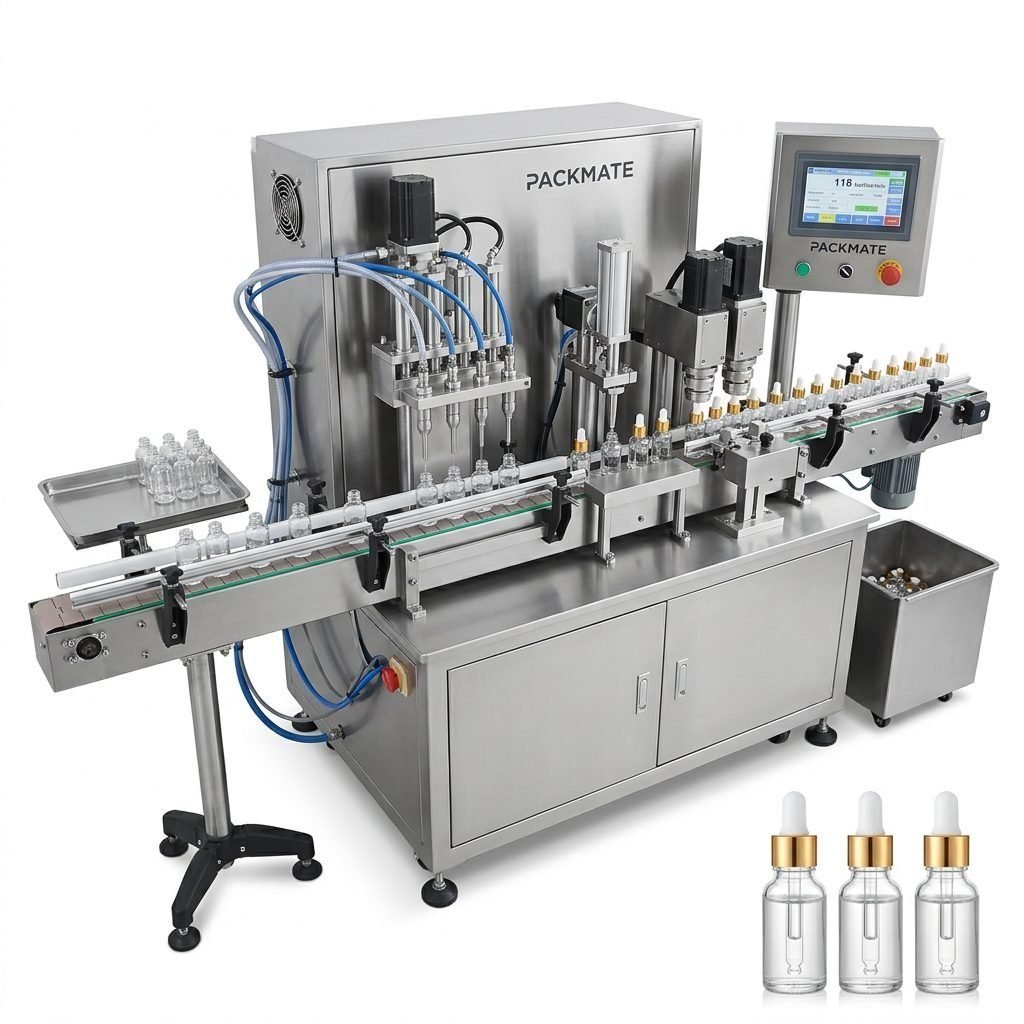
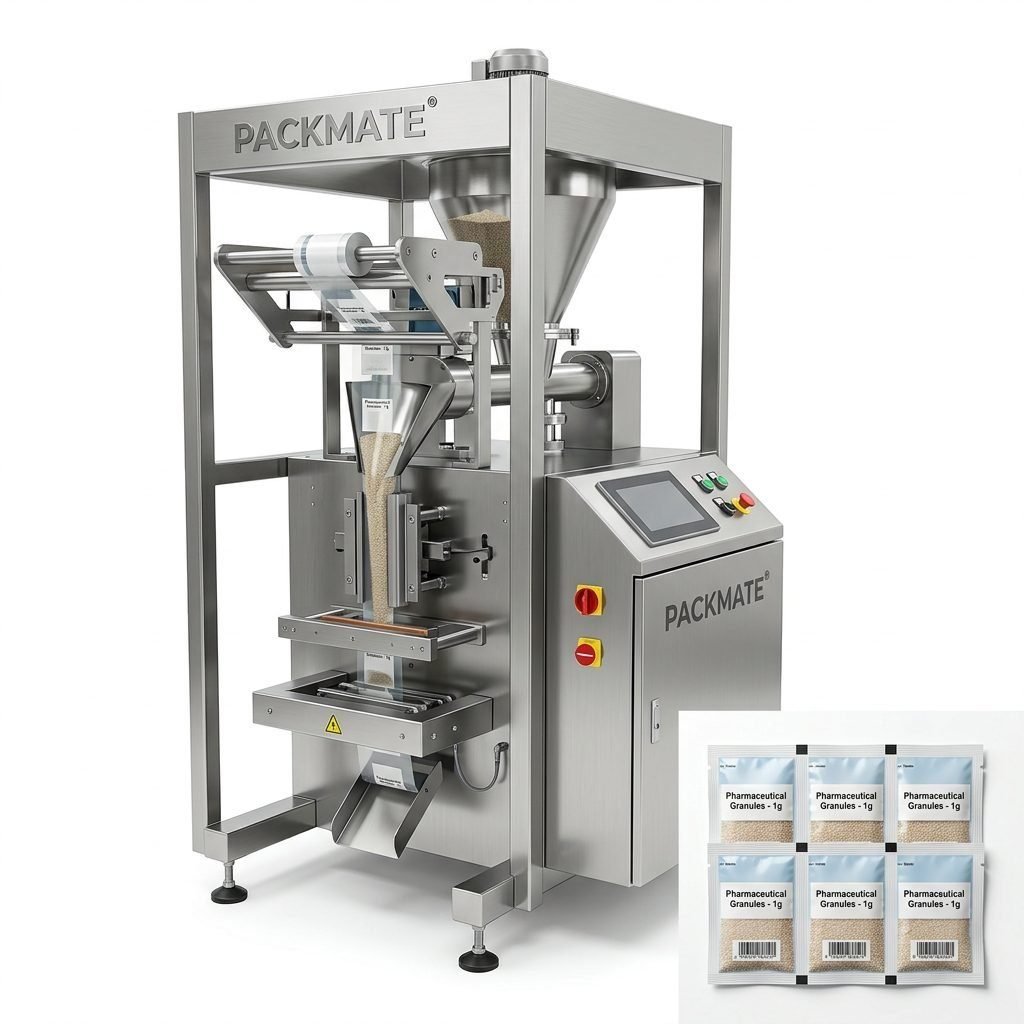
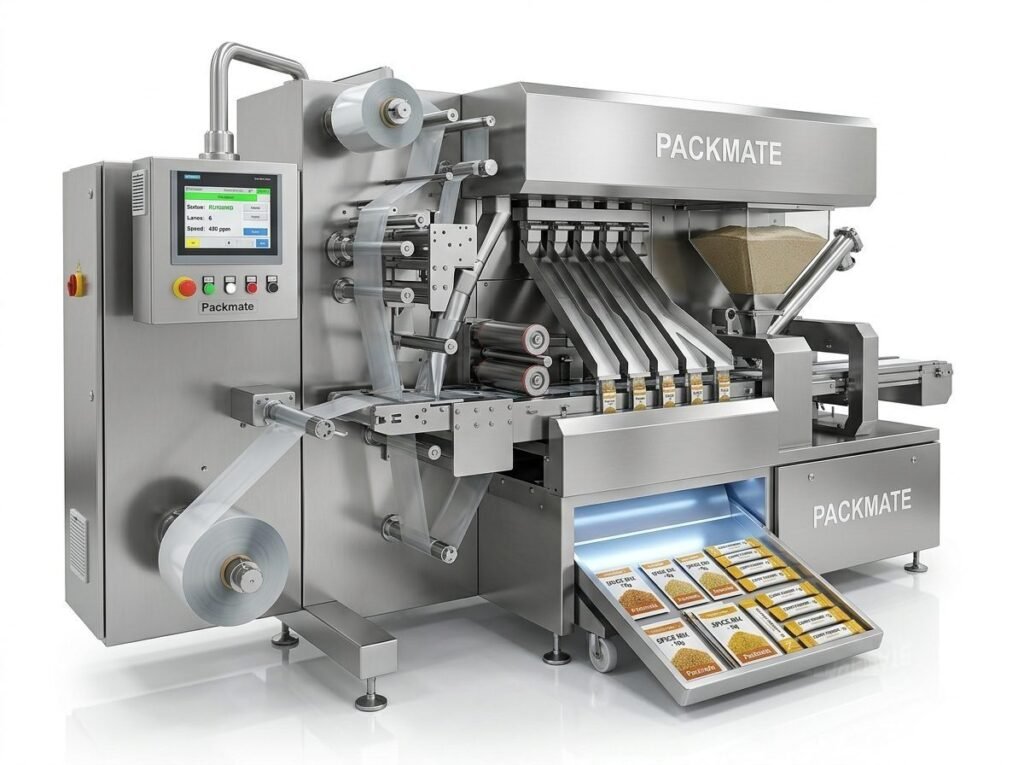
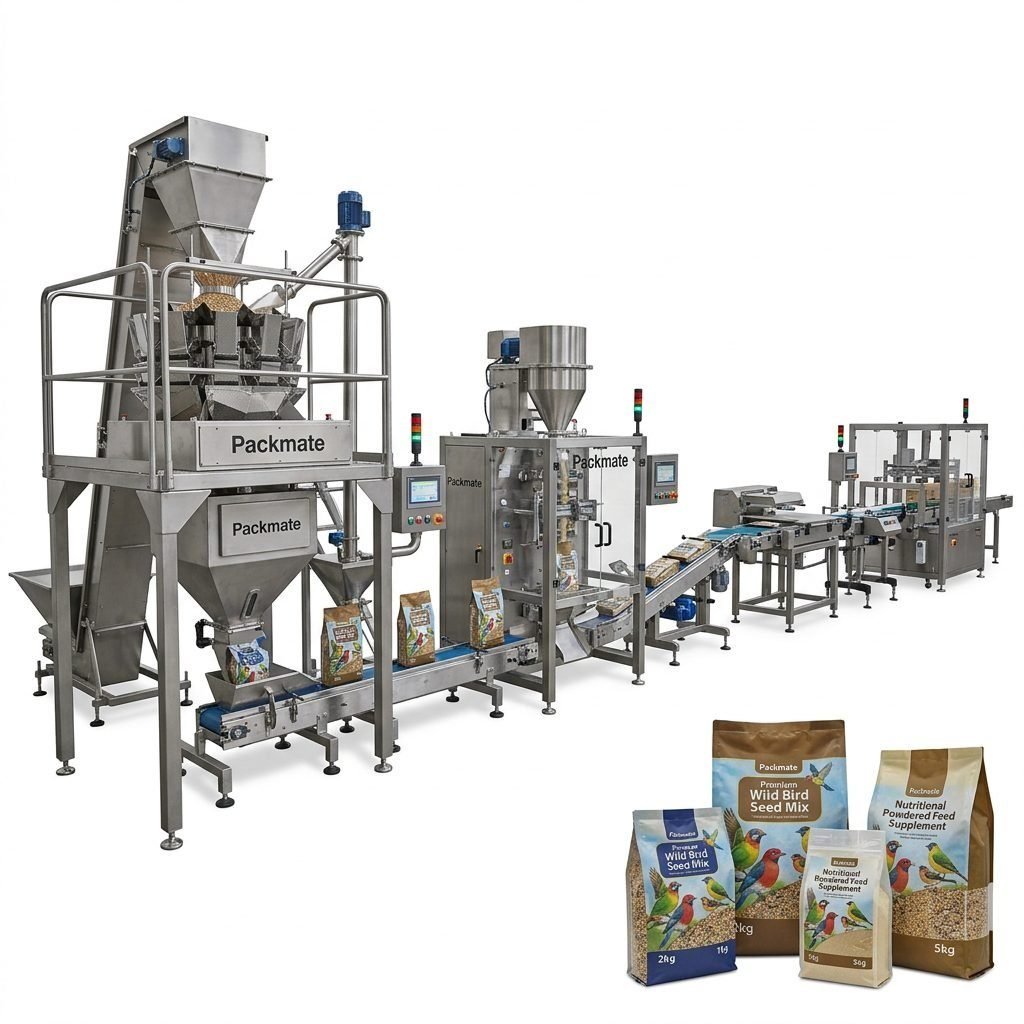
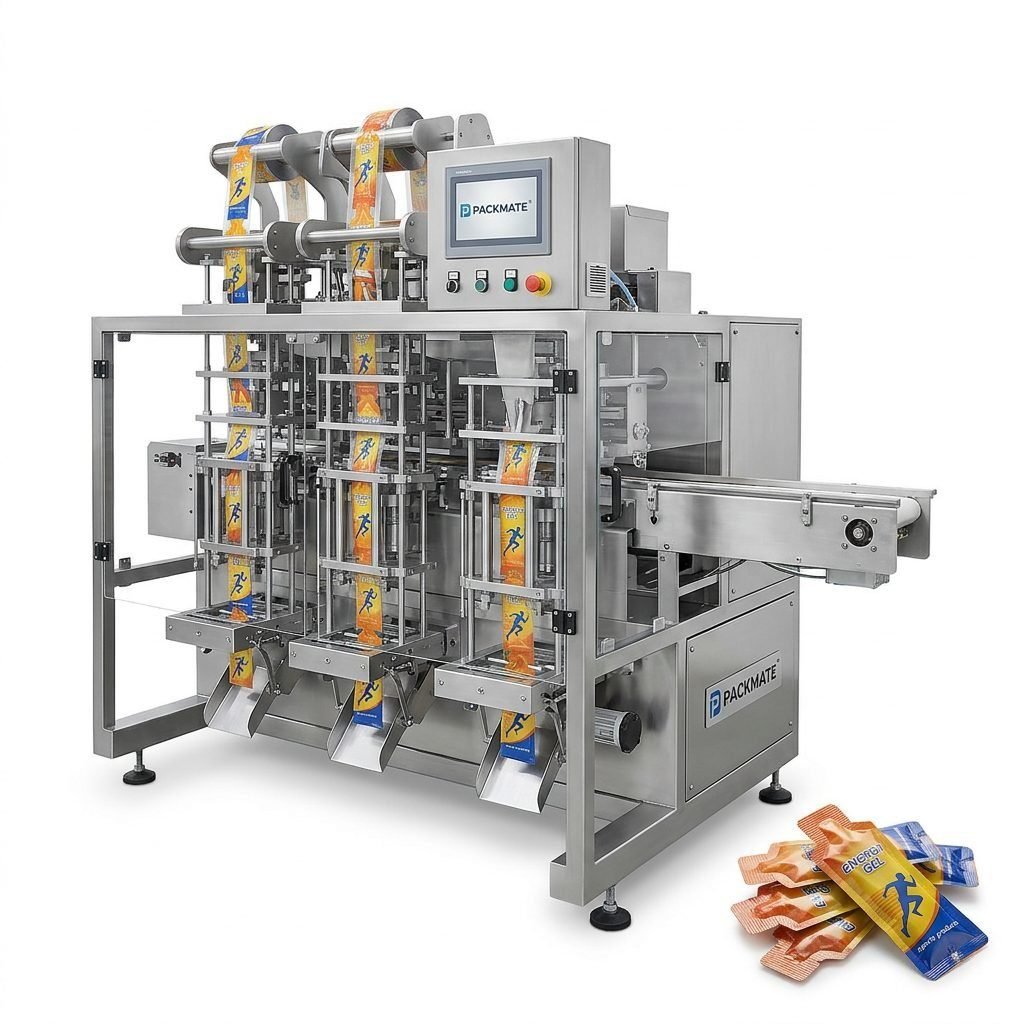
Liquid foam packaging machines are specialized equipment designed to dispense, meter, and package liquid foam products into various containers, sachets, or stick packs. These products range from consumer goods like hand sanitizer foam and shaving cream to industrial and pharmaceutical applications. Selecting the right machine is critical for efficiency, product integrity, and cost-effectiveness. This guide will walk you through everything you need to know before making an investment.
Understanding Liquid Foam Packaging
Liquid foam, as a product form, presents unique challenges compared to standard liquids or creams. Its aerated, viscous nature requires precise handling to maintain consistency and prevent collapse or separation during the packaging process. The primary function of a liquid foam packaging machine is to accurately fill pre-formed containers or create pouches from roll film with minimal waste and maximum speed.
Key Takeaway: Not all liquid fillers are suitable for foam. The machine must be engineered to handle the specific viscosity and aeration properties of foam without degrading its quality.
Core Components of a Foam Packaging Line
A complete system is more than just a filler. It typically integrates several key components:
- Foam Generation & Supply System: This is the heart of the operation, creating a consistent, stable foam from the base liquid and gas (often air or nitrogen).
- Precision Filling Head: Designed to gently deposit foam into containers without introducing shear forces that could break the foam structure. Volumetric piston fillers are commonly used for their accuracy.
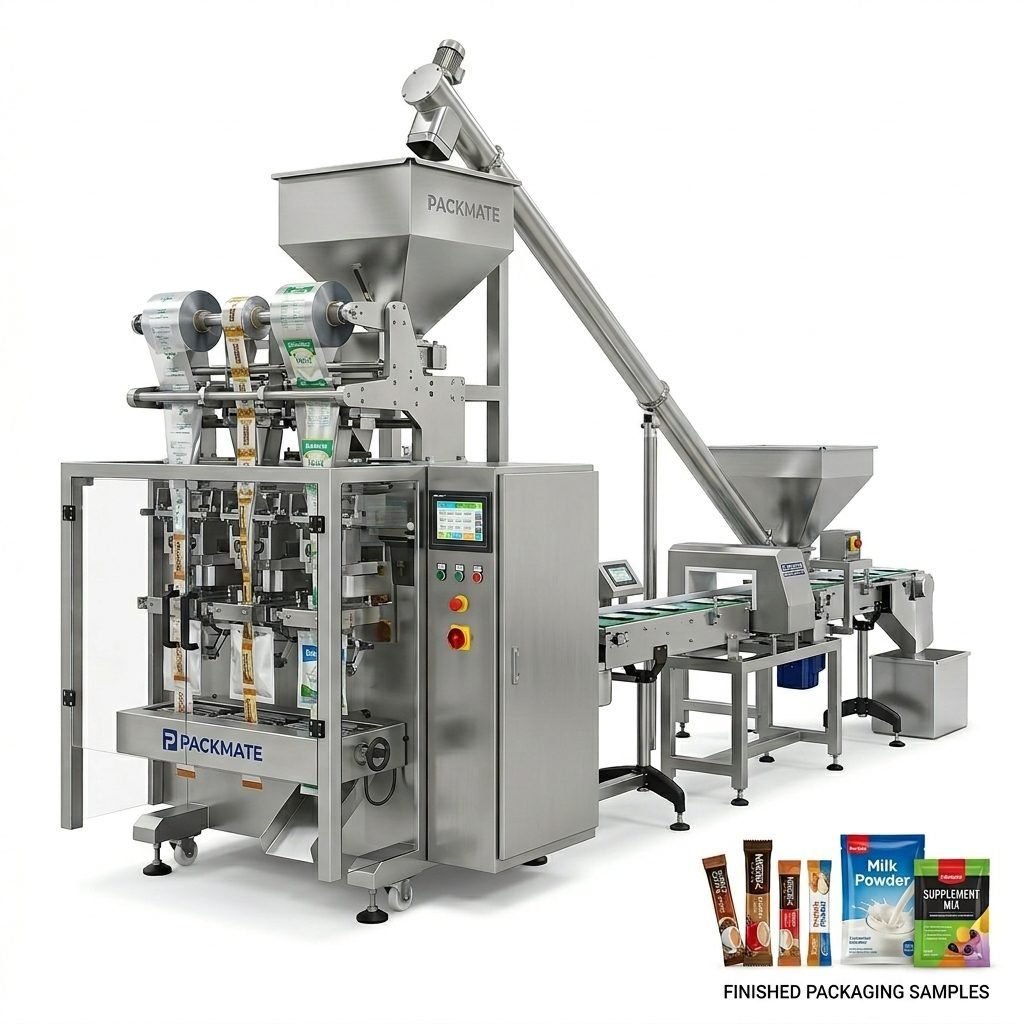
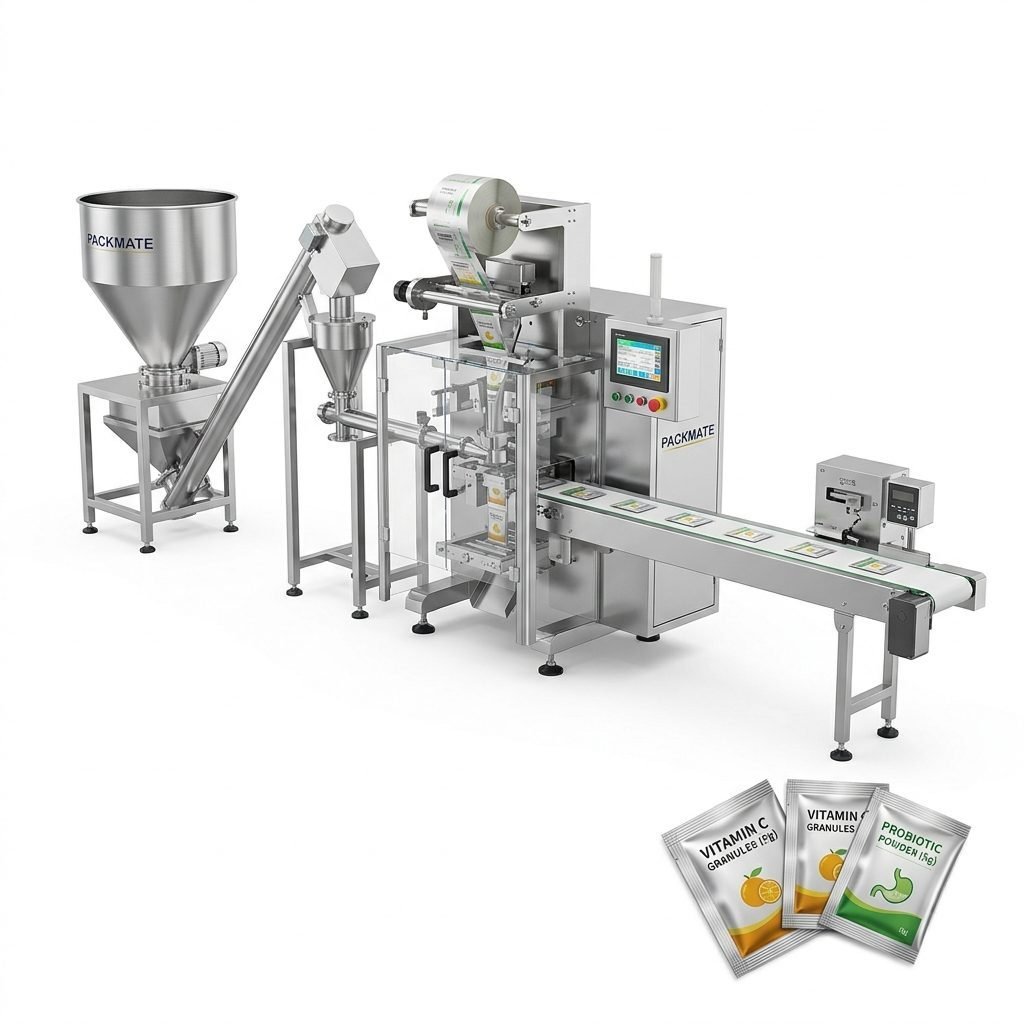
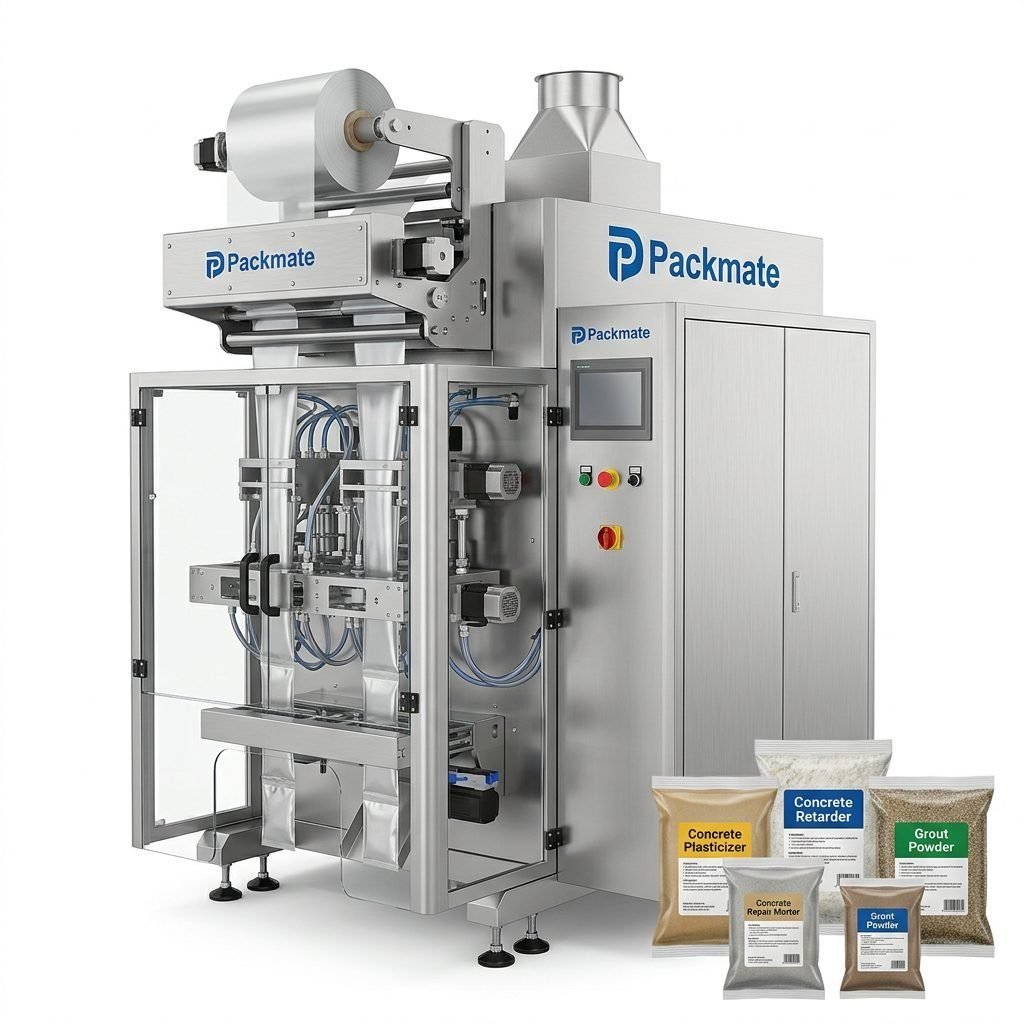
- Packaging Format System: This could be a pouch packaging machine for stand-up pouches, a sachet and stick pack machine for single-use portions, or a container handling system for bottles and tubes.
- Sealing & Capping Unit: Ensures the package is hermetically sealed to preserve the foam’s properties and prevent leakage.
- Control System (PLC/HMI): The brain of the machine, allowing for recipe management, speed adjustment, and monitoring of all parameters.
Key Factors to Consider Before You Buy
Making an informed decision requires evaluating your specific needs against the machine’s capabilities. Here are the most critical factors.
1. Product Characteristics and Viscosity
The physical and chemical properties of your foam are the starting point. Is it a light, mousse-like foam or a dense, gel-like foam? The machine’s pumping, metering, and filling technology must be compatible to ensure accurate fills and consistent product output.
2. Desired Packaging Output and Speed
You must define your production targets. Are you a startup needing a few hundred units per hour, or an established brand requiring several thousand? Speed (packages per minute) directly impacts the machine’s complexity and cost. Consider not just today’s needs, but also future scalability.
3. Packaging Material and Format
The machine must be compatible with your chosen packaging material—whether it’s laminated film for pouches, pre-made plastic bottles, or aluminum tubes. The format (single-serve sachet, multi-dose bottle, etc.) dictates the type of machine you need, such as a vertical form-fill-seal (VFFS) system or a rotary filler.
Pro Tip: For businesses looking to package foam products in small, precise doses, exploring a dedicated stick pack machine can offer excellent barrier properties and consumer convenience.
4. Automation Level and Footprint
How automated do you need the line to be? Options range from semi-automatic machines requiring manual container loading to fully automatic lines integrated with auxiliary equipment like cartoners and case packers. The available factory space (footprint) is also a major practical constraint.
5. Compliance and Hygiene Standards
For food, pharmaceutical, or cosmetic foams, regulatory compliance is non-negotiable. Machines must be constructed with appropriate materials (e.g., 304 or 316L stainless steel) and designed for easy cleaning (CIP/SIP capabilities) to meet standards like FDA, cGMP, or ISO.
Types of Liquid Foam Packaging Machines
Different production goals call for different machine architectures. Here are the main types:
Volumetric Piston Fillers
The most common and versatile choice for foams. A piston draws a precise volume of product from the supply tank and dispenses it into the container. They are highly accurate, handle a wide viscosity range well, and are relatively easy to clean and maintain.
Pump-Based Fillers
Often used for lower-viscosity foams. These use rotary lobe or peristaltic pumps to meter product. They are suitable for high-speed applications but may require careful calibration to maintain fill accuracy with aerated products.
Form-Fill-Seal (FFS) Machines
These are all-in-one systems that form the package from a roll of film, fill it with foam, and then seal it. Vertical Form-Fill-Seal (VFFS) machines are ideal for creating pouches and sachets, offering excellent efficiency and material savings. Horizontal models are often used for larger formats.
Why Partner with an Experienced Manufacturer?
Choosing the right equipment supplier is as important as choosing the machine itself. A partner with deep expertise, like Packmate Machinery, brings invaluable advantages. With over 30 years of specialization in packaging equipment, they understand the nuances of handling difficult products like foam.
Their journey, from a small workshop in 1993 to a modern 20,000㎡ manufacturing facility today, is built on solving complex packaging challenges. This experience translates into robust, reliable machines and comprehensive support services. An experienced manufacturer will not just sell you a machine; they will provide a tailored solution, from initial consultation and factory testing to installation, training, and after-sales support, ensuring your line achieves optimal performance from day one.
Total Cost of Ownership (TCO) Analysis
Look beyond the initial purchase price. The true cost includes:
- Energy Consumption: How efficient are the drives and pumps?
- Material Waste: A precise filler minimizes product giveaway.
- Maintenance & Downtime: Robustly built machines with local service support reduce long-term costs.
- Changeover Time: How quickly can you switch between products or package sizes? Quick-change parts are essential.
- Operator Training: Intuitive machines reduce training time and operational errors.
Investing in a higher-quality machine from a reputable supplier often results in a lower TCO due to greater reliability, higher efficiency, and better product yield over the equipment’s lifespan.
Frequently Asked Questions (FAQ)
Q1: Can one machine package different types of liquid foam?
Yes, but with considerations. Many machines are designed for flexibility. However, significant changes in viscosity, chemical composition, or fill volume may require different filling heads, pumps, or supply systems. It’s crucial to discuss all intended products with the manufacturer during the selection process to ensure the machine can be configured or adapted for your range.
Q2: How do I ensure the foam doesn’t collapse inside the machine?
This is a core engineering challenge. Reputable manufacturers design the product pathway—from the foam generator through to the filling nozzle—to minimize shear and turbulence. Using gentle piston action, wide-diameter tubing, and specially designed nozzles that deposit rather than inject the foam are key strategies to maintain its structure.
Q3: What hygiene standards should the machine meet for cosmetic or food-grade foam?
For such applications, the machine should be constructed primarily of 304 or 316L stainless steel for all product-contact parts. It should have a smooth, crevice-free design and ideally offer Clean-in-Place (CIP) functionality. Documentation of materials and design compliance with standards like FDA 21 CFR Part 11 (for data integrity) and EHEDG guidelines is essential.
Q4: What is the typical lead time for a custom liquid foam packaging line?
Lead times vary widely based on complexity and customization. A standard machine might be available in 8-12 weeks, while a fully customized, high-speed turnkey line could take 20-30 weeks or more. Early and detailed communication with your supplier is the best way to establish a realistic timeline.
Q5: What kind of after-sales support should I expect?
Comprehensive support is critical. Expect detailed installation supervision, thorough operator and maintenance training, a clear warranty, and ready access to spare parts. The best suppliers offer remote diagnostics and have a network of service technicians. Always inquire about the support package before purchase.