For small business owners, every decision carries weight. Investing in equipment like packaging machines is a significant step that balances operational needs with tight budget constraints. Finding the right machine isn’t just about the price tag; it’s about securing a reliable partner that boosts efficiency, ensures product quality, and grows with your business. This guide is designed to help you navigate the options and identify the best packaging machines tailored specifically for small business needs and budgets.
Understanding Small Business Packaging Requirements
Small businesses often operate with limited space, fluctuating order volumes, and a need for remarkable versatility. Your packaging machine must be more than just a piece of equipment; it should be a flexible solution. Key considerations include low to medium output speed, easy changeover between different product types or package sizes, a compact footprint to fit smaller facilities, and, crucially, an affordable initial investment with reasonable operating costs. Machines that are simple to operate and maintain without requiring highly specialized technicians are also a major advantage.
Top Machine Types for Small-Scale Operations
Several types of packaging machines are particularly well-suited for small businesses due to their cost-effectiveness and adaptability.
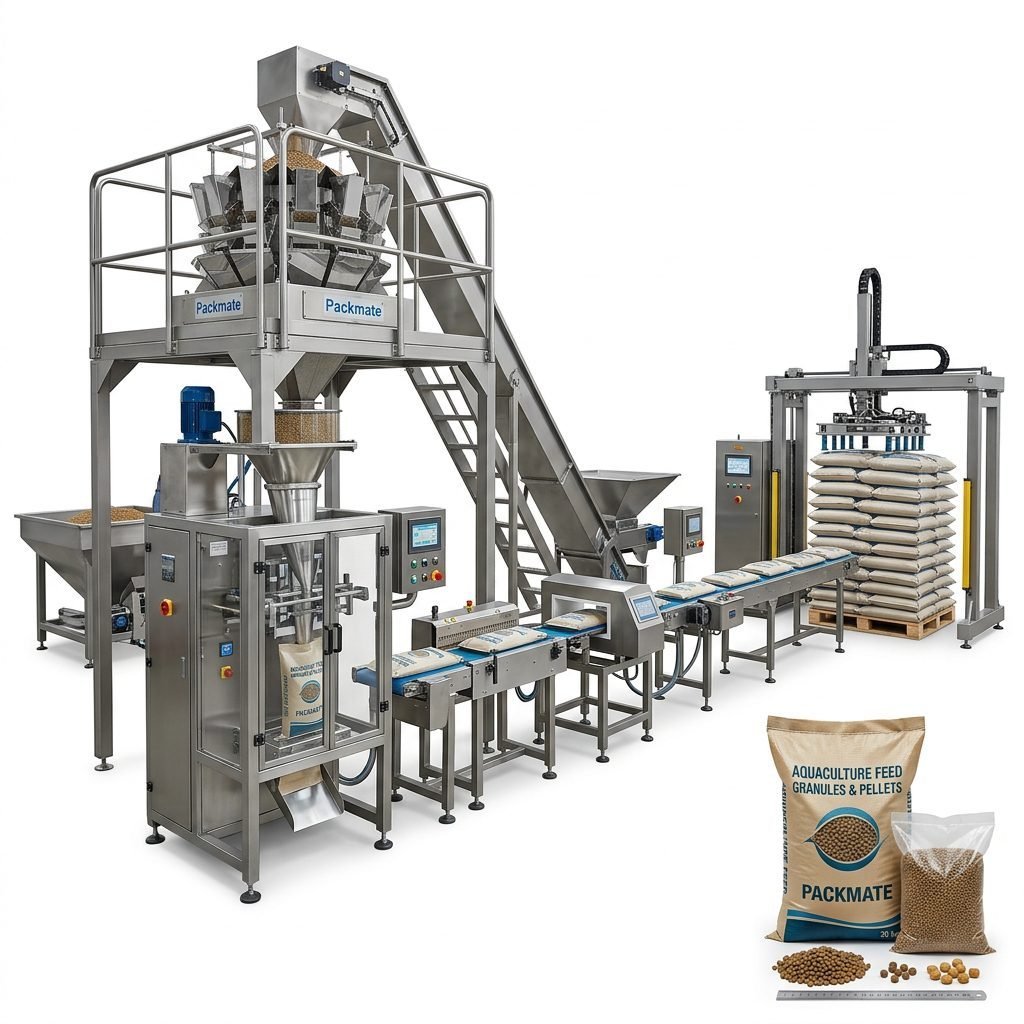
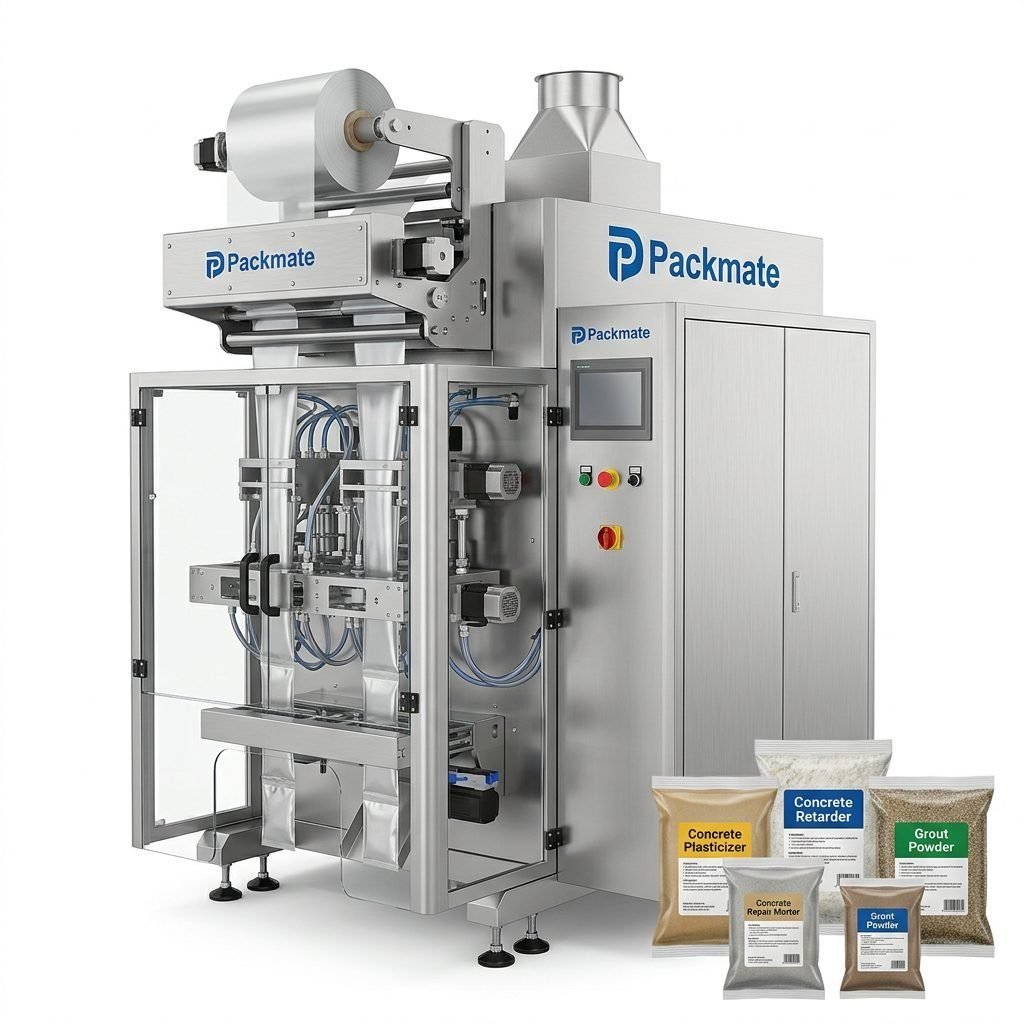
Vertical Form Fill Seal (VFFS) Machines: These are among the most popular choices for small businesses packaging granules, powders, or small solids. They are space-efficient, create bags from a roll of film, fill them, and seal them in one continuous process. Modern VFFS machines offer impressive flexibility for bag sizes and shapes.
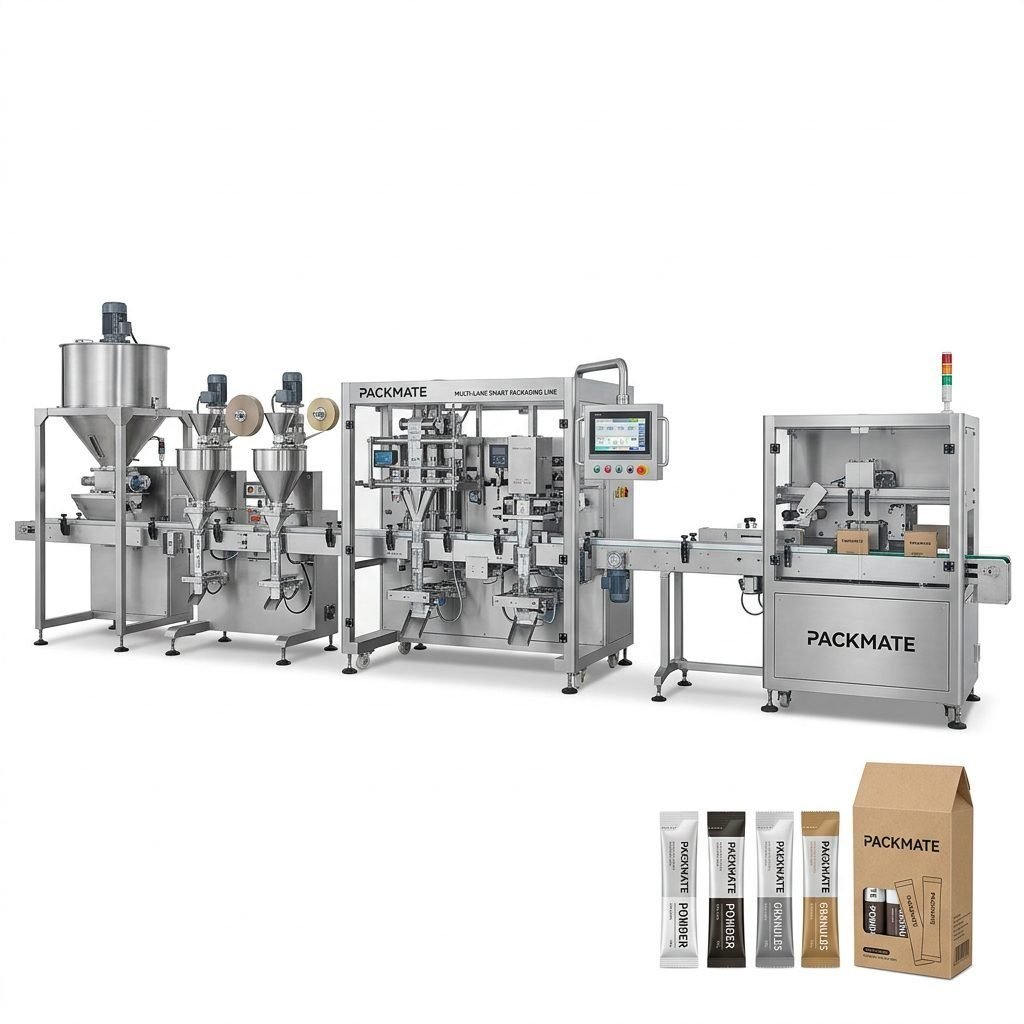
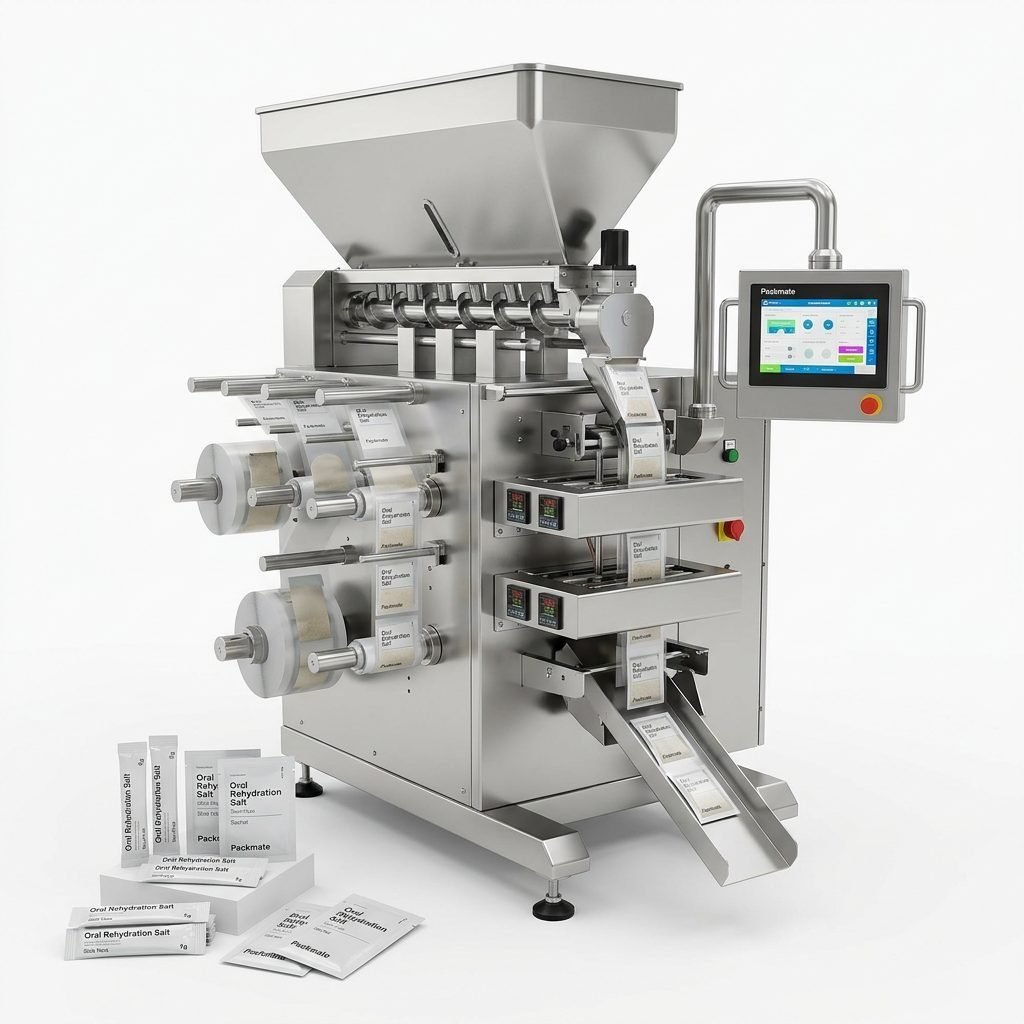
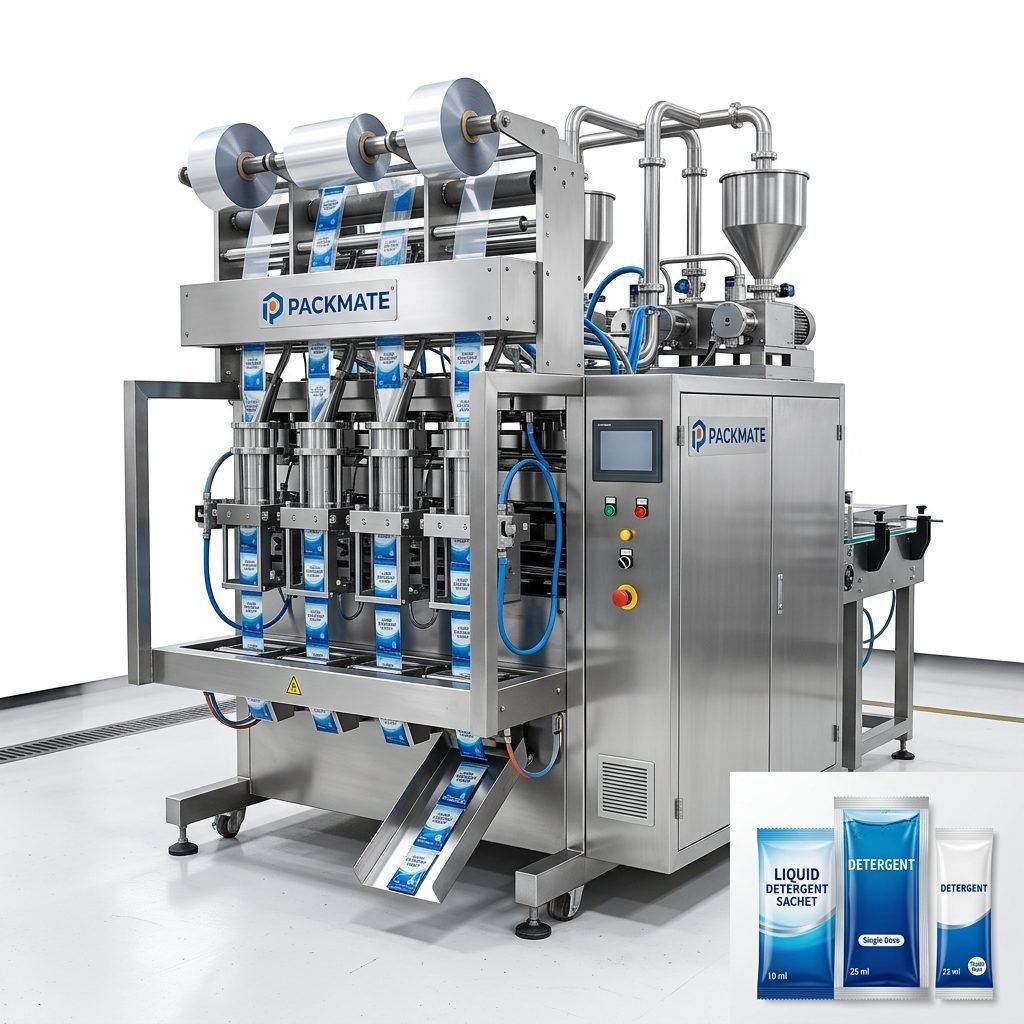
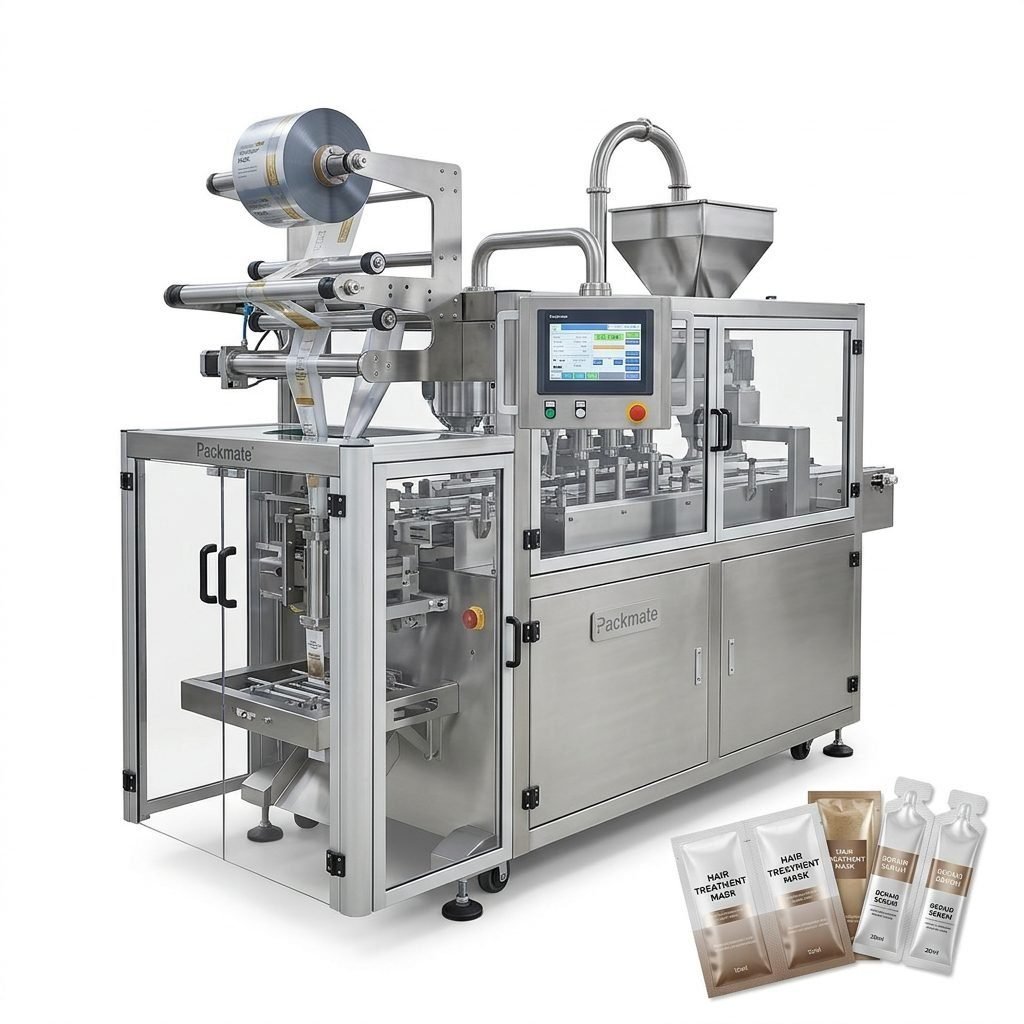
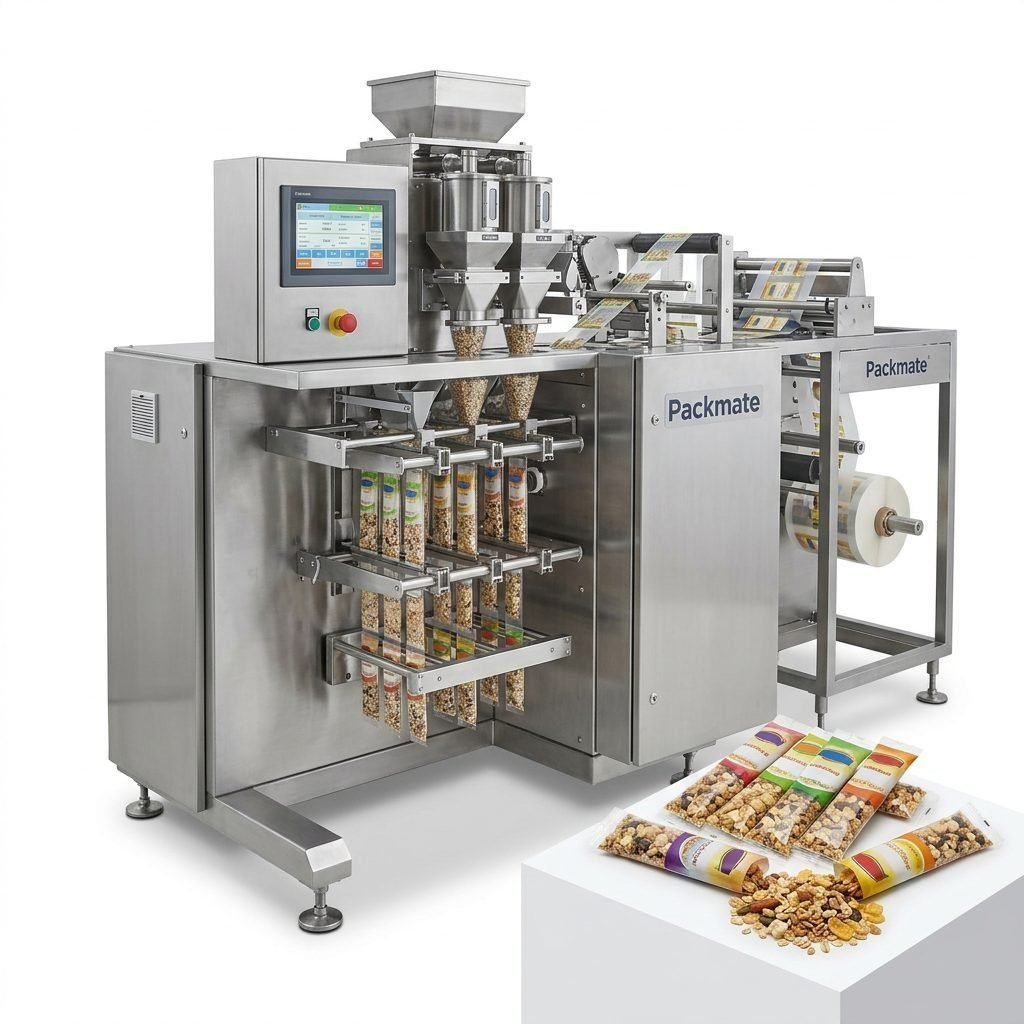
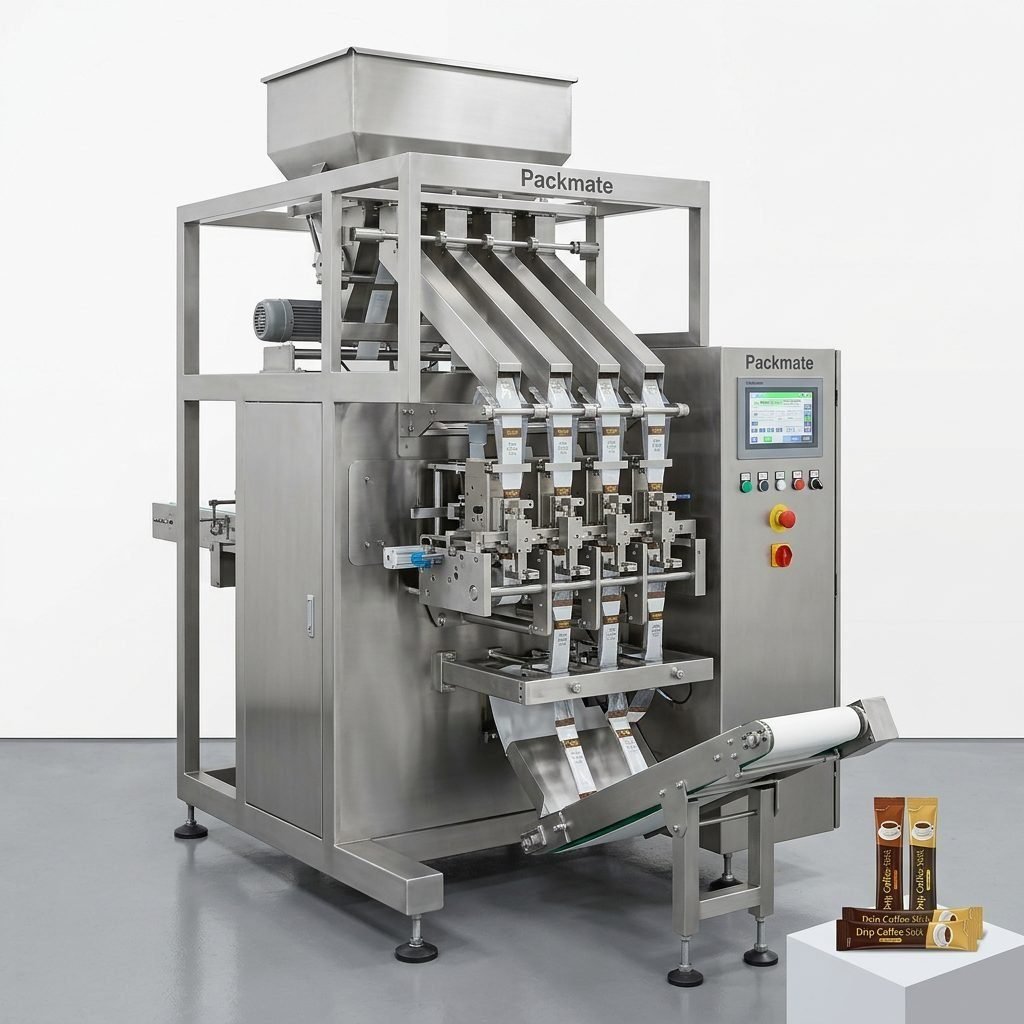
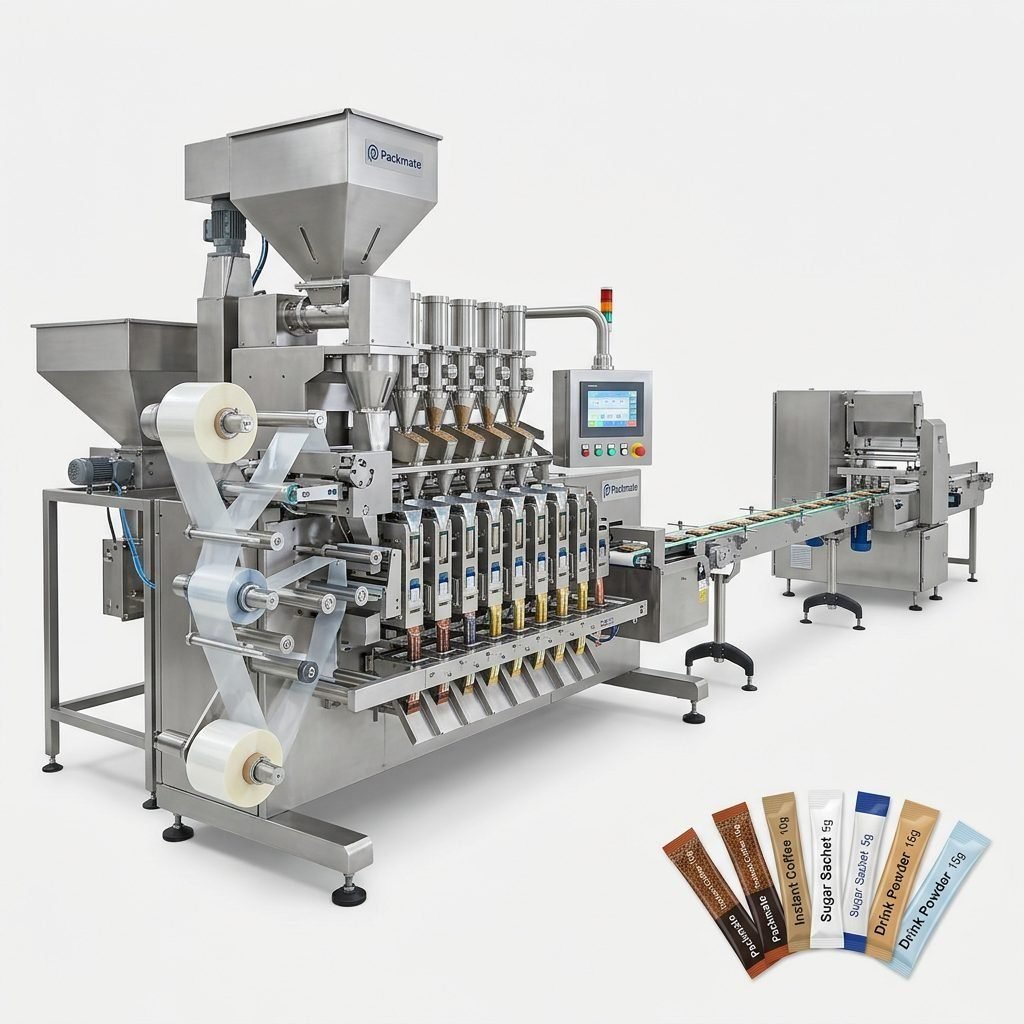
Sachet and Stick Pack Machines: Ideal for single-serve portions of products like sauces, condiments, drink mixes, or pharmaceuticals. These machines are perfect for businesses looking to offer convenient, portable product formats. They can be configured for multi-lane production, allowing you to pack several units simultaneously, which significantly boosts output from a relatively small machine footprint. You can explore various models in our dedicated range of Sachet & Stick Pack Machines.
Tabletop Sealers and Labelers: For businesses that hand-fill bags or use pre-made pouches, a simple heat sealer or an automatic label applicator can dramatically improve presentation and efficiency at a very low cost. These are excellent entry-level solutions.
Key Features to Prioritize on a Budget
When funds are limited, focus on features that deliver the highest return on investment. User-friendly PLC touchscreen controls simplify operation and reduce training time. Look for machines constructed with durable, food-grade materials like stainless steel in critical areas to ensure longevity and compliance. Quick-change parts for different bag sizes minimize downtime during product switches. Also, consider the availability and cost of spare parts and technical support from the manufacturer, as this impacts long-term ownership costs.
Balancing Cost with Quality and Reliability
The cheapest machine is rarely the most cost-effective. A machine that frequently breaks down causes product waste, delays orders, and strains your team. Investing in a reliable machine from a reputable manufacturer protects your business from hidden costs. Companies with a strong track record, like Packmate Machinery, which brings over 30 years of expertise, often build durability and simpler maintenance into their designs. This reliability is a critical asset for a small business that cannot afford extended production halts.
Consider the total cost of ownership, which includes the purchase price, installation, energy consumption, maintenance, and potential future upgrades. A slightly higher upfront cost for a more robust and efficient machine can lead to substantial savings over its lifespan.
Planning for Future Growth
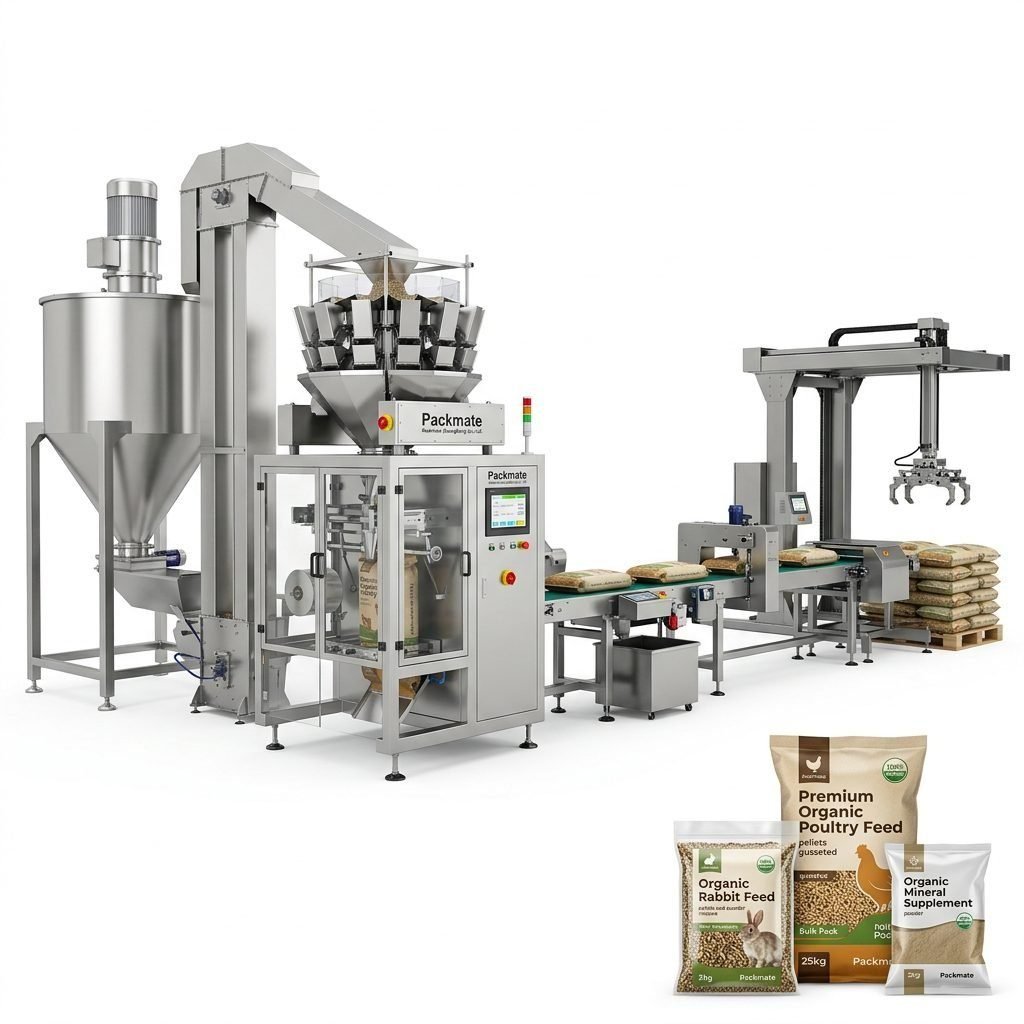
Your packaging needs will evolve. A strategic purchase today considers tomorrow’s requirements. Opt for a machine with some modularity or scalability. Can its speed be upgraded? Can additional modules, like checkweighers or more advanced weighing systems, be integrated later? Choosing a supplier that offers a range of equipment, from standalone units to complete filling & packaging lines, ensures you have a partner who can support your growth journey without needing to switch to an entirely new vendor.
Making the Final Decision: A Checklist
Before finalizing your purchase, run through this essential checklist:
• Define Your Output: Calculate your current and near-future daily/weekly packaging volume.
• Product Compatibility: Ensure the machine handles your product’s form (powder, liquid, granule) reliably.
• Space Audit: Precisely measure your available floor space and clearance.
• Budget Framework: Set a clear budget range, including a contingency for installation and initial supplies.
• Supplier Research: Investigate the manufacturer’s reputation, warranty, and after-sales service support.
• Request a Demo: Always ask for a live or video demonstration using a product similar to yours.
Frequently Asked Questions (FAQs)
What is the typical price range for a small business packaging machine?
Prices vary widely based on type, automation level, and features. Simple tabletop sealers can start from a few hundred dollars, while semi-automatic VFFS or sachet machines may range from $10,000 to $50,000. Fully automatic, integrated lines are higher. It’s crucial to get detailed quotations based on your specific needs.
How can I ensure the machine will work with my specific product?
The most reliable method is to provide your product sample to the manufacturer for a free testing service. Reputable companies like Packmate offer this to verify machine compatibility, optimal settings, and final packaging quality before you commit to a purchase.
What kind of after-sales support should I expect?
Look for comprehensive support including detailed installation guidance (often via video call), operator training, a clear warranty period (typically 12-18 months), readily available spare parts, and access to remote or on-site technical troubleshooting. Good support is invaluable for maintaining uptime.
Are used packaging machines a good option for a small business?
They can be, offering a lower entry cost. However, they come with risks like unknown maintenance history, potential lack of warranty, and difficulty sourcing obsolete parts. If considering used, purchase from a trusted dealer or the original manufacturer’s refurbished program, and insist on a thorough inspection.
How do I handle packaging material sourcing?
Many packaging machine suppliers can recommend or connect you with reliable film/pouch suppliers. The machine specifications will detail the compatible film types (laminate structures, thickness). Some suppliers may even offer guidance on auxiliary equipment for unwinding or printing on packaging material.