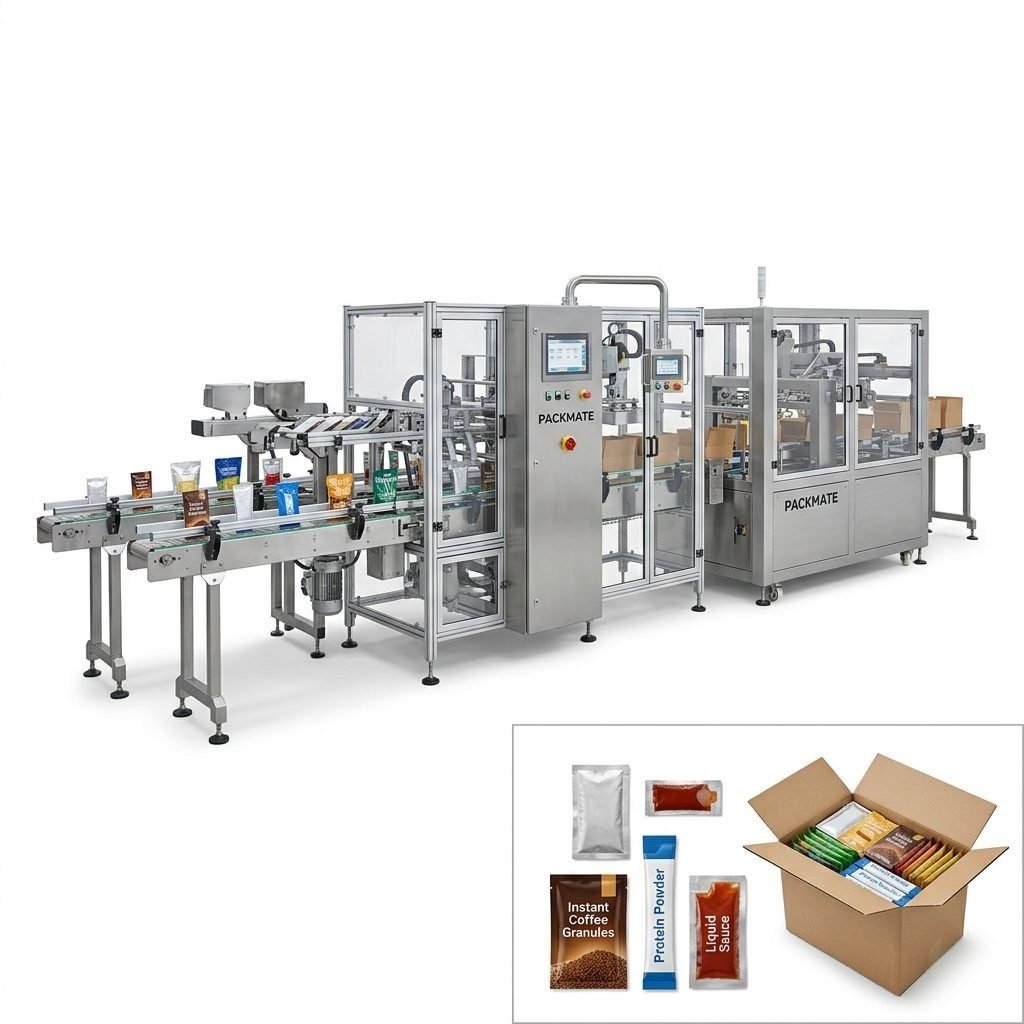
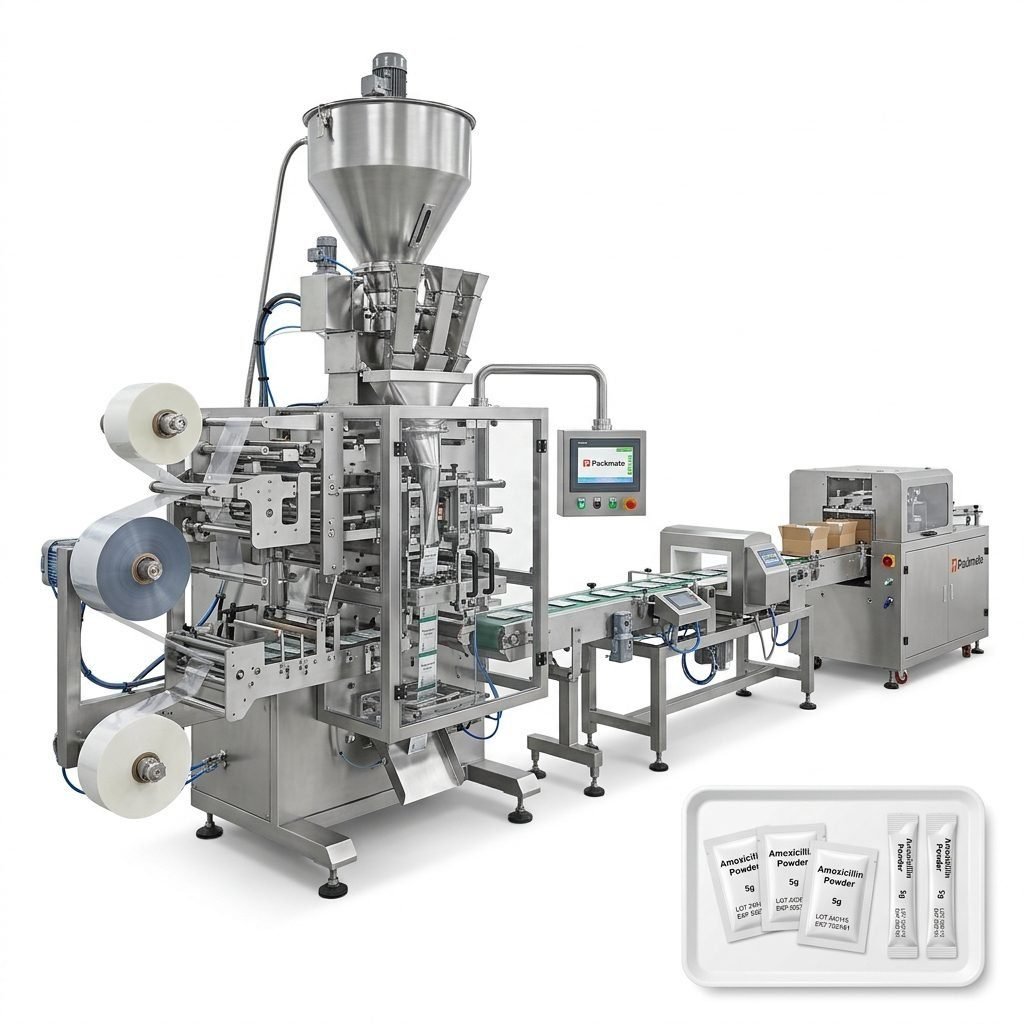
In the fast-paced world of manufacturing and distribution, ensuring product safety from the production line to the end consumer is paramount. The integrity of the seal on a package is often the first and most critical line of defense against contamination, spoilage, and tampering. For businesses across the food, pharmaceutical, and health industries, investing in top-tier sealing packaging machine solutions is not just an operational upgrade—it’s a fundamental commitment to consumer trust and brand reputation. This article explores the key features, benefits, and considerations for selecting the most efficient sealing and packaging machinery to safeguard your products.
The Critical Role of Sealing in Product Safety
A robust seal does more than just keep a package closed. It creates a controlled environment that protects contents from external threats like moisture, oxygen, dust, and microbes. For sensitive products such as pharmaceuticals, nutritional supplements, or perishable foods, a compromised seal can lead to product degradation, health risks, and significant financial loss through recalls and damaged brand equity. Modern packaging machines are engineered to deliver consistent, high-integrity seals that meet stringent industry standards and regulations, forming the backbone of any effective product safety strategy.
Key Benefits of Advanced Sealing Technology:
Enhanced Barrier Protection: Advanced sealing technologies create impermeable barriers against gases and vapors, significantly extending product shelf life.
Tamper-Evidence: Many sealing methods provide clear, irreversible indicators if a package has been opened, offering consumers visible assurance of safety.
Operational Efficiency: Automated, high-speed sealing minimizes human error, increases production throughput, and reduces material waste.
Exploring Top Sealing Packaging Machine Solutions
The ideal sealing solution varies greatly depending on the product form (granules, powder, liquids), packaging material, and required production speed. Here’s a breakdown of some of the most effective systems available.
1. Horizontal Form-Fill-Seal (HFFS) Machines
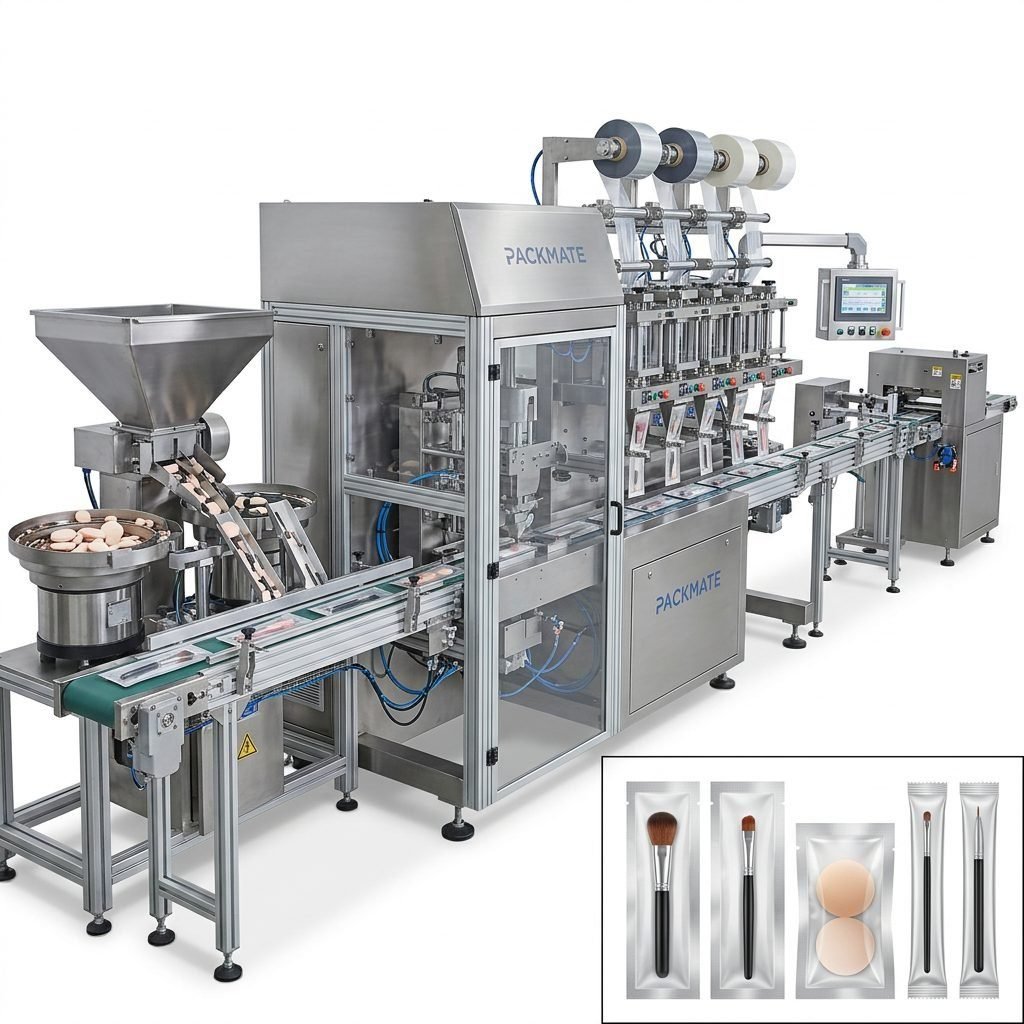
These versatile machines form a pouch from a roll of film, fill it with product, and then seal it—all in one continuous, horizontal operation. They are exceptionally efficient for a wide range of products, from snacks to hardware items. The sealing process in HFFS machines is precise, often utilizing heated jaws to create strong fin or lap seals on multi-layered laminates, ensuring an excellent barrier for sensitive contents.
2. Vertical Form-Fill-Seal (VFFS) Machines
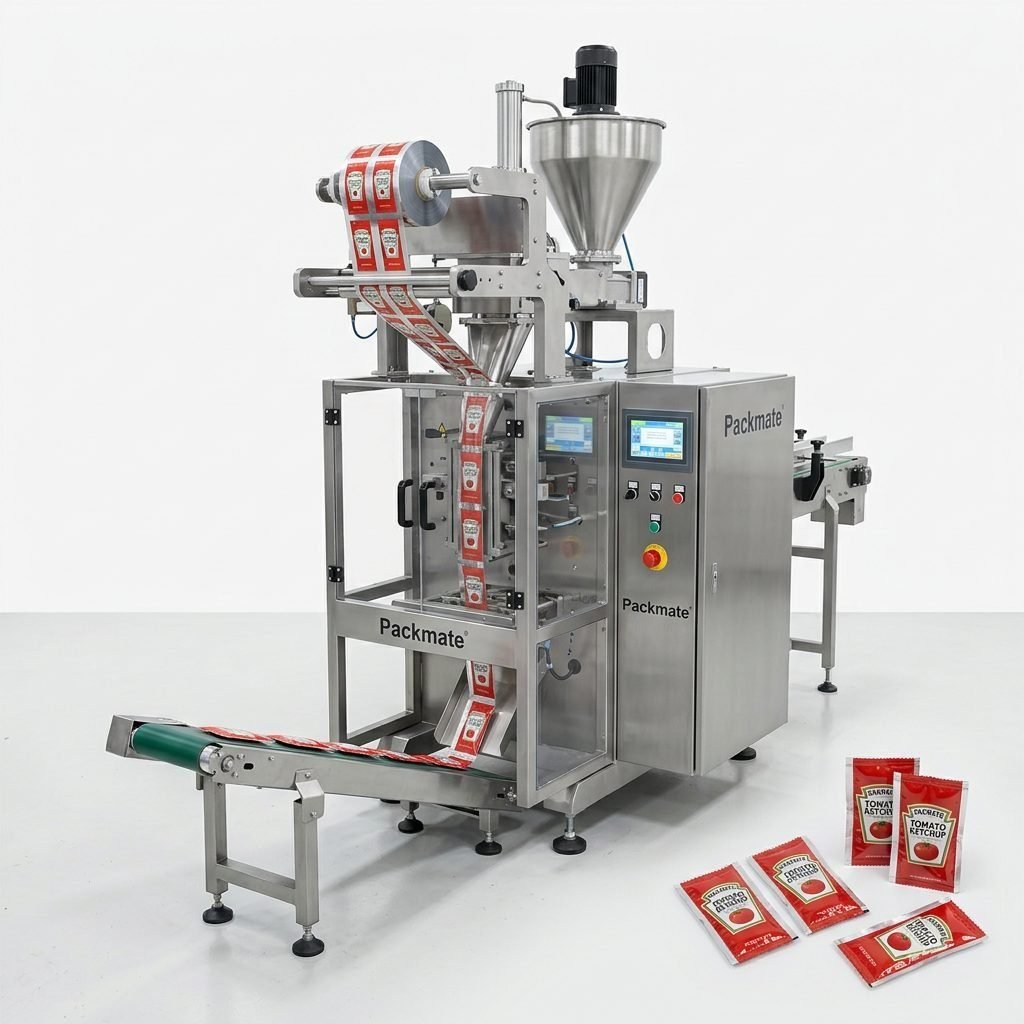
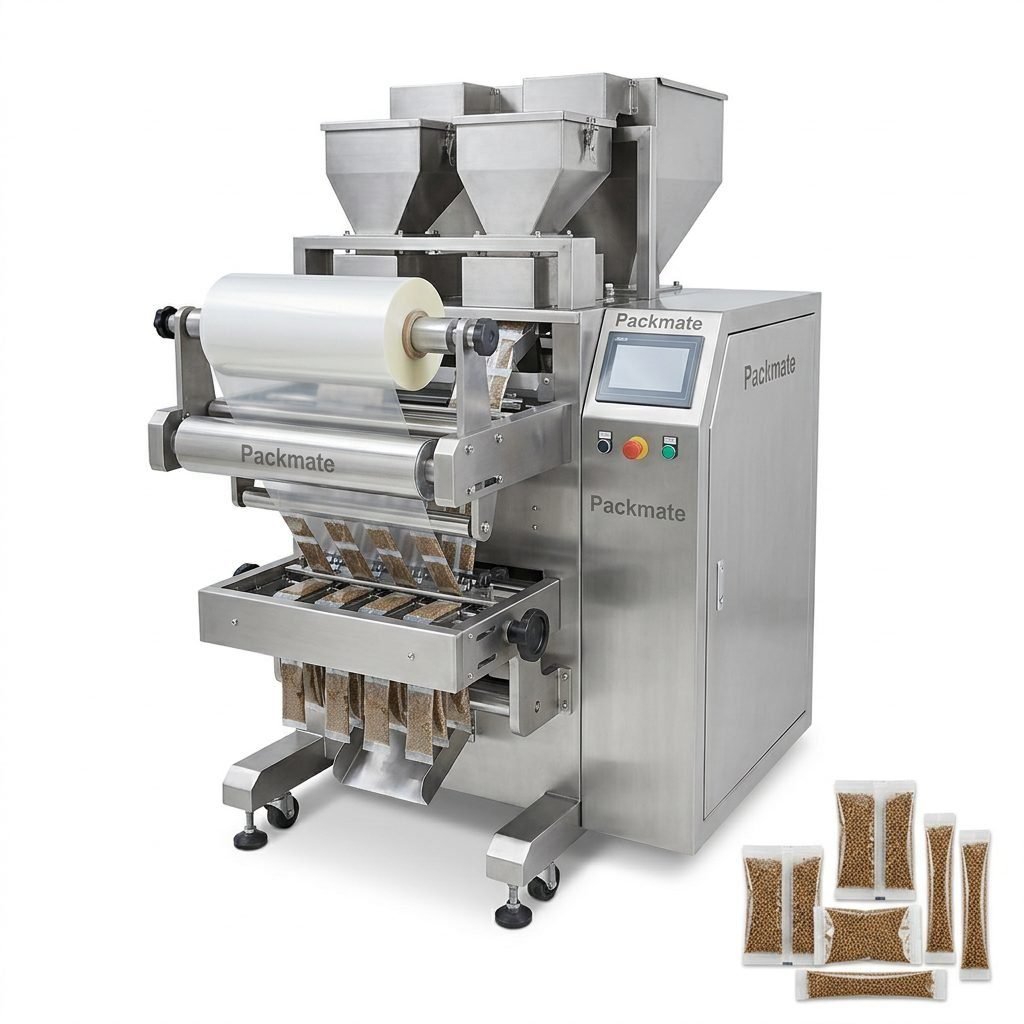
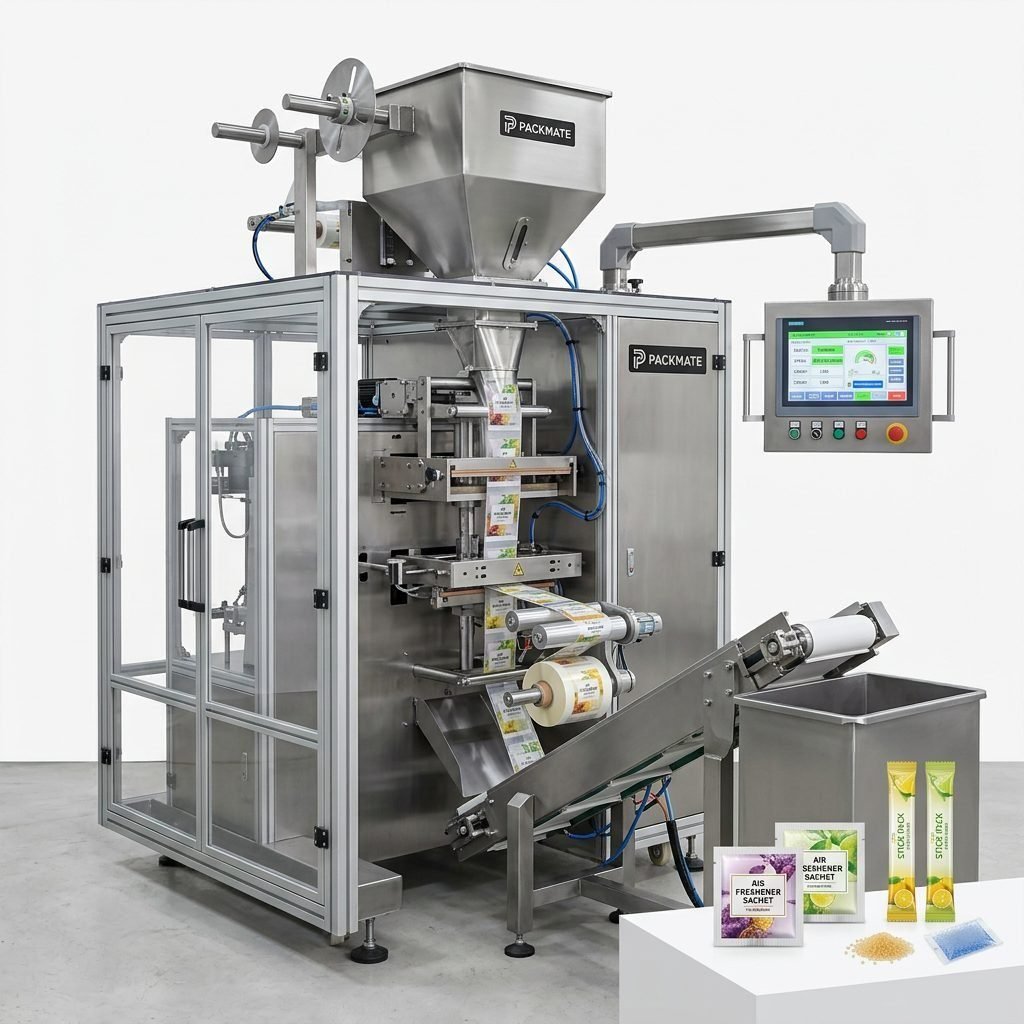
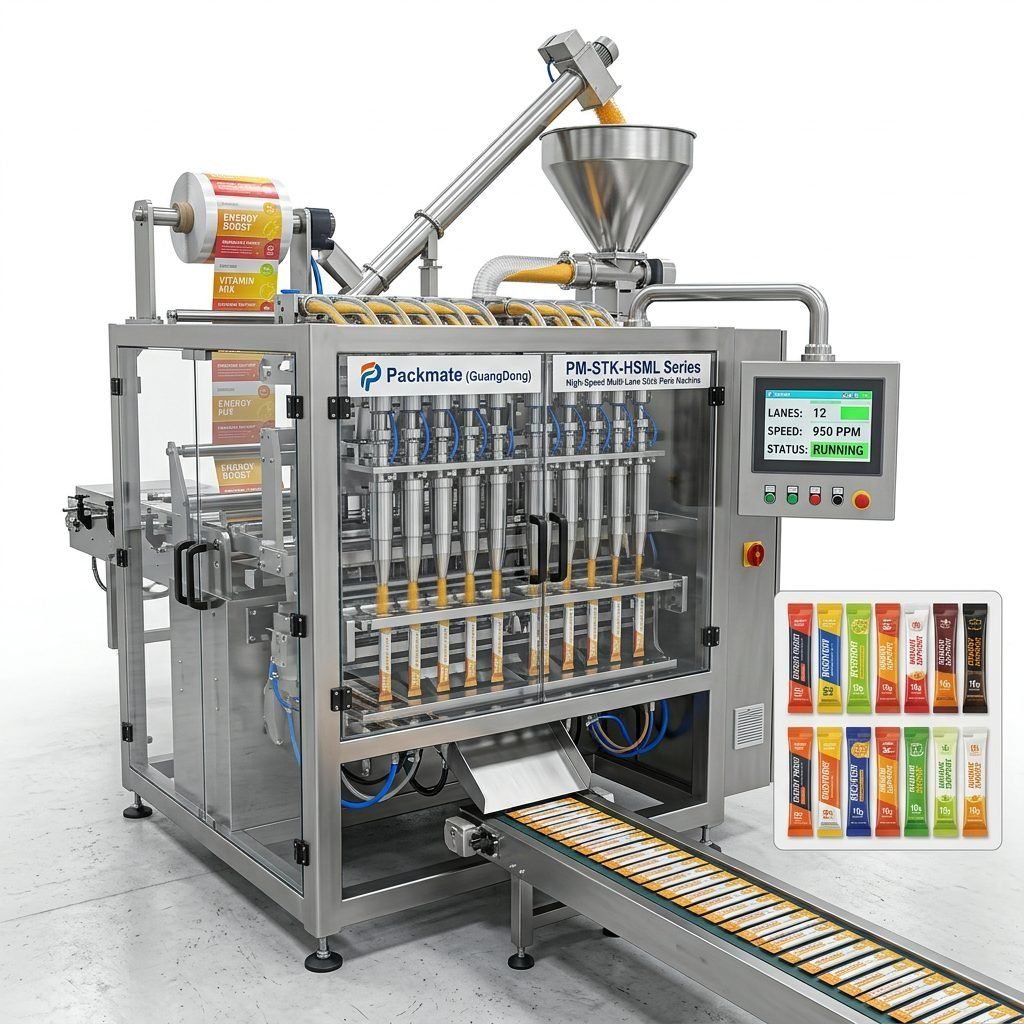
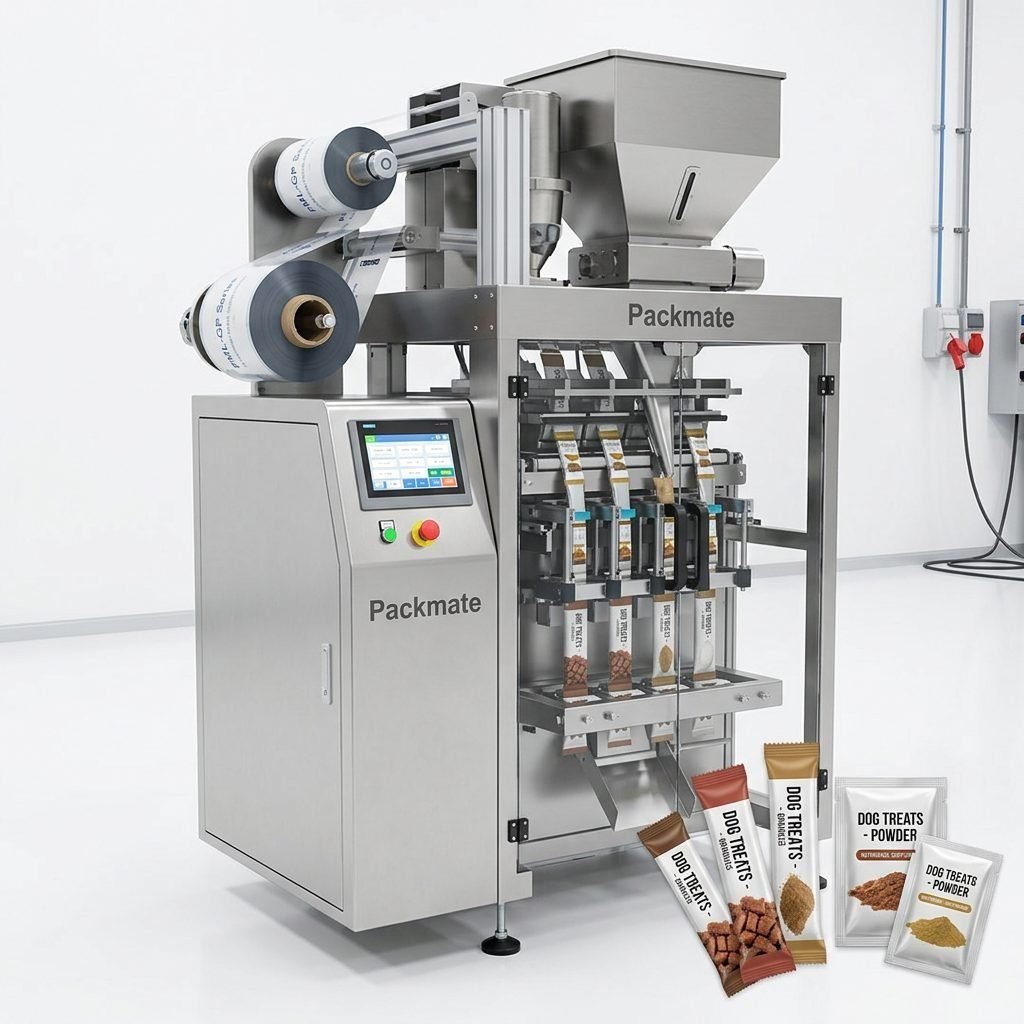
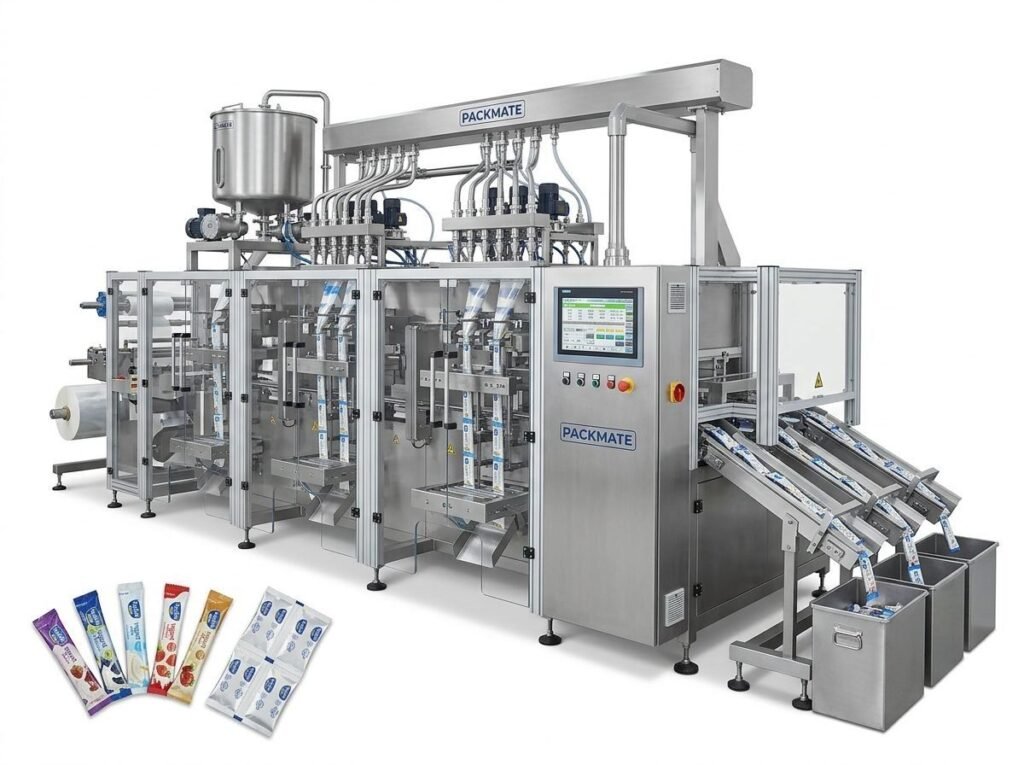
Perfect for free-flowing products like grains, powders, and liquids, VFFS machines form a tube from film, fill it from above, and create seals horizontally to separate individual packs. The sealing system is critical for maintaining portion control and preventing leaks. Modern VFFS machines offer advanced sealing controls that adjust temperature and pressure in real-time for different materials, guaranteeing a perfect seal every time. For businesses looking to package powders or granules into precise doses, exploring sachet and stick pack machines can provide specialized, efficient solutions.
3. Thermoforming and Tray Sealing Machines
Common in the food and pharmaceutical sectors, these machines form a plastic cavity (tray) to hold the product, then apply a lidding film and seal it under heat and pressure. This creates a hermetic seal ideal for modified atmosphere packaging (MAP), which replaces air inside the package with a gas mixture to dramatically extend freshness. The reliability of the seal is absolute, making it a gold standard for ready-to-eat meals, medical devices, and sterile products.
Choosing the Right Sealing Technology: A Quick Guide
For Powders & Granules: Vertical Form-Fill-Seal (VFFS) or multi-lane stick pack machines offer excellent precision and speed.
For Liquids & Pastes: Liquid filling lines with integrated sealing, or specialized sachet machines, prevent leakage and ensure clean seals.
For Solid Items or Mixed Components: Horizontal Form-Fill-Seal (HFFS) or bag and pouch packaging machines provide flexibility in pouch size and shape.
For Maximum Shelf-Life & Sterility: Thermoforming with tray sealing and Modified Atmosphere Packaging (MAP) is the most robust choice.
Features that Drive Efficiency and Safety
Beyond the basic sealing mechanism, modern machines incorporate features that elevate efficiency, safety, and compliance.
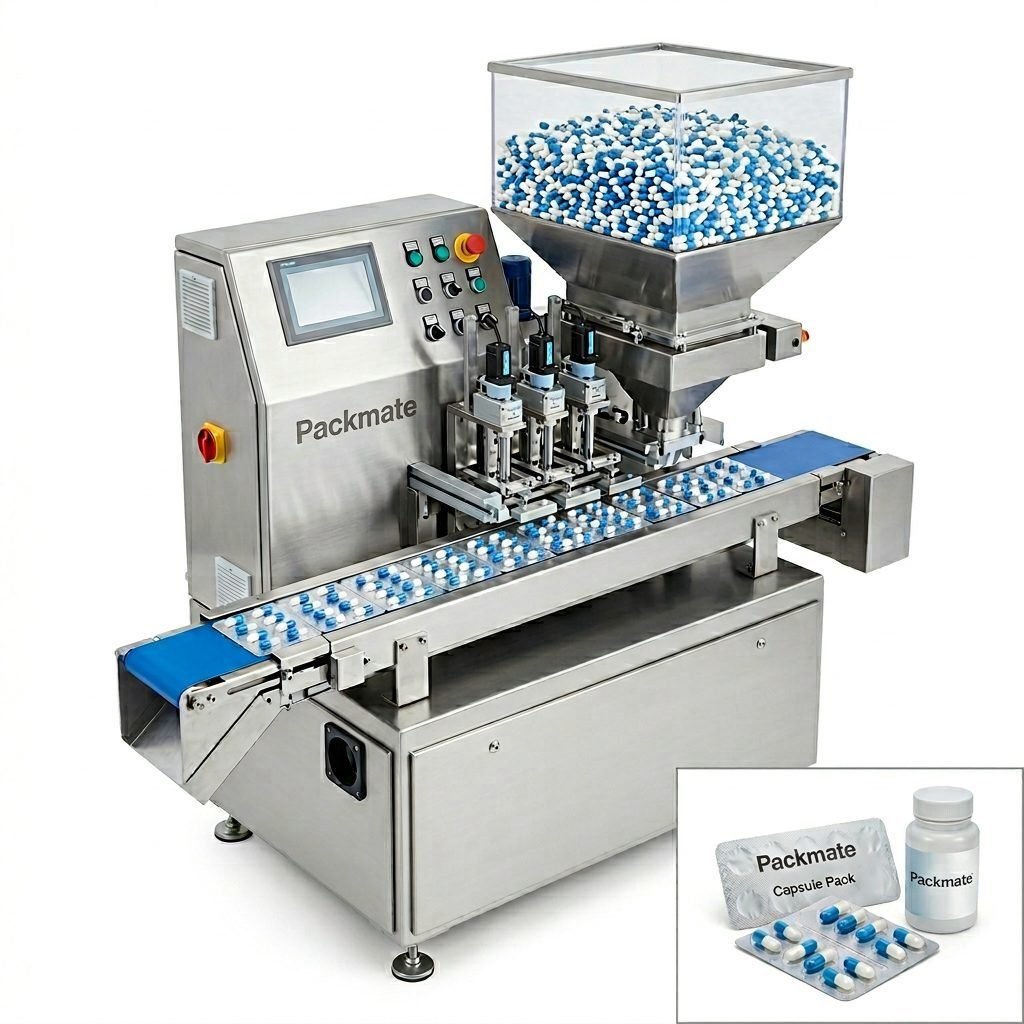
Precision Weighing Systems: Integrated multi-head weighers or auger fillers ensure accurate dosing before sealing, preventing underfills or overfills that can compromise seal integrity. Learn more about integrated weighing and packaging systems.
Inert Gas Flushing: For oxygen-sensitive products, machines can flush the package with nitrogen or other gases before the final seal, removing oxygen that causes oxidation and spoilage.
Vision Inspection Systems: High-resolution cameras inspect each seal for defects, wrinkles, or contamination in real-time, automatically rejecting faulty packages.
User-Friendly HMI & Data Logging: Touch-screen interfaces allow for easy setup and changeovers, while data logging capabilities help track production metrics and seal quality for audit trails.
Quick-Change Parts & Easy Cleaning: Sanitary design with quick-disconnect seals and tooling reduces downtime for product changeovers and cleaning, crucial for industries with strict hygiene protocols.
The Importance of a Trusted Manufacturing Partner
Selecting the right machine is only half the battle. Partnering with a manufacturer that has deep expertise and a proven track record is essential for long-term success. A partner like Packmate Machinery brings over 30 years of specialized experience in building intelligent packaging equipment. With a modern 20,000㎡ facility and a portfolio of over 50 machine models, they understand the nuanced demands of sealing for product safety. Their journey, from a small workshop in 1993 to a leading provider of turnkey solutions today, is built on a foundation of quality and innovation. This expertise translates into machines that are not only reliable but also designed with the operational efficiencies and safety safeguards that modern production lines require.
Final Considerations Before Investment
Before finalizing your sealing packaging machine solution, conduct a thorough analysis of your current and future needs. Evaluate your product characteristics, desired packaging materials, required output speed, and available factory space. Consider the total cost of ownership, including energy consumption, maintenance needs, and the availability of spare parts and technical support from the manufacturer. A well-chosen machine from a reputable partner becomes a valuable asset that protects your products, satisfies your customers, and drives your business growth for years to come.
Frequently Asked Questions (FAQs)
What is the most important factor in choosing a sealing machine for food products?
The most critical factor is the machine’s ability to create a consistent, hermetic seal with the specific packaging material you use (e.g., laminated films for barriers). It must also be constructed with food-grade, easy-to-clean materials (sanitary design) to comply with food safety regulations like HACCP and prevent contamination.
Can one sealing machine handle different types of packaging materials?
Many modern machines offer versatility, but significant material changes (e.g., from a thin laminate to a thick foil) often require adjustments or changes to the sealing jaws, temperature profiles, and pressure settings. Machines designed for quick tooling changeovers provide the greatest flexibility for multi-product facilities.
How does Modified Atmosphere Packaging (MAP) enhance product safety?
MAP replaces the air inside a package with a protective gas mixture (like nitrogen and carbon dioxide). This inhibits the growth of aerobic bacteria and molds, slows down oxidation, and dramatically extends the shelf life of perishable products like meats, cheeses, and prepared foods, all secured by a reliable seal.
What routine maintenance is required for sealing jaws?
Regular maintenance is key. It typically involves cleaning the jaws to remove any film residue or product debris, checking for wear or damage on the sealing surface, and verifying that the heating elements are functioning evenly to ensure consistent seal temperature across the entire jaw length.
Why is partner support crucial after purchasing a sealing and packaging line?
Comprehensive after-sales support ensures maximum uptime and longevity. This includes access to genuine spare parts, remote troubleshooting assistance, on-site technician availability for complex repairs, and software updates. A strong partner provides training for your operators and remains a resource for optimizing your packaging process long after the sale.