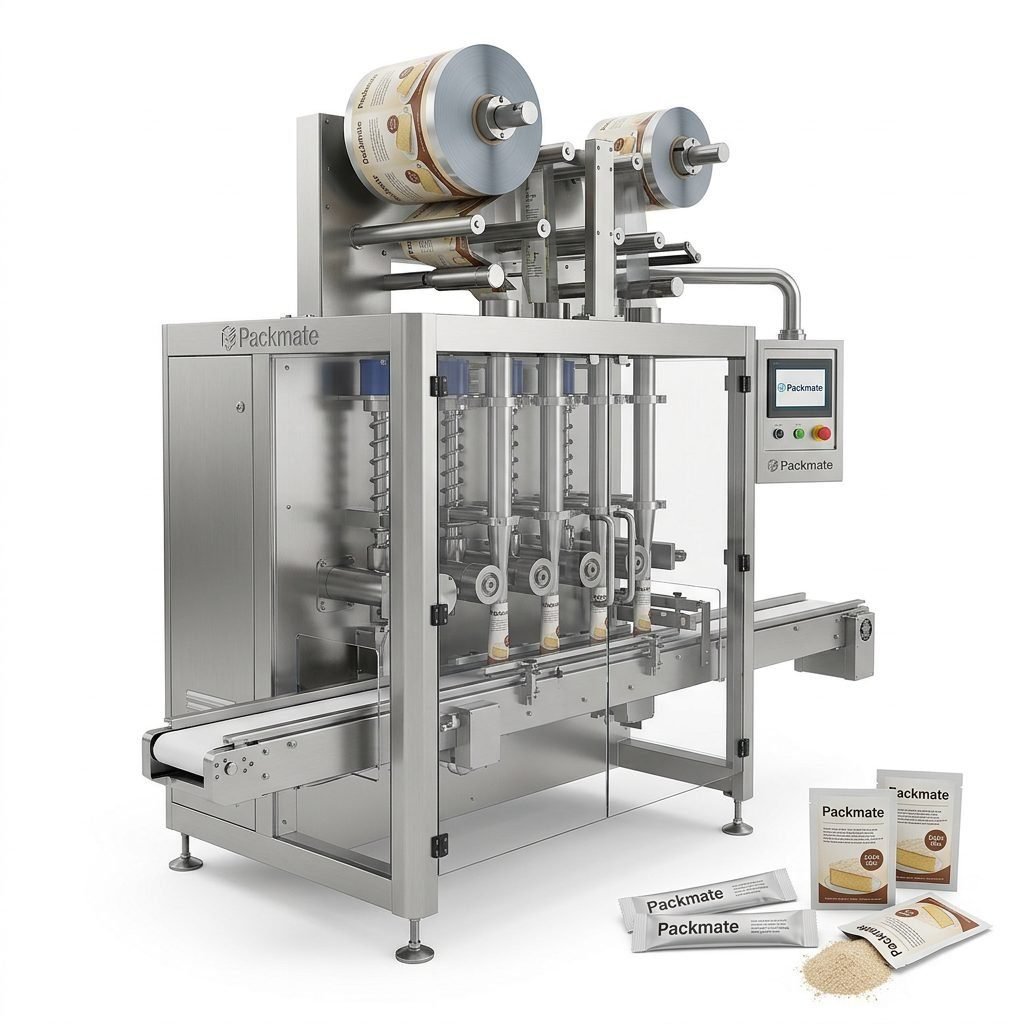
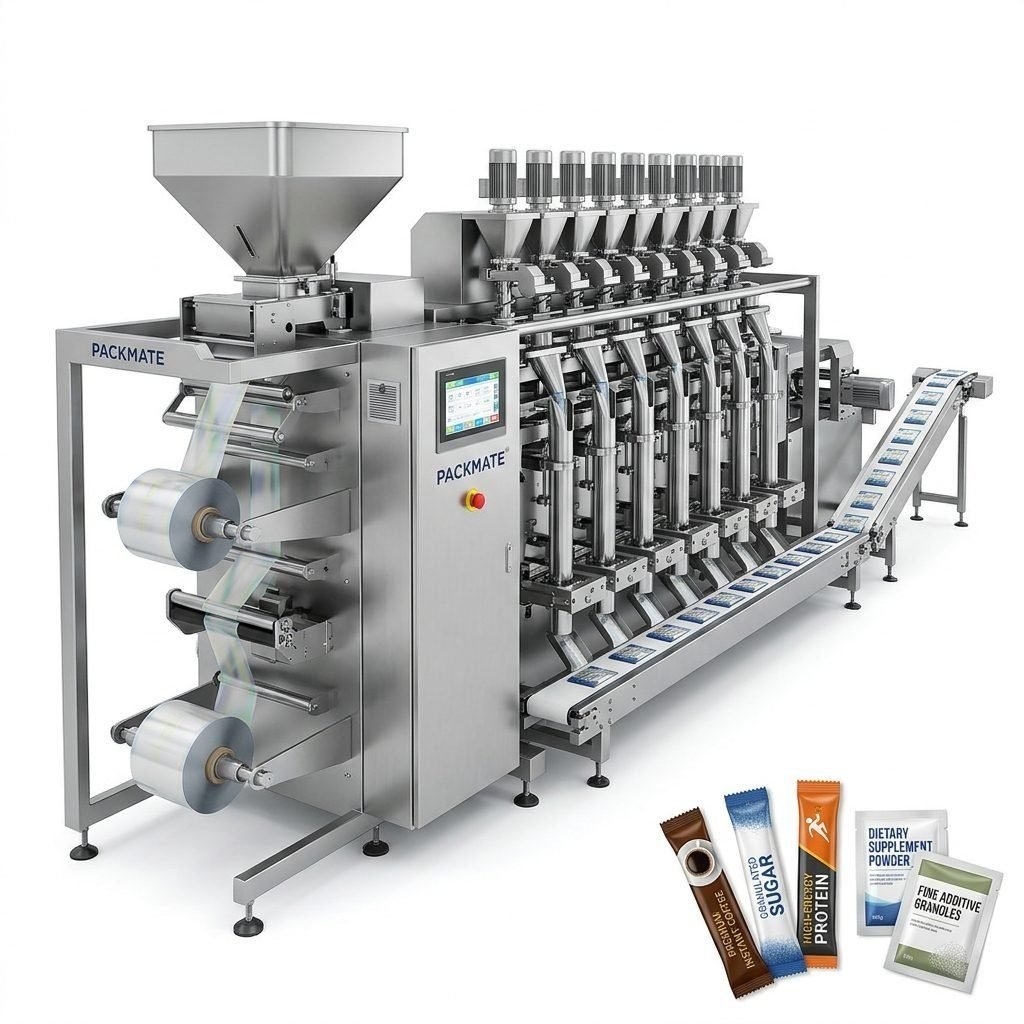
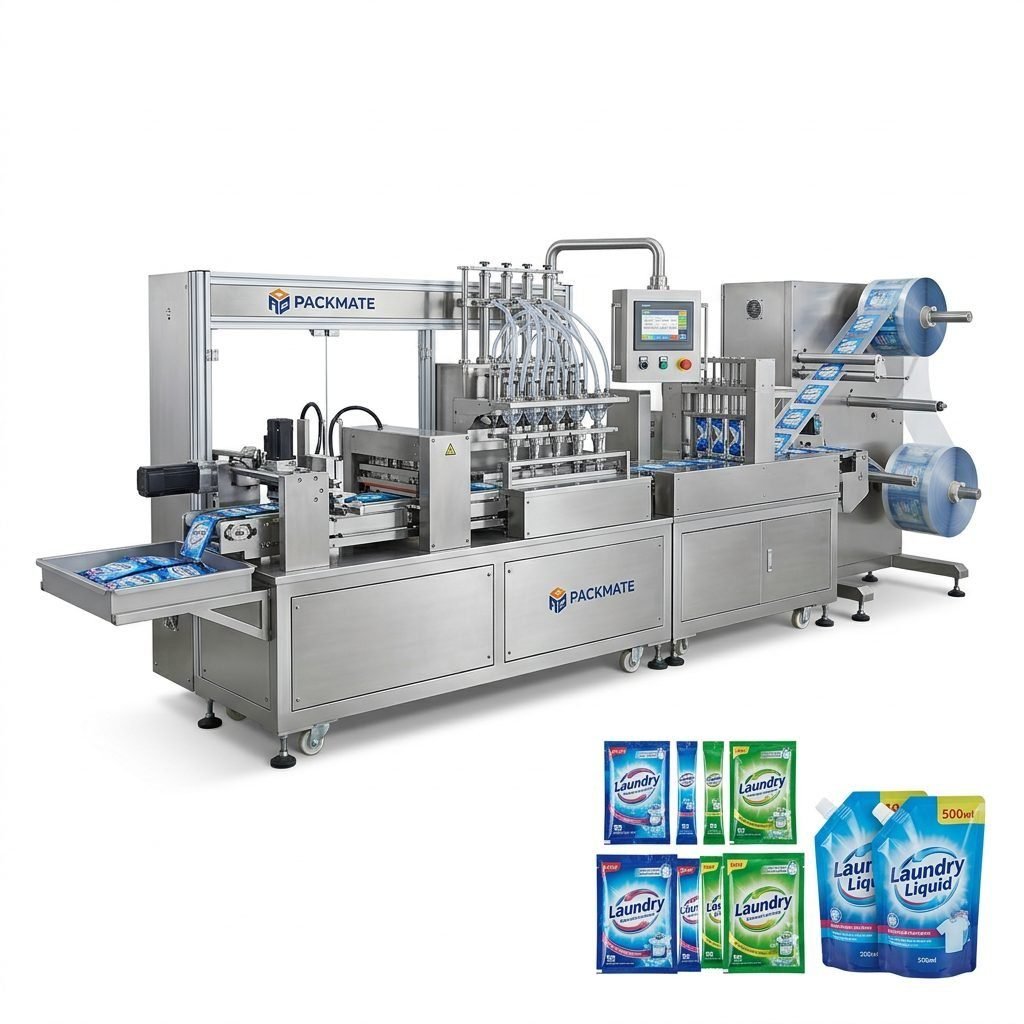
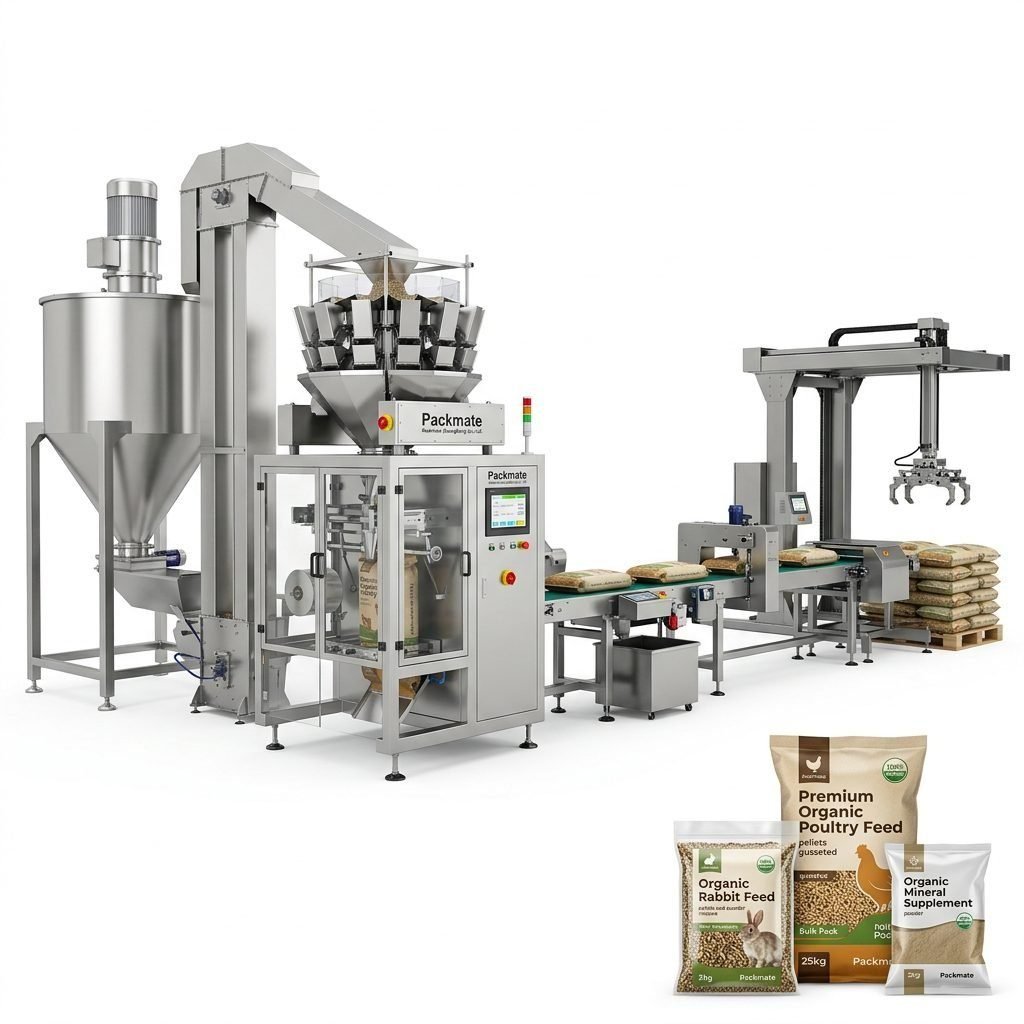
Navigating the world of thermoforming blister packaging machines can be a complex task, whether you’re a seasoned manufacturer looking to upgrade or a new entrant in the pharmaceutical, food, or consumer goods industries. This guide aims to demystify the process, providing essential buying tips and operational insights to help you make an informed investment that boosts your production efficiency and product quality.
Understanding Thermoforming Blister Packaging
Thermoforming blister packaging is a versatile process where a plastic sheet is heated to a pliable forming temperature, formed to a specific shape in a mold, and trimmed to create a usable product—the blister. A separate backing material, often foil or card, is then sealed to the blister to encase the product securely. This method is exceptionally popular for unit-dose packaging, offering excellent product visibility, protection from moisture and contamination, and tamper evidence. Machines that automate this process are critical for high-volume, consistent production.
The core advantage of this packaging lies in its barrier properties and consumer convenience. For pharmaceuticals, it ensures dose accuracy and extends shelf life. For small hardware or electronics components, it provides organized, retail-ready presentation.
Key Components of a Blister Packaging Machine
A standard thermoforming blister packaging line integrates several key stations:
Unwinding & Heating Station: A roll of plastic film (like PVC, PET, or Aclar) is fed into the machine and heated uniformly.
Forming Station: Using either pneumatic, mechanical, or servo-driven mechanisms, the softened film is drawn into molds to form blister pockets.
Product Loading Station: Tablets, capsules, or other items are placed into the formed blisters. This can be manual, semi-automatic, or fully automatic using sophisticated feeding systems.
Sealing Station: A lidding material (foil or paper) is placed over the filled blister and heat-sealed under pressure.
Punching & Cutting Station: The sealed blister sheet is die-cut into individual blisters or strips.
Critical Buying Tips for Your Machine
Selecting the right machine is a capital-intensive decision. Here are the most critical factors to consider during your evaluation.
1. Assess Your Production Requirements
Begin by clearly defining your needs. What is your required output speed (blisters per minute)? What are the dimensions and shape of your blister? What types of forming and lidding materials will you use? Your answers will directly determine the machine’s specifications and price point. For high-volume needs, a fully automatic continuous motion machine is essential. For smaller batches or R&D, a semi-automatic machine might be more cost-effective.
2. Evaluate Machine Construction and Technology
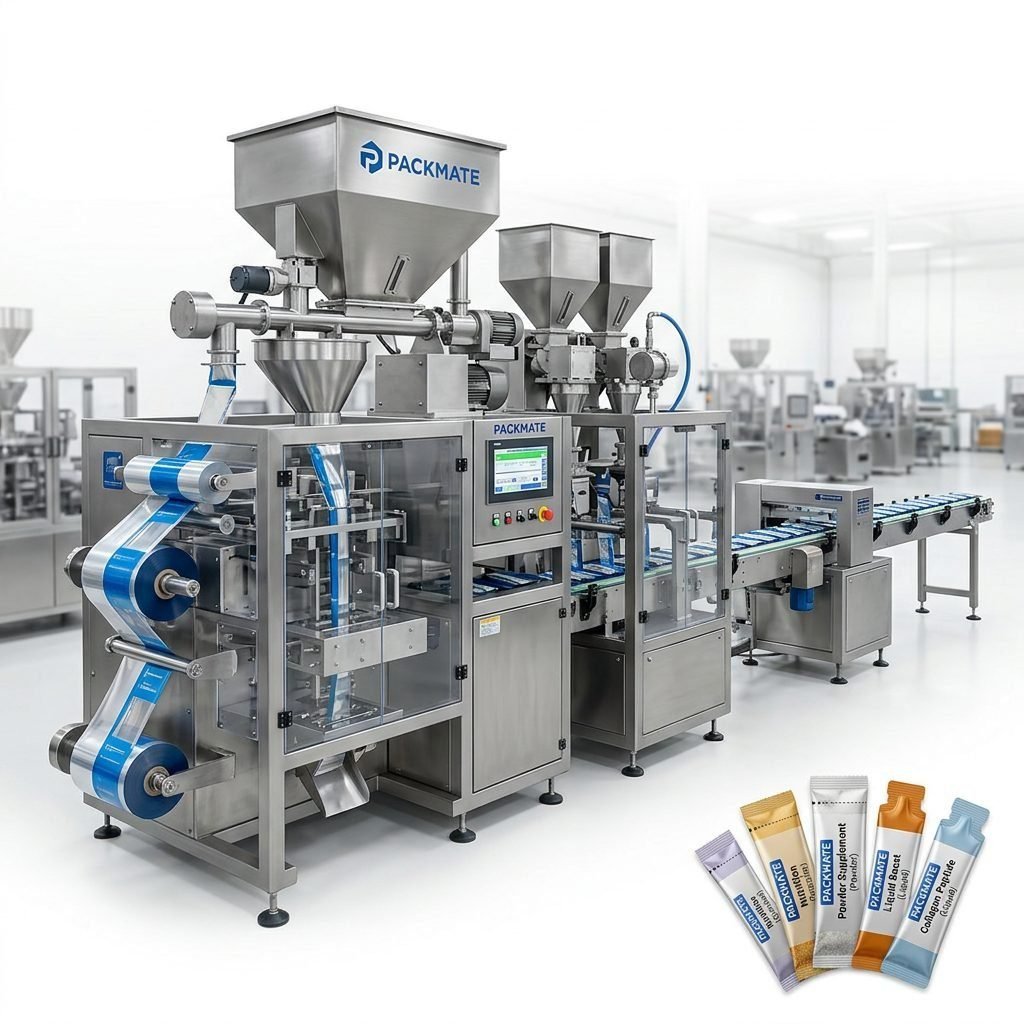
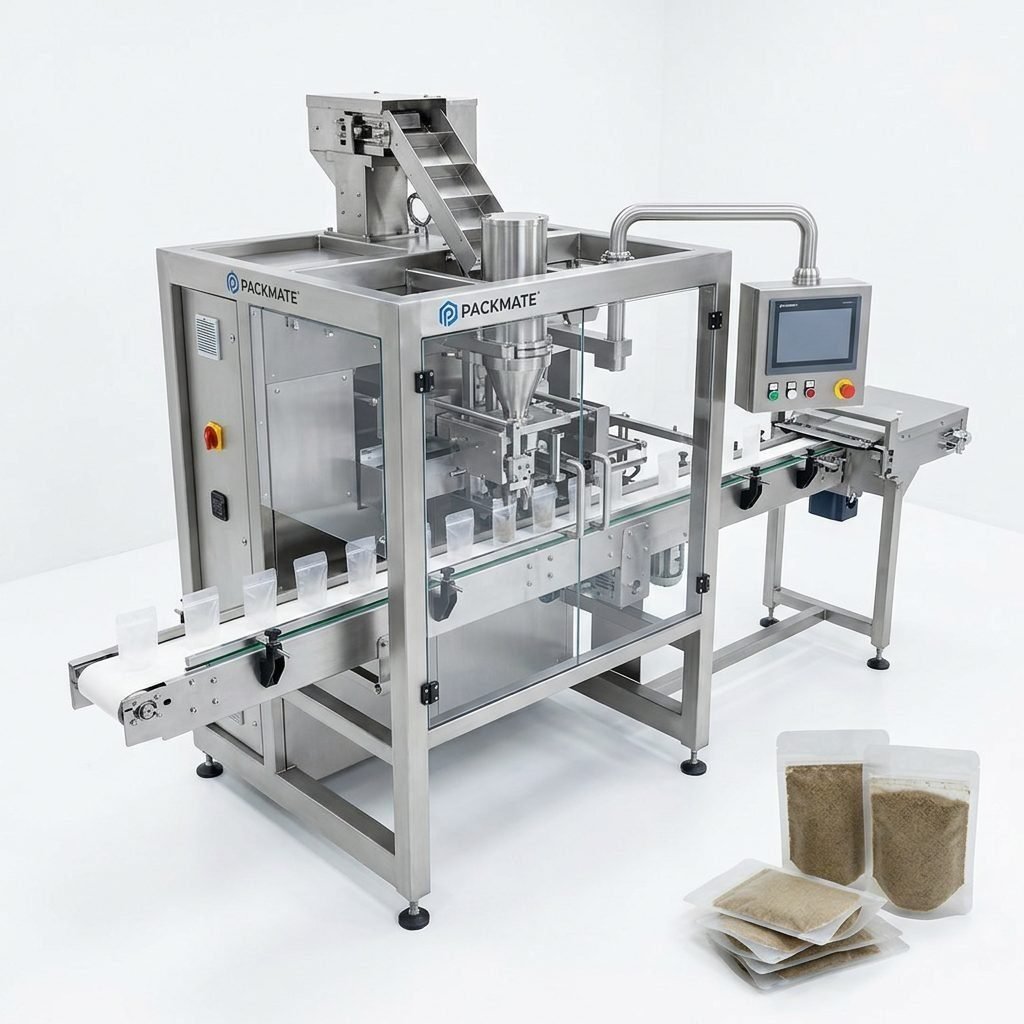
Durability and precision are paramount. Look for robust frames, high-quality PLC controls, and servo-driven systems for accuracy and energy efficiency. The type of forming technology—positive air pressure, plug assist, or vacuum forming—will affect the blister quality and the range of materials you can use. Modern machines from established manufacturers like Packmate Machinery often incorporate user-friendly HMI touchscreens for easier operation and changeover.
Pro Tip: Always request a live or recorded production test using your specific product and packaging materials. This is the best way to verify machine performance, speed, and final package quality before purchase.
3. Prioritize Flexibility and Changeover Time
Market demands change. A machine that allows for quick tooling changeovers (for different blister shapes and sizes) can save hours of downtime and increase your operational agility. Consider machines with quick-change mold systems and recipe storage functions.
4. Consider Integration and After-Sales Support
Your blister machine may need to integrate with upstream equipment like weighing systems or downstream cartoning lines. Ensure the supplier understands full-line integration. Furthermore, comprehensive after-sales support, training, and spare parts availability are non-negotiable. A supplier with a strong global service network, such as Packmate, ensures minimal disruption to your production.
Operational Best Practices
Once you have your machine, proper operation is key to longevity and quality.
Material Handling: Store forming and lidding films in a controlled environment to prevent moisture absorption or deformation.
Preventive Maintenance: Adhere strictly to the manufacturer’s maintenance schedule for heating elements, seals, and cutting tools.
Operator Training: Ensure all operators are thoroughly trained not just on running the machine, but on basic troubleshooting and safety protocols.
Conclusion
Investing in a thermoforming blister packaging machine is a strategic decision that impacts product integrity, brand perception, and production scalability. By thoroughly understanding your requirements, scrutinizing machine build quality and technology, and partnering with a reliable supplier who offers strong technical support, you can secure a machine that becomes a valuable asset for years to come. For a wide range of packaging solutions, explore the comprehensive portfolio at Packmate Machinery’s homepage.
Frequently Asked Questions (FAQs)
Q1: What is the typical production speed range for an automatic blister packaging machine?
Speeds vary greatly based on blister size and complexity. Standard machines can range from 40 to over 600 cycles (blisters) per minute. It’s crucial to match the machine’s rated speed with your actual output needs.
Q2: Can one machine handle different blister sizes and materials?
Yes, most machines are designed for flexibility. However, changing blister size requires a mold change, and changing material (e.g., from PVC to PET) may require adjustments to heating profiles and possibly different sealing jaws. Quick-change systems minimize this downtime.
Q3: How important is the sealing quality, and what affects it?
Sealing integrity is critical for product protection. It is affected by temperature, pressure, dwell time, and the compatibility of the forming web and lidding material. Consistent heat distribution across the sealing jaw is vital.
Q4: What are the common maintenance tasks for these machines?
Daily cleaning, weekly lubrication of chains and guides, and periodic inspection/replacement of heater bands, Teflon sheets on sealing jaws, and cutting punches are standard. Always follow the specific manual provided by your manufacturer.
Q5: What training is usually provided with a new machine purchase?
Reputable suppliers typically offer on-site installation, commissioning, and operational training for your technicians. This covers machine operation, basic troubleshooting, routine maintenance, and safety procedures.