In the world of food preservation and storage, vacuum sealing stands as a revolutionary technology. It dramatically extends the shelf life of perishables, locks in freshness, and protects against freezer burn and contamination. For businesses and serious home users, investing in a professional-grade vacuum seal packaging machine is a game-changer. This guide explores the best options available, helping you select the ideal machine to meet your specific needs for food and storage applications.
Why Vacuum Sealing is Essential for Modern Food & Storage
The core principle of vacuum sealing is simple yet powerful: remove air from a specially designed bag and create an airtight seal. Oxygen is the primary culprit behind food spoilage, as it facilitates the growth of bacteria, mold, and yeast. By eliminating it, you significantly slow down the degradation process. For long-term storage of meats, vegetables, cheeses, and dry goods, this method is unparalleled. Beyond food, vacuum sealing is invaluable for protecting important documents, clothing, and electronics from moisture and oxidation during storage or travel.
A high-quality vacuum sealer does more than just suck air. It ensures a strong, consistent, and reliable seal that won’t fail over time. This durability is critical when storing items for months, whether in a pantry, refrigerator, or deep freezer. For commercial kitchens, food processors, and meal-prep services, the efficiency and waste reduction offered by industrial machines translate directly into cost savings and improved product quality.
Key Features to Look for in a Vacuum Sealer
Not all vacuum sealers are created equal. When evaluating machines, consider these crucial features:
- Sealing Mechanism & Bar Strength: The quality of the seal is paramount. Look for machines with a wide, heated sealing bar that can handle multiple bag layers and moist surfaces. A stronger vacuum pump (measured in bar or kPa) removes more air, leading to better preservation.
- Versatility & Bag Compatibility: Can the machine handle both pre-made bags and rolls? Does it offer attachments for sealing jars or canisters? Versatility increases the machine’s utility for different storage tasks.
- Pulse and Manual Modes: For delicate items like soft bread, berries, or leafy greens, a pulse function allows you to control the suction level to prevent crushing. A manual mode gives you full control over the sealing process.
- Durability & Construction: Commercial and heavy-duty models feature robust stainless steel or hardened plastic bodies, designed for continuous operation. For businesses like those showcased in our case studies, this reliability is non-negotiable.
- Ease of Cleaning & Maintenance: Spills happen. A machine with a removable drip tray and smooth, easy-to-wipe surfaces will save time and maintain hygiene.
Top Applications for Vacuum Seal Packaging Machines
The use cases for vacuum sealers span from the home kitchen to large-scale industrial operations.
Home & Meal Preparation: Home cooks use vacuum sealers to buy meat in bulk, portion it, and freeze it without freezer burn. It’s perfect for sous-vide cooking, marinating foods faster, and organizing pantry staples like grains and nuts.
Commercial Food Service: Restaurants, butchers, and caterers rely on commercial vacuum sealers to preserve pre-prepped ingredients, reduce spoilage, and maintain consistency. It’s integral for inventory management and food safety compliance.
Long-Term Food Storage: For preppers, hunters, or anyone looking to build a long-term food supply, vacuum sealing dried beans, pasta, spices, and dehydrated foods in Mylar bags with oxygen absorbers is the gold standard.
Non-Food Storage: Protect heirlooms, important paperwork, seasonal clothing, and emergency kits from moisture, dust, and pests. Vacuum-sealed bags also save tremendous space in storage units and luggage.
Choosing the Right Machine: From Home Use to Industrial Scale
Selecting the best machine depends entirely on your volume, frequency of use, and budget.
Chamber Vacuum Machines
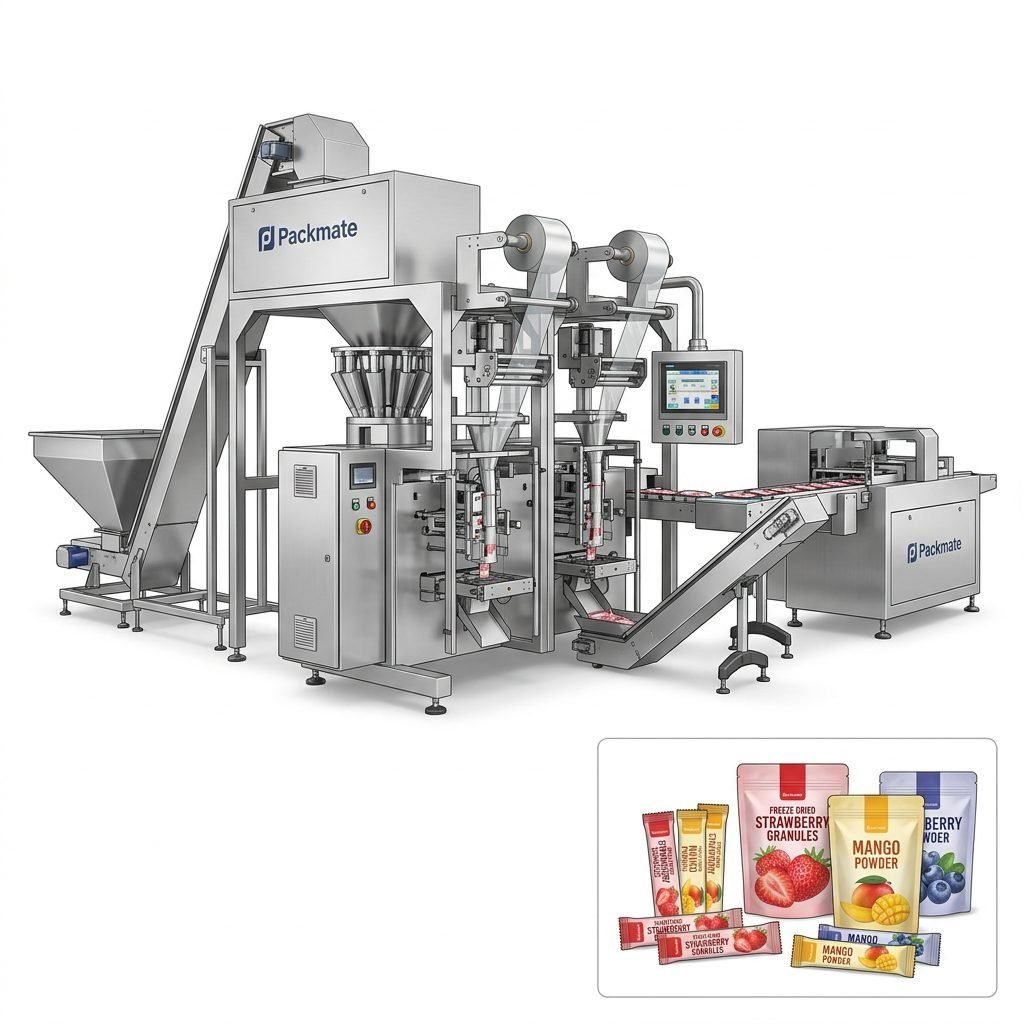
The professional’s choice for liquid-rich foods and high-volume work. The entire bag is placed inside a chamber. The machine removes air from the chamber itself, preventing liquids from being sucked out. This makes it ideal for soups, sauces, marinated meats, and wet vegetables. While larger and more expensive, they are faster, more powerful, and use less expensive bag material. For businesses requiring this level of performance, exploring our range of integrated filling and packaging lines can provide complete automation solutions.
External (Suction) Vacuum Sealers
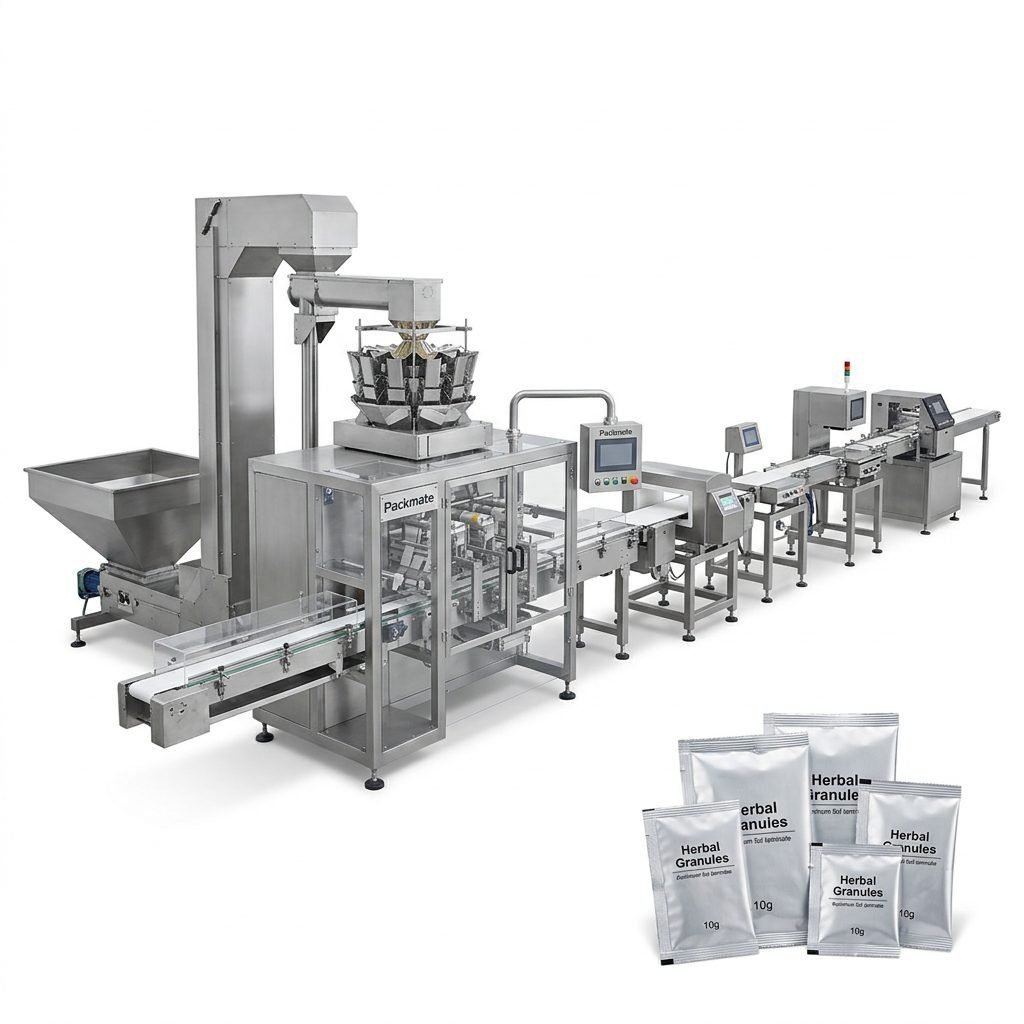
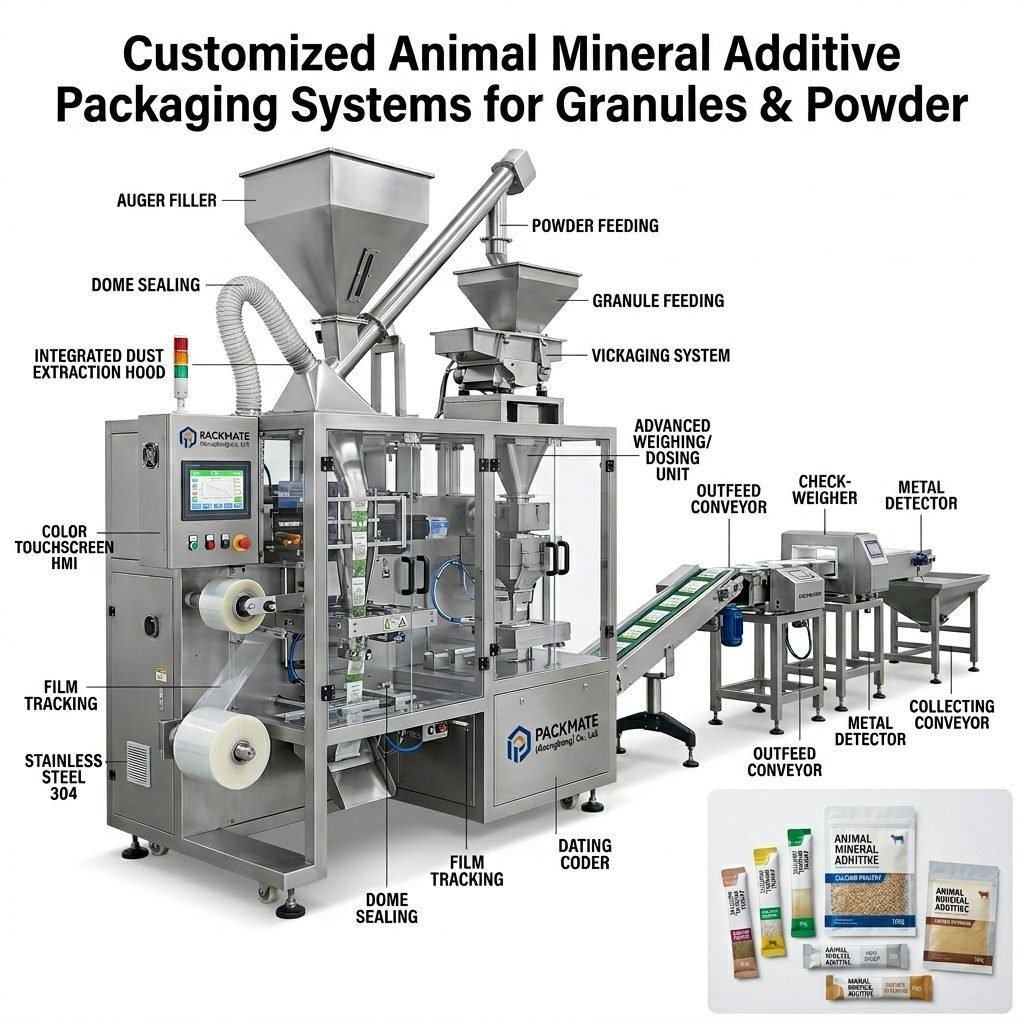
The most common type for home and light commercial use. The machine’s nozzle sucks air directly from the bag. They are more affordable, compact, and user-friendly. However, they can struggle with moist contents and generally use more expensive pre-channeled bags. For packaging dry goods, powders, or granules, an external sealer paired with a precise weighing and packaging system can create a highly efficient workflow.
Handheld & Portable Sealers
These compact, battery-operated devices are great for travel, quick sealing of snacks, or occasional use. They are not suitable for long-term food preservation or large items but offer convenience for specific, on-the-go tasks.
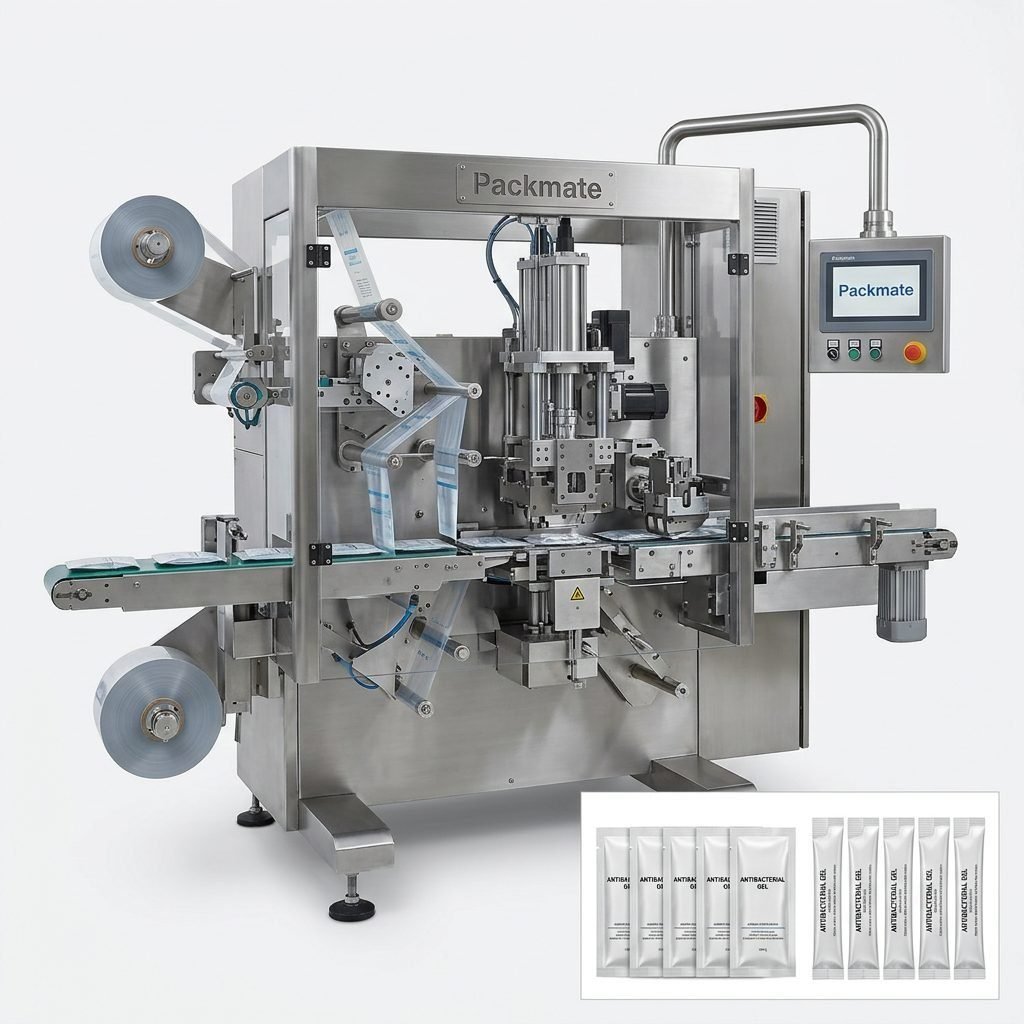
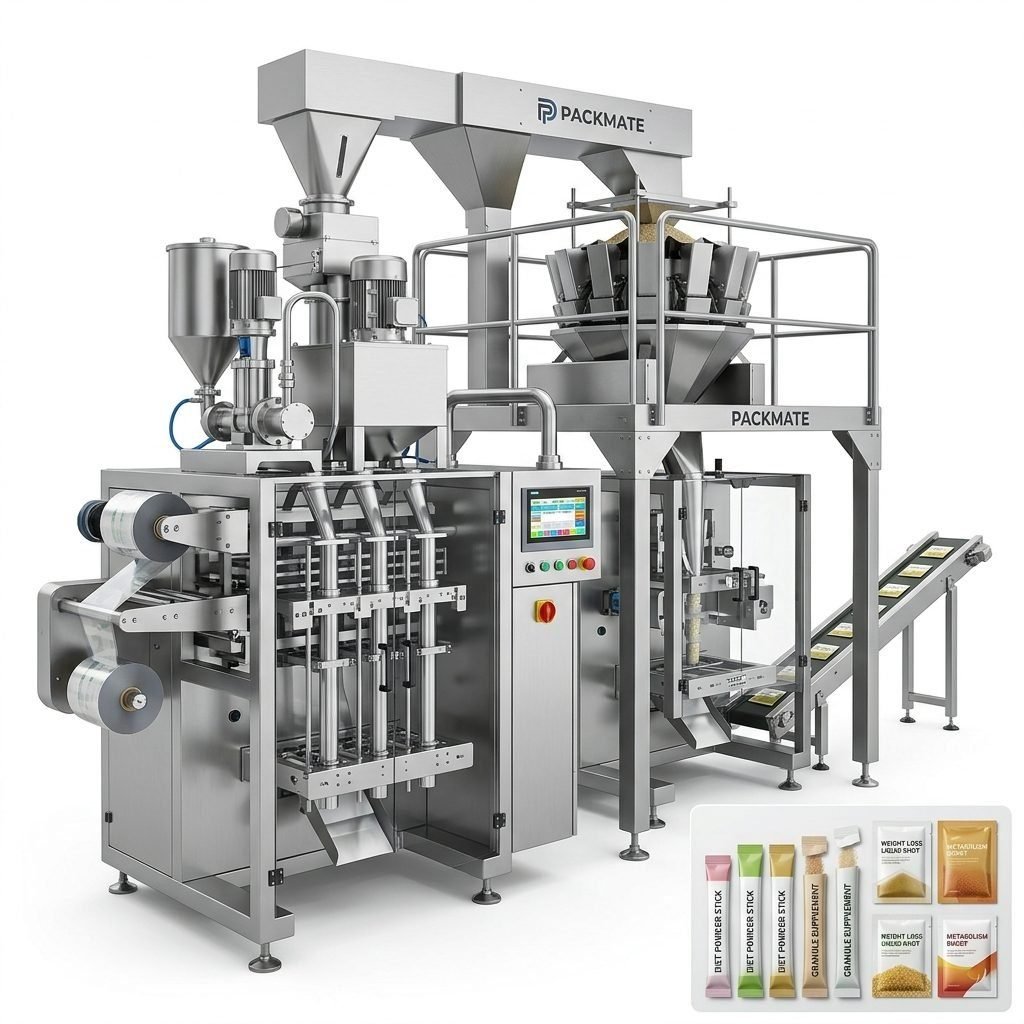
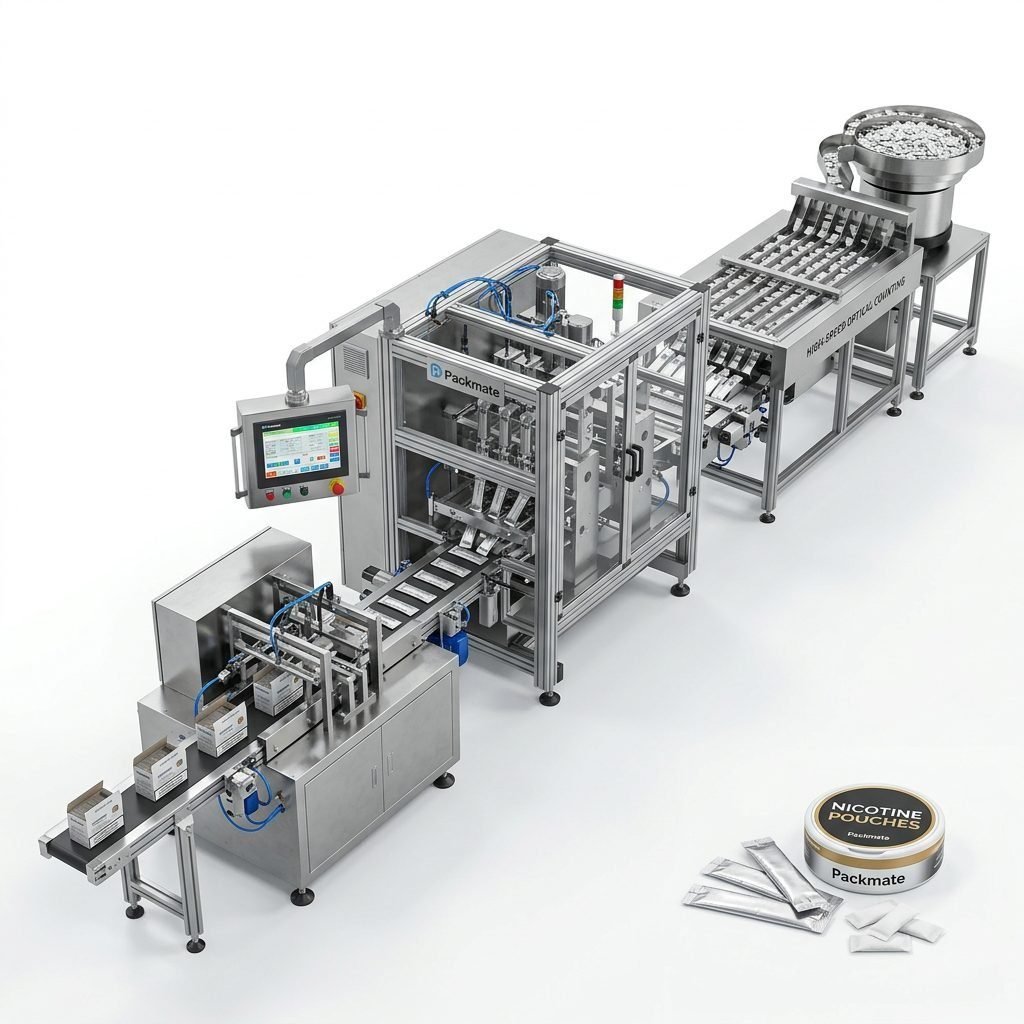
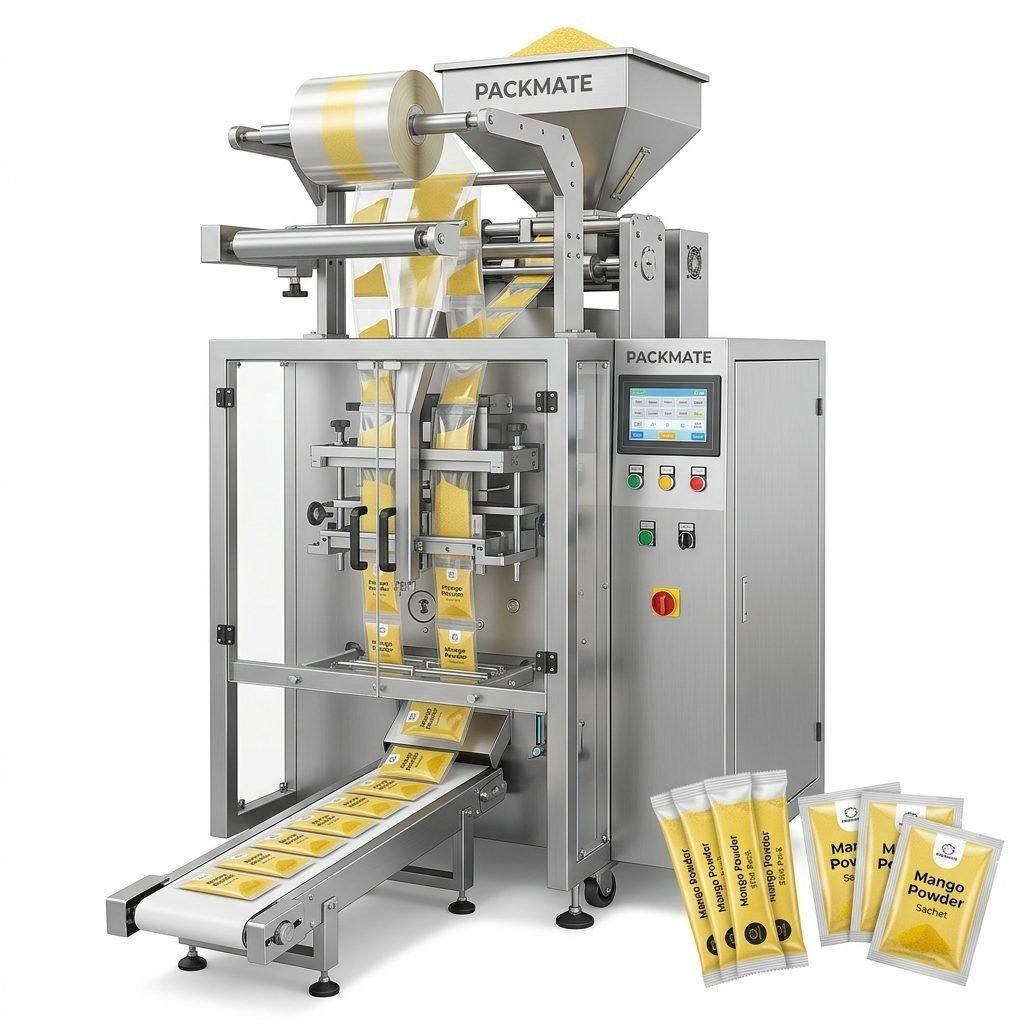
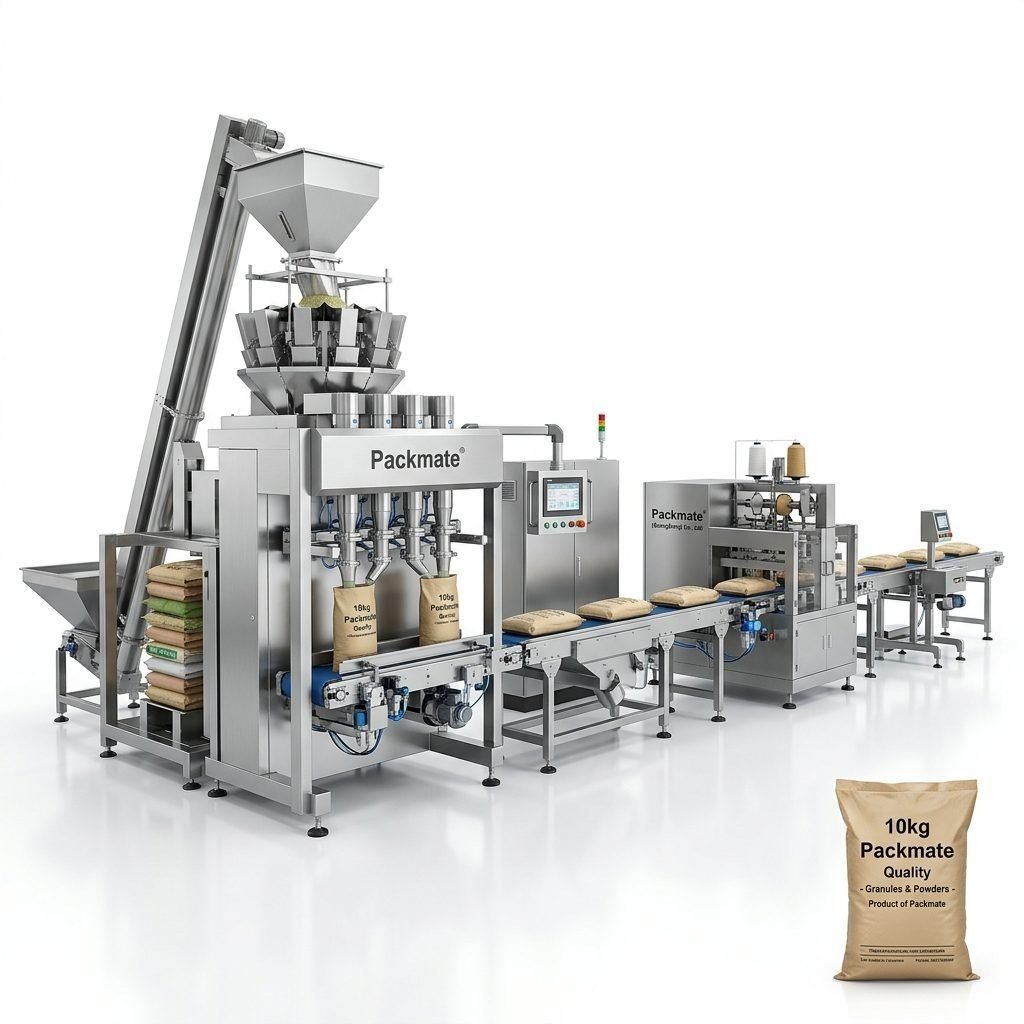
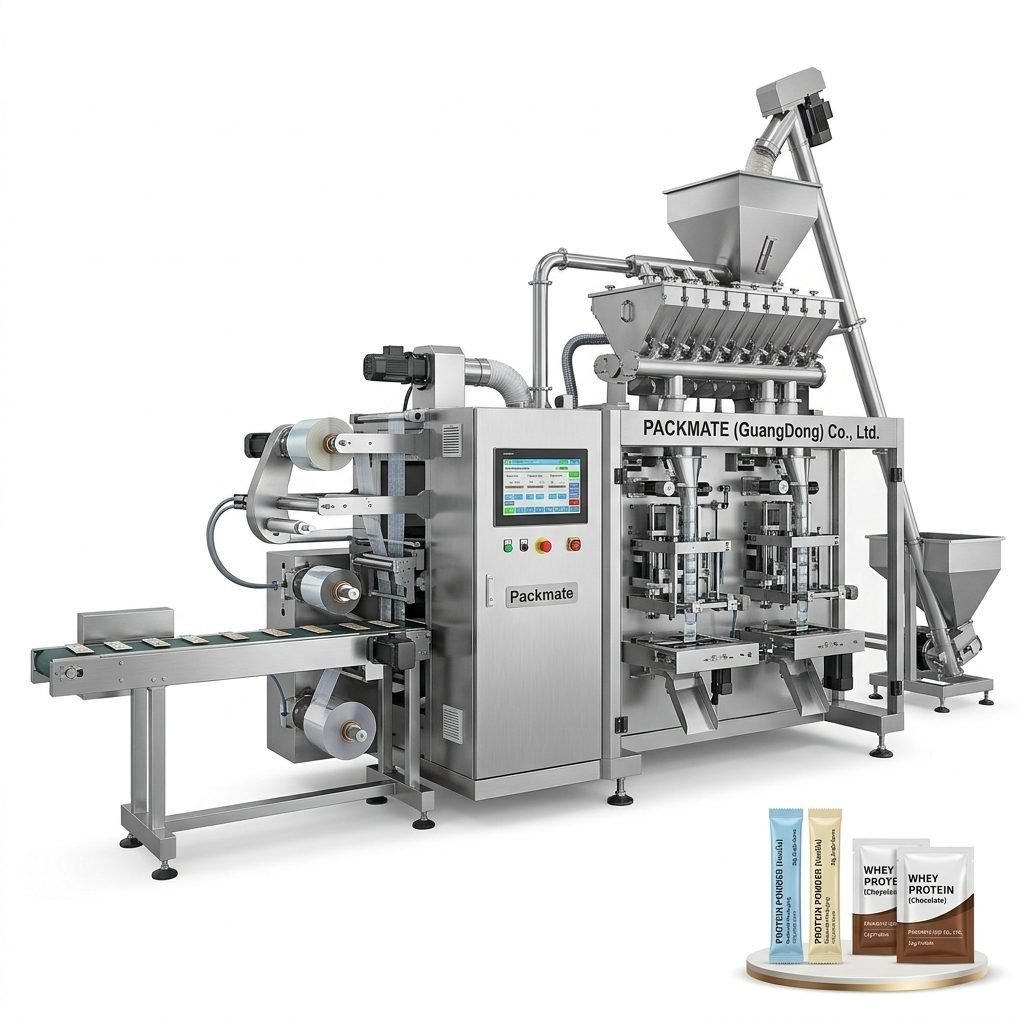
Pro Tip for Businesses: When scaling up, consider not just the sealer but the entire packaging ecosystem. Automated systems that include bag forming, filling, vacuum sealing, and coding in one continuous line—such as advanced bag and pouch packaging machines—maximize throughput, minimize labor, and ensure consistency. A partner with deep expertise, like Packmate Machinery with over 30 years in the industry, can help design the optimal turnkey solution.
Maintenance and Best Practices for Longevity
To ensure your vacuum sealer performs reliably for years, follow these guidelines. Always keep the sealing bar clean from any residue or liquid, as this is the most common cause of seal failure. Use only bags recommended for your machine’s heat setting and thickness. For external sealers, avoid overfilling bags and ensure the open end is clean and dry before sealing. Regularly check and empty the drip tray. For industrial machines, adhere to the manufacturer’s scheduled maintenance for the vacuum pump and sealing elements.
Frequently Asked Questions (FAQ)
What is the main difference between a chamber and an external vacuum sealer?
The fundamental difference lies in how air is removed. An external sealer sucks air directly from the bag, which can pull out liquids. A chamber sealer removes air from a sealed chamber containing the bag, making it far superior for wet or liquid products and generally achieving a stronger vacuum.
Can I use any plastic bags with my vacuum sealer?
No, you cannot. You must use bags specifically designed for vacuum sealing. They are made from multi-layer, food-grade materials (like nylon and polyethylene) that are durable, puncture-resistant, and can form an airtight heat seal. Using improper bags will result in poor seals, bag failure, and potential food safety issues.
How long does vacuum-sealed food last?
Vacuum sealing significantly extends shelf life, but it is not a substitute for proper storage temperature. In the freezer, vacuum-sealed meats can last 2-3 years compared to 6 months with conventional wrapping. In the refrigerator, cooked foods may last 1-2 weeks, and raw meats 3-5 days, always depending on the initial freshness of the product.
Is it safe to vacuum seal raw mushrooms or soft cheeses?
Caution is advised. Certain fresh vegetables (like mushrooms) and soft cheeses contain anaerobic bacteria (like botulism) that can thrive in oxygen-free environments. For these items, it is safest to cook or blanch them before vacuum sealing and to always store them frozen if sealed for long periods.
My commercial sealer’s seal is weak. What should I check first?
First, ensure the sealing bar is completely clean and free of debris or burnt plastic. Check that the bag is properly positioned and not overfilled at the seal area. Verify the heat and seal time settings are correct for the bag material you are using. If problems persist, the sealing bar or gasket may need professional servicing or replacement.