The world of manufacturing is constantly evolving, with efficiency and precision at its core. For businesses handling granules, powders, and liquids—from food and pharmaceuticals to health supplements—the choice of packaging machinery is a critical operational decision. Selecting the right automated packaging machinery manufacturer can be the difference between a streamlined, profitable production line and one plagued by downtime, waste, and inconsistency. This guide delves into the essential solutions and considerations for finding a partner that delivers not just a machine, but a comprehensive, reliable packaging system.
Core Solutions Offered by Leading Manufacturers
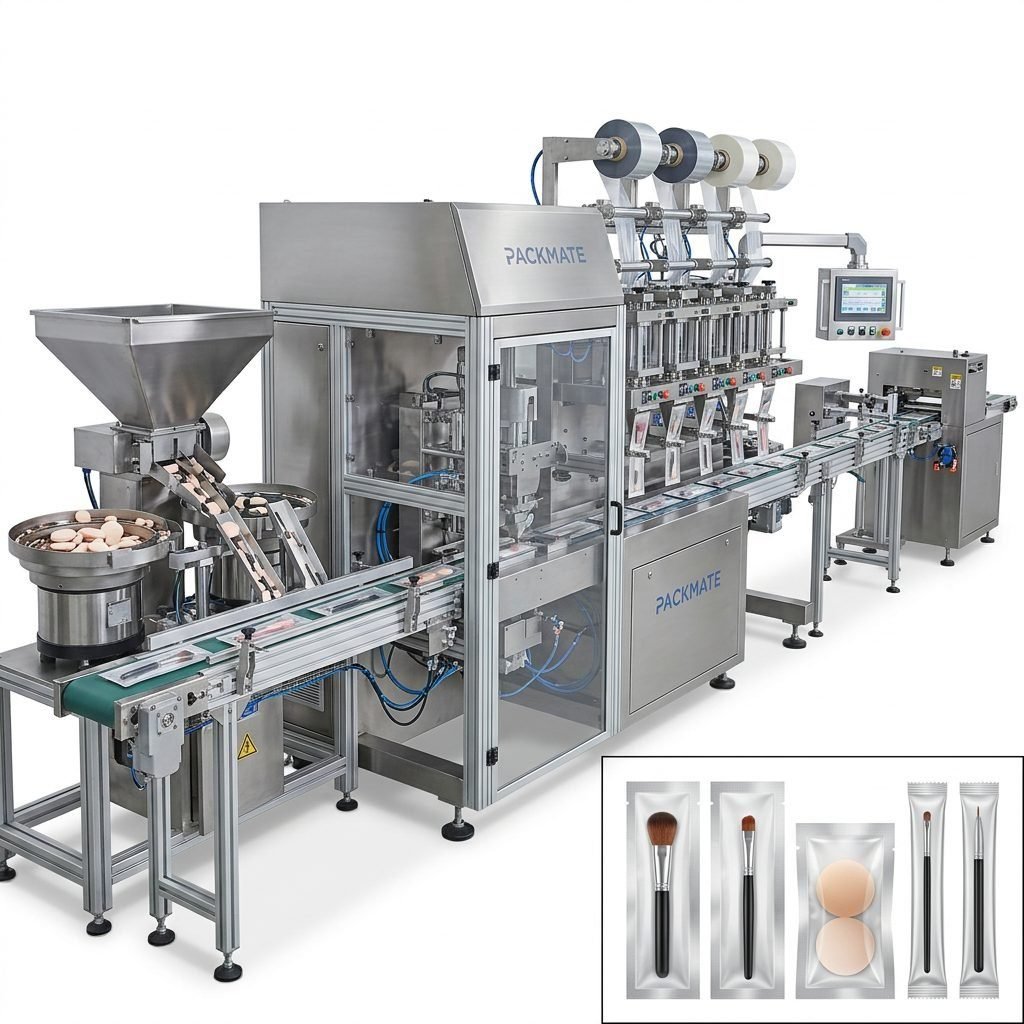
A top-tier manufacturer doesn’t just sell equipment; they provide tailored solutions that address the entire packaging workflow. The most sought-after solutions typically encompass several key machine types, each designed for specific formats and production speeds.
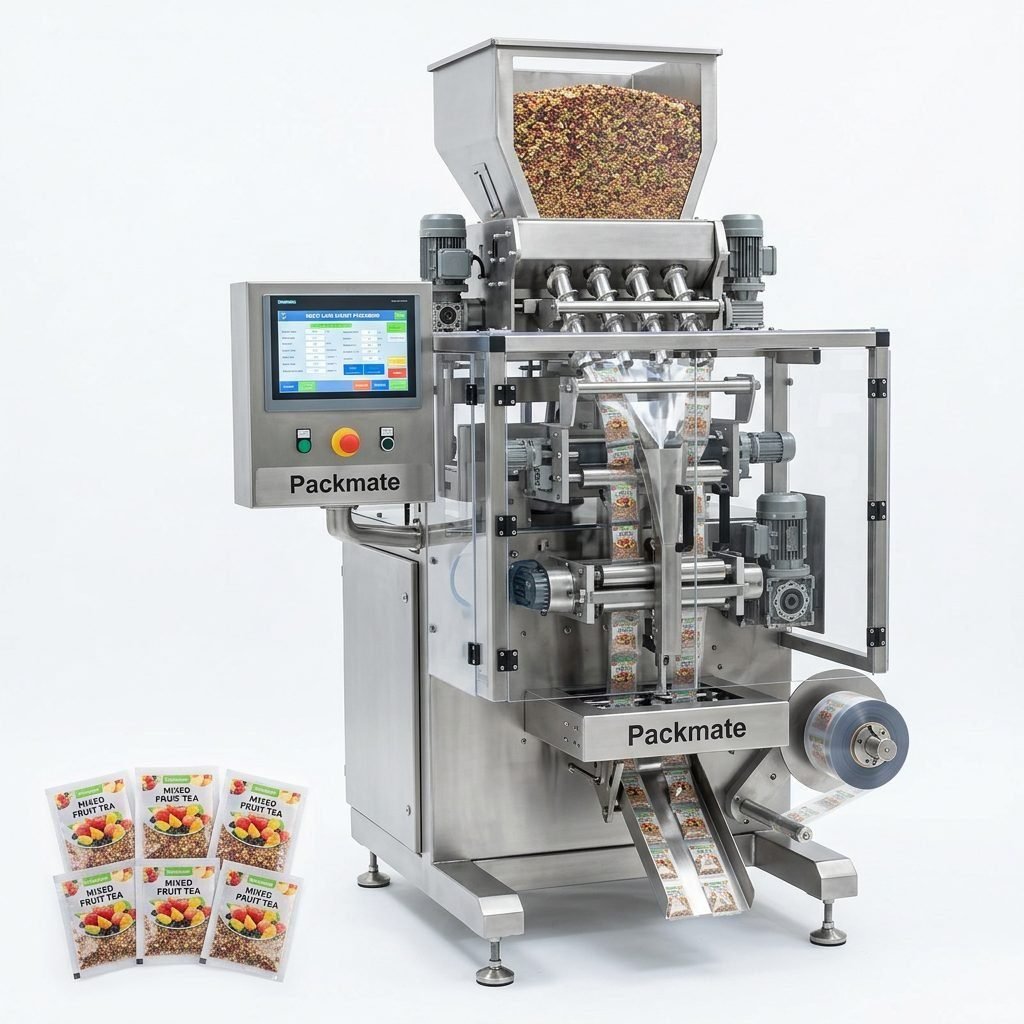
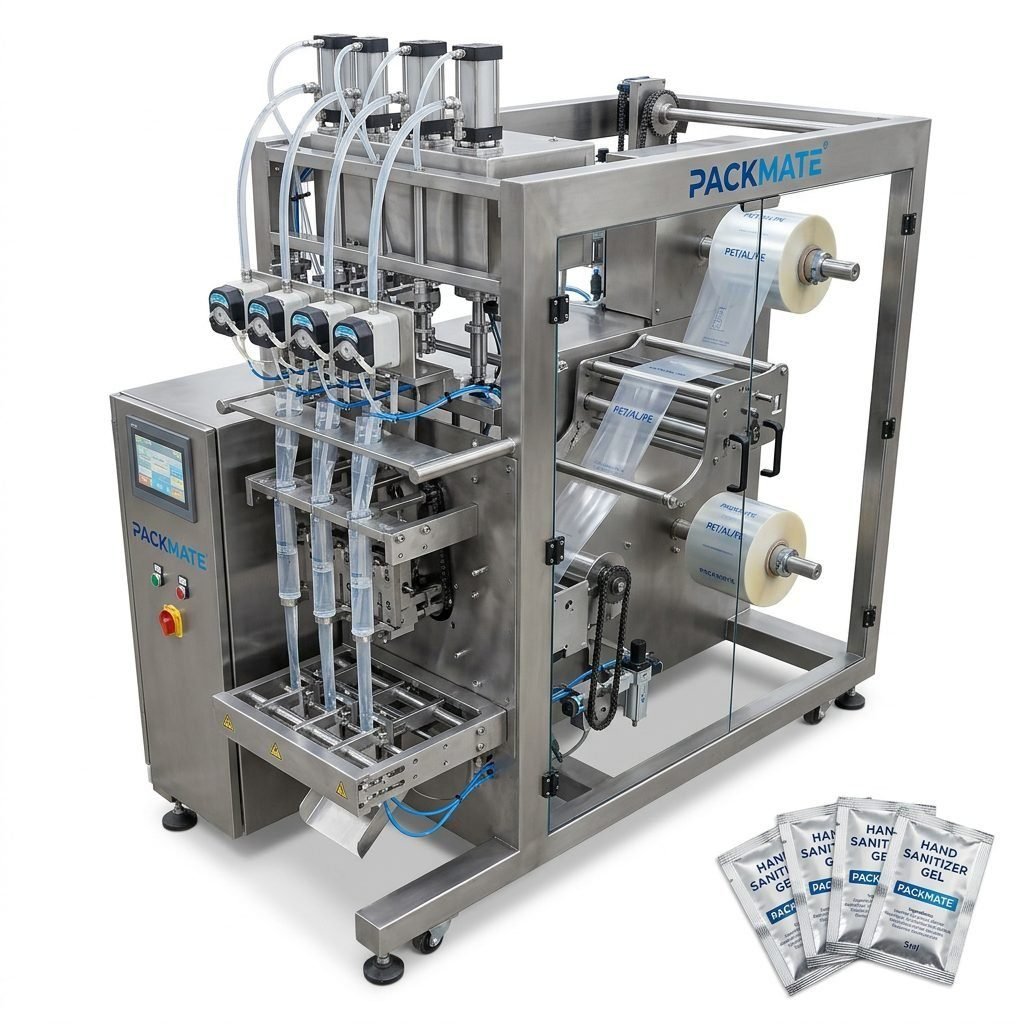
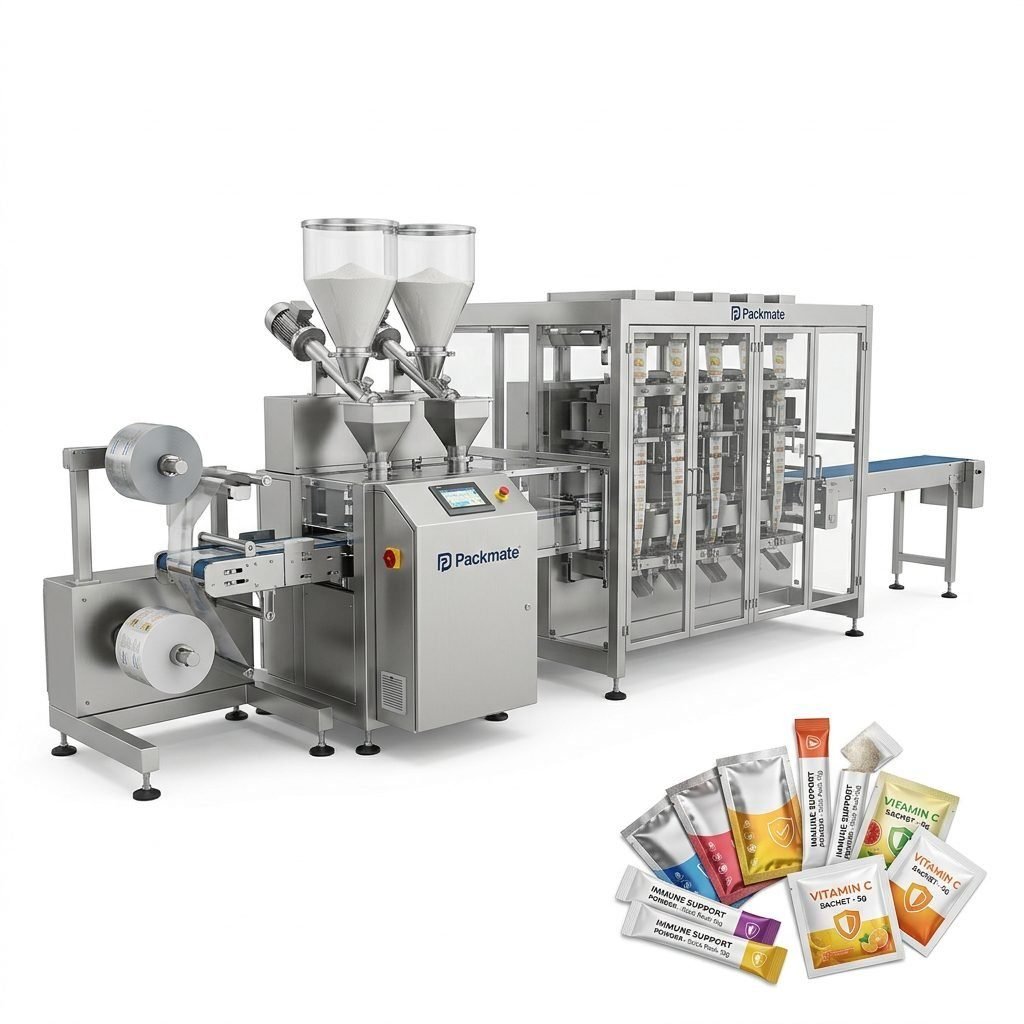
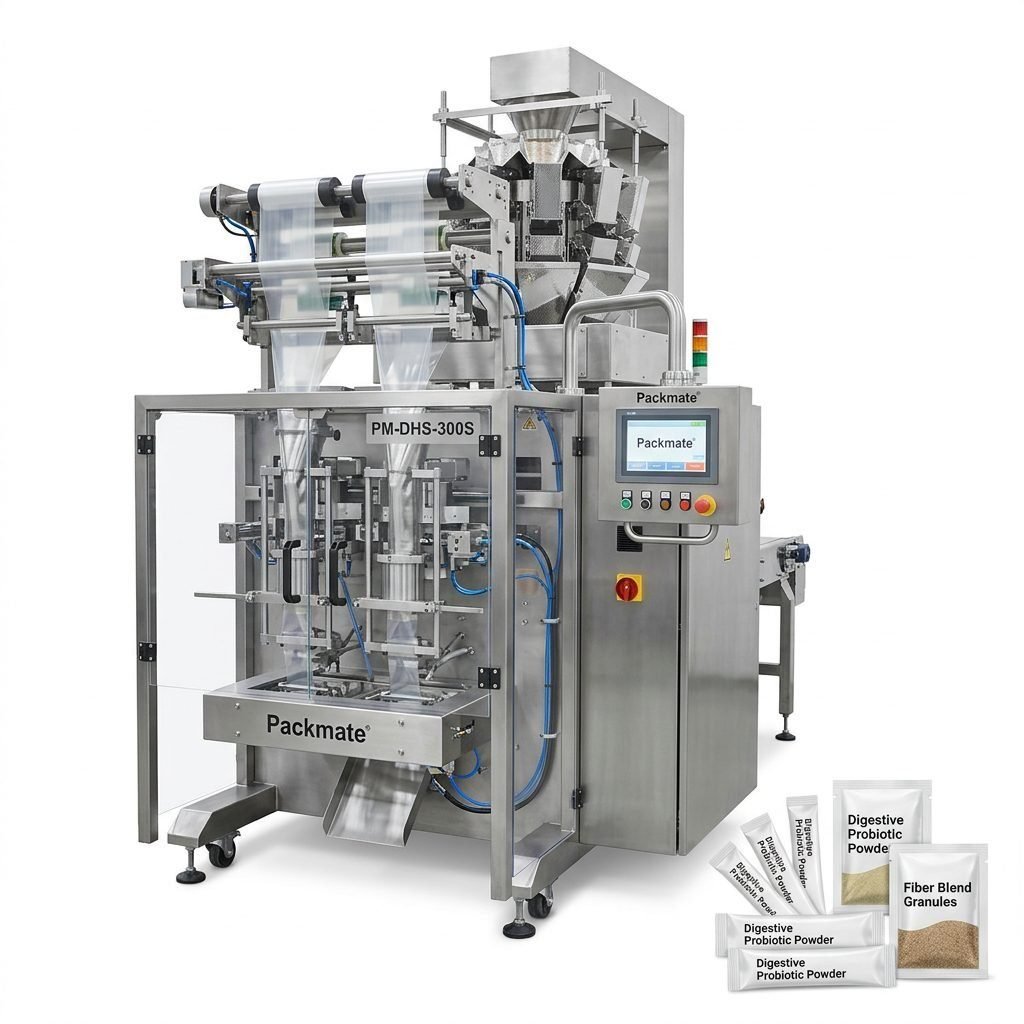
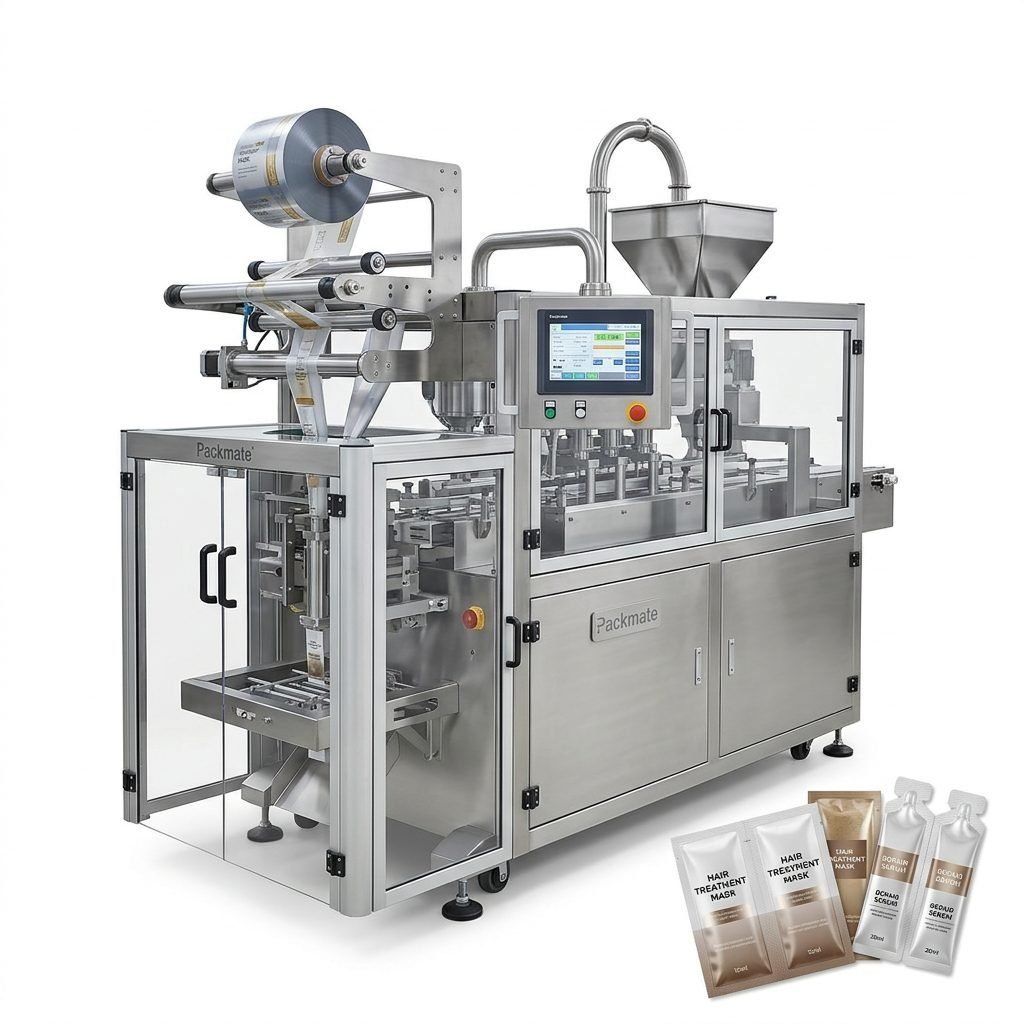
Sachet & Stick Pack Machines
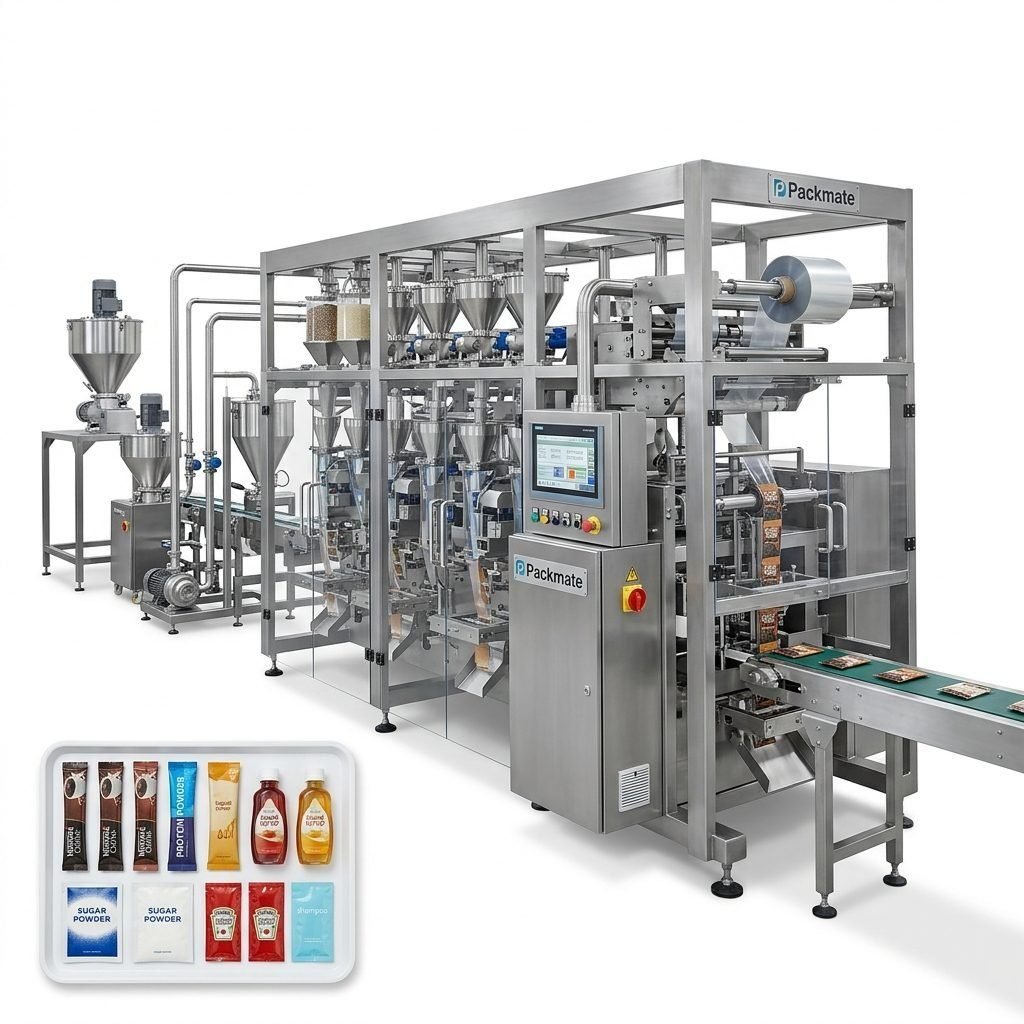
Ideal for single-serve portions of powders, liquids, or granules, these machines are the backbone of industries like instant beverages, condiments, and pharmaceuticals. Modern sachet and stick pack machines offer high-speed, multi-lane operation, ensuring maximum output with minimal footprint. Look for features like precision volumetric or auger filling, integrated sealing systems, and user-friendly PLC controls for quick changeovers between different product types.
Key Advantage: Their versatility allows packaging of diverse products, from sugar and coffee to shampoo samples and pharmaceutical powders, making them a highly adaptable solution for growing businesses.
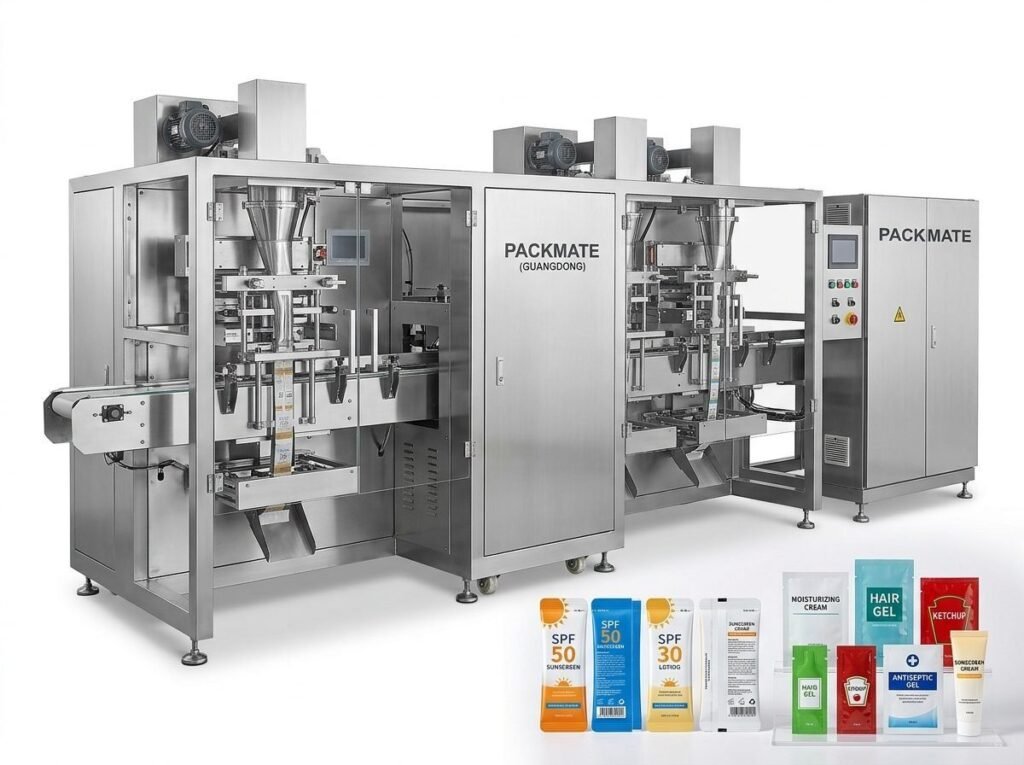
Bag & Pouch Packaging Machines
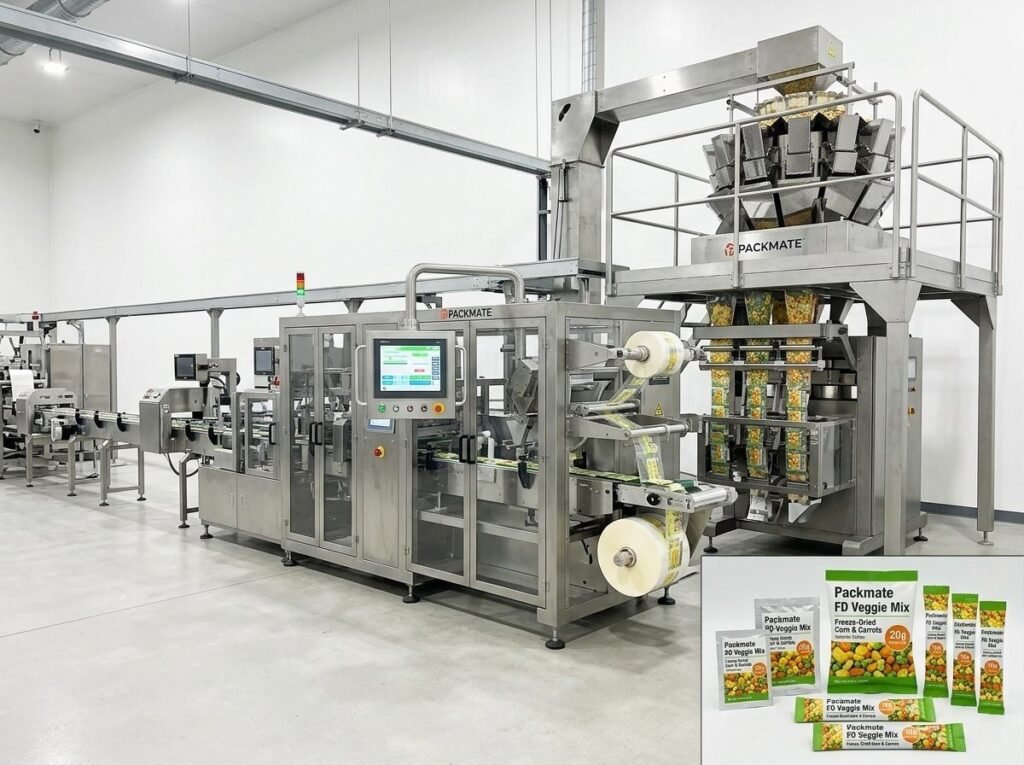
For larger quantities or stand-up pouches, bag and pouch packaging systems are essential. These systems often integrate form-fill-seal (FFS) technology, creating the package from a roll of film, filling it, and sealing it in one continuous process. This method is renowned for its efficiency, hygiene, and material savings. Solutions range from simple vertical baggers for snacks to complex systems handling liquid pouches with nitrogen flushing for extended shelf life.
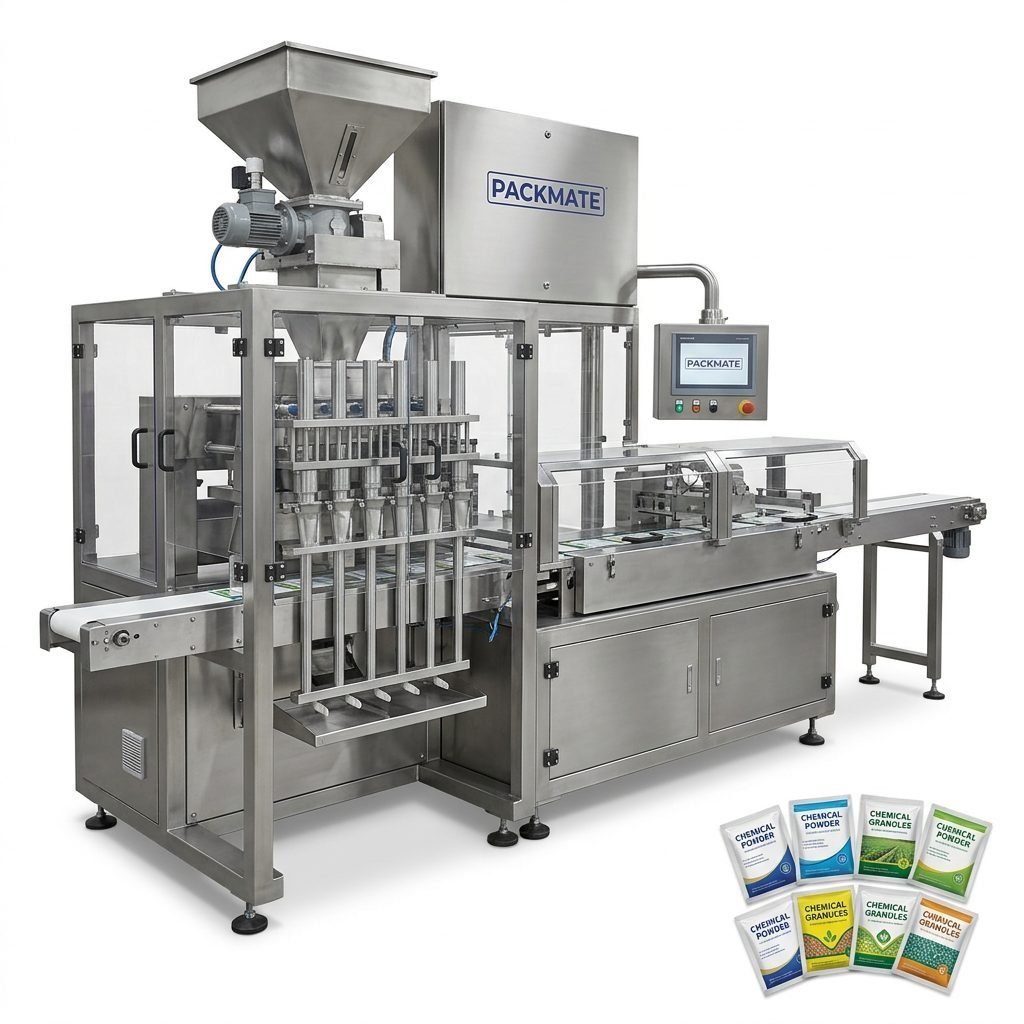
Integrated Weighing & Filling Lines
Accuracy is non-negotiable, especially in industries with strict net content regulations. Advanced weighing and packaging systems combine multi-head weighers or precision liquid fillers with downstream packaging machines. This creates a seamless, automated line that measures each portion to exacting tolerances before delivering it to the packaging module. This integration is crucial for maintaining product consistency, reducing giveaway, and ensuring compliance.
What Defines a World-Class Manufacturer?
Beyond the machine specifications, the manufacturer’s pedigree, capabilities, and ethos are paramount. A true partner demonstrates excellence in several areas.
1. Proven Experience & Technical Expertise
Decades of operation, like the over 30 years of expertise behind a brand such as Packmate Machinery, translate into deep practical knowledge. This experience means they have likely already solved the unique packaging challenge you are facing. A skilled in-house engineering team is essential for customizing standard models to fit specific production needs, whether it’s a special feeding mechanism or a unique sealing requirement.
2. Manufacturing Scale & Quality Control
The facility’s scale is a direct indicator of capability. A modern manufacturing facility, such as a 20,000㎡ factory, equipped with over 100 advanced production equipment pieces, signifies a commitment to volume, precision, and in-house quality control. This allows for rigorous testing of every component and assembled machine, ensuring reliability before it reaches your factory floor.
The Turnkey Solution Advantage
Leading manufacturers offer more than standalone machines. They provide complete turnkey packaging solutions. This means they handle the entire project: from initial consultation and layout design, through machine supply and integration with auxiliary equipment (like conveyors or cartoners), to installation, commissioning, and operator training. This single-point responsibility reduces project complexity and ensures system compatibility.
3. Global Support & Service Network
A machine is a long-term investment. The manufacturer must back it with a robust global service network. This includes readily available spare parts, remote diagnostic support, and access to trained technicians for on-site maintenance. A strong service ethos, often detailed on their service page, minimizes potential downtime and protects your productivity.
Implementing Your Automated Packaging Solution
Successfully integrating new automated packaging machinery involves a structured process. First, clearly define your requirements: product type, target speed, bag/pouch specifications, and factory space. Reputable manufacturers will then conduct a product test in their facility using your actual materials to validate machine performance. Following this, detailed factory layout planning ensures a smooth installation. Finally, comprehensive training for your engineers and operators is crucial for long-term, optimal operation and basic troubleshooting.
Frequently Asked Questions (FAQs)
1. What is the typical lead time for a custom packaging machine?
Lead times vary based on complexity and customization. For standard models, it can range from 8-12 weeks. Highly customized filling and packaging lines may require 16-24 weeks. A reliable manufacturer will provide a clear project timeline after the initial technical review.
2. Can your machines handle the packaging of hygroscopic or abrasive powders?
Yes, experienced manufacturers design machines with such challenges in mind. Solutions may include specialized stainless-steel contact parts, anti-static systems, sealed dosing units, or customized auger designs to ensure consistent flow and accurate filling of difficult products.
3. Do you offer after-sales support and training?
Comprehensive after-sales support is a hallmark of a quality manufacturer. This should include detailed operation manuals, video guides, installation supervision, on-site training for your team, a warranty period, and lifelong access to technical support and genuine spare parts.
4. How do I determine the right packaging speed for my business?
Consider your current output and future growth plans. It’s often advisable to choose a machine with a 15-20% higher capacity than your current peak need to accommodate future demand without requiring another immediate capital investment. A manufacturer’s consultant can help analyze your needs.
5. What are the key factors in choosing between a stick pack and a sachet machine?
The choice depends on product characteristics, marketing appeal, and filling volume. Stick packs are slender and ideal for powders to be dissolved in water. Sachets offer a wider surface area, better for granular products or branding. The best practice is to test your product on both machine types at the manufacturer’s facility.