Selecting the right medical packaging machinery is a critical decision for manufacturers in the pharmaceutical and healthcare sectors. This equipment ensures product safety, maintains sterility, extends shelf life, and complies with stringent global regulatory standards. The choice of machine directly impacts production efficiency, cost-effectiveness, and ultimately, patient safety. This comprehensive guide explores the main types of machinery, their specific applications, and provides essential buying tips to help you make an informed investment for your packaging line.
Core Types of Medical Packaging Machinery
The medical packaging landscape utilizes specialized equipment designed for different materials, product forms, and sterility requirements. Understanding these core types is the first step.
Blister Packaging Machines
These are among the most common machines for unit-dose solid pharmaceuticals like tablets and capsules. A blister machine forms cavities (blisters) from a thermoformable plastic web, places the product into the cavities, and then seals a lidding material (often foil) on top. This provides excellent barrier properties against moisture, light, and contamination, and allows for easy patient compliance with clear visibility of the product.
Key Application: Primarily used for oral solid dosage forms (OSDFs). They are ideal for automated, high-speed production lines and support serialization and track-and-trace requirements, which are becoming mandatory in many markets.
Strip Packaging Machines
Similar to blister packaging, strip packaging encases individual doses between two webs of film or foil, creating a sealed pouch per dose. The process is often used for powders, granules, or small tablets. Strip packs are highly compact, offer good moisture protection, and are commonly used for over-the-counter (OTC) medicines, diagnostic test strips, and medical device components.
Sachet & Stick Pack Machines
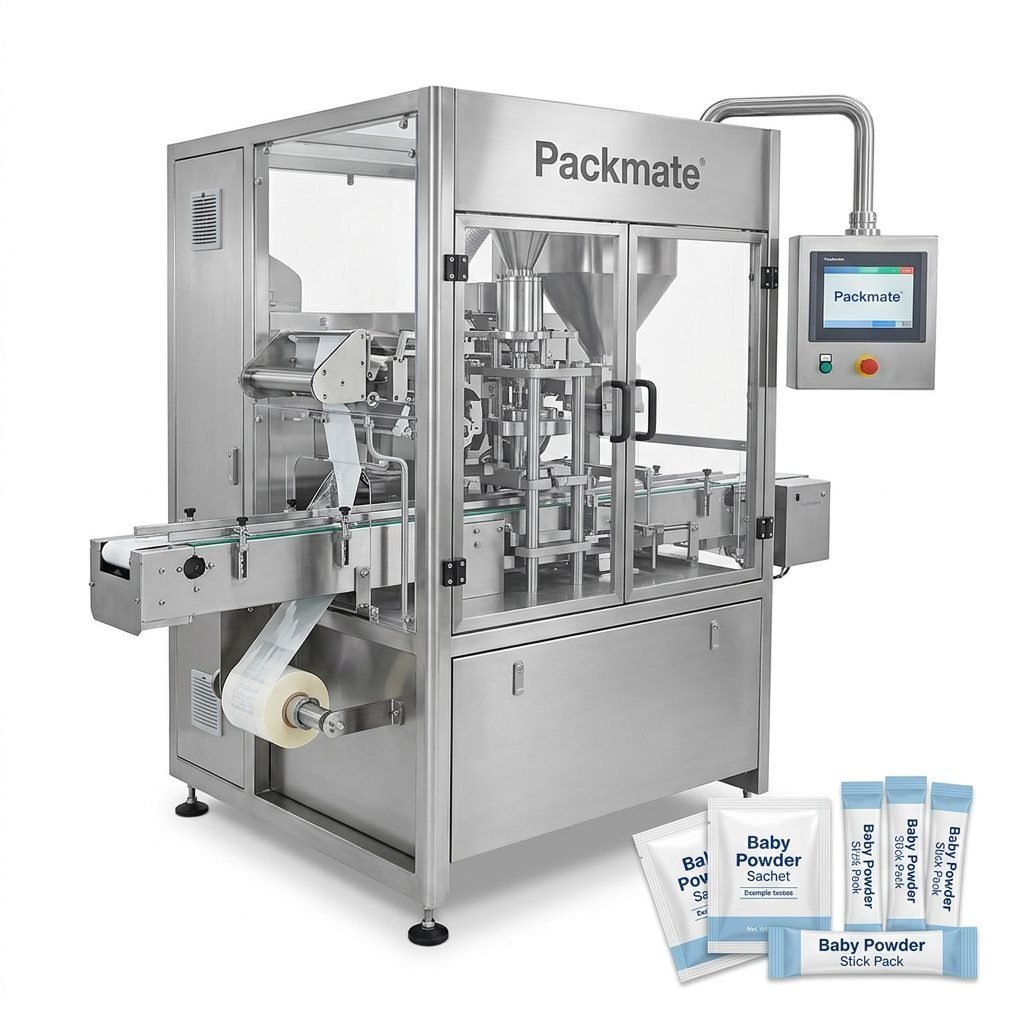
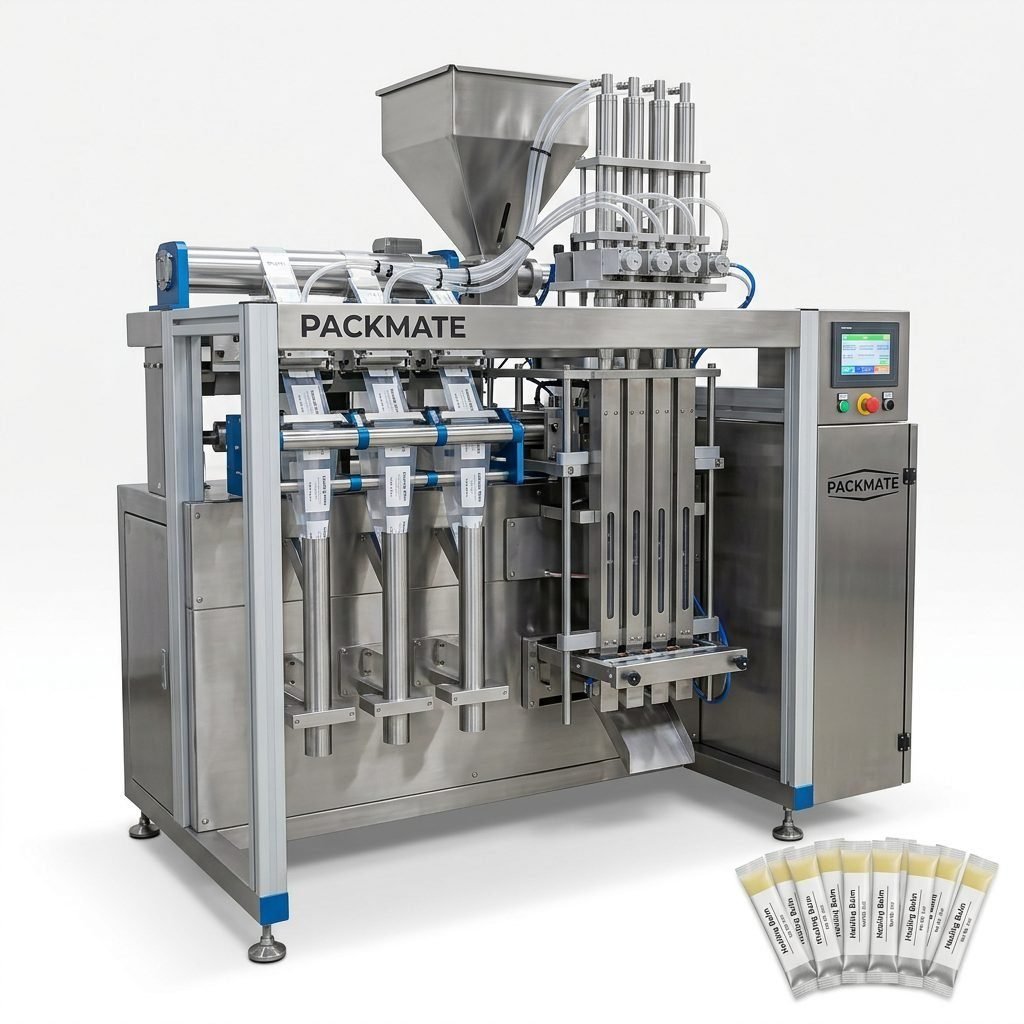
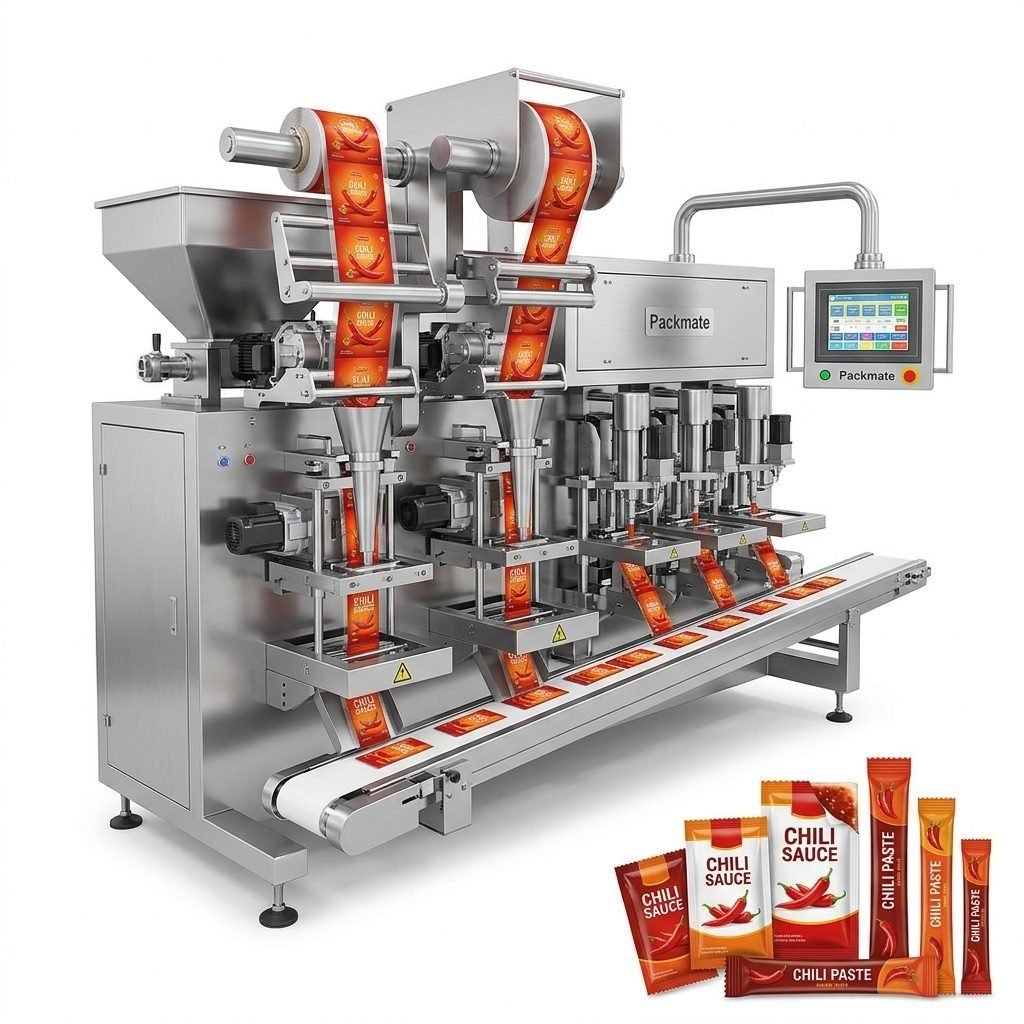
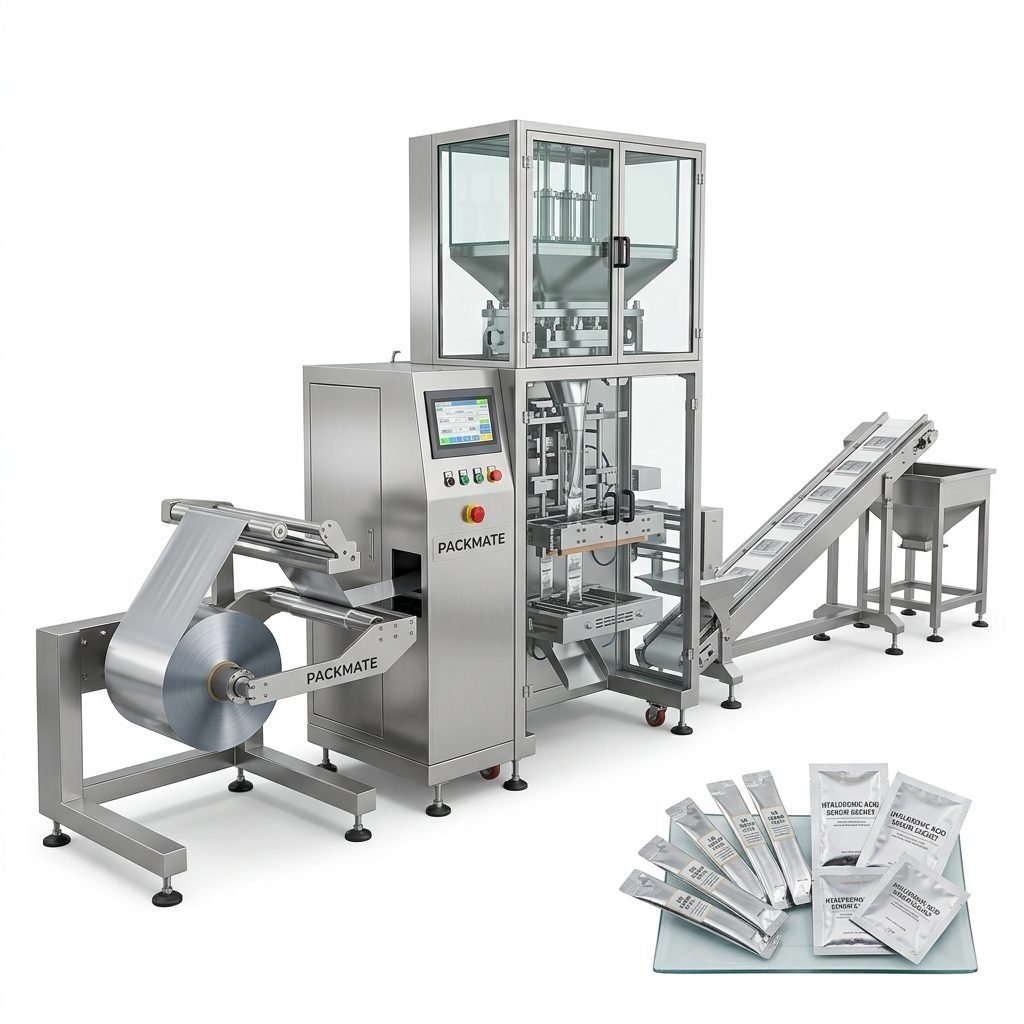
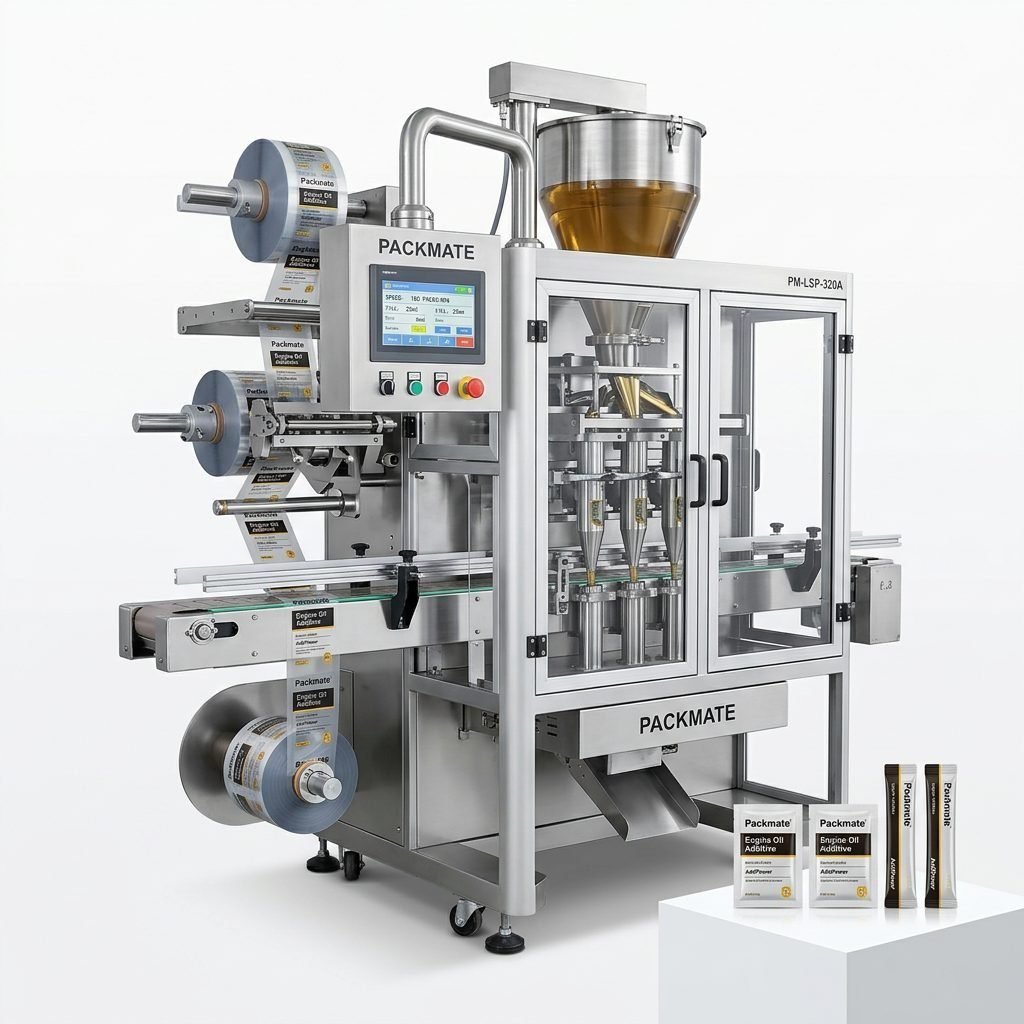
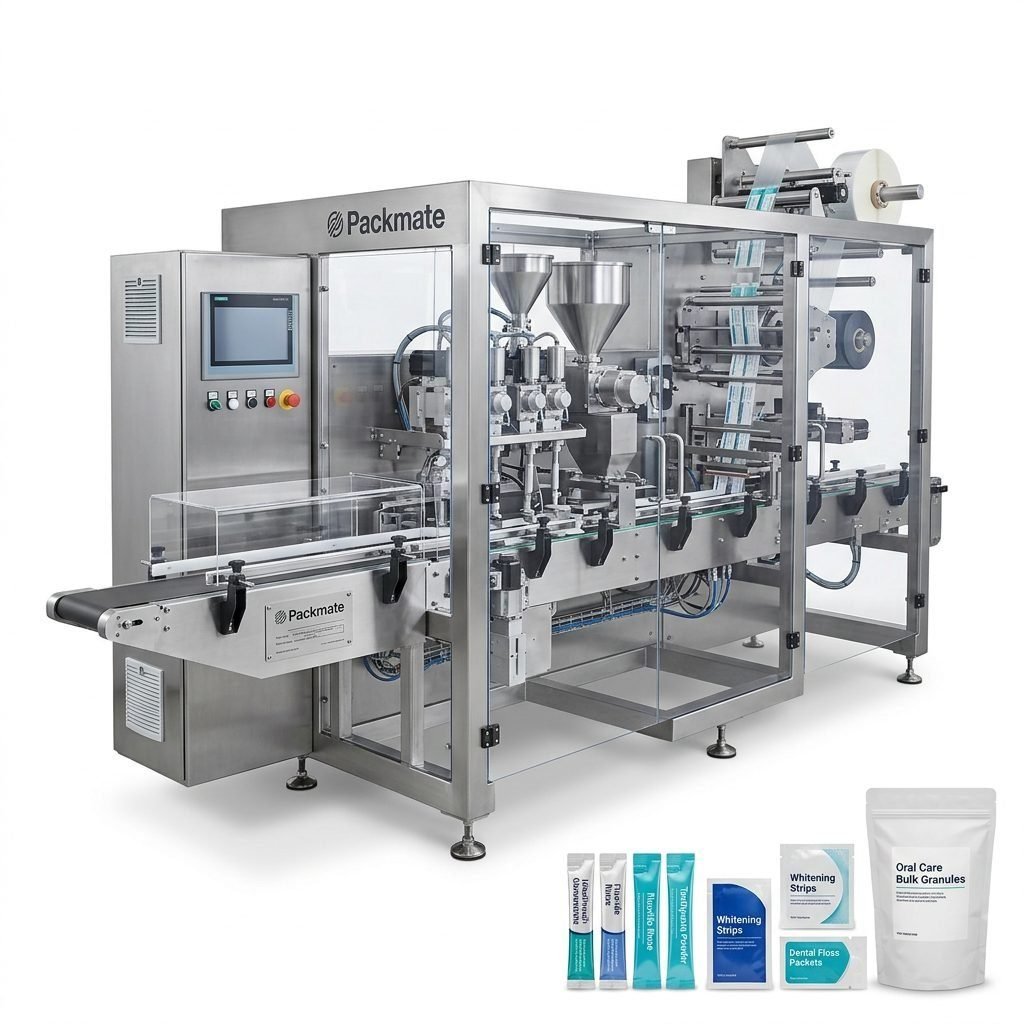
For powders, liquids, and gels—such as oral rehydration salts, antiseptic powders, or single-use lubricant gels—sachet and stick pack machines are essential. Companies like Packmate Machinery specialize in advanced, multi-lane versions of this equipment. These machines form, fill, and seal small pouches from roll stock film at very high speeds, perfect for producing single-use, disposable medical products that require precise dosing and high hygiene standards.
Thermoform-Fill-Seal (TFS) and Form-Fill-Seal (FFS) Machines
These are versatile workhorses for medical device packaging. TFS machines create a tray from a rigid plastic sheet, place the device inside, and seal it with a Tyvek® or film lid. FFS machines typically use flexible films to create pouches. Both methods create a sterile barrier system crucial for surgical kits, implants, catheters, and syringes. The integrity of this seal is paramount and is rigorously tested.
Cartoning and Case Packing Equipment
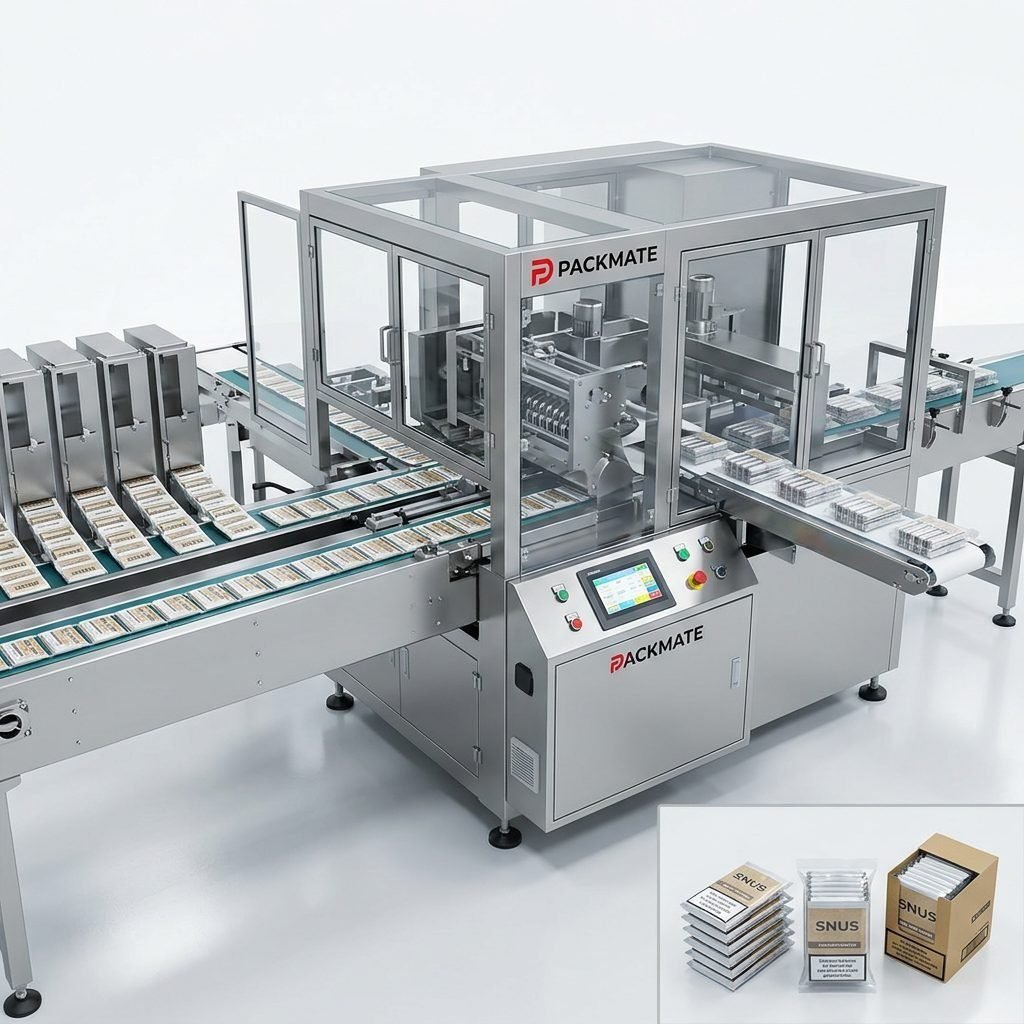
This forms the secondary and tertiary packaging stage. Cartoners automatically erect folding cartons, insert blisters, strips, or bottles along with leaflets, and close them. Case packers then collate and load finished cartons into shipping cases. This automation is vital for maintaining line efficiency and reducing manual handling, which minimizes contamination risk.
Primary Uses and Applications in Healthcare
Medical packaging machinery serves distinct, life-critical functions across the supply chain.
Ensuring Sterility and Barrier Protection
The foremost use is to create a sterile environment for products that must remain uncontaminated until point of use. Machinery must achieve and maintain seals that block microorganisms, moisture, and gases. This is non-negotiable for implants and invasive devices.
Dose Accuracy and Patient Safety
For pharmaceuticals, packaging ensures accurate unit dosing, preventing under- or over-consumption. Clear labeling, tamper-evidence features, and child-resistant closures are often integrated during the packaging process, all contributing directly to patient safety. Advanced weighing and packaging systems ensure each unit contains the exact specified amount.
Compliance and Traceability
Modern machinery must integrate with software to support serialization—printing unique codes on each saleable unit. This allows for tracking through the supply chain to combat counterfeiting and enable efficient recalls. Equipment must be validated to comply with regulations like the U.S. FDA’s 21 CFR Part 11 and EU Falsified Medicines Directive.
Extending Product Shelf Life
By providing a robust barrier against environmental factors, the right packaging machinery directly contributes to product stability. This reduces waste, ensures efficacy over the declared shelf life, and is critical for temperature-sensitive biologics and vaccines that may use specialized insulated shippers packed automatically.
Essential Buying Tips for Your Investment
Purchasing medical packaging machinery is a significant capital expenditure. These tips will guide you toward a sound decision.
1. Define Your Product and Output Requirements Precisely
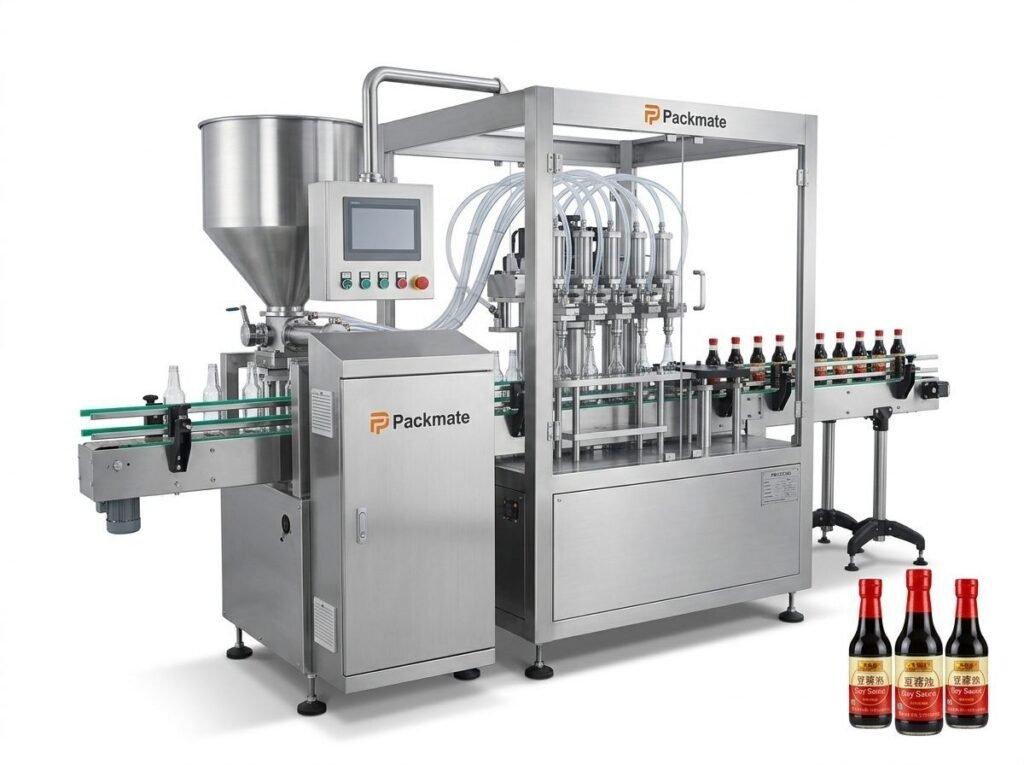
Start with a clear specification: product form (tablet, liquid, device), dimensions, material compatibility (film types, grades), and required output speed (packs per minute). Consider future product lines to ensure machine flexibility. A supplier with a broad portfolio, such as Packmate Machinery’s filling and packaging lines, can often provide scalable solutions.
2. Prioritize Compliance and Validation Support
The machine must be designed for easy cleaning and made from compliant materials (e.g., 316L stainless steel for contact parts). Crucially, choose a manufacturer that provides comprehensive documentation—Factory Acceptance Test (FAT), Site Acceptance Test (SAT) protocols, and Installation/Operational/Performance Qualification (IQ/OQ/PQ) support. This is vital for regulatory audits.
3. Evaluate Technology and Integration Capability
Look for modern controls (PLC with HMI), recipe management, and robust data logging. Check compatibility with your line’s other equipment (conveyors, vision systems, serialization printers) and factory MES/ERP systems. True turnkey solutions that include installation, training, and after-sales service minimize project risk.
4. Assess Manufacturer Expertise and After-Sales Service
Partner with a proven manufacturer with deep industry experience. Review their history, client list, and service network. A company like Packmate, with over two decades of development and a 20,000㎡ modern facility, exemplifies the stability and technical depth required. Ensure they offer readily available spare parts, remote support, and on-site technician availability.
5. Consider Total Cost of Ownership (TCO), Not Just Price
The initial purchase price is just one component. Calculate TCO by factoring in energy consumption, changeover times (and resulting downtime), required operator skill level, maintenance costs, and expected machine lifespan. A slightly higher initial investment in a more efficient, reliable, and flexible machine often yields a far lower TCO over 10+ years.
6. Request a Live Product Test
Never buy based on specifications alone. Insist on a live trial at the manufacturer’s facility or a reference site using your actual product or a close simulation. This tests speed, accuracy, seal integrity, and ease of operation firsthand, revealing potential issues before installation.
Frequently Asked Questions (FAQs)
What is the most important factor when choosing a medical packaging machine?
The paramount factor is regulatory compliance and the ability to validate the machine for its intended use. Without proper documentation and a design that facilitates cleaning and maintenance per GMP guidelines, the machine cannot be used in a regulated production environment, regardless of its other features.
How do I know if I need a blister machine or a sachet machine?
This is primarily dictated by your product form. Use blister machines for solid, unit-dose items like tablets. Choose sachet or stick pack machines for powders, granules, or liquids. For a diverse range of such flexible packaging needs, exploring specialized sachet and stick pack machines is recommended.
What machine features help prevent packaging errors?
Integrated checkweighers to reject under/over-filled units, vision inspection systems to verify print quality and seal integrity, and automated rejection mechanisms are critical. Modern PLCs also provide detailed fault diagnostics to quickly identify and resolve issues.
Can one machine handle different package sizes?
Yes, but with limitations. Most machines allow for changeovers by swapping out tooling (like forming dies and sealing dies). The key is to evaluate the changeover time and complexity. Look for machines with quick-change features and digital recipe storage to minimize downtime when switching between SKUs.
What ongoing maintenance is required?
Regular preventive maintenance is essential. This typically includes daily cleaning, lubrication of moving parts as per the manual, inspection and replacement of wear parts (like sealing jaws, cutting blades, and gaskets), and periodic calibration of scales and sensors. A reliable service contract from the manufacturer is highly advisable.