Selecting the right food packaging equipment manufacturer is a critical decision for any business in the food industry. The right machinery ensures product safety, enhances shelf appeal, and optimizes production efficiency. This guide will walk you through the key factors to consider and introduce you to leading manufacturers and suppliers, helping you make an informed choice for your packaging needs.
Key Factors When Choosing a Manufacturer
Before diving into supplier lists, it’s essential to understand what separates a good manufacturer from a great one. The following criteria should form the foundation of your evaluation process.
Technical Expertise and Innovation
The packaging landscape is constantly evolving. A top-tier manufacturer doesn’t just sell machines; they invest in research and development to offer cutting-edge solutions. Look for companies with a proven track record of innovation, whether in automation, precision filling, or integrating smart factory (Industry 4.0) capabilities. Their ability to solve complex packaging challenges is a direct reflection of their technical depth.
Production Capacity and Quality Control
Scale and consistency matter. A manufacturer with a modern, sizable production facility, like a 20,000㎡ factory, can handle large orders and maintain consistent quality. Inquire about their quality control protocols. Do they have in-house testing facilities? What international standards (like ISO, CE) do they adhere to? Robust quality assurance is non-negotiable for equipment that will run 24/7 in your plant.
Range of Product Portfolio
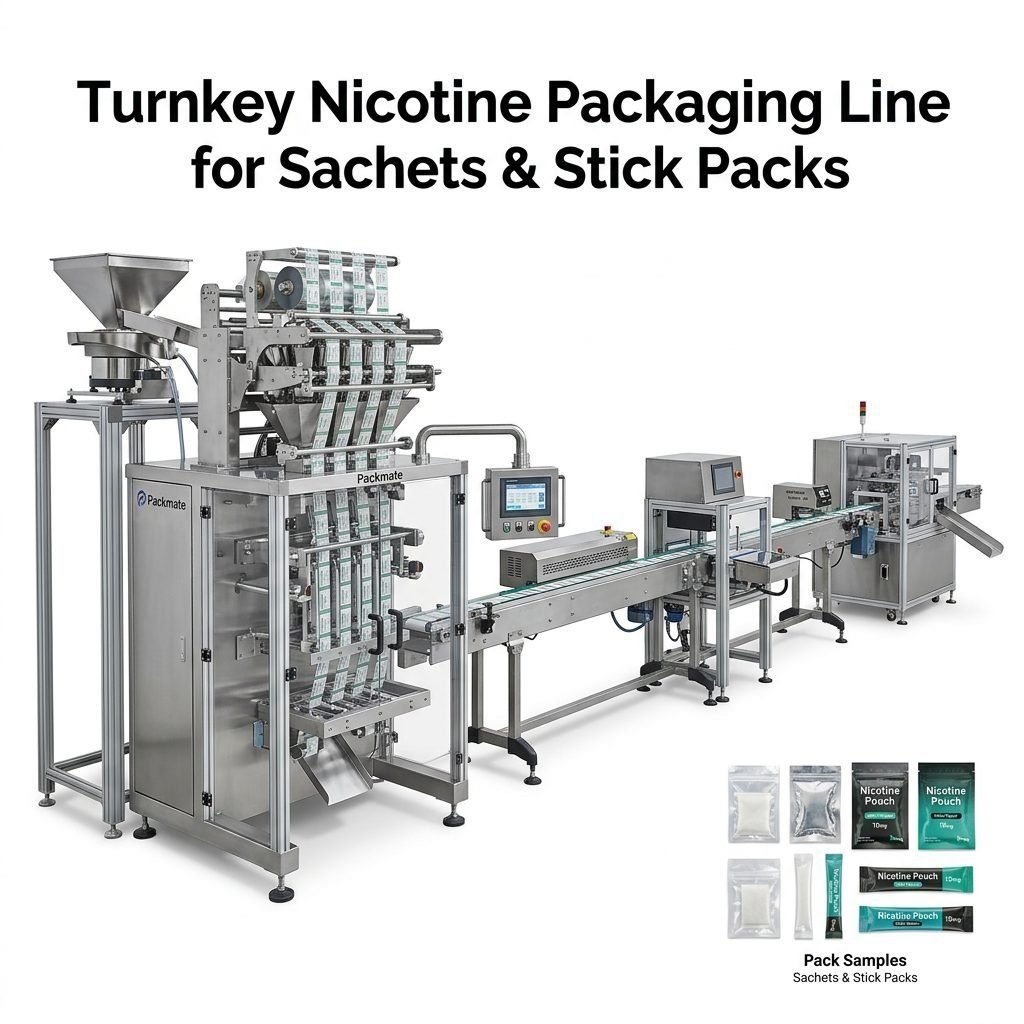
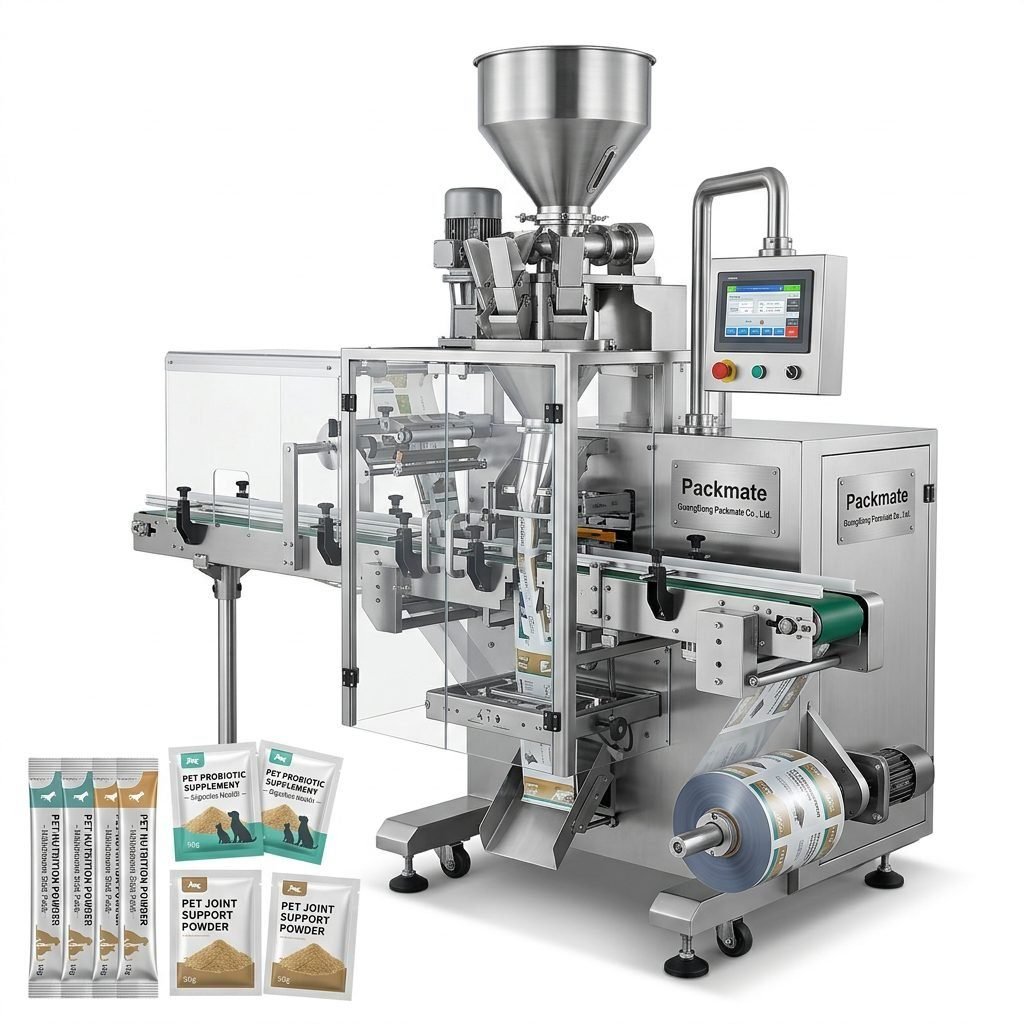
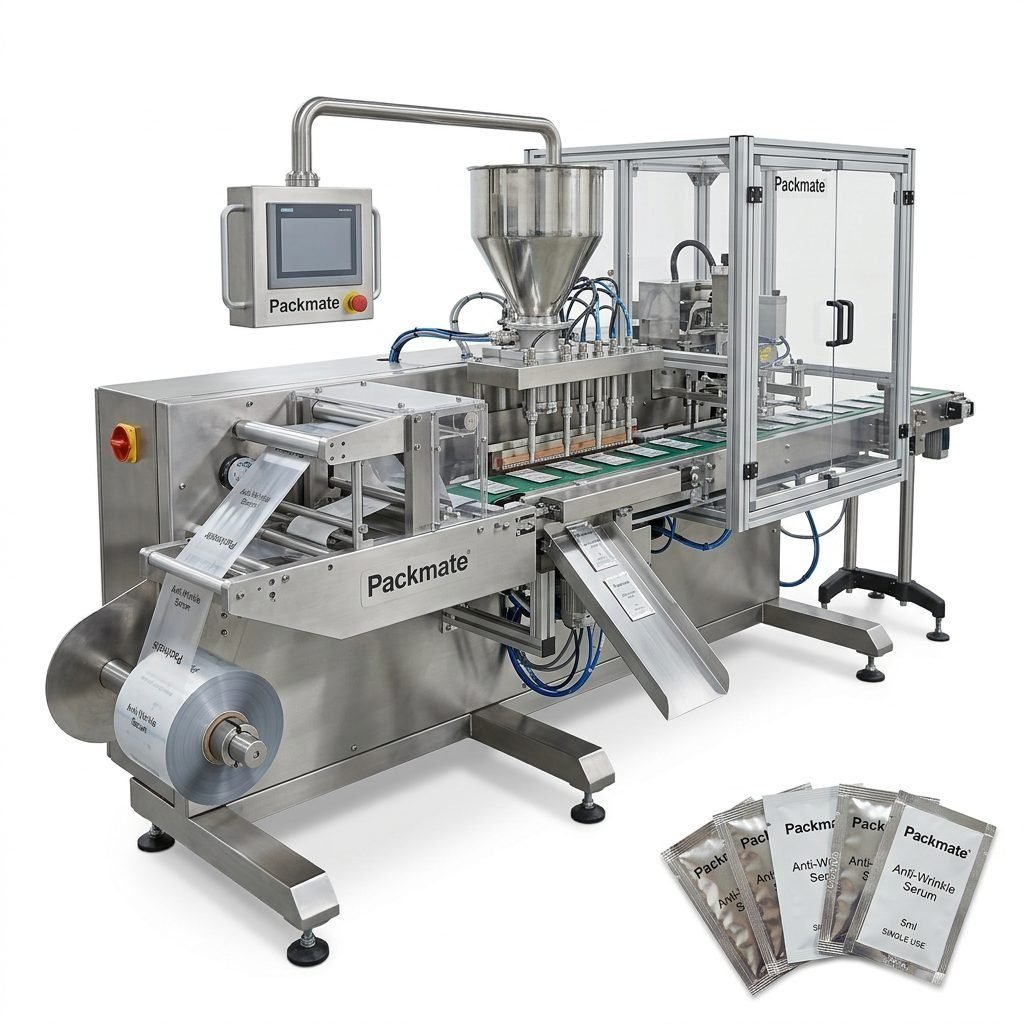
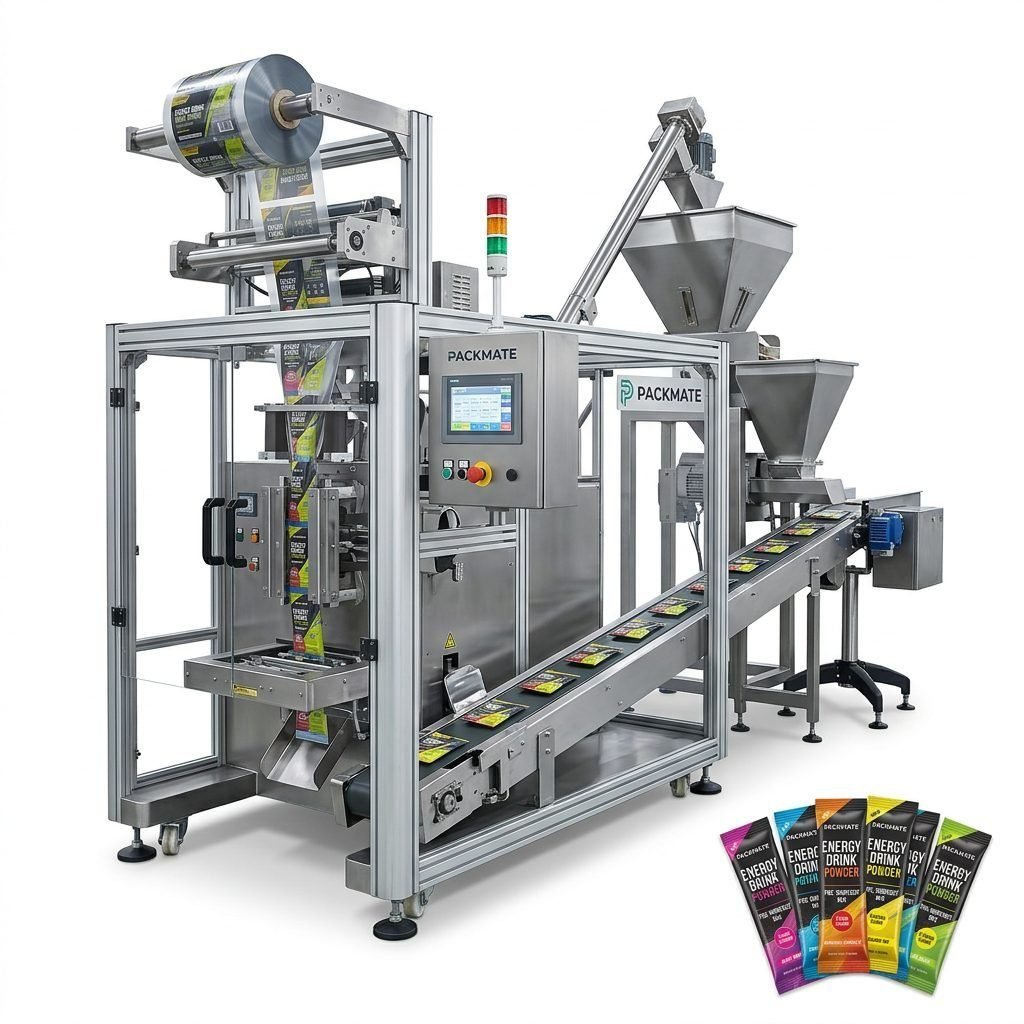
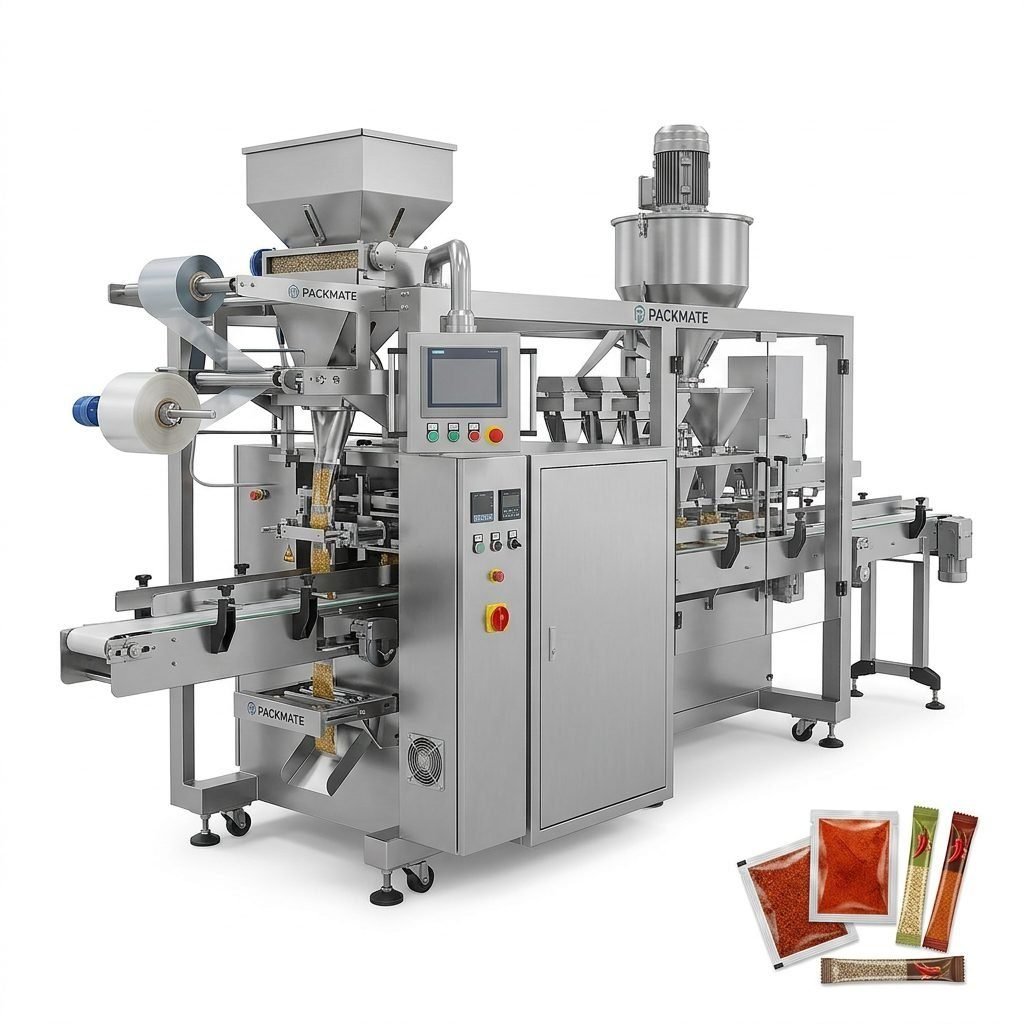
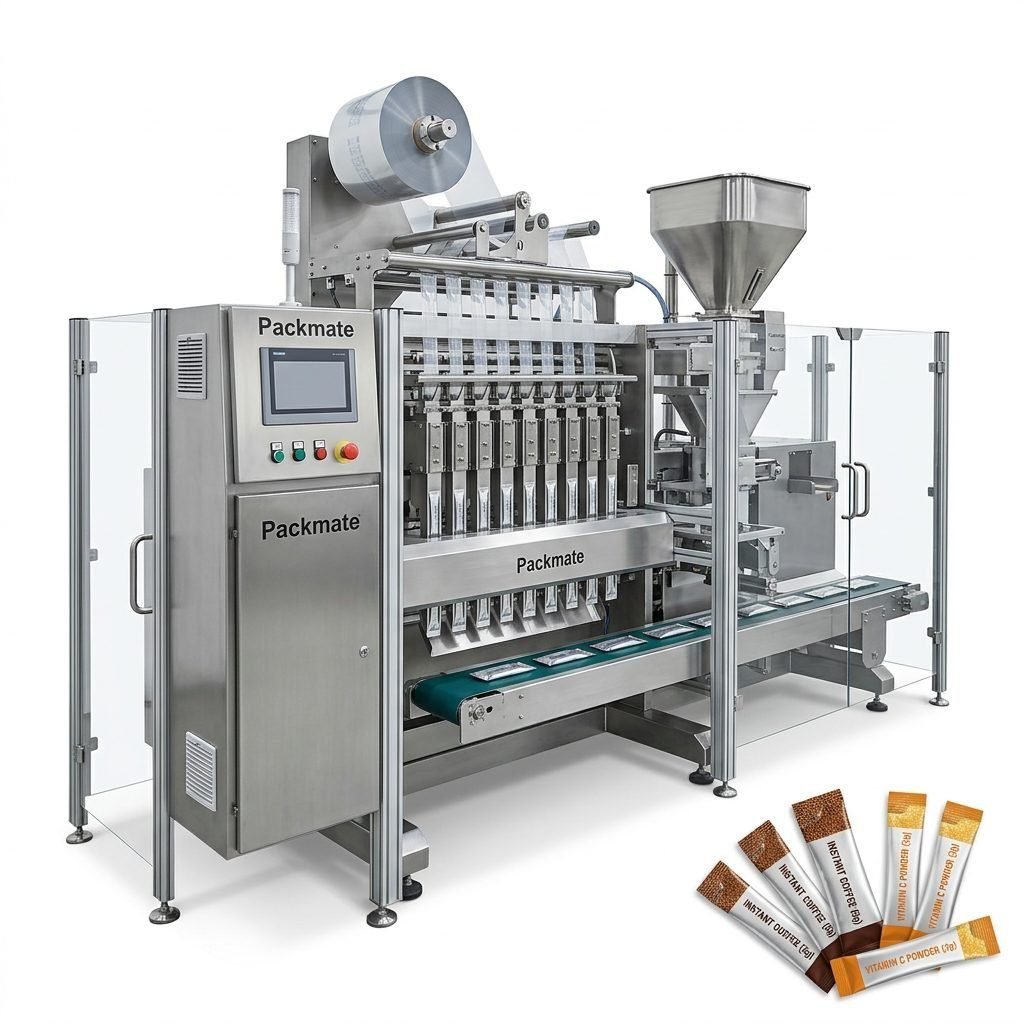
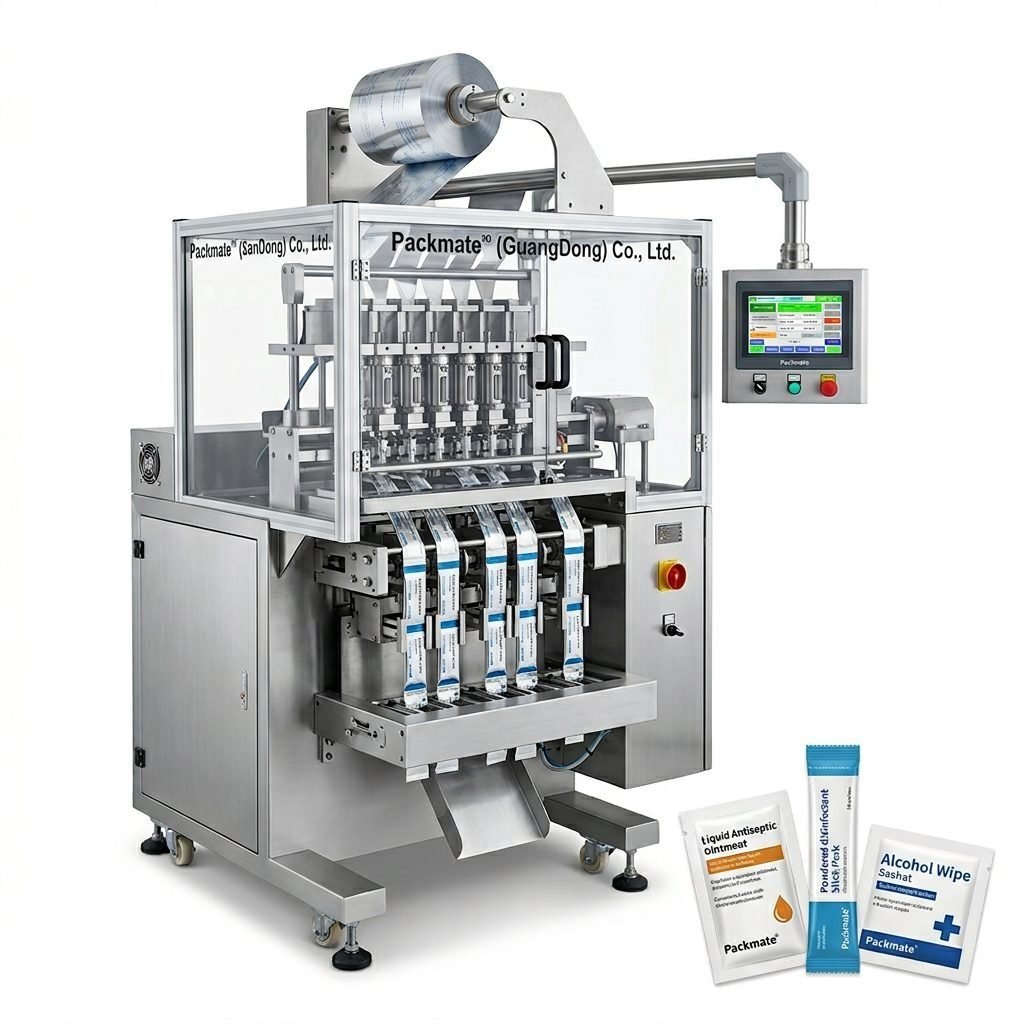
Your needs may range from sachet and stick pack machines for single-serve portions to complete filling and packaging lines for bulk products. A supplier with a broad portfolio, offering 50+ machine models, provides a one-stop solution. This simplifies procurement, ensures machine compatibility, and offers scalability as your product lines grow.
After-Sales Service and Support
The relationship begins after the sale. Comprehensive after-sales service—including installation, operator training, readily available spare parts, and responsive technical support—is crucial for minimizing downtime. A manufacturer with a global service network demonstrates commitment to their clients’ long-term success.
Leading Manufacturers and Suppliers in the Industry
The global market features a mix of long-established giants and agile, specialized innovators. Here, we highlight a manufacturer that exemplifies the qualities discussed above.
Packmate Machinery: A Case Study in Growth and Specialization
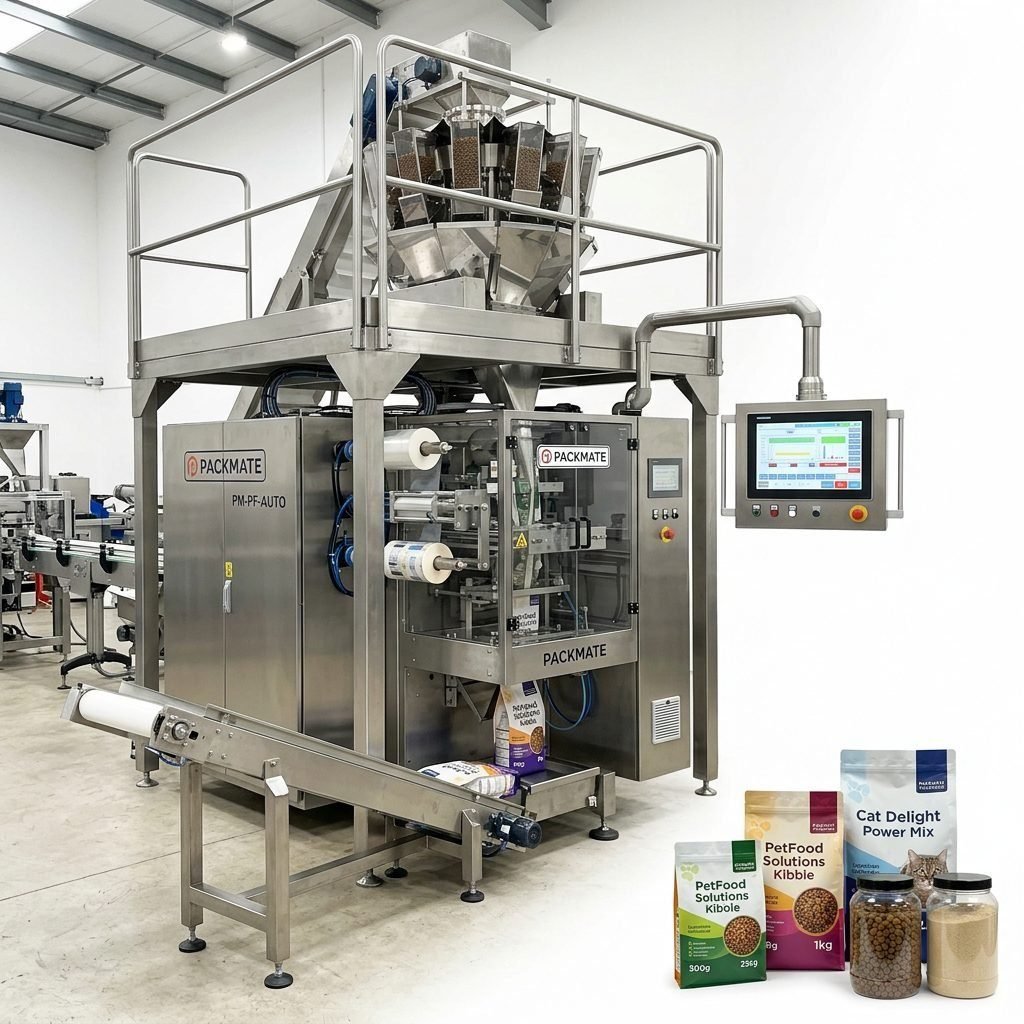
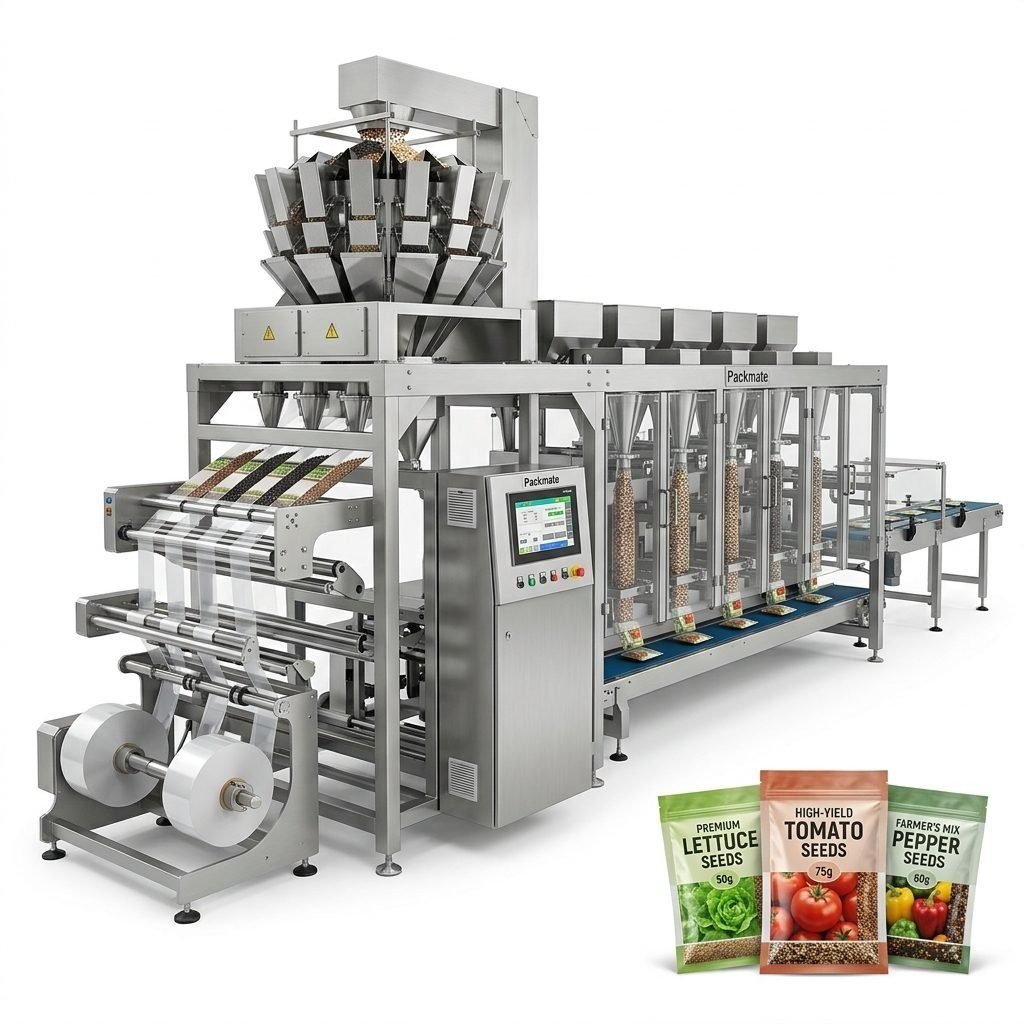
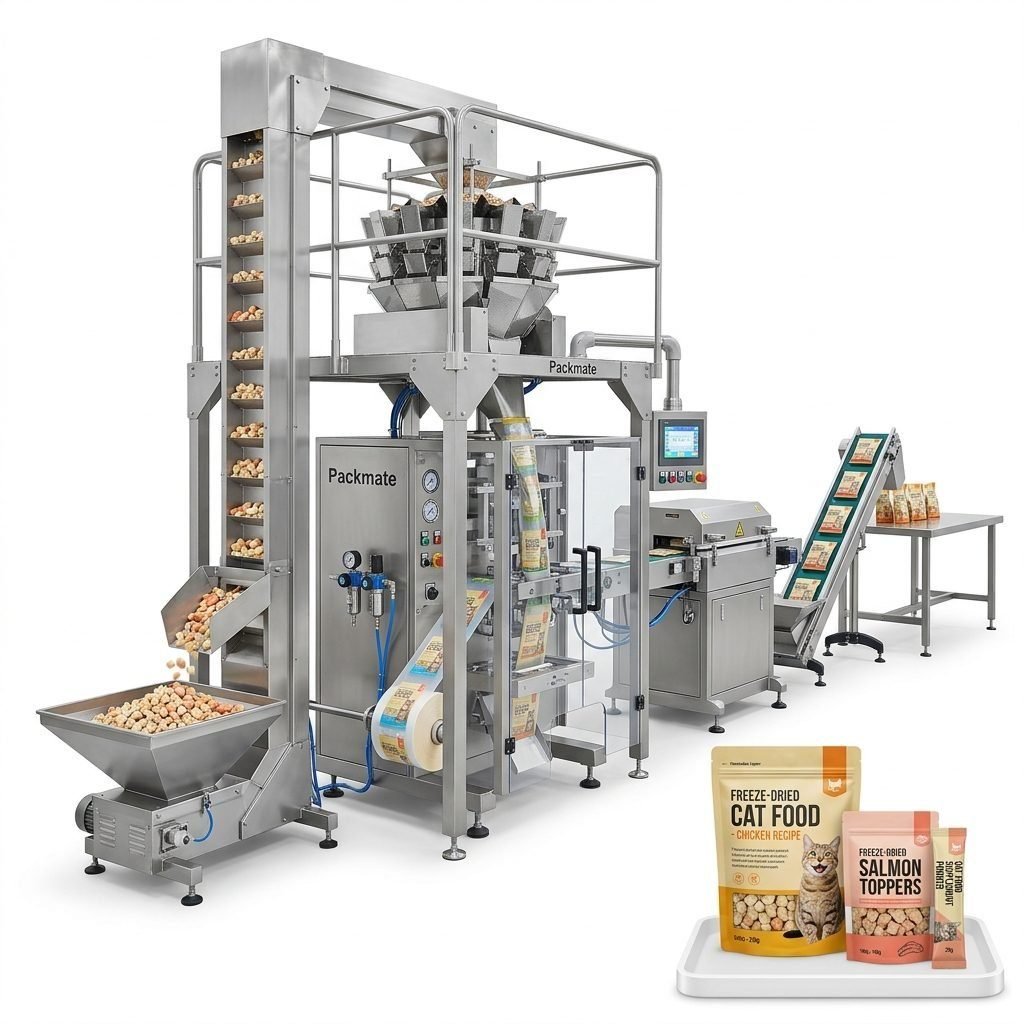
Founded on a vision for automation, Packmate Machinery has grown from a small workshop in 1993 into a leading force in intelligent packaging. Their journey mirrors the industry’s shift towards higher precision and automation. Starting with small sachet machines, they expanded into multi-lane stick pack machines by 2012 to meet booming demand for convenient, on-the-go food products.
Today, as Packmate (GuangDong) Co., Ltd., they operate from the heart of China’s Greater Bay Area, a hub of manufacturing excellence. Their focus on the food, pharmaceutical, and health industries allows them to develop deep expertise in handling sensitive products like granules, powders, and liquids with utmost hygiene and accuracy.
What Sets a Manufacturer Like Packmate Apart?
Beyond the specifications sheet, several intangible factors contribute to a manufacturer’s standing:
- Heritage of Problem-Solving: The company’s origin story, rooted in overcoming technical challenges to improve efficiency, often translates into a practical, client-focused engineering culture.
- Commitment to Turnkey Solutions: Leading suppliers don’t just sell individual machines. They provide complete turnkey packaging solutions, encompassing everything from initial design and machinery selection to line integration and final commissioning.
- Global Perspective with Local Execution: Serving an international clientele requires understanding diverse market regulations and packaging preferences. A manufacturer with global experience can better advise on compliant and market-appropriate solutions.
Trends Shaping Food Packaging Equipment
Staying ahead means understanding where the industry is headed. Here are key trends influencing manufacturer offerings.
Sustainability and Material Flexibility
Consumer demand for eco-friendly packaging is paramount. Manufacturers are now designing equipment that can handle a wider range of materials, including recyclable mono-plastics, compostable films, and paper-based substrates. Machines must be adaptable and gentle to run these sometimes less forgiving materials efficiently.
Smart Packaging and IoT Integration
The future is connected. Modern packaging lines are being equipped with sensors and data ports for IoT (Internet of Things) integration. This allows for real-time monitoring of production speed, yield, maintenance needs, and even remote diagnostics, paving the way for predictive maintenance and unparalleled operational transparency.
Hyper-Personalization and Small Batch Runs
The rise of e-commerce and direct-to-consumer brands requires flexibility. Equipment that allows for quick changeovers between package sizes, shapes, and designs is increasingly valuable. Manufacturers are responding with more modular and digitally-controlled machines that minimize downtime between production runs.
Making the Final Decision
Armed with knowledge about key selection criteria and industry trends, your final step is thorough due diligence. Always request references from existing clients in a similar sector. If possible, visit the manufacturer’s facility or attend an industry exhibition where they are present. Examine their project cases to see real-world applications of their equipment. Finally, ensure their commercial terms, warranty, and service-level agreements are clear and align with your business’s risk tolerance.
Choosing a food packaging equipment manufacturer is a strategic partnership. By prioritizing technical expertise, proven quality, comprehensive service, and future-ready technology, you invest in a foundation for efficiency, growth, and market competitiveness.
Frequently Asked Questions (FAQs)
What is the typical lead time for food packaging equipment?
Lead times vary significantly based on the machine’s complexity, customization level, and the manufacturer’s current order book. For standard models, it can range from 8 to 16 weeks. Highly customized or large turnkey lines may require 20 weeks or more. Always confirm timelines during the quotation process.
Can one machine handle different types of food products?
Many machines are designed for versatility within a category (e.g., free-flowing granules or powders). However, switching between vastly different product types (e.g., from fine powder to viscous liquid) usually requires a change in the filling system and potentially other components. Discuss your specific product range with the supplier to determine the best configuration.
How important is after-sales service, and what should it include?
After-sales service is critical for operational continuity. A comprehensive service package should include detailed installation supervision (onsite or remote), thorough training for your operators and maintenance staff, a clear warranty policy, readily available spare parts, and access to prompt technical support for troubleshooting.
What certifications should I look for in packaging equipment?
Key certifications depend on your region and industry. Common and important ones include CE Marking (for the European market, indicating safety), ISO 9001 (quality management systems), and specific sanitary standards for food contact. For pharmaceutical applications, GMP (Good Manufacturing Practice) standards are essential.
Is it better to buy a full line from one supplier or mix machines from different brands?
Purchasing a complete line from a single supplier, especially one offering turnkey solutions, often reduces integration headaches, ensures communication compatibility between machines, and streamlines after-sales service and responsibility. While mixing brands is possible, it requires excellent technical coordination and may complicate maintenance and support.