In today’s fast-paced manufacturing environment, efficiency and reliability are paramount. For businesses handling powders, granules, liquids, and other free-flowing products, continuous packaging machines are the backbone of a productive operation. Unlike intermittent machines that stop and start, continuous motion packaging systems offer a seamless, high-speed workflow that can dramatically increase output and reduce operational costs. This guide delves into the world of continuous packaging, exploring its various types, significant benefits, and crucial tips for selecting the perfect machine for your specific needs.
Understanding Continuous Motion Packaging
At its core, a continuous motion packaging machine operates without stopping during the product filling and sealing cycle. The film or packaging material moves at a constant speed, synchronized with the filling heads. This method stands in contrast to intermittent motion machines, where the film stops for the filling and sealing actions before advancing again. The continuous flow translates to several operational advantages, including higher speeds, smoother film handling, and reduced mechanical stress on the components, leading to longer machine life and less downtime.
The principle is simple yet powerful: constant motion enables constant production. This is especially critical in industries like food, pharmaceuticals, and health supplements, where high-volume output is necessary to meet market demand. Companies like Packmate Machinery, with over 30 years of expertise, have refined this technology to deliver robust and intelligent solutions for these very sectors.
Primary Types of Continuous Packaging Machines
The continuous packaging landscape is diverse, with machines designed for different package formats and product characteristics. Choosing the right type is the first step toward automation success.
Vertical Form-Fill-Seal (VFFS) Machines
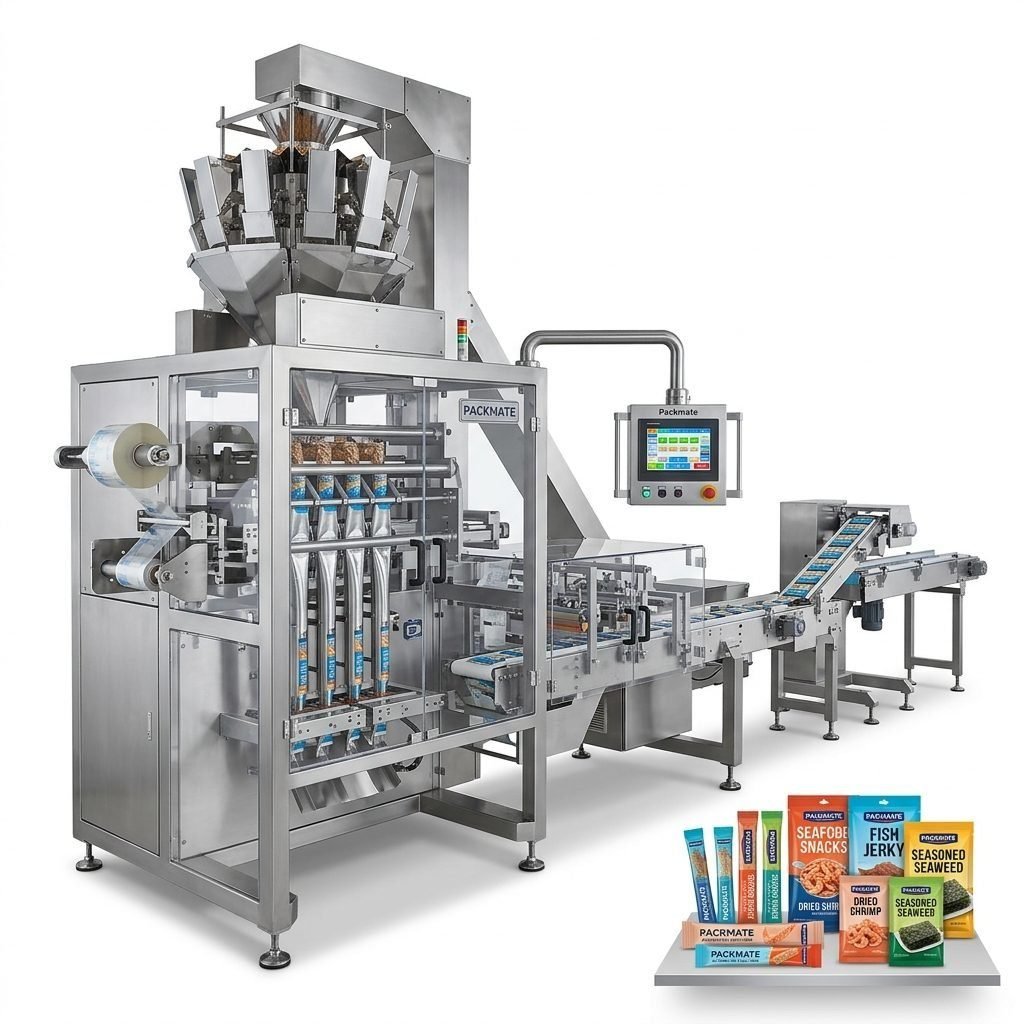
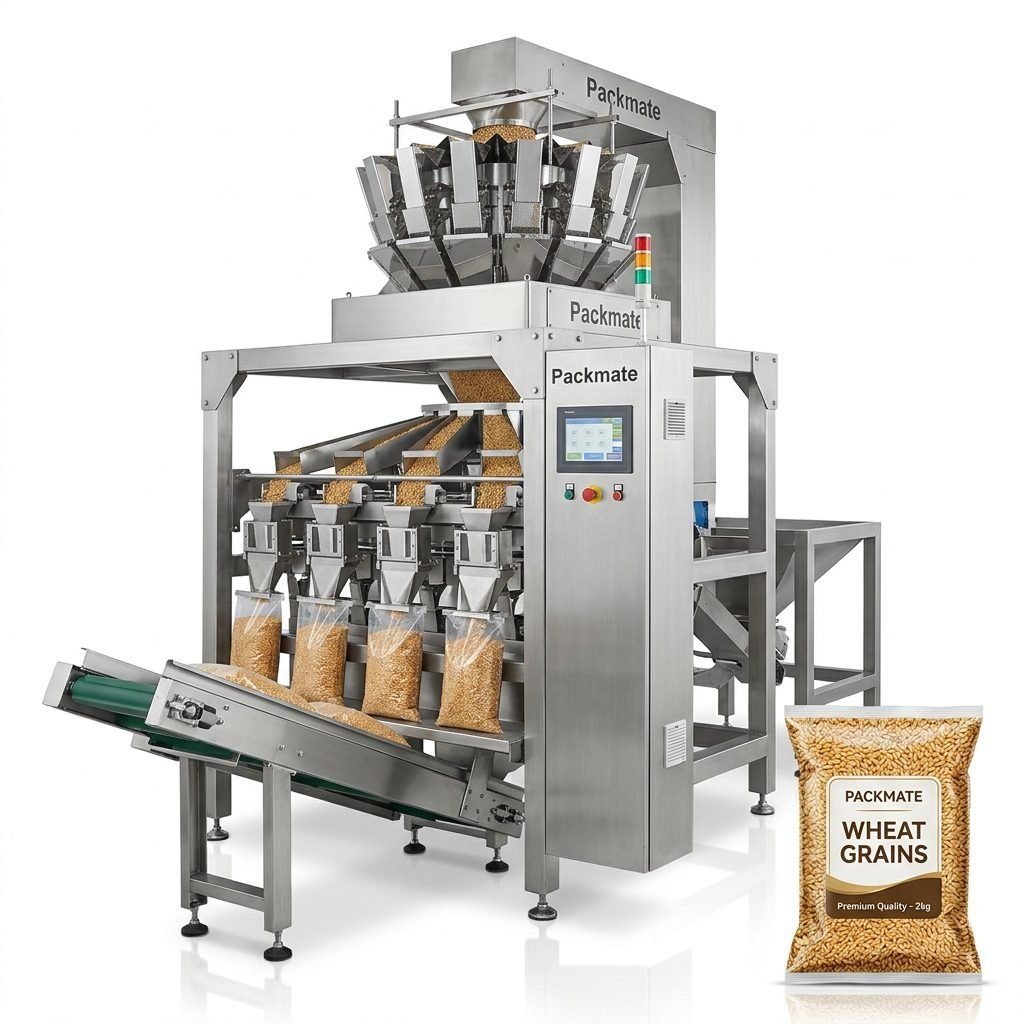
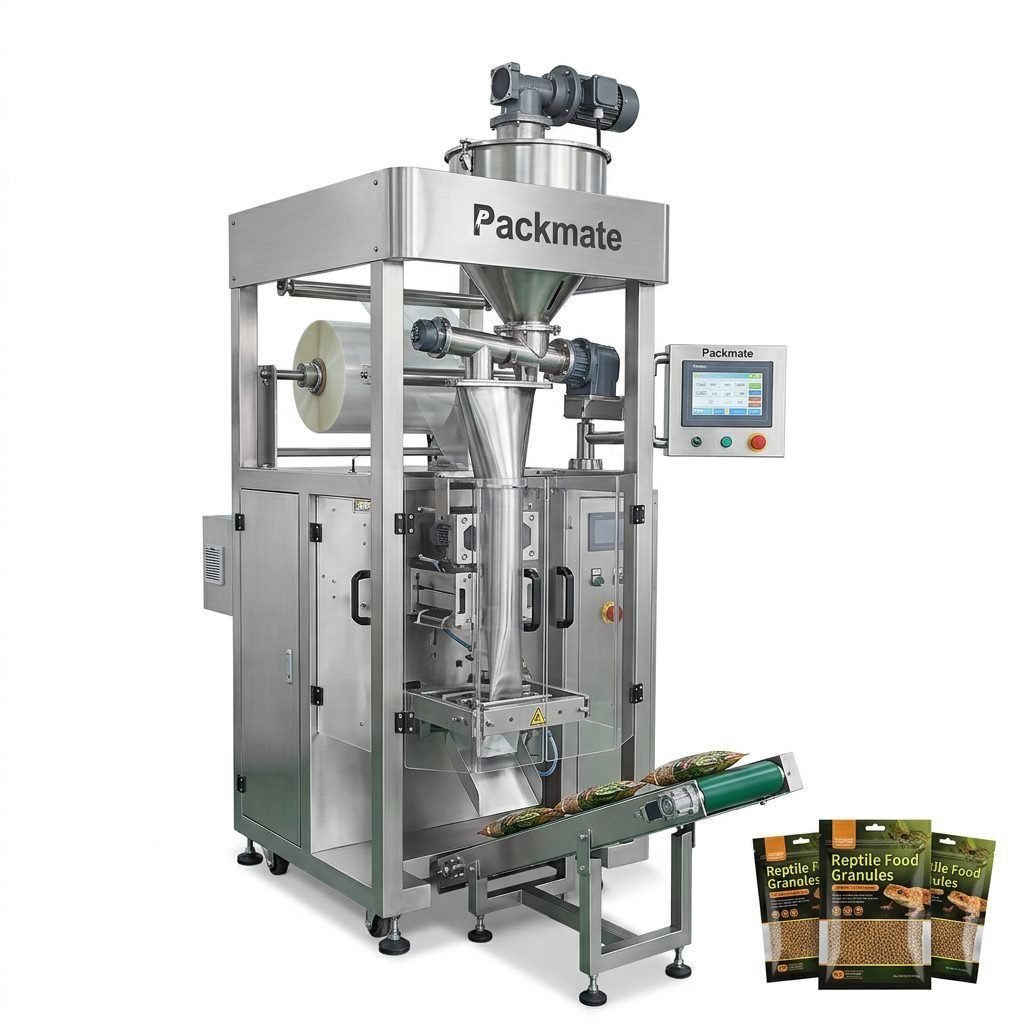
These are among the most common and versatile continuous motion packagers. A roll of flat film is formed into a tube vertically, filled with product, and then sealed horizontally and vertically to create individual pouches or bags. VFFS machines are ideal for a vast range of products, from snacks and coffee to hardware and pet food. Their ability to handle various bag styles—such as pillow bags, gusseted bags, or block-bottom bags—makes them a staple in many production facilities.
Horizontal Form-Fill-Seal (HFFS) Machines
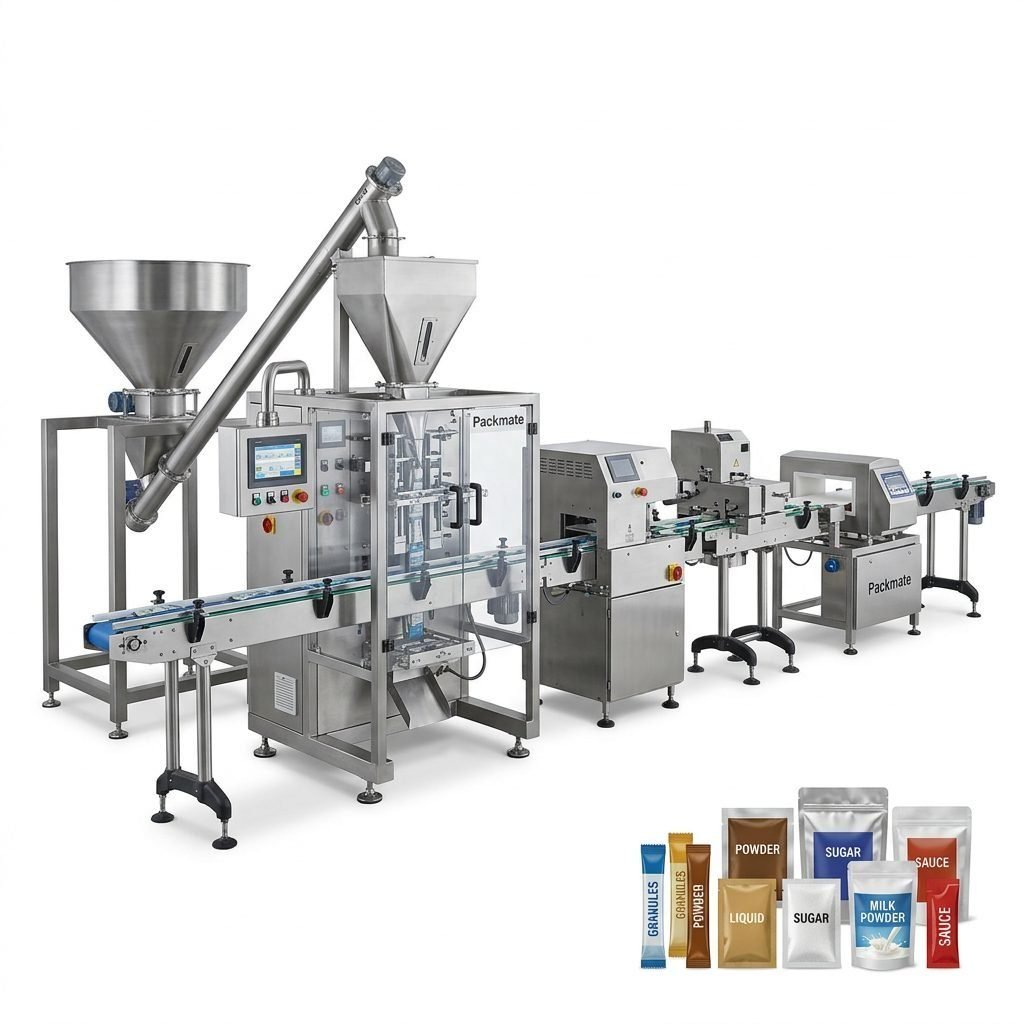
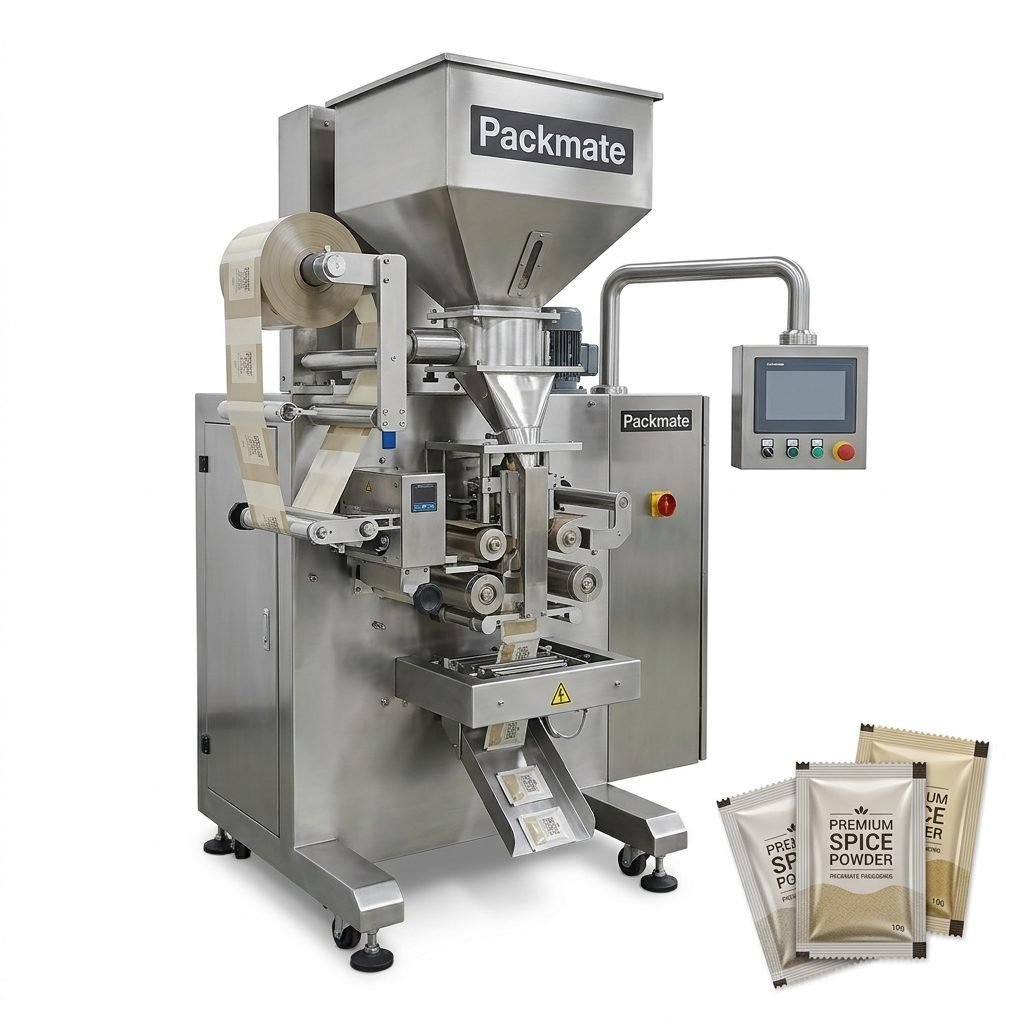
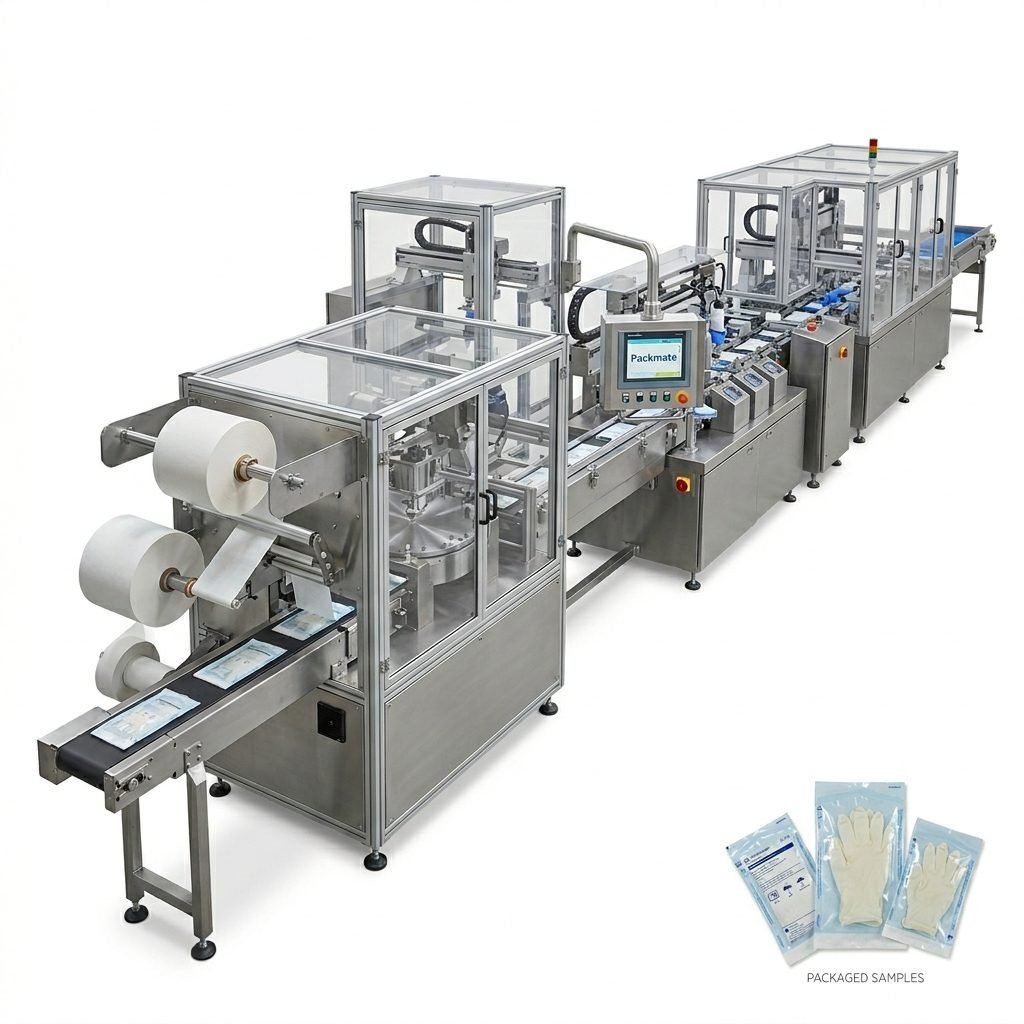
In HFFS machines, the film is fed horizontally. These systems are often used for more rigid or structured packaging, like sachets, stick packs, and blister packs. They excel at creating precise, aesthetically pleasing packages for single-serve portions of products like sugar, ketchup, shampoo, or pharmaceutical powders. For businesses focusing on sachet and stick pack production, continuous motion HFFS lines are the technology of choice for achieving top-tier speed and accuracy.
Liquid & Piston Fillers
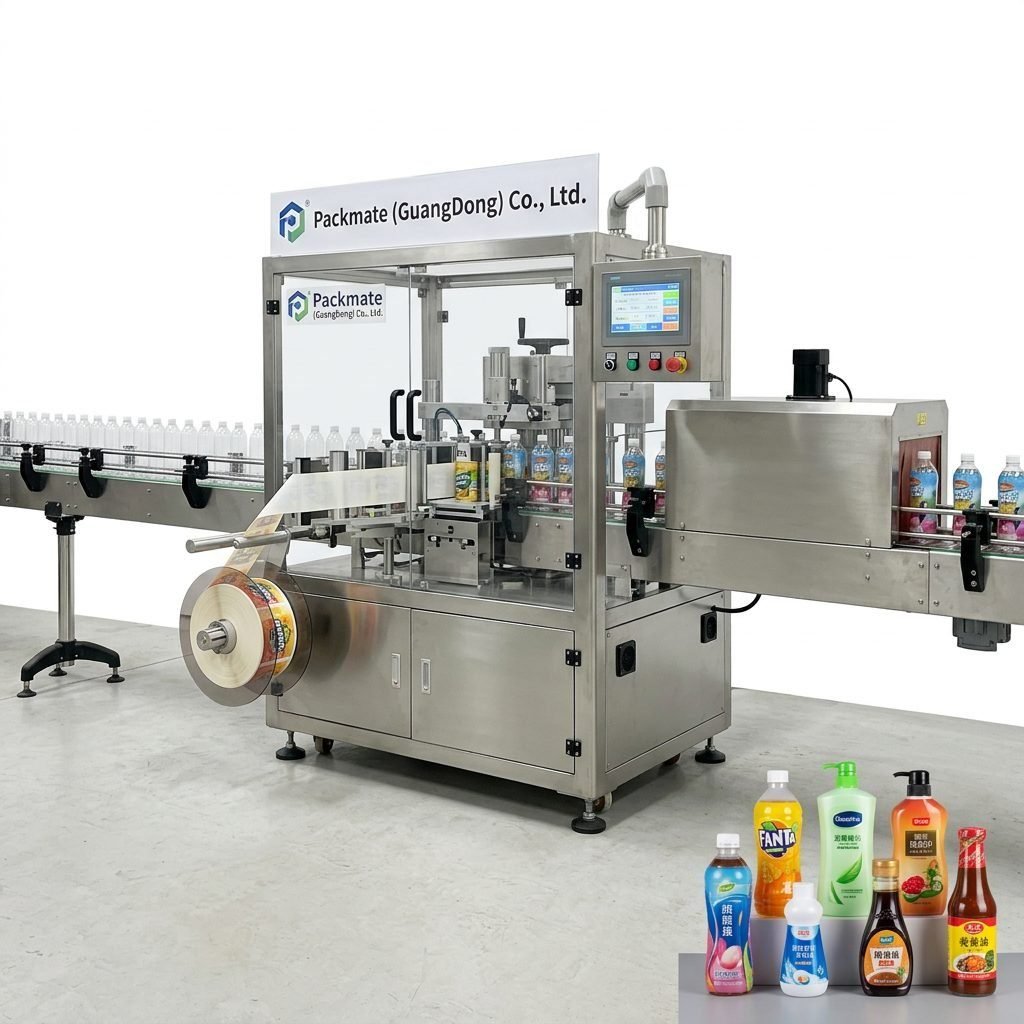
Designed specifically for viscous and liquid products—such as sauces, oils, lotions, and chemicals—continuous motion piston fillers provide exceptional volumetric accuracy. They integrate seamlessly with capping, lidding, or sealing stations to form a complete packaging line. The continuous motion ensures a smooth transfer of containers, minimizing spillage and maximizing line efficiency.
Key Differentiator: Multi-Lane Systems
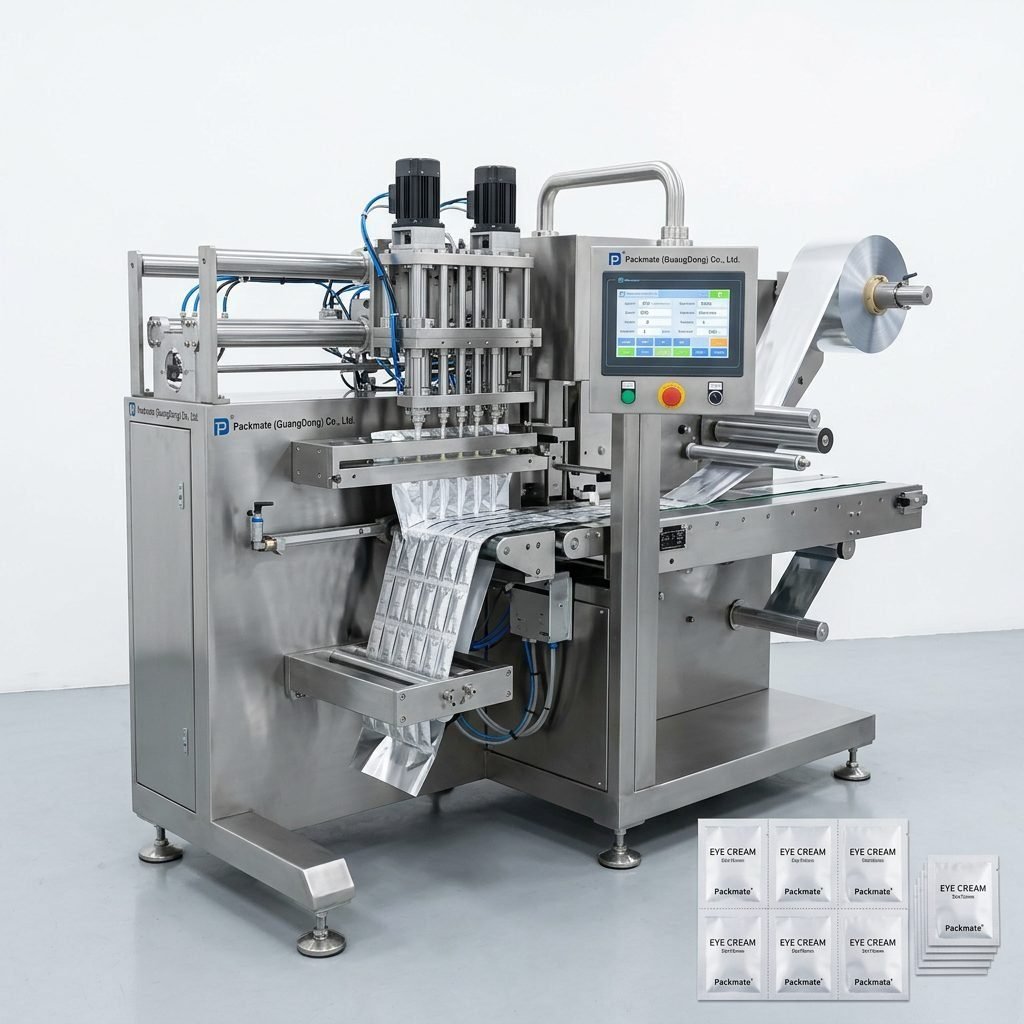
A significant advancement in continuous packaging is the multi-lane system. Instead of a single packaging lane, these machines run multiple lanes in parallel, effectively multiplying output without a proportional increase in floor space. For instance, a multi-lane stick pack machine can produce dozens of sticks simultaneously. This technology is a game-changer for high-volume producers and is a specialty of manufacturers with extensive engineering capabilities, such as those developed over 22+ years at Packmate.
The Compelling Benefits of Continuous Packaging
Investing in continuous motion technology offers a tangible return on investment through multiple channels. The benefits extend far beyond simple speed.
1. Unmatched Production Speed and Output: This is the most apparent advantage. By eliminating stop-start cycles, continuous machines can operate at significantly higher speeds—often 20-50% faster than comparable intermittent machines. This directly translates to more packages per shift and a higher return on capital investment.
2. Enhanced Product Accuracy and Consistency: The smooth, constant motion provides a more stable environment for weighing and filling systems. This stability results in superior weight control, reduced give-away, and consistent package quality, which is crucial for compliance and customer satisfaction.
3. Reduced Mechanical Wear and Tear: Intermittent motion involves rapid acceleration and deceleration, which places high stress on drives, gears, and seals. Continuous motion systems experience less inertial shock, leading to lower maintenance costs, fewer part replacements, and increased overall machine longevity.
4. Improved Packaging Film Integrity: The constant pull on the packaging film is gentler and more uniform than the jerky motion of intermittent systems. This reduces the risk of film tearing, wrinkling, and misregistration, resulting in fewer production stoppages and less material waste.
5. Greater Operational Flexibility: Modern continuous machines are designed with quick-changeover features. While traditionally seen as less flexible, advancements in tooling and PLC controls now allow for rapid size and format changes, making them suitable for shorter production runs than ever before.
Critical Selection Tips for Your Business
Selecting the right continuous packaging machine is a strategic decision. A misstep can lead to underperformance, compatibility issues, and lost revenue. Here are essential factors to guide your selection process.
1. Analyze Your Product Characteristics
Every product is unique. Start with a thorough analysis: Is it a fine powder, abrasive granule, sticky paste, or free-flowing liquid? What is its bulk density and flowability? The product’s properties will dictate the type of filling system (auger, volumetric cup, piston, net weigher) and the film specifications required for a reliable seal. Always conduct product tests with your shortlisted machine suppliers.
2. Define Your Output Requirements
Be realistic about your current and future needs. Calculate your required packages per minute (PPM) based on sales forecasts. Remember to factor in potential growth. A machine that runs at 100% capacity from day one leaves no room for expansion. Consider if a complete filling and packaging line with integrated upstream and downstream equipment is necessary to meet your volume goals.
3. Prioritize Ease of Use and Maintenance
A machine is only as good as the team operating it. Look for user-friendly Human-Machine Interfaces (HMIs), clear diagnostic systems, and easily accessible service points. Machines designed with maintenance in mind—using standardized parts and offering clear documentation—will minimize downtime. The support and training offered by the manufacturer are as important as the machine itself.
4. Evaluate the Manufacturer’s Expertise and Support: The machine’s origin matters. Investigate the manufacturer’s history, reputation, and after-sales service network. A company with deep industry experience, like one operating from a 20,000㎡ modern facility with over 100 advanced production equipment, is more likely to deliver a reliable, well-supported solution. Review their case studies to see proven applications similar to yours.
5. Consider Total Cost of Ownership (TCO)
Look beyond the initial purchase price. The TCO includes installation, training, maintenance, spare parts, energy consumption, and potential downtime costs. A slightly more expensive machine from a reputable supplier that offers higher reliability, better efficiency, and comprehensive support will often have a lower TCO over a 5-10 year period than a cheaper, less capable alternative.
Conclusion and Next Steps
Continuous packaging machines represent a significant leap in production technology, offering speed, efficiency, and reliability that intermittent systems struggle to match. From versatile VFFS machines to precision liquid fillers and high-output multi-lane systems, the right technology can transform your packaging operations. The key to success lies in a meticulous selection process that aligns machine capabilities with your specific product, output goals, and operational philosophy.
By partnering with an experienced and innovative manufacturer, you gain more than just equipment; you gain a collaborator invested in your long-term productivity. As demonstrated by industry leaders who have evolved from small workshops to global suppliers, the commitment to quality, innovation, and providing complete turnkey solutions is what ultimately ensures your packaging investment drives your business forward.
Frequently Asked Questions (FAQs)
Q1: What is the main difference between continuous and intermittent motion packaging?
A1: The core difference is motion. Continuous motion machines run the packaging film and processes at a constant speed, leading to higher output and smoother operation. Intermittent motion machines stop the film for filling and sealing before advancing again, which limits top speed and increases mechanical stress.
Q2: Are continuous motion machines suitable for small batch production?
A2: Traditionally favored for long runs, modern continuous machines have greatly improved changeover times. With quick-change tooling and programmable recipes, they can now be economically viable for smaller batches, especially when product consistency and quality are critical.
Q3: What type of products are NOT suitable for continuous packaging?
A3: Extremely fragile, irregularly shaped, or very large items that cannot be fed reliably at a constant speed may be challenging. Additionally, products requiring complex, multi-stage placement inside the package might be better suited to intermittent or robotic systems.
Q4: How important is after-sales service when purchasing a continuous packaging machine?
A4: It is absolutely critical. Given the complexity and high-speed nature of these machines, access to prompt technical support, spare parts, and maintenance training is essential to minimize costly downtime and ensure the machine’s longevity and performance.
Q5: Can a continuous packaging line be integrated with other equipment?
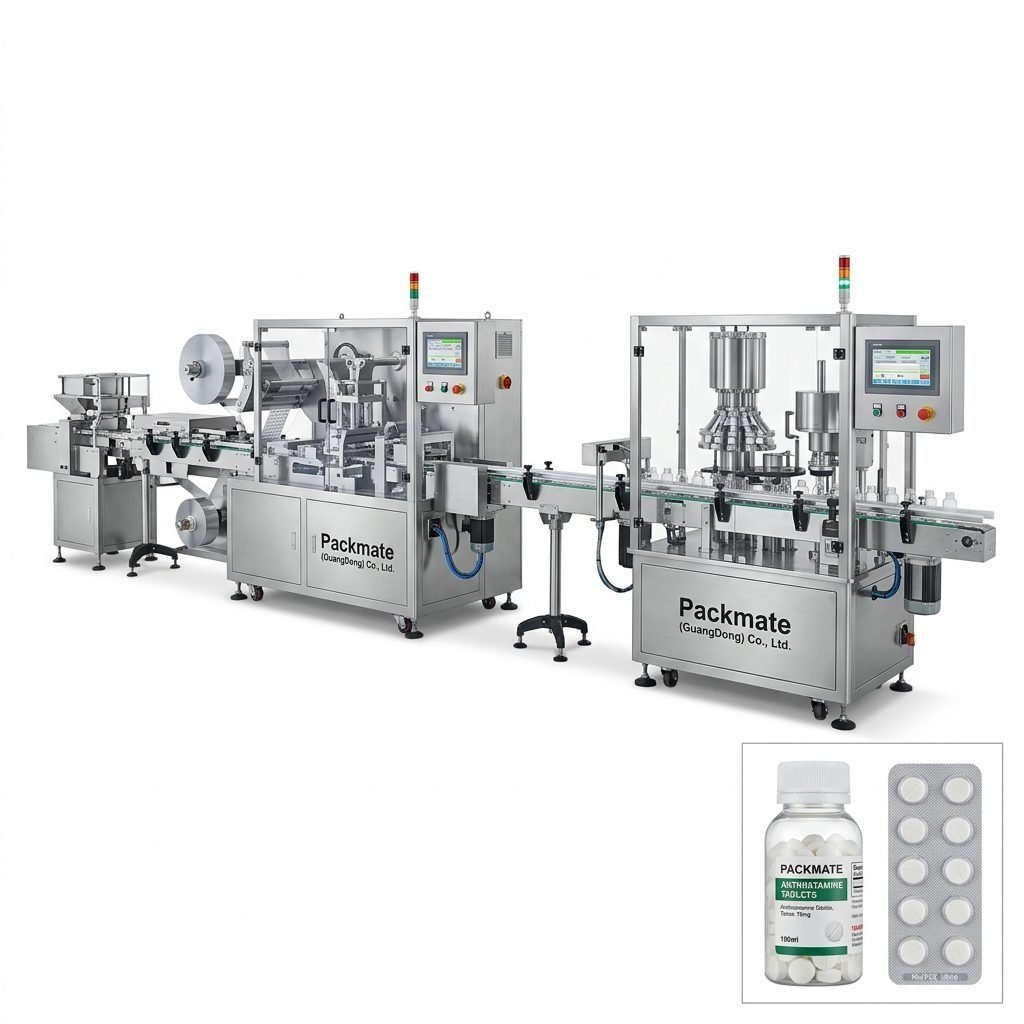
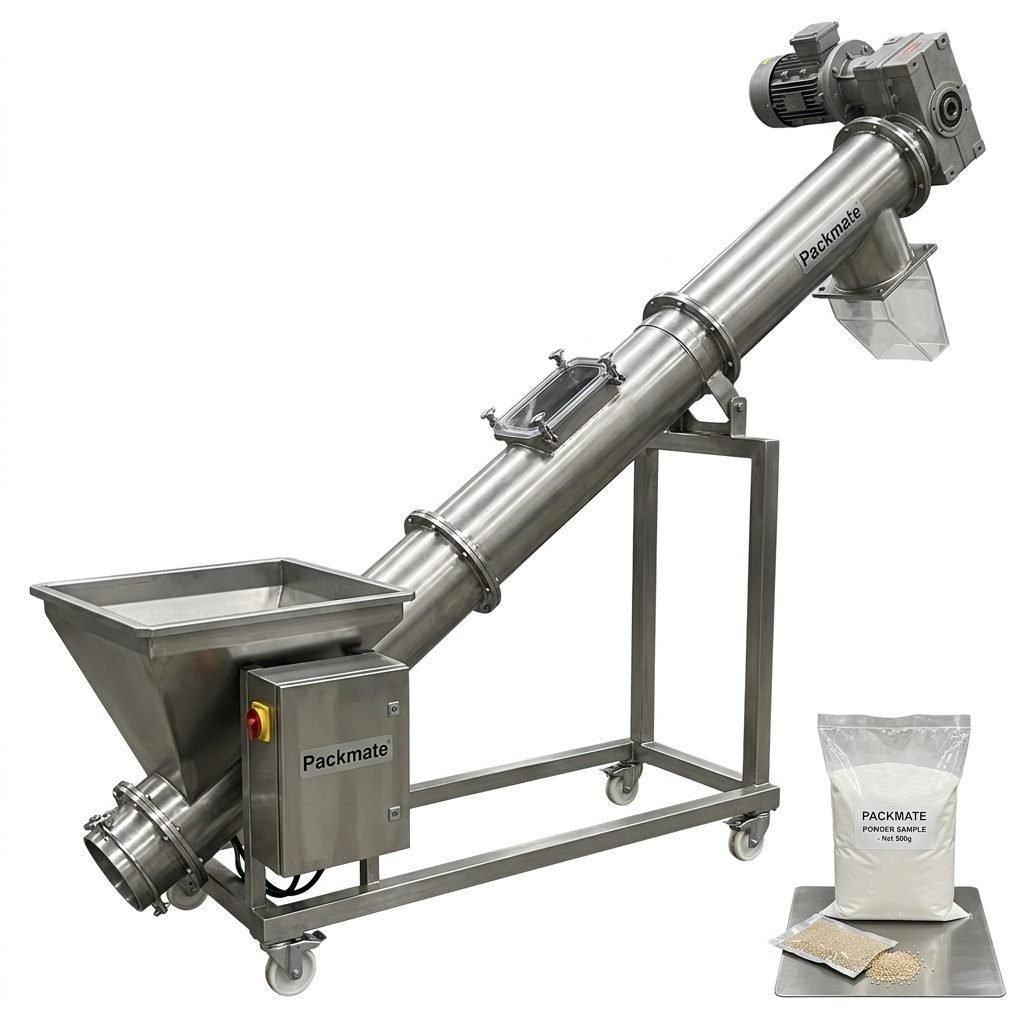
A5: Yes, in fact, integration is a major strength. Continuous motion packagers are often the core of a full line, seamlessly connecting with upstream equipment like mixers and feeders and downstream systems like cartoners, case packers, and palletizers to create a fully automated, turnkey solution.