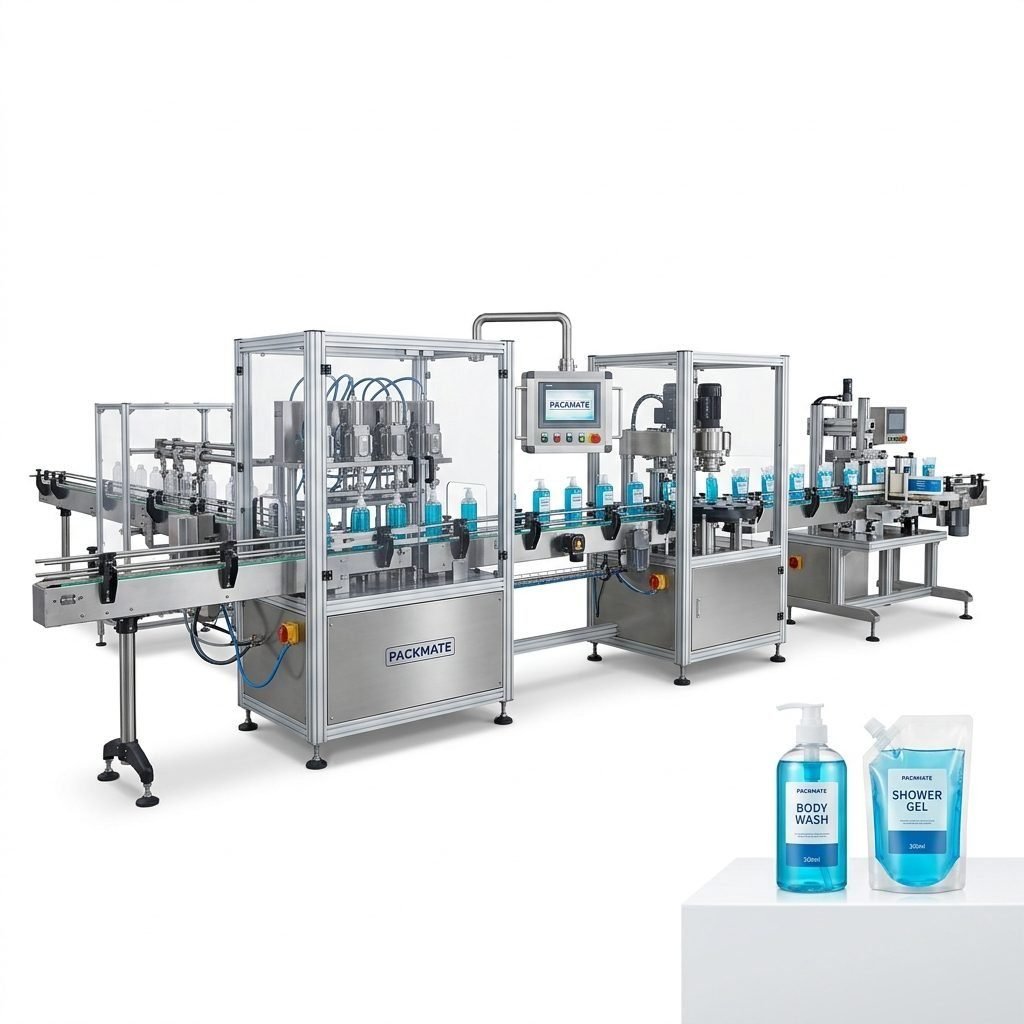
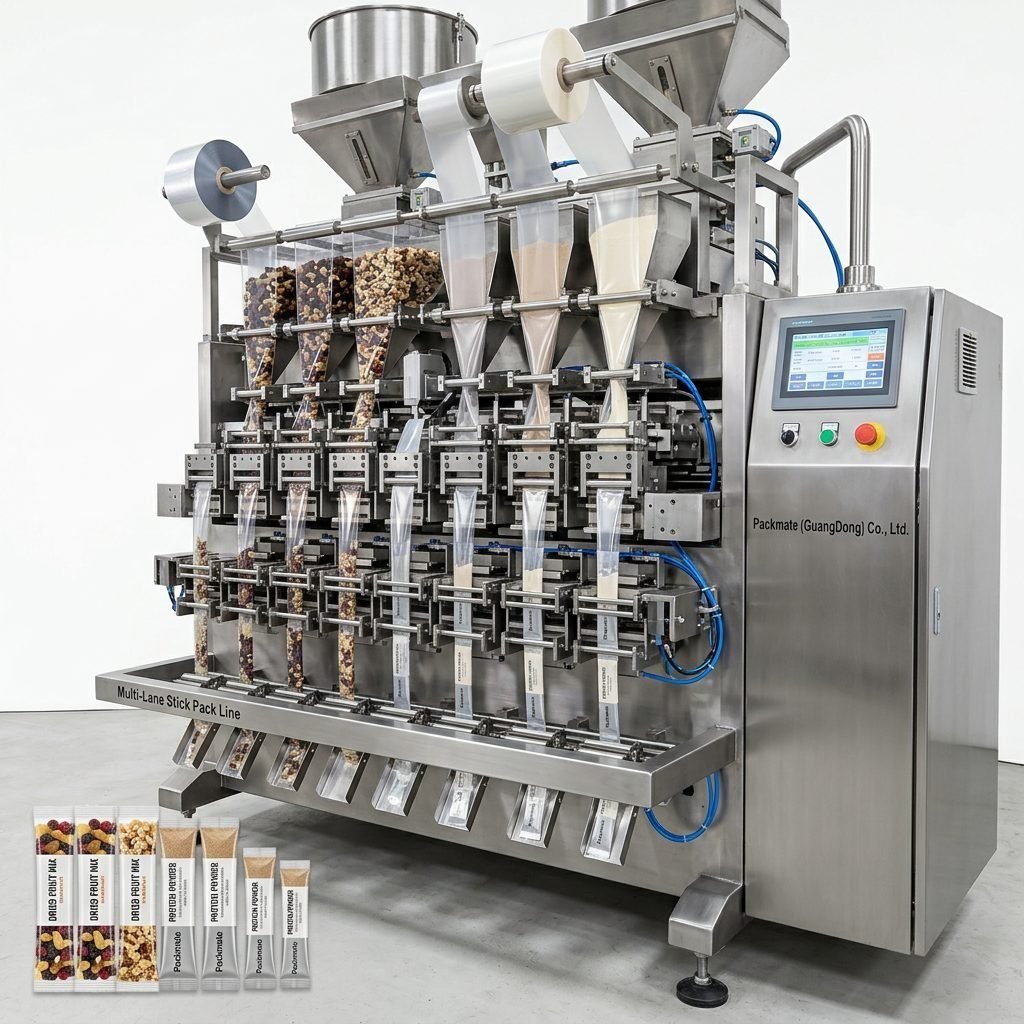
In the dynamic world of manufacturing and product distribution, efficiency, accuracy, and presentation are paramount. For industries handling granular products—from food items like coffee, sugar, and spices to pharmaceuticals, chemicals, and agricultural seeds—the packaging process is a critical final step. Granule packaging machines are specialized equipment designed to automate this process, ensuring precise measurement, secure sealing, and consistent output. This article delves into the various types of granule packaging machines, their significant benefits, and provides a comprehensive guide on how to choose the right one for your specific needs.
Understanding Granule Packaging Machines
Granule packaging machines are automated systems that measure, fill, and seal granular materials into various pouch types, such as sachets, stick packs, pillow bags, or gusseted bags. They are engineered to handle the unique flow characteristics of granules, which can range from free-flowing (like rice) to non-free-flowing or sticky (like certain powdered spices with high oil content). The core function is to deliver precise, hygienic, and high-speed packaging, directly impacting product quality, shelf life, and brand perception.
Key Driver: The demand for these machines has surged with the growth of single-serve and portion-controlled products across the food & beverage and pharmaceutical sectors. Consumers seek convenience, while manufacturers require scalable solutions to meet this demand without compromising on cost or quality.
Primary Types of Granule Packaging Machines
The market offers a diverse range of machines, each suited for different production scales, pouch styles, and material characteristics. Understanding these types is the first step in selection.
1. Vertical Form Fill Seal (VFFS) Machines
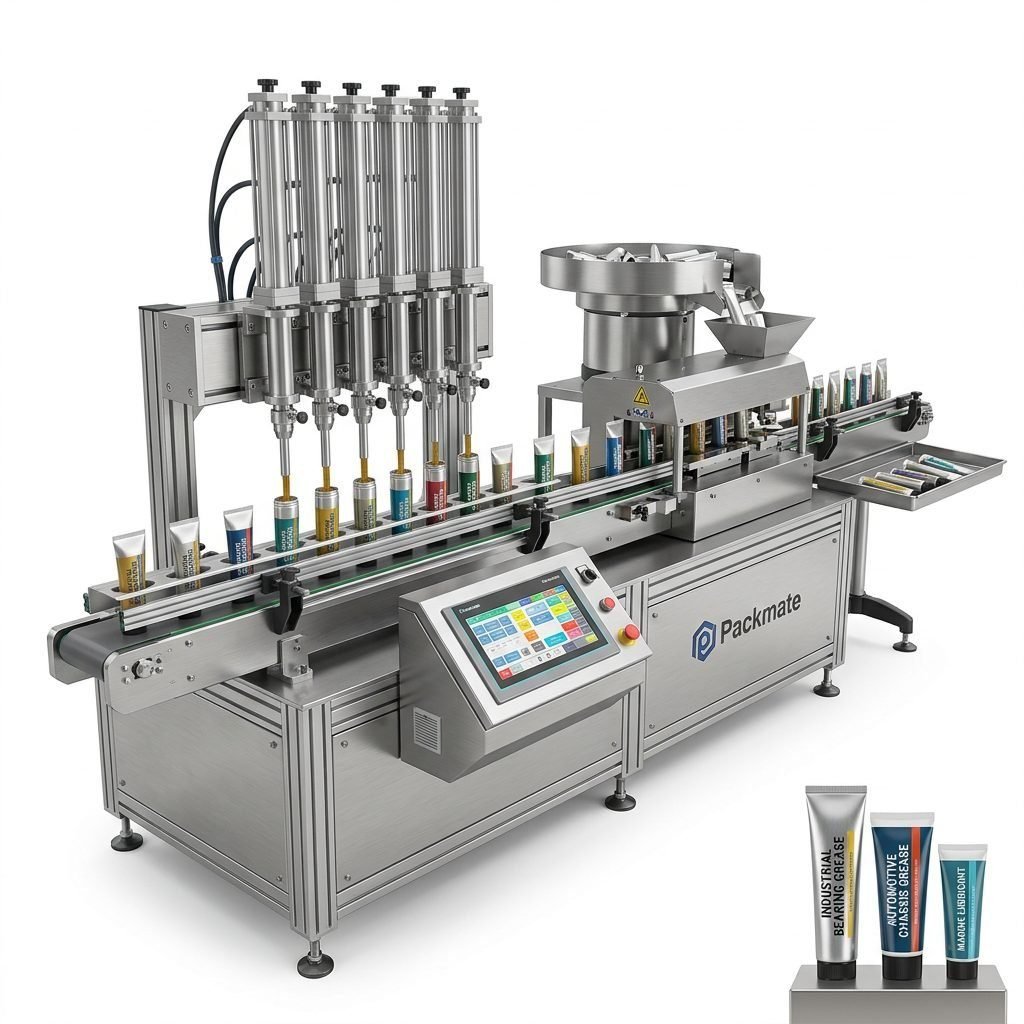
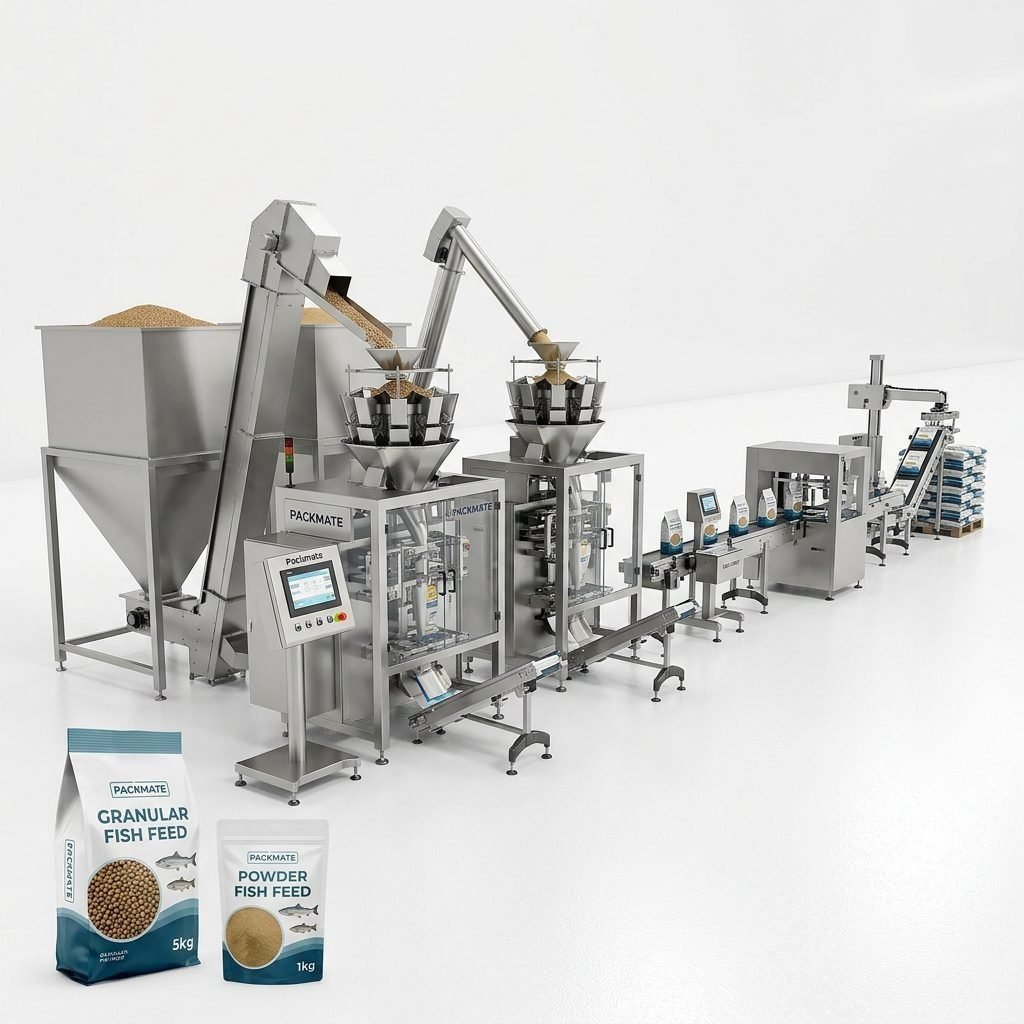
These are the most common and versatile type. A VFFS machine forms a bag from a roll of packaging film, fills it with a pre-measured amount of granules, and then seals it. It’s ideal for producing pillow bags and can be equipped with various auger or weigh-fill systems for accuracy. They are excellent for medium to high-volume production runs. For businesses looking to scale, integrating a VFFS machine into a complete filling & packaging line can streamline operations from start to finish.
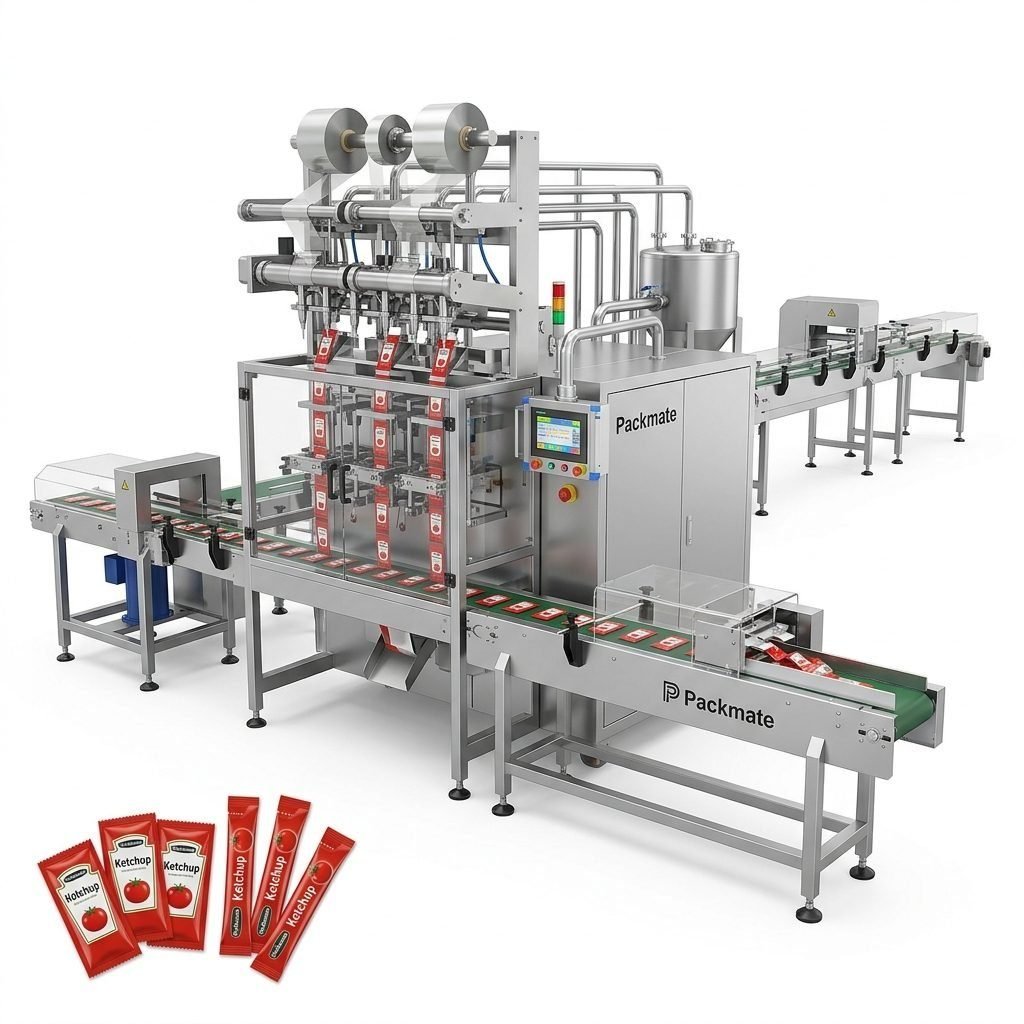
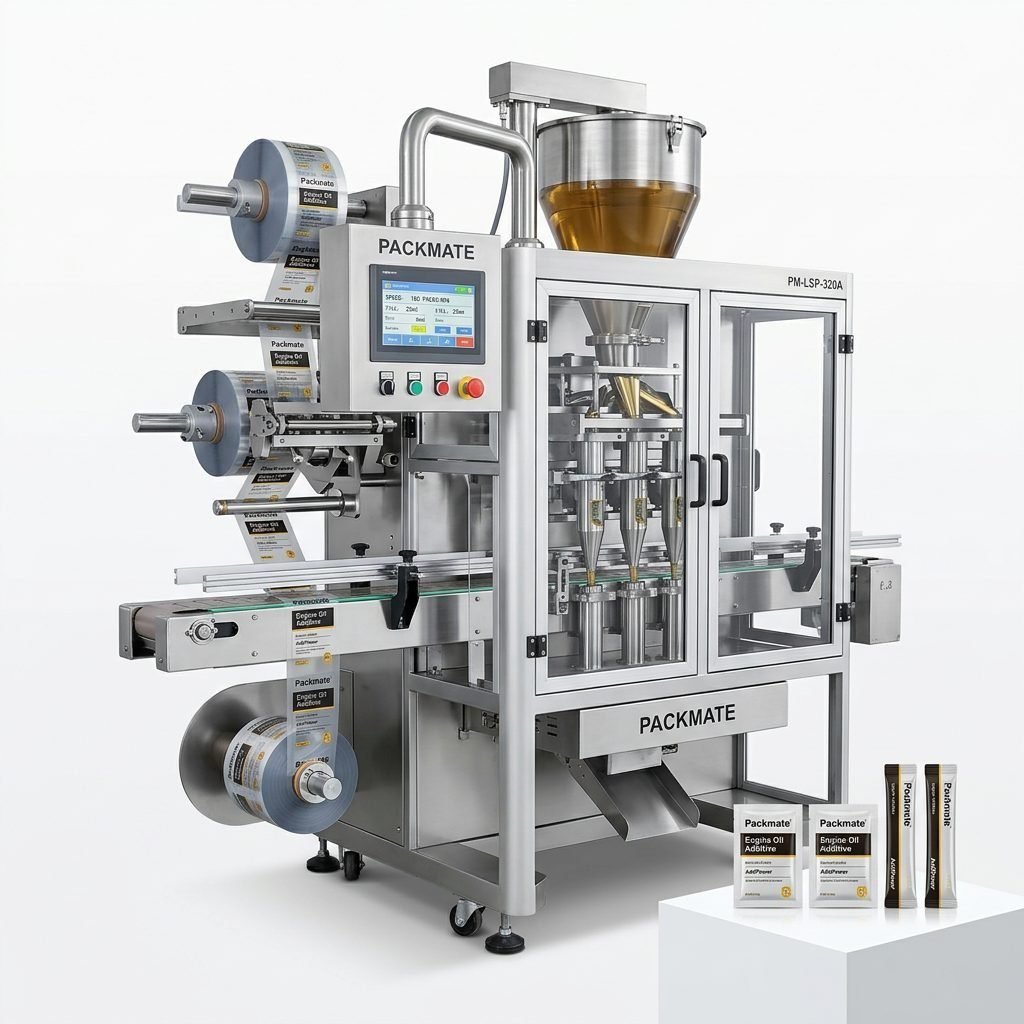
2. Multi-Lane Stick Pack & Sachet Machines
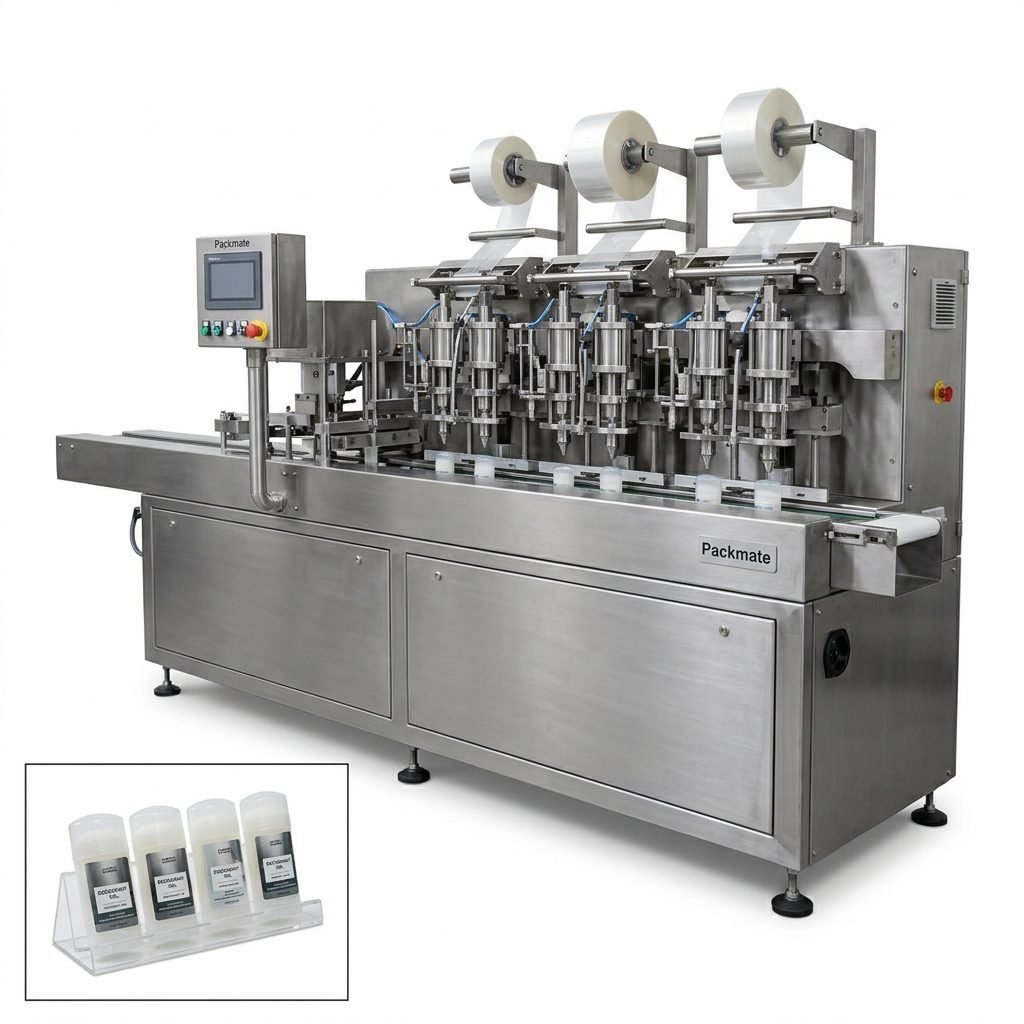
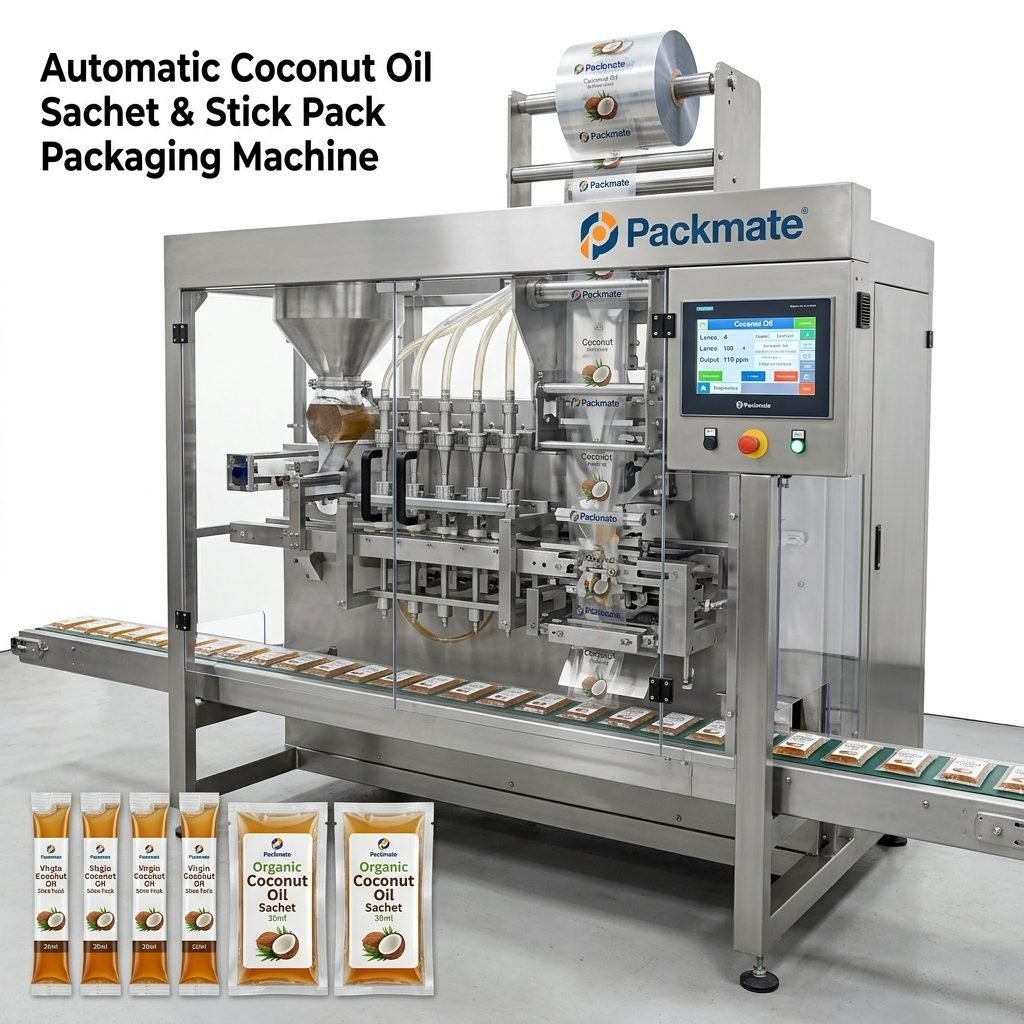
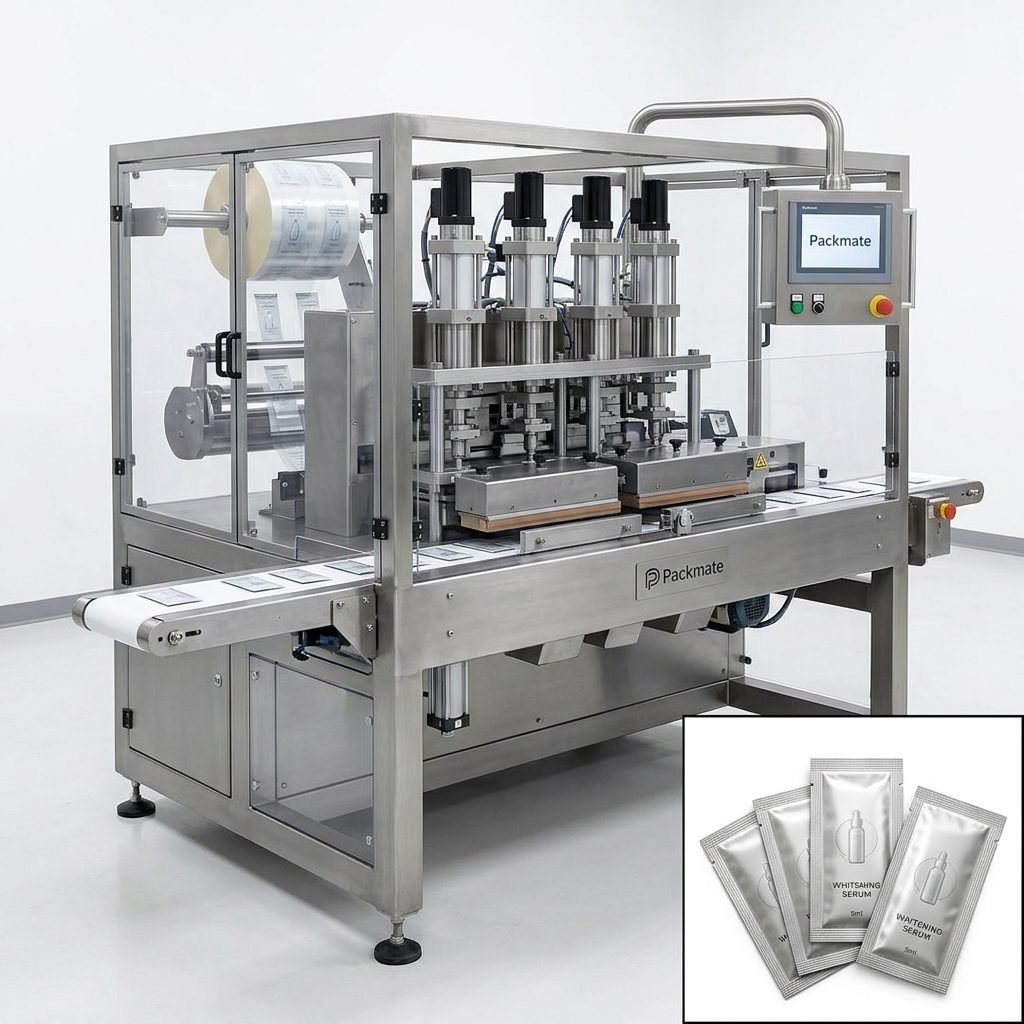
Designed specifically for high-output production of small, elongated stick packs or flat sachets, these machines operate multiple lanes simultaneously. They are the go-to choice for packaging instant coffee, sugar, drink mixes, and pharmaceutical powders. Companies like Packmate Machinery have extensive expertise in this area, offering robust multi-lane solutions that maximize throughput while maintaining compact footprints.
3. Pre-Made Pouch Packaging Machines
Unlike VFFS machines, these systems use pre-manufactured, often stand-up or zippered pouches. The machine opens the pouch, fills it, and then seals it. This type is perfect for products requiring high-quality, complex pouch structures with excellent graphical presentation. They are often used for premium granule products in the snack and gourmet food industries.
4. Weighing and Dosing Systems
At the heart of any granule packaging operation is the dosing system. Critical for cost control and compliance, especially in pharmaceuticals, these systems ensure each pack contains the exact weight. Common technologies include:
• Auger Fillers: Best for fine to medium granules, offering good speed and accuracy.
• Cup Fillers: Use volumetric cups, suitable for uniform, free-flowing granules.
• Net Weigh Fillers: The gold standard for precision. They weigh the product in a hopper before dispensing it into the bag, ideal for high-value products. Explore advanced weighing & packaging systems for applications demanding utmost accuracy.
Tangible Benefits of Automating Granule Packaging
Investing in an automated granule packaging machine delivers a strong return on investment through multiple channels.
Enhanced Efficiency & Productivity
Machines operate continuously at high speeds, far surpassing manual packaging. This allows for scaling production to meet market demands without a linear increase in labor costs. Downtime is minimized, and output per hour is maximized.
Superior Accuracy and Consistency
Automated dosing systems eliminate human error in measurement. Every single packet contains the precise weight declared on the label, ensuring regulatory compliance, reducing product giveaway, and building consumer trust. The seal quality is also uniform, enhancing product protection.
Improved Hygiene and Safety: Automated systems minimize direct human contact with the product, which is crucial for food and pharmaceutical-grade items. This reduces contamination risk and helps meet stringent Good Manufacturing Practice (GMP) standards.
Reduced Operational Costs: While the initial investment is significant, the long-term savings on labor, material waste (from overfilling), and product loss are substantial. The machine also optimizes the use of packaging film.
Flexibility and Versatility: Modern machines are designed for quick changeovers. With adjustments to parameters and change parts, a single machine can often handle different granule sizes and pouch dimensions, allowing for agile production scheduling.
How to Choose the Right Granule Packaging Machine: A Step-by-Step Guide
Selecting the ideal machine requires a careful analysis of your product, business goals, and operational environment.
Step 1: Analyze Your Product Characteristics
This is the most critical factor. Define your granule’s properties:
– Flowability: Does it pour like sand or clump?
– Bulk Density: Weight per unit volume.
– Abrasiveness: Can it wear down machine parts?
– Hygroscopicity: Does it absorb moisture?
– Particle Size & Uniformity: Fine powder vs. coarse grains.
This analysis will directly dictate the type of filling system (auger, cup, net weigh) you need.
Step 2: Define Your Packaging Requirements
Consider the final presentation:
– Pouch Type: Stick pack, sachet, pillow bag, stand-up pouch? For specialized needs like sachets, reviewing dedicated sachet & stick pack machines is advisable.
– Bag Size & Range: Minimum and maximum dimensions (length, width).
– Packaging Material: Type of film (laminate, mono-layer), its thickness, and sealing properties.
– Production Speed (Packs Per Minute): Calculate your required output based on current and projected demand.
Step 3: Evaluate Machine Features and Build Quality
Look beyond the brochure:
– Construction Material: Contact parts should be food-grade stainless steel (e.g., SS304 or SS316) for durability and hygiene.
– Control System: User-friendly PLC/HMI interface for easy operation, recipe storage, and diagnostics.
– Changeover Time: How quickly can you switch between different products or bag sizes?
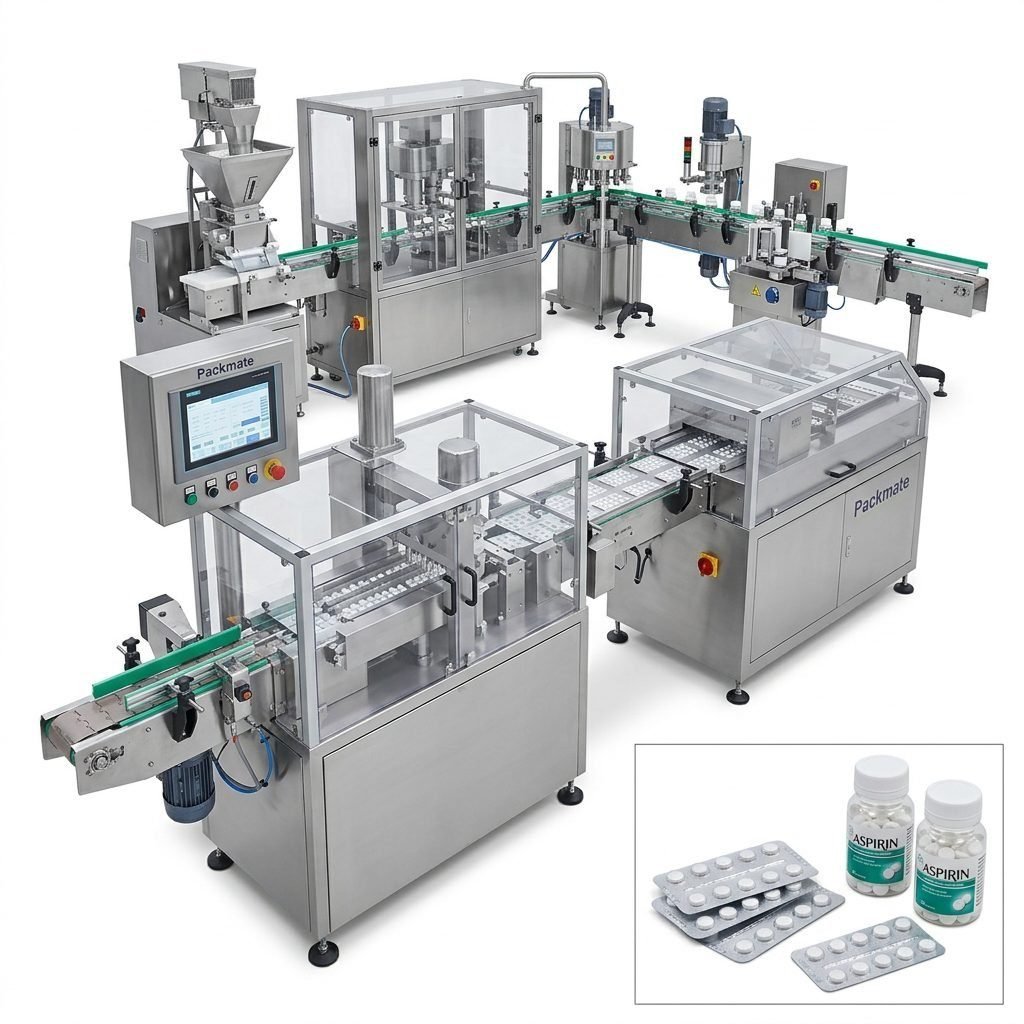
– Integration Capability: Can the machine connect with upstream (e.g., conveying) and downstream (e.g., cartoning) equipment? A provider offering auxiliary packaging equipment can ensure seamless integration.
– Safety Features: Emergency stops, guards, and interlocks.
Step 4: Assess Supplier Credibility and Support
The machine is only as good as the company behind it. Choose a supplier with:
– A proven track record and industry experience, like Packmate with over two decades in the field.
– Strong after-sales service, including installation, training, and readily available spare parts.
– The ability to provide references or case studies from similar industries.
– Clear warranty terms and technical support channels.
Pro Tip: Request a Product Test
Always insist on a live test using your actual product and packaging materials at the supplier’s facility. This is the only way to verify speed, accuracy, and seal integrity before making a purchase decision.
Conclusion
Granule packaging machines are indispensable tools for modern production, transforming granular materials into market-ready, consumer-friendly packages. From versatile VFFS machines to high-speed multi-lane stick pack systems, the right technology can dramatically boost efficiency, ensure consistent quality, and improve your bottom line. The selection process must be meticulous, focusing on product specifics, packaging needs, machine robustness, and supplier reliability. By carefully navigating these factors, you can invest in a packaging solution that not only meets today’s requirements but also scales with your business’s future growth.
Frequently Asked Questions (FAQs)
1. What is the typical accuracy range for a granule packaging machine?
Accuracy depends on the filling system. Volumetric (cup/auger) systems typically achieve ±1-2% accuracy, while advanced multi-head net weigh systems can achieve ±0.5-1% or better, which is often required for high-value or regulated products.
2. Can one machine handle different types of granules?
Yes, many machines offer flexibility. However, significant differences in particle size, flowability, or density may require adjustments to the filling system (e.g., changing the auger type) and sealing parameters. Quick-changeover features are key for multi-product facilities.
3. How important is after-sales service when purchasing a machine?
Extremely important. Packaging machines are complex and require maintenance. A supplier with a strong service network ensures you have access to technical support, genuine spare parts, and preventive maintenance services, minimizing costly production downtime.
4. What are the key maintenance routines for these machines?
Daily cleaning of product contact zones, regular lubrication of moving parts as per the manual, inspection of sealing jaws for wear, and calibration of the weighing system are essential. Following the manufacturer’s maintenance schedule is crucial for longevity.
5. How do I determine the production speed (PPM) I need?
Calculate based on your daily/weekly output target and available operating hours. For example, if you need 100,000 packs per 8-hour shift, you require a machine capable of approximately 208 PPM (allowing for some efficiency loss). Always factor in future growth when specifying speed.