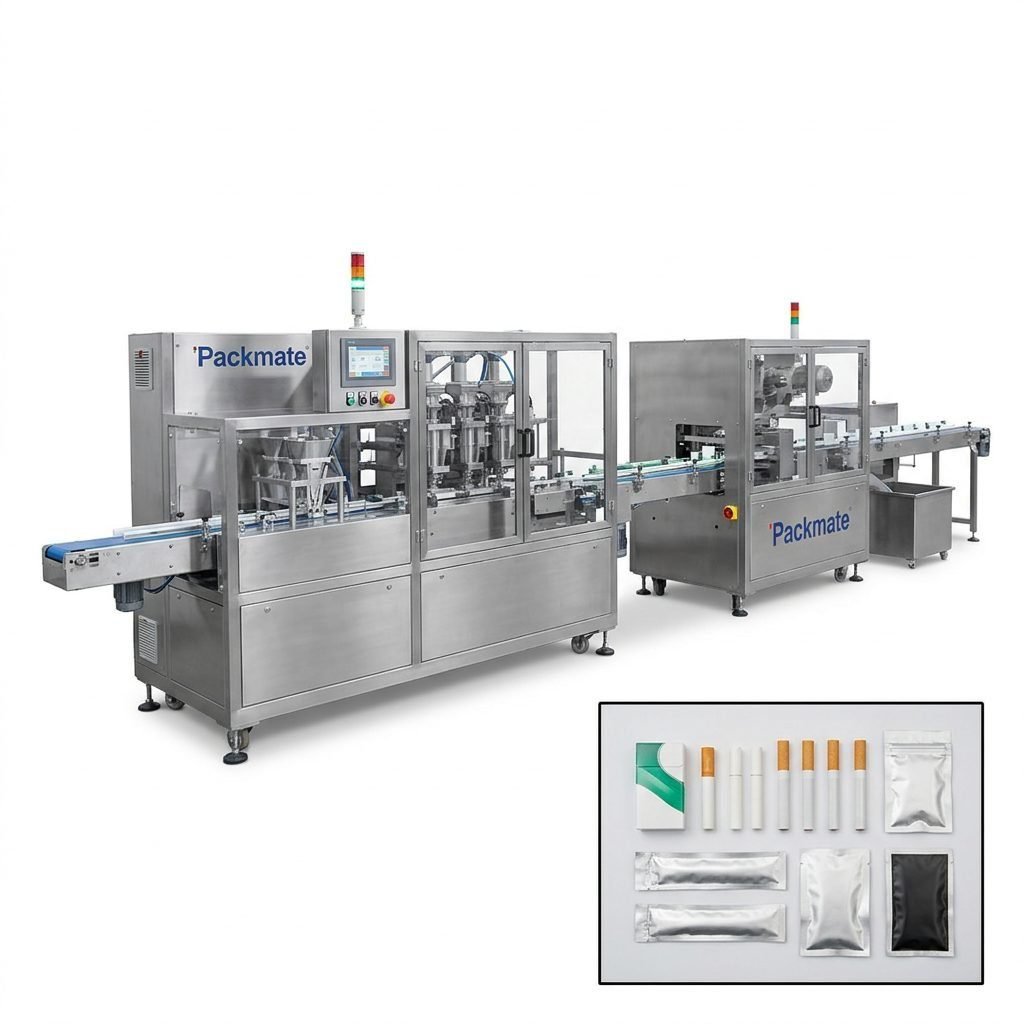
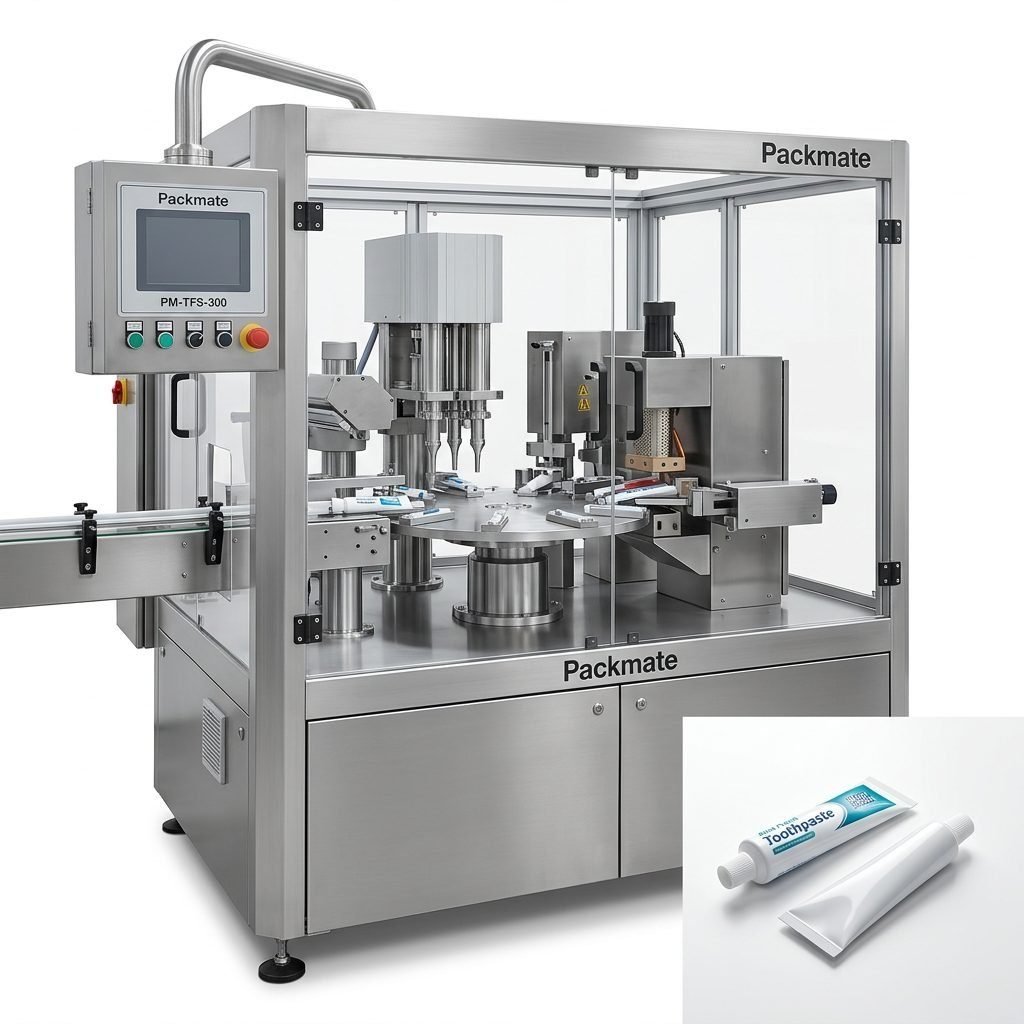
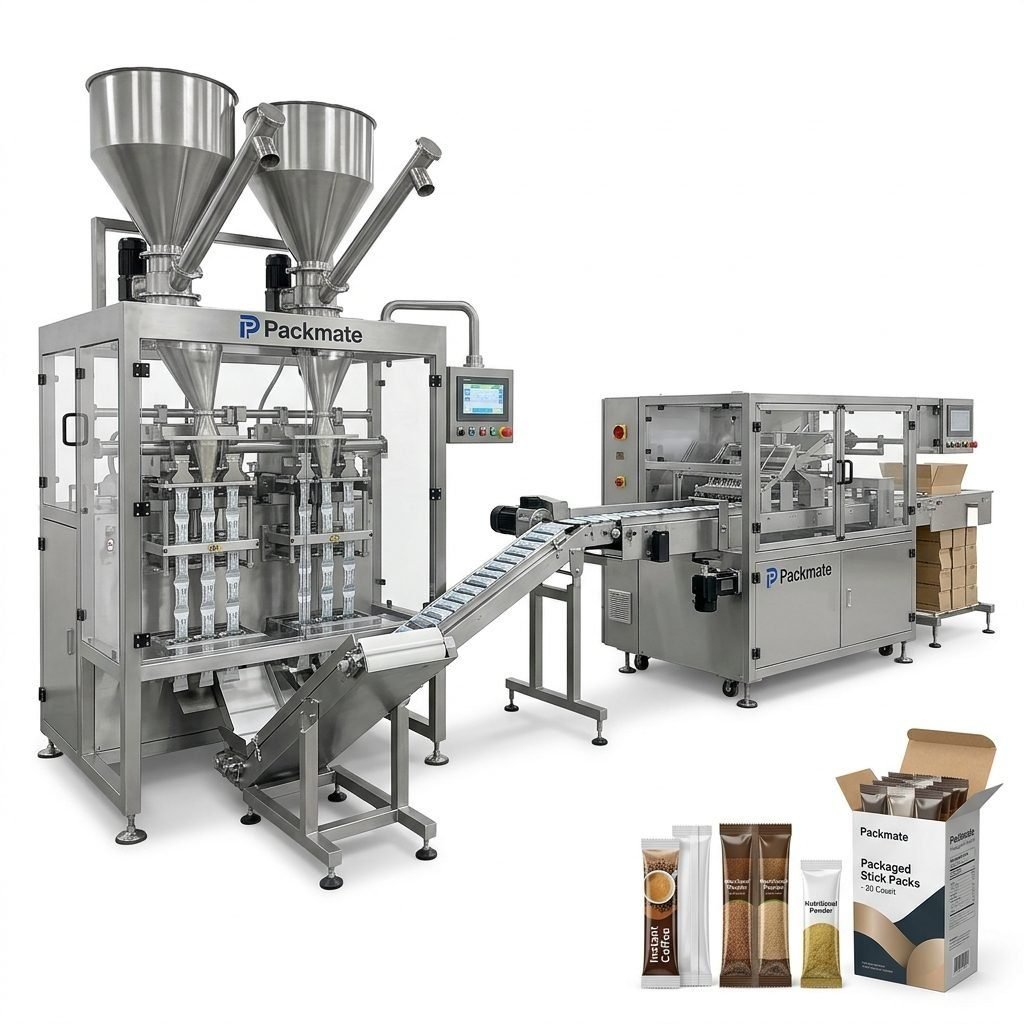
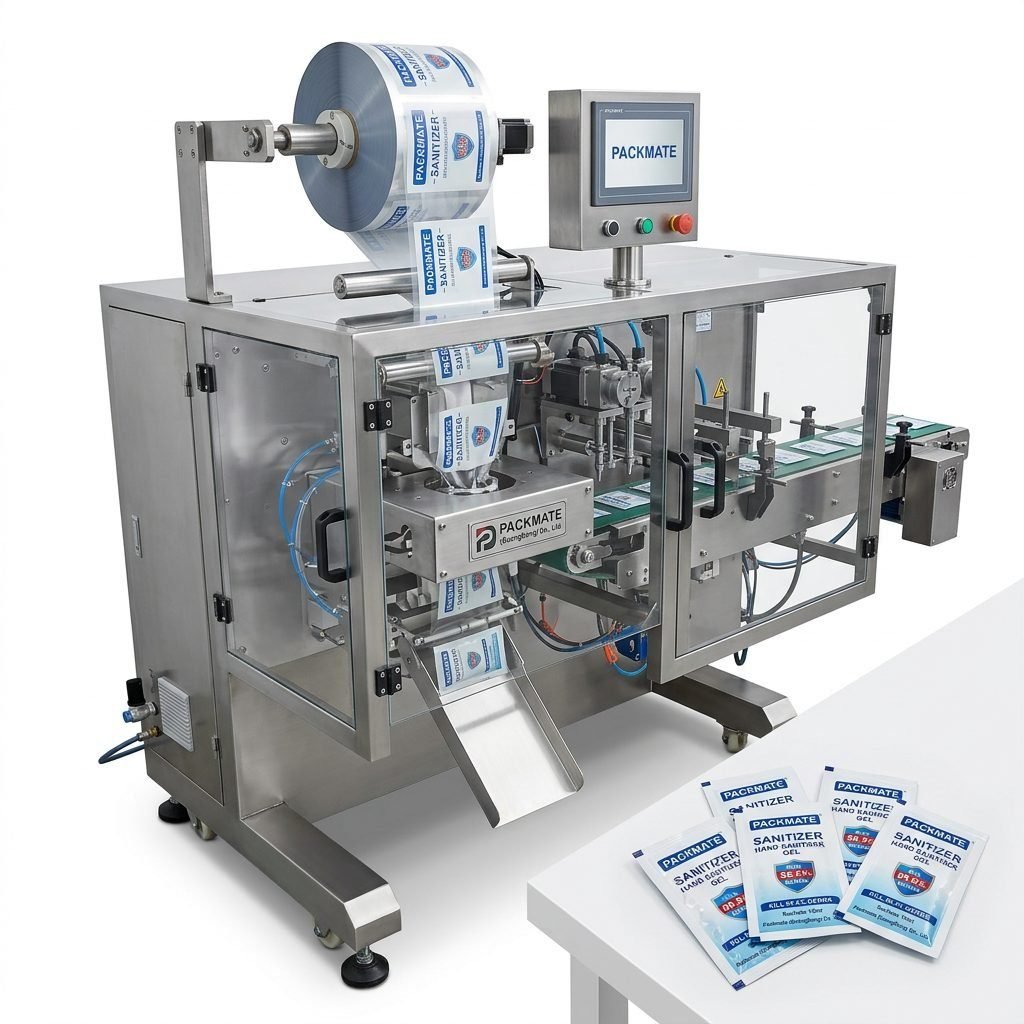
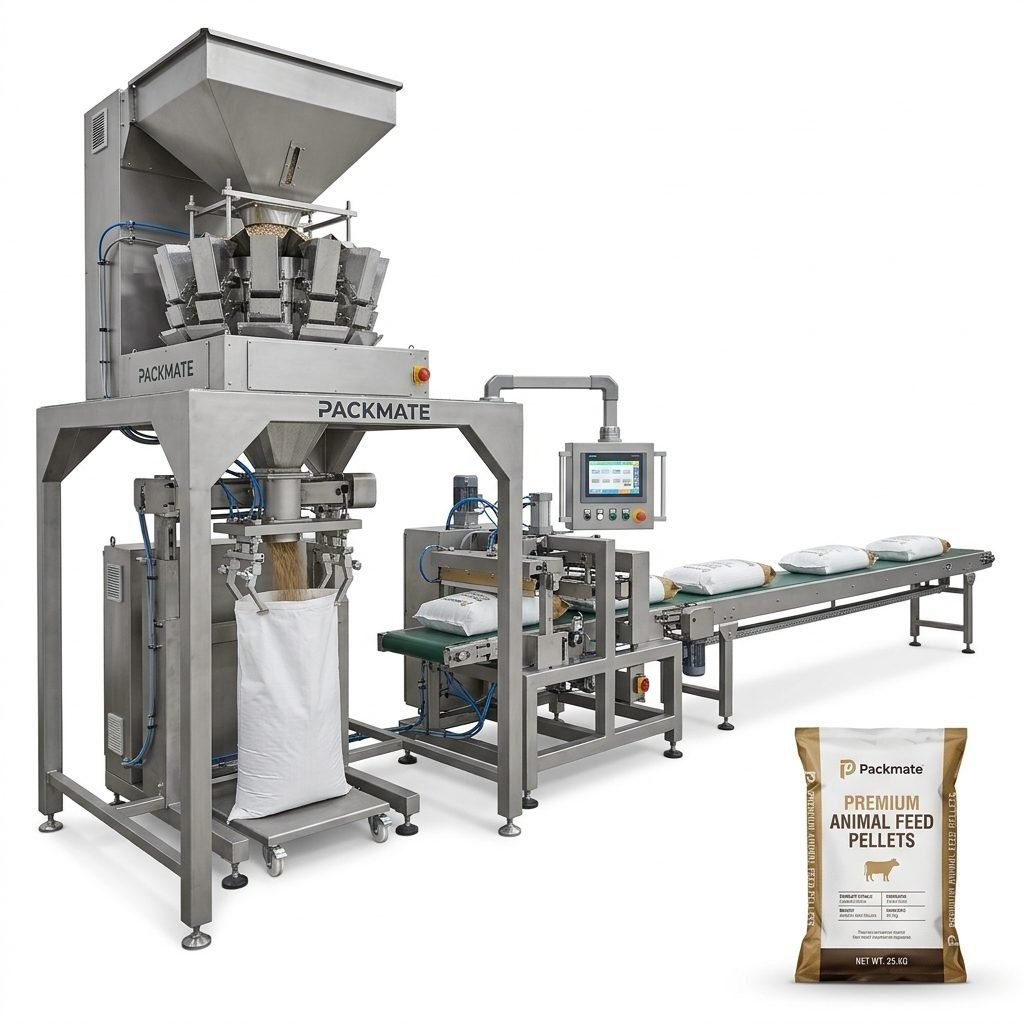
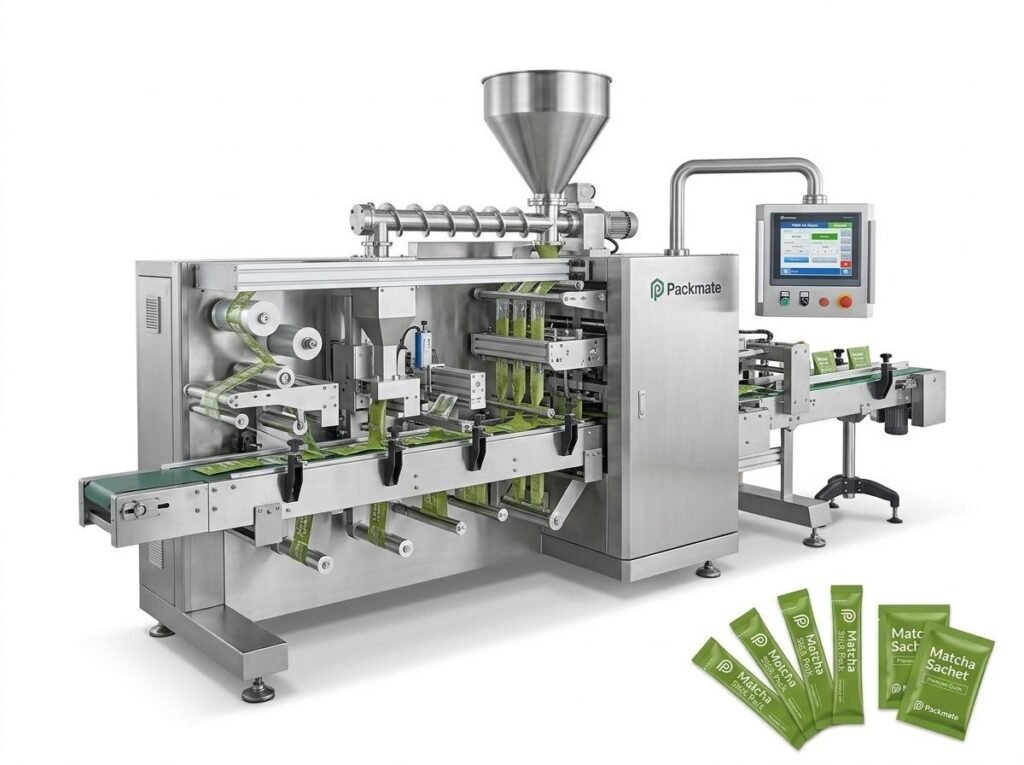
In the fast-paced world of product manufacturing, efficiency and precision are paramount. For businesses handling granules, powders, and liquids—common in the food, pharmaceutical, and health industries—achieving consistent, reliable, and hygienic packaging is a critical challenge. This is where the technology of fill seal packaging machines becomes indispensable. These sophisticated systems automate the process of forming, filling, and sealing packages in one continuous operation, revolutionizing production lines. Understanding how they work is the first step toward unlocking greater productivity and product integrity for your business.
What is a Fill Seal Packaging Machine?
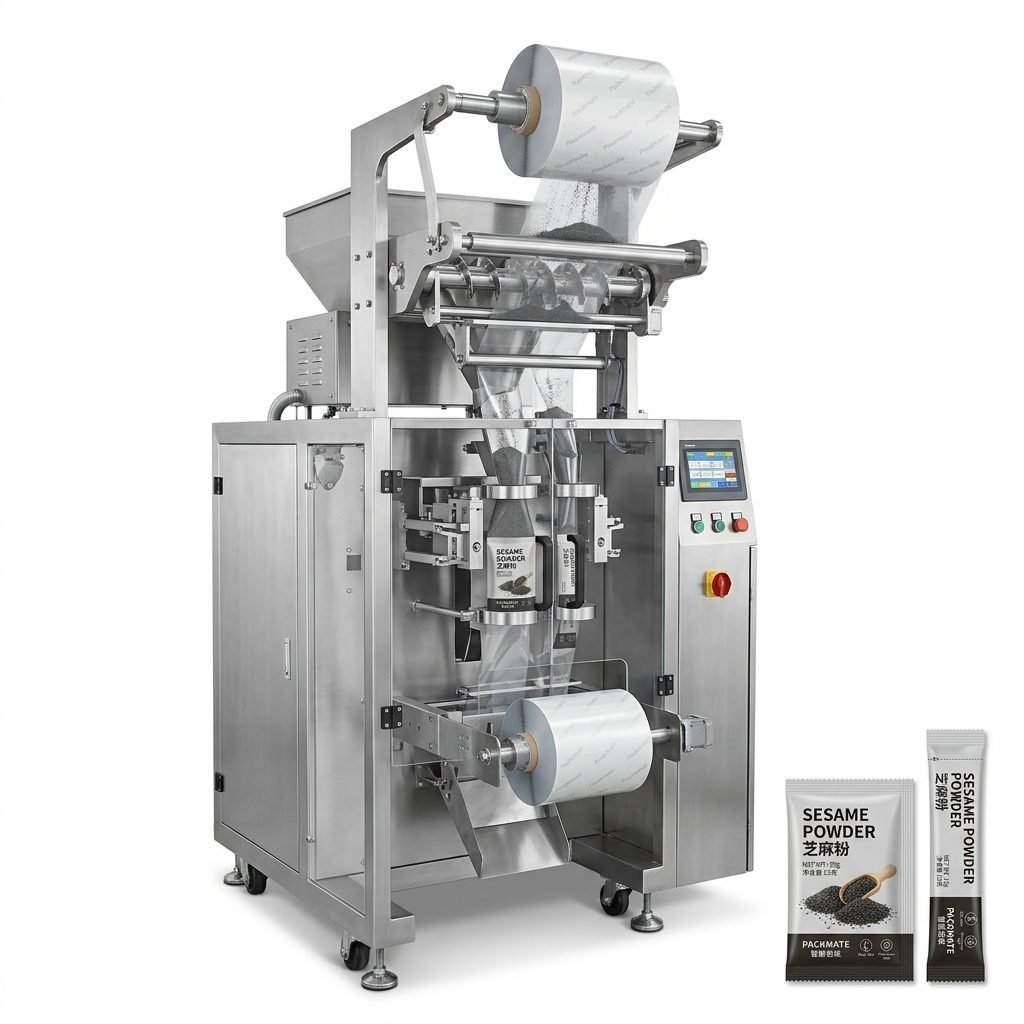
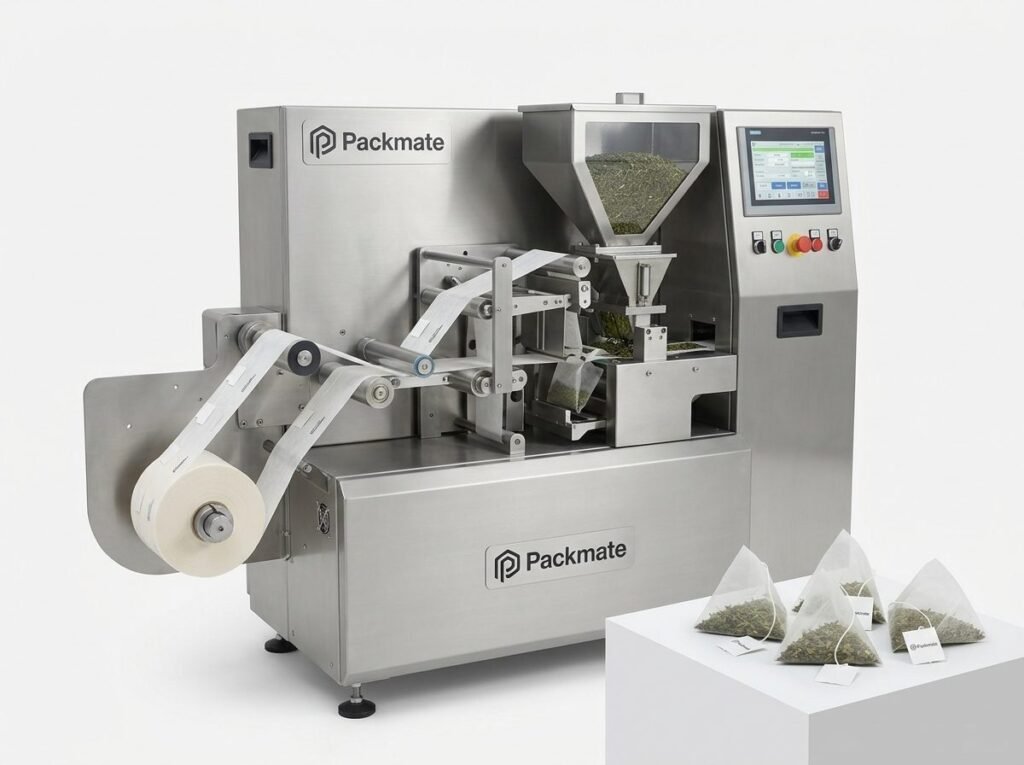
A fill seal packaging machine, often referred to as a form-fill-seal (FFS) machine, is an integrated system designed to create pouches or sachets from a roll of flexible packaging film, precisely dose the product into the newly formed pouch, and then hermetically seal it—all in a single, automated sequence. This eliminates the need for pre-made bags and manual filling, significantly increasing speed, reducing labor costs, and minimizing the risk of contamination. These machines are the backbone of modern packaging lines for a vast array of products, from instant coffee and spices to pharmaceuticals and detergent powders.
Key Advantage: The primary benefit of a fill seal system is its closed-loop operation. The product only comes into contact with the machine’s filling system and the interior of the newly formed pouch, which is created from sterile film roll stock. This dramatically enhances hygiene standards compared to systems using pre-opened bags.
Core Components and Their Functions
To understand the process, let’s break down the machine into its essential components:
- Film Unwind & Guide System: Holds and feeds the roll of laminated packaging material (e.g., PET/AL/PE) smoothly into the machine.
- Forming Section: This is where the flat film is shaped into a tube or pouch. A forming collar gently guides the film around a vertical or horizontal filling tube, creating the basic package shape.
- Sealing Jaws (Longitudinal): These jaws run along the length of the film tube, creating the back seal. For flat-bottom bags, sophisticated forming boxes create gussets.
- Product Dosing System: The heart of accuracy. Depending on the product, this could be a precision auger filler for powders, a volumetric cup filler for granules, or a liquid pump. Advanced systems use multi-head weighers for supreme accuracy.
- Sealing Jaws (Transverse/Cut-off): These jaws perform a dual function. They create the top seal of the finished pouch and simultaneously cut it away from the film tube, separating it as a finished, filled sachet.
- Control System: The programmable logic controller (PLC) and human-machine interface (HMI) panel are the machine’s brain, allowing operators to set parameters like fill weight, seal temperature, and production speed.
The Step-by-Step Operational Cycle
The magic happens in a continuous, synchronized cycle. Here’s a detailed look at each step:
Step 1: Film Feeding and Forming
The roll of packaging film is mounted on the unwind stand. A dancer arm or servo-driven system ensures tension control to prevent tearing or wrinkling. The film is pulled through guides and passes over a forming collar, which wraps it precisely around the filling tube, creating a continuous vertical tube. The longitudinal sealing jaws immediately seal the overlapped edges of the film together along its length.
Step 2: Bottom Sealing and Product Filling
The transverse sealing jaws close below the filling tube, creating the airtight bottom seal for the first pouch. Once this seal is made, the product is released from the dosing system through the filling tube into the waiting pouch below. The filling is precisely timed and measured to match the machine’s cycle.
Precision is Critical: The accuracy of the dosing system directly impacts product giveaways and compliance, especially in regulated industries like pharmaceuticals or premium food products. Investing in high-precision fillers is non-negotiable for quality and cost control.
Step 3: Top Sealing and Cutting
After the pouch is filled, the transverse jaws move to a position above the product. They close again, performing two actions simultaneously: they create the top seal for the now-filled pouch, and they cut through the film just below this new seal. This action separates the finished pouch and creates the new bottom seal for the next pouch in the tube, restarting the cycle. The finished sachets are then discharged onto a conveyor or collection tray.
Different Types of Fill Seal Machines
Not all fill seal machines are the same. The configuration depends on the product and desired package style. The two main categories are:
- Vertical Form Fill Seal (VFFS): The most common type. Film travels vertically, and pouches are formed around a vertical filling tube. Ideal for free-flowing products like snacks, granules, powders, and liquids. They have a smaller footprint and are excellent for high-speed production of small to medium-sized sachets and stick packs. Explore our range of sachet and stick pack machines for VFFS solutions.
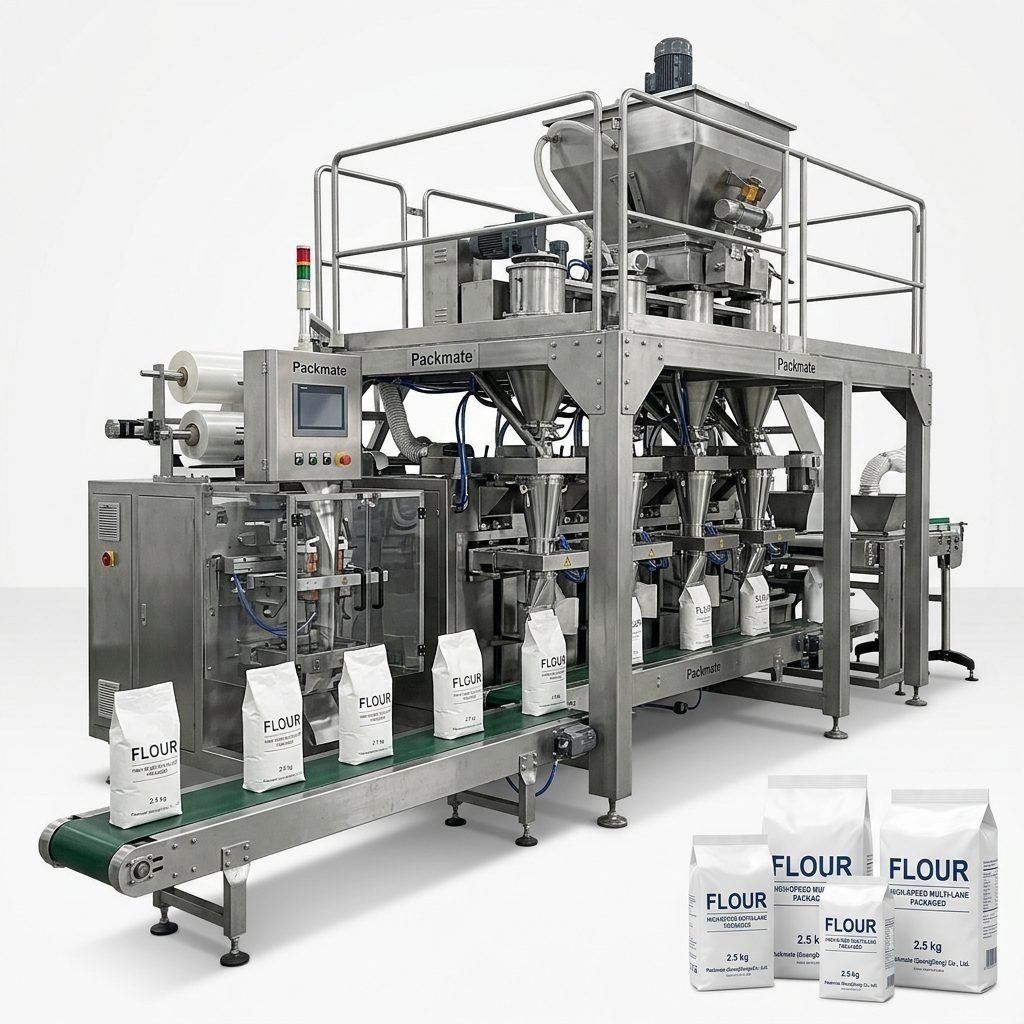
- Horizontal Form Fill Seal (HFFS): Film travels horizontally. These machines are typically used for more complex pouch shapes, like flat-bottom or stand-up pouches (Doypack), and can handle a wider variety of products, including solids, liquids, and viscous items. They often integrate with complete filling and packaging lines.
Choosing the Right Machine for Your Needs
Selecting a fill seal machine is a significant investment. Key factors to consider include:
- Product Characteristics: Is it a powder, granule, liquid, or paste? What is its flowability, density, and sensitivity to moisture or air?
- Packaging Material: The machine must be compatible with your film structure (e.g., laminate, co-extrusion) and sealing layer (e.g., polyethylene).
- Production Speed & Output: Required pouches per minute (PPM). High-speed lines may require multi-lane configurations.
- Accuracy Requirements: Legal metrology for net weight or strict recipe formulations demand high-precision dosing systems.
- Hygiene & Cleanability: For food or pharmaceutical use, machines with stainless steel contact parts, CIP/SIP capabilities, and smooth surfaces are essential.
- Integration & Support: Consider if you need a standalone unit or a machine that integrates with upstream (e.g., mixers) and downstream (e.g., cartoners) equipment. Reliable after-sales service and technical support, like the comprehensive services we offer, are crucial for minimizing downtime.
Pro Tip: Always request a product test with your actual materials at the manufacturer’s facility. This is the only way to verify performance, speed, and seal integrity before purchase.
Conclusion: The Engine of Modern Packaging
Fill seal packaging machines are more than just equipment; they are strategic assets that drive efficiency, ensure quality, and protect brand reputation. By automating the most sensitive steps in the packaging process, they deliver consistency that manual operations can never achieve. From a simple single-lane sachet machine to a complex multi-lane stick pack line, the core principle remains the same: form, fill, and seal with precision. As technology advances, these machines continue to incorporate smarter controls, IoT connectivity for predictive maintenance, and even greater flexibility to handle the evolving demands of the global market. Investing in the right fill seal technology is an investment in the future scalability and reliability of your production.
Frequently Asked Questions (FAQs)
What types of products can be packaged with a fill seal machine?
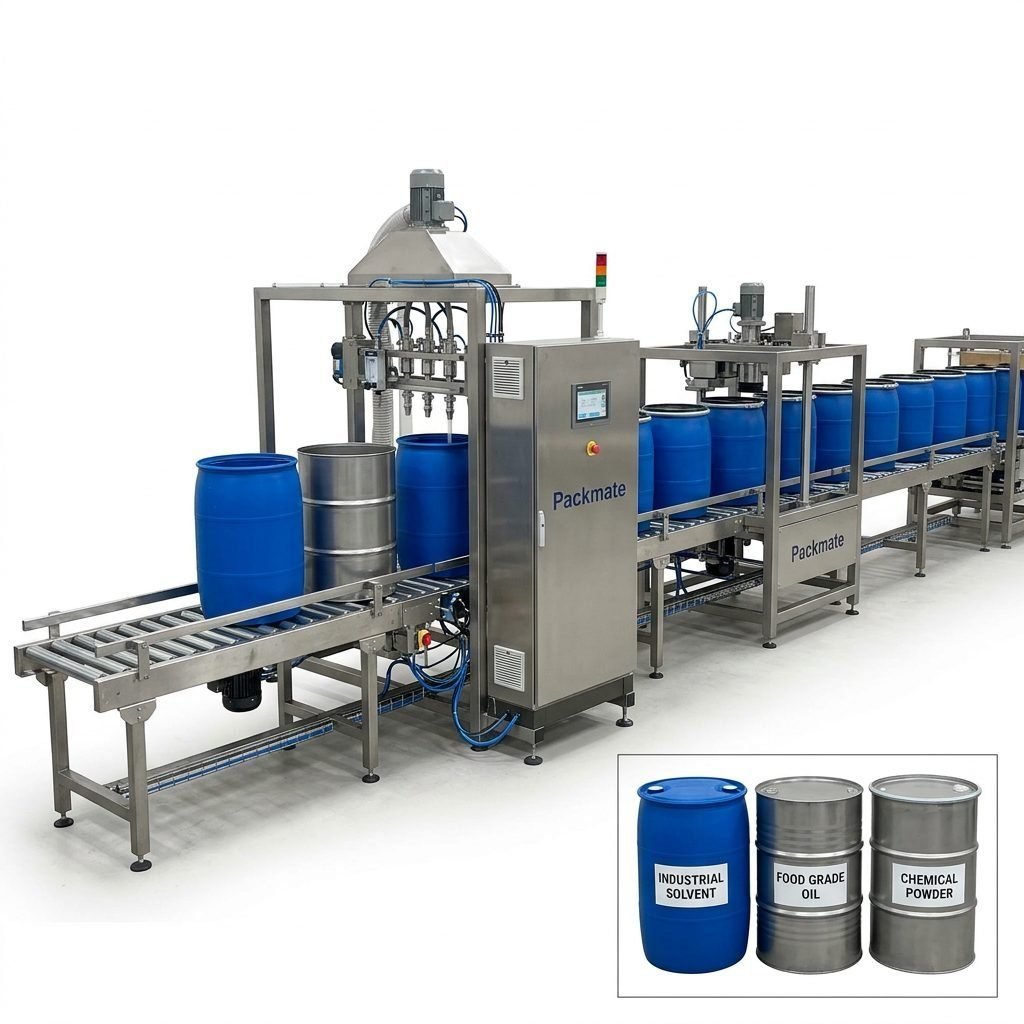
Fill seal machines are incredibly versatile. They are ideally suited for granules (coffee, sugar, seeds), powders (milk powder, spices, pharmaceuticals), liquids (sauces, oils, shampoo), and pastes. The key is matching the product’s physical characteristics with the appropriate dosing system (auger, pump, volumetric cup, weigher).
How do I ensure the seals on my packages are strong and airtight?
Strong seals depend on three main factors: correct sealing temperature, adequate sealing pressure, and proper dwell time (how long the jaws are closed). These parameters must be optimized for your specific packaging film. Using contaminated or wrinkled film will also cause seal failures. Regular maintenance of the sealing jaws is critical.
What is the difference between a single-lane and a multi-lane machine?
A single-lane machine produces one stream of finished pouches. A multi-lane machine uses a wider film web and multiple filling tubes and sets of sealing jaws to produce several parallel streams of pouches simultaneously. This multiplies the output speed without significantly increasing the machine’s footprint, making it highly efficient for high-volume production.
How difficult is it to change over the machine for a different product or pouch size?
Changeover complexity varies. Modern machines feature quick-change parts and recipe storage in the PLC. For a simple size change on a well-designed machine, changeover might take 15-30 minutes. Switching to a completely different product type (e.g., powder to liquid) requires changing the dosing system, which is more involved. Look for machines designed with changeover simplicity in mind.
What kind of maintenance do these machines require?
Regular preventive maintenance is essential. Daily tasks include cleaning product contact parts and checking for film debris. Weekly or monthly tasks involve lubricating moving parts, checking jaw alignment, and verifying seal temperature calibration. Following the manufacturer’s maintenance schedule and using genuine spare parts will ensure long-term reliability and prevent unexpected breakdowns.