Selecting the right flour packaging machine supplier is a critical decision for any business in the food production or milling industry. The efficiency, reliability, and output quality of your packaging line directly impact your operational costs, product presentation, and ultimately, your bottom line. With numerous suppliers in the market, identifying a partner that aligns with your specific business needs—whether you require high-speed sachet lines, durable bagging systems, or complete turnkey solutions—can be challenging.
Key Factors in Choosing a Flour Packaging Supplier
Before diving into specific supplier capabilities, it’s essential to understand the core factors that define a top-tier partner. These elements go beyond just the machine price tag.
Technical Expertise and Machine Range
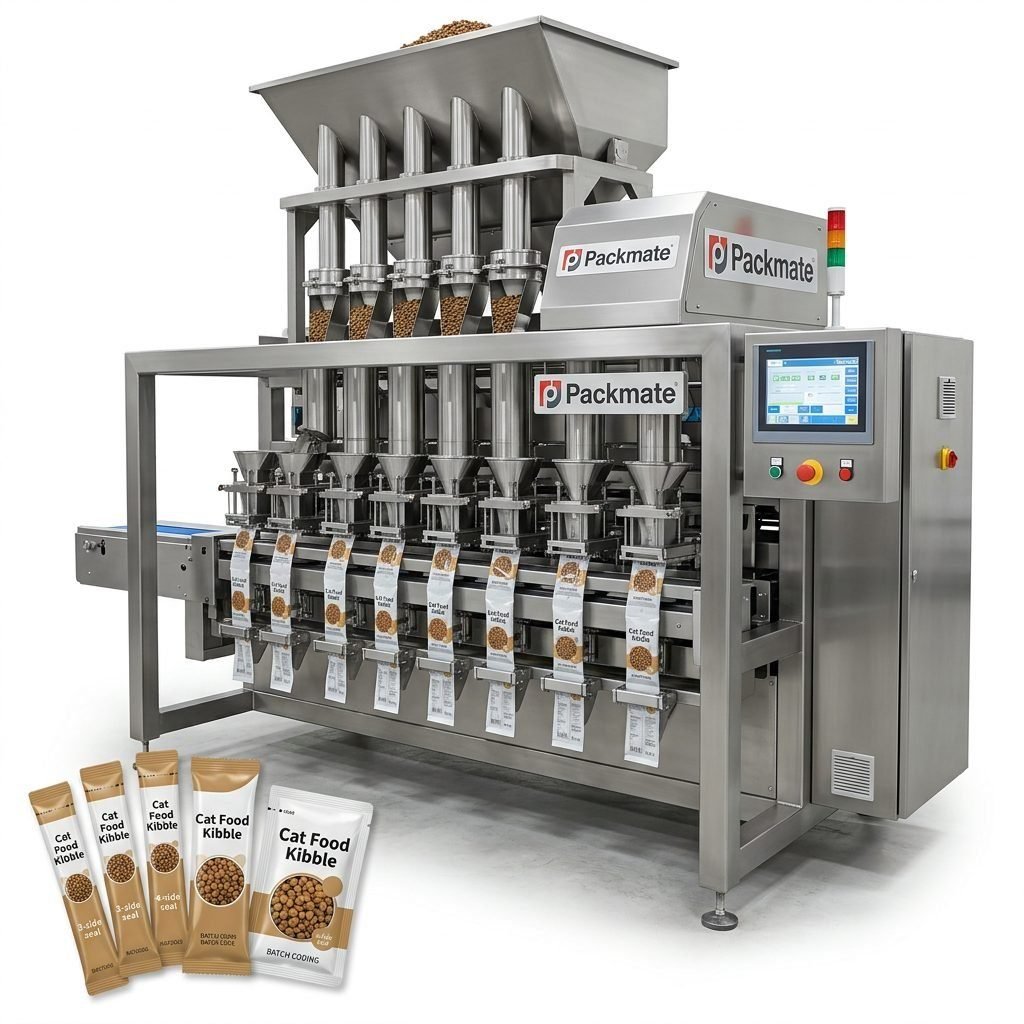
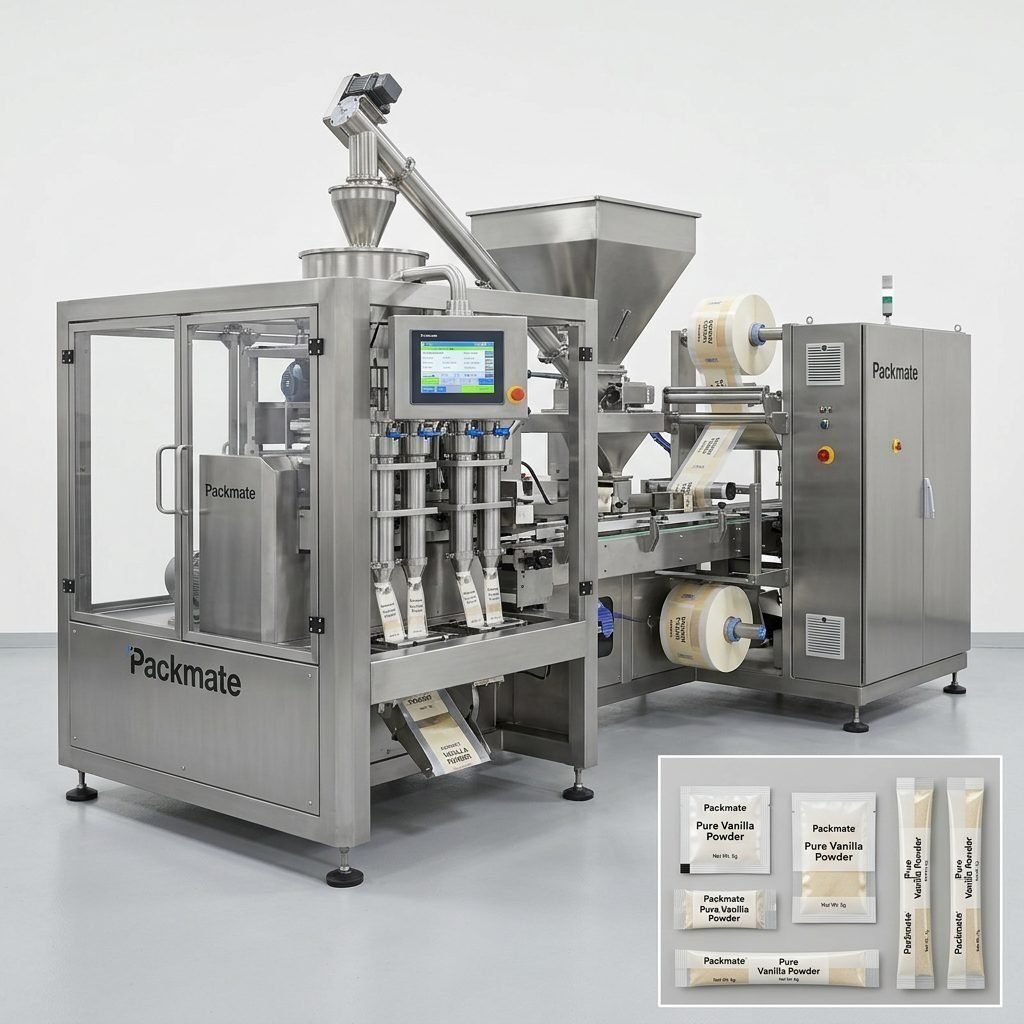
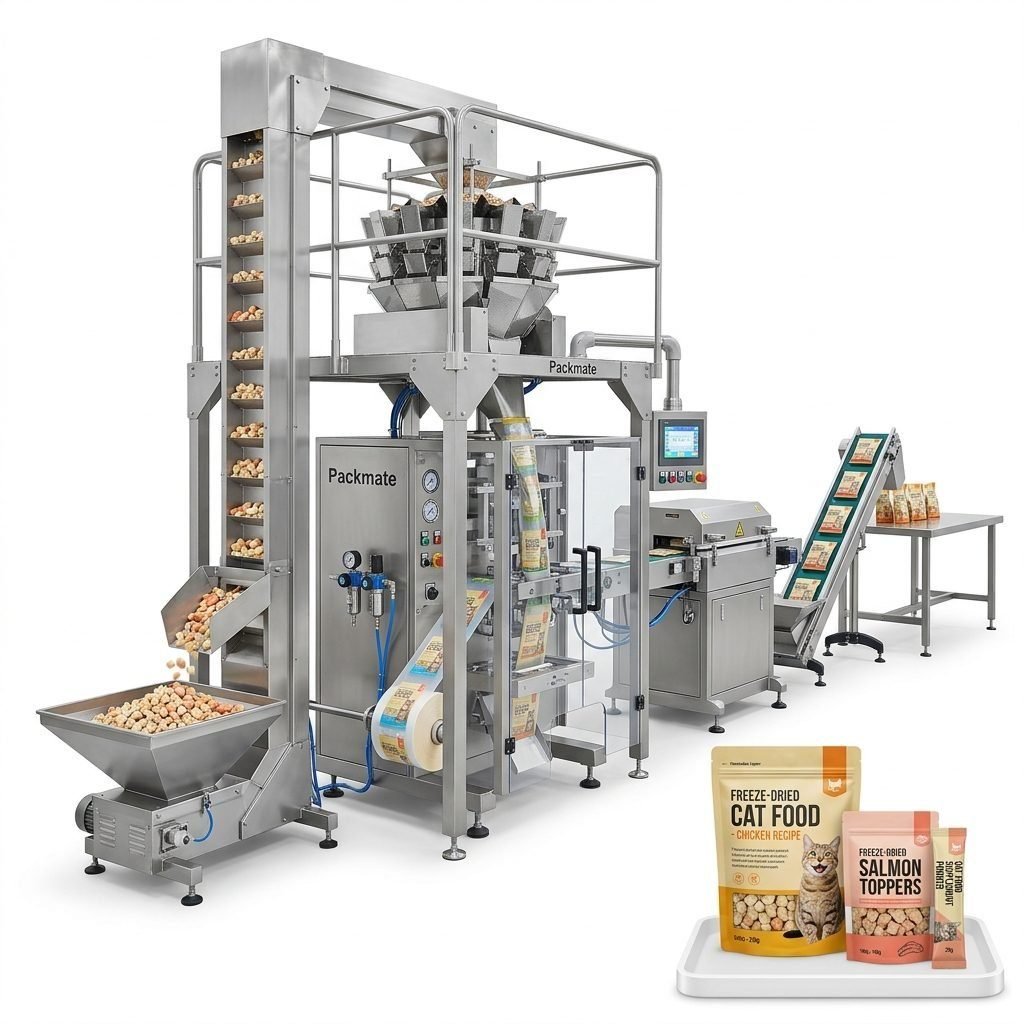
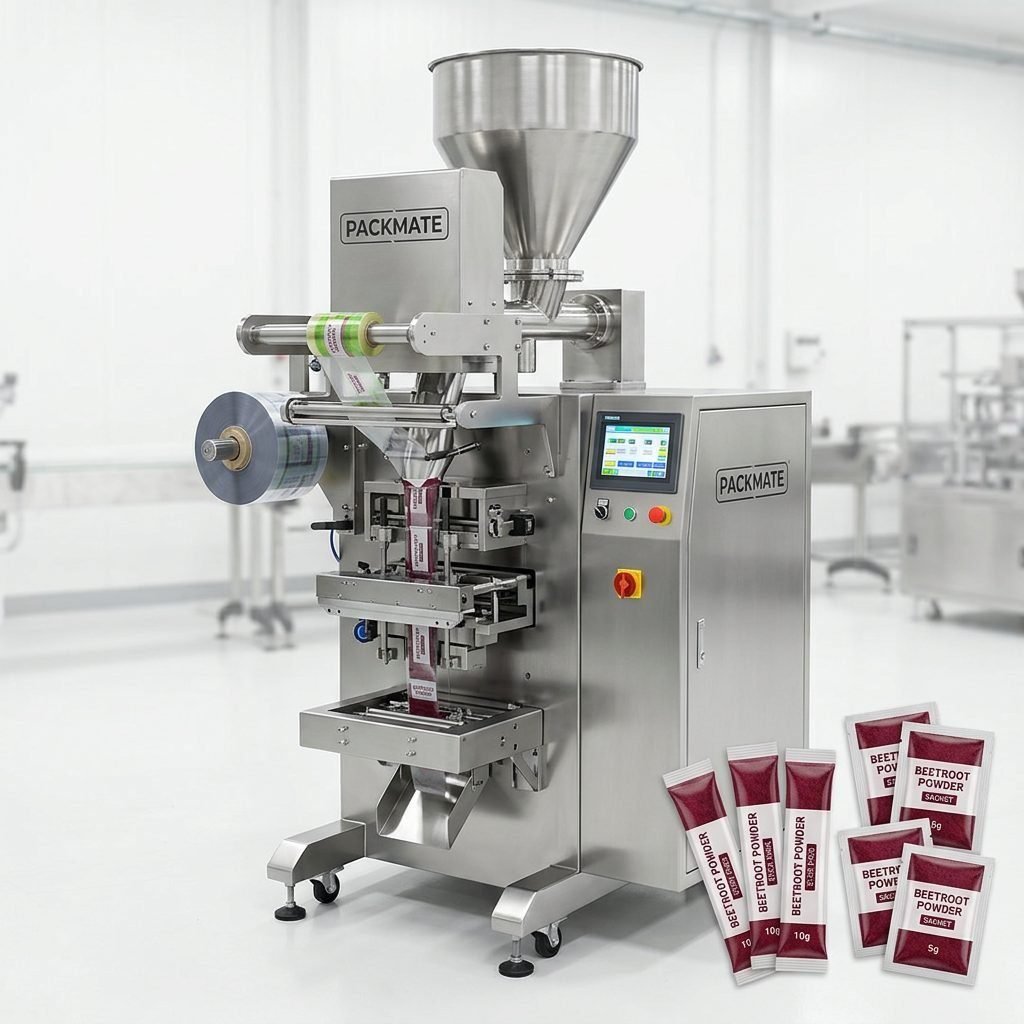
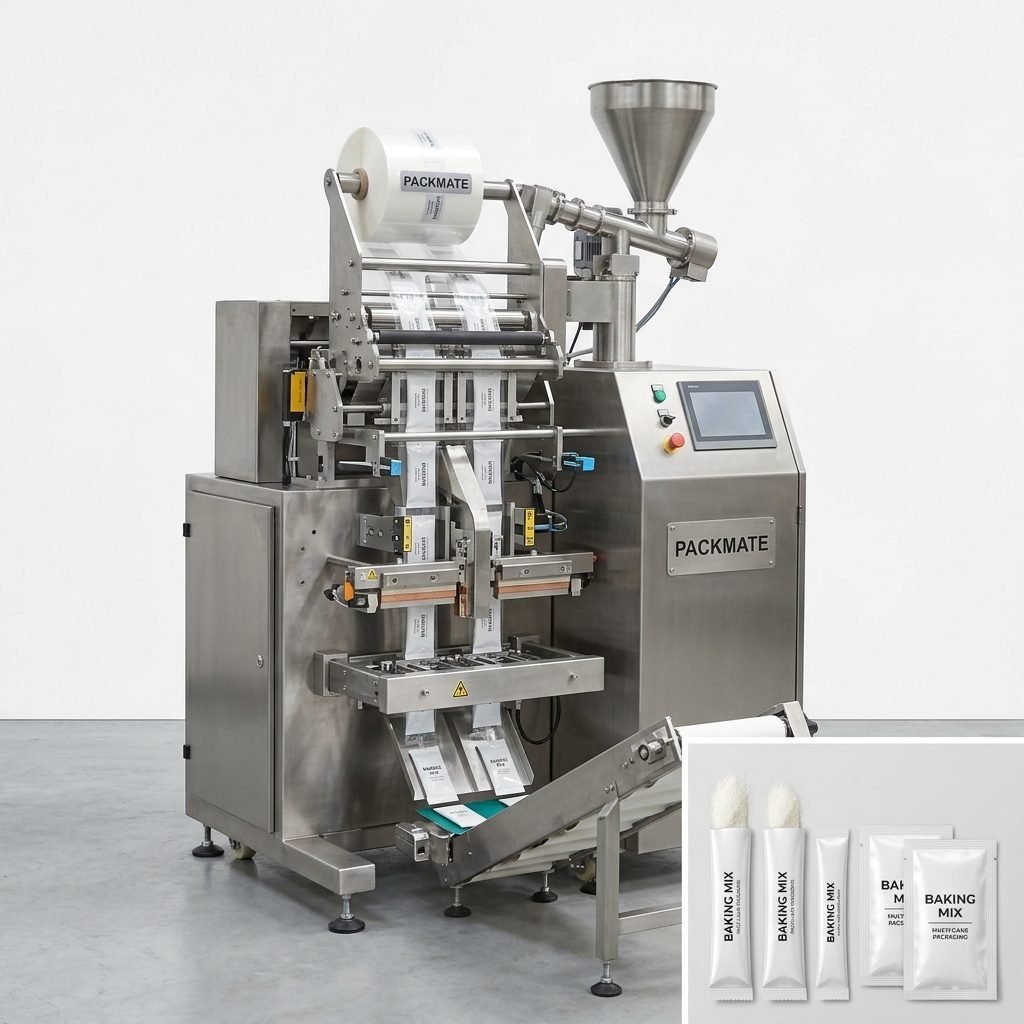
A leading supplier should offer a comprehensive portfolio. For flour, this typically includes vertical form-fill-seal (VFFS) machines for bags, precision weighing and filling systems, and specialized equipment for portion-controlled sachets or stick packs. The ability to handle different flour types—from fine cake flour to whole wheat—without cross-contamination or weighing inaccuracy is paramount. Companies with deep R&D investment, like Packmate Machinery, often develop over 50 machine models to cater to diverse granular and powder packaging needs.
Pro Tip: Always request a live or recorded test run of the machine with your specific flour product. This demonstrates the supplier’s confidence and allows you to verify performance metrics like speed, accuracy, and dust control firsthand.
Production Capacity and Scalability
Your chosen supplier must match your production volume. A supplier operating from a 20,000㎡ modern facility indicates strong manufacturing capacity and the ability to fulfill large or urgent orders. Scalability is equally important; as your business grows, your supplier should be able to provide solutions for higher-speed lines or integrated systems, such as combined weighing and packaging systems.
Commitment to Quality and Innovation
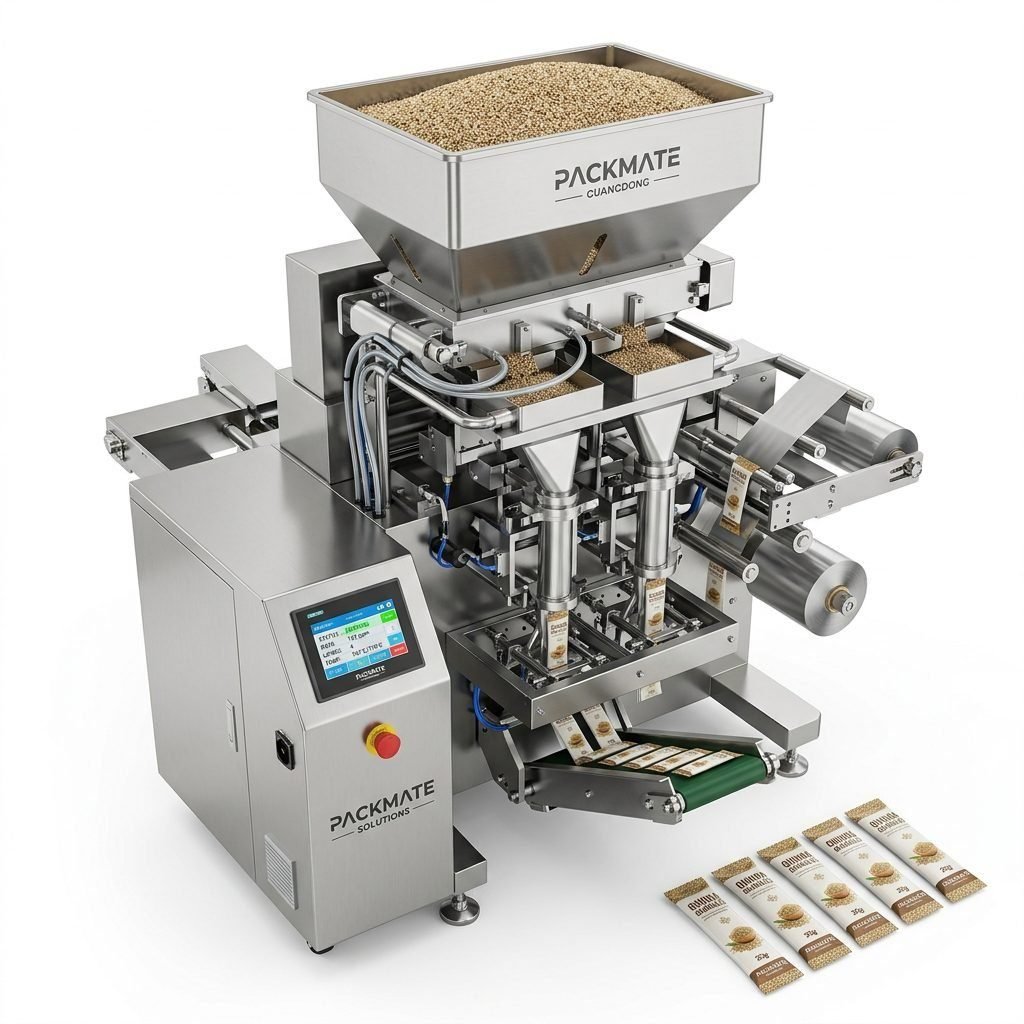
Long-term reliability is non-negotiable in food packaging. Top suppliers enforce rigorous quality control at every production stage, often holding international certifications. Innovation is reflected in features that enhance efficiency—think automated bag placement, advanced servo drives for precision, and user-friendly HMI interfaces. A history of continuous development, like evolving from single sachet machines to multi-lane stick pack lines, signals a forward-thinking partner.
Why Partner with an Experienced Manufacturer?
While distributors can offer convenience, partnering directly with a manufacturer provides distinct advantages, especially for complex applications like flour packaging.
Direct Access to Engineering Support
Manufacturers possess in-depth knowledge of their machine’s design and mechanics. When technical issues arise or custom modifications are needed—such as adjusting auger fillers for a unique flour blend—direct communication with the engineering team leads to faster, more effective solutions. This reduces costly downtime.
Cost-Effectiveness and Value
Eliminating middlemen often results in better pricing. More importantly, manufacturers add value through comprehensive service packages, readily available genuine spare parts, and in-depth operator training. This total cost of ownership approach ensures your packaging line remains productive for years.
Integrated Turnkey Solutions
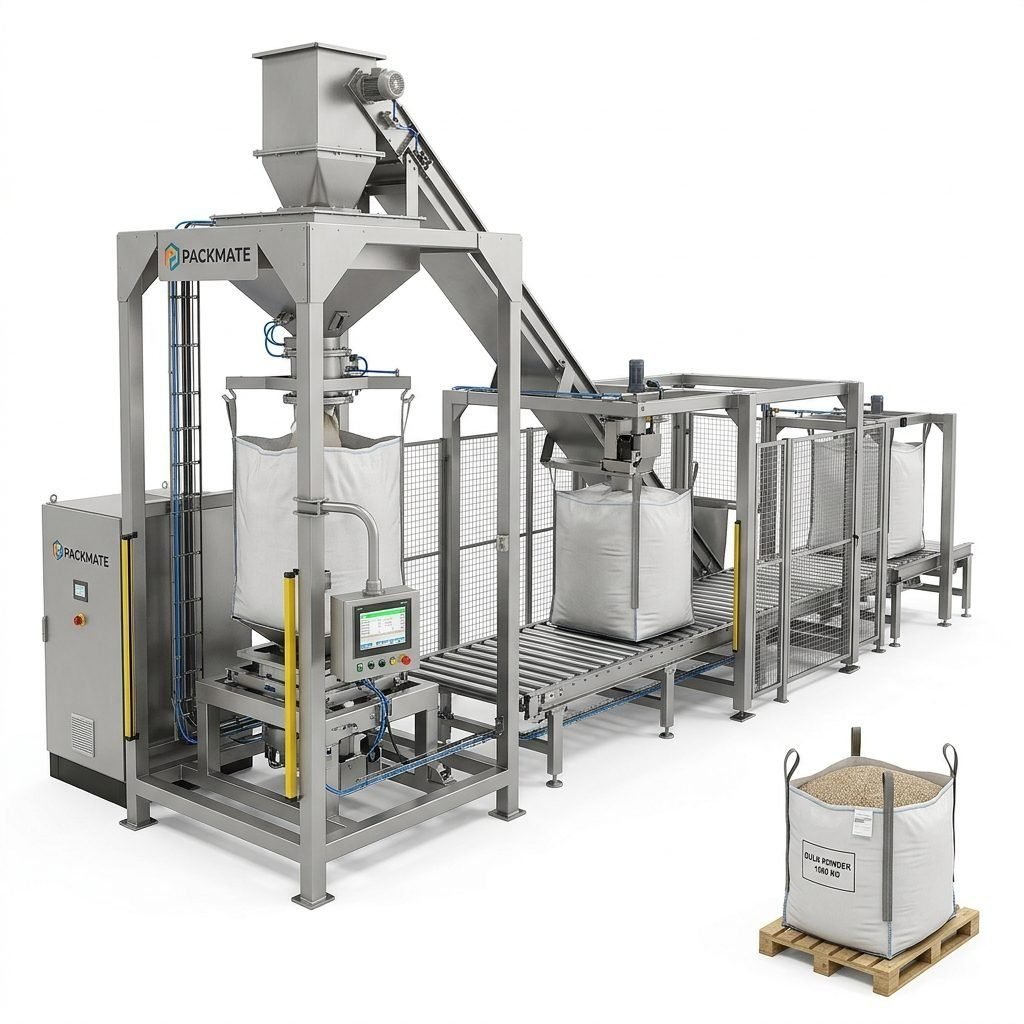
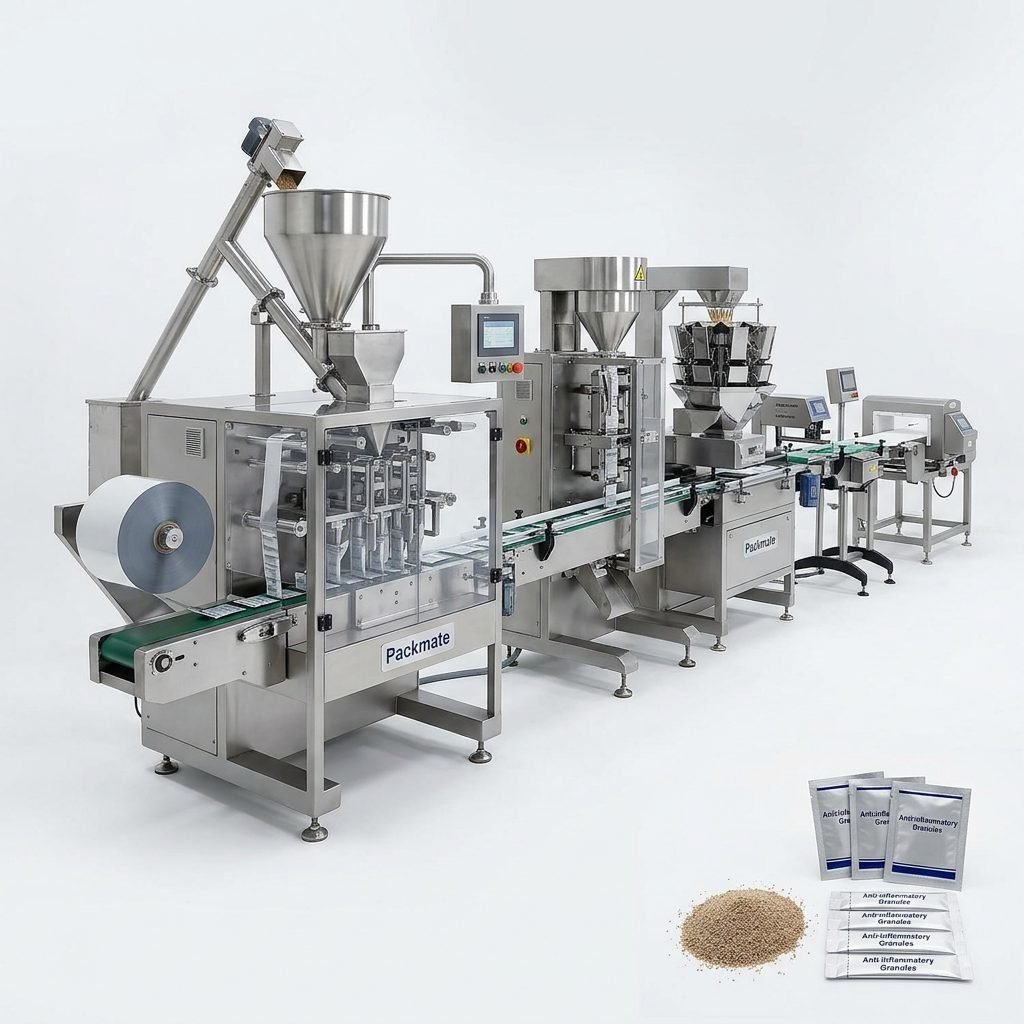
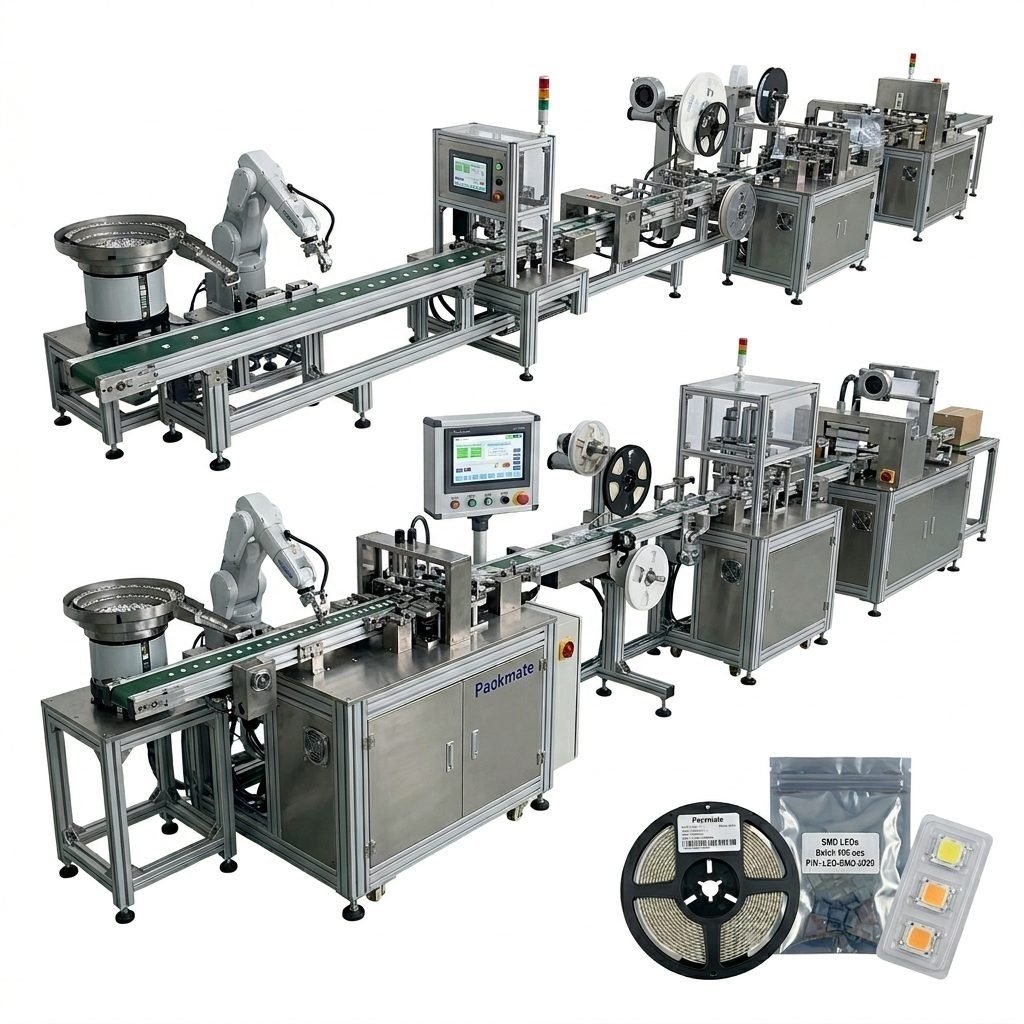
Flour packaging rarely involves a single machine. It’s a process that may include feeding, weighing, bag forming, sealing, and cartoning. Established manufacturers can provide and synchronize all these components into a seamless filling and packaging line. This single-point responsibility simplifies project management, ensures compatibility, and optimizes overall line efficiency.
The Packmate Example: A Case Study in Supplier Excellence
Examining a specific manufacturer illustrates the hallmarks of a top supplier. Packmate (GuangDong) Co., Ltd. began its journey over two decades ago, rooted in a founder’s passion for automation. From a small workshop, it has grown into a leader with a 20,000㎡ factory and a team of over 125 professionals.
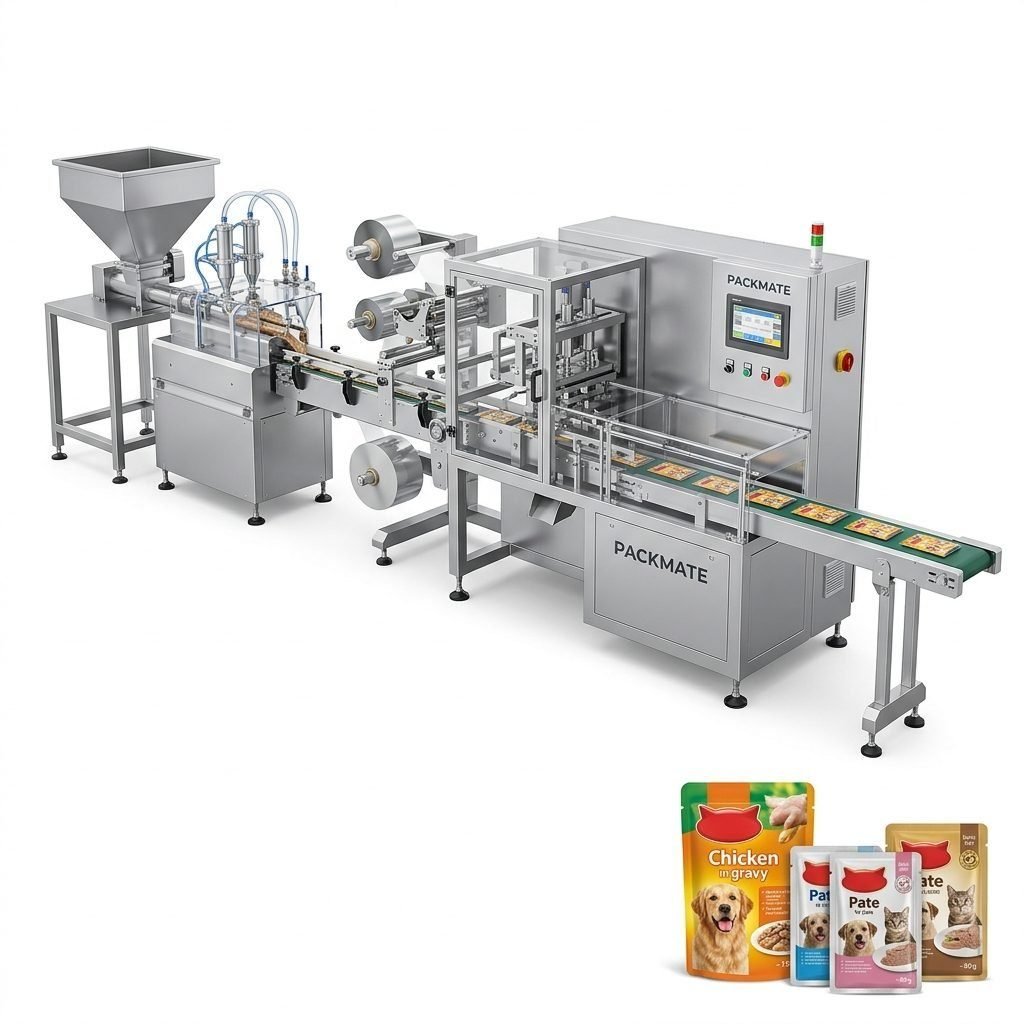
Their evolution from basic sachet machines to offering complete lines for stick packs, bags, and pouches demonstrates a commitment to following and anticipating market needs. For a flour producer, this means access to specialized equipment like their multi-lane stick pack machines for portion-control flour samples or their robust bag & pouch packaging machines for bulk retail bags.
Their focus on intelligent packaging for the food industry translates into machines built for the specific challenges of powders: excellent sealing integrity to prevent leaks, effective dust extraction systems, and high weighing accuracy to avoid giveaways. By controlling the entire manufacturing process, Packmate ensures quality and offers direct, expert support to its global clients.
Global Considerations for Flour Packaging
If your business operates or sells internationally, understanding regional nuances is crucial. While the core machinery principles remain consistent, top suppliers adapt to local requirements.
Compliance with Regional Standards
Packaging machines for food contact must comply with regional safety and hygiene standards, such as FDA requirements in the US or EHEDG guidelines in Europe. A reputable global supplier will design machines with these standards in mind, using appropriate food-grade materials and construction practices.
Adapting to Market Preferences
Flour packaging formats can vary. In some markets, small, single-use sachets are popular for street food vendors, while in others, large, resealable pouches for home bakers dominate. A supplier with a broad product range and flexible engineering can tailor solutions to these specific market demands, helping you penetrate new regions effectively.
After-Sales Support Network
The value of a machine is sustained by the support behind it. For international clients, a supplier with a structured global service network—or the capability to provide remote support and timely dispatch of parts—is essential. This ensures minimal disruption to your operations, regardless of location.
Making the Final Decision
After shortlisting potential suppliers based on the criteria above, take these final steps:
- Request Detailed References: Ask for contact information of current clients with similar applications (specifically flour or similar powders).
- Evaluate the Total Proposal: Look beyond the machine quote. Scrutinize warranty terms, delivery timelines, training provisions, and spare parts availability and pricing.
- Visit the Facility if Possible: A tour of the manufacturer’s factory, like Packmate’s, reveals their production discipline, quality control processes, and overall corporate stability.
Investing in a flour packaging line is a significant commitment. Choosing a supplier that acts as a true partner—one with the technical expertise, manufacturing muscle, and commitment to your long-term success—is the most reliable path to securing a competitive advantage in your market. The right machinery will enhance your productivity, protect your product quality, and provide the flexibility to grow and adapt to future opportunities.
Frequently Asked Questions (FAQs)
What is the typical accuracy range for a flour packaging machine?
High-quality powder packaging machines can achieve weighing accuracies within ±0.5% to ±1% for most flour types. Accuracy depends on the filler type (e.g., auger, weigh cell), particle consistency, and machine calibration. Always discuss your specific accuracy requirement with the supplier during the testing phase.
Can one machine handle different types of flour (e.g., all-purpose and whole wheat)?
Yes, but it requires proper configuration and cleaning procedures to prevent cross-contamination. Key factors include the machine’s ability to handle different flow characteristics (whole wheat is more granular) and having a design that allows for easy access and cleaning of contact parts, like hoppers and augers.
How important is dust control in a flour packaging machine?
Extremely important. Flour dust is a combustible hazard and affects plant hygiene and machine operation (e.g., fouling seals). Top-tier machines incorporate integrated dust extraction ports, sealed transmission areas, and smooth surfaces to minimize dust accumulation and ensure a safer, cleaner working environment.
What is the lead time for a standard flour packaging line?
Lead times vary widely based on machine complexity, customization, and supplier capacity. For a standard VFFS bagging machine, it might range from 8 to 16 weeks ex-works. For a fully customized multi-lane sachet line, it could be 20 weeks or more. Clear communication about your deadline is crucial from the initial inquiry.
What kind of after-sales support should I expect?
Comprehensive support includes detailed installation guidance (onsite or remote), thorough operator and maintenance training, a clear warranty (typically 12 months on parts), access to technical manuals and diagrams, and a reliable channel for ordering genuine spare parts. Many leading suppliers, like Packmate, offer ongoing technical support via phone, email, or video call.