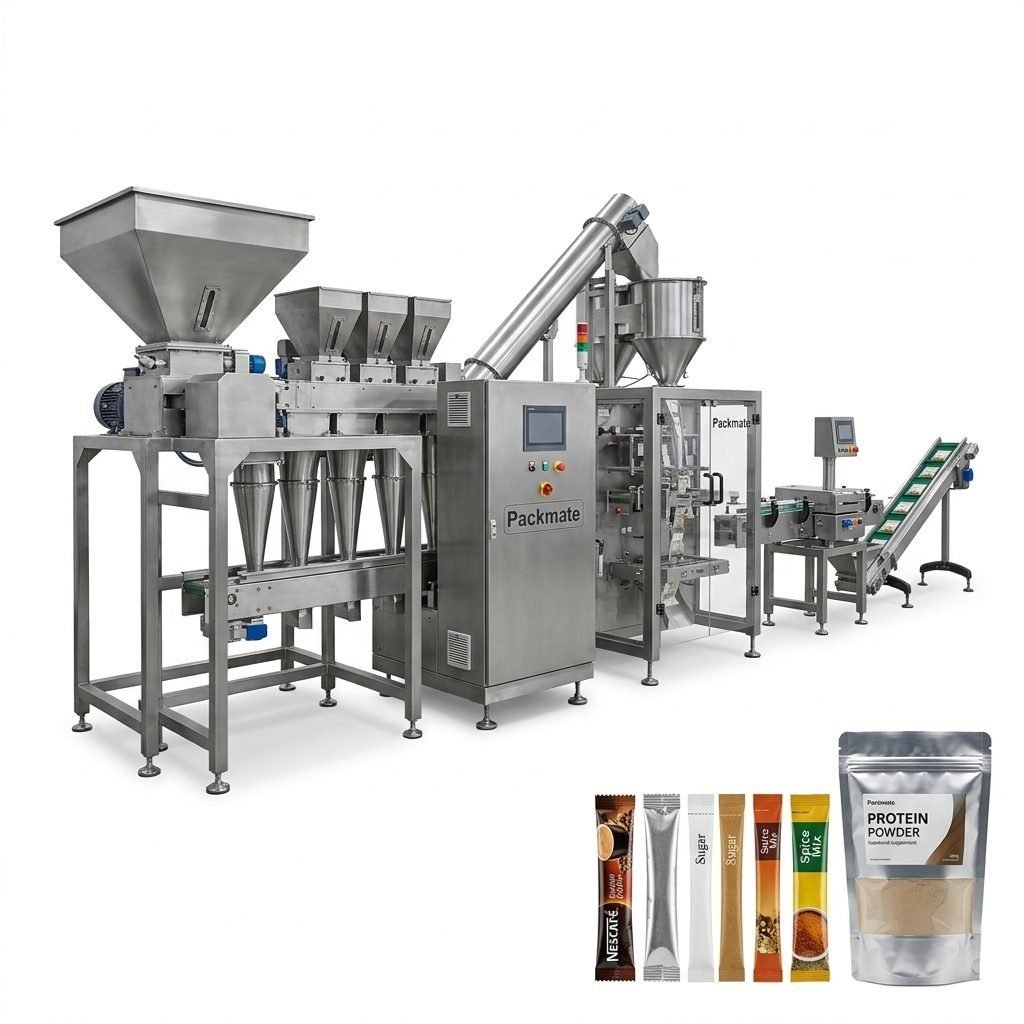
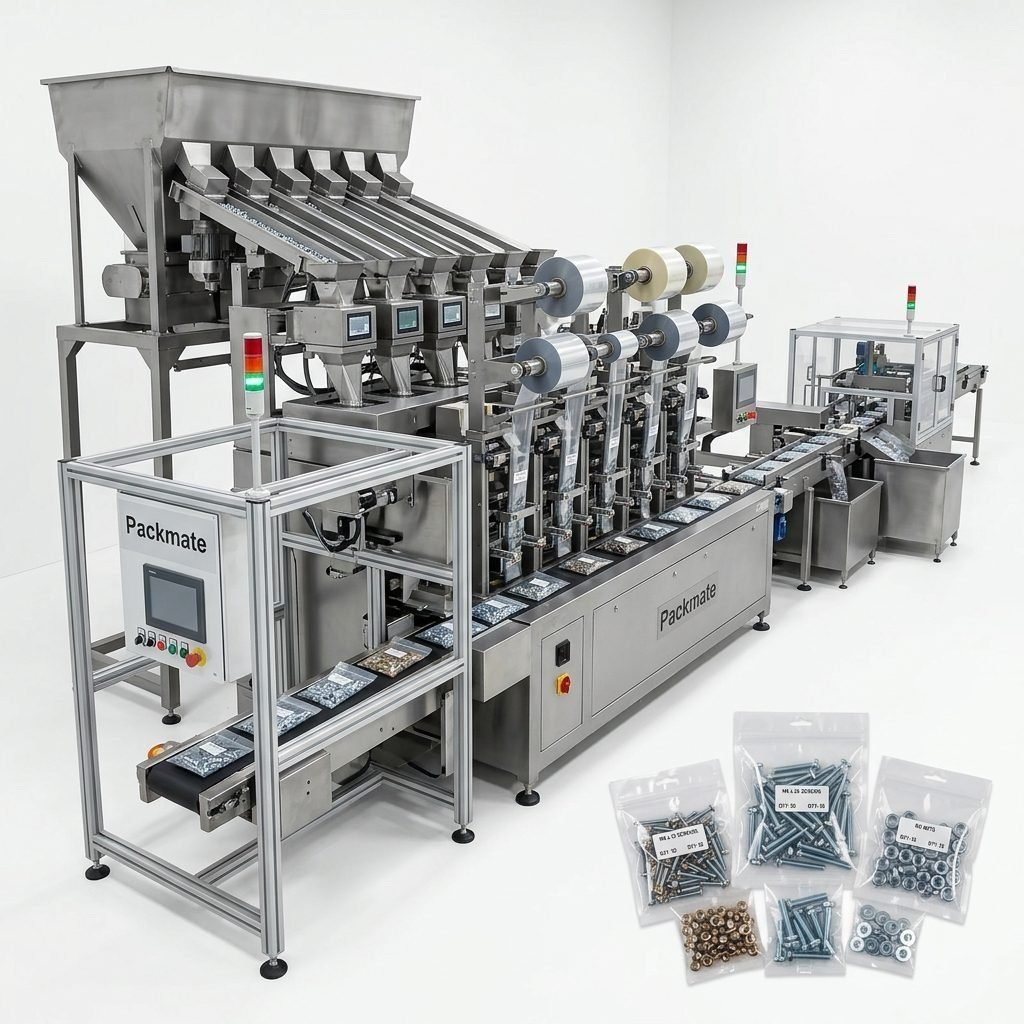
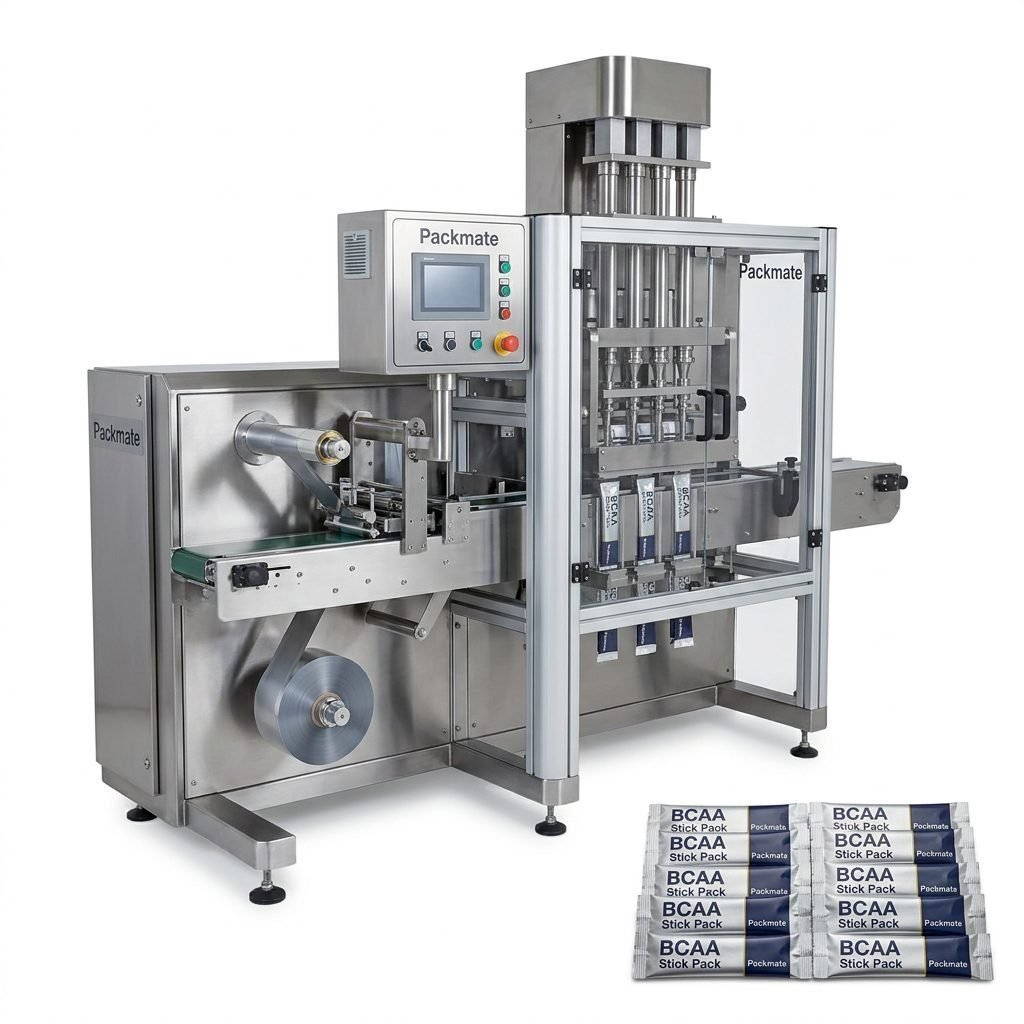
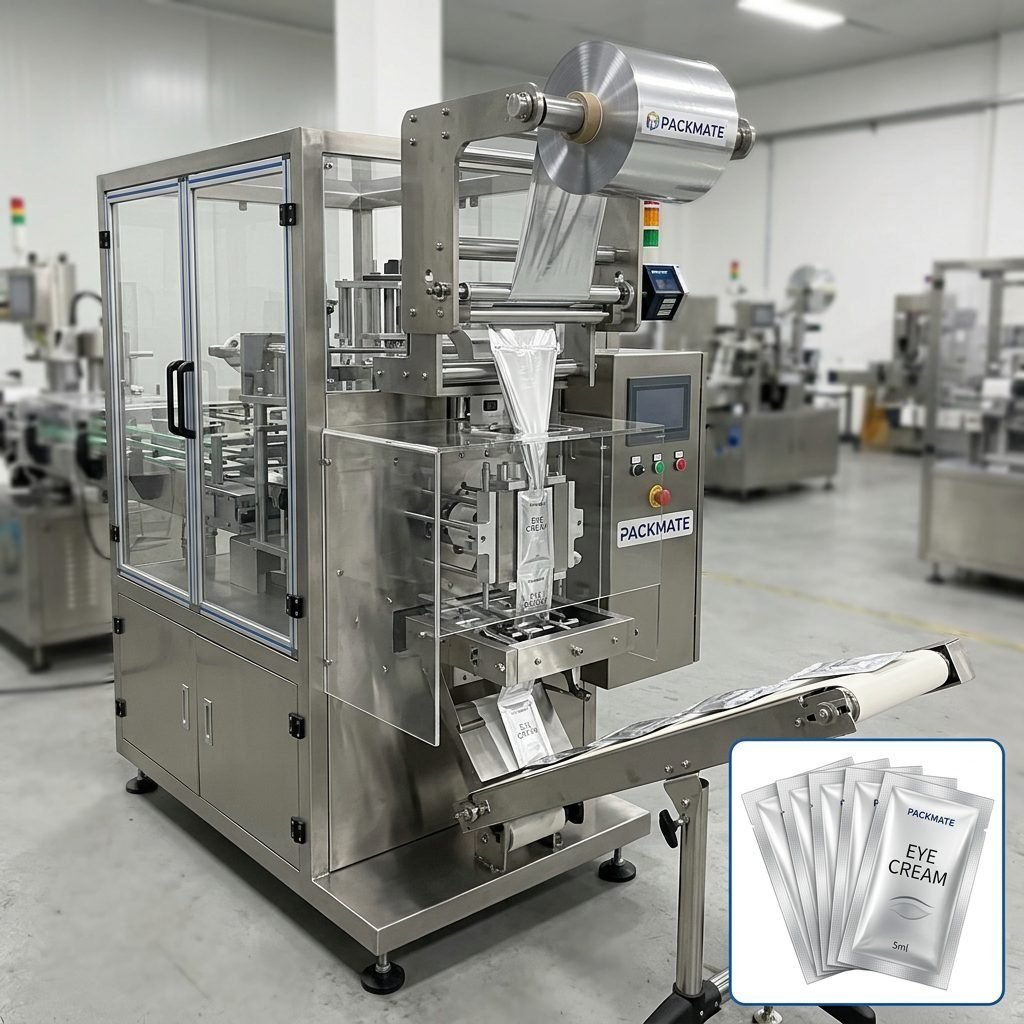
For small business owners, the journey from a great idea to a thriving enterprise is filled with critical decisions. Among the most impactful is the choice of production equipment. Packaging, often seen as a final step, is in fact a cornerstone of efficiency, brand presentation, and customer satisfaction. Investing in the right machinery can be the catalyst for significant growth, but the perceived high cost can be a daunting barrier. This guide explores how affordable packaging machines are not just a possibility but a strategic tool for propelling small business growth, enabling you to compete effectively and scale sustainably.
Why Packaging Automation is a Game-Changer for Small Businesses
Manual packaging processes are time-consuming, inconsistent, and limit your capacity. As order volumes grow, they become a bottleneck that stifles growth. Affordable automated packaging machines solve this by bringing precision, speed, and reliability to your operation. They ensure every product is sealed perfectly, labeled correctly, and presented professionally, which directly enhances your brand’s reputation. More importantly, they free up your valuable human resources to focus on core business activities like sales, marketing, and customer service, thereby multiplying your operational effectiveness.
Key Growth Benefits of Affordable Automation:
Increased Output & Scalability: Machines work faster and longer than human hands, allowing you to fulfill more orders without proportional increases in labor costs. This scalability is essential for handling seasonal spikes or securing larger contracts.
Consistent Quality & Reduced Waste: Automated filling and sealing minimize product giveaway and packaging material errors. This consistency reduces costly waste and customer complaints, protecting your profit margins.
Enhanced Professionalism: A neatly packaged product creates a powerful first impression. It communicates quality and care, justifying your price point and encouraging repeat purchases.
Improved Safety & Hygiene: For businesses in food, health, or cosmetics, automated machines reduce direct human contact with the product, supporting higher hygiene standards and compliance with regulations.
Finding the Right Affordable Machine for Your Needs
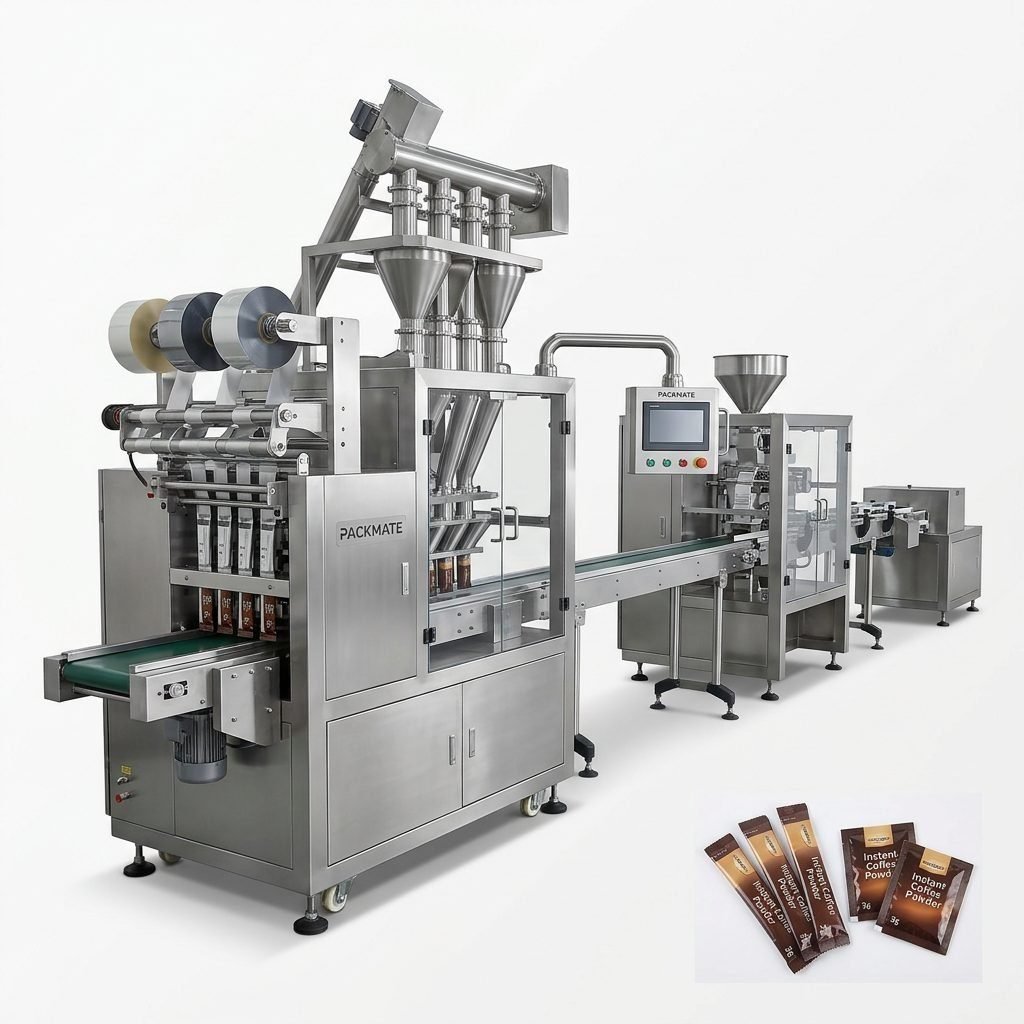
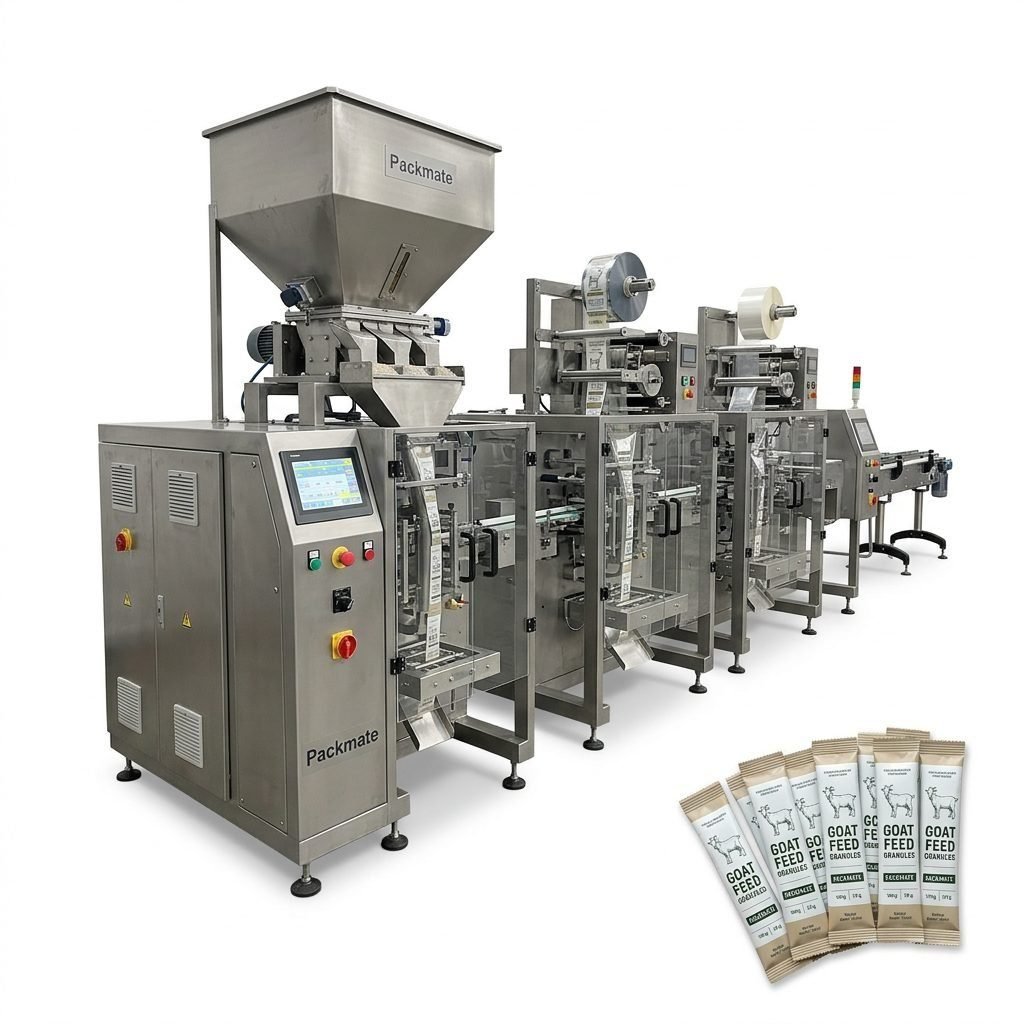
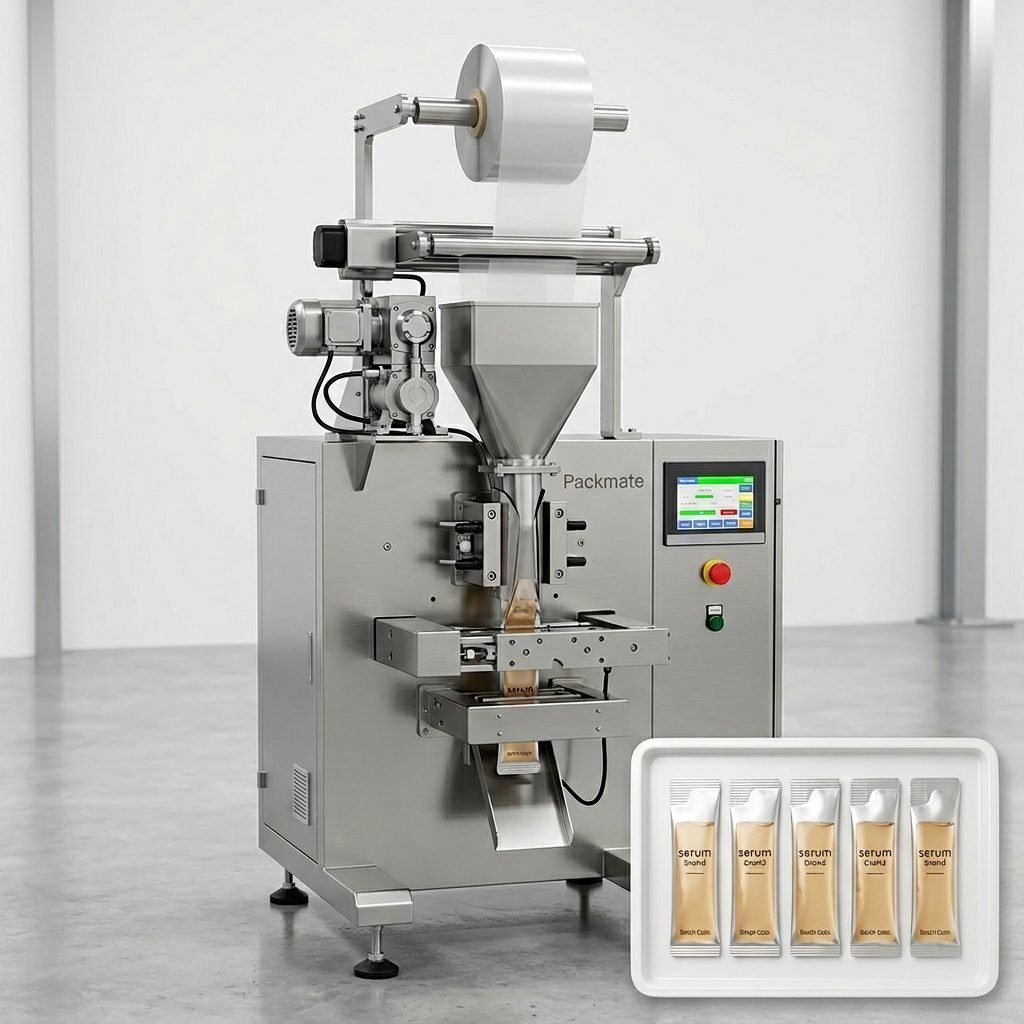
The term “affordable” must be balanced with “suitable.” The goal is to find a machine that meets your current needs while offering a path for future adaptation. Start by analyzing your primary product form: is it a powder, granule, liquid, or solid? This will point you toward the right technology, such as auger fillers for powders or piston fillers for liquids. Next, consider your required output speed. A small, semi-automatic sachet packaging machine might be perfect for a startup, while a growing company might need a multi-lane system.
Look for machines from manufacturers like Packmate Machinery, who design with flexibility in mind. Many affordable models allow for quick changeovers between different pouch sizes or products, making them ideal for small businesses that produce multiple SKUs. Remember, the most affordable option is the one that solves your problem reliably without unnecessary complexity or features you won’t use.
Cost Considerations Beyond the Price Tag
When evaluating affordability, consider the total cost of ownership:
- Initial Investment: The purchase price of the machine itself.
- Operating Costs: Energy consumption, required compressed air, and routine maintenance parts.
- Material Compatibility: Ensure the machine works efficiently with your chosen packaging films or laminates to avoid jams and waste.
- Training & Support: Factor in the availability and cost of training for your staff. Good after-sales support from the supplier is invaluable for minimizing downtime.
Leveraging Packaging for Marketing and Brand Growth
Your packaging is a mobile billboard for your brand. Affordable machines often come with options for date coding, batch numbering, and even simple printing. Use this to your advantage. Clear, legible information builds trust. Consider how your packaging feels in the customer’s hand—does it convey the quality you want to be known for? For small businesses, unique, well-executed packaging can be a key differentiator in a crowded market, turning first-time buyers into loyal advocates. It’s an integral part of your product story and customer experience.
Strategic Investment: Planning for the Future
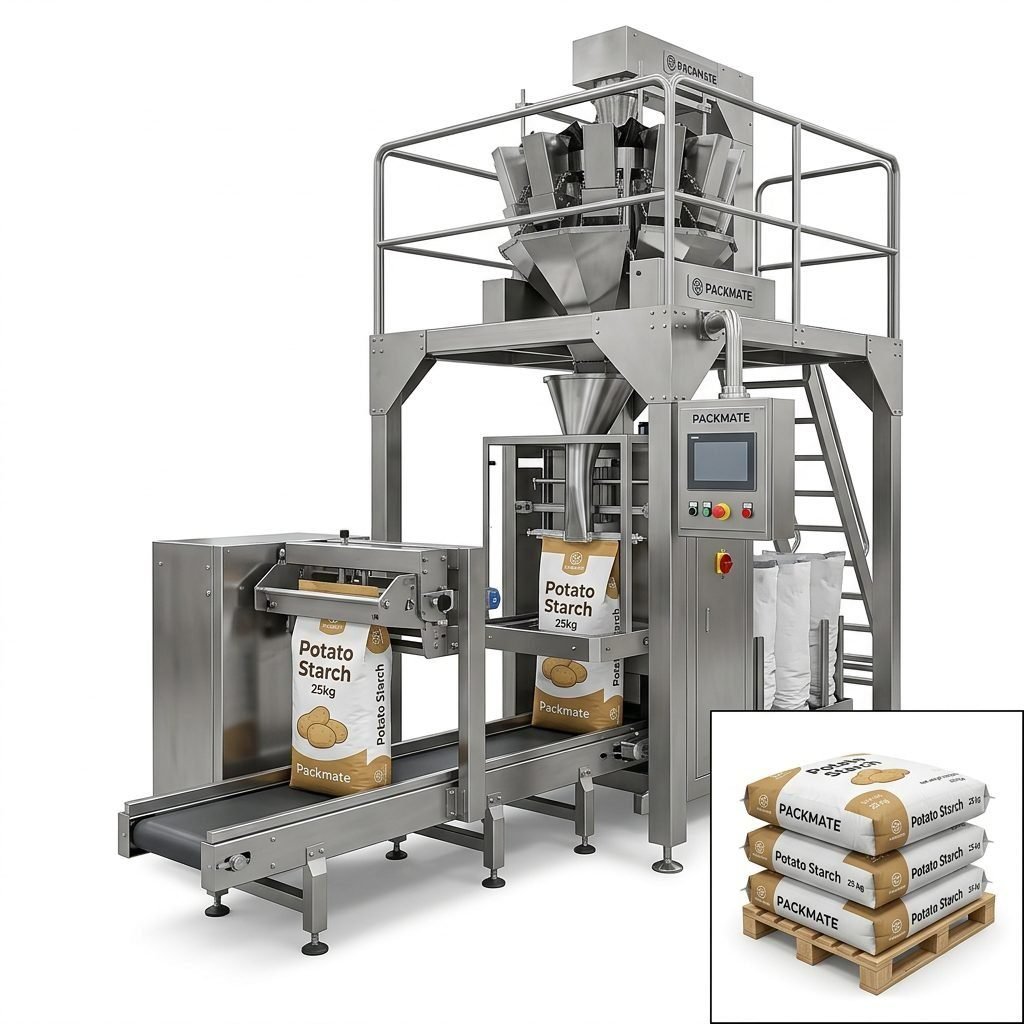
View your first packaging machine not as an expense, but as a strategic investment in your production capacity. A reliable machine from a reputable manufacturer lays a foundation for growth. As your business expands, you can add auxiliary equipment like checkweighers or cartoners to form a complete line. Manufacturers with a broad portfolio, such as those offering comprehensive filling and packaging lines, can be excellent long-term partners, providing upgrade paths that protect your initial investment.
Calculate the Return on Investment (ROI) by comparing the machine’s cost against the labor hours it saves, the reduction in material waste, and the potential revenue increase from fulfilling larger or more consistent orders. This tangible analysis transforms the purchase from a cost center into a growth engine.
Conclusion: Building Your Foundation for Success
Affordable packaging machines are a powerful enabler for small business growth. They break the cycle of manual limitations, instill professionalism, and provide the scalability needed to seize new opportunities. By carefully selecting a machine that aligns with your product, output goals, and budget, you make a pragmatic investment in your company’s future. This step towards automation is a declaration of intent—a commitment to quality, efficiency, and sustainable growth. It empowers you to build your brand with confidence, knowing your operations can support your ambitions.
Frequently Asked Questions (FAQs)
1. What is the typical price range for an “affordable” packaging machine for a small business?
The price can vary widely based on automation level and complexity, but entry-level semi-automatic machines (like single-head sachet sealers or auger fillers) can often be found in the range of $5,000 to $20,000. Fully automatic, integrated systems will be higher. It’s crucial to discuss your specific needs with a supplier for an accurate quote that represents the best value.
2. Can one machine handle different types of products or packaging sizes?
Many modern affordable machines are designed with changeover in mind. Look for models with adjustable sealing jaws, interchangeable forming tubes, and quick-release parts. This flexibility allows a single machine to run different pouch sizes or even switch between similar product types (e.g., different granule sizes), making it highly cost-effective for small businesses with multiple products.
3. How difficult is it to operate and maintain these machines?
Manufacturers of equipment aimed at the small business market prioritize user-friendliness. Machines often feature intuitive touchscreen interfaces. Reputable suppliers provide comprehensive operational training and detailed manuals. Routine maintenance typically involves cleaning, lubrication, and part inspections—tasks that can be easily learned by your staff to ensure smooth operation.
4. What kind of after-sales support should I expect?
Reliable after-sales support is non-negotiable. Before purchasing, confirm the supplier offers clear warranty terms, ready availability of spare parts, and accessible technical support. This can include phone/email support, online troubleshooting guides, and the possibility of remote diagnostics. This support network is critical for minimizing downtime, which is especially important for a growing small business.
5. How do I ensure the machine will work with my specific product and packaging material?
The best practice is to conduct a product test. Most reputable manufacturers offer testing services using your actual product and packaging materials in their facility or via a sample shipment. This “proof-of-concept” test verifies machine suitability, optimal settings, and output quality, ensuring your investment will perform as expected in your own facility before you commit to the purchase.