In today’s fast-paced manufacturing landscape, efficiency is not just a goal—it’s a necessity. Production lines across industries face constant pressure to increase output, reduce costs, and maintain impeccable quality. At the heart of this operational excellence lies a critical component: automated packaging machinery. These sophisticated systems are the unsung heroes of modern production, seamlessly integrating into workflows to handle everything from delicate food sachets to robust industrial pouches with precision and speed.
The Evolution of Packaging Automation
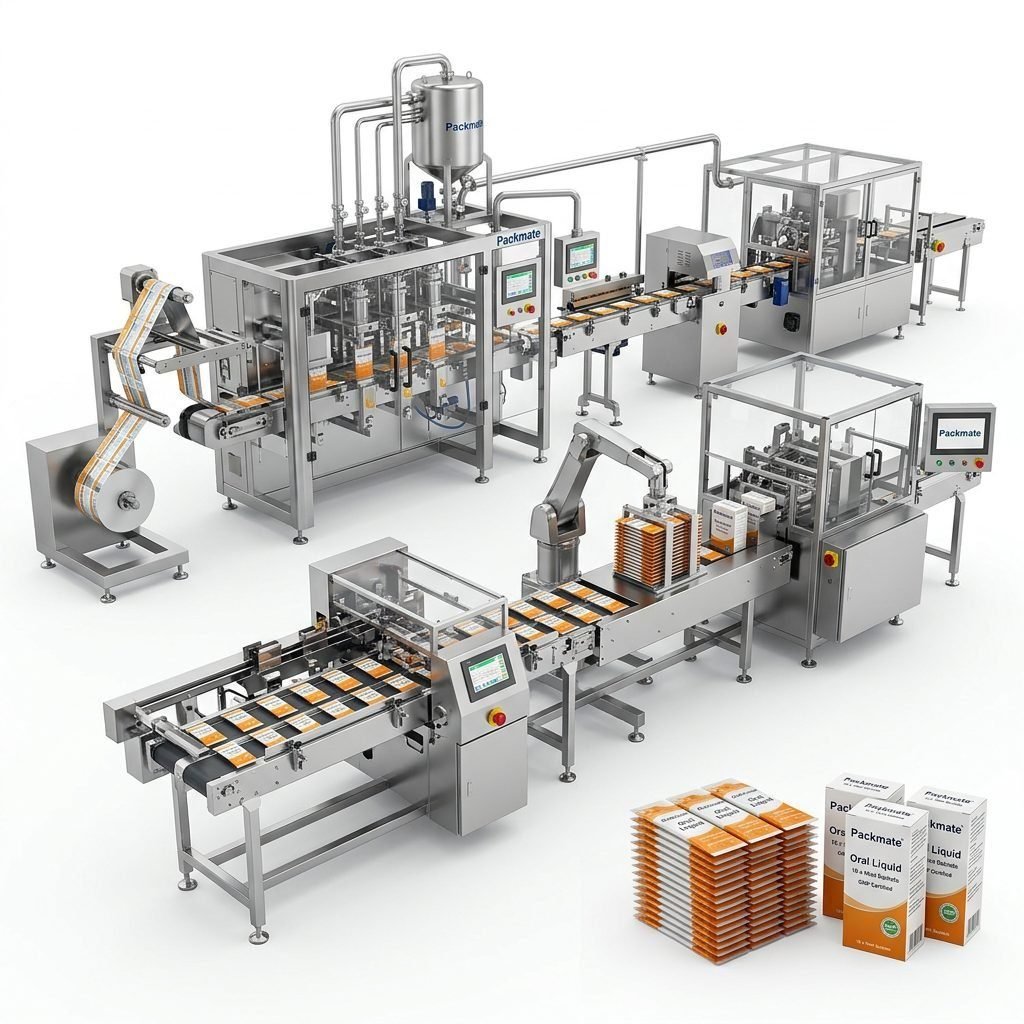
The journey from manual packaging to fully automated lines represents a significant leap in industrial capability. Early packaging was labor-intensive, prone to human error, and limited in speed. The advent of semi-automatic machines brought relief, but it was the development of fully integrated, computer-controlled packaging systems that truly revolutionized production floors. These systems can perform complex tasks—weighing, filling, sealing, and labeling—with minimal human intervention, operating 24/7 to meet relentless demand.
This evolution is driven by core technological pillars. Programmable Logic Controllers (PLCs) and sophisticated software form the brain of the operation, allowing for precise control and easy recipe changes. Advanced servo motors provide the muscle, enabling high-speed, accurate movements. Meanwhile, integrated vision inspection systems act as the eyes, ensuring every package meets strict quality standards before it leaves the line.
Key Machinery Transforming Production Lines
Not all automated packaging machines are created equal. The most efficient production lines utilize a combination of specialized equipment, each playing a vital role in the workflow. Understanding these machines is key to building a superior packaging operation.
Vertical Form-Fill-Seal (VFFS) Machines
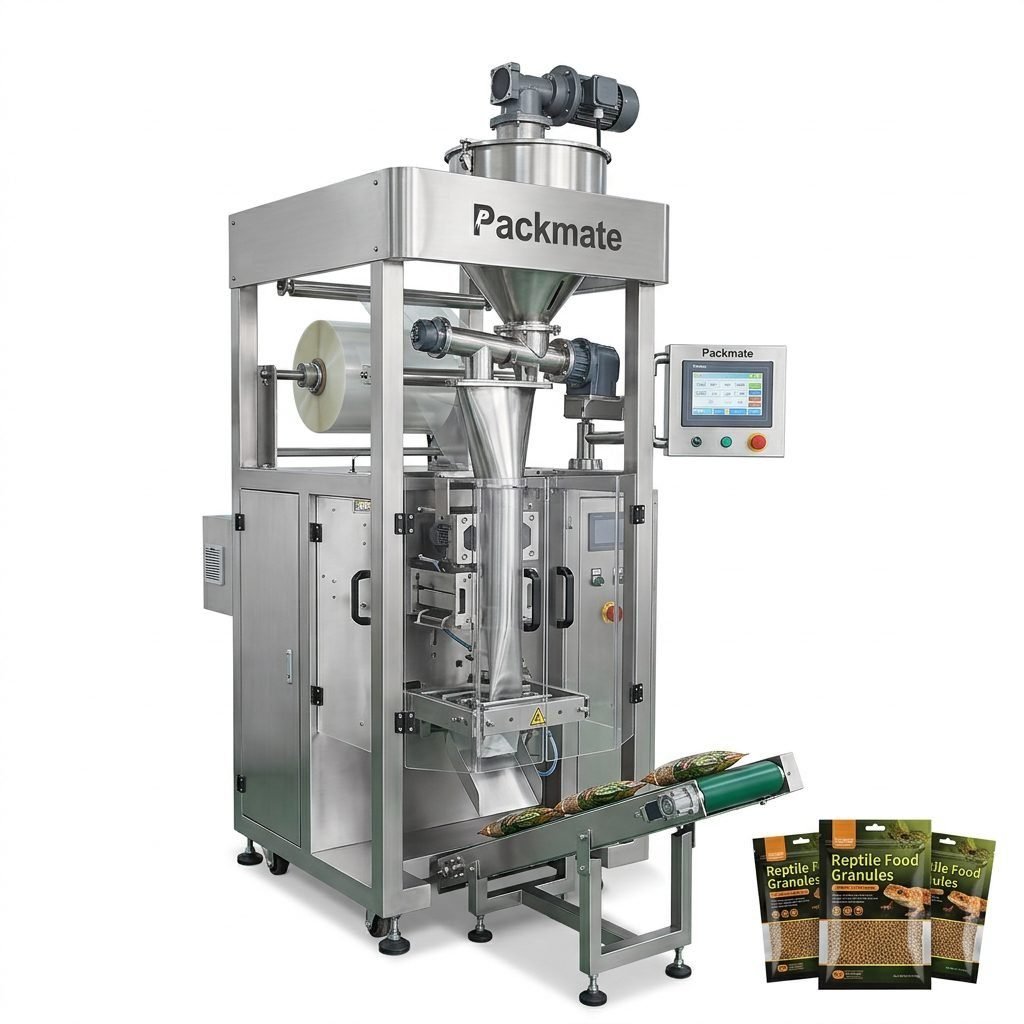
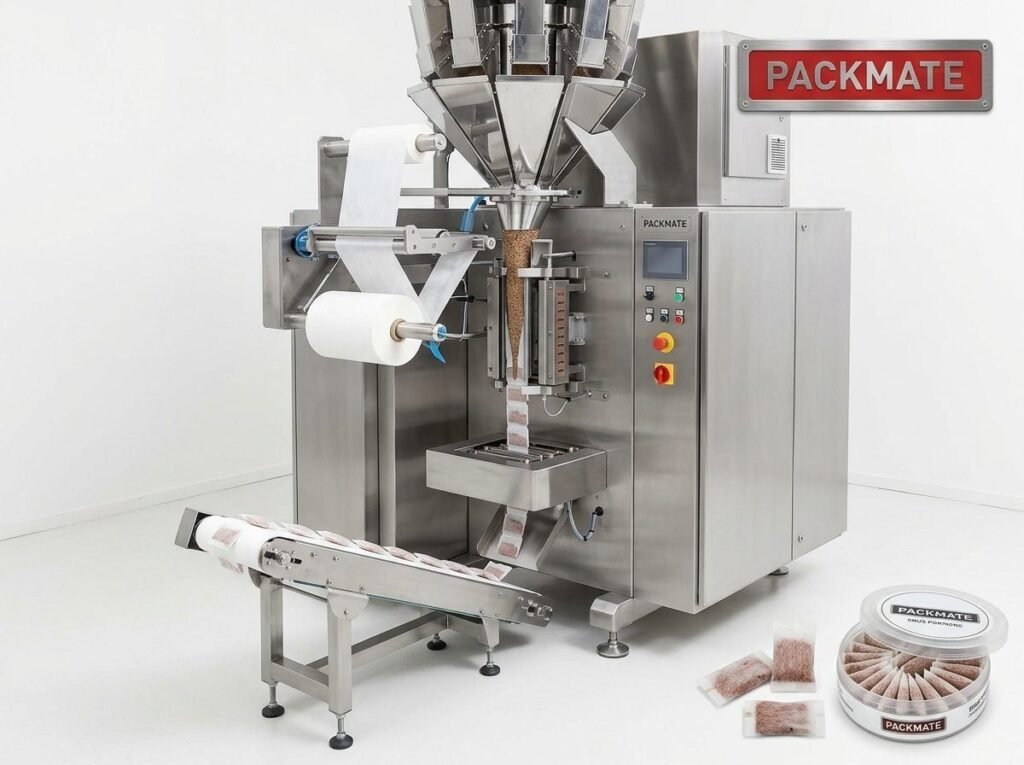
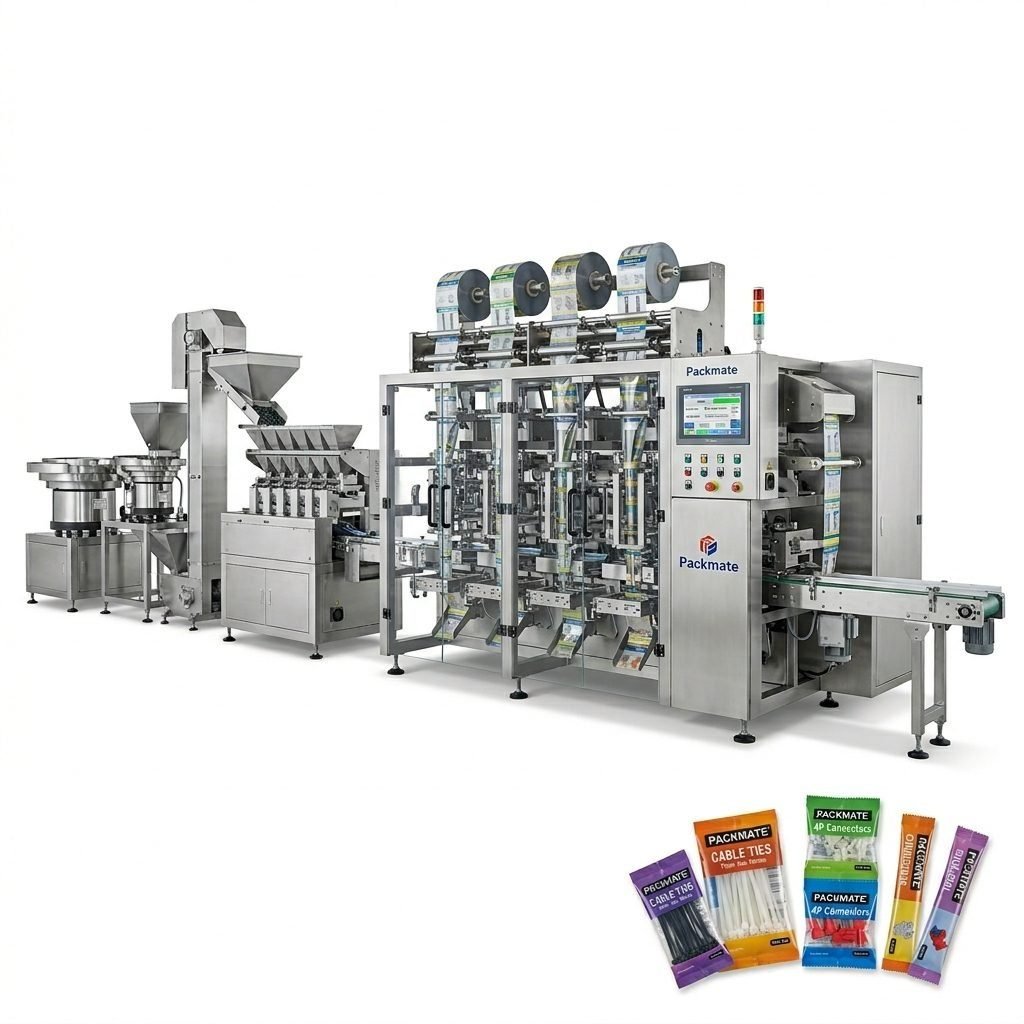
These are the workhorses of the packaging world, particularly for granular, powdered, and liquid products. A VFFS machine creates a bag from a roll of film, fills it with a pre-measured amount of product, and seals it—all in one continuous, vertical motion. Their versatility and high speed make them indispensable for products like coffee, snacks, and detergents. For businesses looking to scale, exploring a range of bag and pouch packaging machines is a logical first step.
Multi-Lane Stick Pack & Sachet Machines
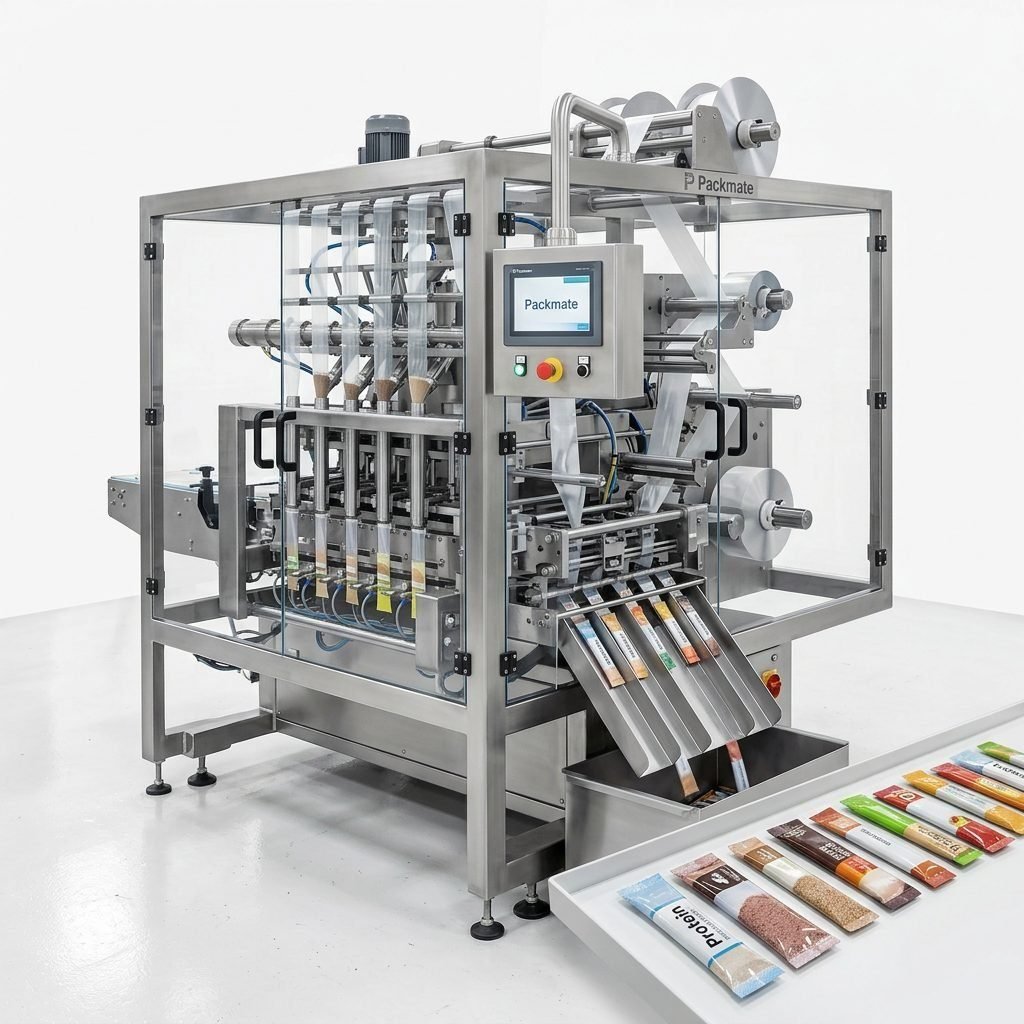
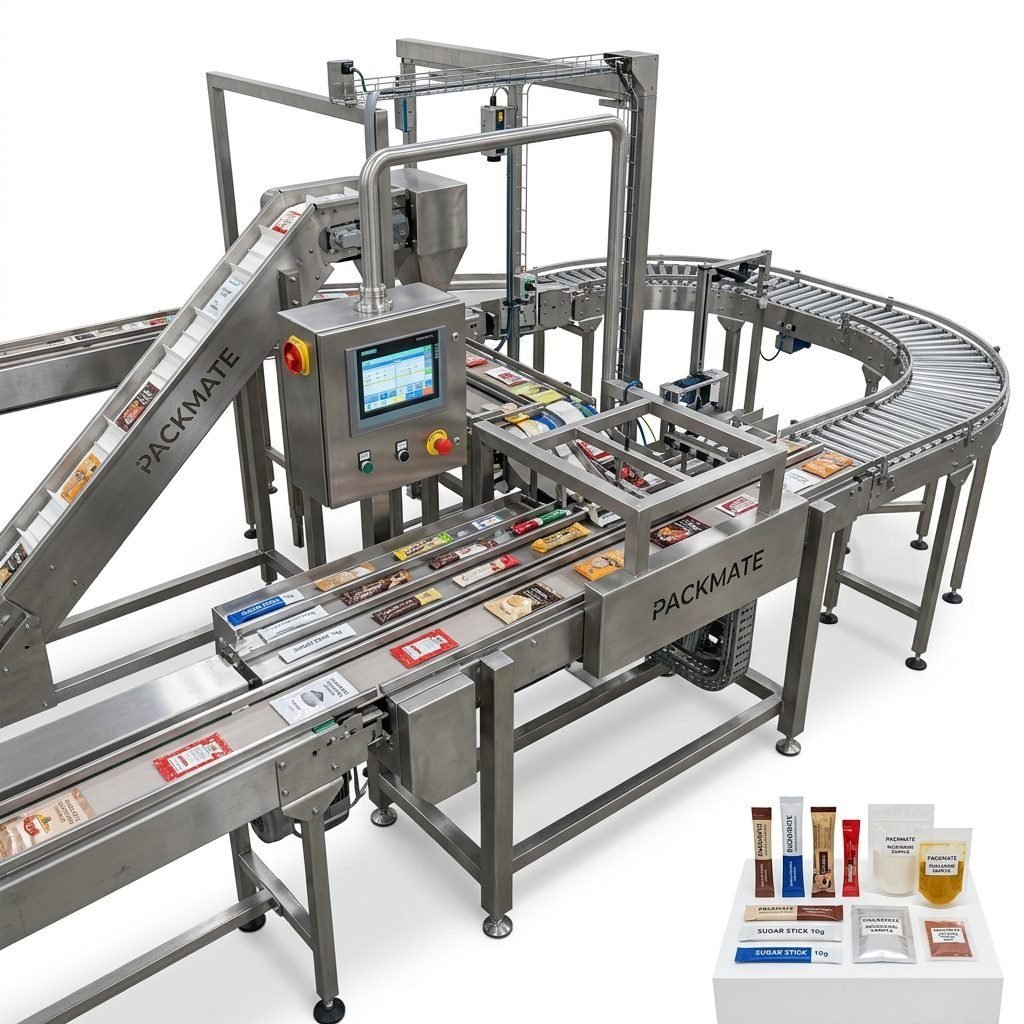
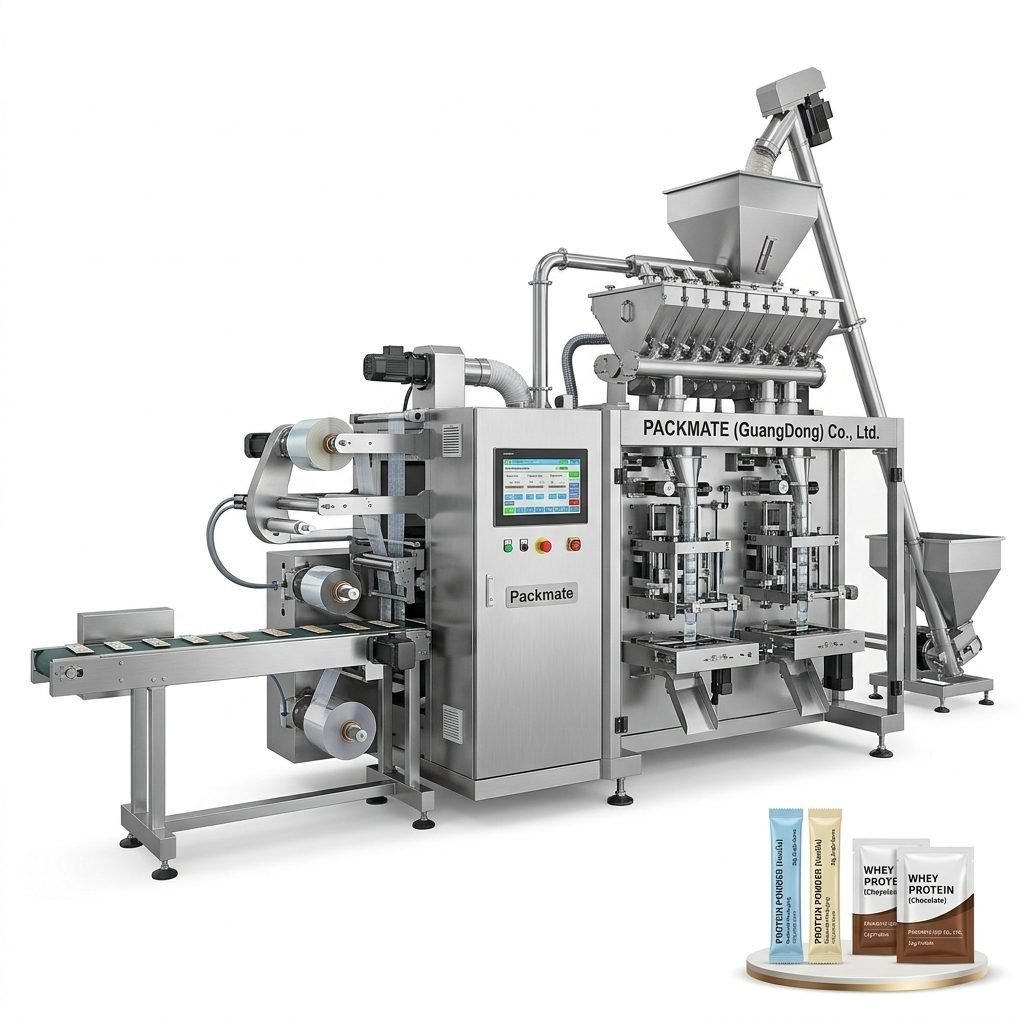
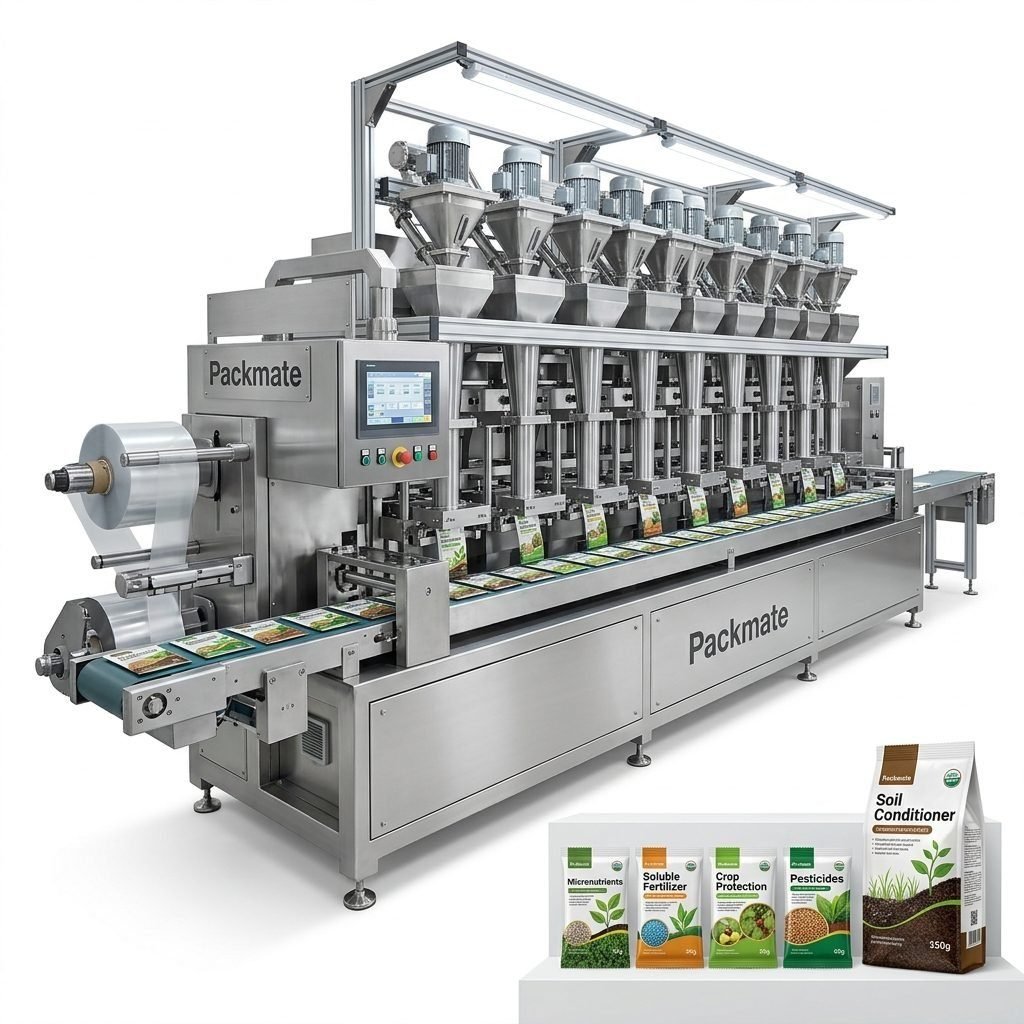
When the product demands single-serve convenience and high-volume output, multi-lane machines are the answer. These systems run multiple packaging lanes in parallel, dramatically increasing throughput for items like sugar, instant drink mixes, condiments, and pharmaceutical powders. The precision of these machines ensures consistent fill weight and a perfect seal every time, which is crucial for product integrity and customer satisfaction. Leading manufacturers, such as Packmate Machinery, have honed this technology over decades, offering robust sachet and stick pack machines that form the backbone of many food and health supplement lines.
Integrated Weighing & Filling Systems
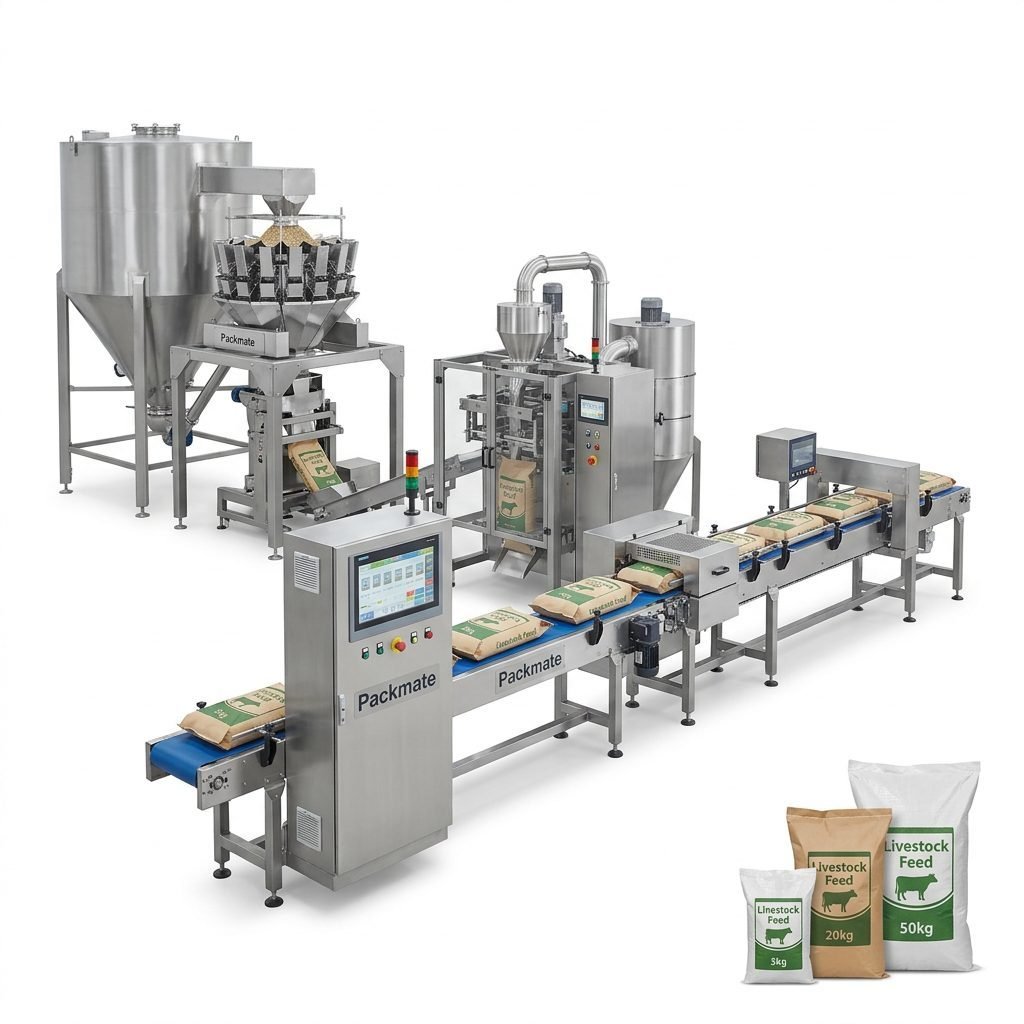
Accuracy is non-negotiable, especially in industries with strict regulatory compliance or where product cost is high. Automated weighing systems, such as multi-head weighers and auger fillers, deliver unparalleled precision. They are often integrated with packaging machines to create a seamless filling and packaging line. This integration eliminates bottlenecks and transfer errors, ensuring that the speed of the packaging machine is fully supported by an equally fast and accurate filling process.
Tangible Benefits for Your Bottom Line
Investing in top-tier automated packaging machinery is a strategic decision that pays dividends across the entire operation. The benefits extend far beyond simple labor savings.
Dramatically Increased Output and Consistency: Automated systems operate at constant, high speeds without fatigue. This leads to a massive increase in production capacity and a level of consistency in package quality that manual operations cannot match. Every sachet, stick pack, or pouch is identical, strengthening your brand’s reputation for reliability.
Significant Reduction in Material Waste and Product Giveaway: Precision filling means you use exactly the amount of product and packaging film required. This minimizes costly “giveaway” (overfilling) and reduces scrap from sealing errors or misformed packages, directly improving your material yield and profitability.
Enhanced Flexibility and Faster Changeovers: Modern machines with digital controls allow for quick changeovers between different products or package sizes. Storing recipes digitally means operators can switch production runs in minutes, not hours, making it feasible to handle smaller, customized batches without sacrificing efficiency.
Improved Workplace Safety and Hygiene: By automating repetitive and potentially strenuous tasks, these machines reduce the risk of ergonomic injuries for workers. In food and pharmaceutical settings, closed-system automation also minimizes human contact with the product, which is critical for maintaining stringent hygiene and safety standards.
Choosing the Right Partner for Your Automation Journey
Selecting the right machinery is only half the battle; choosing the right manufacturer is equally important. A partner with deep expertise can mean the difference between a machine that runs and a system that optimizes. Look for a provider with a proven track record, like Packmate (GuangDong) Co., Ltd., which brings over 30 years of focused experience in intelligent packaging for the food, pharmaceutical, and health industries. Their journey, from a passionate workshop in 1993 to a company with a 20,000㎡ modern facility today, underscores a commitment to innovation and reliability.
A true partner offers more than just equipment. They provide complete turnkey solutions, from initial consultation and factory layout planning to installation, training, and ongoing technical support. They understand that your success depends on the entire system working harmoniously. Reviewing a manufacturer’s case studies and global project history can provide valuable insight into their capability to deliver complex, efficient production lines tailored to specific needs.
Implementation and Integration: Keys to Success
Successfully integrating new automated packaging machinery requires careful planning. A thorough analysis of your current and future production needs is the essential first step. Consider your product types (granules, powder, liquids), required output speeds, and any special features like nitrogen flushing or vacuum sealing.
Work closely with your equipment supplier during the factory layout planning phase. Efficient material flow—from raw product intake to finished palletizing—is crucial. Don’t overlook the importance of operator training and having a clear plan for preventative maintenance to ensure maximum uptime and a long equipment lifespan. The goal is to create a resilient, future-proof production asset.
Frequently Asked Questions (FAQs)
What is the typical ROI period for an automated packaging line?
The return on investment varies based on the scale of the system, labor costs, and production volume. However, for medium to high-volume operations, many businesses see a full ROI within 1 to 3 years through labor savings, reduced waste, and increased output. A detailed analysis with your equipment provider can yield a more precise forecast for your specific situation.
Can automated machines handle fragile or irregularly shaped products?
Yes, modern automated packaging systems are highly adaptable. Specialized feeding systems, gentle handling mechanisms (like bucket elevators or vibratory trays), and custom-designed forming tubes can be engineered to package delicate items like chips, crackers, or irregularly shaped components without damage.
How do I ensure the machine meets food safety or pharmaceutical standards?
Reputable manufacturers design machines to comply with international standards like FDA, EHEDG, or GMP. Key features include the use of food-grade stainless steel, smooth surfaces without crevices for easy cleaning, and designs that prevent lubricant contamination. Always request relevant certificates and discuss your specific compliance requirements during the procurement process.
What level of technical skill is required to operate and maintain these machines?
While the core operation is often simplified through user-friendly touchscreen interfaces, basic mechanical and electrical knowledge is beneficial for troubleshooting. A comprehensive training program from the supplier is essential. For complex maintenance, most companies rely on scheduled service from the manufacturer’s technicians, which is why choosing a supplier with a strong global service network is critical.
Is it possible to upgrade existing semi-automatic equipment to full automation?
In many cases, yes. Upgrades can involve adding automatic feeding systems, robotic palletizers, or integrating standalone machines into a coordinated line with a central control system. An audit by an automation expert can determine the most cost-effective path—whether to retrofit existing equipment or invest in a new, integrated line for optimal performance.