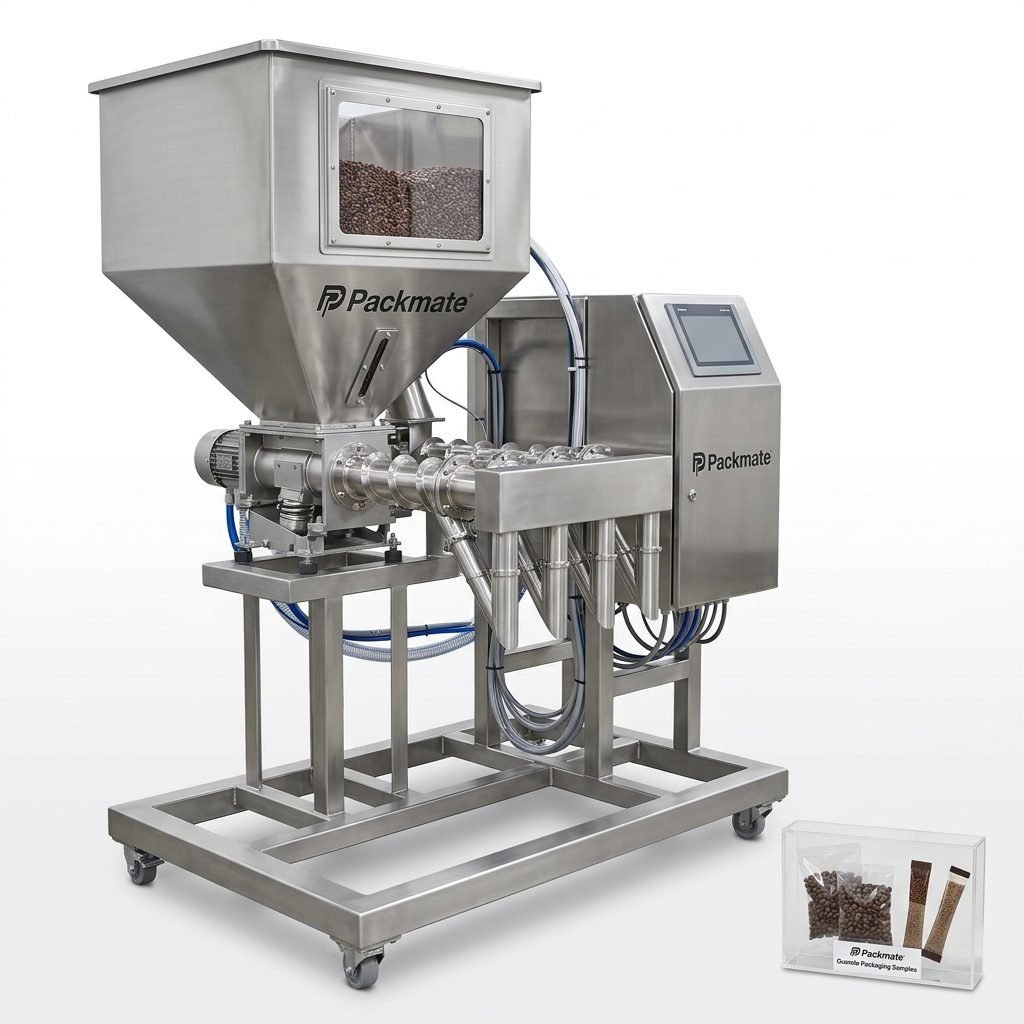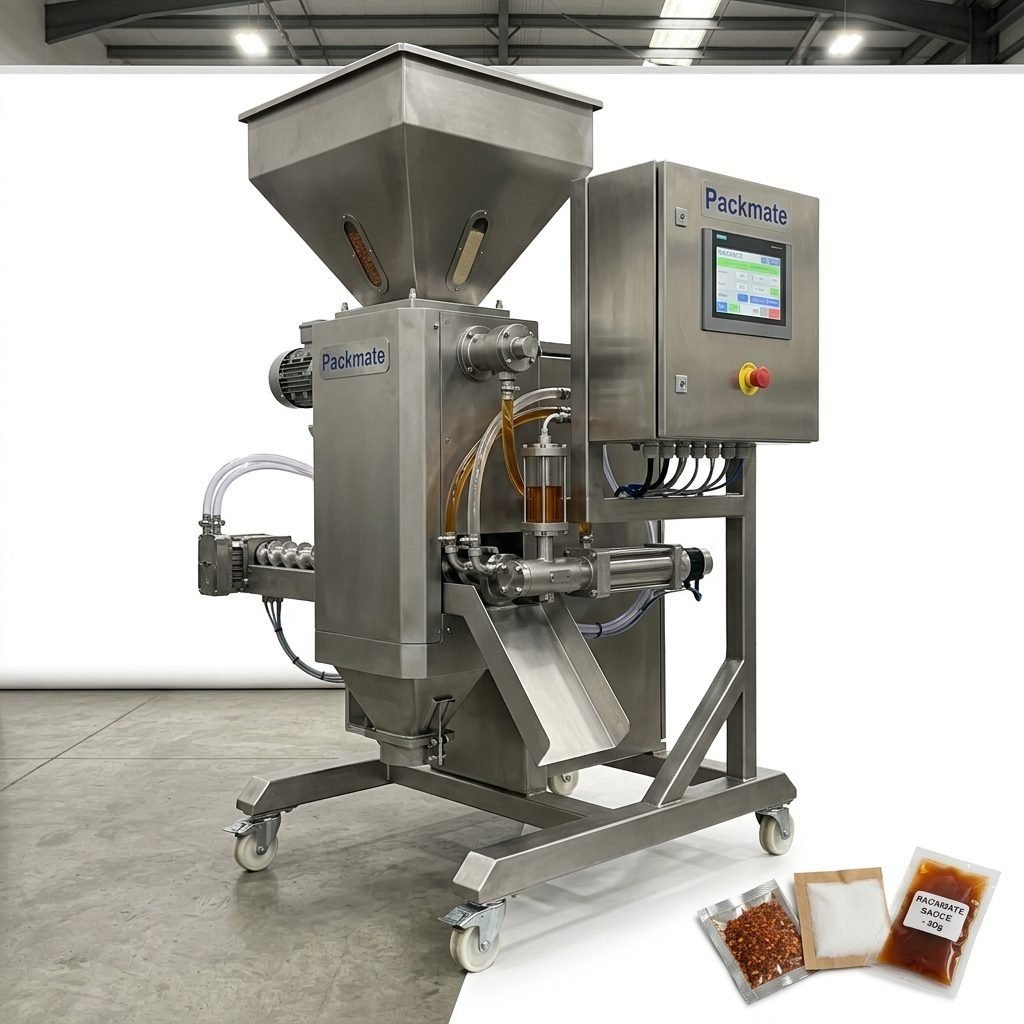
In today’s educational landscape, providing nutritious meals to students is a top priority for schools and districts worldwide. However, the efficiency, safety, and presentation of these meals depend heavily on the behind-the-scenes technology: school nutrition packaging machinery. This guide explores the essential equipment and solutions that ensure meals are packaged hygienically, efficiently, and appealingly, directly supporting child nutrition programs and operational success.
The Critical Role of Packaging in School Nutrition Programs
School meal programs face unique challenges: high-volume output during short serving windows, strict adherence to food safety standards, and the need to make healthy food appealing to young consumers. Modern packaging machinery addresses these challenges head-on. It ensures portion control, maintains food freshness and temperature, and provides a clean, attractive package that can even include educational messages or branding. Investing in the right packaging equipment is not an operational overhead but a strategic tool for enhancing program participation and nutritional impact.
Key Benefits for School Food Service
Hygiene & Safety: Automated systems minimize human contact with food, reducing contamination risks. Machines can be built with food-grade stainless steel and are designed for easy cleaning.
Operational Efficiency: High-speed packaging lines allow kitchens to prepare thousands of meals consistently, crucial for breakfast programs and large district servings.
Cost & Waste Reduction: Precise filling minimizes product giveaway, and optimized packaging material use lowers costs and environmental footprint.
Improved Meal Appeal: Neat, sealed packaging preserves food quality and makes meals more visually appealing to students, encouraging consumption of healthy options.
Essential School Nutrition Packaging Machinery & Solutions
The ideal packaging line is tailored to the specific menu items, which can range from dry snacks and granola to yogurt, sandwiches, and pre-assembled meal kits. Here’s a breakdown of core equipment types.
1. Portion-Pack Solutions for Snacks & Condiments
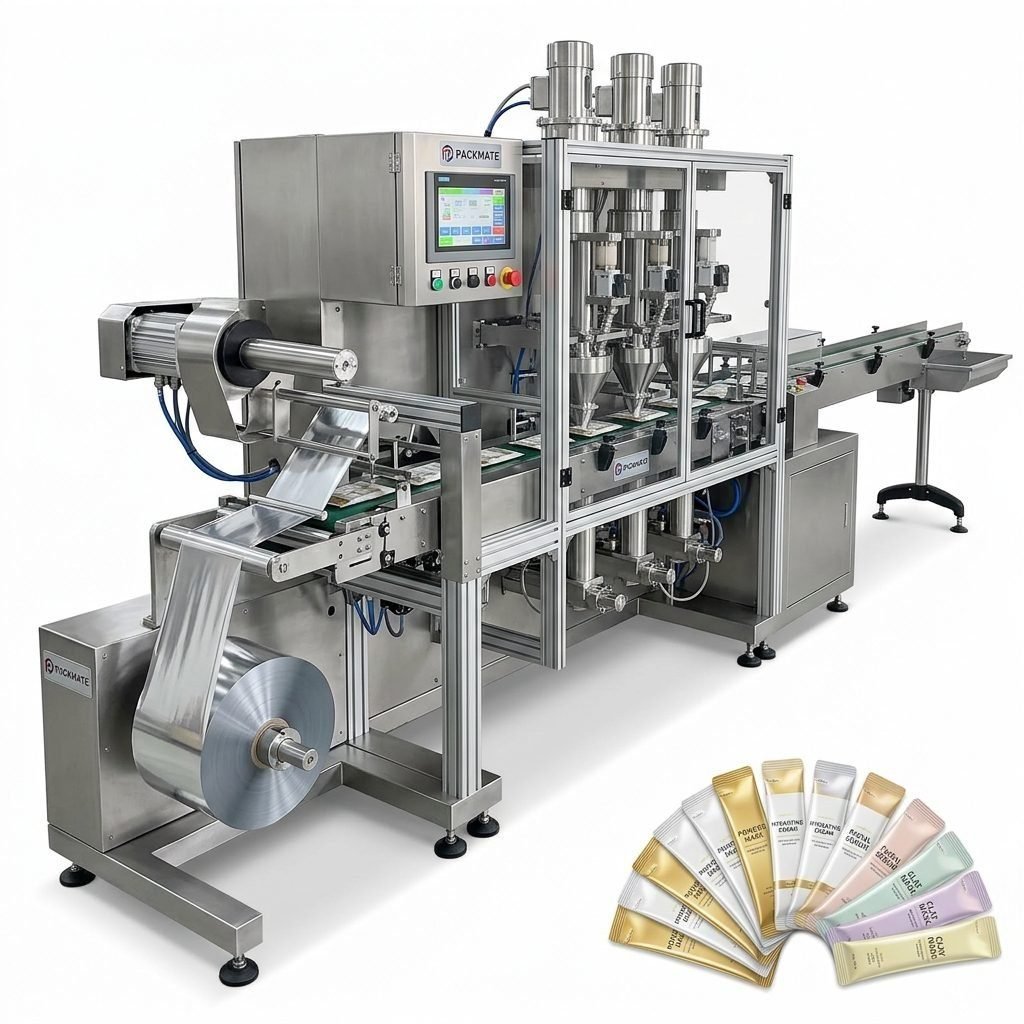
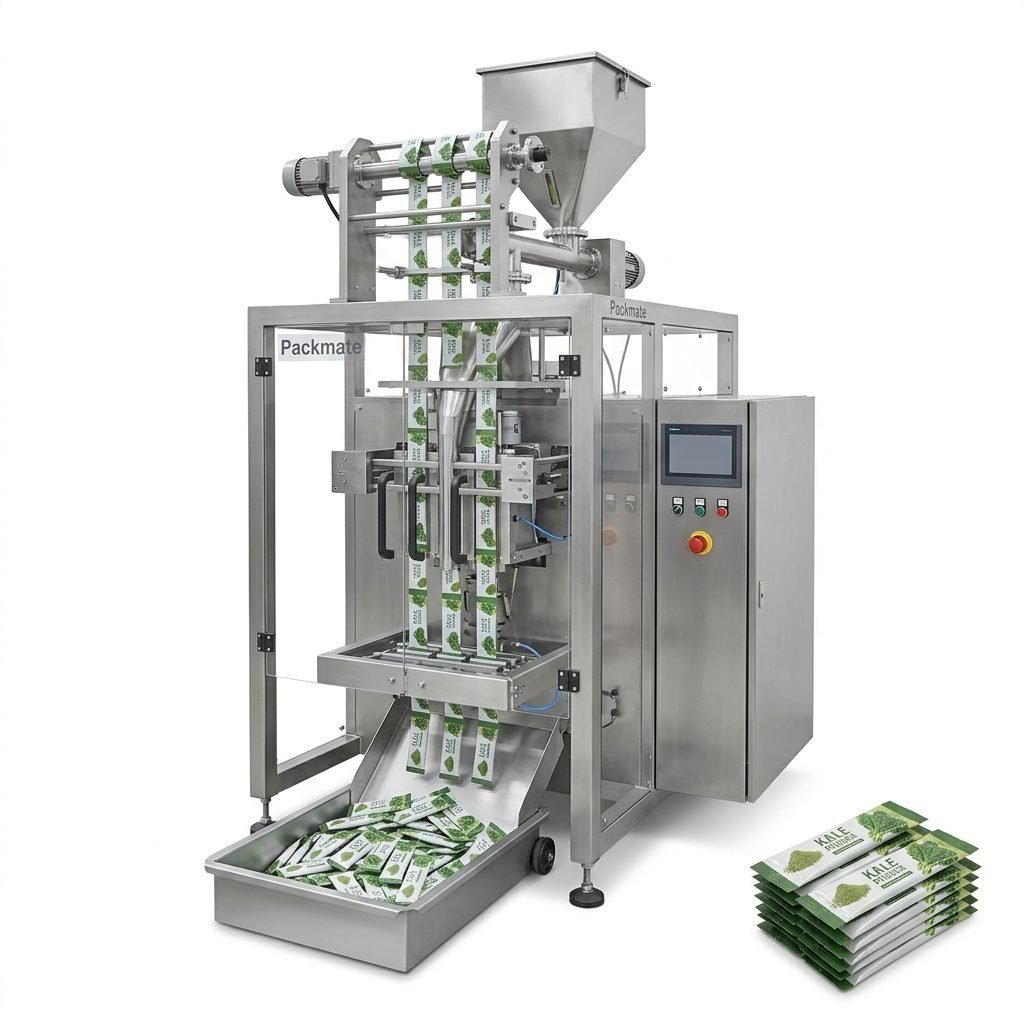
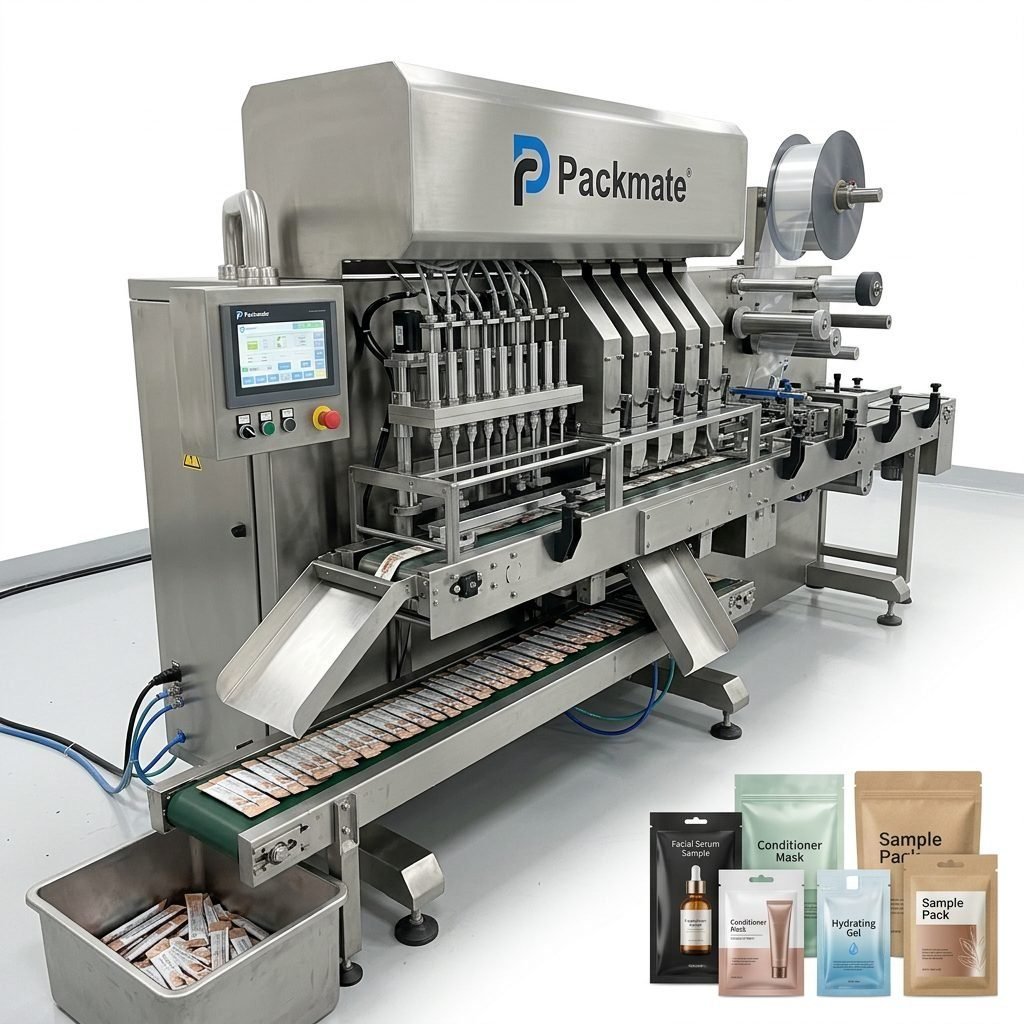
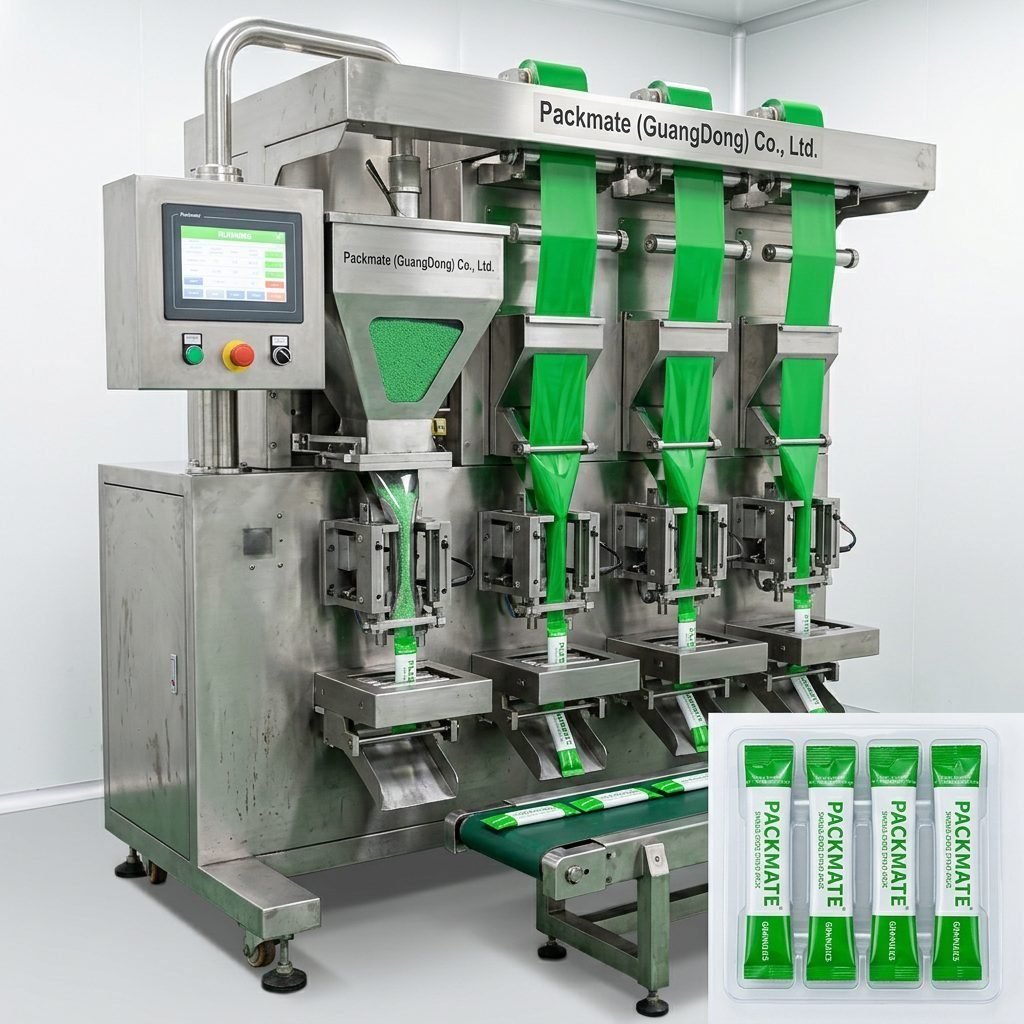
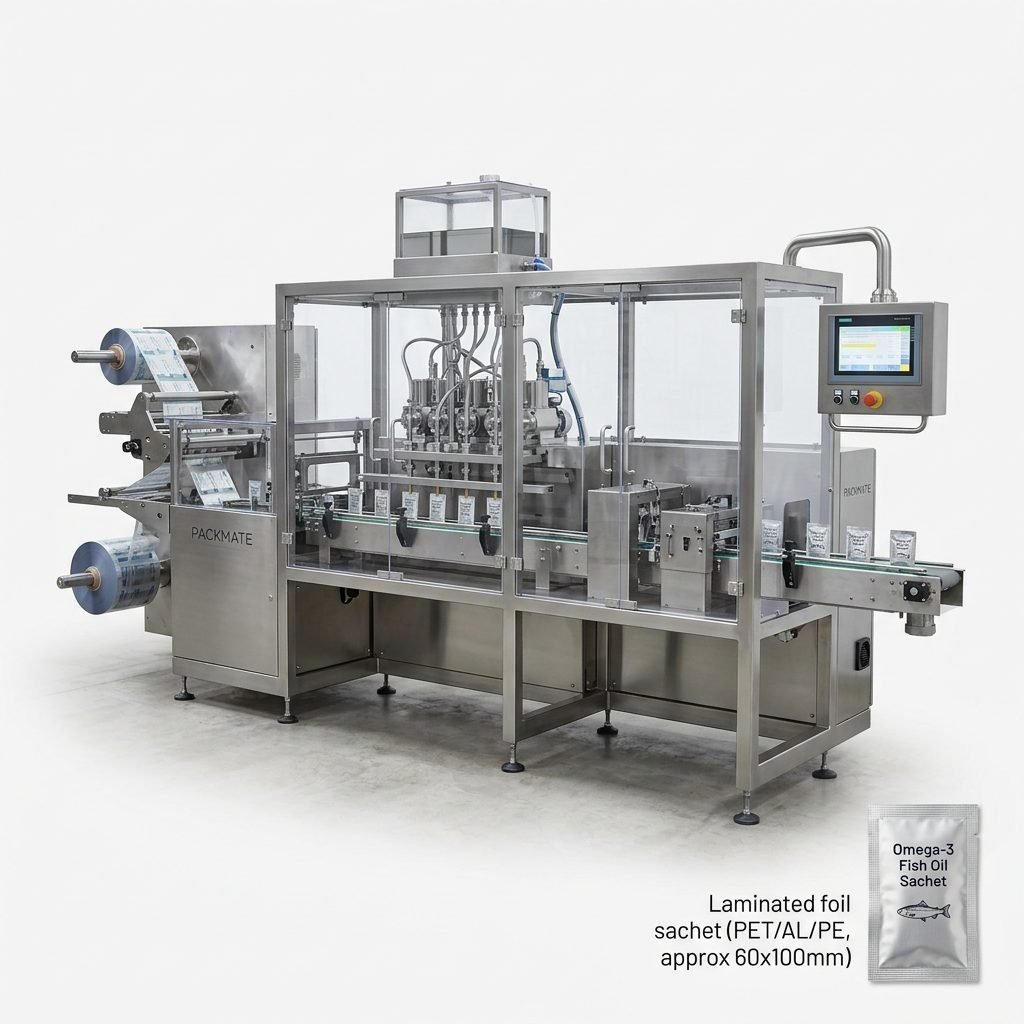
For items like crackers, raisins, dressings, sauces, or butter portions, sachet and stick pack machines are indispensable. These machines create small, sealed pouches from roll film. Multi-lane models are particularly valuable for schools, as they can produce dozens of portions simultaneously. This technology is perfect for high-volume, small-portion packaging that supports grab-and-go programs. Explore specialized solutions for this need in our range of Sachet & Stick Pack Machines.
2. Bag & Pouch Packaging for Meals & Sides
Larger items like sandwiches, whole fruits, vegetables, or mixed salads require more robust packaging. Vertical form-fill-seal (VFFS) machines are the workhorses here. They form bags from a single roll of film, fill them with the product, and seal them—all in one continuous motion. For pre-made meal kits or bulk items, pre-made pouch machines offer a premium look. These systems are versatile and can handle a variety of food types and package sizes. Discover the options available for these applications through our Bag & Pouch Packaging Machines.
Integration Point: Weighing Systems
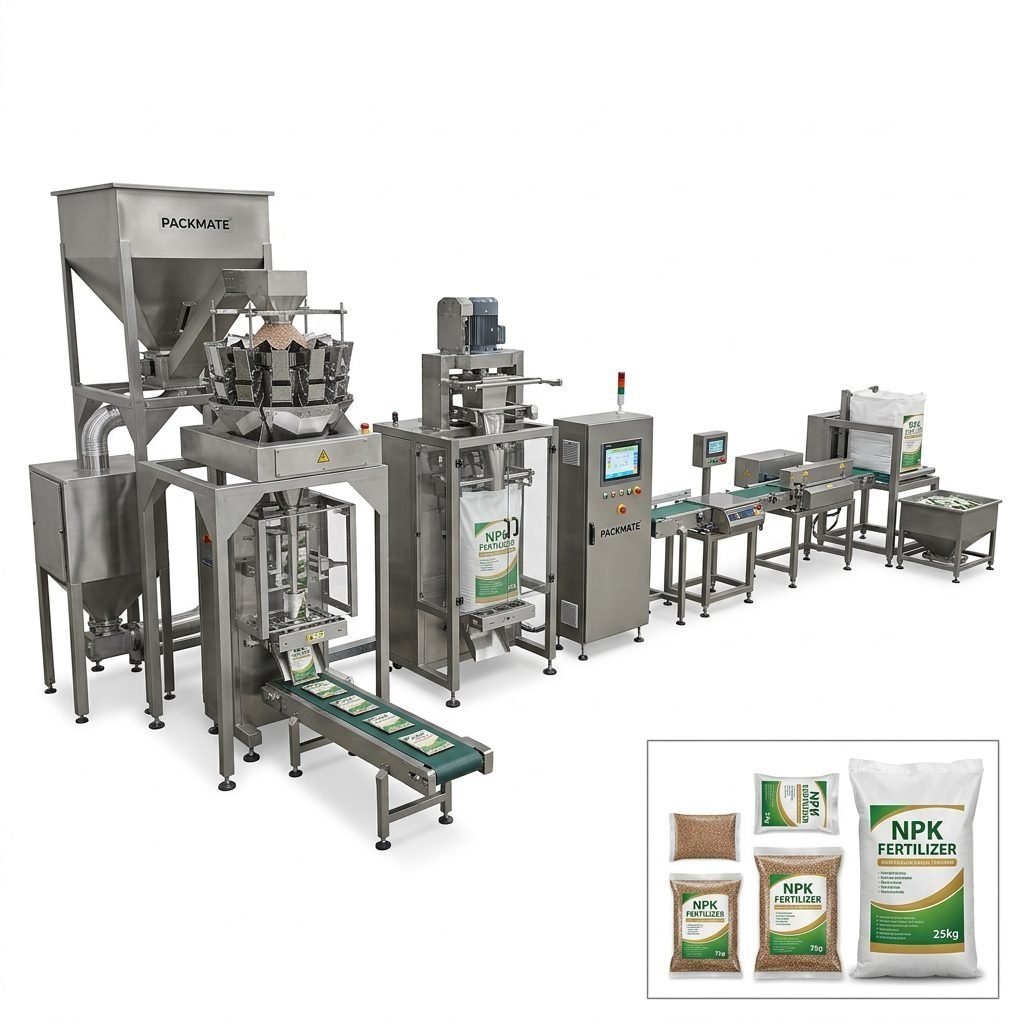
Accuracy is non-negotiable for compliance with nutritional guidelines and cost control. Integrating automatic weighing systems with your packaging machine ensures every bag or pouch meets exact weight specifications. This is especially critical for items like chicken nuggets, tater tots, or mixed vegetables where portion consistency is key to meeting meal pattern requirements.
3. Complete Filling & Packaging Lines
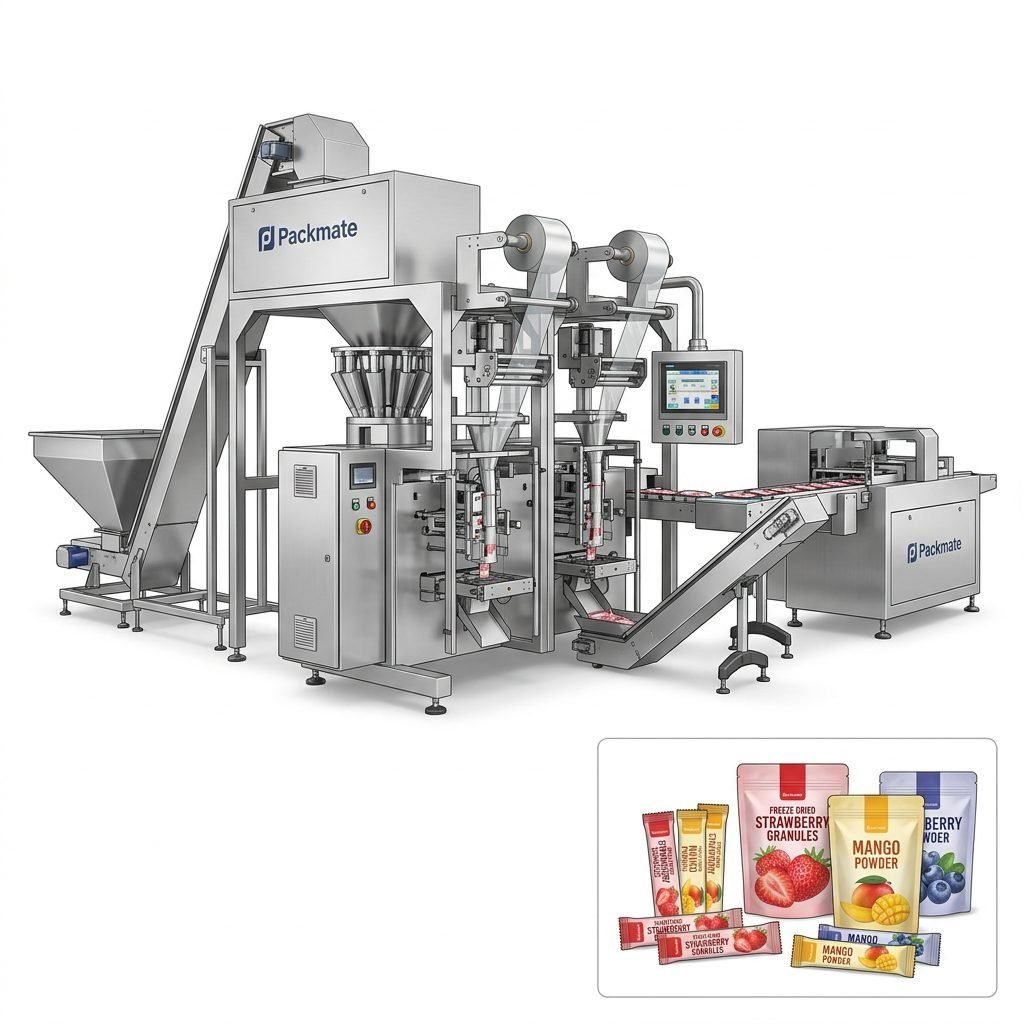
For schools with central kitchens that prepare and package complete meals, a turnkey packaging line is the ultimate solution. This integrates multiple processes: conveying, sorting, filling, sealing, and sometimes even cartoning. A well-designed line, like those offered by experienced manufacturers such as Packmate Machinery, transforms bulk-prepared food into individually packaged student meals with minimal manual intervention, maximizing throughput and safety. Learn more about integrated systems on our Filling & Packaging Lines page.
Selecting the Right Equipment: A Guide for Decision-Makers
Choosing machinery requires careful consideration of your district’s specific needs.
Assess Your Menu & Volume: List the primary items you need to package (e.g., liquids, powders, solids) and your daily/weekly volume. This dictates machine type and speed requirements.
Prioritize Food Safety & Materials: Ensure equipment is constructed with food-contact-safe materials (e.g., 304/316 stainless steel) and has a design that prevents bacterial harborage. Also, consider the types of packaging films compatible with the machine.
Evaluate Ease of Use & Changeover: School staff may not be machine experts. Look for user-friendly controls (e.g., touchscreen HMI) and quick-change parts to minimize downtime when switching between different food items or package sizes.
Consider Space & Layout: Measure your available kitchen or packaging room space. Some machines have a small footprint, while full lines require careful planning. Suppliers can often provide layout diagrams.
Plan for Support & Service: Reliable local technical support and availability of spare parts are crucial to avoid disruptions to your meal service. Partner with a manufacturer known for strong after-sales service.
The Packmate Advantage in School Nutrition
With over 22 years of experience in packaging automation, Packmate (GuangDong) Co., Ltd. understands the precision and reliability required in food service environments. Our 20,000㎡ modern facility is dedicated to producing robust machinery that meets international standards. We offer more than 50 machine models, many of which are ideally suited for the portion-controlled, high-hygiene demands of school nutrition packaging. From individual machines to complete turnkey solutions, our team provides the expertise to implement a system that grows with your program’s needs. You can learn about our company’s commitment to innovation and quality on our About Us page.
Future Trends: Sustainability & Smart Packaging
The future of school packaging points towards greater sustainability and intelligence. Machinery that can run compostable or recyclable films is in increasing demand to align with district sustainability goals. Furthermore, Industry 4.0 connectivity allows machines to provide real-time data on production counts, downtime, and maintenance alerts, enabling proactive management and detailed reporting for program administrators.
Frequently Asked Questions (FAQs)
1. What type of packaging machine is best for pre-packaging school sandwiches?
For pre-packaged sandwiches, a horizontal flow wrapper or a pre-made pouch machine is often ideal. These machines gently handle the finished product and provide a tight, attractive seal that keeps the sandwich fresh and presentable. The choice depends on your desired package style and production volume.
2. Can one machine handle both dry snacks and liquid condiments?
Typically, no. Machines are often optimized for specific product types (granules, powders, liquids) due to different filling mechanisms and sealing requirements. However, some versatile vertical form-fill-seal machines can be configured with different filling systems to handle a range of products, though changeover between vastly different types may require time and part swaps.
3. How do we ensure the packaging meets child safety standards?
Always use food-grade, FDA-compliant packaging films supplied by reputable manufacturers. The packaging machinery itself should create secure, tamper-evident seals. Avoid films that are easily torn or create sharp edges. Your equipment supplier can advise on suitable film specifications for school applications.
4. What is the typical lead time for installing a new packaging line in a school kitchen?
Lead times vary based on machine complexity and customization. For a standard machine, it could be 8-14 weeks for manufacturing, plus shipping and installation time. For a full custom line, it may take longer. Planning well ahead of the school year is essential. Discuss timelines in detail with your supplier during the quotation process.
5. What kind of staff training is required to operate this machinery?
Reputable suppliers provide comprehensive operational training. This usually covers basic machine operation, daily cleaning procedures, simple troubleshooting, and package changeover steps. Training is typically conducted on-site after installation. Well-designed machines with intuitive touchscreen interfaces significantly reduce the learning curve for kitchen staff.