Selecting the right packaging equipment is a critical decision for any medical device manufacturer. The packaging not only protects the product from contamination and damage during storage and transit but also ensures sterility, facilitates ease of use for healthcare professionals, and complies with stringent global regulatory standards. This guide explores the various types of medical device packaging equipment and the solutions they provide for modern manufacturing challenges.
The Critical Role of Packaging in Medical Device Integrity
Medical device packaging serves a dual purpose: protection and presentation. It is the primary barrier against microbial ingress, moisture, and physical shocks. Furthermore, packaging systems must allow for sterile presentation in operating rooms, often requiring easy-to-open features without compromising the sterile field. The choice of packaging equipment directly impacts product shelf life, safety, and user experience.
Key Consideration: Regulatory bodies like the FDA (U.S.) and EMA (Europe) have specific guidelines for medical device packaging. Equipment must ensure consistent seal integrity, which is validated through rigorous testing protocols such as ASTM F1886 and F2096.
Primary Types of Medical Device Packaging Equipment
The landscape of packaging machinery is diverse, tailored to different device forms, materials, and production volumes. Understanding these core types is the first step toward an optimal investment.
1. Thermoform-Fill-Seal (TFFS) Machines
These are workhorses for sterile barrier packaging. A TFFS machine heats a roll of formable plastic (like Tyvek® or medical-grade film) and uses molds to create cavities. The medical device is placed into the cavity, a lidding material (often a breathable film) is applied, and a hermetic seal is created. They are ideal for high-volume production of items like syringes, catheters, and surgical kits. For a look at advanced filling and sealing lines, explore our Filling & Packaging Lines.
2. Blister Packaging Machines
Similar to pharmaceutical packaging, these machines create rigid blisters (typically from PVC or APET) that are then sealed with a lidding foil or film. They offer excellent product visibility and physical protection for individual devices or components. Blister packs are commonly used for single-use devices, diagnostic test kits, and surgical tools.
3. Pouch Form-Fill-Seal (FFS) Machines
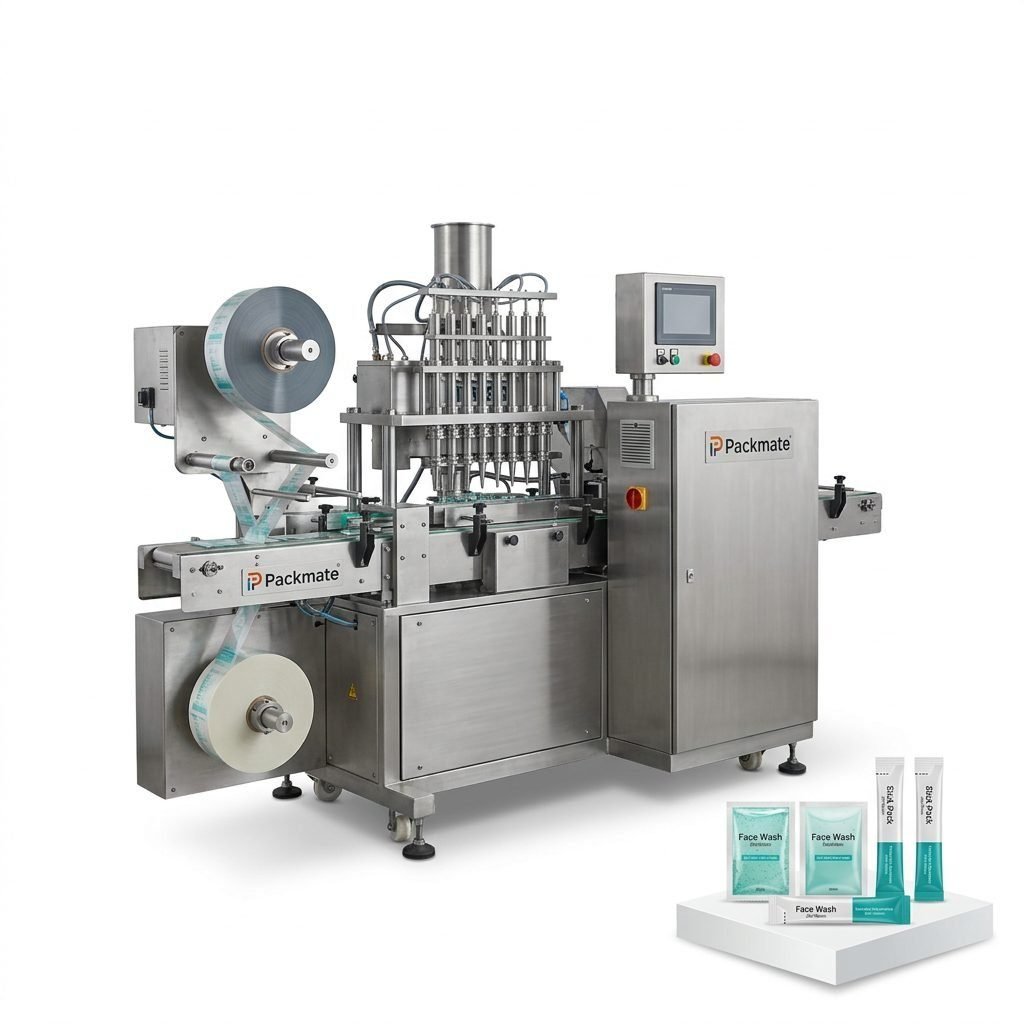
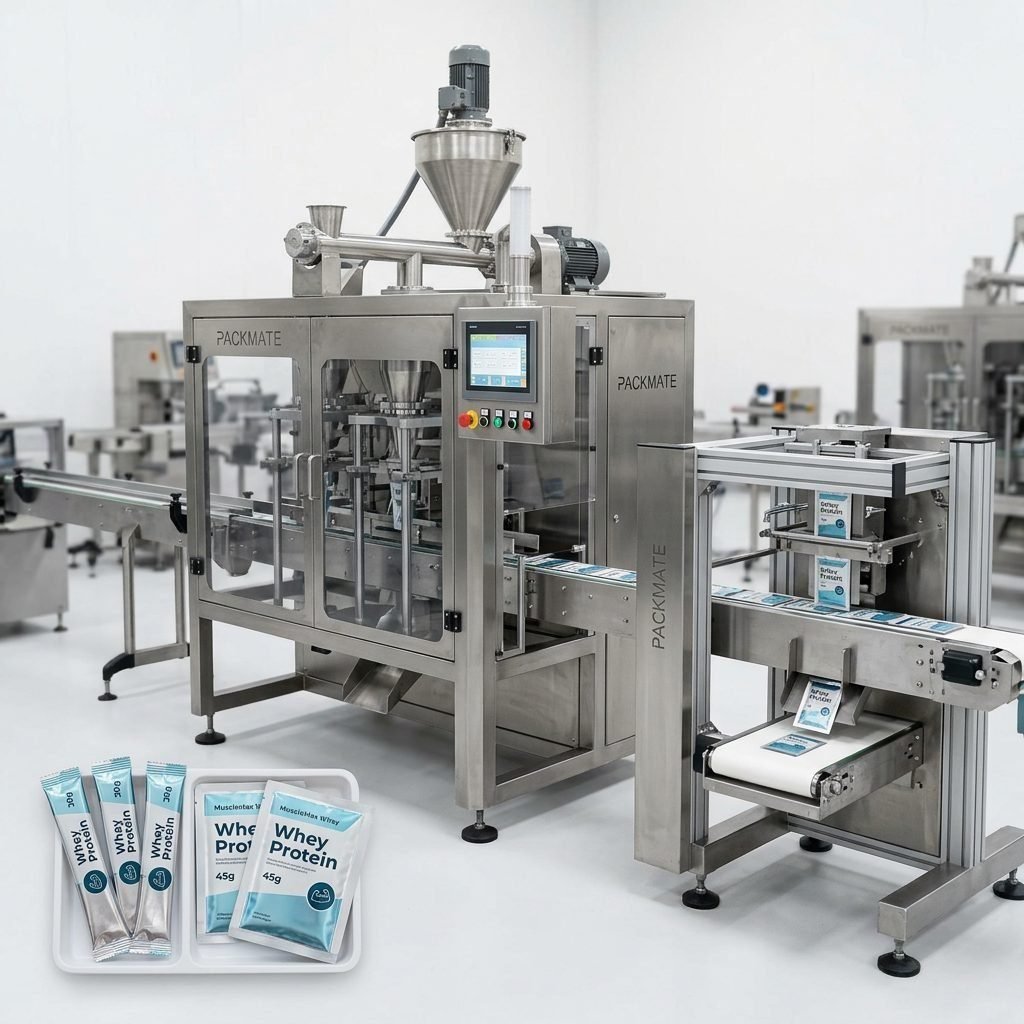
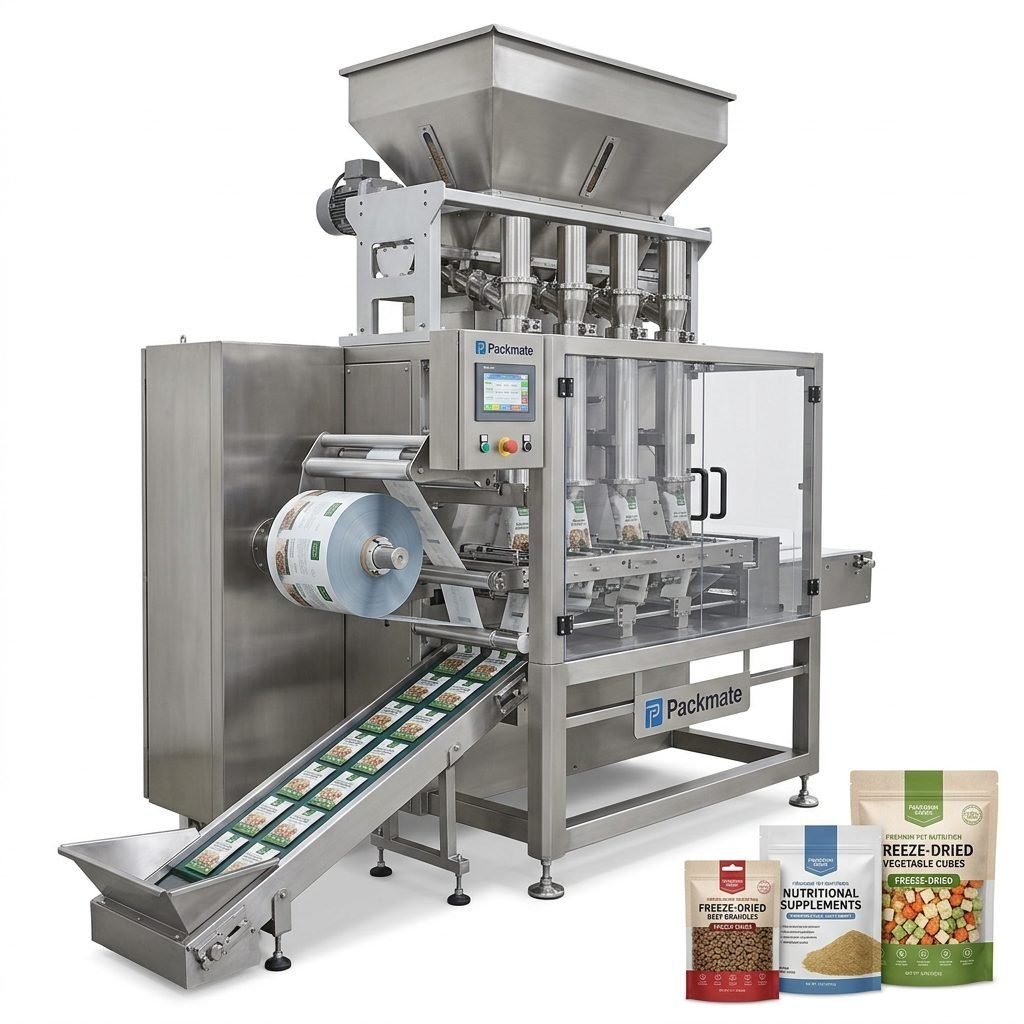
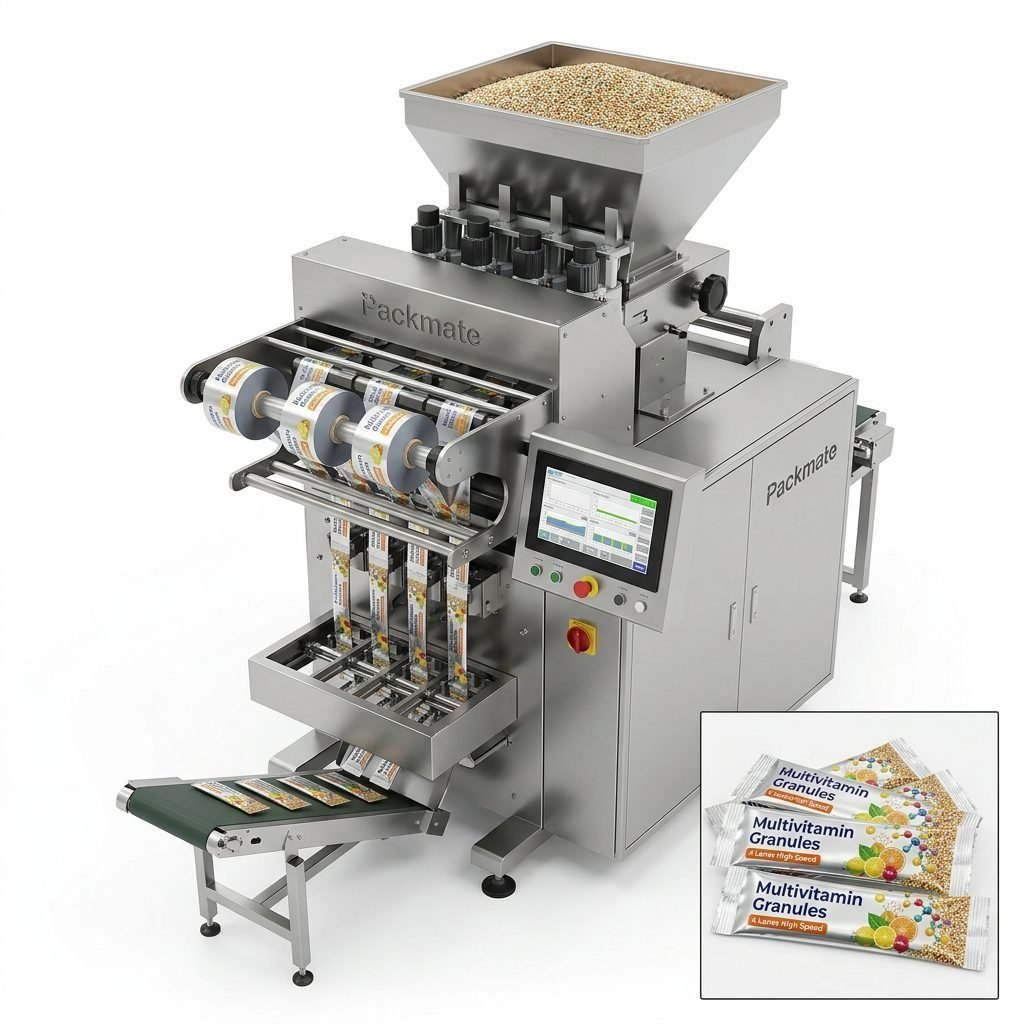
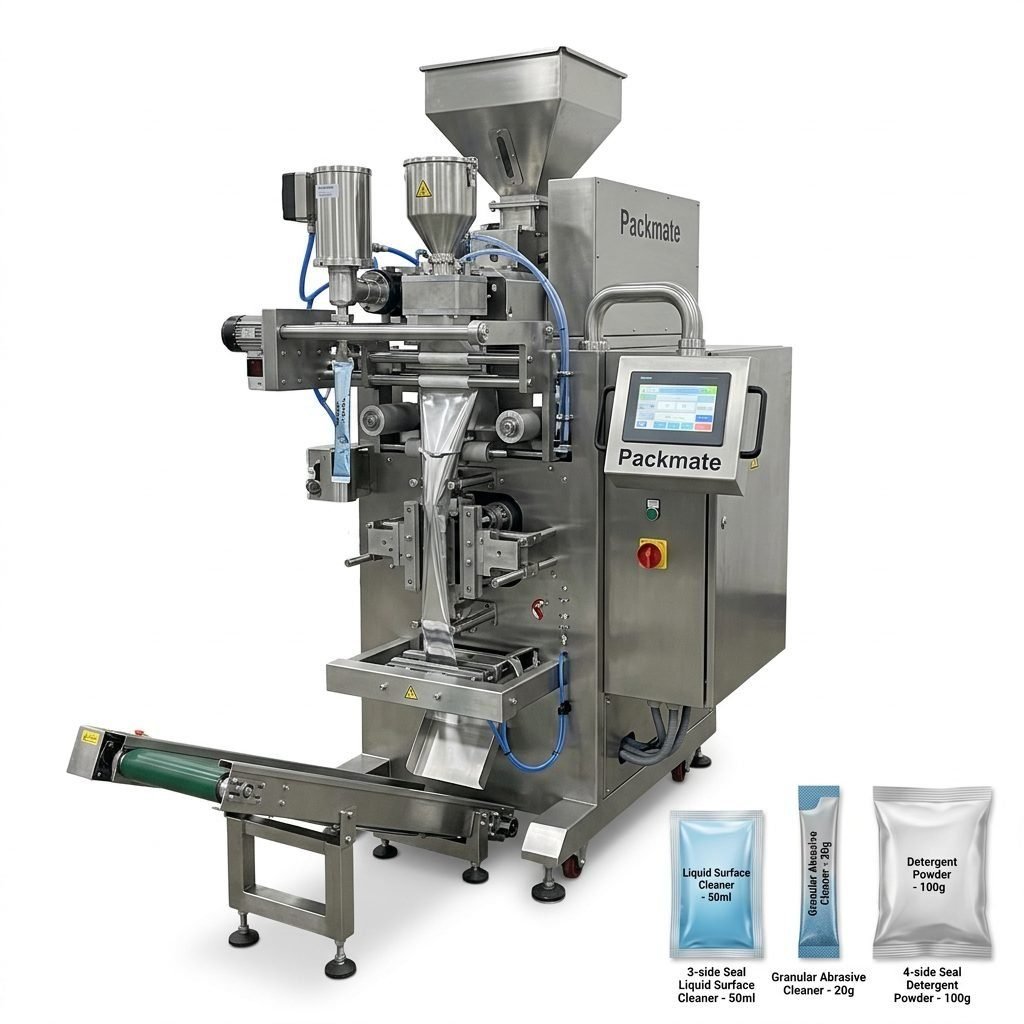
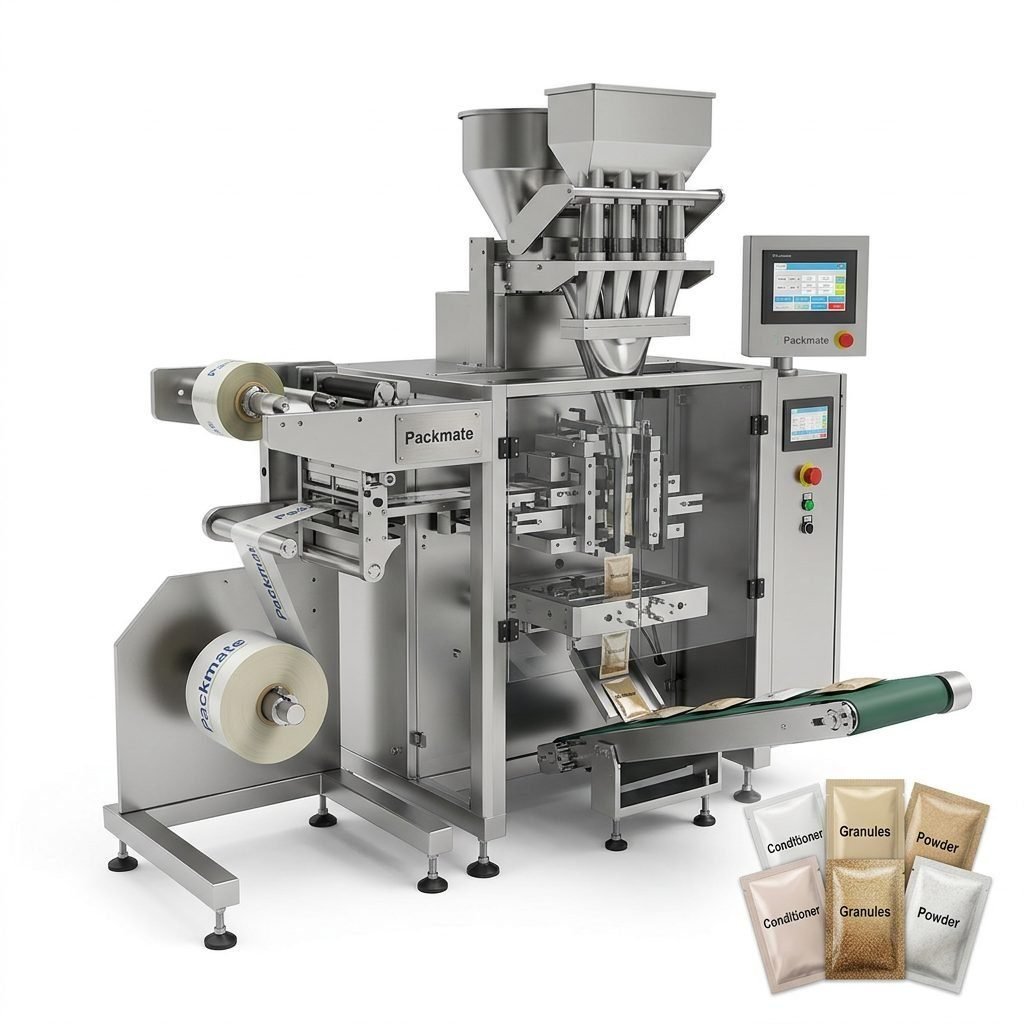
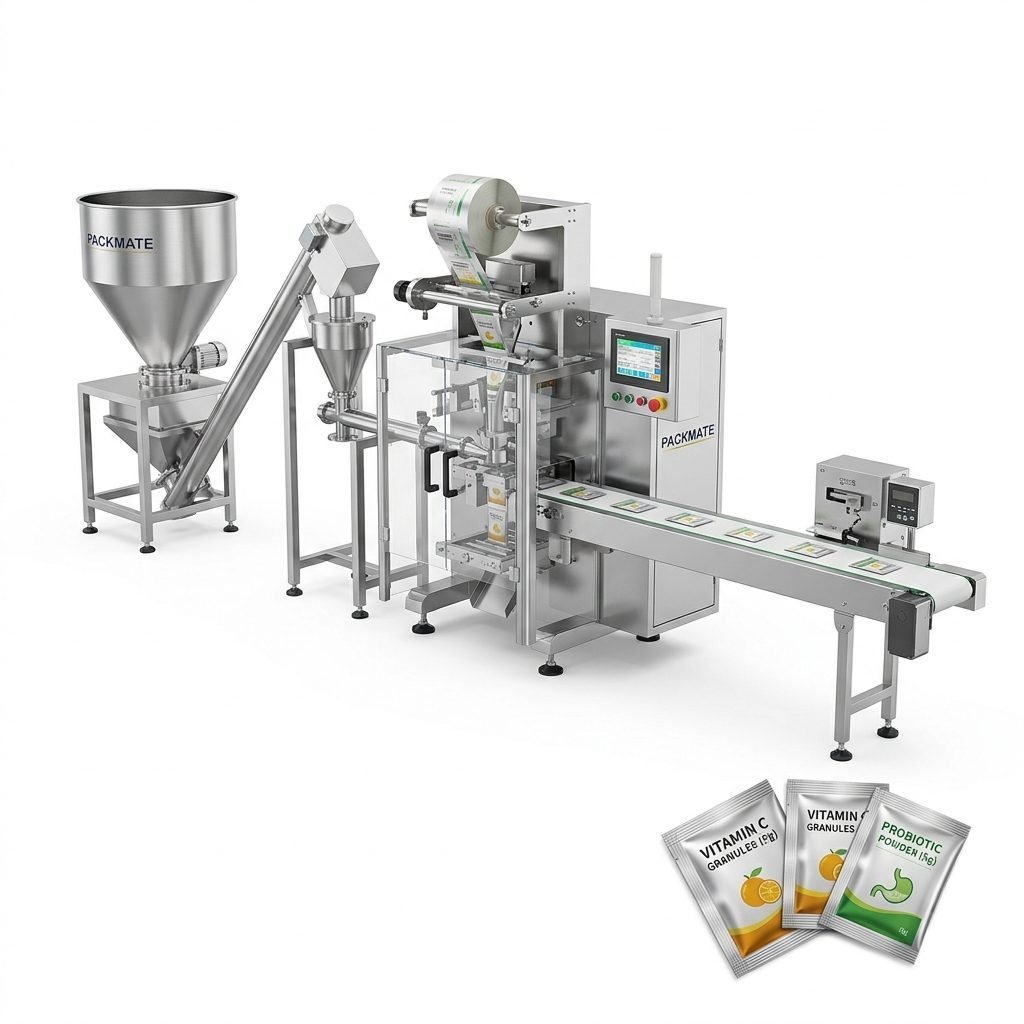
Vertical or horizontal FFS machines create pouches from roll stock, fill them with the product, and seal them in a continuous operation. They are highly versatile and can handle a wide range of pouch styles, including three-side seal and four-side seal pouches. This method is cost-effective for medium to high volumes and is used for packaging non-sterile devices, kits, or as an outer protective pouch. Discover our range of solutions for flexible packaging in our Bag & Pouch Packaging Machines category.
Choosing Between TFFS, Blister, and Pouch Systems
TFFS: Best for sterile, form-fitting, high-speed production of rigid trays.
Blister: Ideal for unit-dose, high-visibility, and robust physical protection.
Pouch (FFS): Most flexible and economical for various sizes and materials, often used for non-sterile or secondary packaging.
4. Tray Sealing Machines
These machines seal pre-formed trays or clamshells with a lidding film. They are perfect for packaging larger or more complex medical device kits that include multiple components. Tray sealers can incorporate modified atmosphere packaging (MAP) to extend shelf life by replacing the air inside the tray with a protective gas mixture.
5. Labeling and Coding Systems
Integral to the packaging line, this equipment applies UDI (Unique Device Identification) labels, barcodes, expiry dates, and lot codes. Compliance with traceability regulations like the EU MDR and U.S. FDA UDI rule is mandatory, making reliable, high-resolution printing and labeling systems non-negotiable.
Advanced Solutions and Integration
Modern medical device packaging goes beyond basic sealing. Integrated solutions address efficiency, data integrity, and flexibility.
Turnkey Packaging Lines
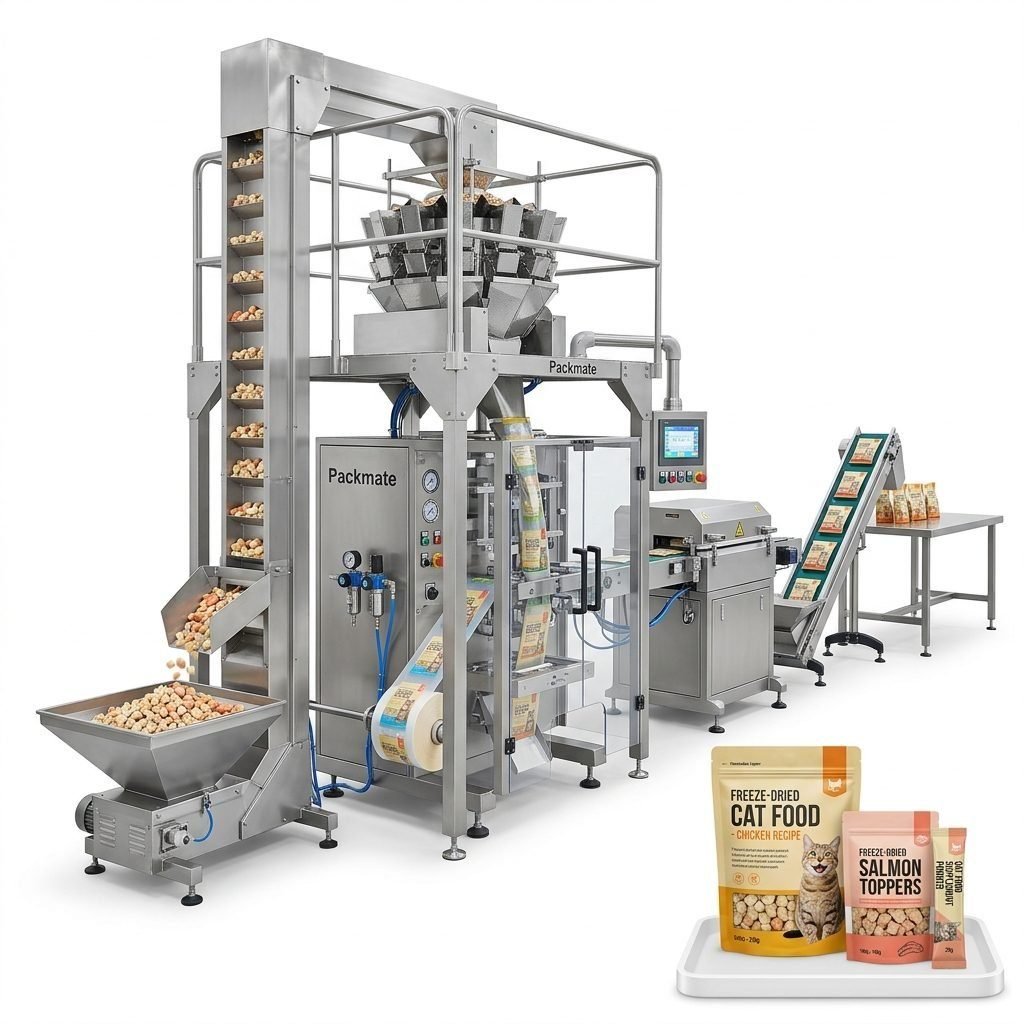
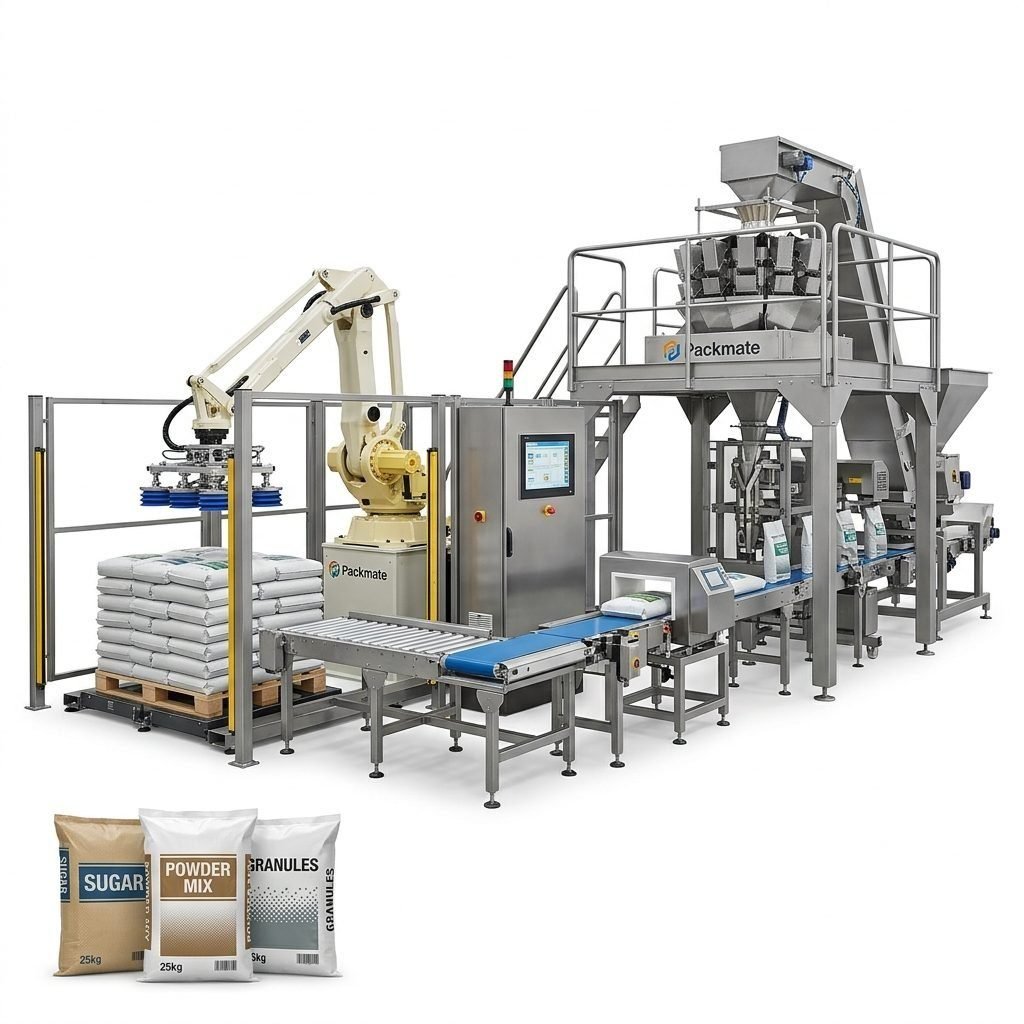
A fully integrated line combines multiple processes—feeding, forming, filling, sealing, labeling, and inspection—into one synchronized system. This minimizes human handling, reduces contamination risk, and maximizes throughput. Companies like Packmate Machinery, with decades of expertise, specialize in designing such complete turnkey solutions tailored to specific product needs.
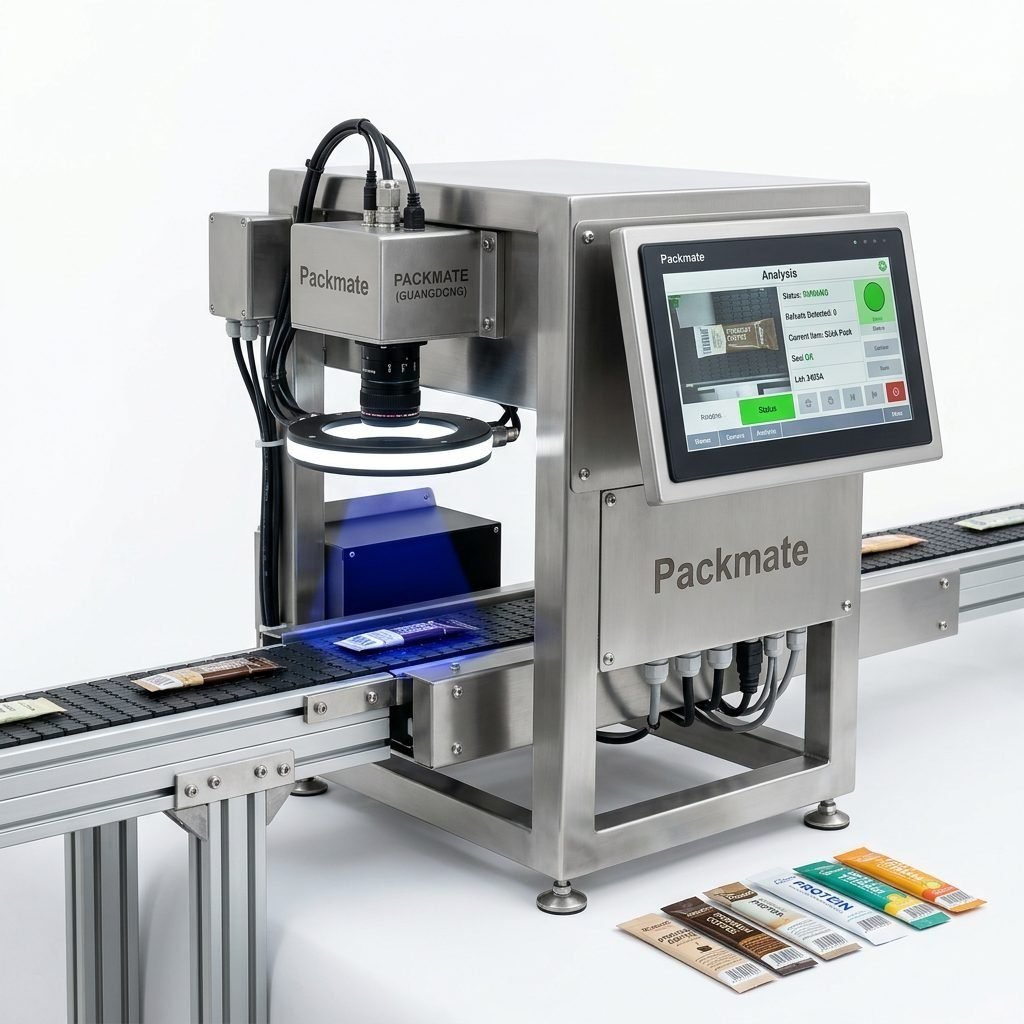
Vision Inspection Systems
Automated vision systems are critical for quality assurance. They inspect for seal defects, correct label placement, presence of the device, and even verify printed codes. This 100% in-line inspection ensures that only perfect packages proceed, upholding the highest quality standards.
Cleanroom-Compatible Equipment
For packaging sterile devices, equipment must be designed for cleanroom environments. This includes features like smooth, easy-to-clean surfaces, minimal particle generation, and often, enclosures to maintain the required ISO class air cleanliness.
Innovation Spotlight: The trend is toward smarter, more connected machines with Industry 4.0 capabilities. These systems offer real-time monitoring, predictive maintenance alerts, and seamless data integration with Manufacturing Execution Systems (MES) for full traceability and operational insight.
Selecting the Right Equipment Partner
Choosing a machinery supplier is as important as choosing the machine type. Look for a partner with proven experience in the medical field, understanding of GMP and regulatory requirements, and strong after-sales support. A partner with a comprehensive portfolio, like Packmate Machinery which offers over 50 machine models, can provide unbiased advice on the best solution for your application. Learn more about their commitment to quality on their About Us page.
Key factors to evaluate include: machine versatility for future product lines, validation support (IQ/OQ/PQ), ease of changeover for different package sizes, and overall cost of ownership, not just the initial purchase price.
Conclusion
Investing in the appropriate medical device packaging equipment is a strategic decision that safeguards product integrity, ensures regulatory compliance, and enhances operational efficiency. From versatile pouch machines to sophisticated turnkey lines with integrated inspection, the right technology streamlines production while protecting patient safety. By partnering with an experienced and innovative equipment manufacturer, companies can build a packaging operation that is robust, compliant, and ready for the future.
Frequently Asked Questions (FAQs)
Q1: What is the most important factor when choosing medical device packaging equipment?
The foremost factor is validated and consistent seal integrity to maintain the sterile barrier. The equipment must reliably produce seals that pass standardized tests like dye penetration or bubble emission, as required by regulatory standards.
Q2: Can one machine handle different types of medical device packaging?
Yes, many modern machines offer high flexibility. For instance, advanced Form-Fill-Seal machines can be tooled to create different pouch sizes and styles. However, significant changes in format (e.g., switching from pouches to rigid trays) typically require different primary equipment, though they can be integrated into the same line.
Q3: How does packaging equipment ensure compliance with UDI regulations?
Integrated labeling and coding systems are essential. The equipment must precisely print and apply human-readable information and machine-readable codes (like DataMatrix or QR codes) containing the UDI onto each package. The system must ensure every code is correct, legible, and permanently affixed.
Q4: What is the role of validation in packaging equipment?
Validation (Installation Qualification, Operational Qualification, Performance Qualification) is a mandatory process. It provides documented evidence that the equipment is installed correctly, operates as intended within specified parameters, and consistently produces packages meeting all predefined quality attributes under actual production conditions.
Q5: Are there sustainable options for medical device packaging machinery?
Absolutely. Sustainability is a growing focus. Options include machines designed to work with recyclable or mono-material films, systems that minimize material waste through precise cutting and sealing, and equipment that enables lighter-weight packaging without compromising protection.