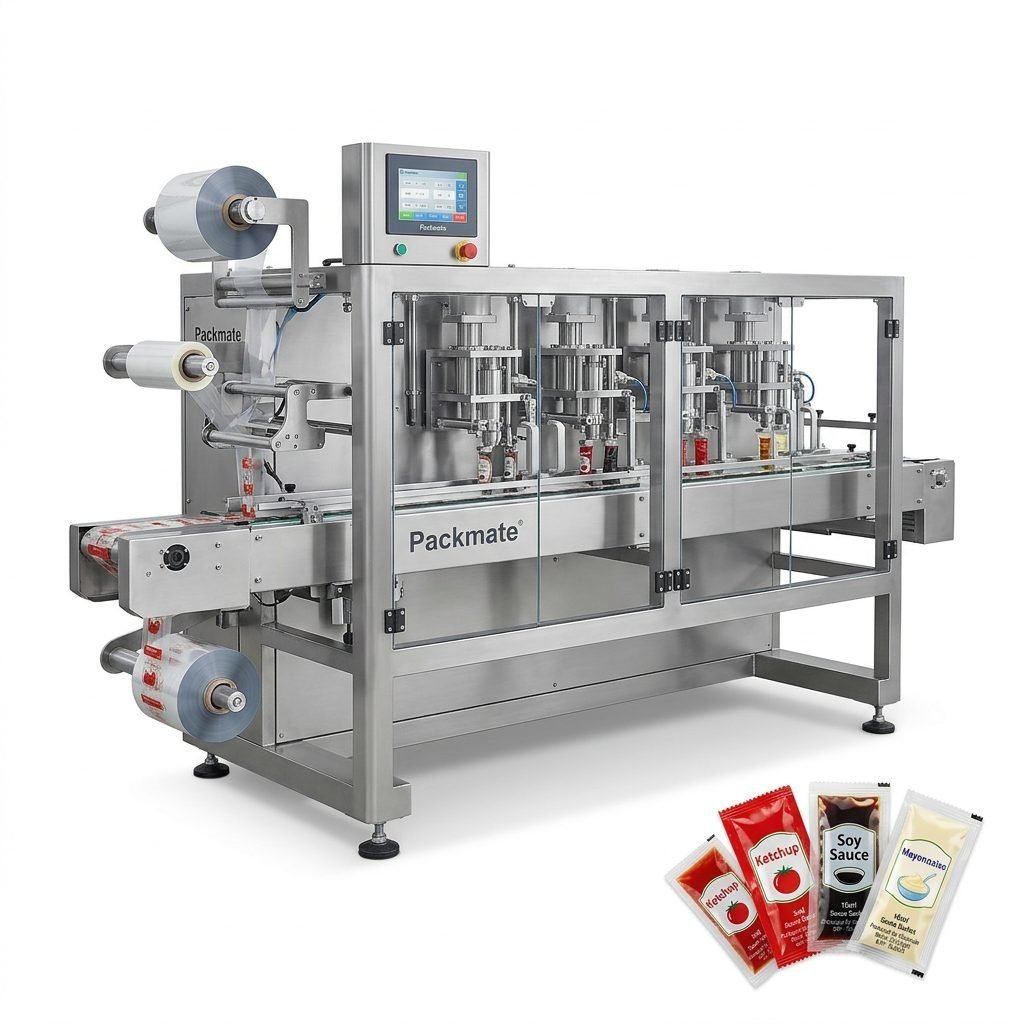
Operating packaging machinery efficiently is not just about pushing buttons; it’s about mastering a complex interplay of mechanics, electronics, and process flow. A comprehensive training program is the cornerstone of maximizing productivity, ensuring product quality, and safeguarding both your personnel and your valuable equipment. This guide delves into the essential components of effective packaging equipment training, providing a roadmap for operators to achieve peak performance.
The Critical Importance of Structured Operator Training
Investing in thorough operator training yields significant, measurable returns. Untrained or poorly trained personnel are a leading cause of downtime, product waste, and premature machine wear. A structured training program transforms operators from passive users into proactive partners in your production success. It empowers them to understand not just the “how,” but the “why” behind each procedure, fostering a sense of ownership and responsibility.
Well-trained operators can identify subtle changes in machine sound or performance that indicate a potential issue, allowing for preventative maintenance before a major breakdown occurs. This proactive approach is far more cost-effective than reactive repairs. Furthermore, comprehensive training is a non-negotiable aspect of workplace safety, significantly reducing the risk of accidents in an environment with moving parts, heat, and electrical systems.
Pre-Operation: Foundation and Preparation
Effective machine operation begins long before the power is switched on. The pre-operation phase sets the stage for a smooth and safe production run.
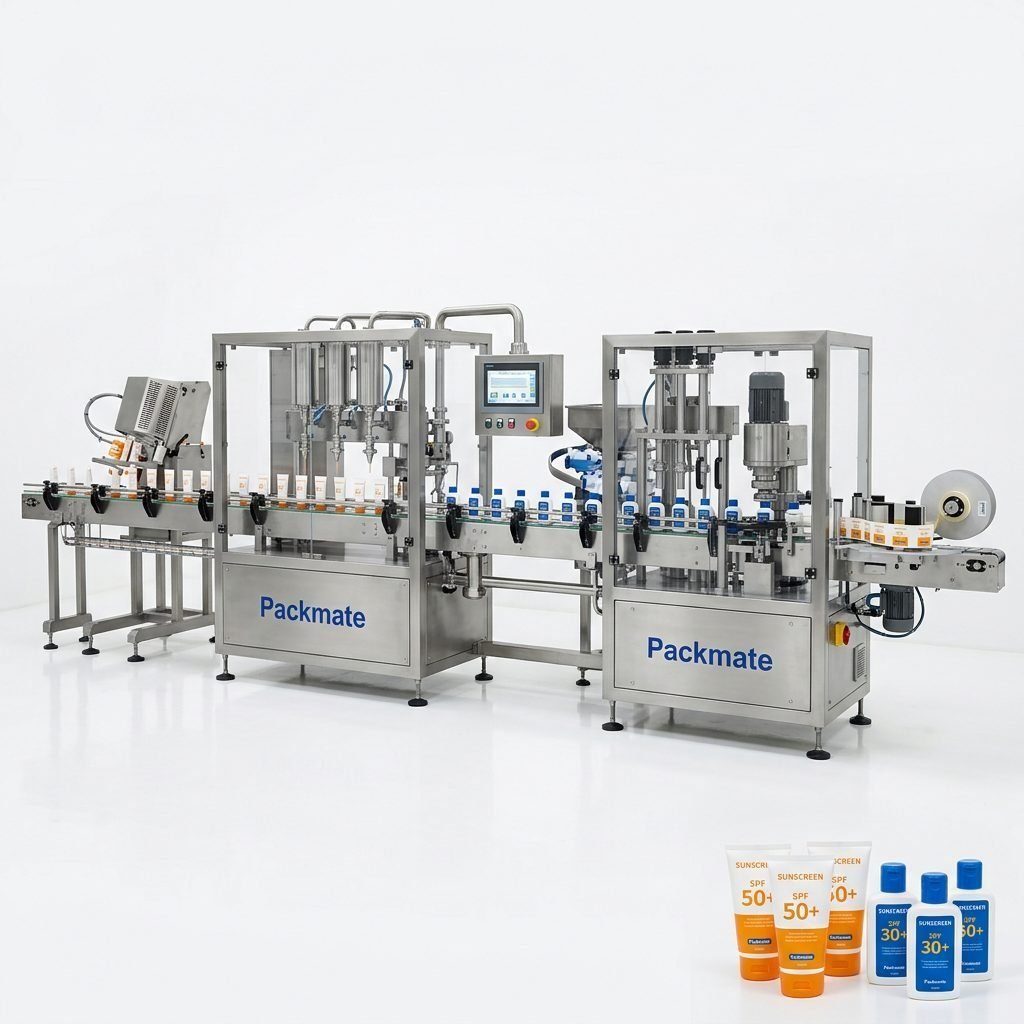
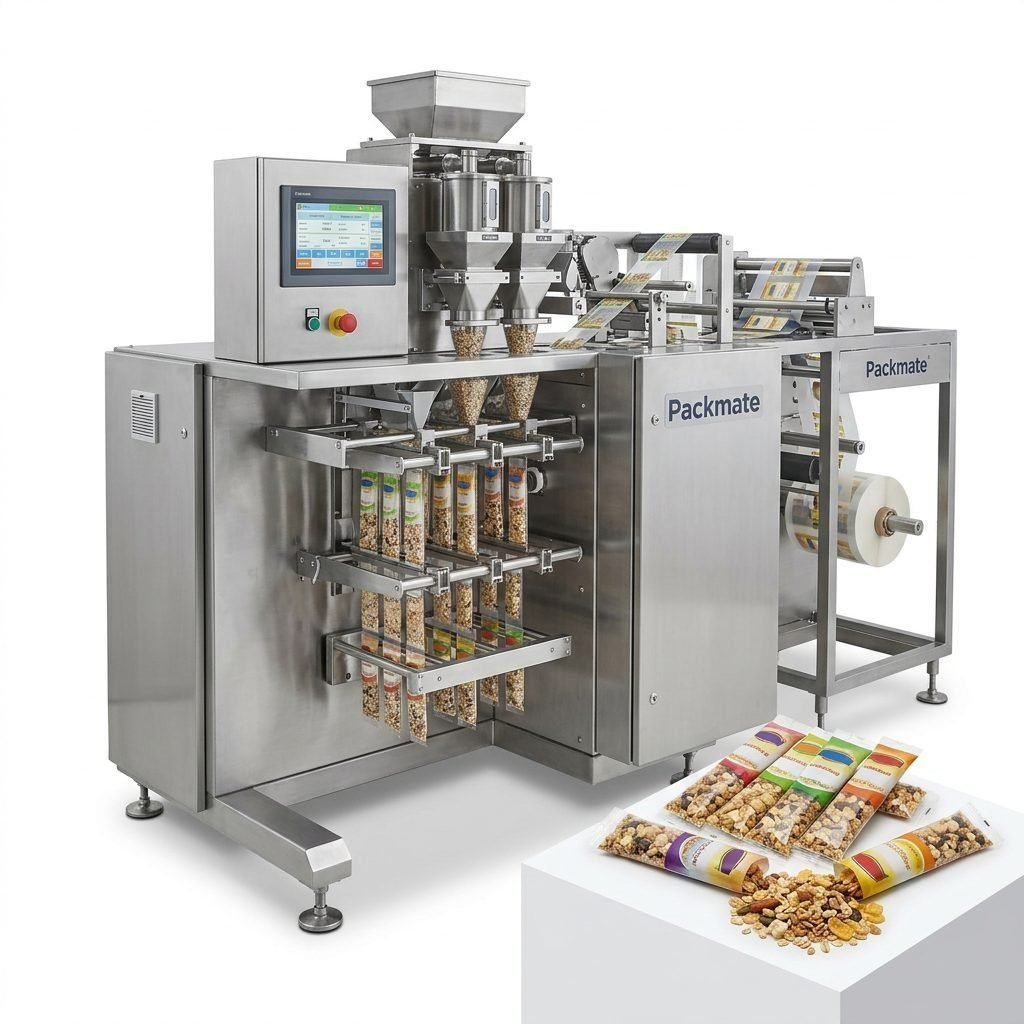
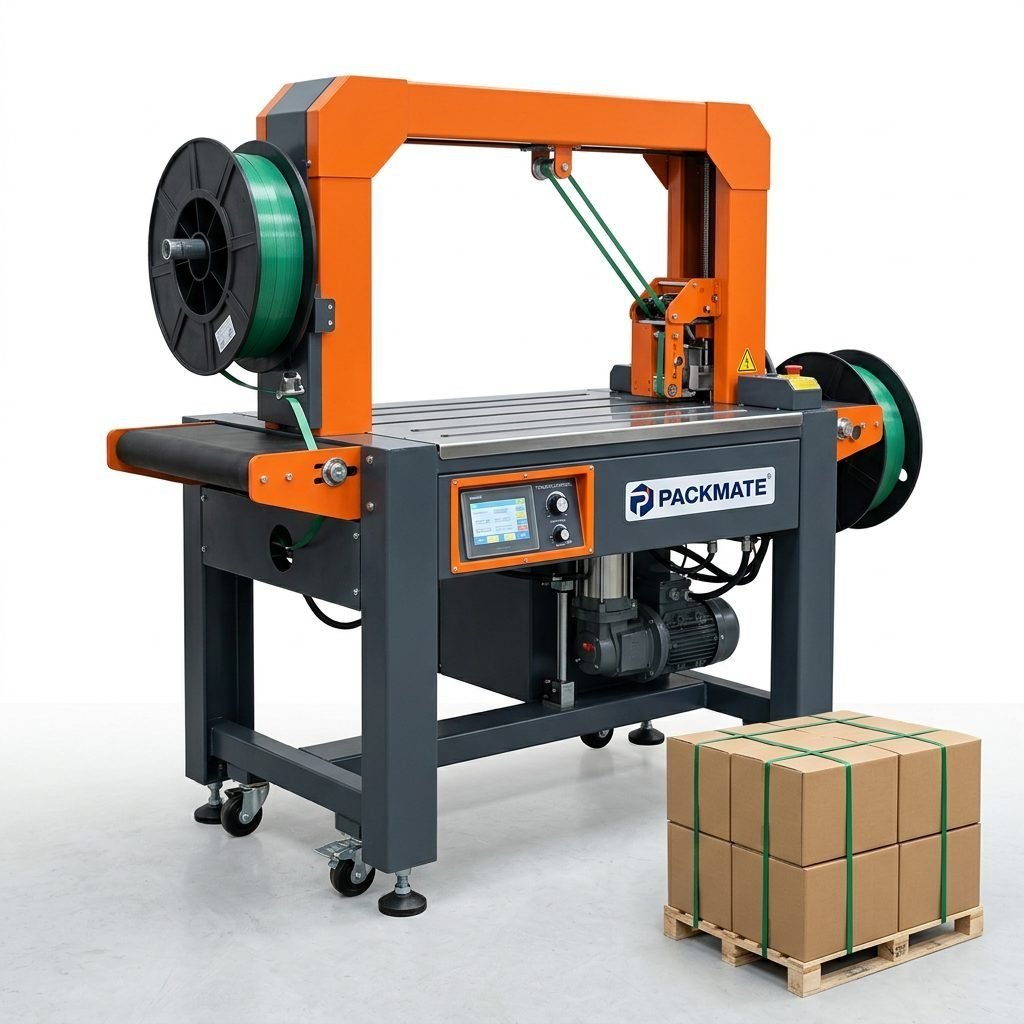
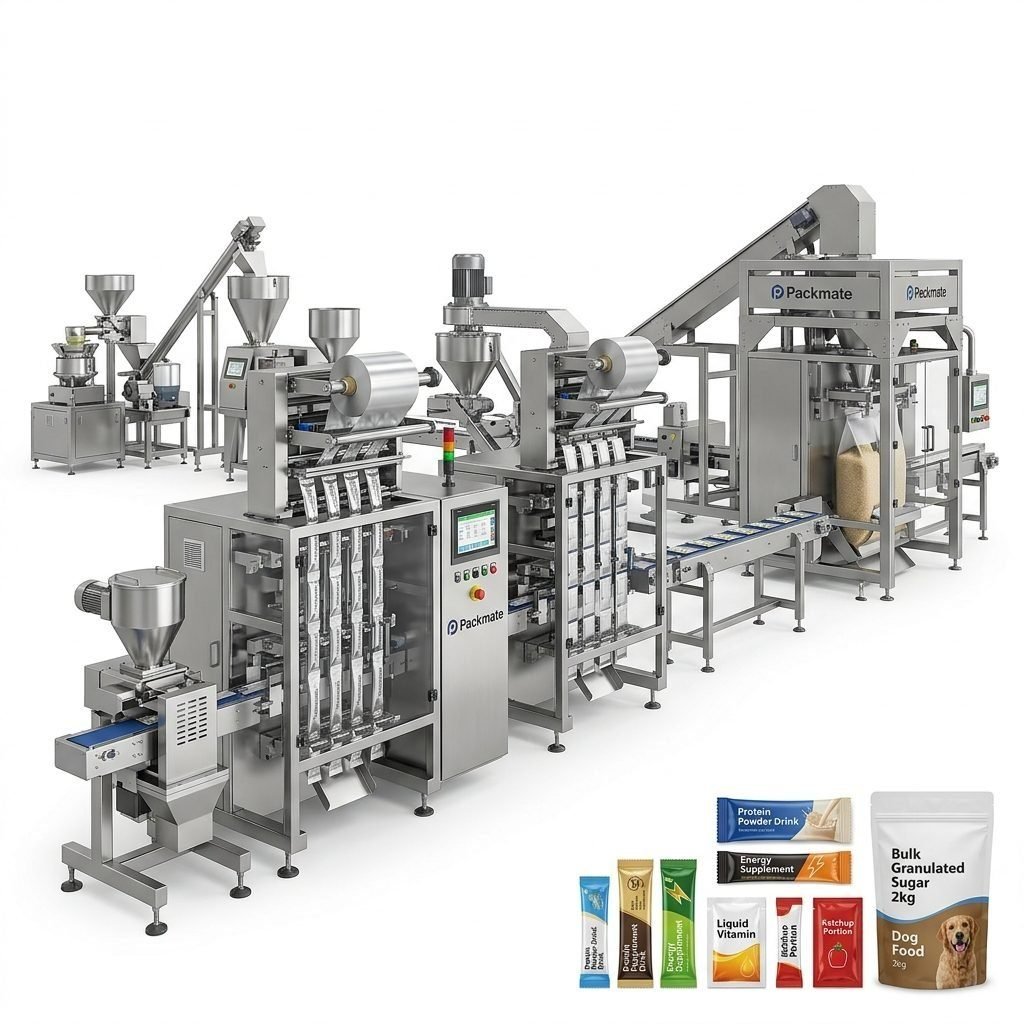
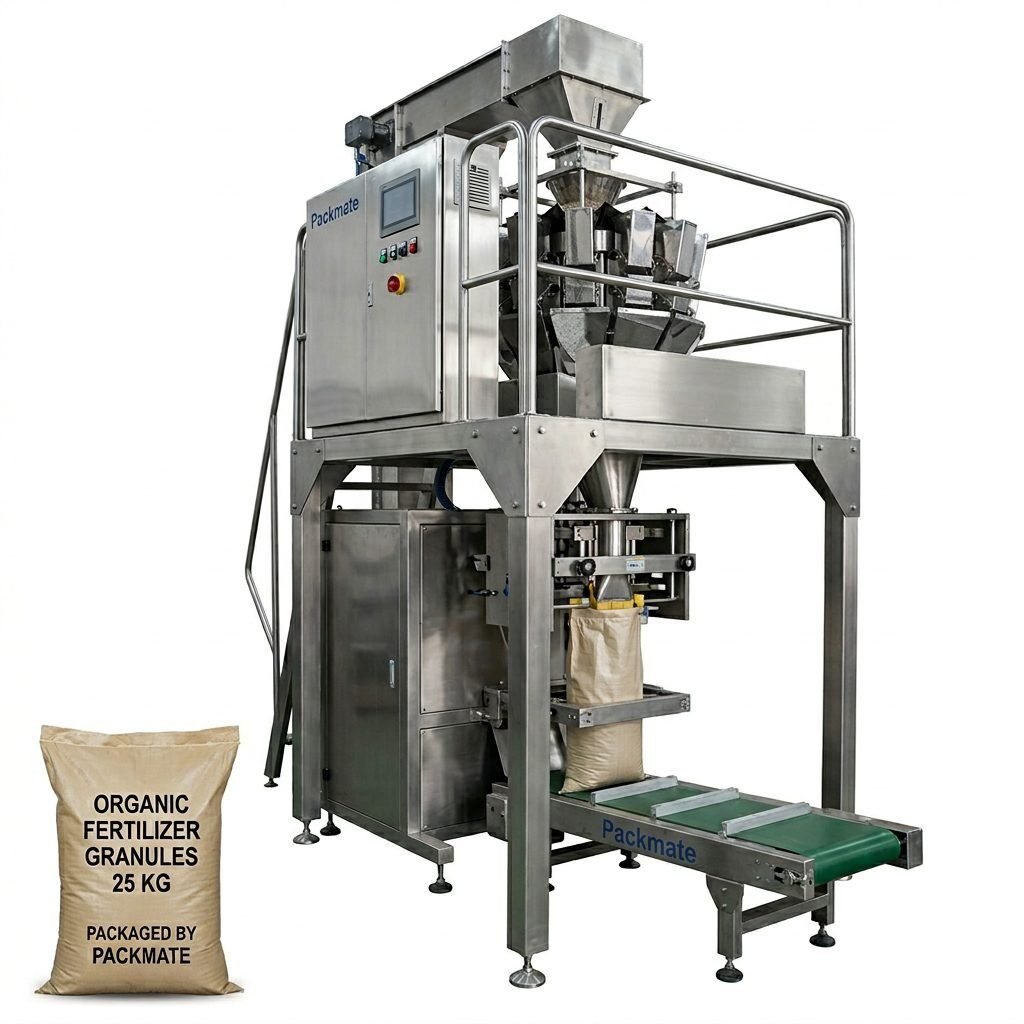
Machine Familiarization and Documentation: Every operator must start with the official machine manual. This document, often provided by manufacturers like Packmate Machinery, is the ultimate source of truth for specifications, capabilities, and safety warnings. Training should cover the location and purpose of all major components: the control panel (HMI), drive systems, forming, filling, and sealing units.
Safety Protocols as a Non-Negotiable Standard: Safety training must be rigorous and repeated. This includes Lockout/Tagout (LOTO) procedures to ensure energy isolation during maintenance, proper use of Personal Protective Equipment (PPE) such as safety glasses and gloves, and clear emergency stop protocols. Operators must know the location and function of every emergency stop button on the line.
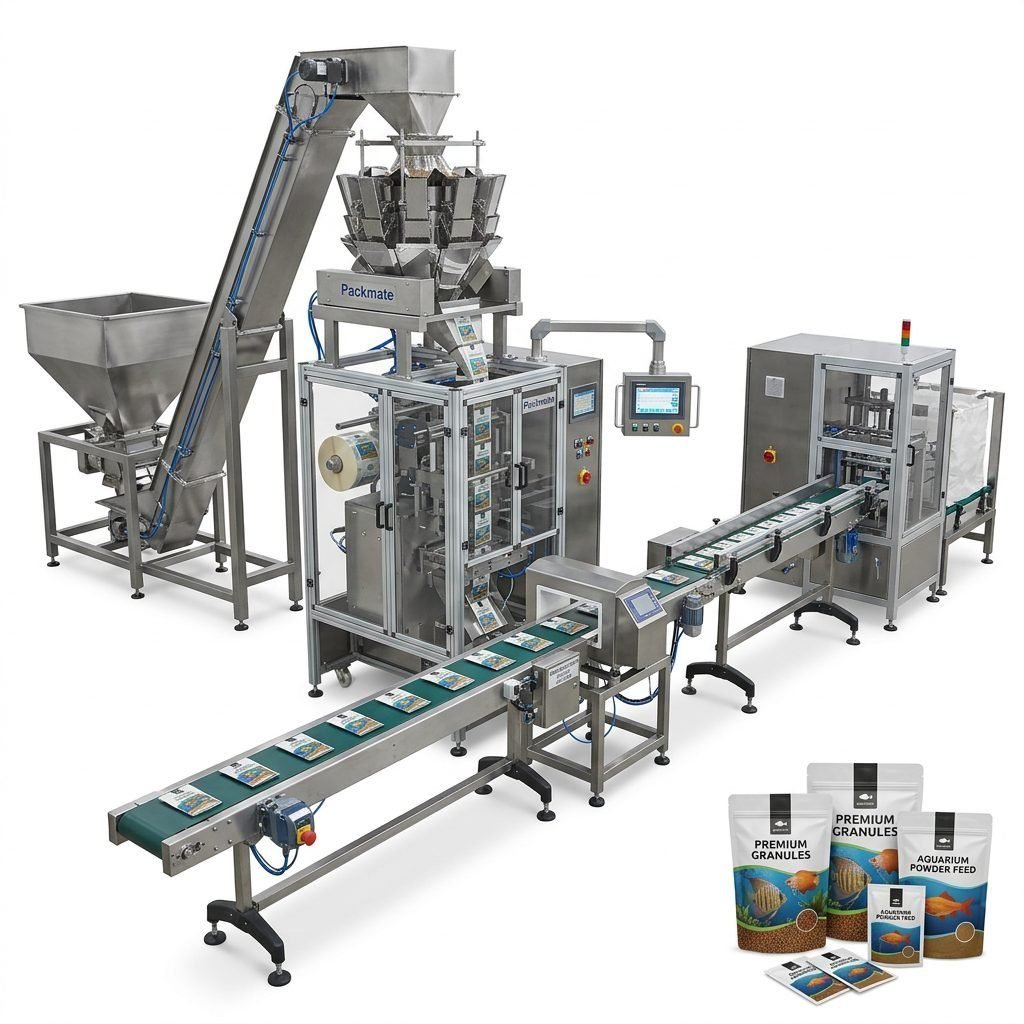
Key Checkpoint: A pre-start checklist is vital. This should verify that all safety guards are in place, the work area is clean and free of obstructions, and all necessary tools and packaging materials (like films from a bag packaging machine) are available and correct for the job.
Core Operational Procedures for Peak Efficiency
This phase is the heart of the training, where theoretical knowledge meets practical application.
Startup and Shutdown Sequences: Operators must memorize and flawlessly execute the manufacturer’s prescribed startup and shutdown sequences. An incorrect startup can cause jams or damage, while a improper shutdown can leave the machine in a vulnerable state. This includes initializing systems, homing axes, and verifying all parameters.
Parameter Setting and Recipe Management: Modern machines store settings for different products as “recipes.” Training must cover how to accurately call up a recipe, but more importantly, how to understand and make minor adjustments to key parameters like seal temperature, timing, and fill weight. Understanding the cause-and-effect relationship between a parameter change and the machine’s output is crucial.
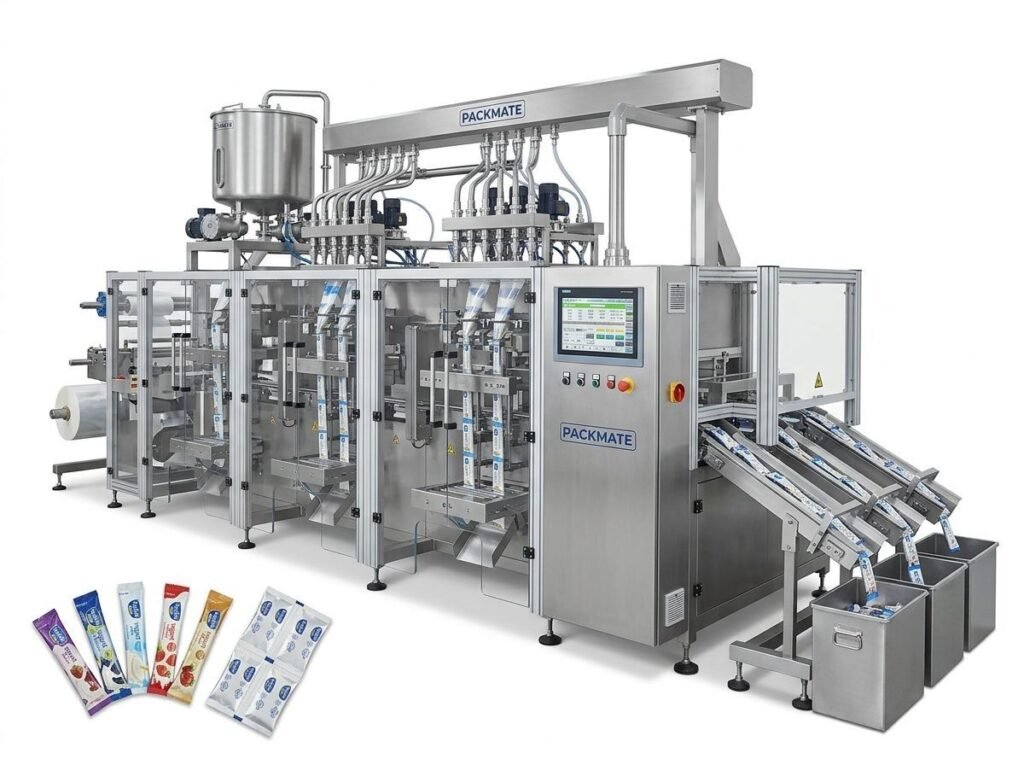
Material Handling and Loading: Incorrect loading of film reels or product hoppers is a common source of failure. Operators need to be trained on the correct threading paths, tension settings, and alignment procedures. For sachet and stick pack machines, this includes precise loading of the forming tube and sealing jaws.
In-Run Monitoring and Quality Control
An operator’s job is continuous monitoring, not just startup. Training should develop a keen eye for detail.
Operators must perform regular quality checks, measuring seal integrity, package weight, and fill accuracy against specifications. They should be trained to interpret basic error messages on the HMI and perform approved clearing procedures for common jams without causing damage. Listening for unusual noises and observing for irregular movements become second nature to a trained operator.
Essential Maintenance: Operator-Level Care
While deep maintenance is for technicians, daily and weekly care is an operator’s duty. This extends machine life and prevents failures.
Daily Tasks: These include cleaning of product contact parts, removal of dust and debris from critical areas, and visual inspection for loose components or wear. Lubrication of specified points, as per the manual’s schedule, is often an operator responsibility.
Weekly/Bi-Weekly Tasks: This may involve more thorough cleaning of sealing jaws, checking and adjusting belt tensions, and verifying the calibration of scales on weighing systems. All maintenance actions must be documented in a log.
Warning: Operators must be absolutely clear on the boundary between operator maintenance and technician service. Any task involving electrical panels, major disassembly, or calibration of safety systems must be left to qualified personnel.
Troubleshooting Common Issues
A robust training program equips operators to diagnose and resolve frequent minor issues, minimizing downtime.
Poor Seals: This is often related to temperature, pressure, or time settings. Training should cover how to check for contaminated sealing jaws, incorrect film type, or worn seal bars.
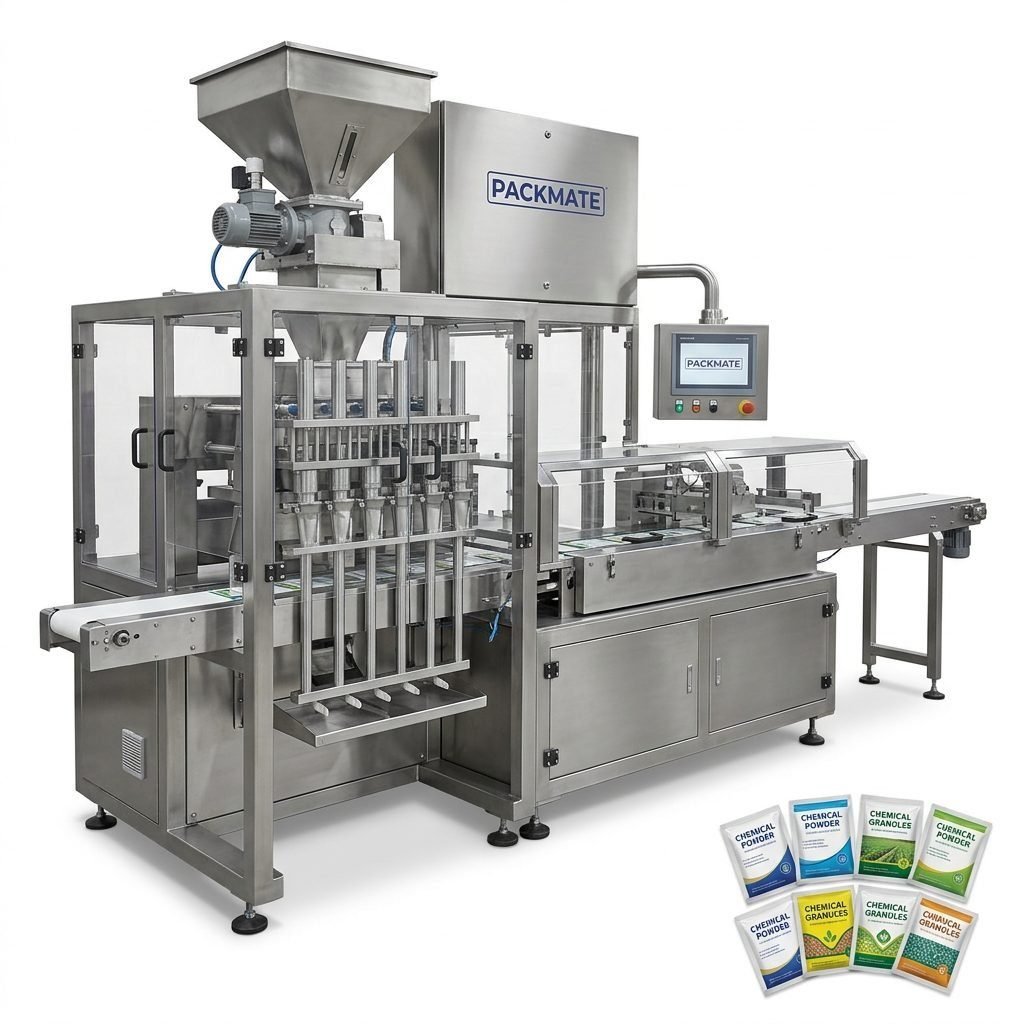
Inconsistent Filling: For volumetric fillers, this could be due to product bridging in the hopper. For auger fillers, wear on the auger or incorrect speed settings may be the cause. Operators should know the first steps to investigate.
Film Wrinkling or Misalignment: This typically points to issues with the film unwind tension, guiding sensors, or the forming assembly. Operators need to know how to check and gently adjust these systems.
Building a Culture of Continuous Learning
Training should not be a one-time event. Schedule regular refresher courses to reinforce fundamentals and introduce updates. Encourage experienced operators to mentor new hires, sharing practical tips not found in manuals. When possible, leverage the expertise of your equipment supplier. Manufacturers like Packmate often provide advanced training sessions or detailed resources that can take your team’s competency to the next level.
Finally, create an open environment where operators feel comfortable reporting near-misses, suggesting improvements, and asking questions without fear of blame. This feedback loop is invaluable for refining your processes and training materials over time.
Frequently Asked Questions (FAQs)
Q1: How long does it typically take to fully train a new packaging machine operator?
A: The timeline varies with machine complexity, but a basic operational competency for a standard machine often takes 2-4 weeks of combined classroom and supervised hands-on training. Full proficiency, including troubleshooting common faults, can take 3-6 months of consistent experience.
Q2: What is the single most important safety rule for operators?
A: Never bypass or remove a safety guard or interlock device. These are installed specifically to prevent contact with moving parts, high-temperature surfaces, and other hazards. If a guard must be removed for maintenance, strict Lockout/Tagout procedures must be followed.
Q3: Can operators adjust machine parameters freely to increase speed?
A: No. Parameters are set within specific ranges to ensure quality, safety, and machine integrity. Operators should only make adjustments within pre-defined limits for a given product recipe. Arbitrarily increasing speeds beyond rated specifications can lead to poor seals, excessive wear, and void equipment warranties.
Q4: How often should routine cleaning and lubrication be performed?
A: This is strictly defined by the machine’s operation manual. Some cleaning (e.g., of product contact zones) may be required every shift or batch change. Lubrication intervals are typically based on operating hours. Always follow the manufacturer’s schedule, not a guess.
Q5: Where should operators go if they encounter a problem not covered in training?
A: The first step is always to consult the machine manual. If the solution isn’t found there, they should immediately notify their supervisor or maintenance technician. Attempting to fix an unfamiliar problem can cause further damage. Having a direct line to your supplier’s technical service team is also a crucial support resource.