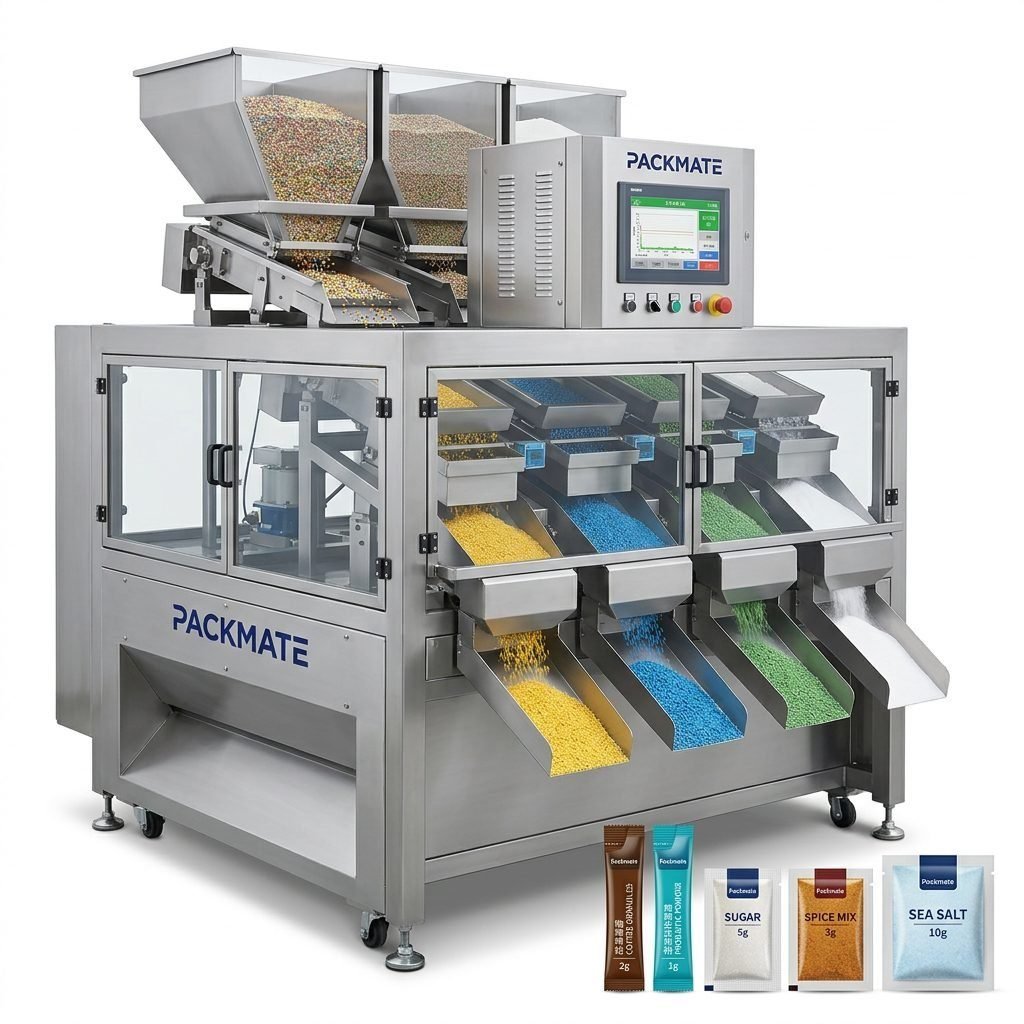
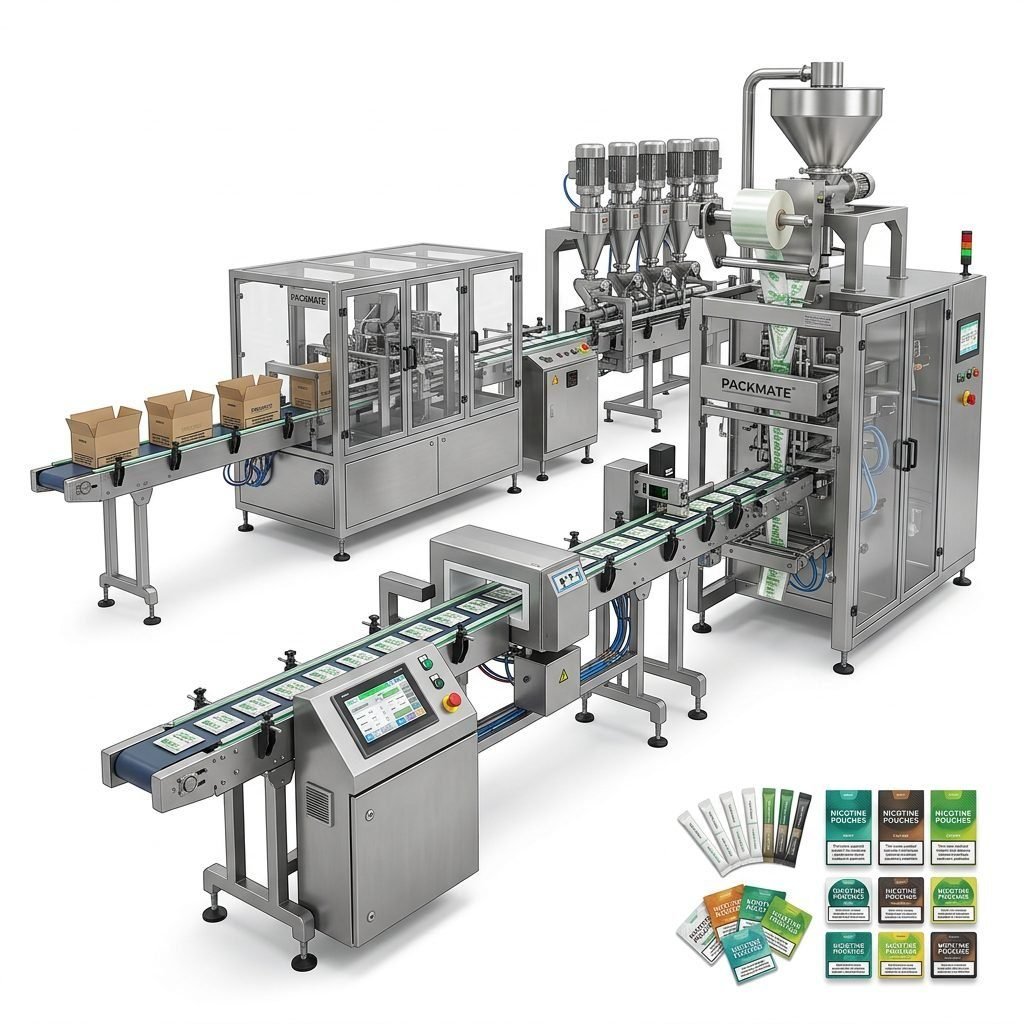
In today’s competitive manufacturing landscape, businesses constantly seek ways to optimize operations and reduce capital expenditure without compromising on quality or output. For companies in the food, pharmaceutical, and health industries, packaging is a critical, yet often costly, part of the production line. This is where the strategic acquisition of refurbished packaging equipment presents a compelling, cost-effective solution. Choosing expertly reconditioned machinery can deliver performance nearly on par with new models while offering significant financial and operational advantages.
Understanding Refurbished Packaging Equipment
Refurbished packaging equipment refers to pre-owned machinery that has been professionally restored to a fully functional, reliable, and often upgraded state. The process is far more comprehensive than a simple resale. It typically involves a complete teardown, inspection, replacement of worn components, thorough cleaning, lubrication, recalibration, and rigorous testing to meet original performance specifications. For a company like Packmate Machinery, with over 30 years of expertise, this process ensures that every refurbished unit leaving their 20,000㎡ facility is ready for productive service.
The Refurbishment Process: A Commitment to Quality
A proper refurbishment is a detailed, multi-stage operation. It begins with a complete diagnostic assessment to identify all areas requiring attention. Critical wear parts, such as seals, bearings, and cutting blades, are replaced with genuine or high-quality equivalents. The machine’s control systems and software are updated if necessary, and all safety features are verified. Finally, the equipment undergoes a production run test with materials similar to what the end-user will process. This meticulous approach transforms a used asset into a dependable and valuable piece of production infrastructure.
Primary Benefits of Choosing Refurbished Machinery
The decision to invest in refurbished equipment is driven by a powerful combination of financial and practical benefits that directly impact a company’s bottom line and operational flexibility.
Significant Cost Savings
The most immediate and apparent advantage is the substantial reduction in capital investment. Refurbished packaging machines can cost 30% to 60% less than their brand-new counterparts. This frees up critical capital for other business areas, such as marketing, R&D, or raw material inventory. The lower initial cost also translates to a faster return on investment (ROI), allowing businesses to achieve profitability sooner.
Proven Reliability and Performance
Unlike an untested new model, a refurbished machine often has a track record. Reputable suppliers refurbish models known for their durability and performance. By choosing a previously successful machine model, you mitigate the risk of unforeseen design flaws common in first-generation new equipment. The rigorous refurbishment process ensures that the machine’s core mechanics and electronics are returned to, or even exceed, their original reliable state.
Faster Deployment and Shorter Lead Times
Procuring new, custom-built packaging lines can involve lead times of several months. Refurbished equipment, however, is typically available from stock or can be prepared much more quickly. This allows companies to scale up production, replace a failing machine, or launch a new product line with minimal delay, providing a crucial competitive edge in fast-moving markets.
Access to High-End or Discontinued Models
The refurbished market provides access to high-quality, robust machinery models that may no longer be in production but are still perfectly suited for specific tasks. This is invaluable for businesses that need to maintain consistency in their packaging lines or find spare parts for older systems. It also allows smaller companies to operate with the caliber of equipment that was once only within the budget of large corporations.
Environmental Sustainability: A Key Consideration
Choosing refurbished equipment is a fundamentally sustainable business practice. It extends the lifecycle of industrial machinery, reducing the demand for new raw materials and the energy consumed in manufacturing. It also prevents functional equipment from ending up in landfills. By opting for a refurbished solution, companies actively contribute to a circular economy, an increasingly important factor for brand image and compliance with environmental, social, and governance (ESG) criteria.
Applications Across Key Industries
Refurbished packaging equipment finds a ready application in any industry where reliable, cost-effective packaging is essential.
Food & Beverage Industry
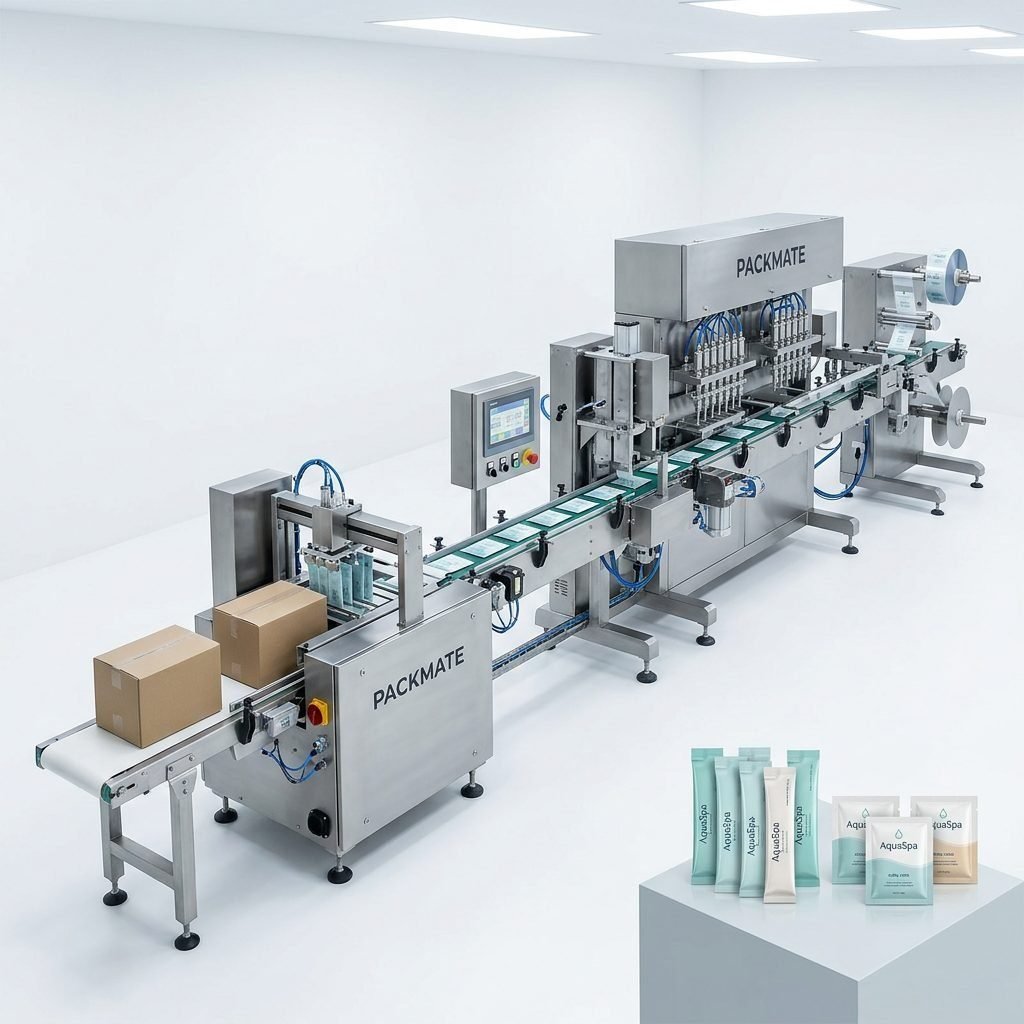
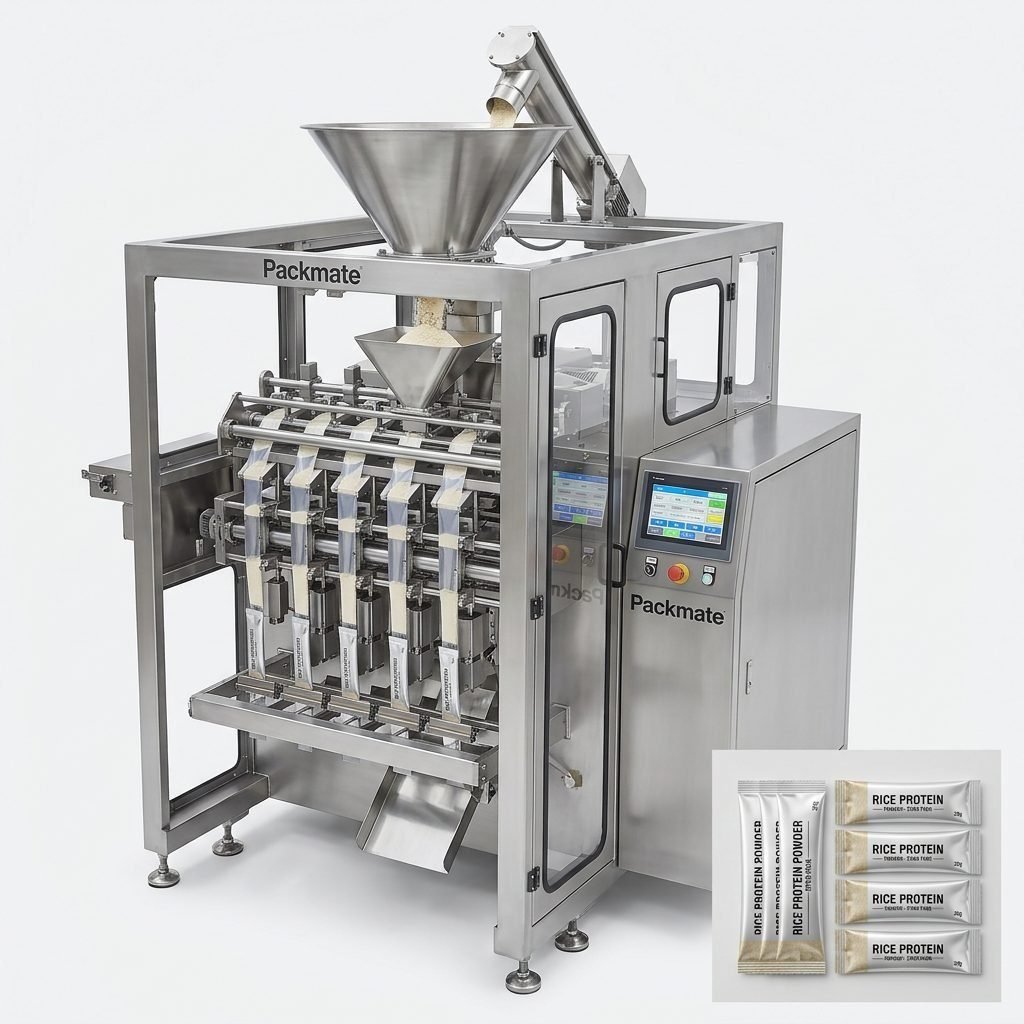
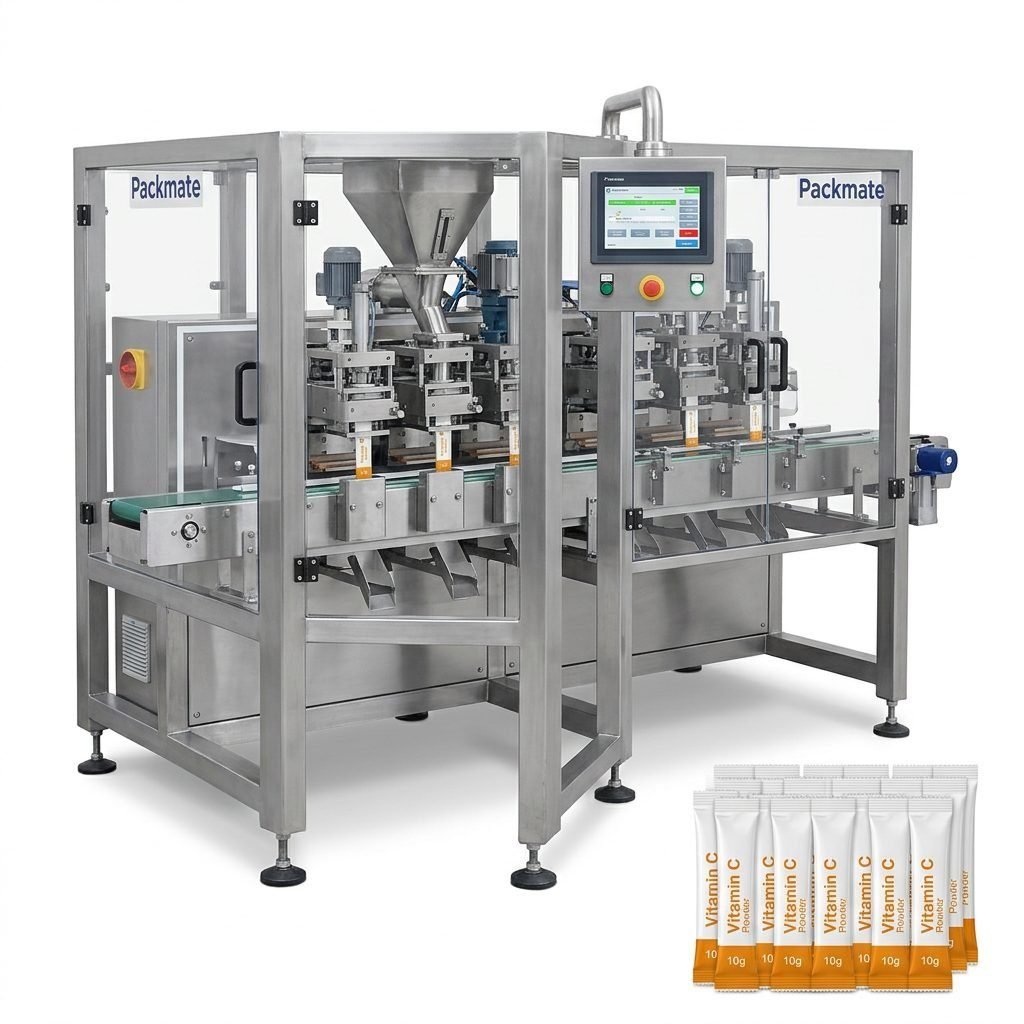
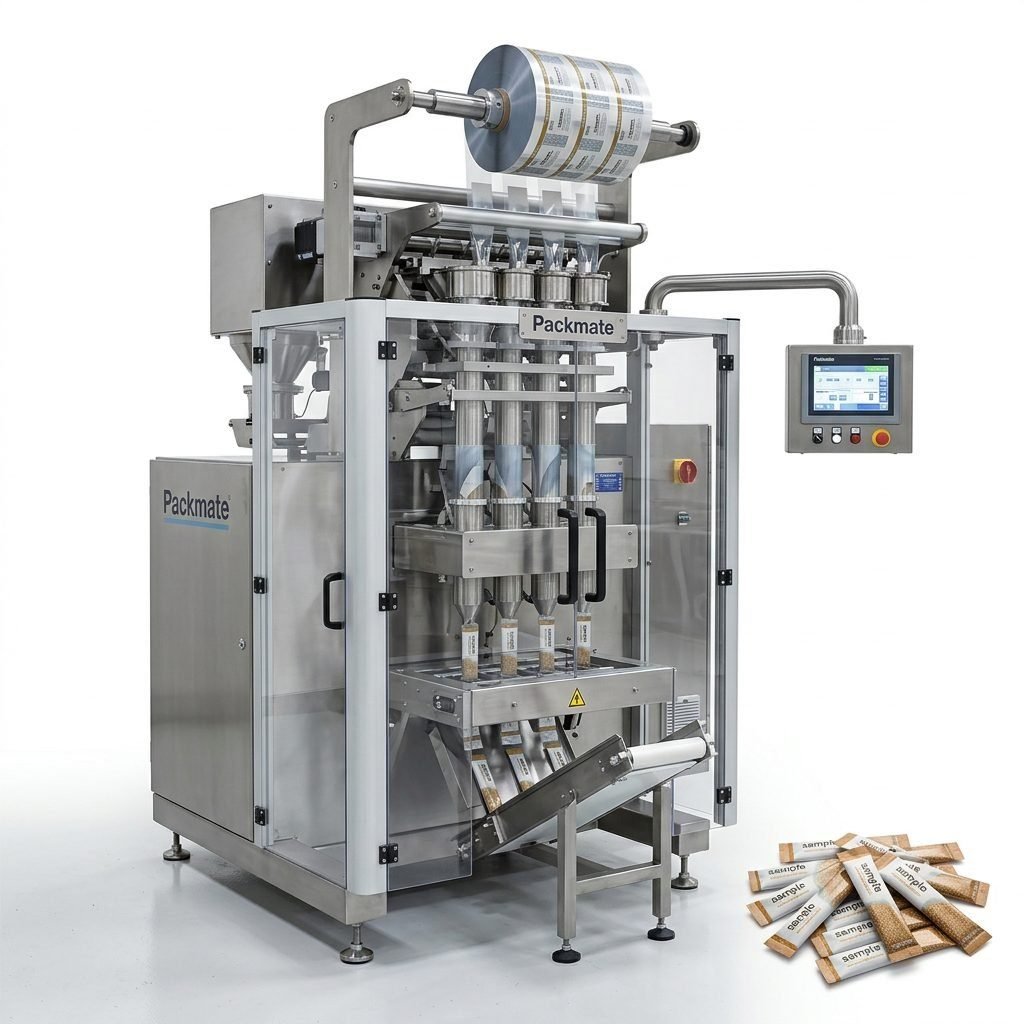
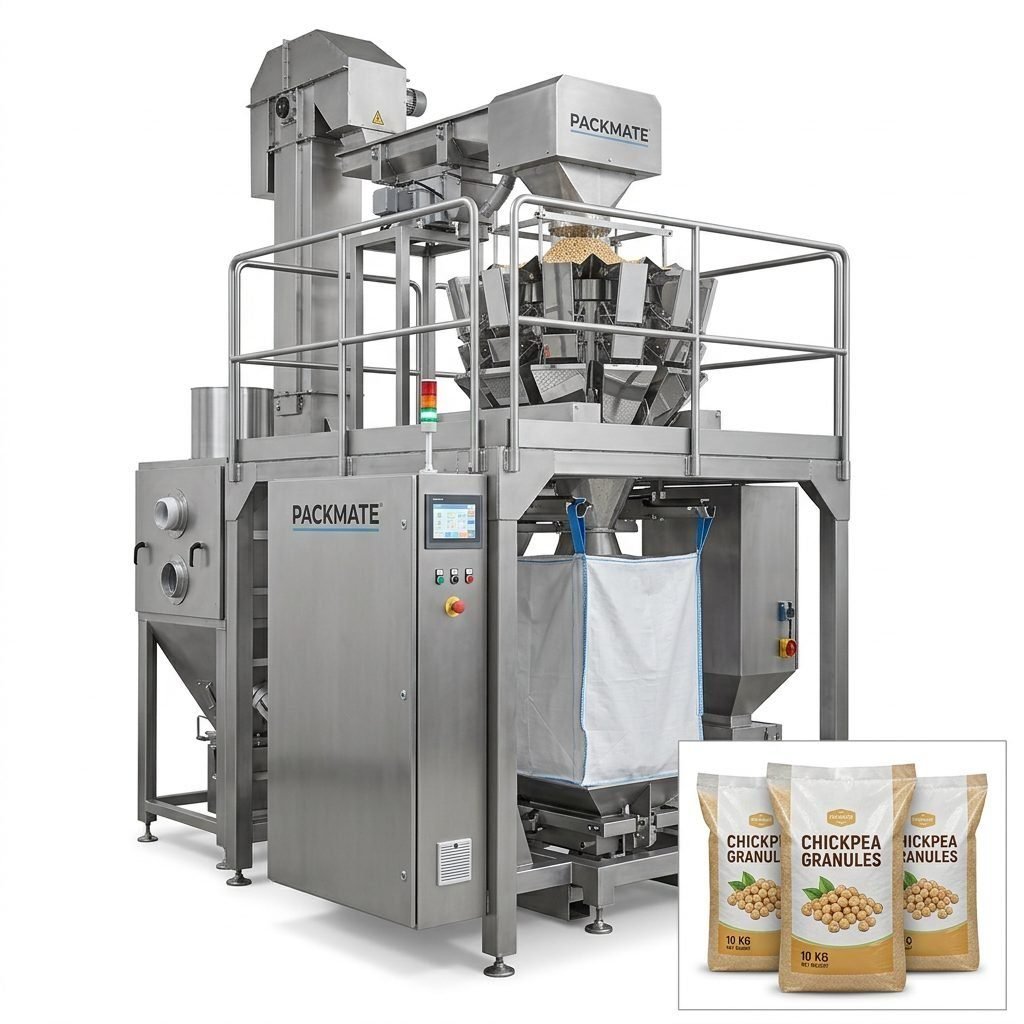
From stick pack machines for coffee or sugar to vertical form-fill-seal (VFFS) machines for snacks, refurbished equipment can handle granules, powders, and liquids efficiently. It’s ideal for businesses expanding a product line or entering new markets without the upfront cost of all-new machinery.
Pharmaceutical & Nutraceutical Industry
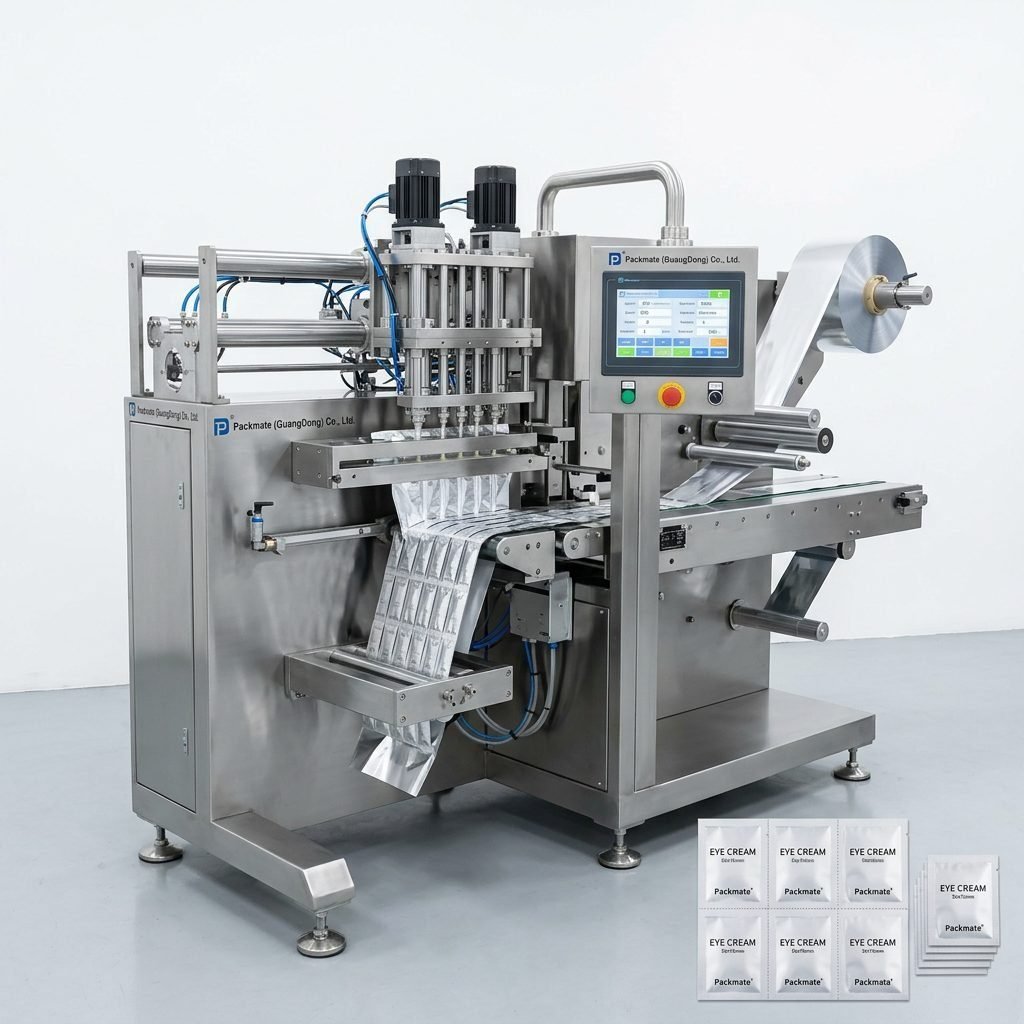
Precision and hygiene are paramount. Refurbished sachet packaging machines for powders or liquid filling lines for supplements can be completely sanitized and recalibrated to meet strict tolerances, providing a compliant and affordable solution for packaging tablets, capsules, or health powders.
Chemical & Industrial Products
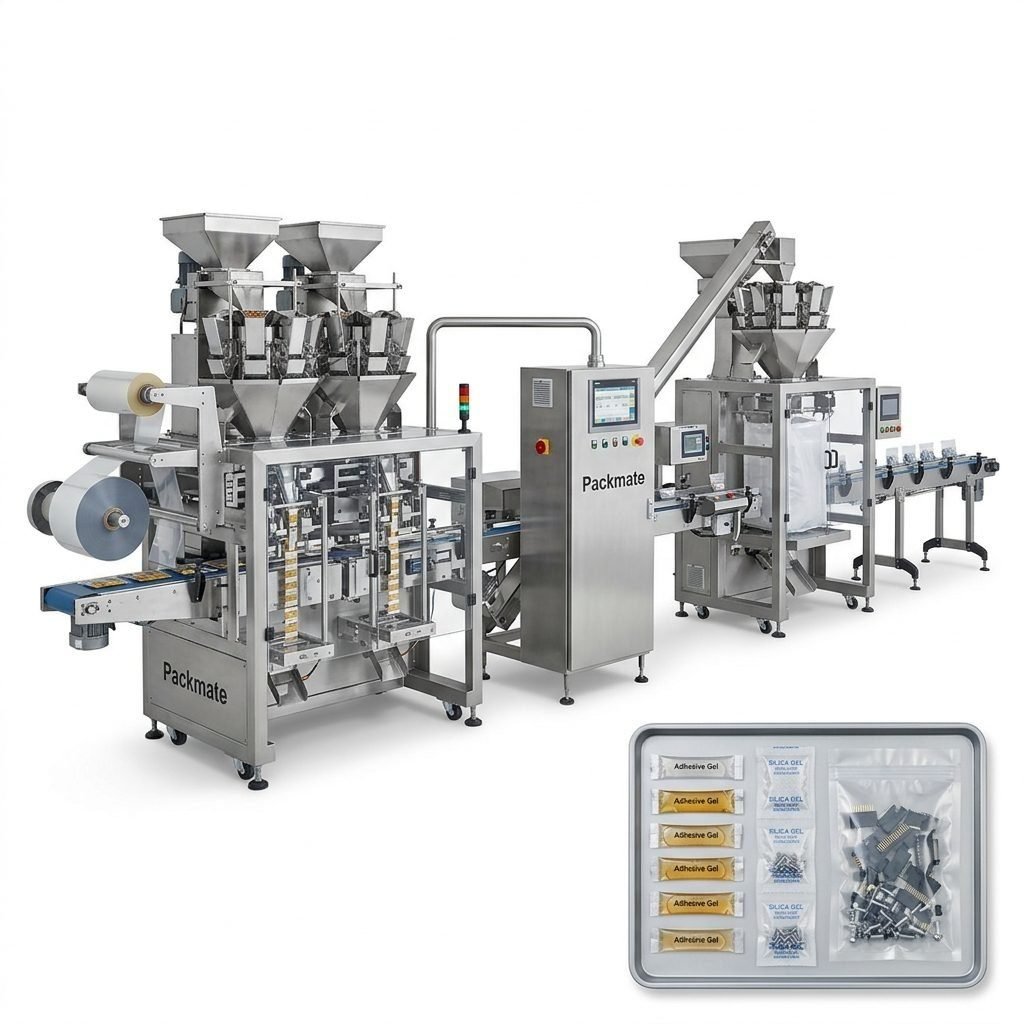
Durable machines for packaging detergents, adhesives, or industrial powders can be effectively refurbished. The robust construction of many industrial packaging machines makes them excellent candidates for refurbishment, offering many more years of service.
Making a Smart Purchase: Essential Considerations
To ensure a successful investment, due diligence is critical when sourcing refurbished equipment.
Supplier Reputation and Expertise: Always partner with an established manufacturer or specialist refurbisher. A company like Packmate, which designs and builds its own packaging machines, has the in-depth knowledge, original parts, and technical drawings to refurbish their equipment to the highest standard. Review their company history, client testimonials, and after-sales service offerings.
Comprehensive Warranty and Support: A reputable supplier will stand behind their work with a meaningful warranty period on the refurbished equipment. This is a key indicator of confidence in their refurbishment quality. Ensure they offer installation support, operator training, and readily available spare parts.
Transparency and Documentation: Request a detailed report of the refurbishment process, including a list of replaced parts, calibration certificates, and results from performance tests. A visual inspection or a live demonstration, either in-person or via video, is highly recommended.
Conclusion
Refurbished packaging equipment is not merely a “used” alternative; it is a strategic, intelligent choice for businesses aiming to balance fiscal responsibility with operational excellence. It delivers proven reliability, dramatic cost savings, faster deployment, and environmental benefits. By partnering with a credible and experienced supplier, companies can integrate high-performance packaging solutions into their lines, driving efficiency and growth without the prohibitive capital outlay of new machinery. In an era where agility and cost-control are vital, refurbished equipment offers a pathway to robust and sustainable production capabilities.
Frequently Asked Questions (FAQs)
What is the typical warranty on refurbished packaging equipment?
A reputable supplier typically offers a warranty ranging from 6 to 12 months, and sometimes longer, on refurbished machinery. This warranty should cover parts and labor, providing peace of mind and protection for your investment.
How does the performance of a refurbished machine compare to a new one?
Professionally refurbished equipment is restored to meet or exceed its original operational specifications. While it may not have the very latest technological features, its core performance in terms of speed, accuracy, and reliability should be comparable to a new machine of the same model, often at a fraction of the cost.
Can refurbished equipment be customized for my specific needs?
Yes, to a significant degree. Many refurbishers can integrate specific attachments, changeover parts for different package sizes, or update control interfaces during the refurbishment process. It’s essential to discuss your exact requirements with the supplier during the planning stage.
Is spare parts support available for older, refurbished models?
This depends entirely on the supplier. Established manufacturers like Packmate, who support their own equipment long-term, are the best source for refurbished machines because they maintain an inventory of original spare parts and have the technical knowledge for repairs, even on older models.
What is the lead time for receiving a refurbished packaging machine?
Lead times are generally significantly shorter than for new machines. For standard models, delivery can often be arranged in a matter of weeks, as opposed to several months for a custom-built new line. The exact time depends on the machine’s availability and the scope of any requested customizations.