For startup food businesses, the initial investment in equipment can be a daunting hurdle. Finding the right balance between cost, functionality, and future growth is crucial. Affordable small-scale food packaging machines are not just a budget-friendly entry point; they are strategic tools that enable startups to establish their brand, ensure product quality, and scale operations efficiently. This guide explores the key considerations, benefits, and options available for entrepreneurs seeking reliable packaging solutions without breaking the bank.
Why Startups Need Tailored Packaging Solutions
Unlike established corporations, startups operate with limited capital, smaller production volumes, and a need for exceptional flexibility. A large, industrial packaging line is often overkill—both in terms of cost and output. Small-scale packaging machines are designed specifically for this niche. They offer lower upfront costs, reduced footprint to fit compact spaces, and simpler operation that doesn’t require a large specialized team. This allows founders to focus resources on product development and market penetration while maintaining professional packaging standards.
The right machine empowers a startup to control its packaging process in-house. This means faster turnaround times for small batches, the ability to make rapid design or product changes, and protecting proprietary recipes or blends. It transforms packaging from an outsourced cost center into a core, manageable part of the business operation.
Key Benefits of Investing in Small-Scale Equipment
Choosing an affordable, appropriately sized packaging machine delivers immediate and long-term advantages:
Cost Efficiency: Significantly lower initial investment and operating costs compared to high-speed industrial lines.
Operational Flexibility: Easy to switch between different products, package sizes, and materials for limited runs.
Space Optimization: Compact designs are perfect for home kitchens, small workshops, or shared commercial spaces.
Reduced Waste: Precise operation minimizes material waste during setup and production, critical for managing thin margins.
Brand Control: Enables custom packaging that reflects your brand identity from day one, enhancing shelf appeal.
Types of Affordable Packaging Machines for Startups
The market offers several machine types suitable for startup budgets and needs. The choice depends primarily on your product form (solid, powder, liquid) and desired package style.
Vertical Form-Fill-Seal (VFFS) Machines
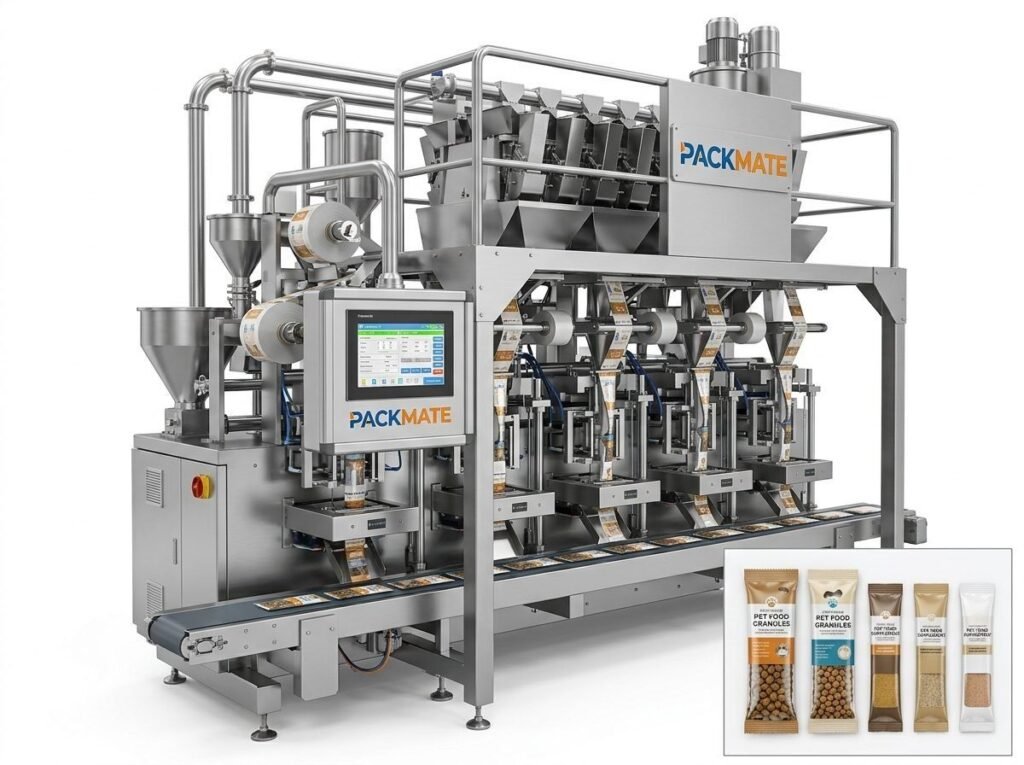
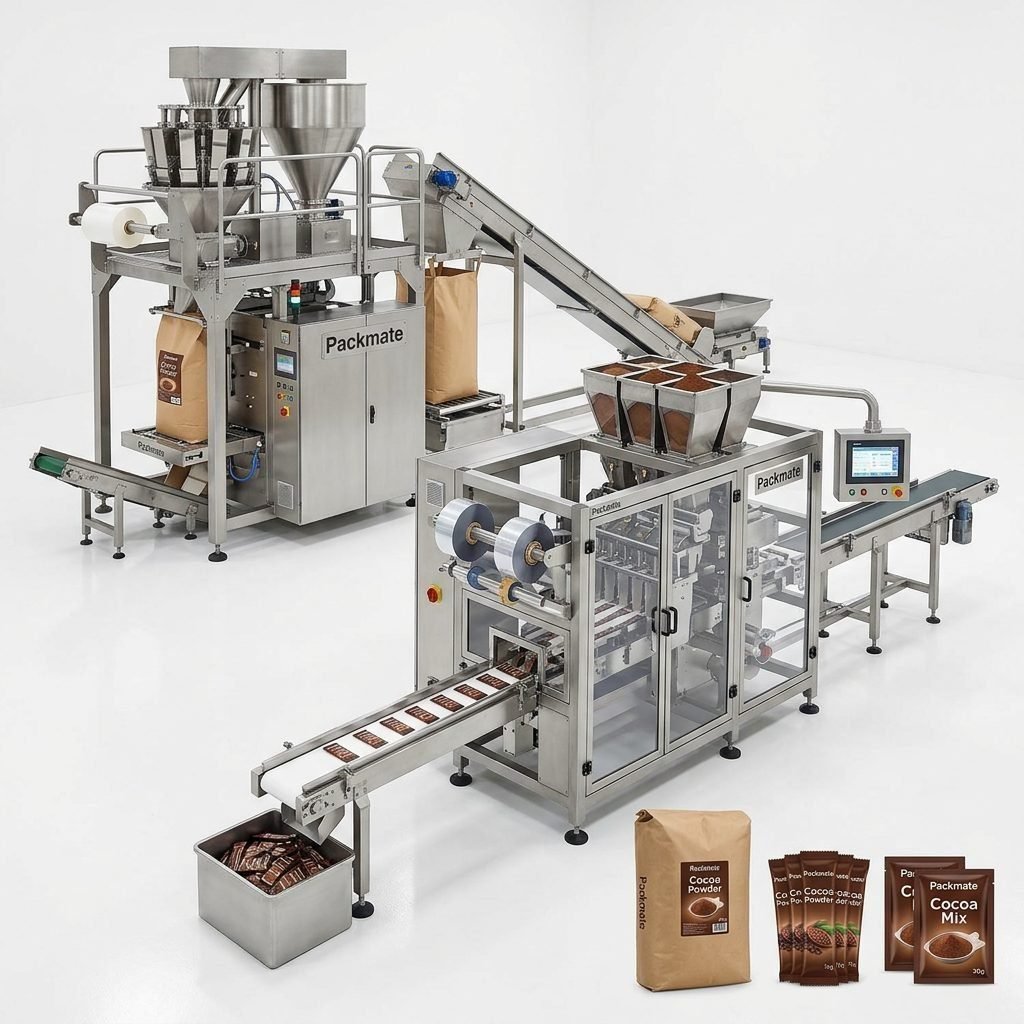
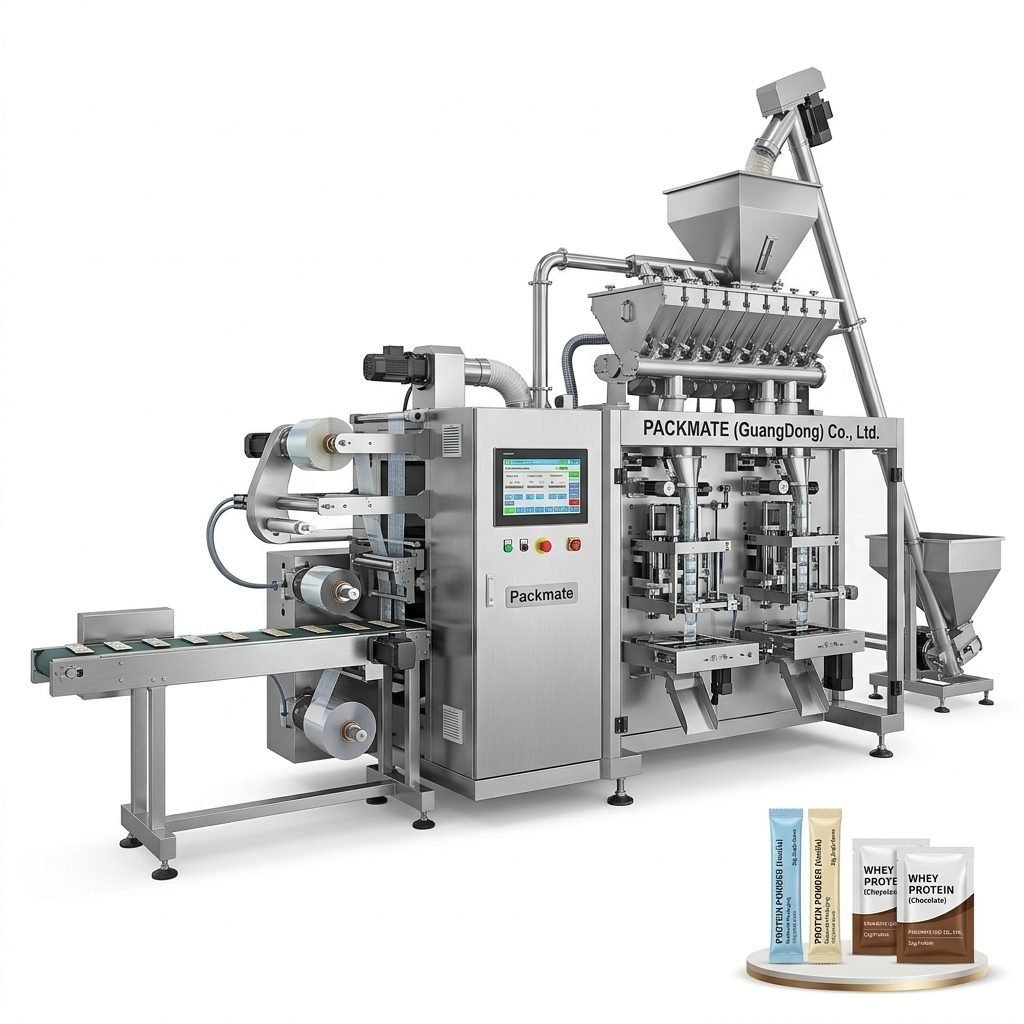
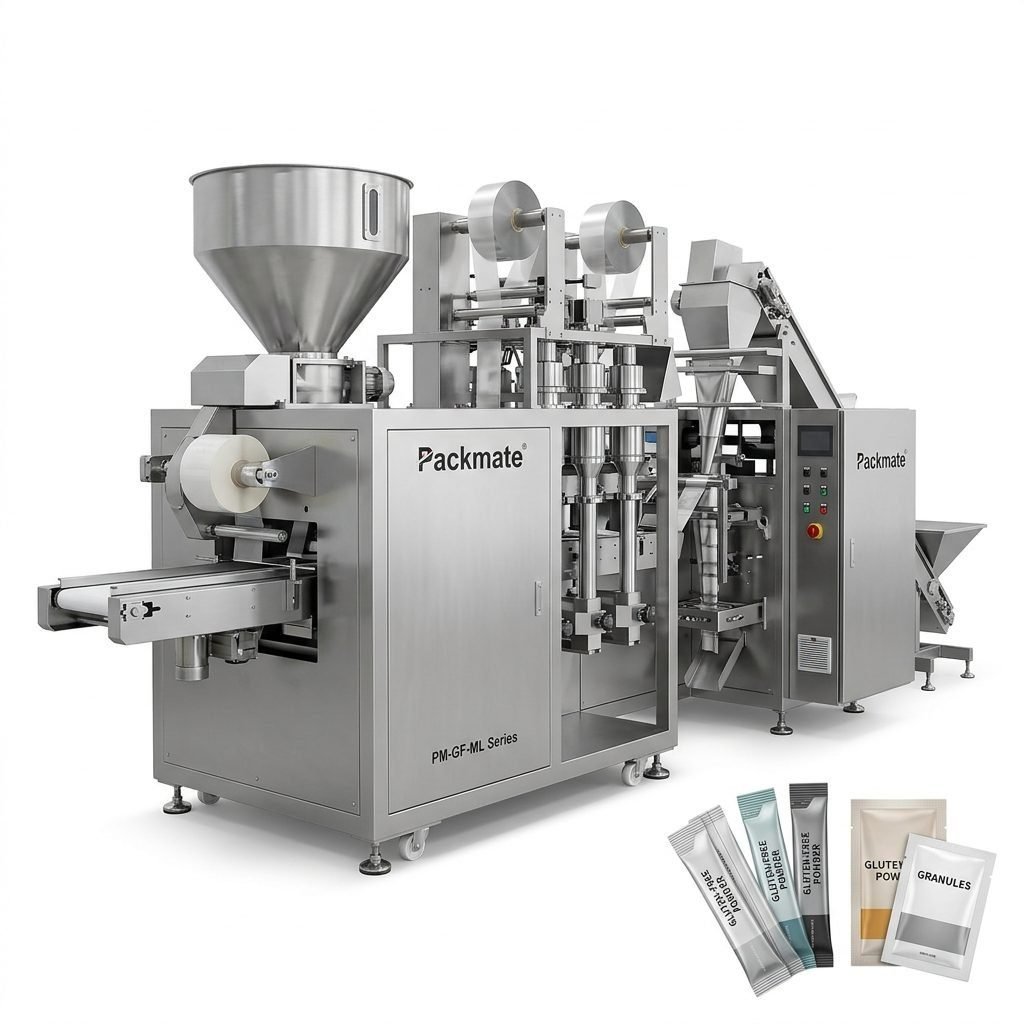
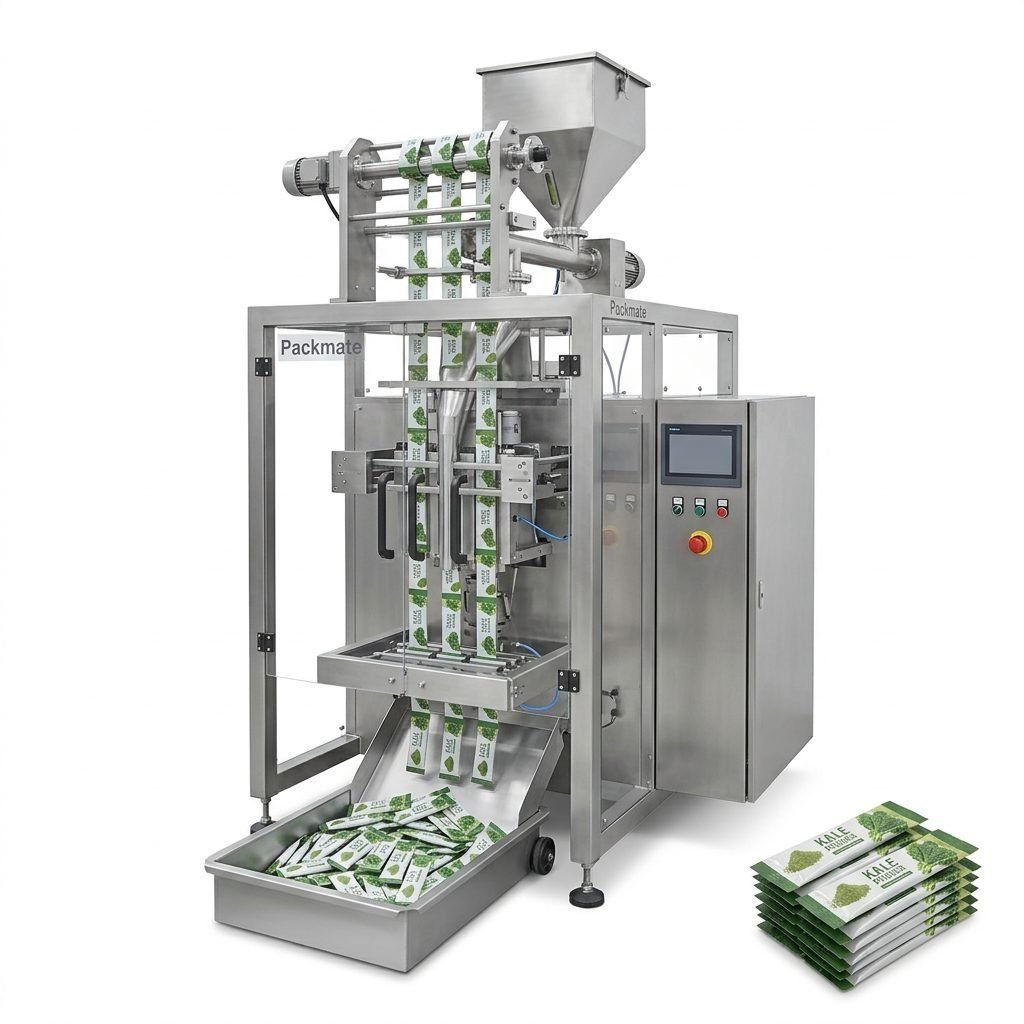
These are among the most versatile and common entry-level machines. They form a bag from a roll of film, fill it with product, and then seal it—all in one continuous operation. Ideal for snacks, grains, powders, and granular products. Modern affordable models often come with basic programmable logic controllers (PLCs) for consistent results.
Tabletop Sachet & Stick Pack Machines
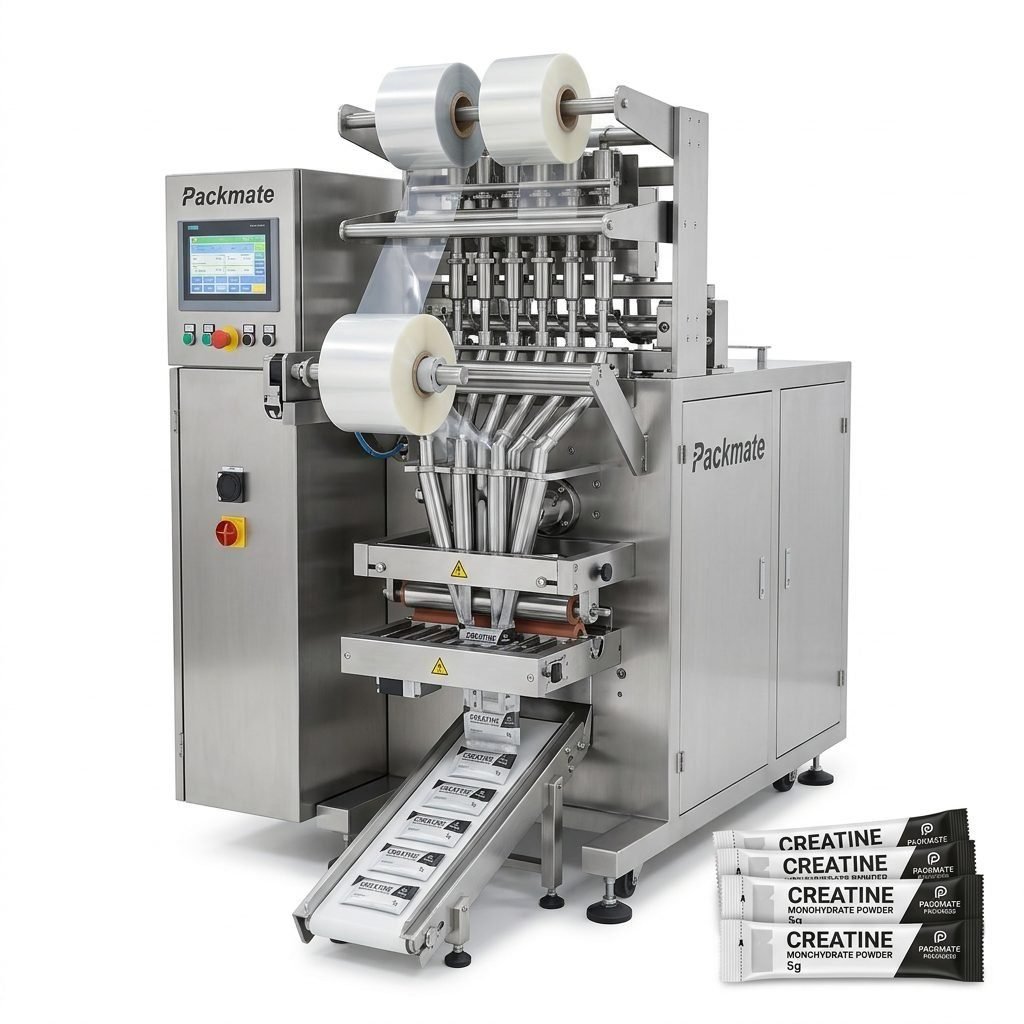
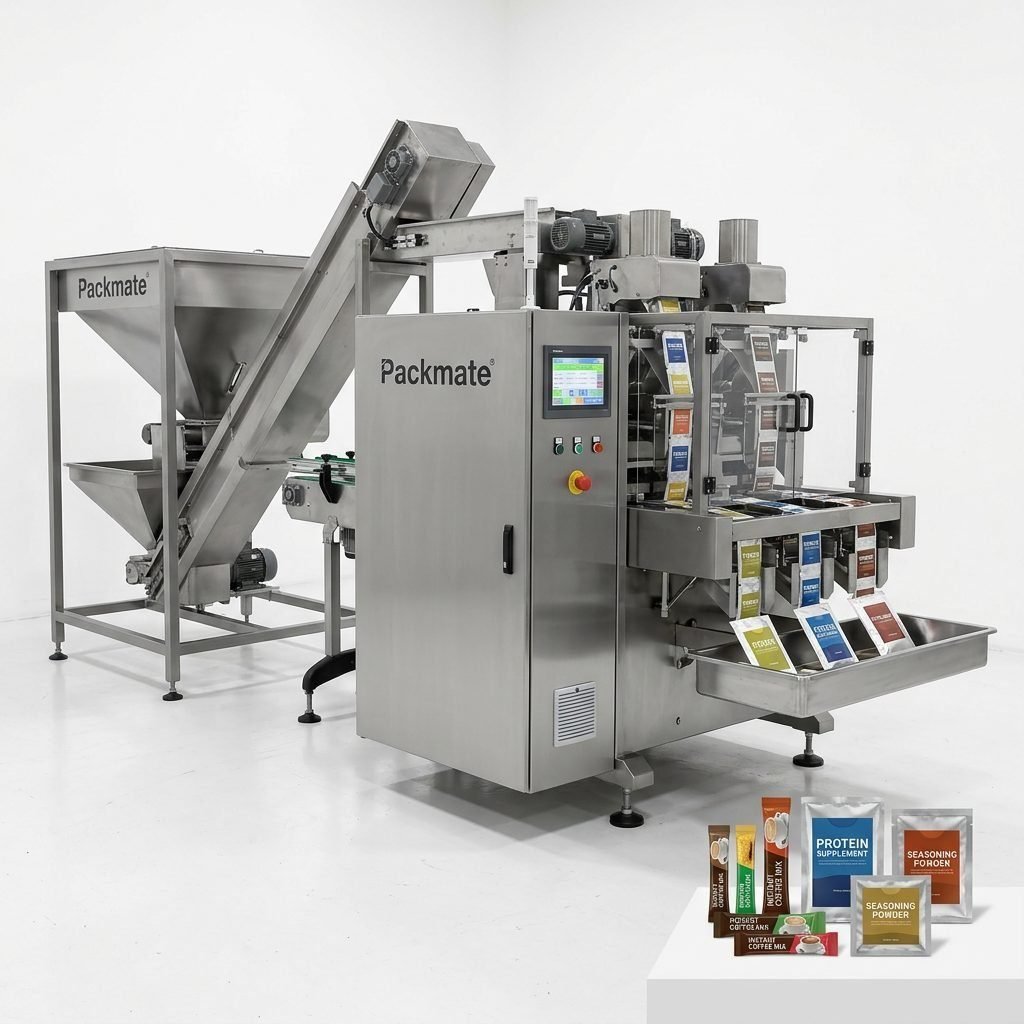
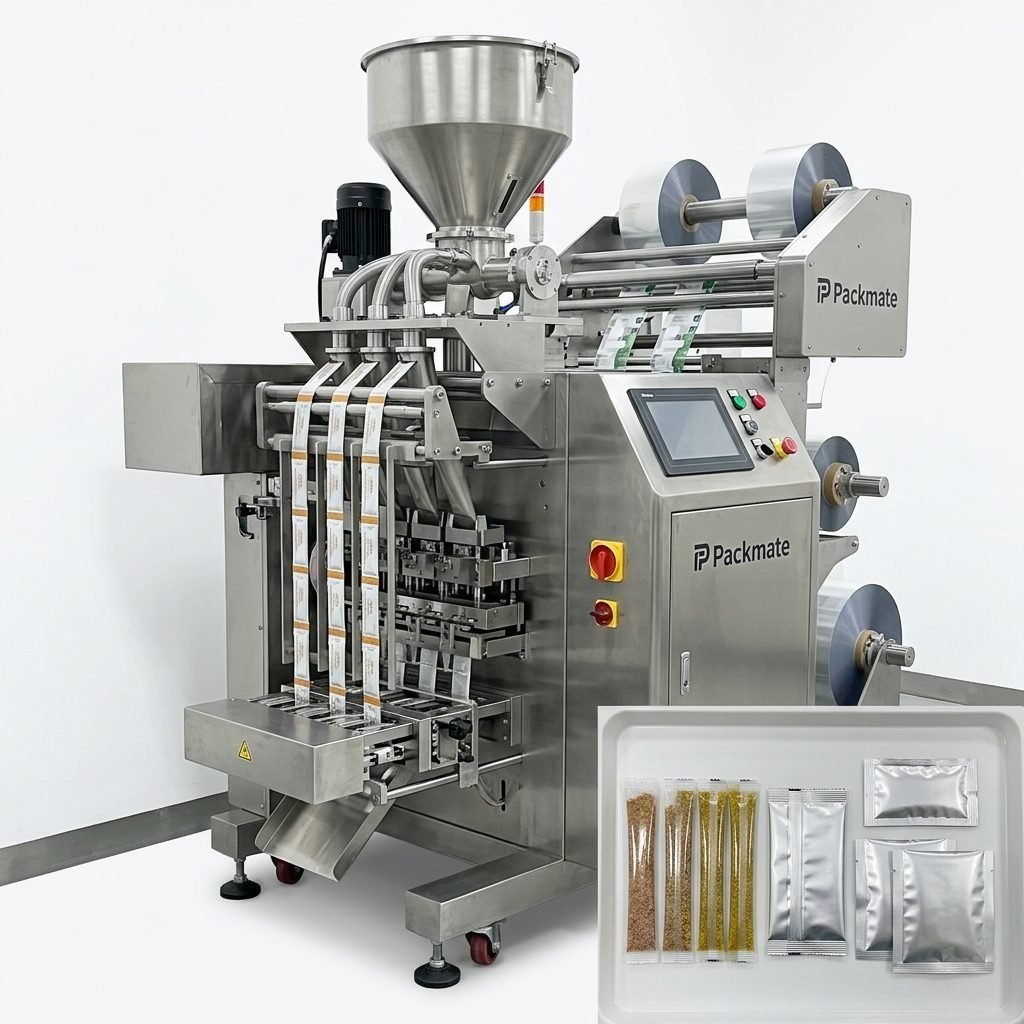
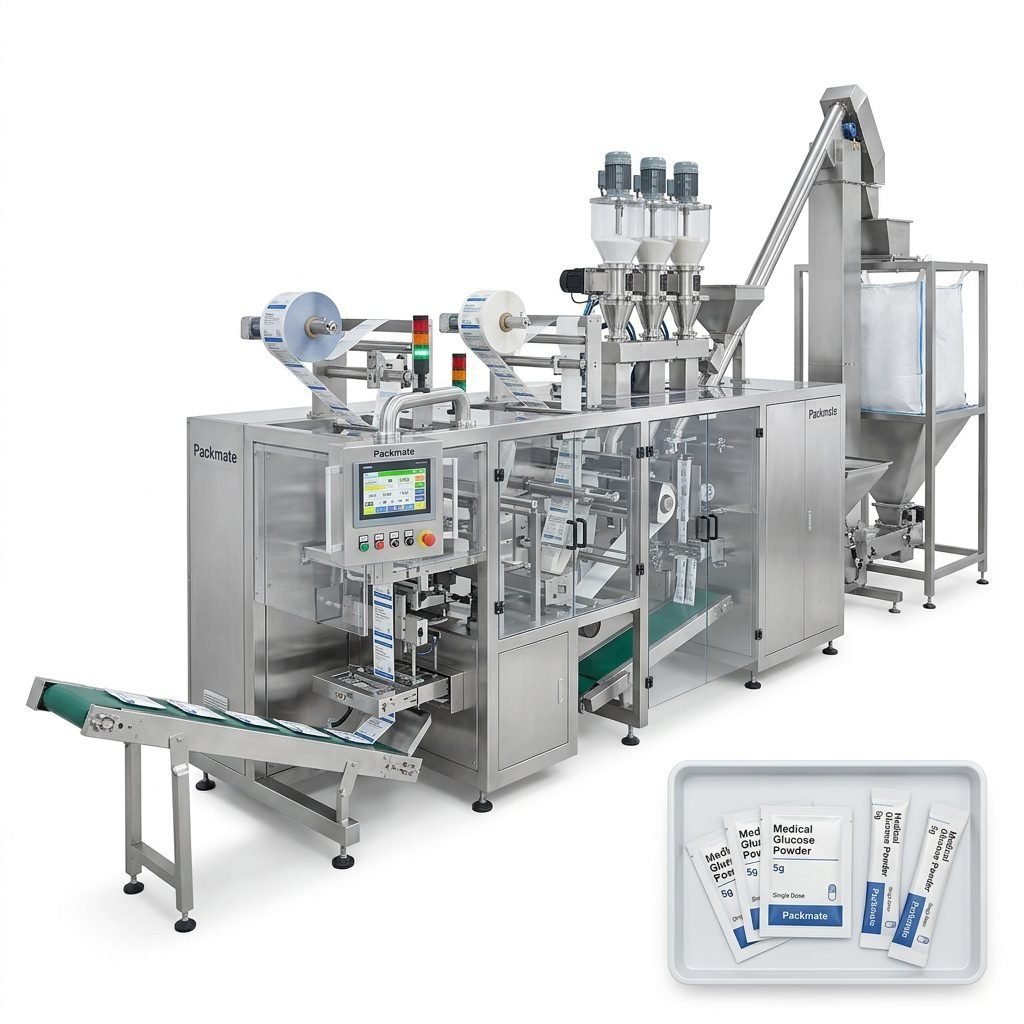
Perfect for single-serve portions of sauces, dressings, drink mixes, or supplements. These machines are typically very compact, semi-automatic or fully automatic, and excel at creating small, sealed pouches. They are a cornerstone for startups in the condiment, beverage, or health food sectors looking for cost-effective sachet packaging.
Cup Filling and Sealing Machines
For products like yogurt, pudding, dips, or fresh salads. Affordable semi-automatic models allow startups to fill pre-formed cups or containers and apply a sealed lid. This option is excellent for products requiring rigid container presentation.
Manual & Semi-Automatic Vacuum Sealers
Essential for startups focusing on fresh meats, cheeses, or prepared meals that require extended shelf life. These machines remove air from a bag before sealing it. They are relatively inexpensive and can significantly improve product quality and presentation.
Critical Features to Evaluate
When comparing affordable machines, look beyond just the price tag. These features determine long-term value and reliability:
- Build Quality & Materials: Stainless steel contact parts are essential for food safety and durability, even in budget models.
- Ease of Cleaning & Changeover: Quick, tool-less changeovers between products save time and labor. Look for machines with accessible, smooth surfaces.
- Packaging Material Compatibility: Ensure the machine can run the films or laminates you plan to use (e.g., PET/PE, aluminum foil laminates).
- Accuracy & Speed Range: Evaluate filling accuracy (critical for cost control) and a speed range that matches your projected output, with room for moderate growth.
- Supplier Support: Availability of spare parts, clear manuals, and technical support is non-negotiable. A reliable partner like Packmate Machinery, with over two decades of experience, can prevent costly downtime.
Maximizing Your Investment: Tips for Startup Success
Purchasing the machine is just the first step. To truly benefit, startups must integrate it strategically into their operations.
Start with a Clear Product Roadmap: Choose a machine that can handle not just your launch product but also the next 2-3 product variations you have planned. This avoids the need for another capital expenditure too soon.
Prioritize Operator Training: Even simple machines require proper setup and maintenance. Well-trained staff ensure consistent package quality, minimize waste, and extend the machine’s lifespan.
Source Packaging Materials Smartly: Partner with a flexible material supplier who can provide smaller rolls or custom prints at manageable minimum order quantities (MOQs). This keeps inventory costs low.
Plan for Scalability: Discuss with your supplier about potential upgrades. Some modular packaging machines can be upgraded with faster drives or additional filling heads as your business grows.
The goal is to view your first packaging machine not as a fixed cost, but as a scalable asset that grows with your brand. It should provide a solid foundation for quality and efficiency, allowing you to build customer trust and streamline operations from the very beginning.
Conclusion: Building Your Brand from the Ground Up
For a food startup, the packaging is often the first physical touchpoint with a customer. An affordable, reliable small-scale packaging machine makes it possible to deliver a professional, high-quality experience without compromising financial stability. By carefully selecting equipment that matches your specific product needs, operational scale, and growth trajectory, you invest in the foundational capability to control your brand’s narrative, ensure product integrity, and scale profitably. The journey from a small batch in a home kitchen to supermarket shelves starts with the right tools, and today’s market offers capable packaging technology accessible to ambitious entrepreneurs everywhere.
Frequently Asked Questions (FAQs)
What is the typical price range for an affordable small-scale food packaging machine?
Prices vary widely based on type and automation level, but suitable entry-level machines (e.g., semi-automatic sachet packers, small VFFS machines) often range from $5,000 to $25,000. Fully automatic, more versatile models may start from $20,000 upwards. It’s crucial to consider total cost of ownership, including maintenance and parts.
Can these small machines handle different packaging materials?
Yes, most are designed to be adaptable. However, compatibility is key. You must check the machine’s specifications for the types of film (like PET/PE, OPP, or metallized laminates) it can heat-seal effectively. Switching materials may require adjusting temperature, pressure, and sometimes the sealing jaws.
How difficult is it to operate and maintain such equipment?
Modern small-scale machines are built with user-friendliness in mind. Many feature touchscreen interfaces and simple mechanical adjustments. Basic daily cleaning and periodic lubrication are standard. Reliable suppliers provide comprehensive training and manuals. Choosing a machine with good local service support is highly recommended for maintenance.
Is it possible to upgrade a basic machine later as my business grows?
This is a vital consideration. Many manufacturers offer modular designs. You might start with a single-head weigher and later add heads for speed, or upgrade a semi-automatic filler to automatic. Discuss future upgrade paths with your supplier before purchasing to ensure your initial investment is protected.
Where can I see these machines in operation or get a demo?
Reputable manufacturers often have showrooms, video demonstrations online, or exhibit at industry trade shows. Some, like Packmate Machinery, may offer factory visits or arrange live video demos specific to your product. Requesting a sample pack using your actual product is the best way to evaluate performance.