In today’s fast-paced manufacturing landscape, efficiency is paramount. For businesses handling powders, granules, liquids, or solid products, the packaging process can become a significant bottleneck. This is where automatic bagging machines step in as a transformative solution. These sophisticated systems streamline operations, enhance accuracy, and dramatically boost output, making them an indispensable asset for modern production lines. This guide delves into the world of automatic bagging, exploring its core technologies, benefits, and how to select the right system for your needs.
What Are Automatic Bagging Machines?
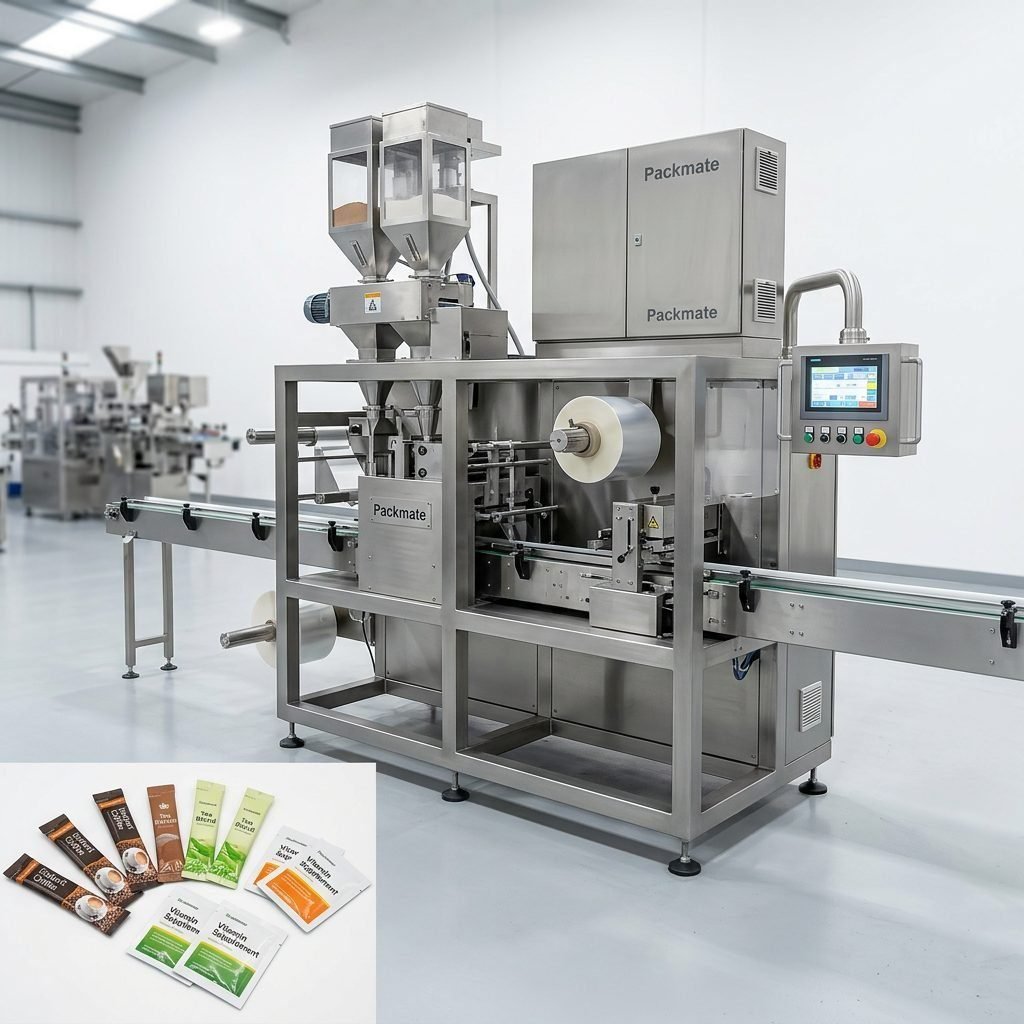
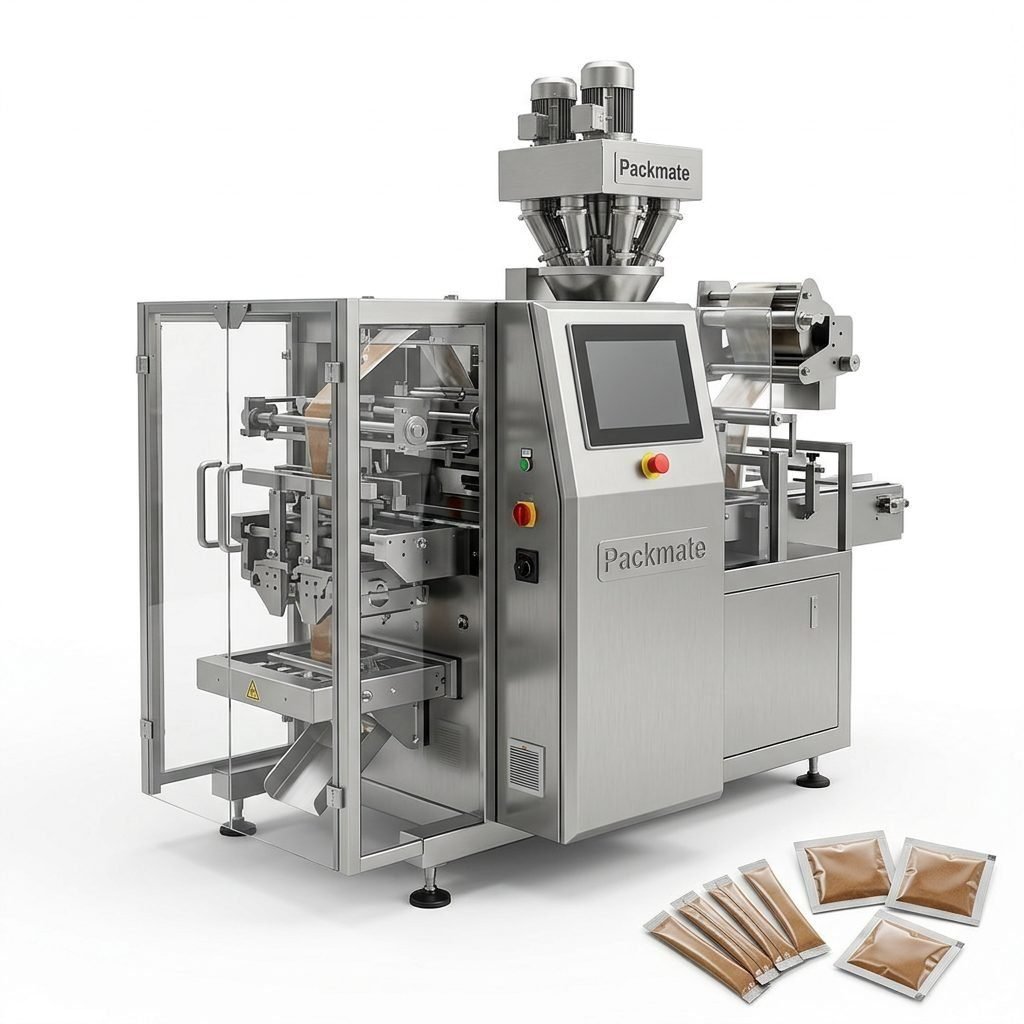
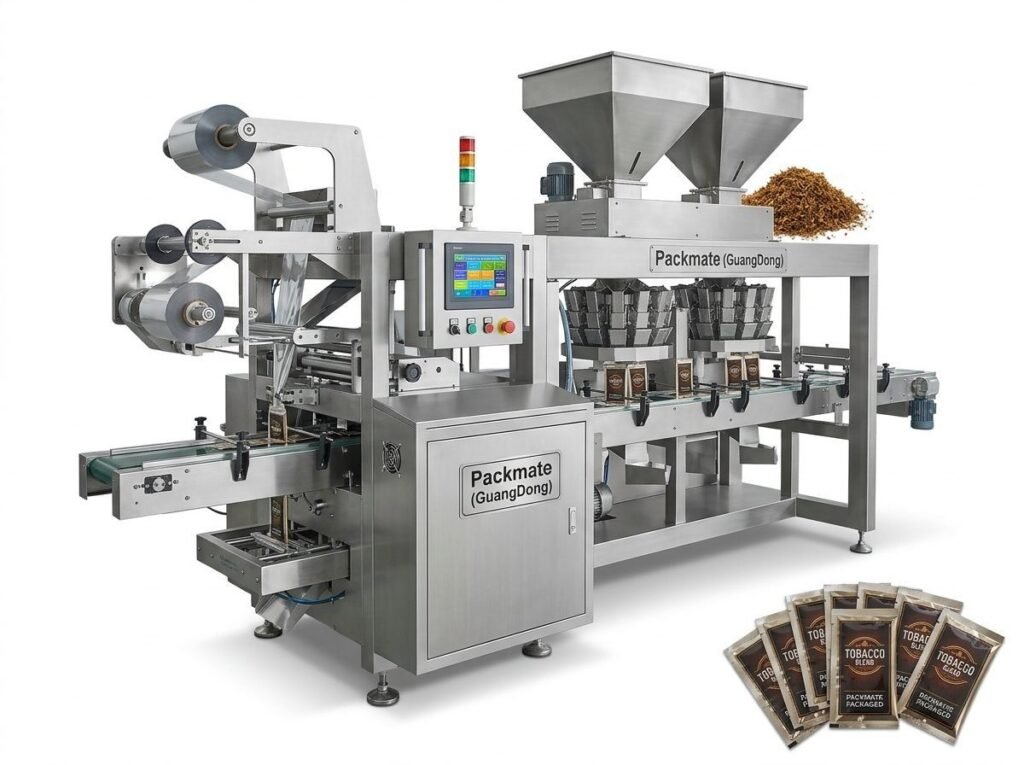
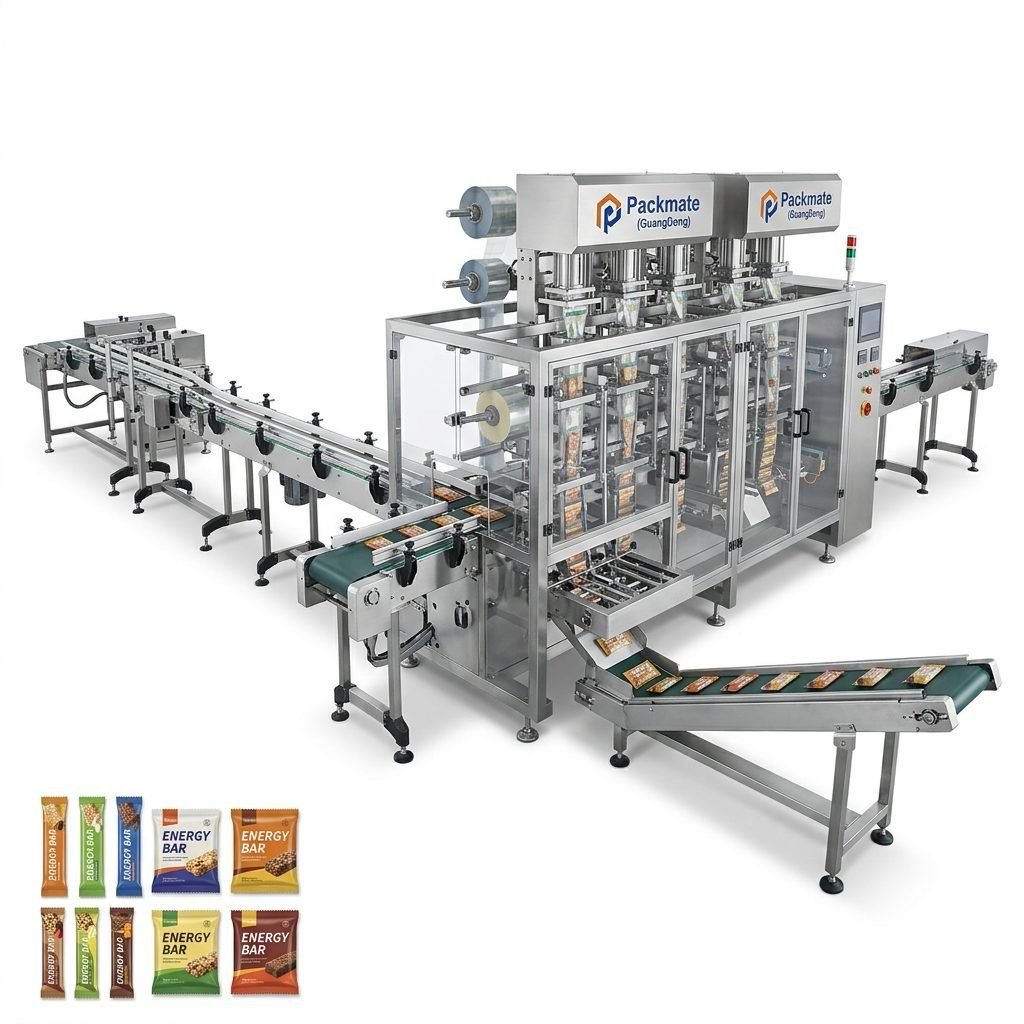
Automatic bagging machines are advanced packaging systems designed to measure, fill, and seal products into bags or pouches with minimal human intervention. They integrate various functions—from product feeding and weighing to bag forming, sealing, and coding—into one seamless, high-speed operation. Unlike semi-automatic systems, they require only an operator for supervision, material loading, and routine maintenance, freeing up labor for more complex tasks.
These machines are incredibly versatile, capable of handling a vast array of products. Whether you’re packaging coffee grounds, flour, snacks, pet food, chemicals, or pharmaceuticals, there is an automatic bagging solution configured for the job. The core principle is to replace repetitive, manual labor with consistent, precise, and tireless automation.
Key Components of a Modern Bagging Line
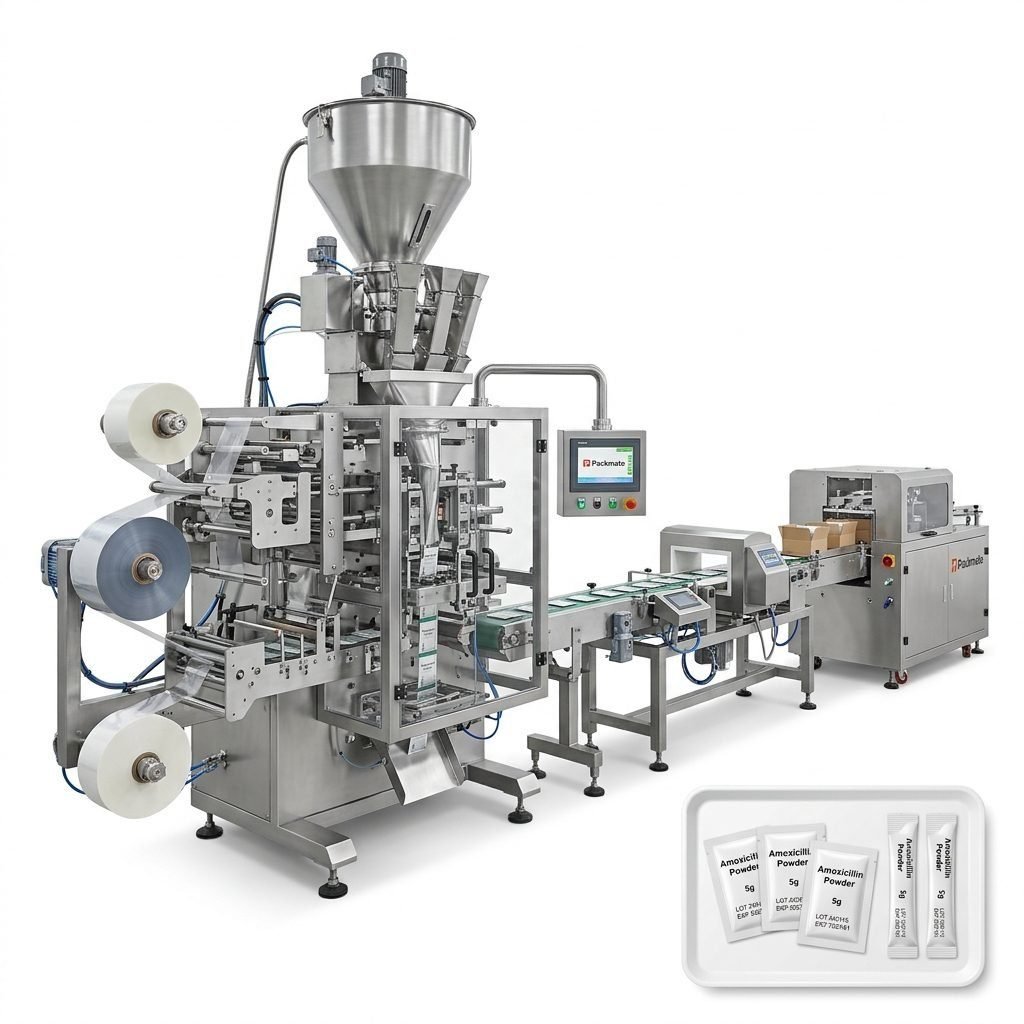
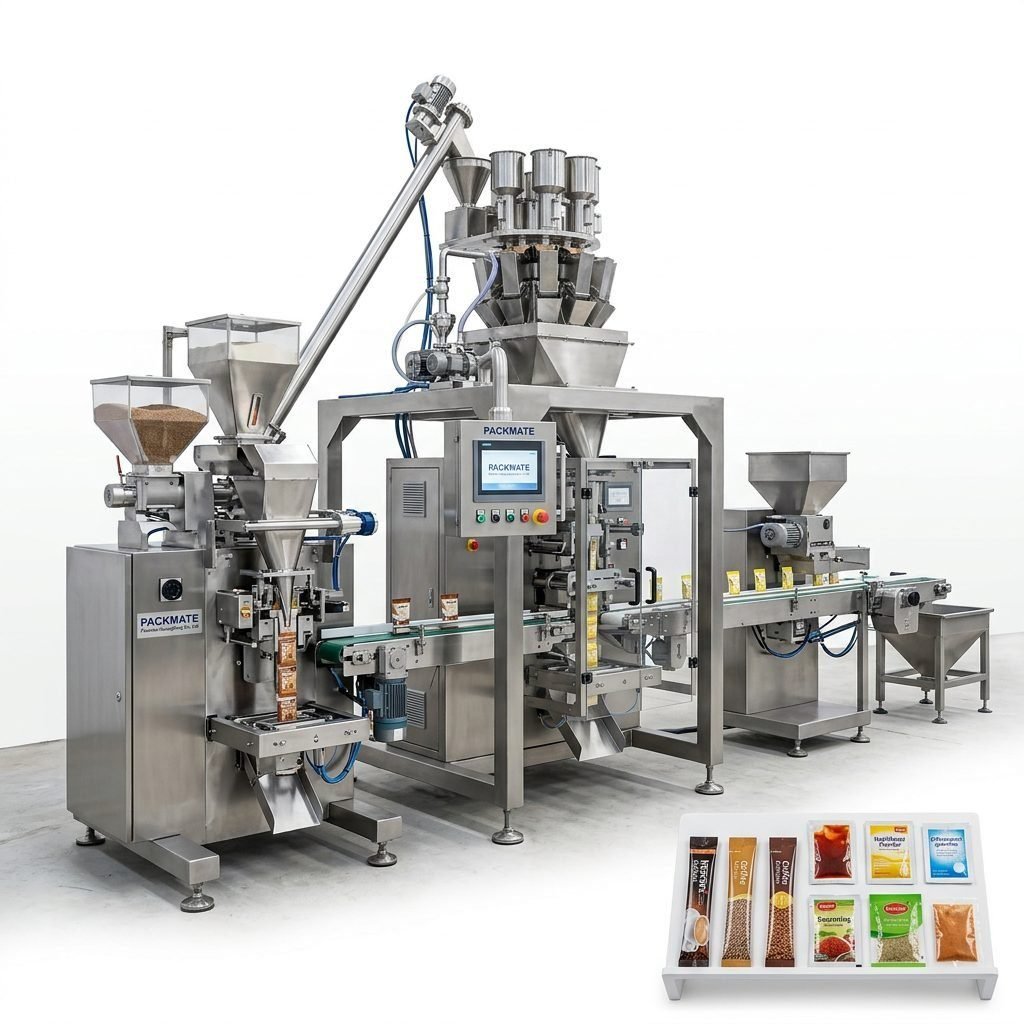
A fully integrated automatic bagging line is more than just a single machine. It’s a symphony of coordinated components. The process typically begins with a product feeder (like a vibratory tray or auger) that delivers product to a highly accurate weighing system, such as a multi-head weigher or net weigher. The weighed product is then discharged into a bag, which is often formed from roll stock film right on the machine by a bag maker. Finally, the bag is sealed—via heat, zipper, or other methods—and discharged onto a conveyor for collection or boxing.
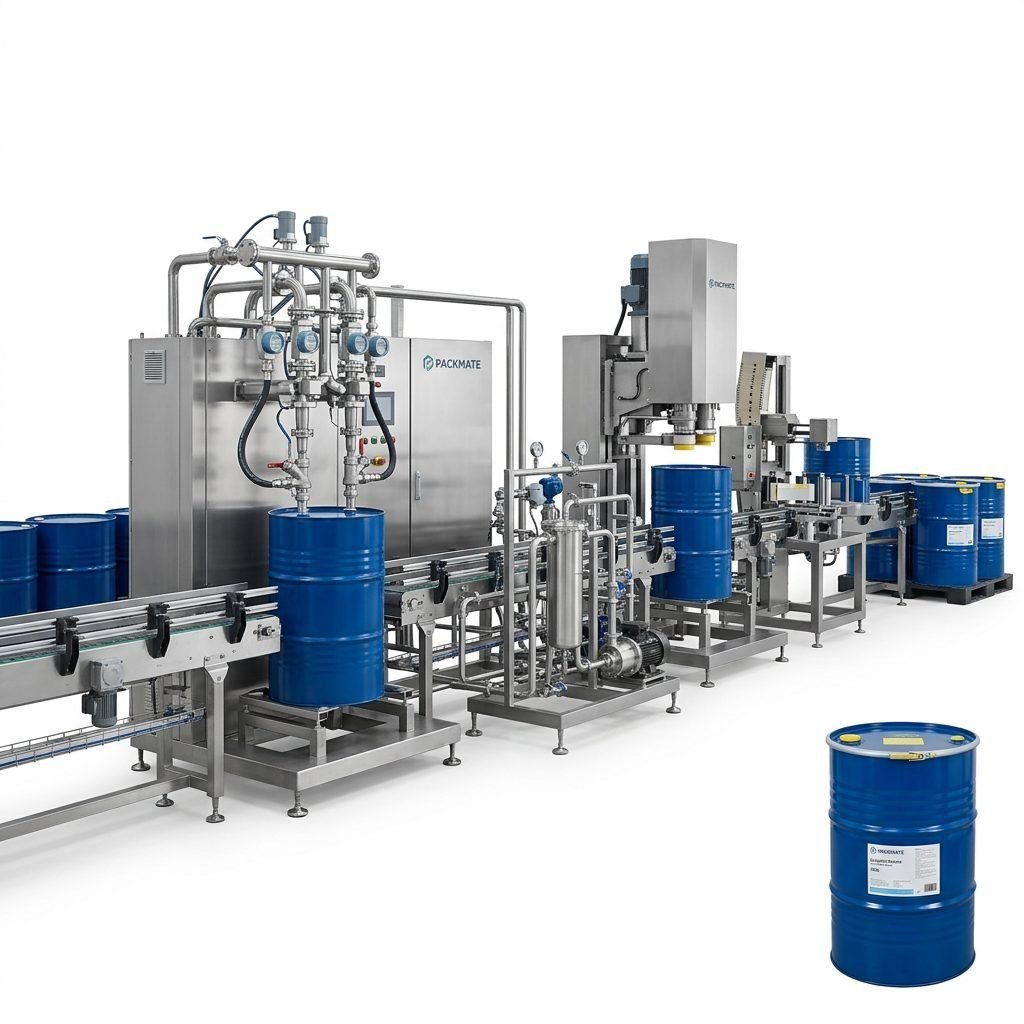
Additional modules like checkweighers, metal detectors, date coders, and cartoning systems can be integrated to create a complete, closed-loop packaging solution. For a comprehensive look at such integrated systems, explore our range of Filling & Packaging Lines.
Major Benefits of Automating Your Bagging Process
The shift from manual or semi-automatic bagging to a fully automated system delivers a compelling return on investment across multiple fronts.
1. Unmatched Speed and Productivity: Automatic machines operate continuously at high speeds, often packaging hundreds of bags per minute. This throughput is simply unattainable with manual labor, allowing you to meet large order volumes and tight deadlines with ease.
2. Superior Accuracy and Consistency: Human weighing is prone to variance. Automatic systems equipped with precision scales ensure every bag meets the exact target weight, reducing product giveaway (overfilling) and protecting against underweight packages that can lead to compliance issues and customer dissatisfaction.
3. Significant Labor and Cost Savings: By automating the most labor-intensive part of packaging, you can reallocate staff to value-added roles. This reduces long-term labor costs, minimizes fatigue-related errors, and mitigates the challenges of workforce availability.
4. Enhanced Hygiene and Safety: Enclosed systems minimize product exposure to the environment and human contact, which is critical for food, pharmaceutical, and chemical products. They also improve workplace safety by reducing workers’ exposure to repetitive strain injuries and dusty or hazardous materials.
5. Improved Packaging Quality: Automated heat sealing creates strong, uniform seals that are more reliable than manual seals, extending product shelf life and reducing the risk of leaks or contamination during transit.
Choosing the Right Machine: Key Considerations
Selecting an automatic bagging machine is a strategic decision. The right choice depends on a detailed analysis of your specific operation.
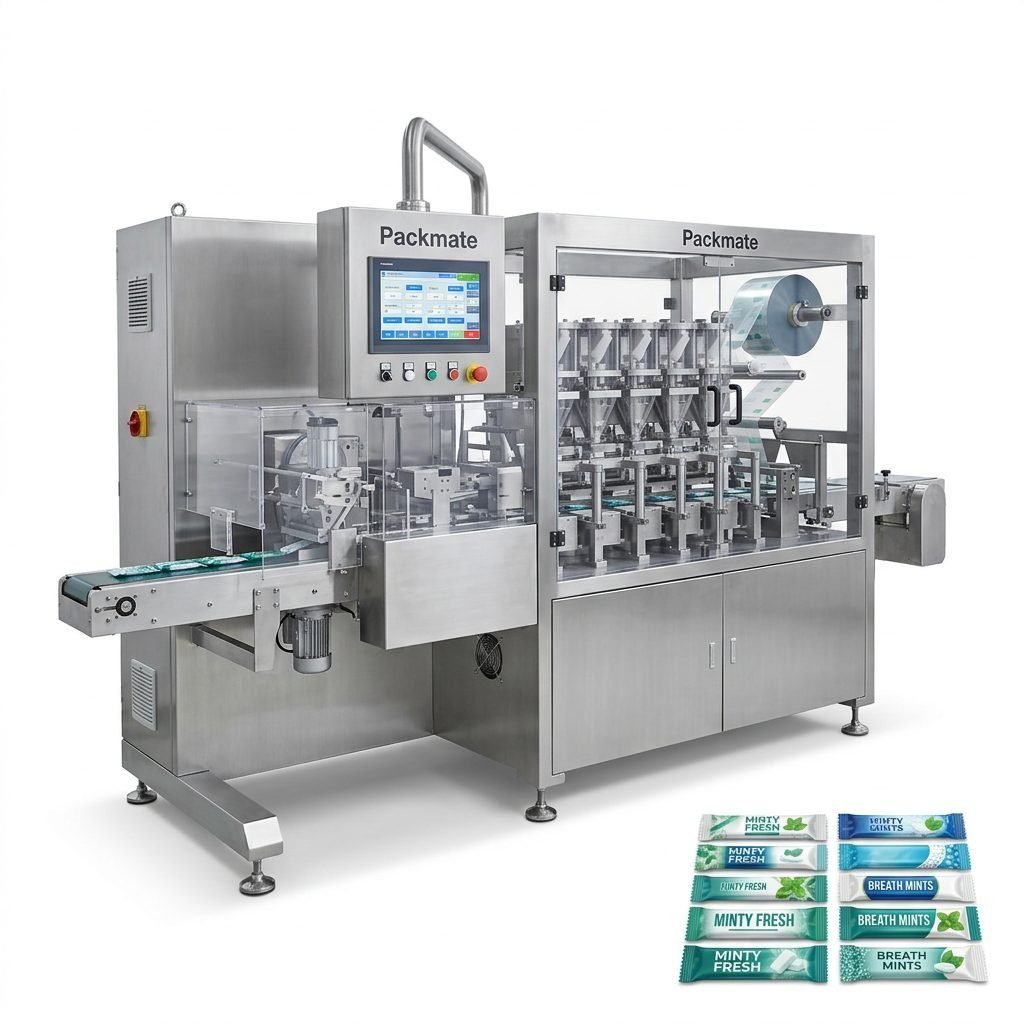
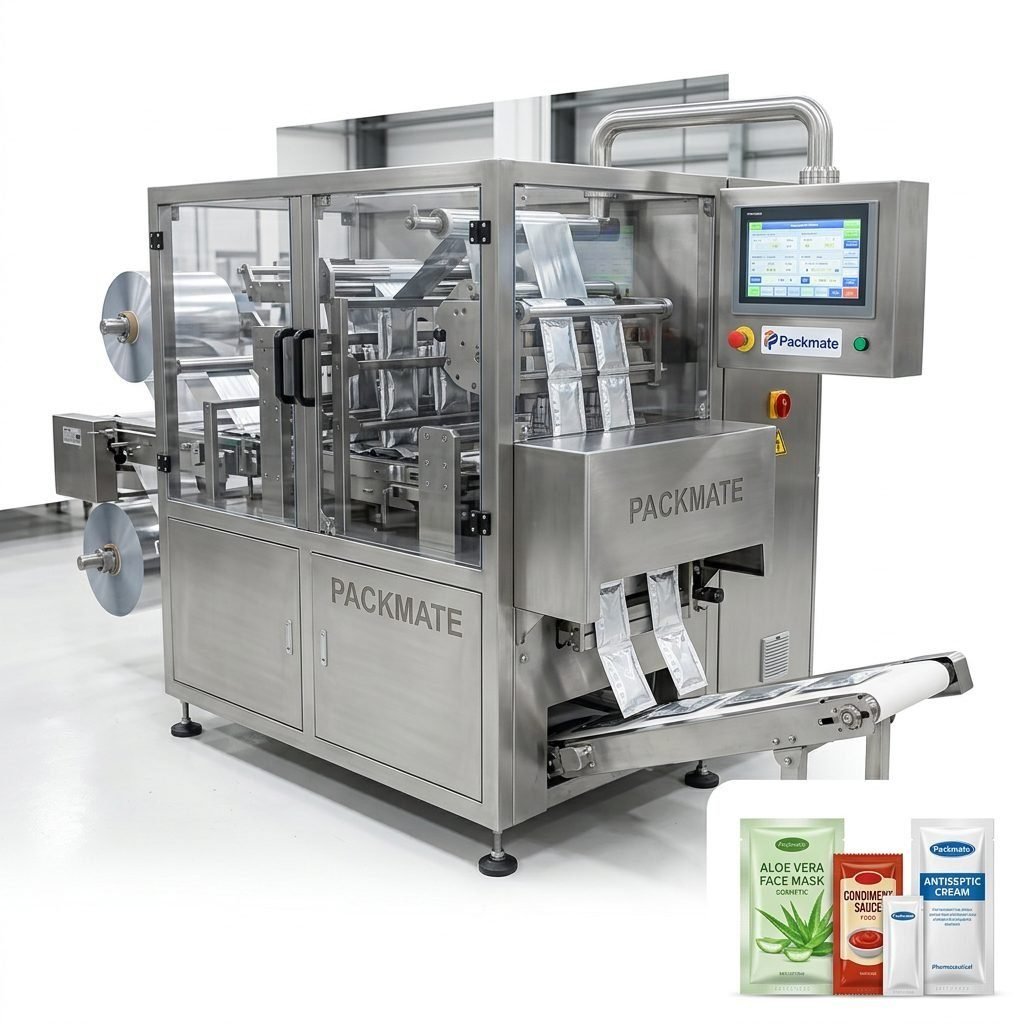
Product Characteristics: Is your product a fine powder, a granular solid, a flaky snack, or a viscous liquid? Each type requires different handling mechanisms (auger, impeller, pump) and bag styles. For specialized applications like portion-control packs, Sachet & Stick Pack Machines might be the ideal solution.
Required Output Speed (Bags Per Minute): Match the machine’s maximum speed to your current and projected production needs to avoid future bottlenecks.
Bag Type and Size: Determine if you need pre-made bags or bags formed from roll film (Form-Fill-Seal, or FFS). Consider the range of bag sizes (length, width, gusset) the machine must accommodate.
Weighing Accuracy: Define your legal and quality tolerance limits. High-value products demand ultra-precise weighing systems, which you can find in our dedicated Weighing & Packaging Systems.
Integration and Footprint: Ensure the machine can connect with your existing upstream (production) and downstream (case packing) equipment and fits within your available floor space.
Partnering with an experienced manufacturer is crucial. A provider like Packmate Machinery brings over two decades of expertise, offering not just a machine but a tailored solution. From initial consultation to installation and after-sales support, the right partner ensures a smooth transition to automation. Learn more about our commitment to innovation and quality on our About Us page.
Common Applications Across Industries
The adaptability of automatic bagging machines makes them a cornerstone in numerous sectors.
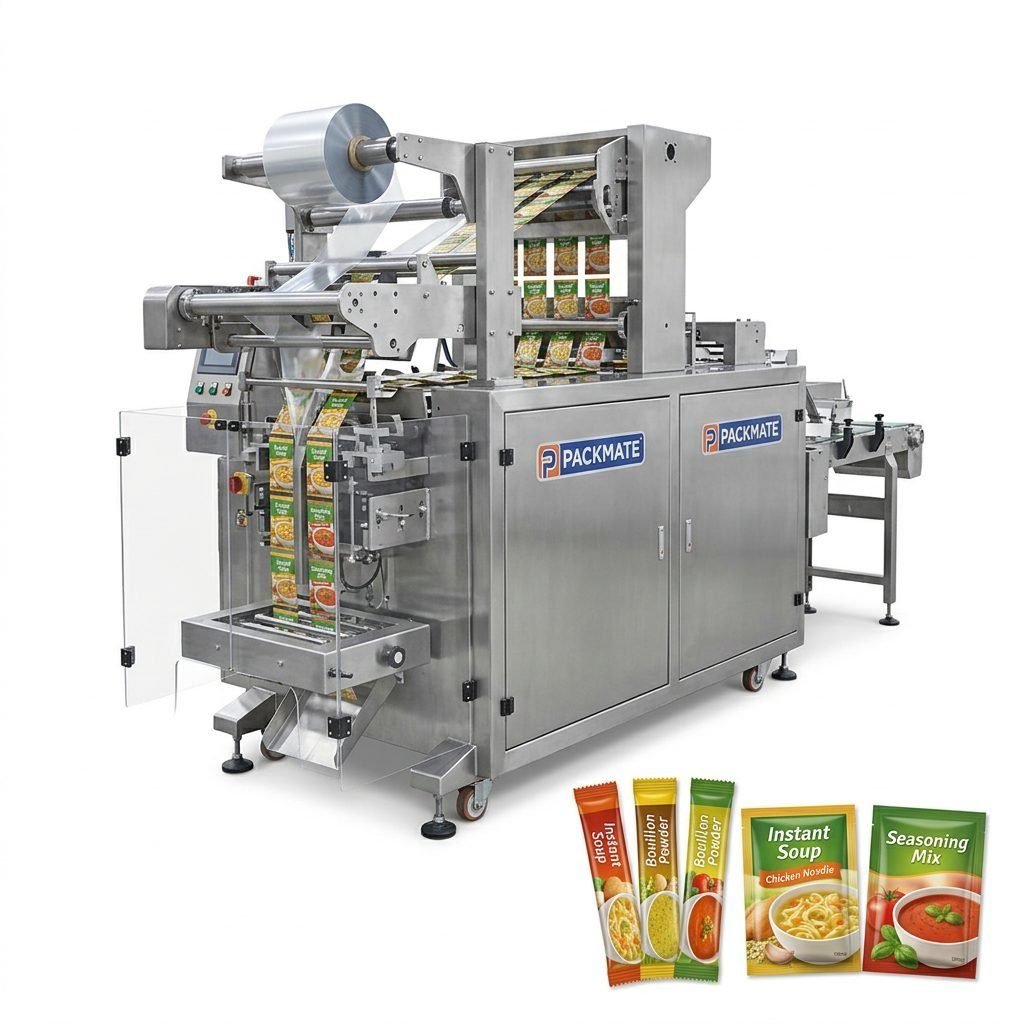
Food & Beverage: This is the largest application area. Machines bag everything from sugar and salt to pasta, nuts, frozen vegetables, and coffee. Hygiene, speed, and accurate portion control are top priorities.
Pharmaceuticals & Nutraceuticals: Here, precision and contamination control are non-negotiable. Machines package powders for supplements, tea bags, and medicinal herbs in controlled environments.
Chemicals & Agriculture: From fertilizers and potting soil to industrial powders and granules, these machines handle abrasive or hazardous materials with durable construction and dust containment features.
Pet Food & Animal Feed: High-volume packaging of dry and semi-moist products into various bag sizes is efficiently managed by robust bagging systems.
For businesses looking to package products into larger bags or flexible pouches, our category of Bag & Pouch Packaging Machines offers specialized solutions.
The Future: Smart and Sustainable Bagging
The evolution of automatic bagging is geared towards intelligence and eco-consciousness. The integration of Industrial Internet of Things (IIoT) technology allows for real-time monitoring of machine performance, predictive maintenance alerts, and data collection for optimizing Overall Equipment Effectiveness (OEE). Furthermore, there is a growing demand for machines that can handle recyclable, compostable, or mono-material plastic films, helping brands meet their sustainability goals without sacrificing packaging integrity or machine performance.
Frequently Asked Questions (FAQs)
1. What is the typical payback period for an automatic bagging machine?
The payback period varies based on machine cost, labor savings, and increased output. For operations replacing multiple manual lines, it can often be between 12 to 24 months. Reduced product giveaway and improved efficiency further accelerate ROI.
2. Can one machine handle multiple, very different products?
While many machines are versatile, significant product changes (e.g., from fine powder to large granules) usually require a changeover of parts like the feeding auger, funnel, and sometimes the weighing head. Quick-changeover designs are available to minimize downtime during product switches.
3. How difficult is it to maintain an automatic bagging system?
Modern machines are designed for ease of maintenance. Daily cleaning and basic lubrication are standard. More complex maintenance should be performed by trained technicians. Choosing a supplier with strong after-sales service and readily available spare parts, like Packmate Machinery, is essential for long-term reliability.
4. What training is required for our operators?
Reputable suppliers provide comprehensive training during installation, covering operation, routine maintenance, troubleshooting, and safety procedures. The intuitive touchscreen interfaces on modern machines also make them relatively straightforward to learn.
5. Are automatic bagging machines suitable for small businesses or startups?
Yes. While large, high-speed lines exist, there are also compact, affordable automatic baggers designed for lower to medium output. Automating even a single packaging station can provide significant benefits in consistency and labor savings for a growing business.