In the competitive world of coffee production, efficiency and precision are paramount. The right packaging machinery can be the difference between a streamlined, profitable operation and one plagued by waste, downtime, and inconsistent product quality. For producers seeking to optimize their output of ground coffee, selecting the best coffee powder packaging machines is a critical investment. This guide delves into the key features, benefits, and considerations for choosing equipment that drives efficient production, ensuring your coffee reaches consumers in perfect condition every time.
The Critical Role of Packaging in Coffee Quality
Coffee powder is highly sensitive to environmental factors. Exposure to oxygen, moisture, and light can rapidly degrade aroma, flavor, and freshness. Therefore, the packaging process is not merely about containment; it’s a vital preservation step. Modern coffee powder packaging machines are engineered to create a secure, often airtight, barrier that locks in quality from the production line to the kitchen cupboard. Efficient machines accomplish this at high speeds without compromising seal integrity, directly impacting shelf life and customer satisfaction.
Key Takeaway: An efficient packaging machine protects your product’s most valuable assets: its taste and aroma. This preservation is non-negotiable for brand reputation in a market where consumers expect a consistently fresh brew.
Core Features of Top-Tier Coffee Powder Packaging Machines
When evaluating machinery, several features stand out as essential for efficient coffee powder handling:
Precision Weighing Systems: Coffee is often sold by precise weight (e.g., 250g, 1kg). Advanced machines incorporate multi-head weighers or auger filler systems with micro-adjustments to ensure exact weight dosing, minimizing give-away and ensuring compliance with trade regulations.
Gas Flushing Capability (Nitrogen Flushing): To significantly extend shelf life, the best machines can displace oxygen inside the package with an inert gas like nitrogen before sealing. This process drastically slows oxidation, keeping ground coffee fresher for much longer.
Adaptable Film Handling: High-quality machines work seamlessly with a variety of packaging materials, including multi-layer laminates with foil barriers, kraft paper for a premium look, and sustainable, compostable options. This flexibility allows brands to adapt to market trends and material availability.
High-Speed Operation with Low Waste: Efficiency is measured in packages-per-minute (PPM) and material waste percentage. Leading machines from manufacturers like Packmate Machinery are designed for rapid cycling with precise film registration and cutting, ensuring maximum throughput with minimal scrap.
Easy Cleanability and Changeover: Coffee powder is fine and can be oily, making residue buildup a concern. Machines designed with smooth surfaces, quick-disconnect parts, and tool-less adjustments facilitate fast cleaning and changeovers between different package sizes or blends, maximizing uptime.
Types of Machines for Different Production Scales
The “best” machine depends heavily on your production volume and packaging format.
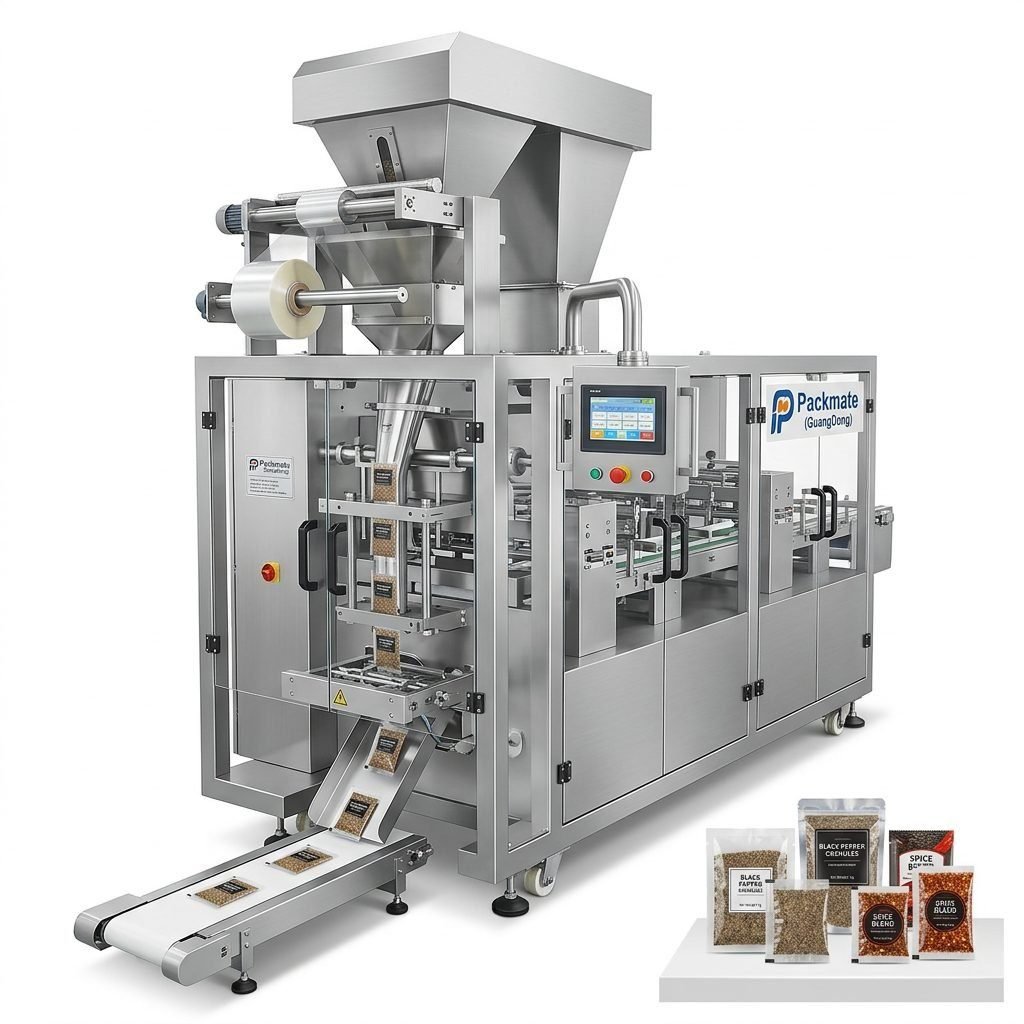
Vertical Form-Fill-Seal (VFFS) Machines: The industry workhorse for granular products like coffee powder. A VFFS machine forms a bag from a roll of film, fills it with a precise dose of product, and seals it—all in one continuous, vertical motion. Ideal for producing pillow bags, gusseted bags, or block-bottom bags at medium to high speeds. Explore options in bag & pouch packaging machines to find a suitable VFFS model.
Pre-Made Pouch Fillers: For premium or stand-up pouch formats, machines that handle pre-made, often flat-bottomed pouches are used. These offer excellent graphic presentation and are perfect for brands focusing on shelf impact. They are fed pouches which are then opened, filled, and sealed.
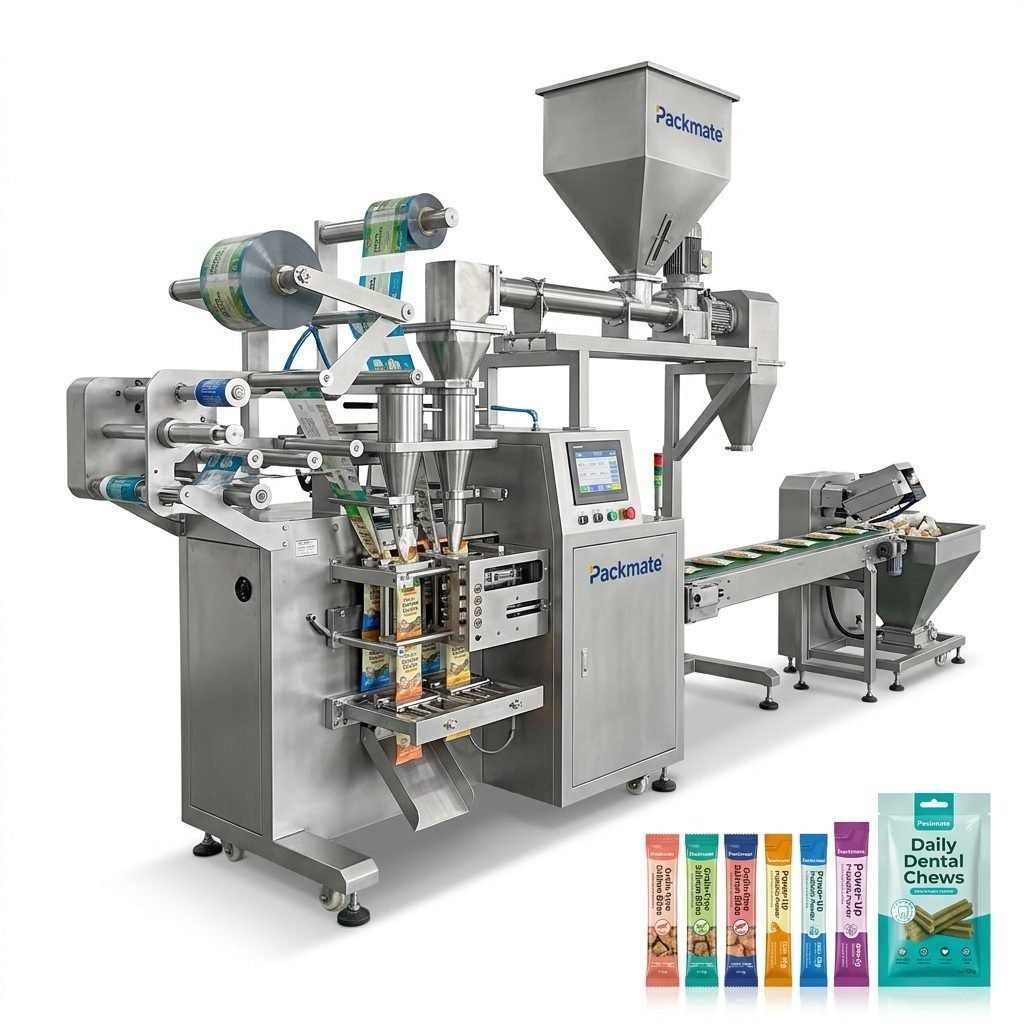
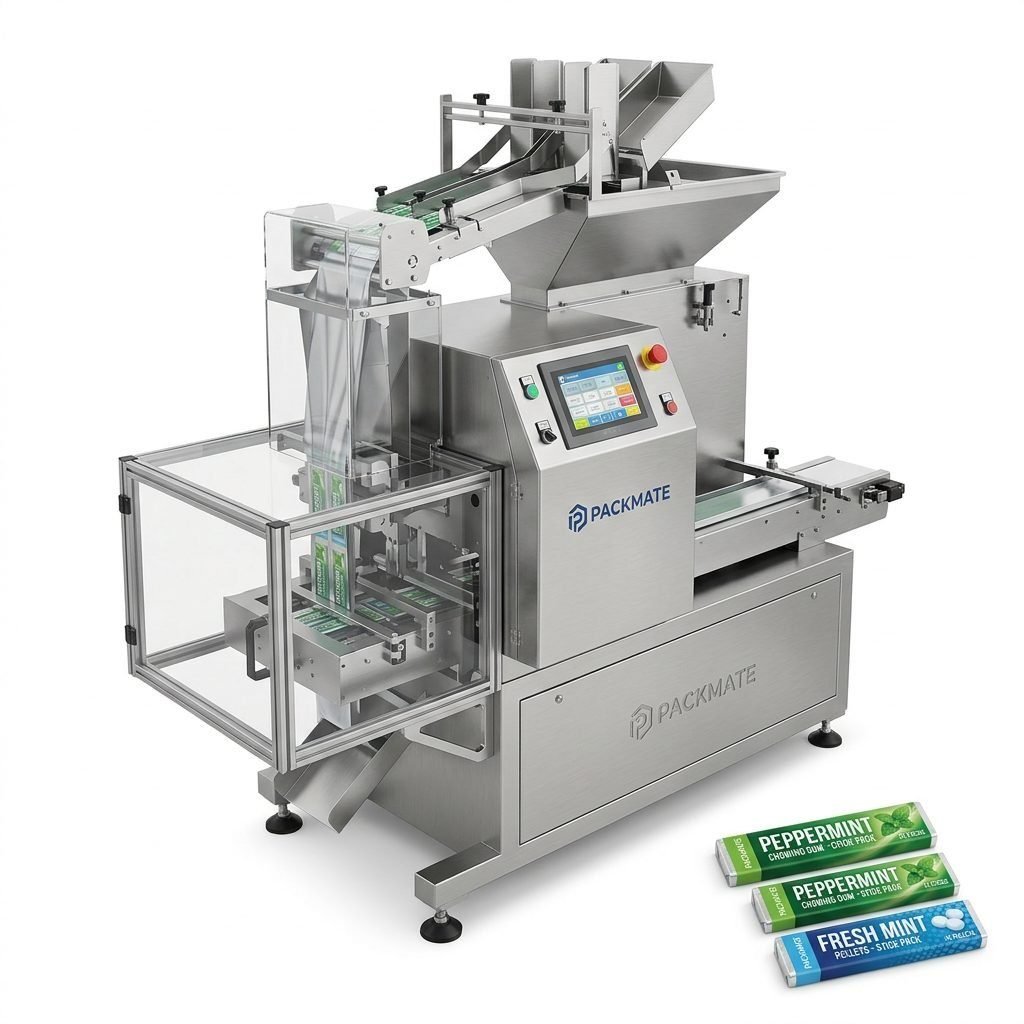
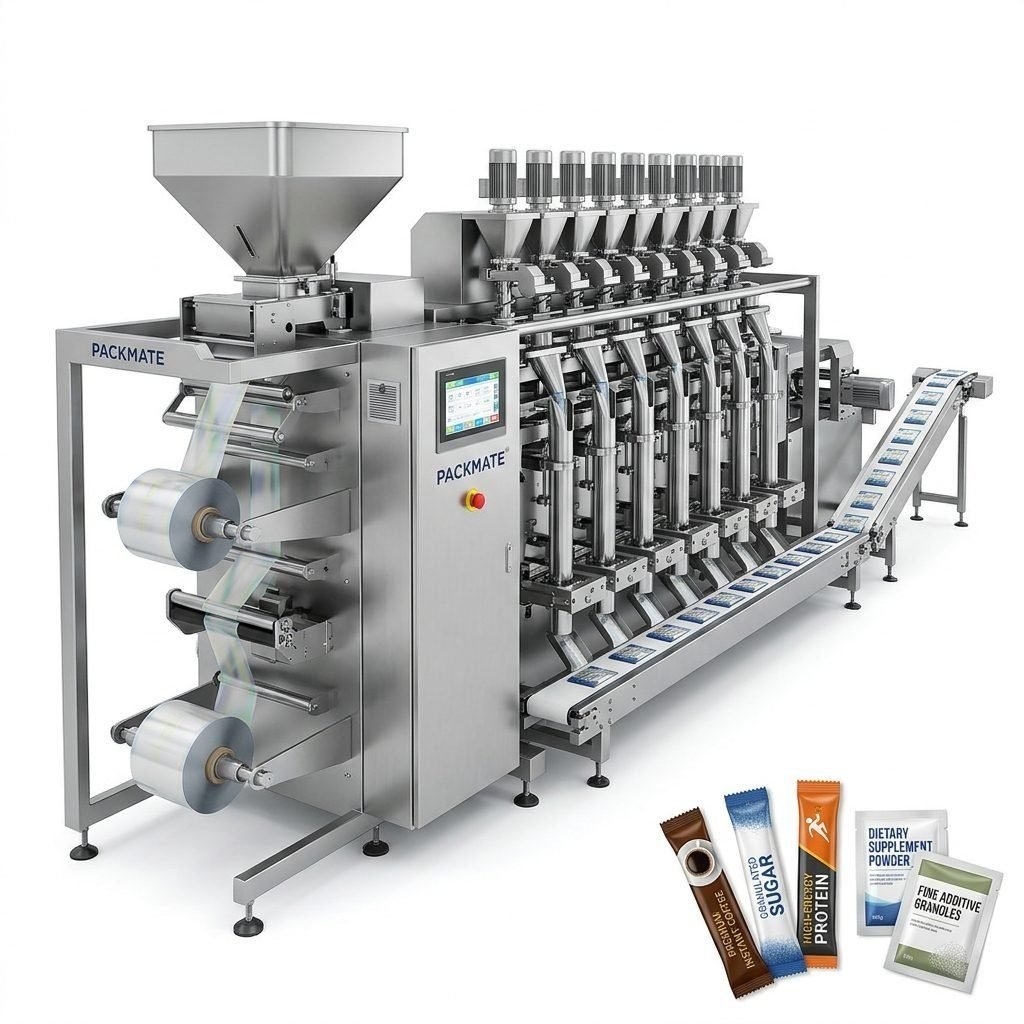
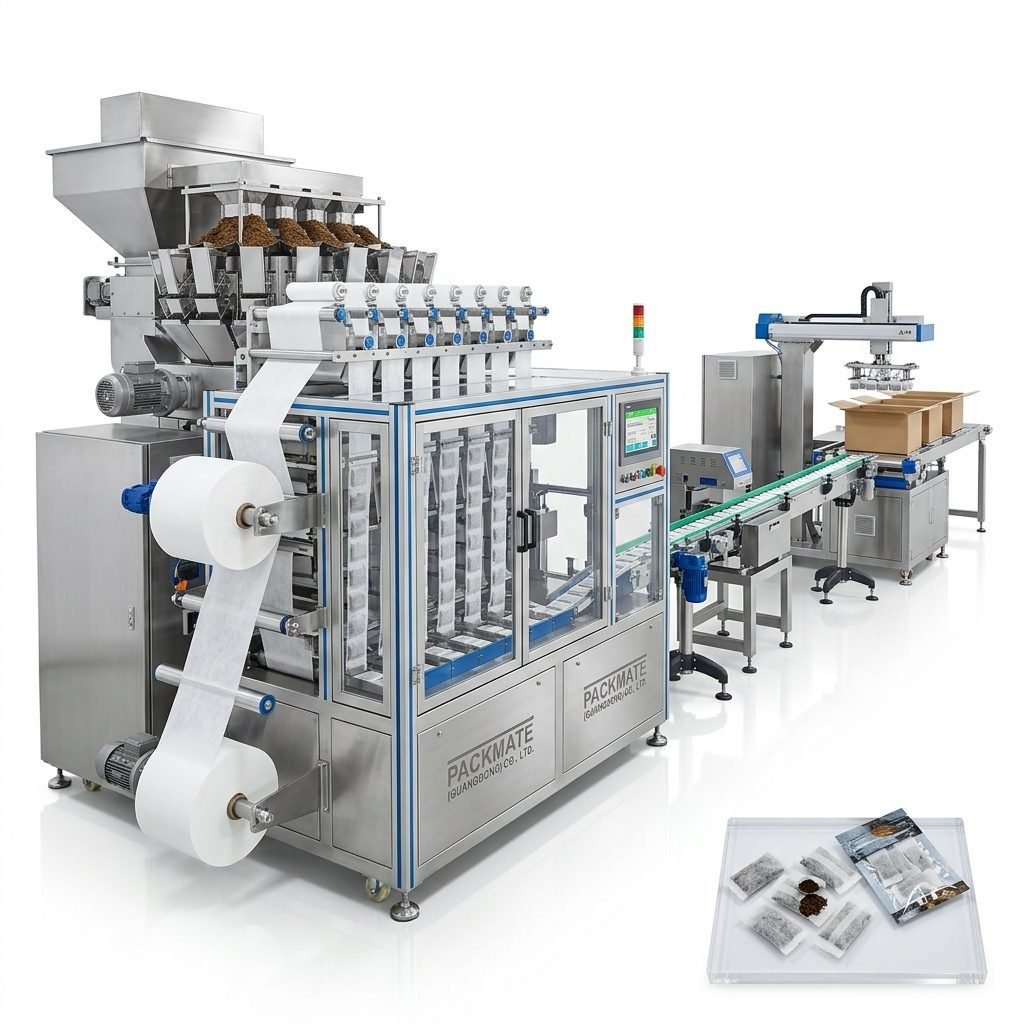
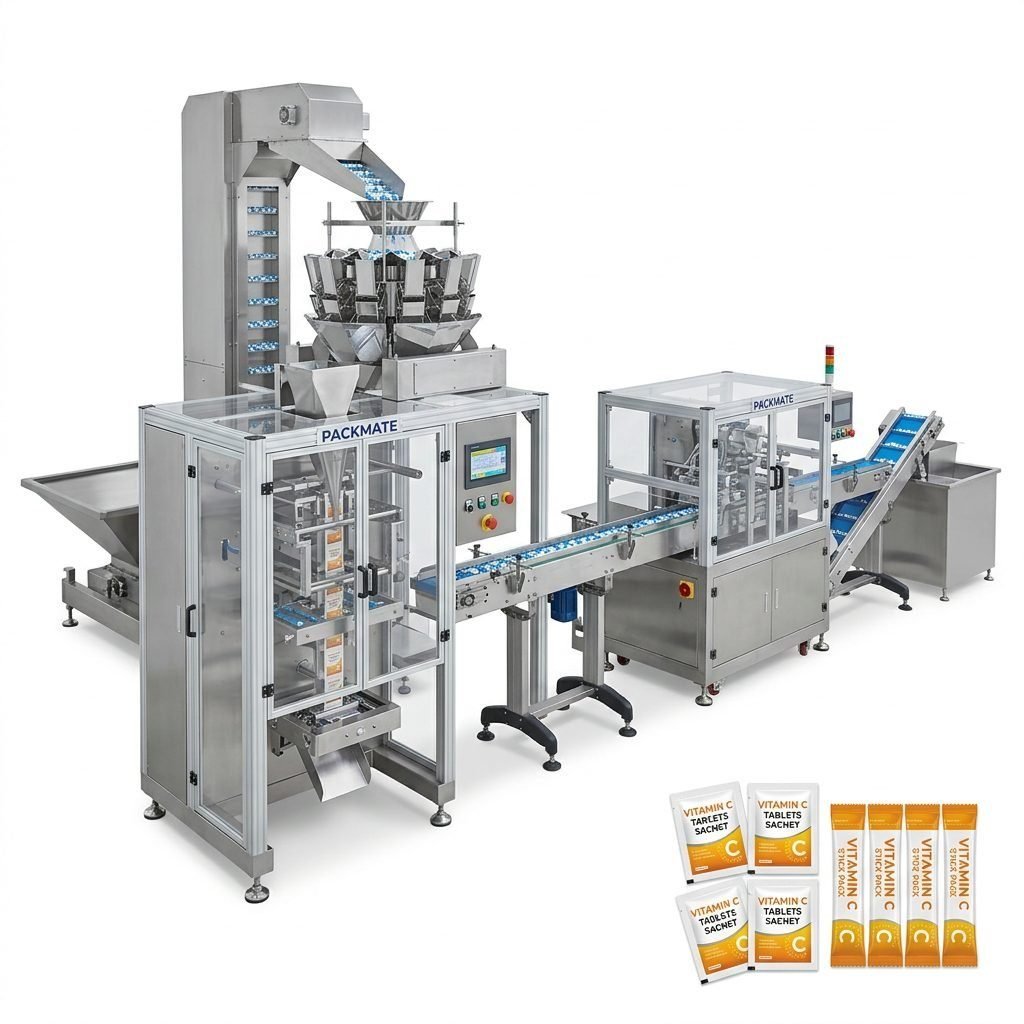
Stick Pack and Sachet Machines: For single-serve portions, instant coffee, or sample sizes, multi-lane stick pack machines are incredibly efficient. They can produce dozens of small, sealed sticks per minute from a single film roll. This format is growing in popularity for on-the-go consumers. Discover high-speed solutions in the category of sachet & stick pack machines.
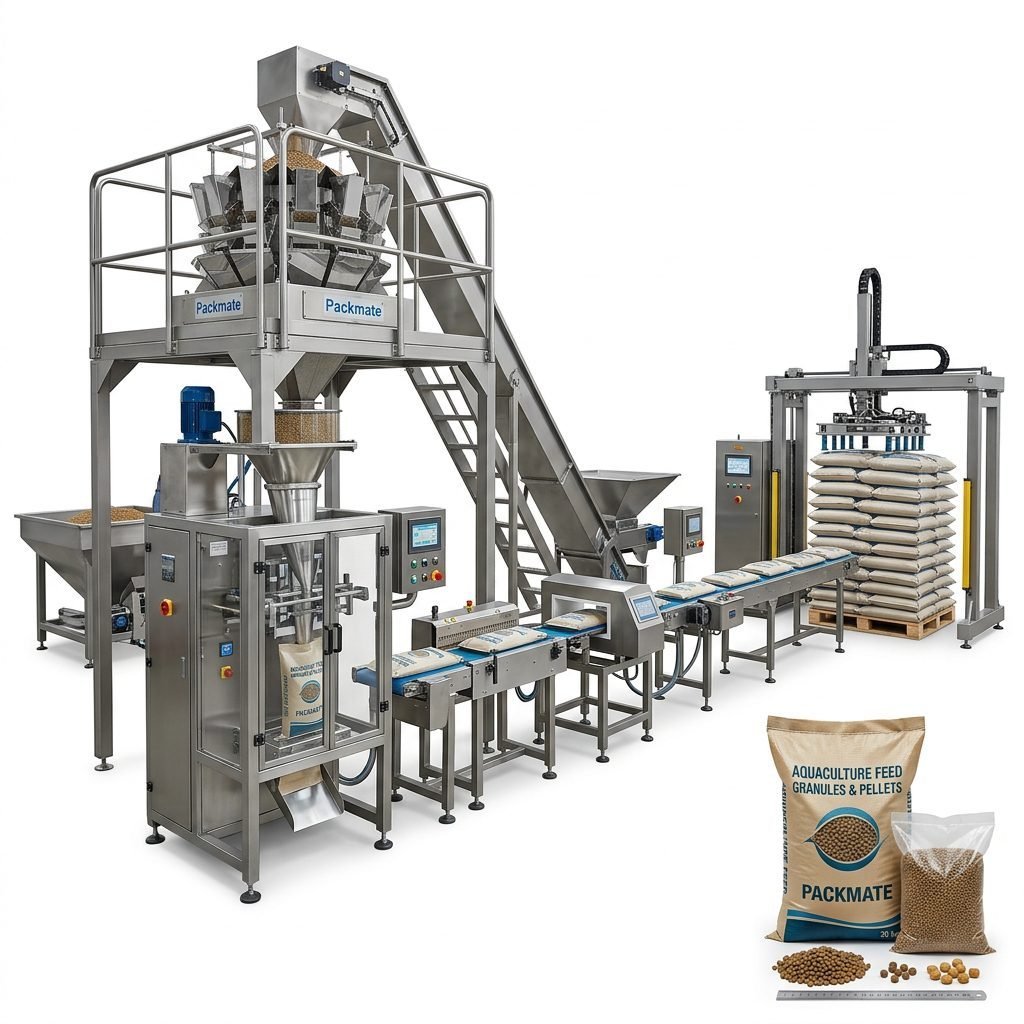
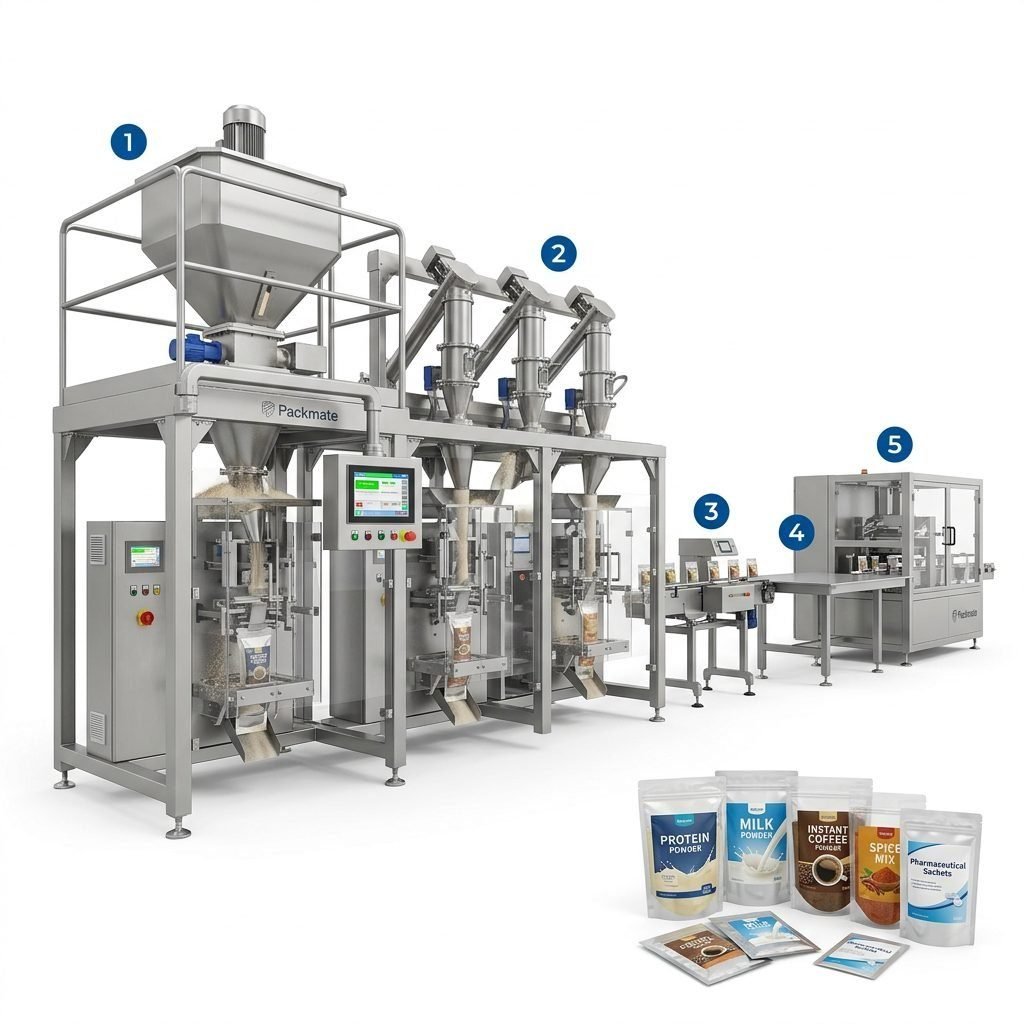
Complete Integrated Lines: For large-scale operations, efficiency is achieved by integrating multiple machines into a seamless line. This can include a bulk powder feeder, precision weigher, VFFS machine, metal detector, checkweigher, and case packer—all synchronized for hands-off operation from bulk ingredient to shippable carton.
How Advanced Technology Drives Production Efficiency
Modern coffee powder packaging is a high-tech endeavor. The integration of Programmable Logic Controllers (PLCs) and touch-screen Human-Machine Interfaces (HMIs) allows for precise control over every parameter: fill weight, seal temperature, gas flush volume, and machine speed. Predictive maintenance alerts and production data logging help prevent unplanned downtime and provide valuable insights for optimizing Overall Equipment Effectiveness (OEE).
Furthermore, vision inspection systems can be added to automatically reject packages with seal defects, incorrect labeling, or fill-level issues, ensuring only perfect products are shipped. This level of automation reduces labor costs for manual inspection and drastically improves quality control.
The Packmate Advantage in Packaging Innovation
With over 30 years of expertise in designing intelligent packaging solutions, Packmate Machinery embodies the pursuit of efficiency. From its beginnings in a small workshop to its current 20,000㎡ modern facility, the company’s mission has been to transform ideas into reliable, innovative packaging systems. For coffee producers, this translates to machines built with a deep understanding of powder characteristics, engineered for reliability in high-volume environments, and backed by a global service network. Their range of filling & packaging lines offers scalable solutions, whether you are a specialty roaster or a large-scale commercial producer.
Selecting Your Machine: A Practical Checklist
Before investing, work through this checklist to align the machine with your needs:
✅ Required Output Speed: Calculate your needed PPM based on demand forecasts.
✅ Package Type and Size Range: Define your primary bag style and the minimum/maximum dimensions you need to produce.
✅ Product Characteristics: Provide detailed specs of your coffee powder (bulk density, flowability, oil content) to the machine supplier.
✅ Future-Proofing: Consider potential future products (different grinds, blends) and ensure the machine can accommodate them.
✅ Supplier Support: Evaluate the manufacturer’s reputation for after-sales service, spare parts availability, and technical support. A reliable partner is as crucial as the machine itself.
Conclusion: Investing in Efficiency is Investing in Your Brand
Choosing the best coffee powder packaging machine is a strategic decision that impacts nearly every aspect of your business—from product quality and operational cost to brand perception and scalability. By prioritizing precision, speed, flexibility, and reliability, you invest in a foundation for efficient production that can grow with your brand. Partnering with an experienced manufacturer who understands the unique challenges of packaging hygroscopic and aromatic powders like coffee is the final, critical step in securing a competitive advantage in the bustling global coffee market.
Frequently Asked Questions (FAQs)
What is the most important feature to look for in a coffee powder packaging machine?
The most critical feature is a highly precise and consistent filling system (like a multi-head weigher or servo-driven auger filler). Coffee is sold by weight, and accuracy is legally mandated. Inaccuracy leads to product give-away, costing profit, or under-filling, which damages brand trust.
Can one machine handle different types of coffee packaging, like bags and stick packs?
Typically, no. Vertical Form-Fill-Seal (VFFS) machines are optimized for making bags from a roll of film, while stick pack machines are specialized for creating small, multi-lane stick formats. Some manufacturers offer modular designs, but significant format changes usually require different primary packaging units. It’s best to choose a machine dedicated to your primary package type.
How does nitrogen flushing work, and is it necessary for all coffee?
Nitrogen flushing injects inert nitrogen gas into the bag just before the final seal, displacing oxygen. This significantly slows oxidation and staling. It is highly recommended for premium whole bean coffee and ground coffee, especially for products with a longer targeted shelf life or those sold in transparent packaging. For very fast-turnover products, it may be less critical.
What maintenance is required for these machines?
Daily maintenance includes cleaning product contact parts to prevent oil and fine powder buildup, checking seal jaw surfaces for debris, and verifying film alignment. Regular maintenance (weekly/monthly) involves lubricating moving parts, inspecting wear components like cutting blades and seals, and calibrating the weighing system. A good supplier will provide a detailed maintenance schedule.
Where can I see these machines in operation or get a test with my product?
Reputable manufacturers like Packmate Machinery often have demonstration facilities at their factories or participate in global industry exhibitions. The best way to evaluate a machine is to request a live product test using your specific coffee powder. This allows you to see speed, accuracy, and performance firsthand before making a purchase decision. You can inquire about this through their contact page.