In the highly regulated and precision-driven world of pharmaceuticals, the final step of packaging is as critical as the formulation itself. Dispensing pharmacy packaging machines are the unsung heroes of this process, ensuring that medications are delivered to patients in a manner that is safe, accurate, compliant, and efficient. This article delves into the top dispensing pharmacy packaging machines available today and provides key market insights that are shaping the future of pharmaceutical packaging.
The Critical Role of Packaging in Pharmacy Dispensing
Pharmacy packaging is far more than just placing pills in a bottle. It is a multifaceted operation that involves dosing accuracy, contamination prevention, patient adherence support, and regulatory compliance. A robust dispensing packaging system must handle a variety of forms—tablets, capsules, liquids, powders, and sterile products—while maintaining integrity from the production line to the patient’s hands. The rise of personalized medicine and unit-dose packaging further underscores the need for flexible and intelligent packaging solutions.
Market Insight: The global pharmaceutical packaging market is experiencing significant growth, driven by an aging population, increased healthcare spending, and stringent regulatory standards. Automation in packaging is no longer a luxury but a necessity to meet the demand for speed, traceability, and error reduction.
Top Types of Dispensing Pharmacy Packaging Machines
The landscape of pharmacy packaging machinery is diverse, with each type serving a specific purpose in the workflow. Here are some of the most prominent machines defining the industry.
1. Automated Tablet Counters and Fillers
These are the workhorses for solid oral dosage forms. Modern systems go beyond simple counting; they utilize advanced vision systems to inspect for defects, verify count accuracy, and even sort different tablet types. High-speed models can handle thousands of prescriptions per hour, making them indispensable for central fill pharmacies and large hospital settings.
2. Liquid and Powder Filling Machines
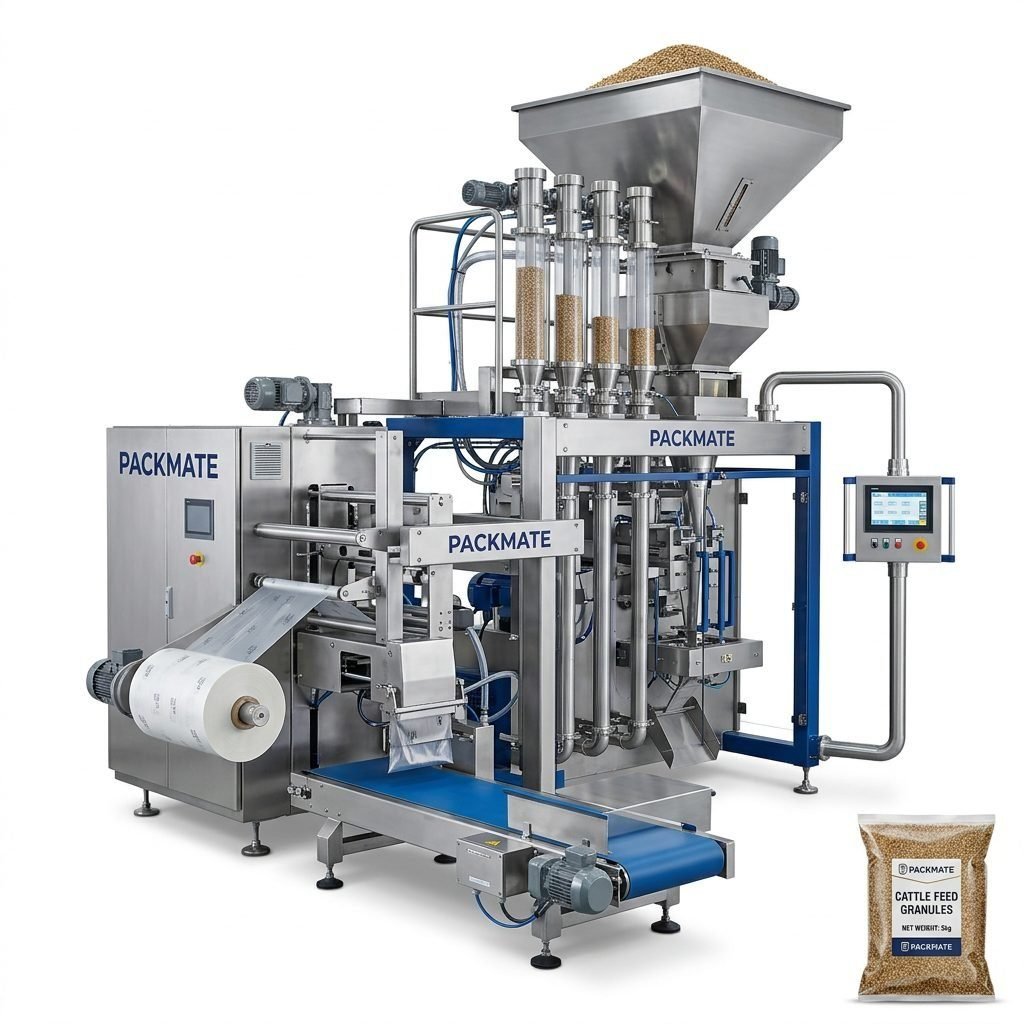
For syrups, suspensions, and powdered medications, precision filling is paramount. Volumetric and peristaltic pump fillers ensure exact milliliter measurements, while auger fillers provide accuracy for powders. These machines often integrate seamlessly with capping and sealing stations to form a complete, sterile packaging line for non-solid formulations.
3. Blister Packaging Machines
Blister packs are crucial for unit-dose packaging, improving patient compliance and product protection. Automated blister lines form the plastic cavities, precisely place the tablets or capsules, apply the lidding foil (often with patient information printed directly on it), and perforate the blisters into strips or cards. This format is especially popular for over-the-counter drugs and clinical trial kits.
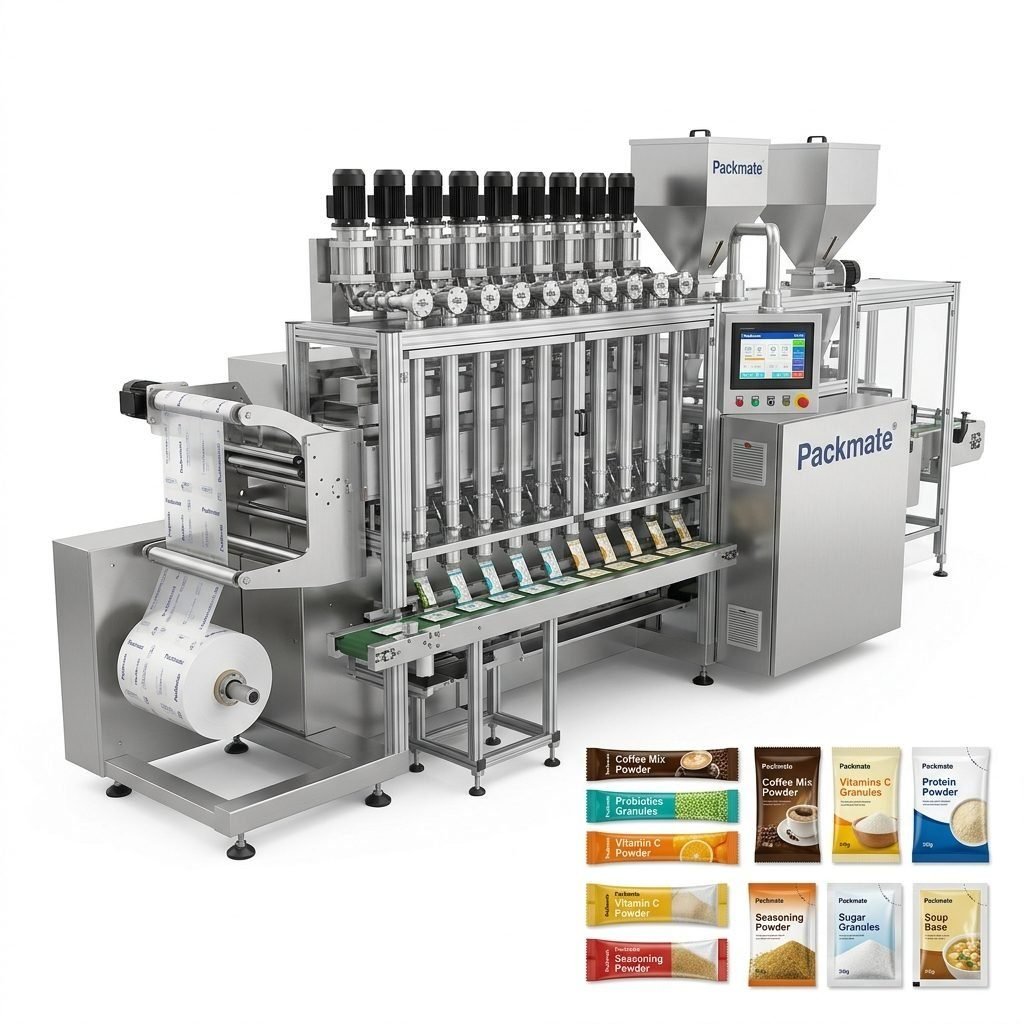
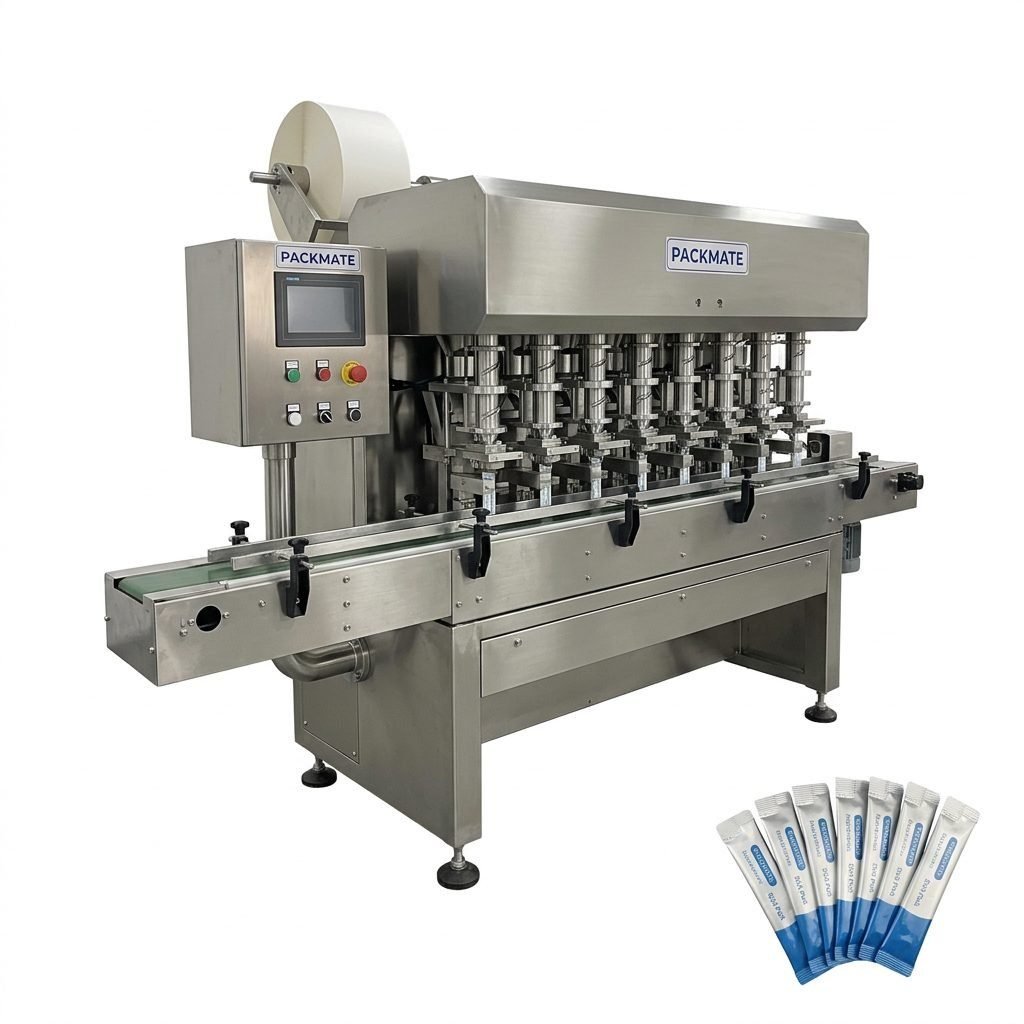
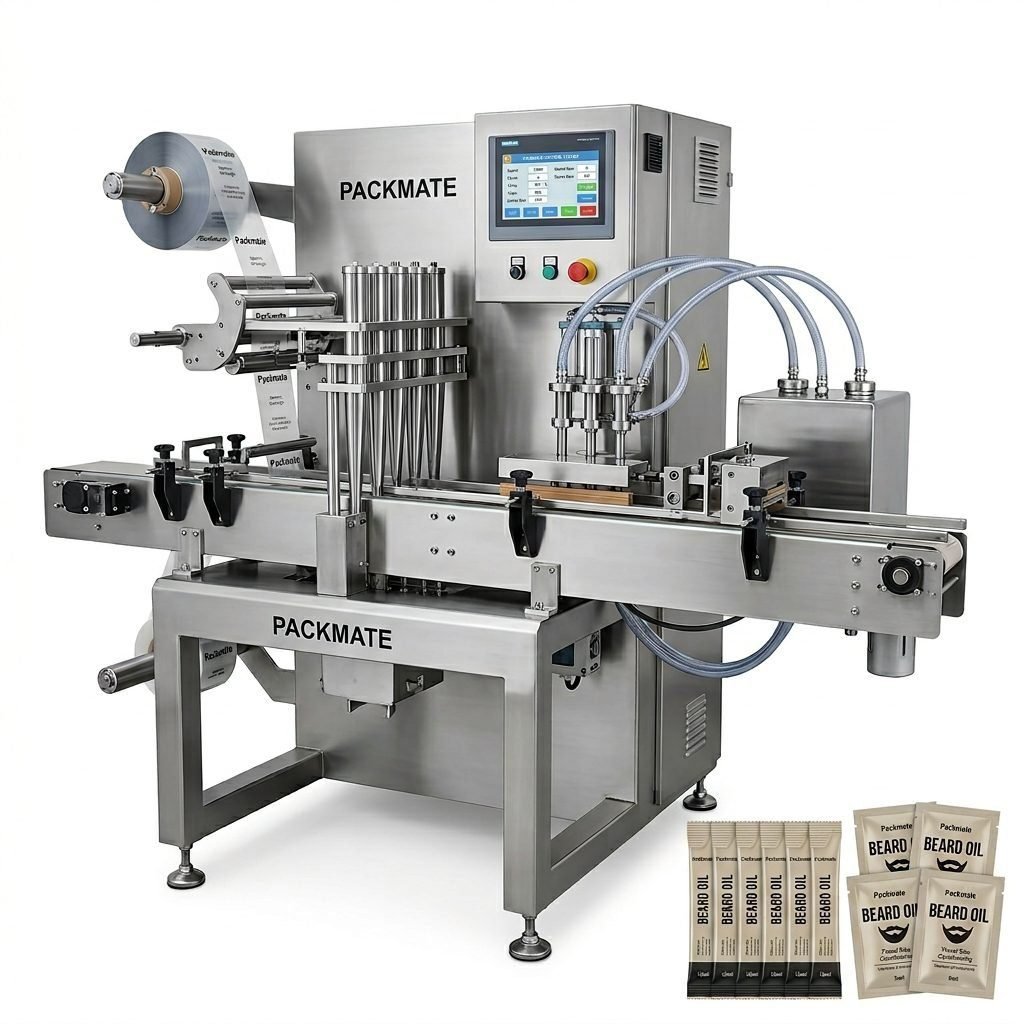
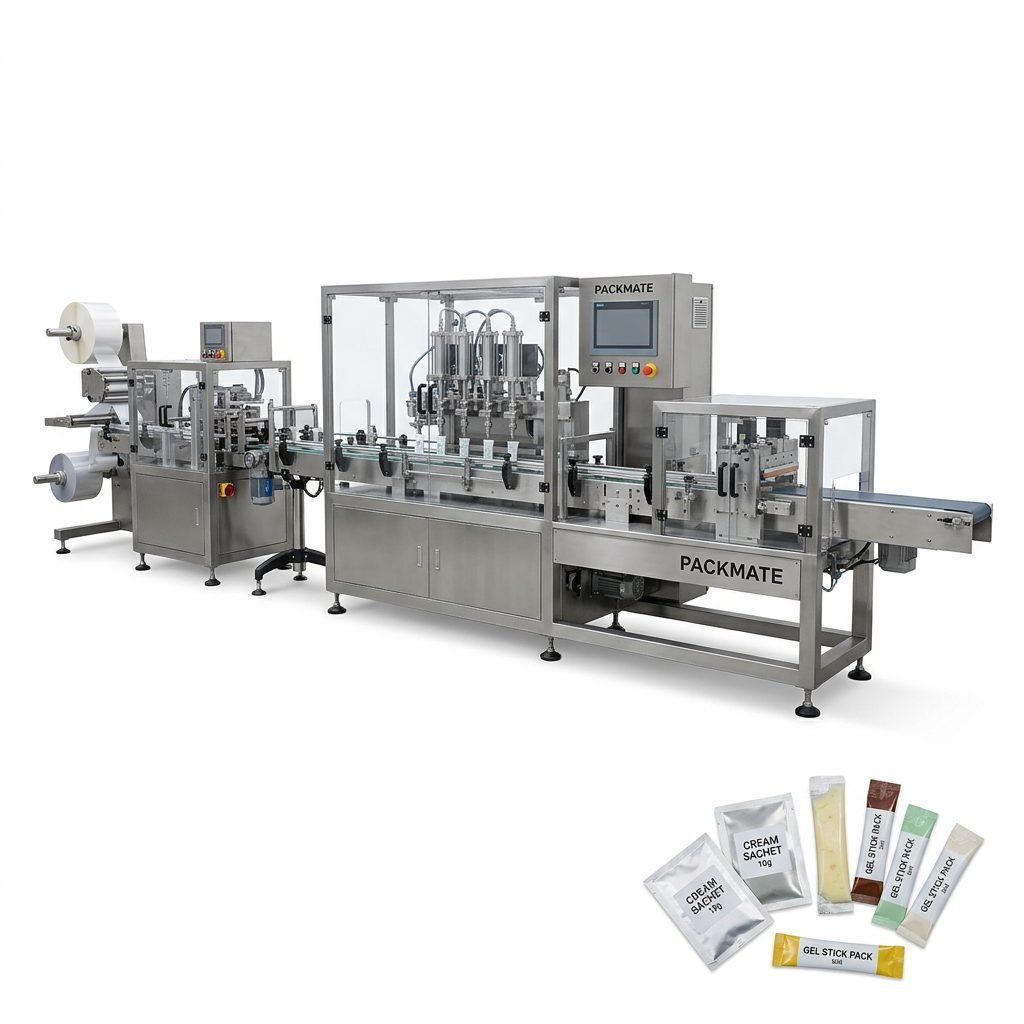
4. Pouch and Sachet Packaging Machines
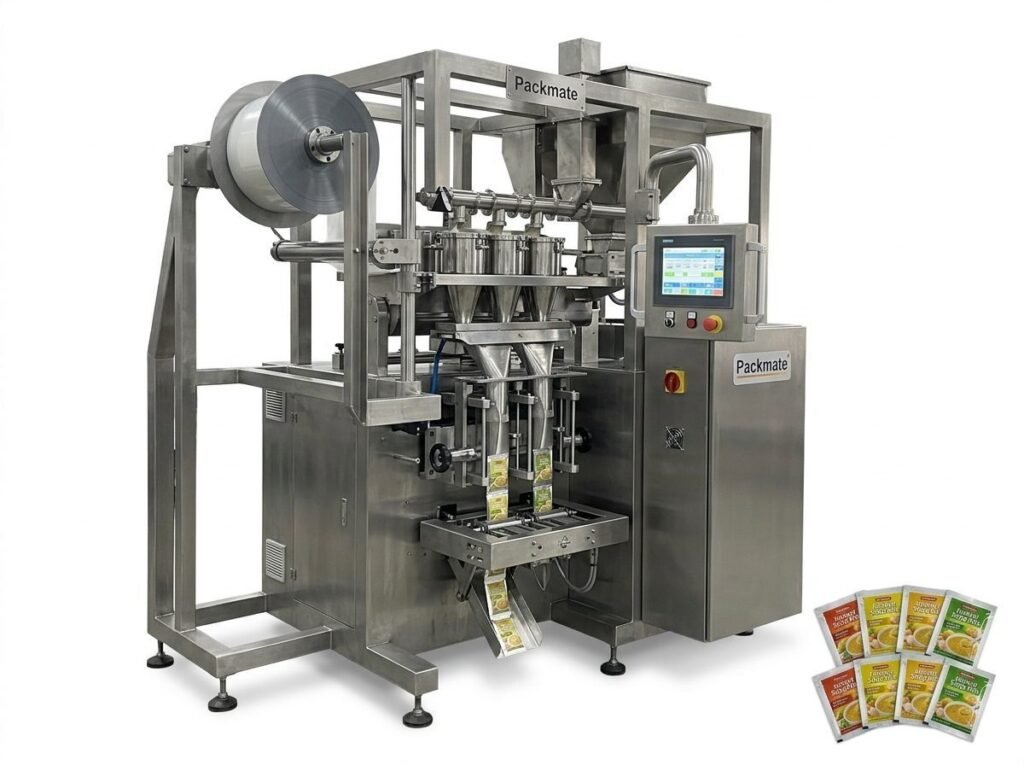
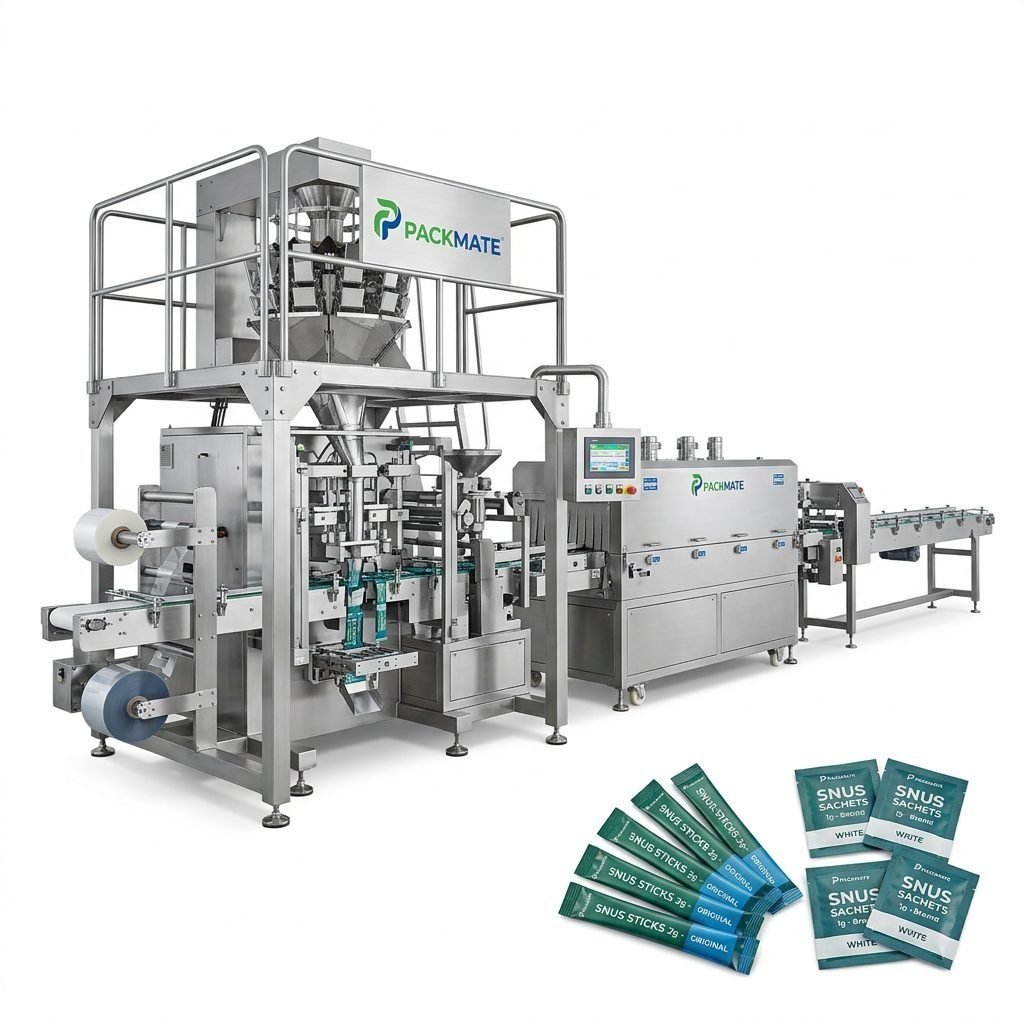
Ideal for single-dose powders, granules, or liquids, these machines create sealed pouches from roll stock film. They are highly versatile and can be used for a range of products from oral rehydration salts to topical ointment samples. The flexibility in pouch size and material makes them a key asset. For a closer look at advanced sachet solutions, explore our range of Sachet & Stick Pack Machines.
Key Considerations When Selecting a Machine
Choosing the right equipment involves more than just output speed. Pharmacies and manufacturers must evaluate:
- Regulatory Compliance: Does the machine support processes that meet FDA, EMA, or other relevant GMP standards?
- Flexibility & Changeover: How quickly can it switch between different product sizes or formats? Downtime is lost revenue.
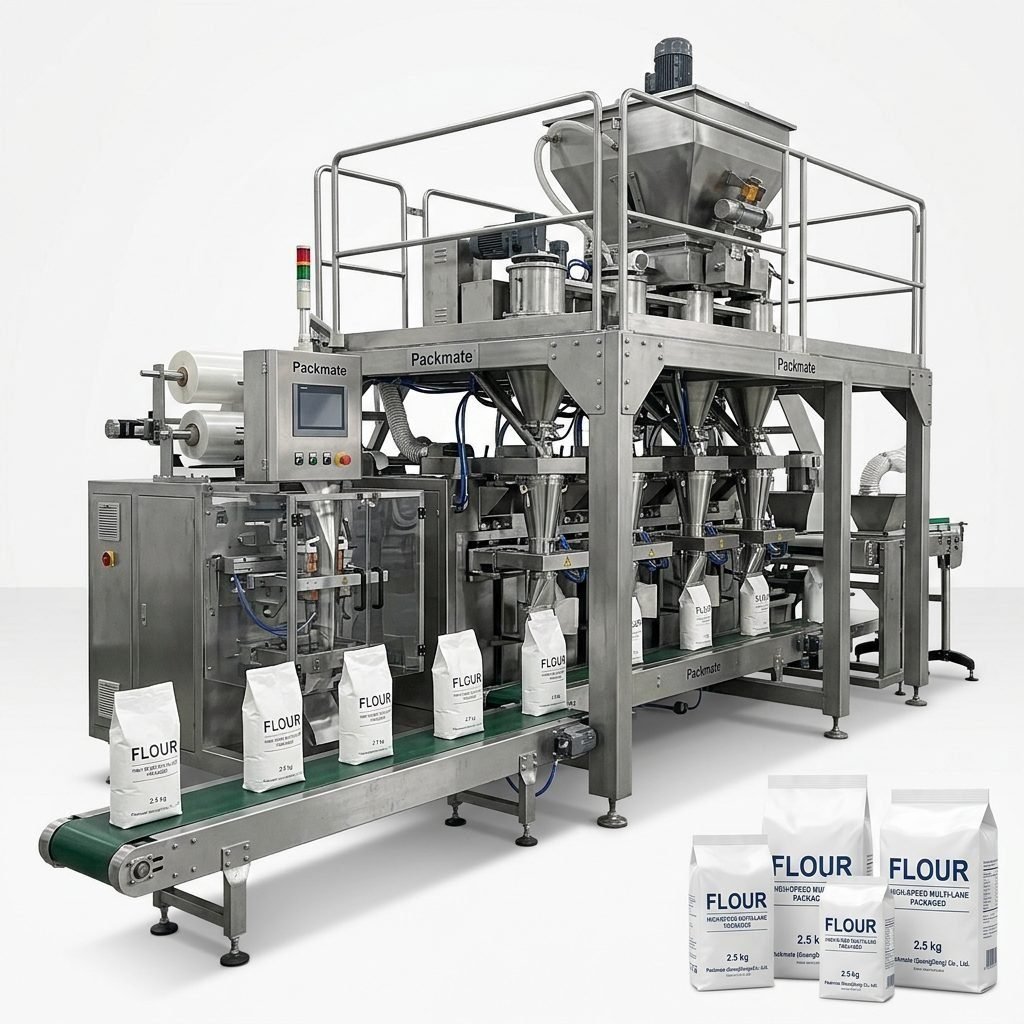
- Integration Capability: Can it connect with existing Weighing & Packaging Systems or pharmacy management software for track-and-trace?
- Total Cost of Ownership: Consider maintenance, part availability, and energy consumption, not just the purchase price.
Market Insights and Future Trends
The dispensing pharmacy packaging sector is being transformed by several powerful trends. The integration of IoT (Internet of Things) and Industry 4.0 principles allows for real-time monitoring of machine performance, predictive maintenance, and seamless data collection for regulatory reporting. Sustainability is another major driver, with a push towards using recyclable or biodegradable packaging materials without compromising barrier properties.
Furthermore, the growth of home healthcare and mail-order pharmacies demands packaging that is robust enough for shipping yet easy for elderly or infirm patients to open. This creates opportunities for innovative, patient-centric packaging designs supported by adaptable machinery. To see how complete system integration works in practice, review some of our successful project cases.
The Packmate Advantage in Pharmaceutical Packaging
With over 30 years of expertise in intelligent packaging solutions, Packmate Machinery brings a wealth of knowledge to the pharmaceutical sector. Our journey, from a small workshop to a company with a 20,000㎡ modern manufacturing facility, has been built on a foundation of innovation and precision engineering. We understand that pharmaceutical packaging requires an uncompromising commitment to accuracy and hygiene.
Our portfolio includes machines suitable for various pharmacy dispensing needs, from precise sachet packaging for powder supplements to robust systems for larger formats. Every machine is backed by a dedicated service and support team, ensuring reliability and uptime for our clients worldwide. Discover our full commitment to quality and innovation on our Home page.
Frequently Asked Questions (FAQs)
1. What is the primary benefit of automating pharmacy dispensing packaging?
The primary benefits are dramatically increased accuracy and reduced medication errors, enhanced speed to handle high prescription volumes, improved compliance with track-and-trace regulations, and overall lower long-term operational costs compared to manual processes.
2. How do I ensure a packaging machine is compliant with pharmaceutical regulations?
Look for machines constructed with hygienic, easy-to-clean materials (like stainless steel), designed with documentation and validation support in mind. The manufacturer should have experience in the pharma sector and provide evidence of compliance with relevant standards (e.g., GMP, FDA 21 CFR Part 11 for data integrity).
3. Can one machine handle both tablets and capsules?
Many modern counting and filling machines are designed with adjustable change parts and sensitive handling mechanisms to accommodate both tablets and capsules of various sizes. It’s crucial to verify the machine’s specification range with your specific product dimensions.
4. What is the trend in packaging materials for pharmacies?
The trend is strongly moving towards sustainable materials that maintain product protection. This includes mono-material plastics for better recyclability and the exploration of bio-based polymers. Patient safety and material barrier properties remain the top priority.
5. How important is after-sales service for packaging equipment?
Extremely important. Pharmaceutical production cannot afford extended downtime. Reliable after-sales service, including readily available spare parts, remote technical support, and on-site engineer access, is critical for maintaining continuous, compliant operations and protecting your investment.