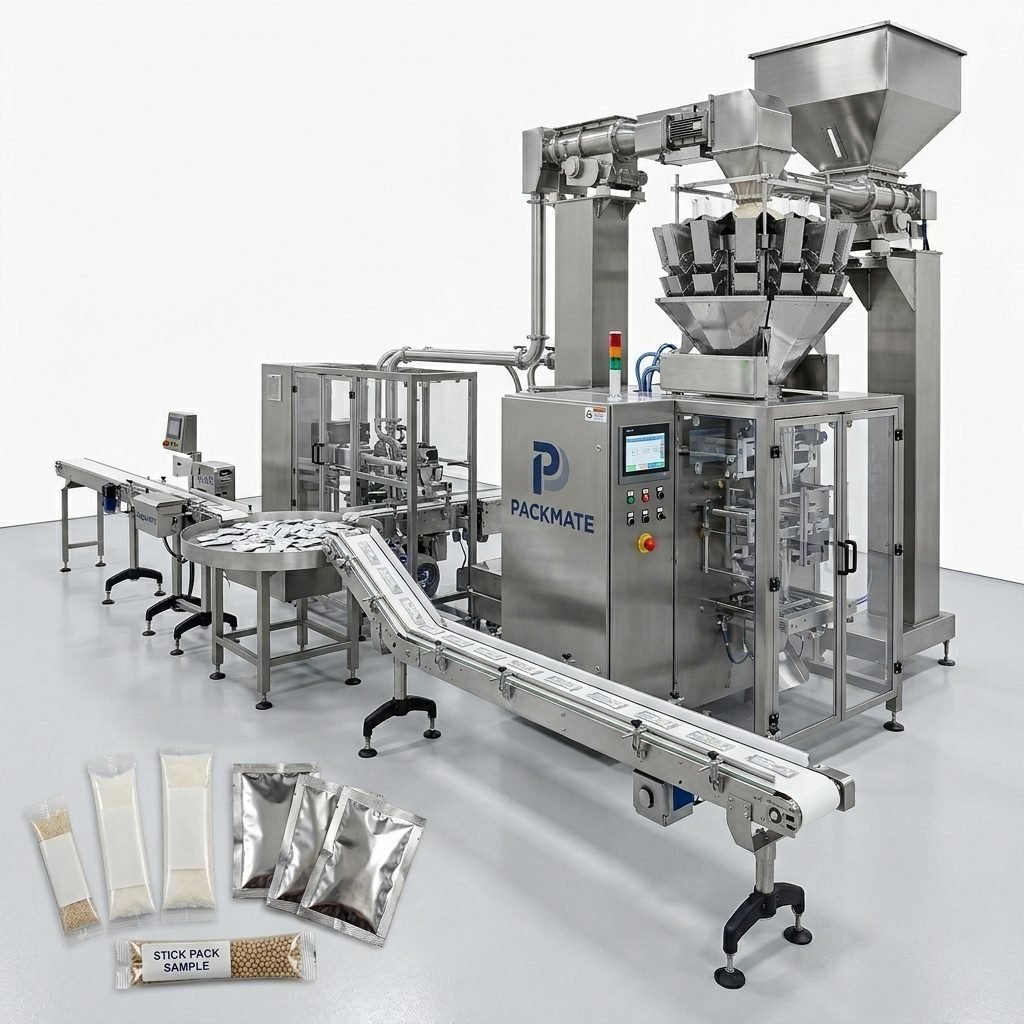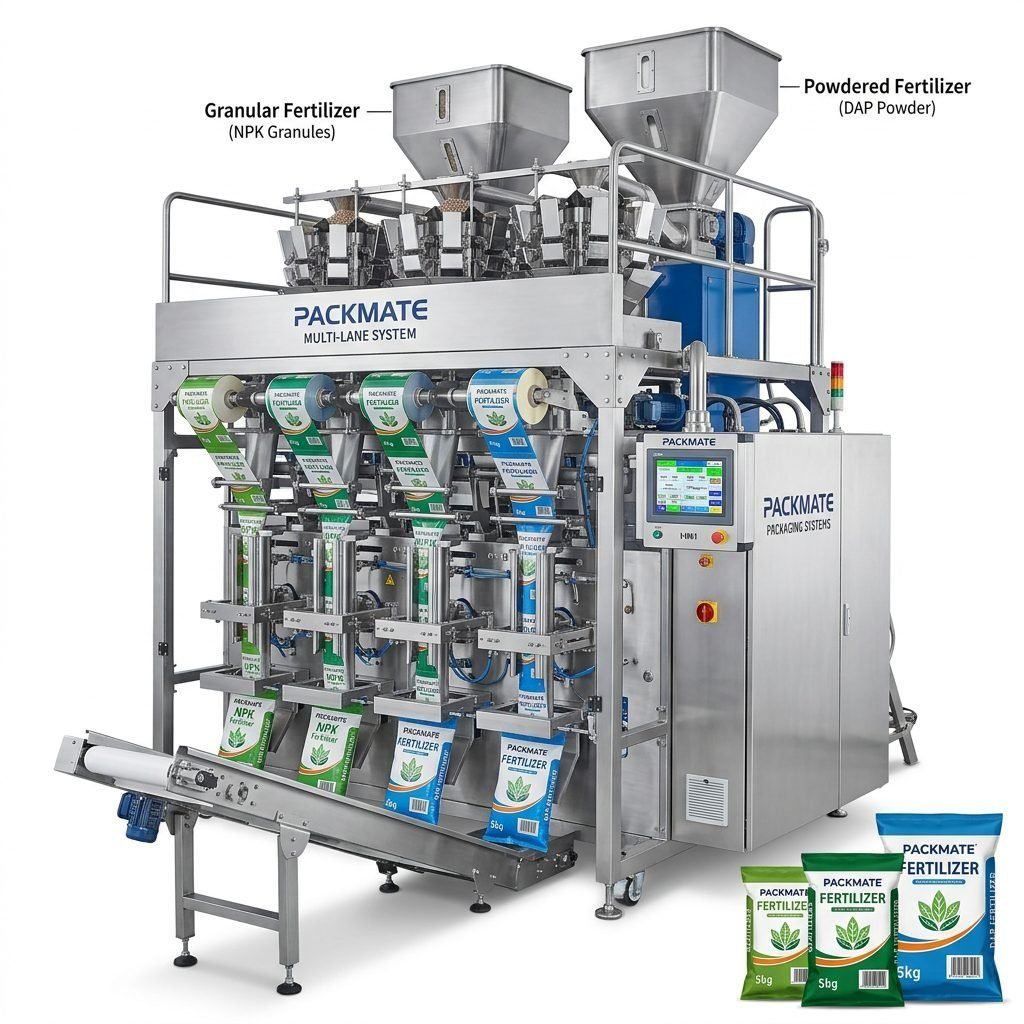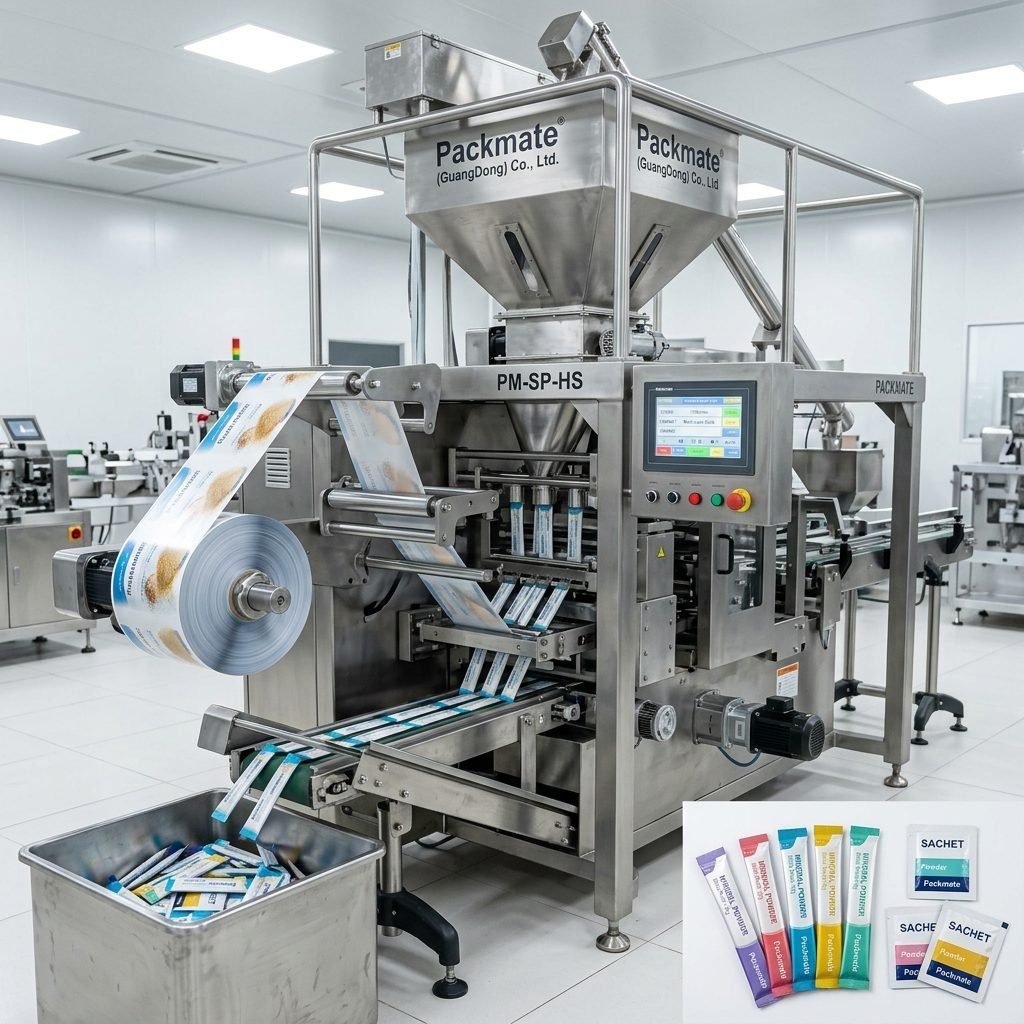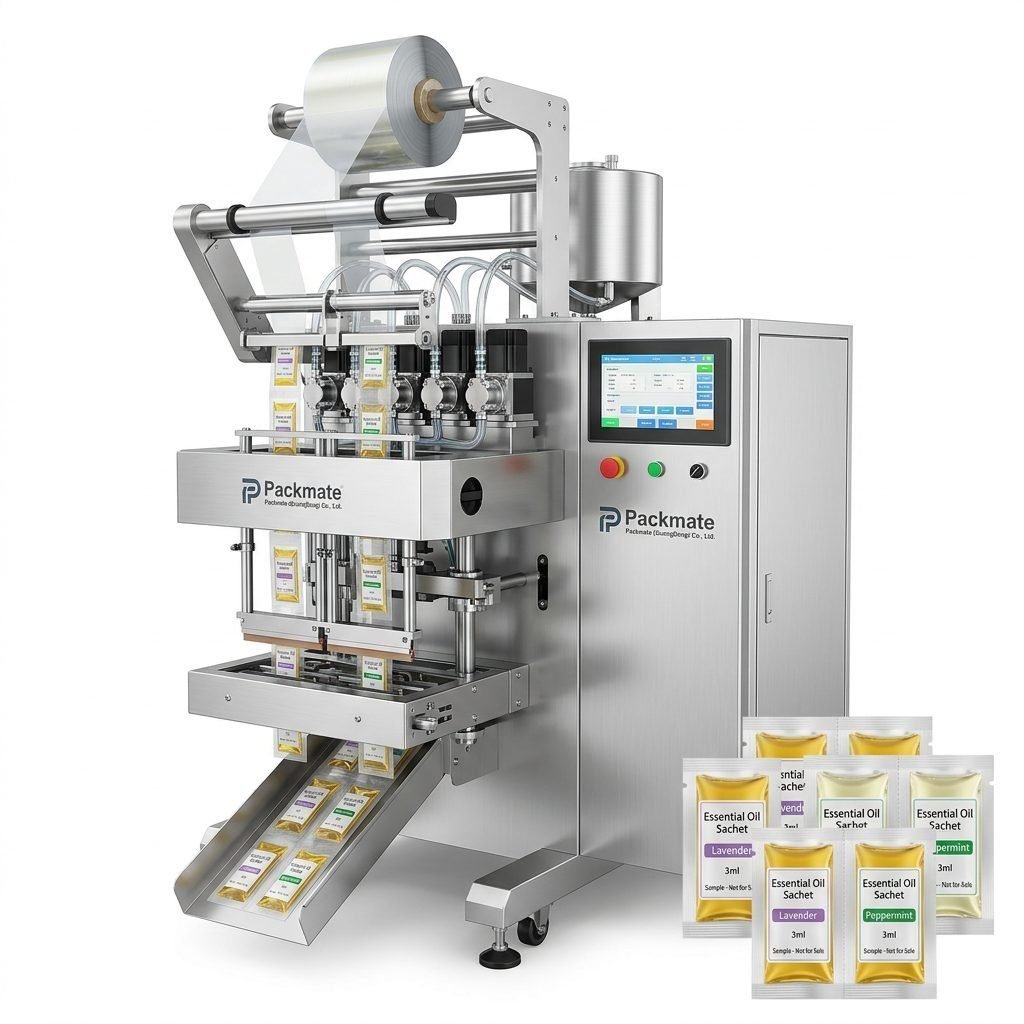
In the fast-paced world of food manufacturing, efficiency is not just a goal—it’s a necessity. For producers of powdered goods, from spices and protein supplements to instant beverages and baking mixes, the packaging stage is a critical bottleneck that can make or break production timelines and profitability. Selecting the right food powder packaging machine is therefore a pivotal decision that impacts everything from operational speed and product integrity to overall cost-effectiveness.
Why Specialized Powder Packaging Machines Matter
Powders present unique challenges that general-purpose packaging equipment often struggles to handle. Issues like dust generation, inconsistent flow, and precise weight measurement require specialized solutions. Top-tier food powder packaging machines are engineered to address these specific pain points, ensuring a clean, accurate, and high-speed packaging process that protects both the product and the production environment.
Key Features of High-Efficiency Powder Packers
When evaluating machines, several core features distinguish efficient models from basic ones. Look for advanced auger filling systems that offer exceptional accuracy, often with multi-head configurations for simultaneous packaging. Integrated dust extraction and containment systems are non-negotiable for maintaining hygiene and preventing cross-contamination. Modern machines also feature sophisticated programmable logic controllers (PLCs) and touch-screen interfaces, allowing for quick changeovers between different product types and package sizes, which is vital for flexible production runs.
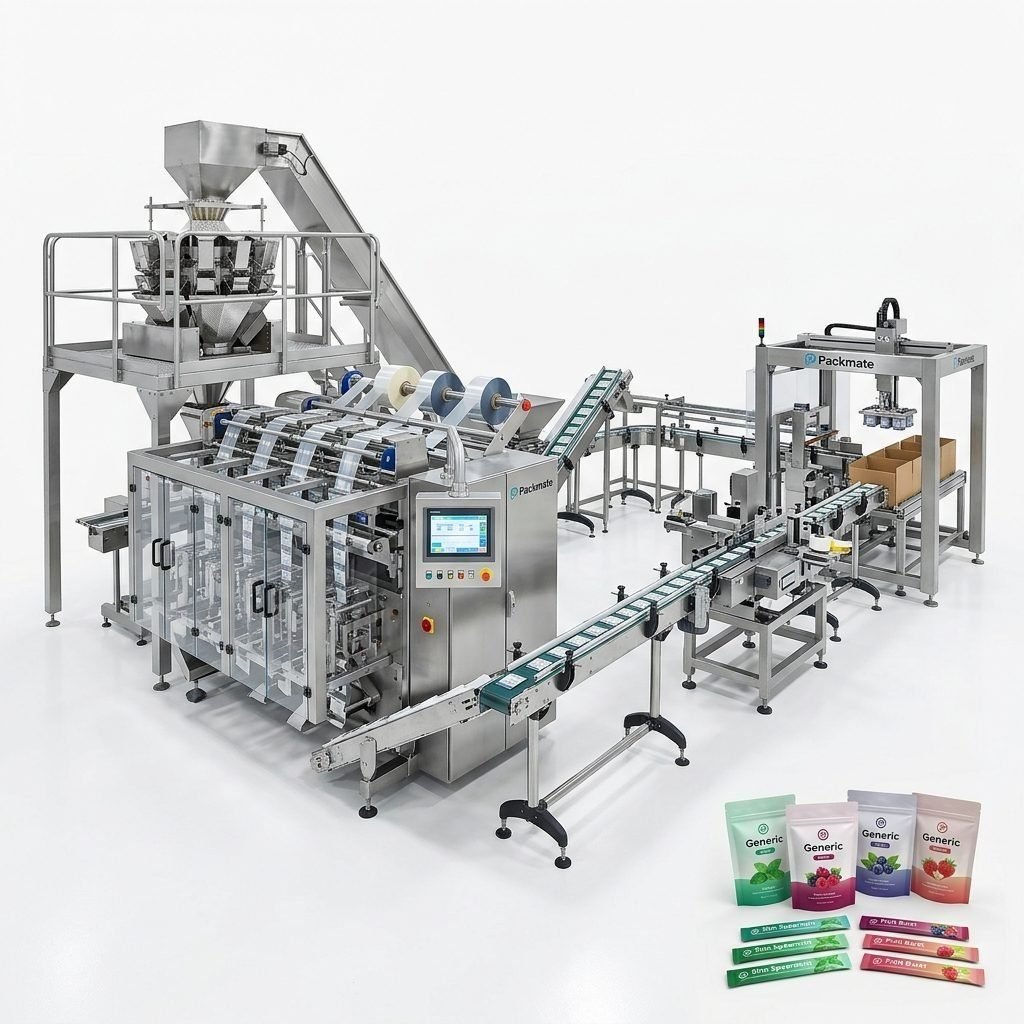
Another critical aspect is the machine’s material handling capability. High-quality machines can handle a wide range of film types, including multi-layered laminates that provide superior barrier properties against moisture and oxygen, extending the shelf life of sensitive food powders. For businesses looking to scale, exploring integrated Filling & Packaging Lines can provide a seamless, automated workflow from filling to sealing and cartoning.
Types of Machines for Different Production Scales
The ideal machine varies significantly based on production volume and packaging format.
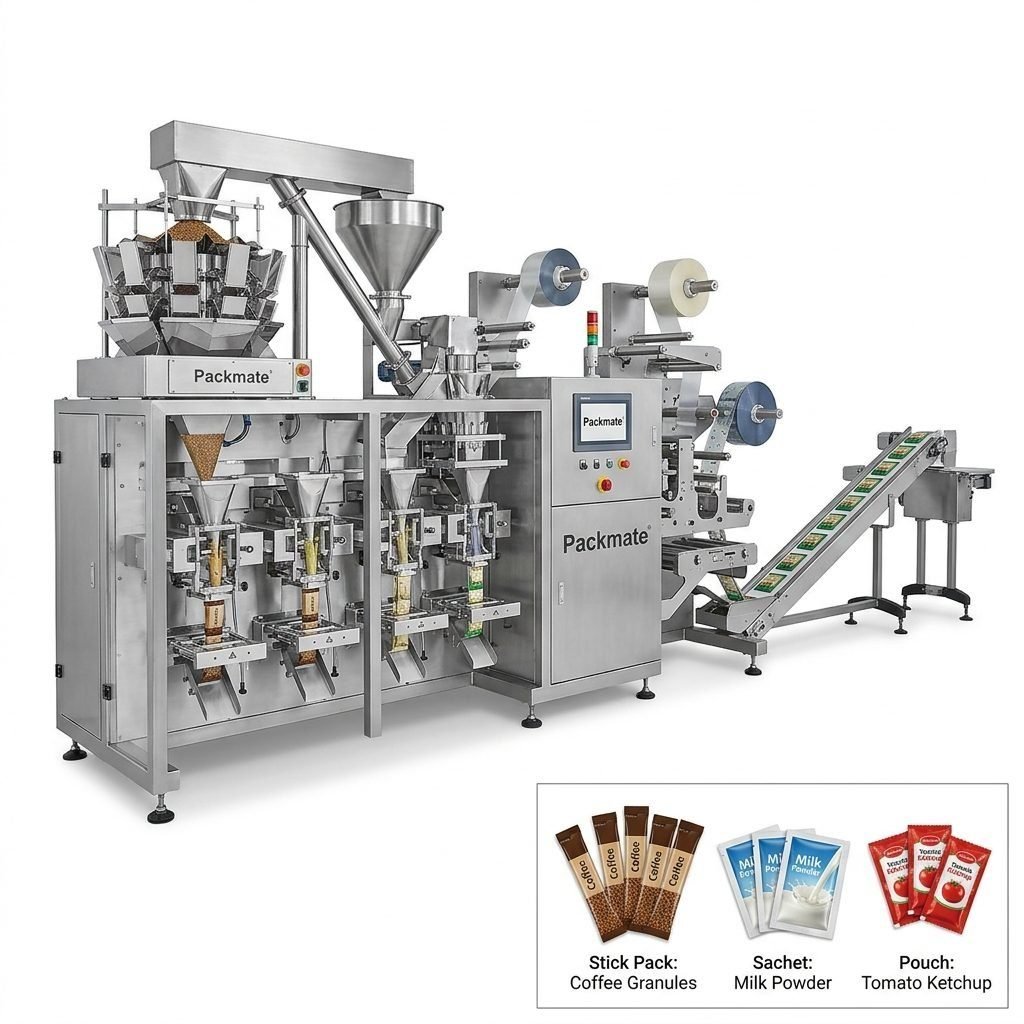
Vertical Form-Fill-Seal (VFFS) Machines: These are the workhorses of the industry for producing pillow bags or gusseted bags. They are highly versatile and suitable for medium to high-volume production. A good VFFS system for powders will have a robust auger filler, a vibration system to settle the powder, and excellent sealing jaws to prevent leaks.
Pre-Made Pouch Machines: For premium products or specific retail requirements, machines that handle pre-made stand-up pouches or zipper bags offer a high-quality finish. These are often used in conjunction with sophisticated Weighing & Packaging Systems to ensure each pouch contains the exact weight.
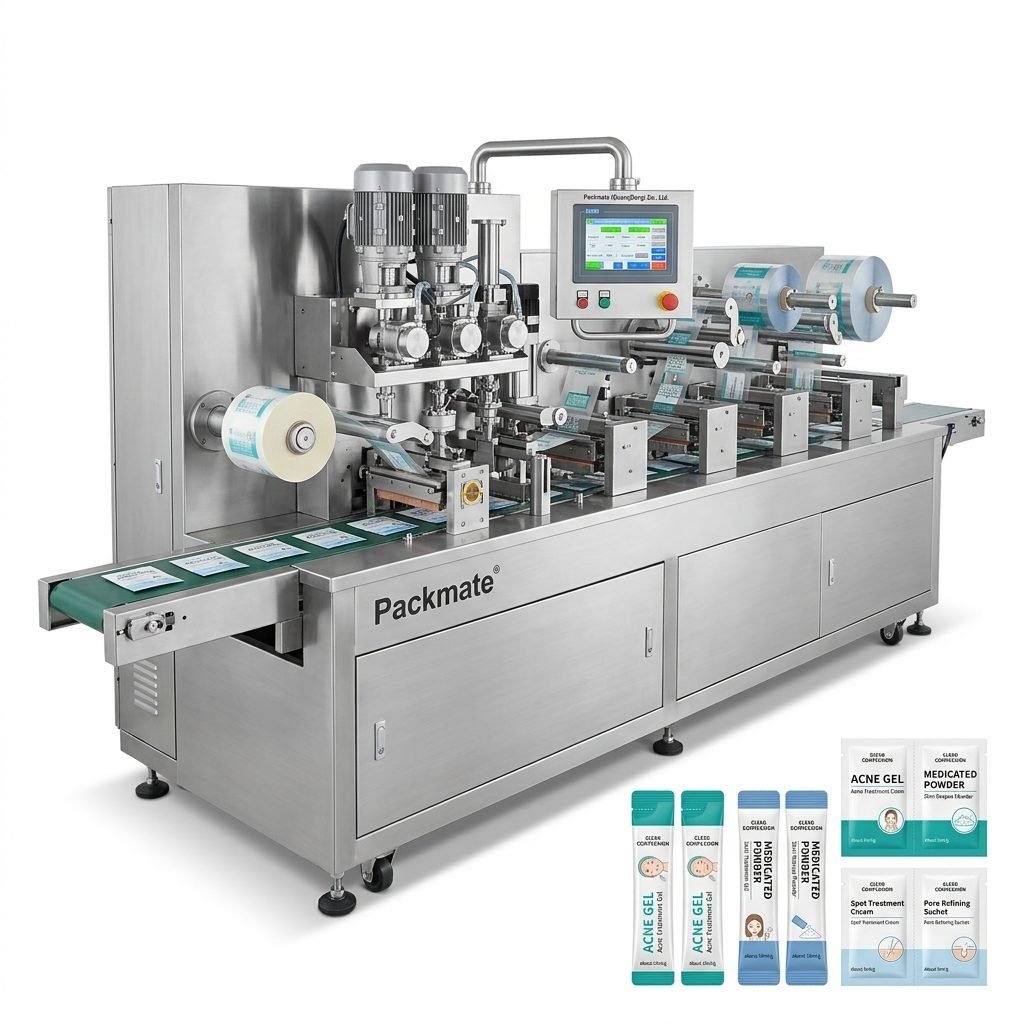
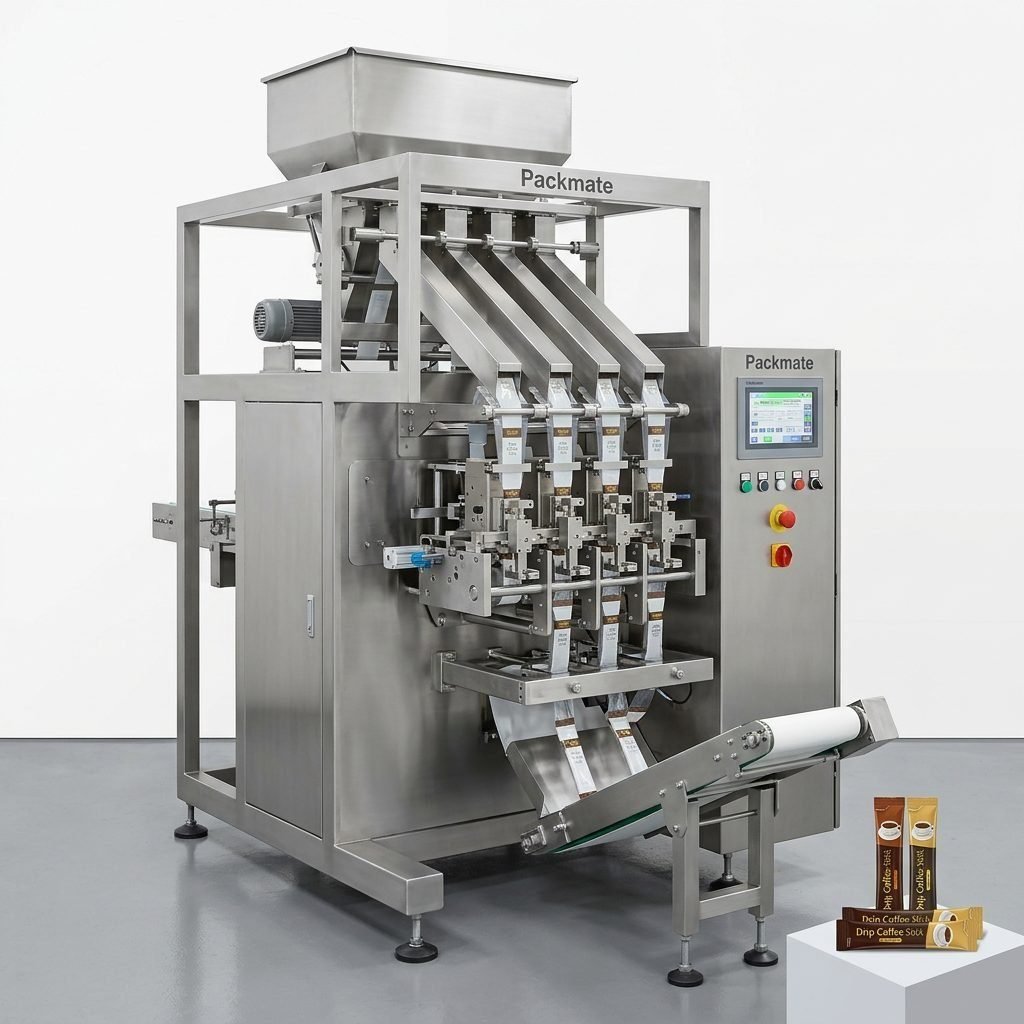
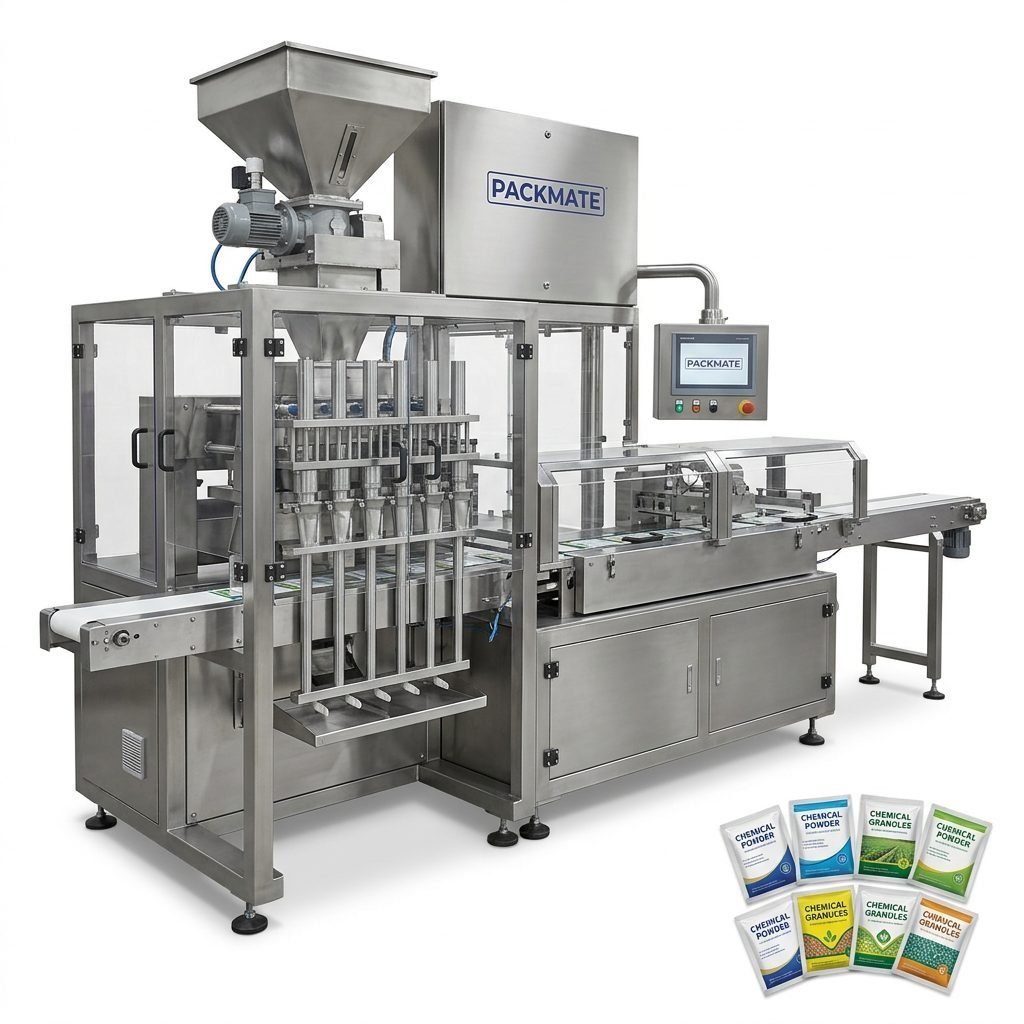
Stick Pack and Sachet Machines: For single-serve portions of coffee, creamer, or supplements, multi-lane stick pack machines offer unparalleled speed and efficiency. They can produce thousands of small, sealed packets per minute, making them ideal for high-volume commodity powders. Companies like Packmate Machinery specialize in such high-speed solutions, which you can learn more about on their Sachet & Stick Pack Machines page.
Maximizing Uptime and Reliability
Efficient production isn’t just about raw speed; it’s about consistent, reliable output with minimal downtime. The best machines are built with durability in mind, using food-grade stainless steel in critical contact areas and components from reputable international suppliers. Easy access for cleaning and maintenance is a design feature that pays dividends in daily operation. Furthermore, choosing a manufacturer with a strong track record and comprehensive support, such as Packmate with its dedicated service division, ensures you have expert help available for installation, training, and ongoing maintenance.
Integration and Future-Proofing Your Line
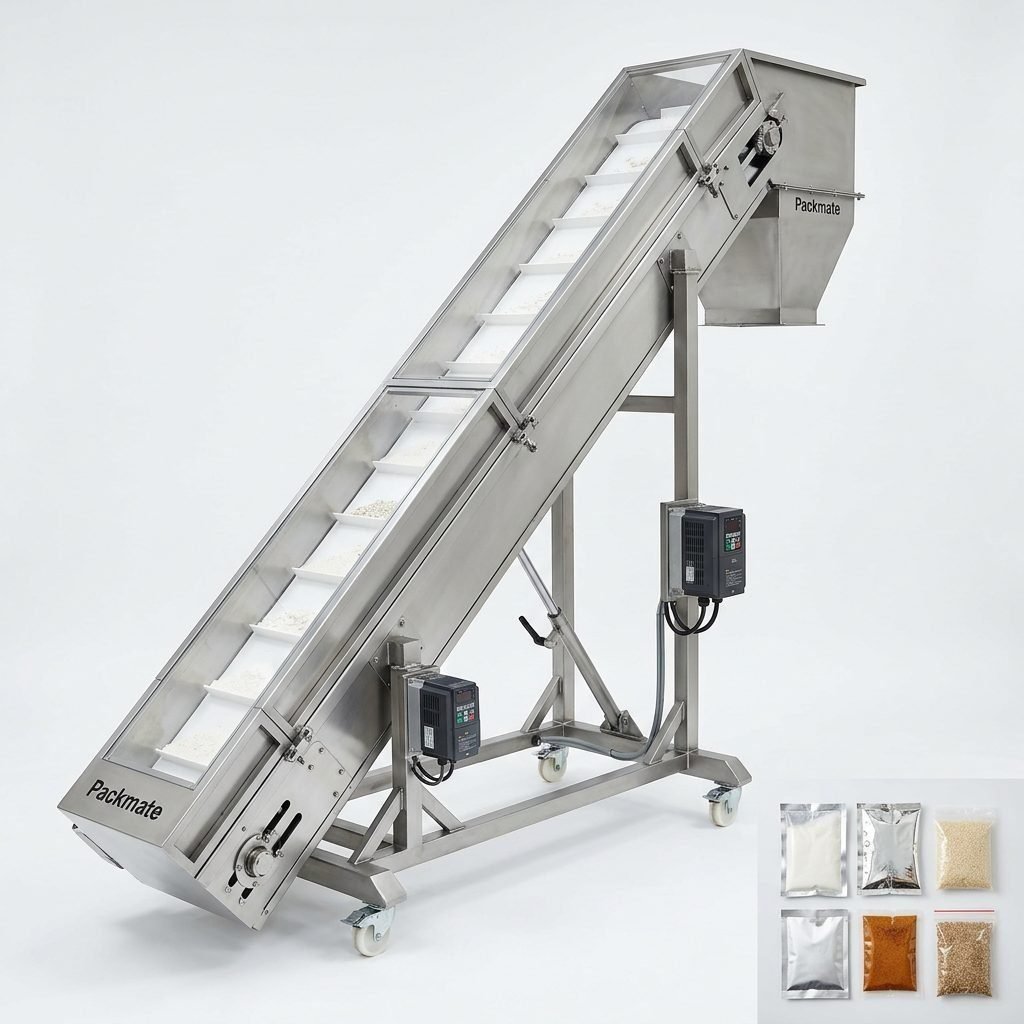
Today’s packaging machine is rarely an island. Its ability to integrate with upstream processes (like mixing and conveying) and downstream systems (like checkweighers, metal detectors, and case packers) is crucial. Look for machines with standard communication protocols (like Ethernet/IP or Modbus) that allow for easy data collection and line control. This integration is the cornerstone of a true turnkey packaging solution, which streamlines the entire production process.
Investing in a scalable system is wise. A machine that can be upgraded with additional filling heads or connected to a robotic palletizer as your business grows protects your initial investment and avoids the need for a complete line overhaul later.
Conclusion: Investing in Precision and Speed
Selecting from the top food powder packaging machines is a strategic investment that directly enhances production efficiency, reduces waste, and safeguards product quality. By prioritizing accuracy, hygiene, speed, and integration capabilities, manufacturers can build a packaging operation that is not only efficient today but also adaptable for the challenges and opportunities of tomorrow. The journey from a small workshop idea to a global provider like Packmate Machinery exemplifies how focused innovation in packaging technology can drive industry progress.
Frequently Asked Questions (FAQs)
What is the most accurate filling method for food powders?
Auger filling systems are generally considered the most accurate for dry, fine-to-granular powders. Their precision comes from the controlled rotation of the auger screw, which dispenses a consistent volume per revolution. High-end systems incorporate weight feedback technology for even greater accuracy, often achieving tolerances within ±0.5-1%.
How can I minimize powder dust during the packaging process?
Minimizing dust requires a multi-pronged approach. Choose a machine with a sealed filling head design and integrated dust extraction ports. Using film with good anti-static properties can also help. Furthermore, ensuring the powder itself has an appropriate particle size and moisture content (not too dry) will significantly reduce airborne dust.
Can one machine handle different types of food powders?
Yes, many modern machines are designed for quick changeover. The key is to ensure the machine has a tooling-free adjustment system for bag size and that the auger/filling system can be easily cleaned or swapped. However, for powders with vastly different flow characteristics (e.g., flour vs. granulated sugar), some recalibration or component change might be necessary for optimal performance.
What maintenance is required for a powder packaging machine?
Daily cleaning of product contact parts is essential to prevent cross-contamination and buildup. Regular lubrication of moving parts as per the manufacturer’s manual, inspection of sealing jaws for wear, and checking the tightness of mechanical fasteners are standard weekly or monthly tasks. A professional service check annually is recommended for complex systems.
How do I choose between a stick pack machine and a traditional bag machine?
The choice depends on your product and market. Stick pack machines are ideal for high-volume, single-serve portions (e.g., instant drink mixes). They offer extremely high output in a small footprint. Traditional bag machines (VFFS) offer more flexibility in bag size and style (e.g., gusseted bags, stand-up pouches) and are better suited for multi-serve retail packages. Consider your primary package format, required speed, and future product portfolio when deciding.