In the competitive world of food production, efficiency is paramount. For manufacturers of ketchup and similar condiments, the packaging stage is a critical point where speed, accuracy, and hygiene converge. Choosing the right ketchup packaging machine can dramatically impact your bottom line, product quality, and brand reputation. This guide explores the top machines and systems designed for efficient ketchup production, helping you make an informed investment for your operation.
The Core of Modern Ketchup Packaging
Modern ketchup packaging goes far beyond simply filling a bottle. It’s an integrated process involving precise filling, secure sealing, and consistent labeling. The ideal machine must handle the product’s unique viscosity without dripping or splashing, ensure airtight seals to prevent spoilage, and operate at speeds that meet high-volume demands. For businesses looking to scale, investing in automated filling & packaging lines is often the key to unlocking new levels of productivity and consistency.
Key Features to Prioritize
When evaluating ketchup packaging machines, several non-negotiable features stand out:
Precision Filling Technology: Look for machines with servo-driven piston or pump fillers that guarantee accurate volume control for every single packet or bottle, minimizing product giveaway.
Hygienic Design: All product contact parts should be made from food-grade stainless steel (e.g., SS316/304) and be easy to disassemble for thorough cleaning and sanitation.
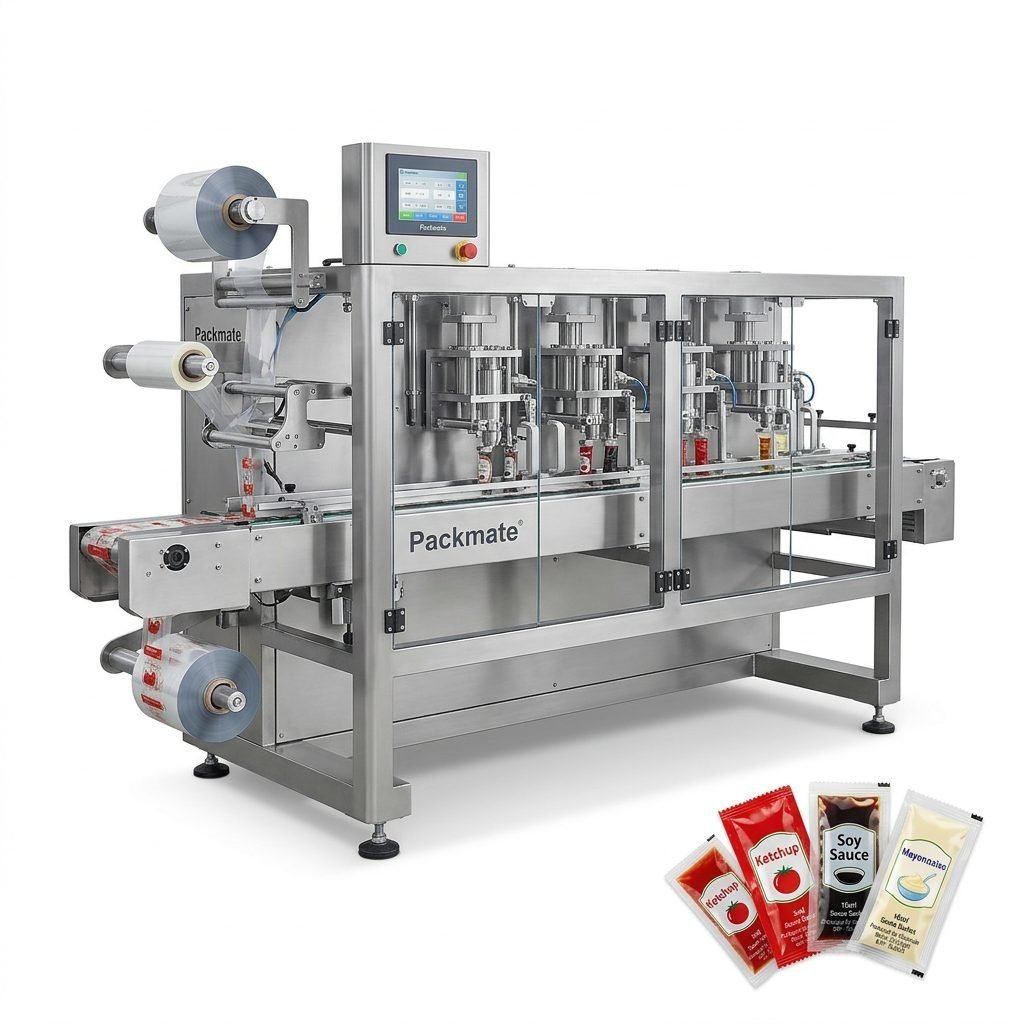
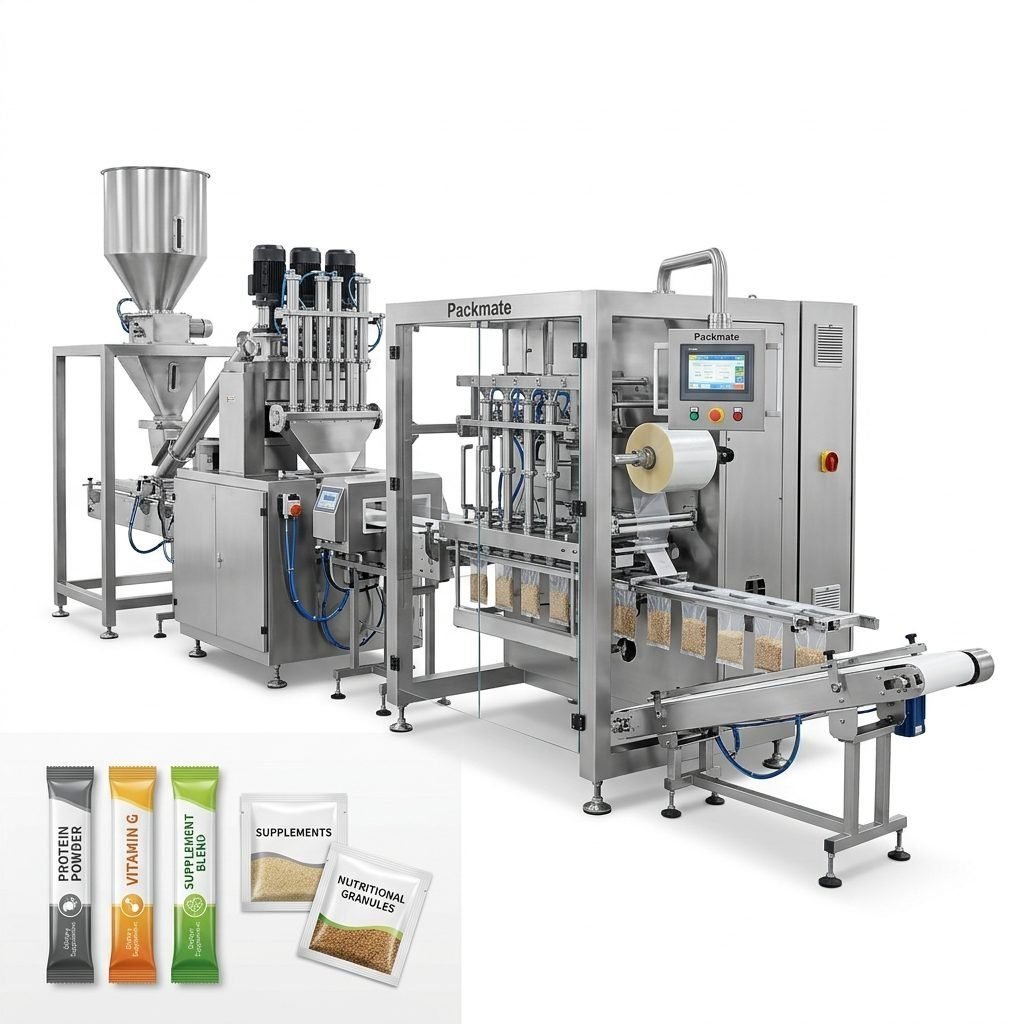
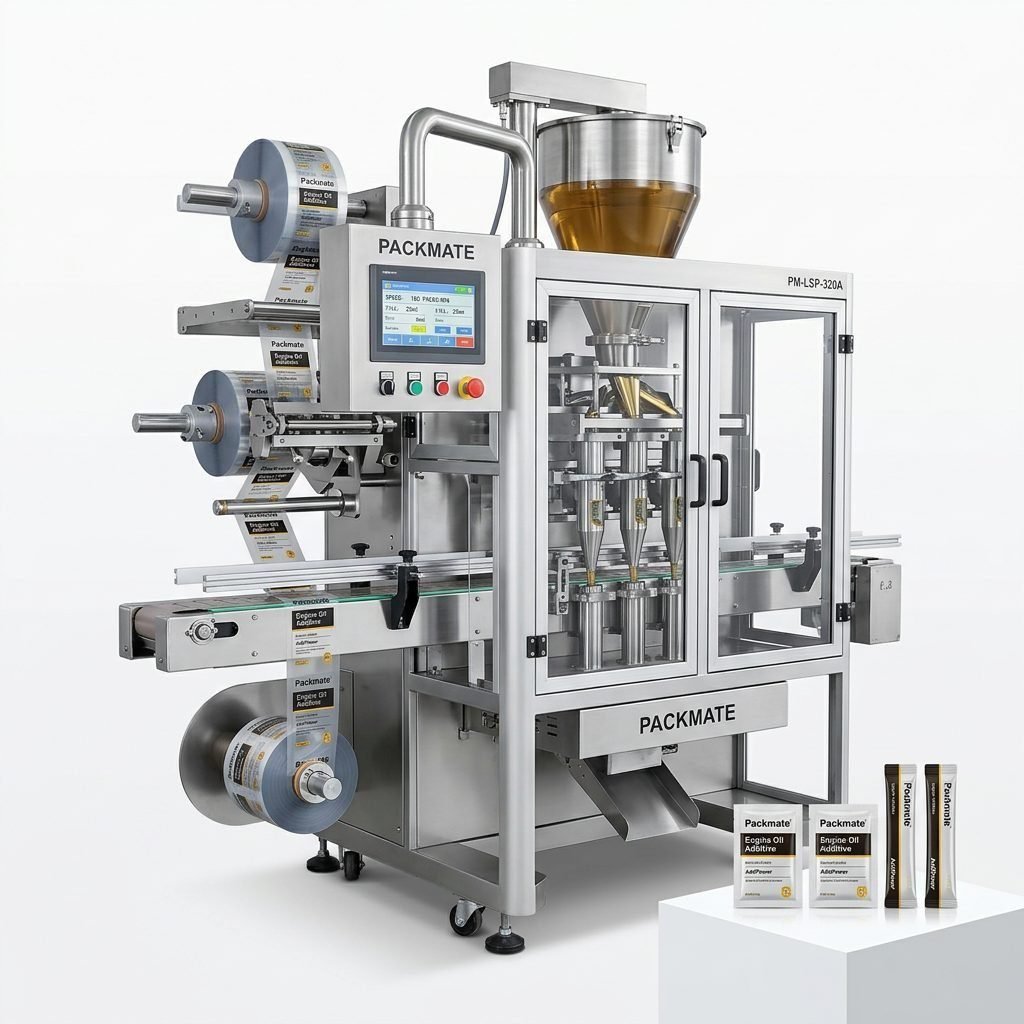
Versatility in Packaging Formats: The ability to switch between different pack types, such as sachets, stick packs, or pouches, on the same line adds tremendous value. Explore options like versatile sachet & stick pack machines for flexible output.
High-Speed Operation: Production speed, measured in packs per minute (PPM), directly correlates with output. Multi-lane machines can exponentially increase your throughput.
Top Machine Types for Ketchup Production
The “best” machine depends entirely on your target packaging format, production scale, and budget. Here’s a breakdown of the most effective types.
1. Vertical Form-Fill-Seal (VFFS) Machines for Pouches
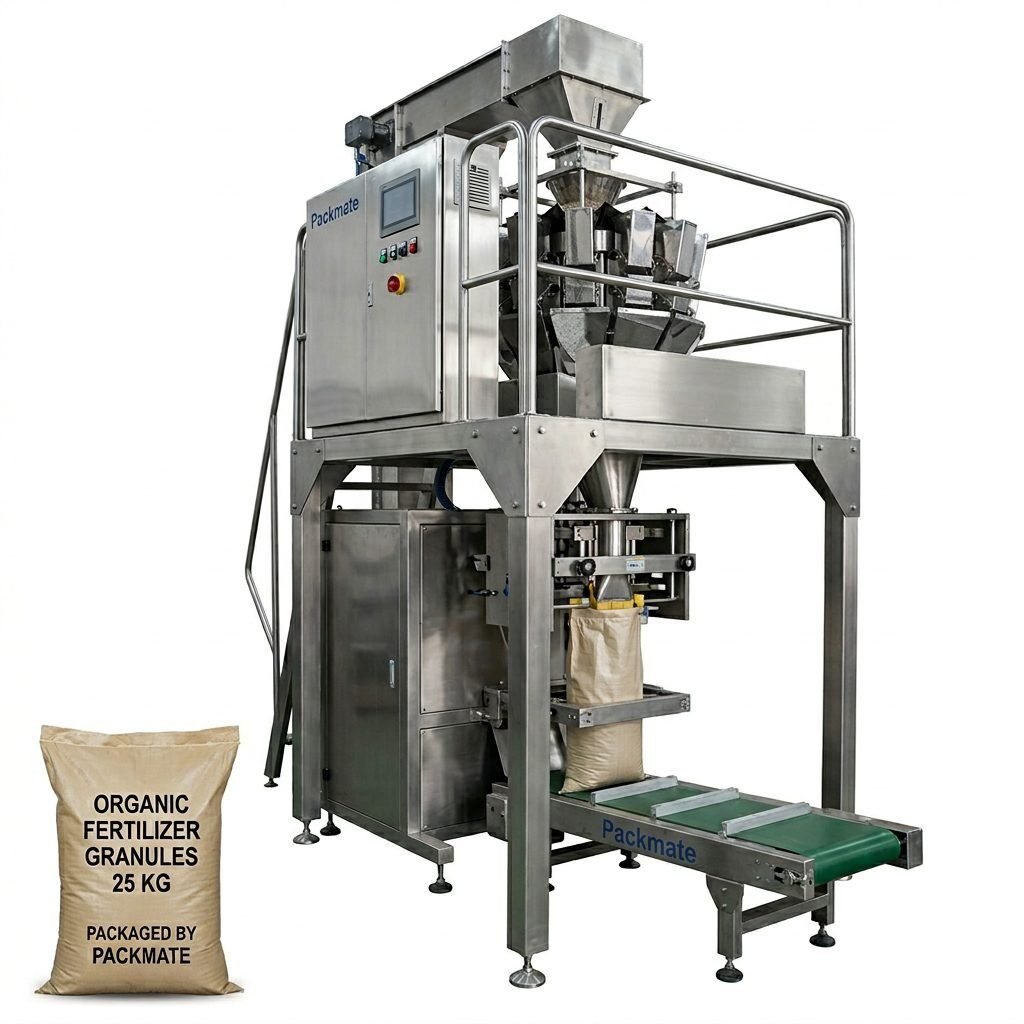
VFFS machines are the workhorses for creating stand-up pouches, pillow packs, and other flexible packaging from a roll of film. They form the bag, fill it with a precise amount of ketchup, and seal it—all in one continuous motion. This technology is ideal for single-serve condiment packets used in fast-food chains or for retail pouches. For a comprehensive solution, consider a complete bag & pouch packaging machine line that includes feeding, filling, and sealing.
2. Automatic Piston Filling Machines for Bottles & Jars
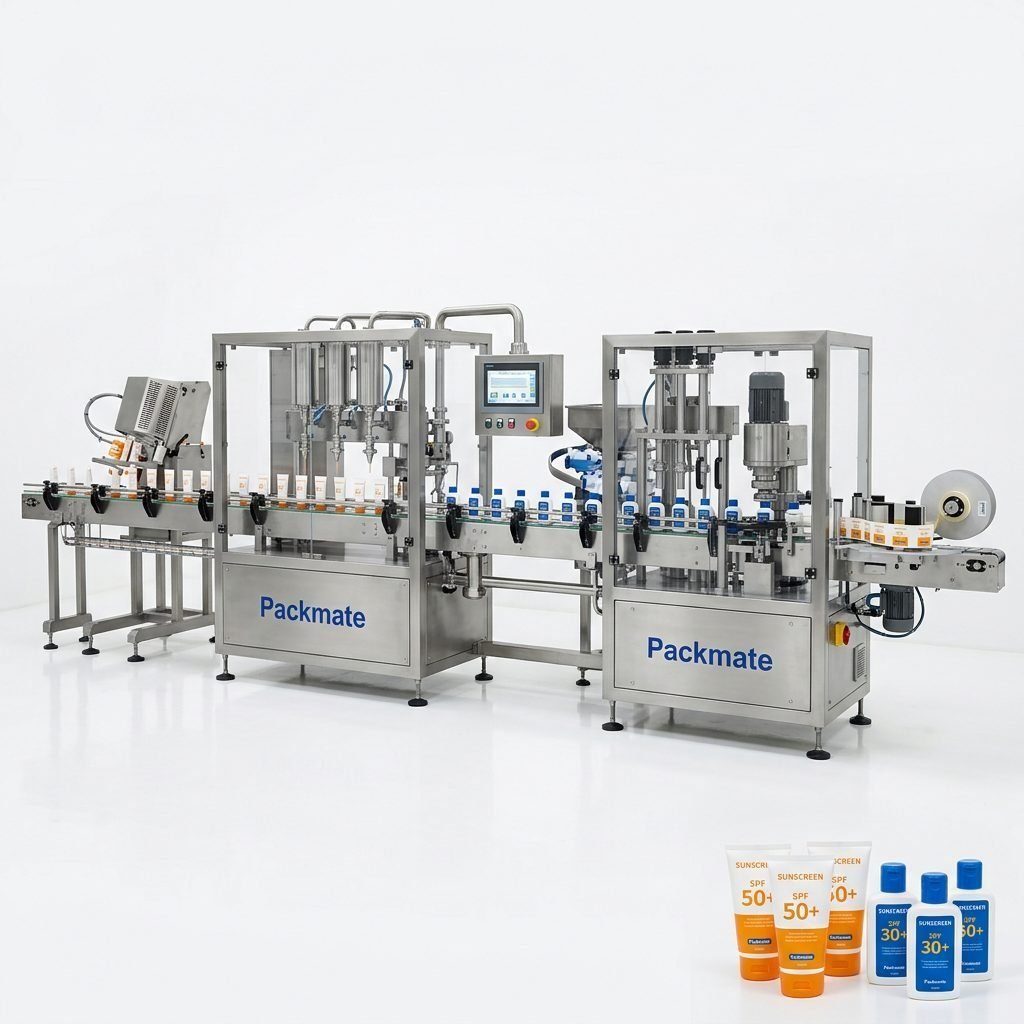
For the classic glass or plastic ketchup bottle, automatic piston fillers are the gold standard. They use a calibrated cylinder and piston to draw and dispense product, offering exceptional accuracy even with thick, pulpy ketchup. These machines can be integrated with capping, labeling, and case packing systems for a fully automated bottling line.
Why Integration Matters
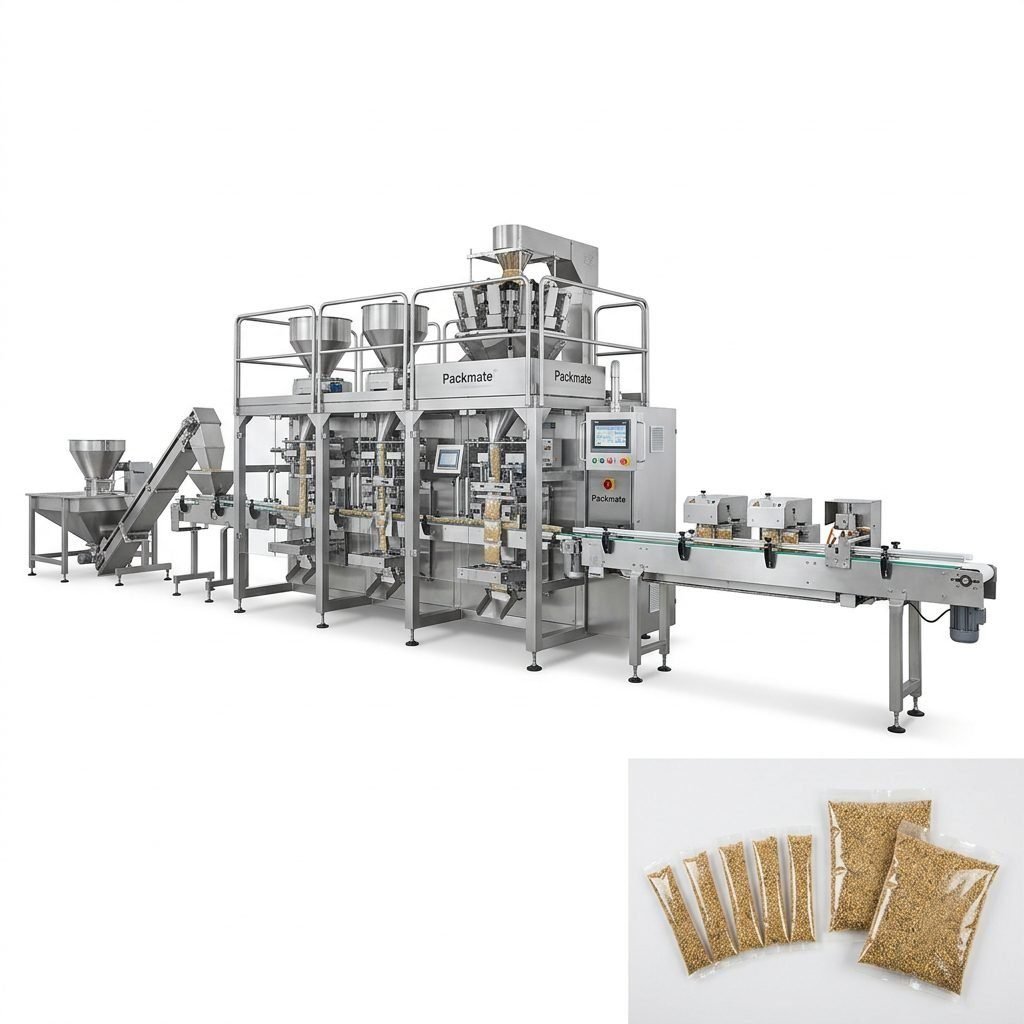
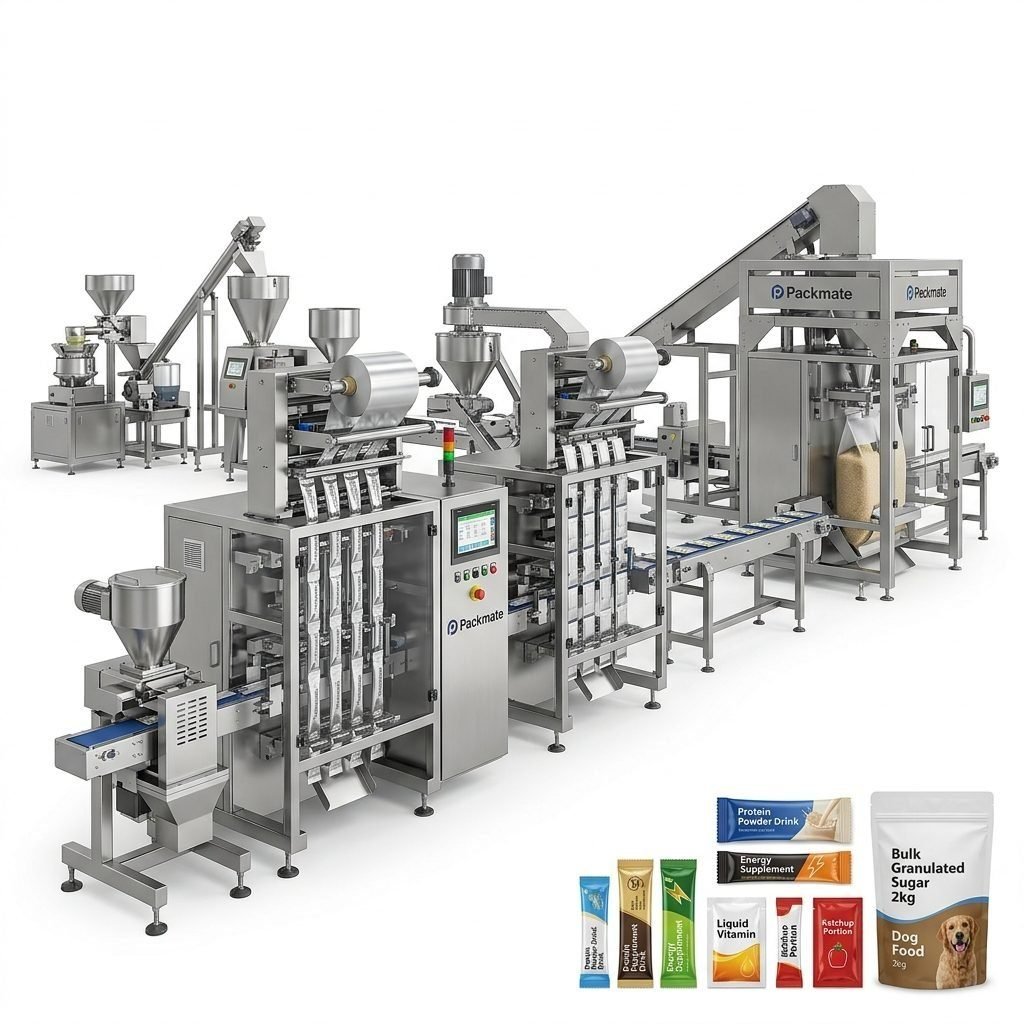
Standalone machines are effective, but the true efficiency leap comes from integration. A synchronized line where a filling machine is directly coupled with a weighing & packaging system and downstream auxiliary packaging equipment (like cartoners or case packers) minimizes manual handling, reduces labor costs, and ensures a seamless, high-speed workflow. This turnkey approach is what leading manufacturers like Packmate Machinery specialize in providing.
3. Multi-Lane Stick Pack & Sachet Machines
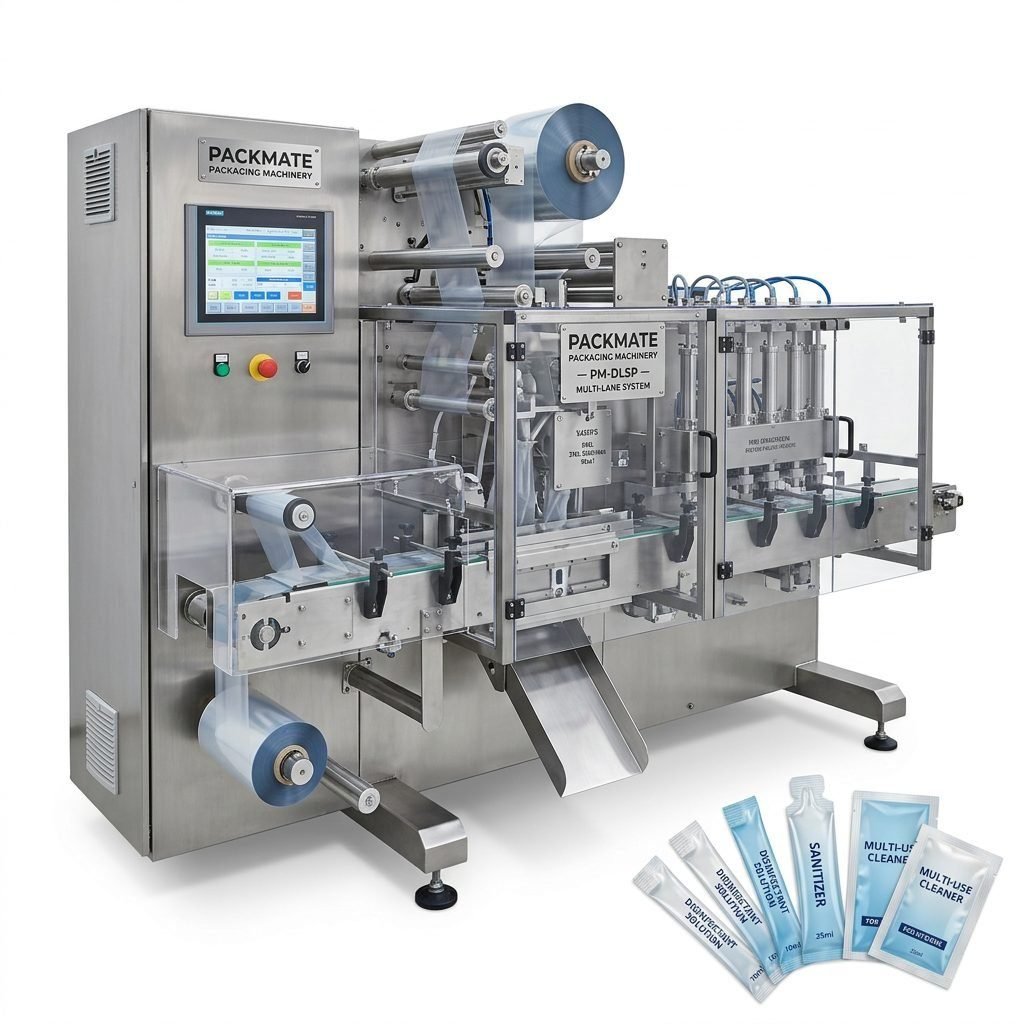
When the requirement is for millions of small, portion-controlled packs, multi-lane machines are indispensable. These systems run multiple packaging lanes in parallel, producing a high volume of small sachets or stick packs simultaneously. They are perfect for ketchup portions for airlines, catering, or retail multi-packs, offering incredible output from a relatively compact footprint.
Maximizing Your Investment: Beyond the Machine
Purchasing the hardware is just the first step. To ensure long-term efficiency, consider these factors:
Supplier Expertise & Support: Partner with a manufacturer with proven experience in food packaging, particularly with viscous products. Their ability to provide installation, training, and readily available spare parts is crucial. Reviewing a supplier’s project case studies can offer valuable insights into their real-world capabilities.
Future-Proofing: Opt for machines with a modular design that allows for easy upgrades or the addition of new functions (e.g., adding a nitrogen flushing system for extended shelf-life) as your business grows.
Total Cost of Ownership (TCO): Look beyond the initial purchase price. Evaluate energy consumption, maintenance needs, changeover times, and the machine’s expected lifespan to understand its true long-term value.
Conclusion
Selecting a top-tier ketchup packaging machine is a strategic decision that drives production efficiency, ensures product integrity, and supports brand growth. By focusing on precision, hygiene, speed, and the long-term support of a reliable partner, manufacturers can build a packaging operation that is not only efficient today but also scalable for tomorrow’s challenges. The integration of intelligent, automated systems is no longer a luxury but a necessity for staying competitive in the global condiment market.
Frequently Asked Questions (FAQs)
What is the typical production speed of a ketchup sachet machine?
Speeds vary greatly by machine type. Single-lane sachet machines may produce 60-120 packs per minute (PPM), while advanced multi-lane stick pack machines can achieve outputs of 800-1200 PPM or even higher, depending on the configuration and pack size.
Can one machine package both ketchup and other sauces like mayonnaise or mustard?
Yes, many modern packaging machines are designed for versatility. The key is that the machine’s filling system must be capable of handling different viscosities. Piston fillers are generally excellent for this. Always consult with the machine supplier to confirm compatibility and discuss any necessary changeover procedures.
How important is the sealing quality for ketchup packages?
It is critically important. A weak or imperfect seal can lead to leakage, product spoilage, and consumer complaints. High-quality machines use precise temperature, pressure, and time controls to create strong, hermetic seals on the packaging material, ensuring the ketchup remains fresh and contained.
What maintenance is required for these machines?
Regular daily cleaning of all product contact parts is essential. Scheduled maintenance includes lubricating moving parts, checking and replacing wear items like sealing jaws or filling nozzles, and calibrating sensors and scales. A good supplier will provide a detailed maintenance schedule and training for your operators.
Are there machines suitable for small-batch or artisanal ketchup producers?
Absolutely. Semi-automatic benchtop filling and sealing machines are available. They require more manual operation but have a much lower initial cost and are perfect for lower-volume production, allowing small businesses to maintain quality and professionalism in their packaging.