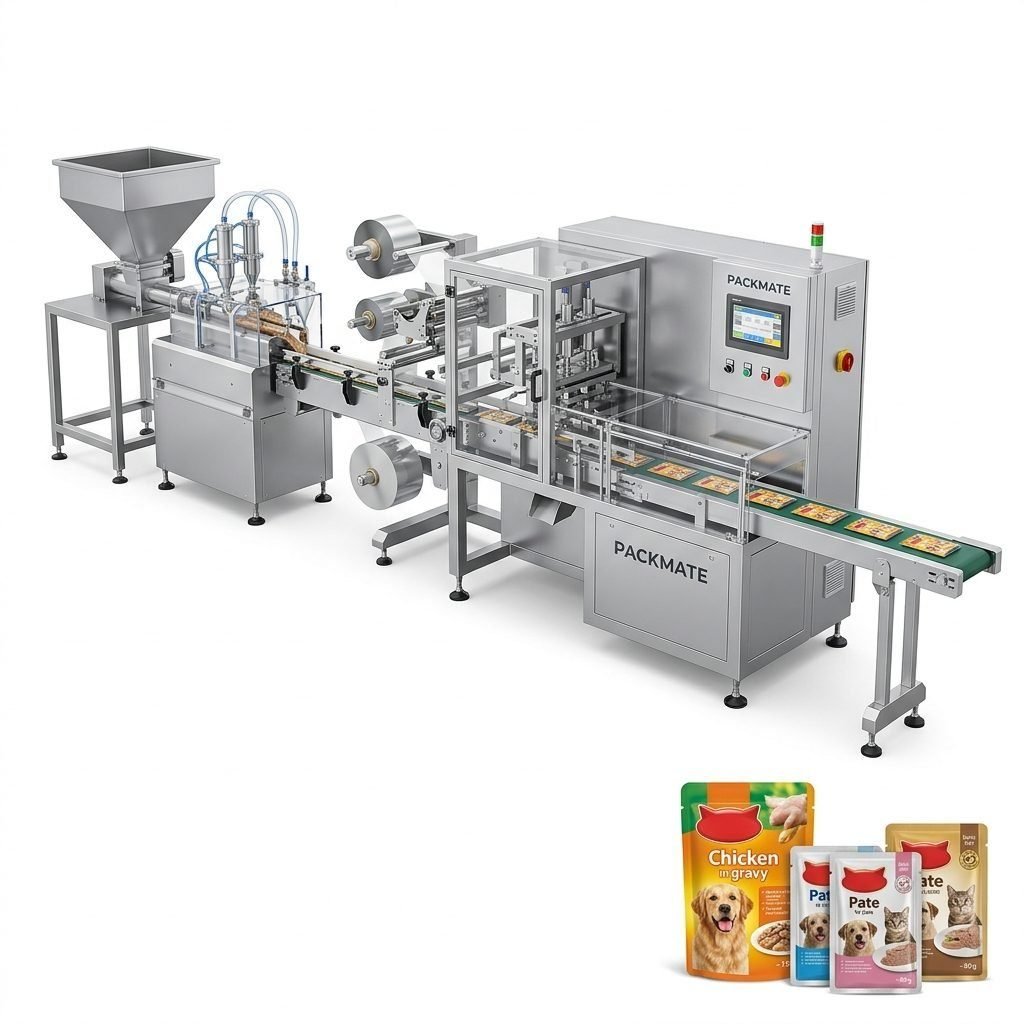
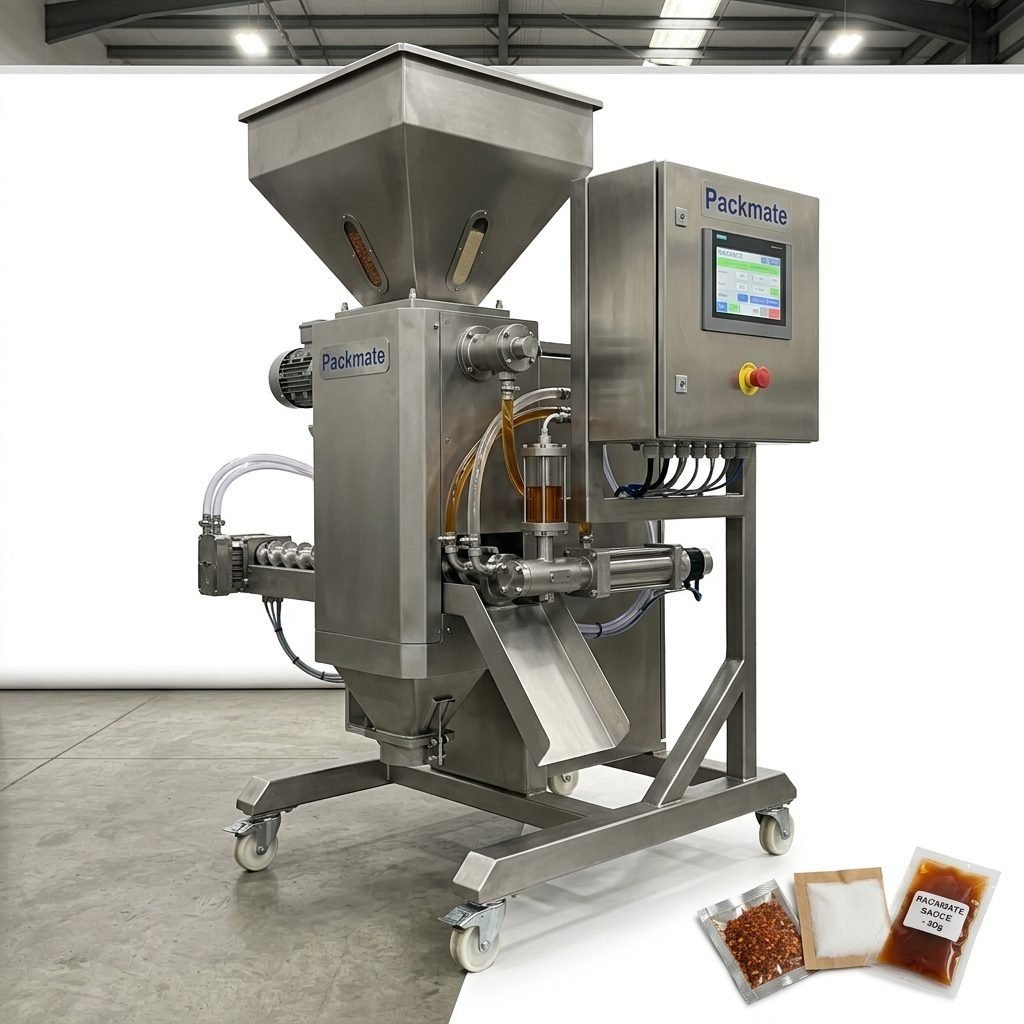
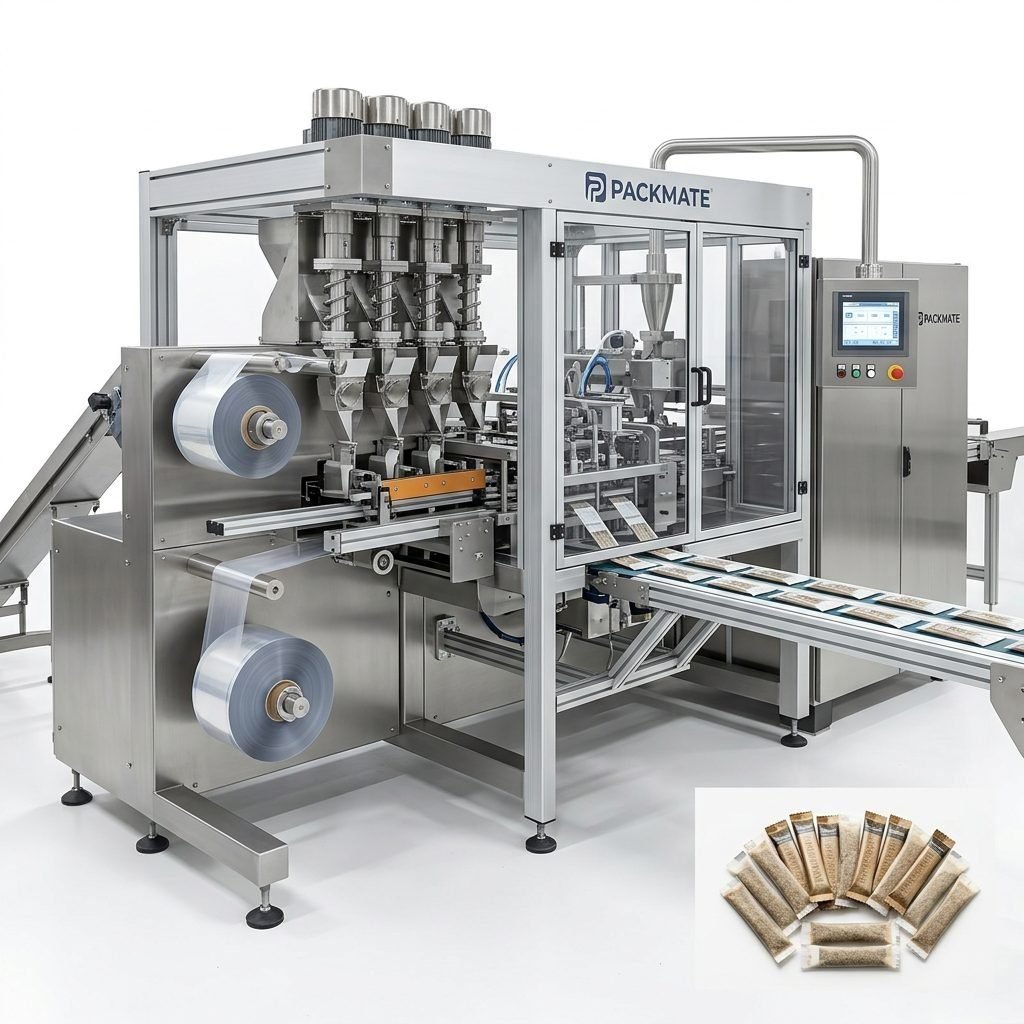
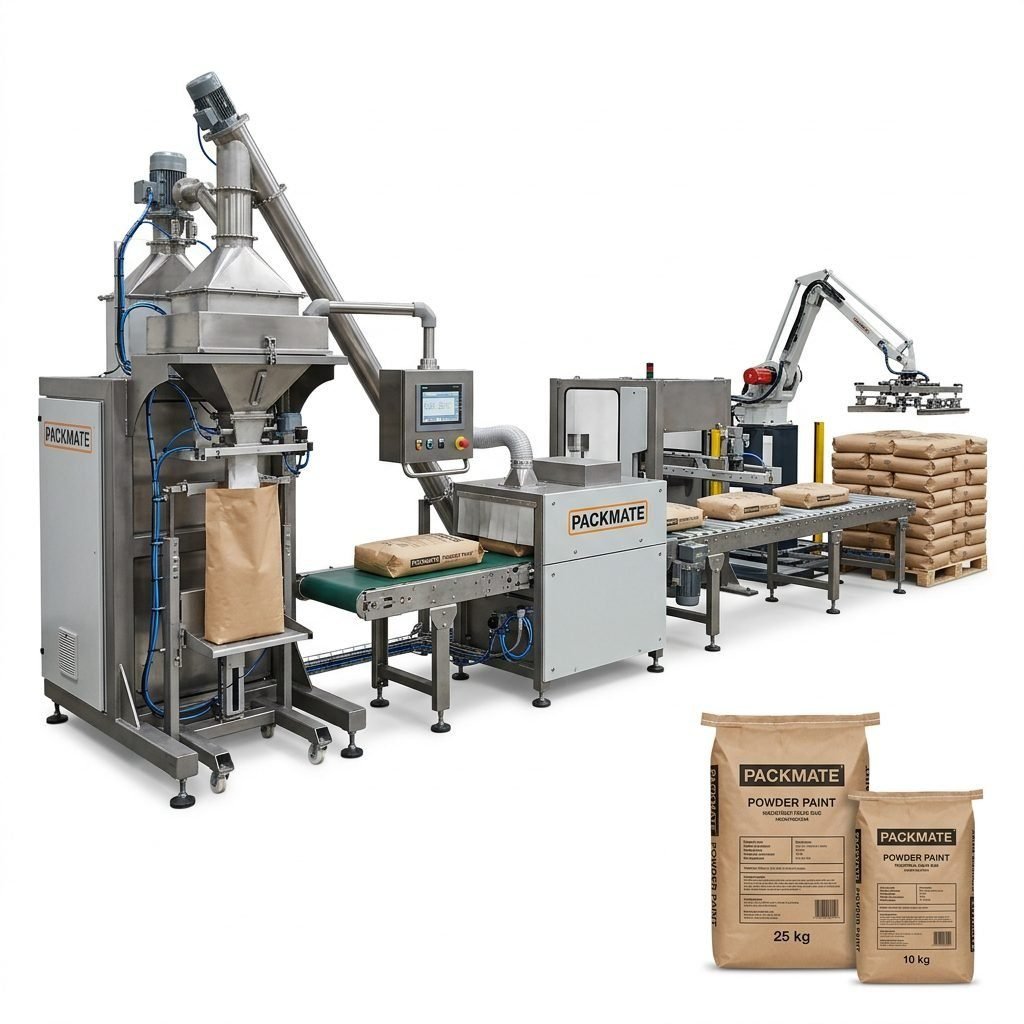
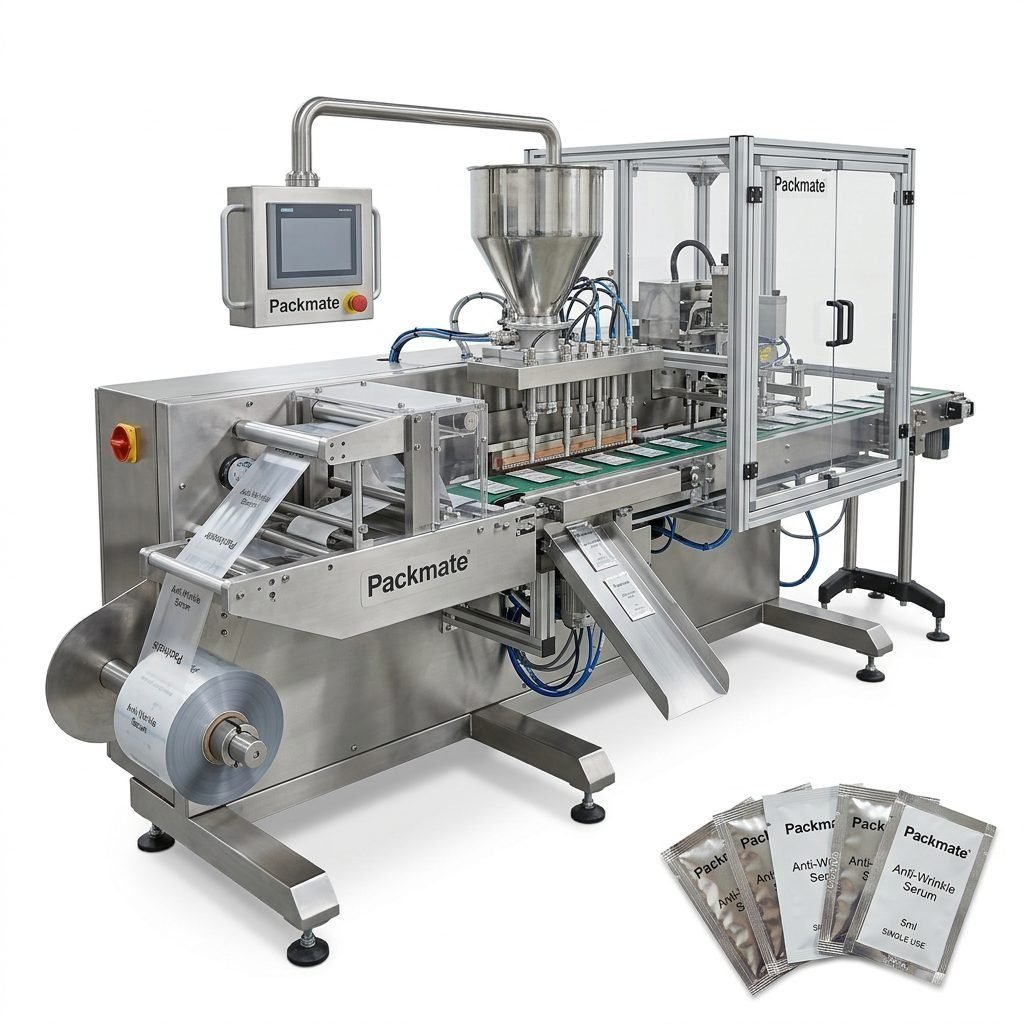
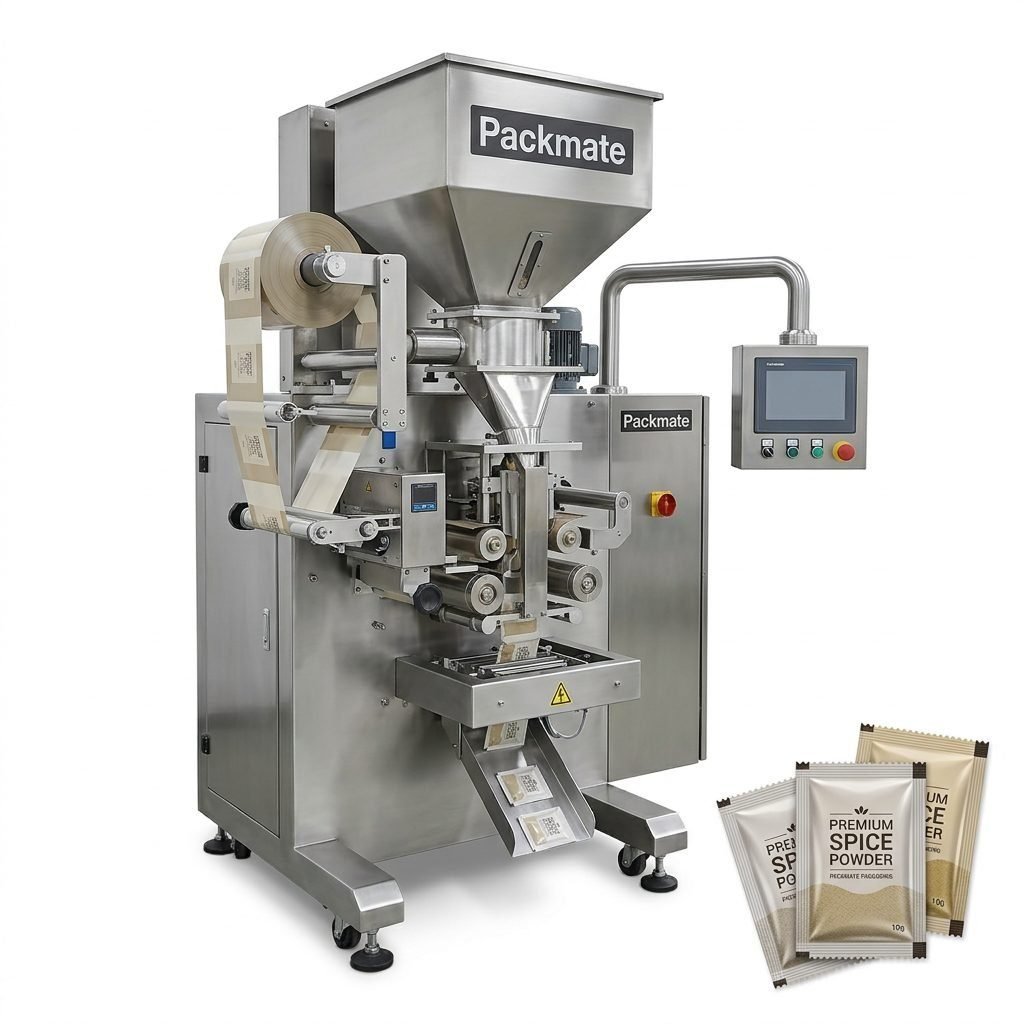
In the competitive world of liquid soap production, efficiency, hygiene, and brand presentation are paramount. The final step that brings your product to the consumer—packaging—is often where these elements converge most critically. A liquid soap packaging machine is not just a piece of equipment; it’s the cornerstone of a streamlined, reliable, and scalable production line. Choosing the right machine directly impacts your output quality, operational costs, and market competitiveness.
Understanding the Core Types of Liquid Soap Packaging Machines
The market offers a variety of packaging solutions, each designed for specific production scales, soap viscosities, and packaging formats. Understanding these types is the first step in making an informed investment.
Volumetric Filling Machines
These are among the most common and cost-effective solutions for liquid soap. They operate by dispensing a pre-set volume of product into each container. Ideal for medium-viscosity liquids like hand soap and shower gel, they offer good speed and consistency. Their simplicity makes them a reliable choice for many manufacturers.
Piston Filling Machines
For thicker, more viscous products such as lotion-soaps or creamy body washes, piston fillers excel. They use a piston and cylinder mechanism to draw and dispense product, providing exceptional accuracy even with challenging formulations. This type is crucial for maintaining precise fill levels and minimizing product giveaway.
Gravity & Pressure Filling Machines
Gravity fillers are suitable for free-flowing, thin liquid soaps. They rely on the product’s own weight to flow into containers. Pressure fillers, on the other hand, use external pressure to push product into bottles, making them effective for foaming soaps or liquids that need to be filled quickly without dripping or foaming.
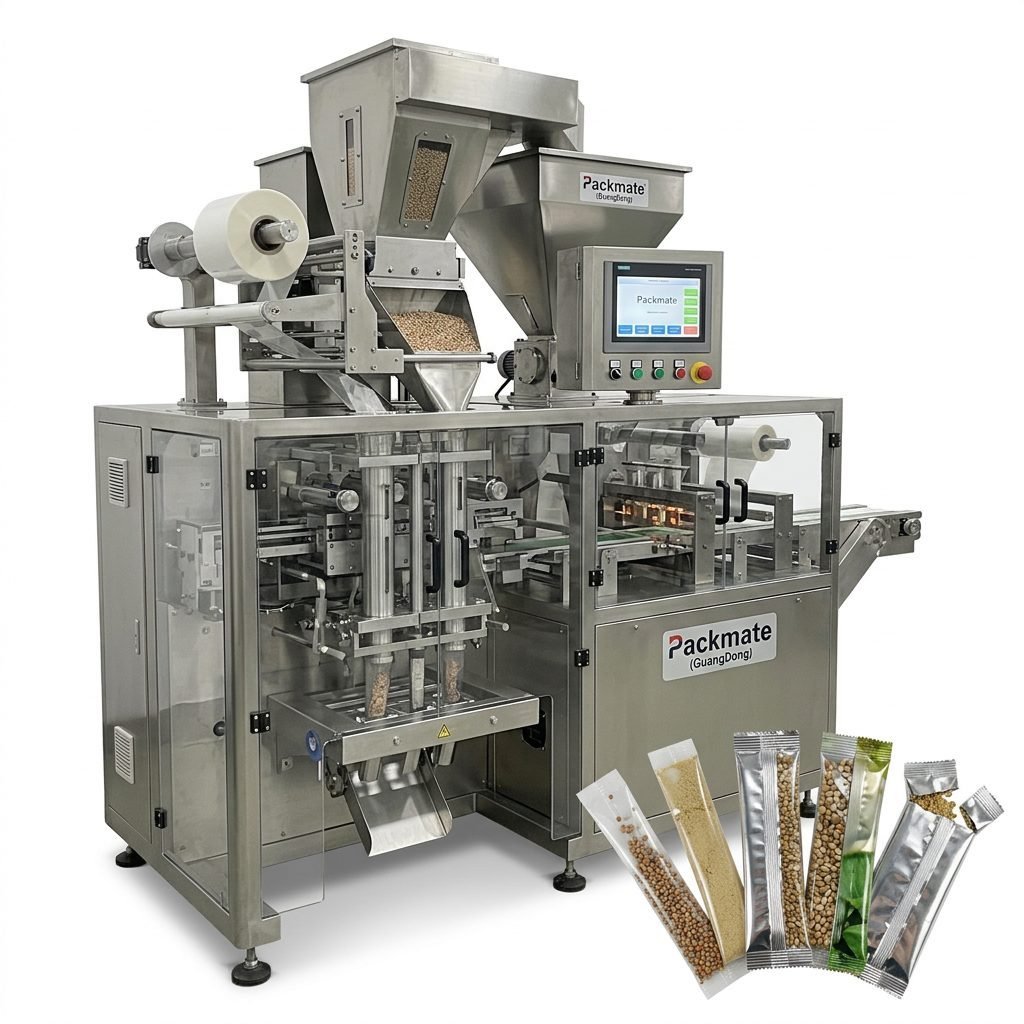
Key Consideration: Your soap’s viscosity, desired fill accuracy, and container type (bottle, pouch, sachet) will be the primary determinants in selecting between volumetric, piston, or pressure filling technologies. For businesses looking at sachet and stick pack formats, specialized machinery is required.
Essential Functions and Integrated Capabilities
A modern liquid soap packaging machine is rarely just a filler. It is often part of an integrated system that automates the entire packaging process, enhancing efficiency and reducing labor.
Automatic Bottle Handling: From unscrambling and conveying to precise positioning under the filling nozzle, automation ensures a smooth, continuous flow.
Capping and Sealing: Integrated capping stations apply screw caps, pump dispensers, or foil seals immediately after filling, maintaining product integrity.
Labeling and Coding: Many lines include systems for applying labels and printing batch codes or expiration dates, which is a non-negotiable requirement for compliance and traceability.
PLC Control and Touchscreen Interface: Modern machines are governed by Programmable Logic Controllers (PLCs), allowing for easy recipe changes, speed adjustments, and detailed production monitoring through user-friendly touchscreens.
The Comprehensive Buying Guide: What to Evaluate
Purchasing a packaging machine is a significant capital expenditure. A thorough evaluation based on the following criteria will safeguard your investment and ensure long-term satisfaction.
1. Assess Your Production Requirements
Output Speed (Bottles Per Minute): Calculate your current and projected future needs. Under-specifying leads to bottlenecks; over-specifying wastes capital.
Container Variety: Will you be using different bottle shapes and sizes? Look for machines with quick-change parts to minimize downtime during format switches.
Product Characteristics: Precisely define your soap’s viscosity, acidity, and whether it contains abrasives or particulates, as these factors influence material compatibility (e.g., stainless steel grade for parts in contact with the product).
2. Prioritize Hygiene and Construction Quality
For personal care products, hygiene is non-negotiable. Machines should be constructed with food-grade or pharmaceutical-grade stainless steel (e.g., 304 or 316L) on all product-contact surfaces. The design should allow for easy access and cleaning without tools (CIP – Clean-in-Place capabilities are a major advantage). The robustness of frames, motors, and drives from a reputable manufacturer like Packmate Machinery directly correlates with machine longevity and reduced maintenance.
3. Evaluate Supplier Credentials and Support
The machine’s quality is only half the equation; the supplier’s expertise and support are equally critical.
Manufacturer vs. Trader: Working directly with a manufacturer often provides better technical support, spare parts availability, and customization options. With over 22 years of development and a 20,000㎡ facility, Packmate exemplifies a manufacturer with deep engineering expertise.
After-Sales Service: Inquire about installation, training, warranty, and the availability of technical support. A global service network is vital for international operations.
References and Case Studies: Request client references, especially those with similar products or production scales. Reviewing their project cases can provide practical insights.
Cost Analysis: Beyond the Initial Price Tag
While the purchase price is important, the Total Cost of Ownership (TCO) is a more accurate financial metric. This includes:
- Operational Costs: Energy consumption, compressed air usage, and required labor.
- Maintenance & Spare Parts: Predictable costs for seals, filters, and wear parts. A reliable supplier will have transparent pricing.
- Product Yield: A high-accuracy filler minimizes product giveaway, saving significant money over time.
- Uptime & Reliability: A slightly more expensive but robust machine that avoids frequent breakdowns will always be more profitable than a cheaper, unreliable one.
Future-Proofing Your Investment
The packaging industry evolves rapidly. Consider machines that offer scalability and flexibility. Can the machine handle higher speeds with a minor upgrade? Is the control system open to integrating with future Industry 4.0 and data collection systems? Choosing a partner committed to innovation ensures your equipment remains relevant. Packmate’s evolution from sachet machines to full turnkey packaging lines demonstrates this forward-thinking approach.
Ultimately, selecting the ideal liquid soap packaging machine is a strategic decision that balances technical specifications, financial considerations, and partnership quality. By thoroughly analyzing your needs against the types, functions, and buying criteria outlined above, you can invest in a solution that not only packages your product but also packages success for your brand’s future.
Frequently Asked Questions (FAQs)
What is the typical production speed range for a liquid soap packaging machine?
Speeds vary widely based on automation level and container size. Semi-automatic machines may fill 20-40 bottles per minute (BPM), while fully automatic rotary fillers with integrated capping can achieve 100-300 BPM or more for small bottles. The key is to match the speed to your actual production volume.
Can one machine handle different types of liquid soap (e.g., hand soap, shampoo, and thick lotion)?
It depends on the machine type. A piston filler is often the most versatile for handling a range of viscosities, from thin to thick, by simply changing the piston size or adjusting stroke settings. However, switching between vastly different products may require a thorough cleaning cycle to prevent cross-contamination.
How important is the material of construction (e.g., 304 vs. 316 stainless steel)?
Extremely important. 304 stainless is standard and corrosion-resistant for most applications. 316L stainless steel offers higher resistance to chlorides and acids, making it essential for soaps with certain active ingredients, salts, or for operations in environments with high humidity or stringent hygiene standards (e.g., pharmaceutical-grade products).
What kind of maintenance do these machines require?
Regular preventive maintenance is crucial. Daily tasks include wiping down surfaces and checking for leaks. Weekly or monthly tasks involve lubricating moving parts (with food-grade lubricants), checking seal integrity, and calibrating filling accuracy. Your supplier should provide a detailed maintenance schedule and training.
What support should I expect from the machine supplier after purchase?
A reputable supplier should provide comprehensive support: on-site installation and commissioning, operator and maintenance training, a clear warranty (typically 12 months on parts), readily available spare parts, and access to remote or on-call technical support. Ask for details on their service structure before purchasing.