Navigating the world of mineral wool packaging requires precision and reliability, and the right machinery is at the heart of this process. Mineral wool, a versatile insulation material made from volcanic rock or slag, demands specialized packaging solutions to protect its fibrous structure, maintain its thermal properties, and ensure safe transit. This guide delves into the types of mineral wool packaging machines, their critical uses, and essential buying tips to help you make an informed investment.
Understanding Mineral Wool Packaging Requirements
Before selecting a machine, it’s crucial to understand the material’s unique characteristics. Mineral wool is often compressed to reduce volume for shipping but must be able to expand back to its full size upon opening. This requires packaging that can withstand compression forces without tearing and that provides a robust barrier against moisture. The machinery must handle these specific challenges, often involving precise weighing, gentle handling to avoid fiber breakage, and the creation of airtight seals.
Key Point: The primary goal of mineral wool packaging is to preserve the material’s integrity and insulating performance from the production line to the end-user. Machines that offer adjustable compression settings and consistent seal quality are paramount.
Primary Types of Mineral Wool Packaging Machines
The packaging line for mineral wool typically involves a sequence of specialized machines, each serving a distinct function.
1. Compression and Bundling Machines
These are often the first step. They compress large batts or rolls of mineral wool to a fraction of their original size, making them economical to ship and store. The machine then applies straps or film to hold the compressed bundle securely. Look for machines with programmable pressure controls to handle different densities and product sizes without damaging the fibers.
2. Bagging and Sleeving Machines
Once compressed, the mineral wool needs an outer protective layer. Vertical or horizontal bagging machines automatically place the bundle into a plastic sleeve or bag. For higher-end products, machines that perform shrink-wrapping are common, as the tight film provides excellent moisture resistance and a professional finish. The reliability of the film feed and sealing systems is a critical factor here.
3. Weighing and Filling Systems
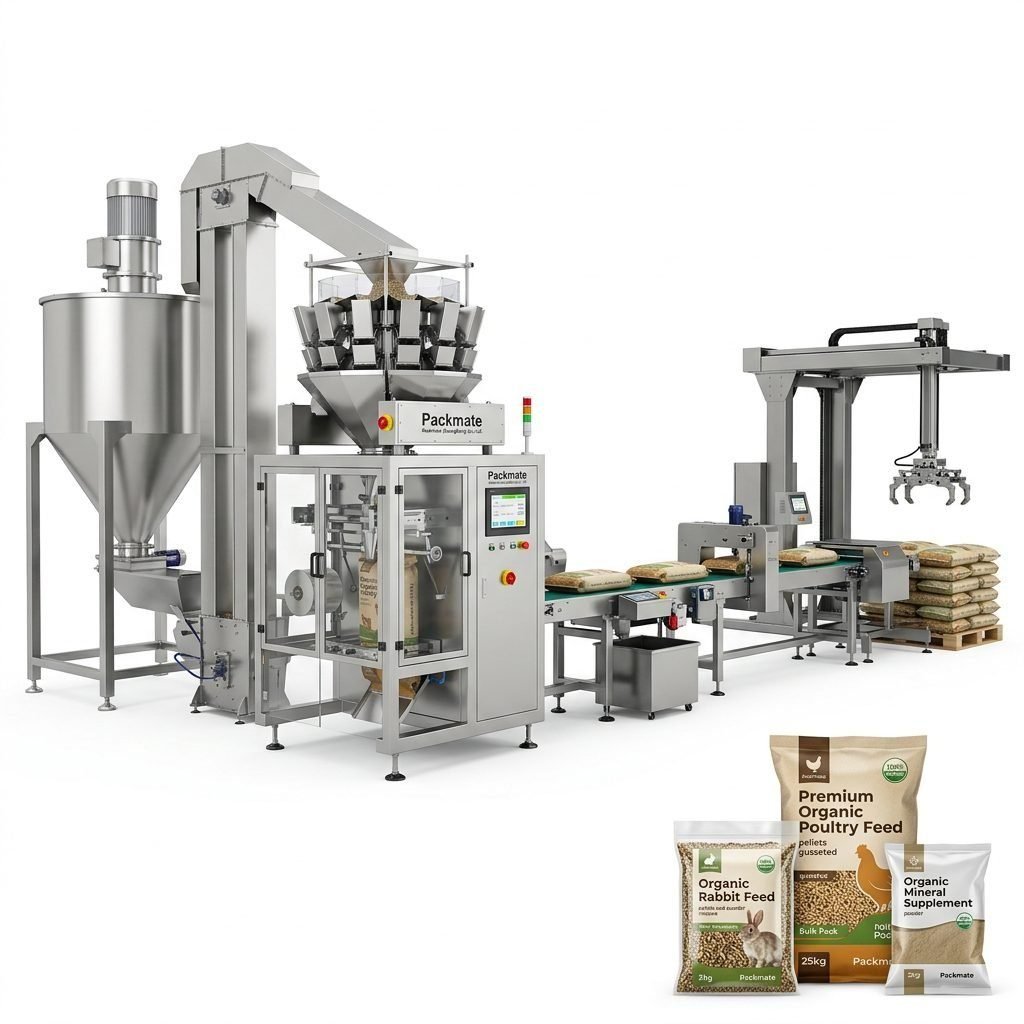
For loose-fill mineral wool or smaller packages, automated weighing systems are essential. These systems, like the advanced weighing & packaging systems offered by industry leaders, ensure each bag contains the exact weight of material, crucial for inventory control and customer satisfaction. They integrate seamlessly with the bagging process for a fully automated line.
Core Uses and Applications in Industry
Mineral wool packaging machines serve several vital functions across the supply chain:
Product Protection: The foremost use is to shield the hygroscopic material from atmospheric humidity during storage and transportation, which can severely degrade its insulating value.
Logistics Optimization: By compressing the product, these machines drastically reduce the required storage space and shipping costs, a significant factor for a bulky material like insulation.
Branding and Information: The packaging is the final touchpoint before the consumer. Machines that allow for clear, high-quality printing on bags or labels help communicate brand values, installation instructions, and safety data.
Automation of Labor-Intensive Tasks: Automating the compression and bagging process increases line speed, reduces physical strain on workers, and ensures consistent packaging quality shift after shift. For a complete overview of automated solutions, exploring a manufacturer’s full range of filling & packaging lines can be highly beneficial.
Essential Buying Tips for Your Investment
Choosing the right mineral wool packaging machine is a significant capital decision. Here are key factors to consider:
1. Assess Your Production Volume and Speed
Match the machine’s output (bags or bundles per minute) to your current and projected production needs. Investing in an underpowered machine creates bottlenecks, while an overly complex, high-speed machine for a small operation leads to unnecessary expense.
2. Prioritize Flexibility and Changeover Ease
If you produce mineral wool in multiple sizes, densities, or package types (e.g., batts, rolls, loose-fill), a machine with quick and tool-less changeover capabilities is invaluable. It minimizes downtime when switching production runs.
3. Evaluate Build Quality and Durability
Mineral wool can be abrasive. Inspect the machine’s construction—frames should be heavy-duty steel, and components in contact with the product should be wear-resistant. A robust build ensures longevity and reduces maintenance costs. Partnering with an established manufacturer with a proven company history of quality engineering, like Packmate Machinery with over two decades of experience, can provide this assurance.
4. Demand Comprehensive After-Sales Support
The machine’s value is also defined by the support behind it. Before purchasing, clarify the warranty terms, availability of spare parts, and the supplier’s technical support structure. Can they provide remote assistance? How quickly can a service engineer arrive if needed? Reliable support is non-negotiable for maintaining uptime.
Pro Tip: Always request a live or recorded production trial using a sample of your actual mineral wool product. This is the most effective way to verify the machine’s performance, seal integrity, and handling gentleness before you buy.
5. Consider Integration and Future Expansion
Think of your packaging line as a system. Will the new machine integrate smoothly with your existing conveyors and upstream/downstream equipment? Furthermore, consider if the supplier can scale the solution later with auxiliary packaging equipment like automatic palletizers or case packers as your business grows.
Frequently Asked Questions (FAQs)
Q1: What is the most important feature to look for in a mineral wool bagging machine?
A: The most critical feature is a reliable and strong sealing system. Since mineral wool packages are often compressed and handled roughly, the seals (especially on the bag) must be perfect to prevent tears and moisture ingress. Look for machines with robust heat sealing jaws or advanced ultrasonic sealing technology.
Q2: Can one machine handle both rock wool and glass wool insulation?
A: Often, yes. Both materials have similar packaging requirements in terms of compression and bagging. However, you must confirm with the machine supplier. Key adjustments might be needed in compression force (due to different fiber densities and resilience) and potentially the sealing parameters if the plastic film differs.
Q3: How much maintenance do these machines typically require?
A: Maintenance needs vary by machine type and usage. Daily cleaning of dust and fibers from moving parts is essential. Scheduled maintenance (weekly, monthly) typically involves lubricating chains and bearings, checking seal jaw surfaces for wear, and verifying sensor alignments. A well-built machine from a reputable supplier should have clear maintenance guidelines and easily accessible service points.
Q4: Are automated mineral wool packaging lines suitable for small to medium-sized manufacturers?
A: Absolutely. Automation is scalable. While a large, fully integrated line might be for high-volume producers, there are semi-automatic and compact fully automatic machines designed for SMEs. These can dramatically improve efficiency and consistency over manual packaging, offering a strong return on investment by reducing labor costs and material waste.
Q5: What packaging films are best suited for mineral wool?
A: The most common and effective film is polyethylene (PE), often in the form of shrink film or heavy-duty bags. It provides excellent moisture barrier properties, good puncture resistance, and is cost-effective. For added strength, some manufacturers use woven PP bags or films with UV inhibitors for outdoor storage. Your machine supplier should advise on film specifications compatible with their equipment.